Reviewed · LIMA TOURS
8-Days Peru, The Rise of the Inca Empire
Peru packs centuries into one week. This Lima-to-Puno route connects colonial churches, Inca temples, Machu Picchu, and Lake Titicaca without making you arrange every transfer yourself. I especially like the included airport pickups and the small maximum group of 15, plus the sensible finish in Puno for onward travel to Bolivia. The main caution is that the daily schedule and Machu Picchu overnight arrangements need careful confirmation before you pay.
The $1,280 price covers seven nights, most breakfasts and lunches, trains, entrance tickets, buses, and guided excursions. That is a fair package for a busy Peru circuit, but domestic flights are extra, and the pace is brisk. You will see a great deal, yet you will have little spare time if delays or long hotel waits enter the picture.
In This Review
- Five Details That Shape the Experience
- Lima Starts with Cathedrals and Ancient Ceramics
- Flying to Cusco and Meeting the Inca Capital
- Pisac and the Living Side of the Sacred Valley
- Moray and the Salt Pans of Maras
- Machu Picchu: The Big Day and Its Timing Risks
- The Bus to Puno Turns History into a Road Day
- Uros and Taquile on Lake Titicaca
- What the $1,280 Covers, and What It Does Not
- Who Should Book This Peru Route?
- FAQ
- Where does the tour begin?
- Where does the tour finish?
- Are flights included?
- How many nights of accommodation are included?
- Is Machu Picchu admission included?
- Can the Machu Picchu ticket be changed?
- What meals are included?
- How large is the group?
- Is airport transportation included?
- Should You Book the Rise of the Inca Empire?
Five Details That Shape the Experience
- Lima begins with colonial power and ancient Peru: You visit the Historic Center, Santo Domingo, the Cathedral, and the Larco Museum on your first day.
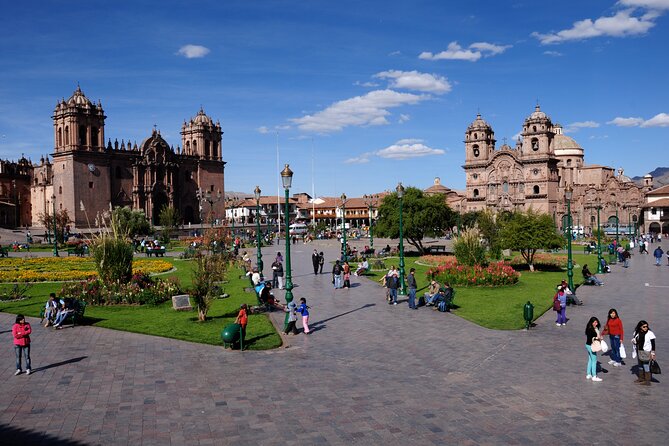
- Cusco combines Inca stonework with Spanish churches: Qorikancha, the Cathedral, and Sacsayhuaman give you three very different views of the city.
- Machu Picchu takes a full day: The train, connecting bus, guided ruins visit, lunch, and return transfer make this the tour’s longest and most tightly timed outing.
- The Sacred Valley includes working traditions: Pisac’s market, Yucay textile work, adobe making, chicha preparation, llamas, and alpacas add more than ruins.
- The tour ends at Lake Titicaca: Uros and Taquile provide a strong final day, while Puno makes it easy to continue toward Bolivia or return to Lima.
Lima Starts with Cathedrals and Ancient Ceramics
Your arrival point is Jorge Chávez International Airport in Lima. A pre-arranged transfer takes you to your hotel, which is a welcome relief after an international flight. The first sightseeing block lasts about four hours and focuses on central Lima, a UNESCO World Heritage Site.
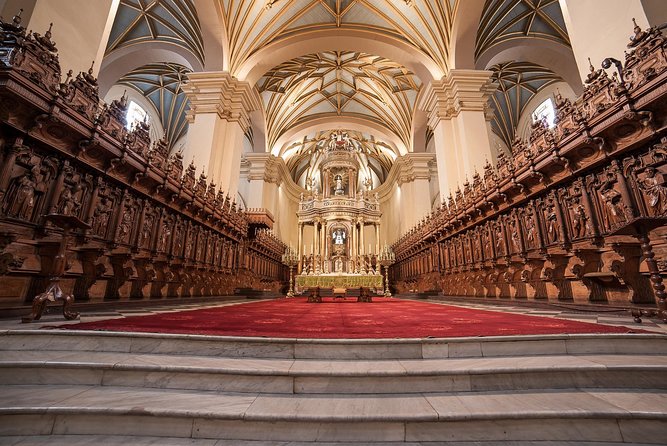
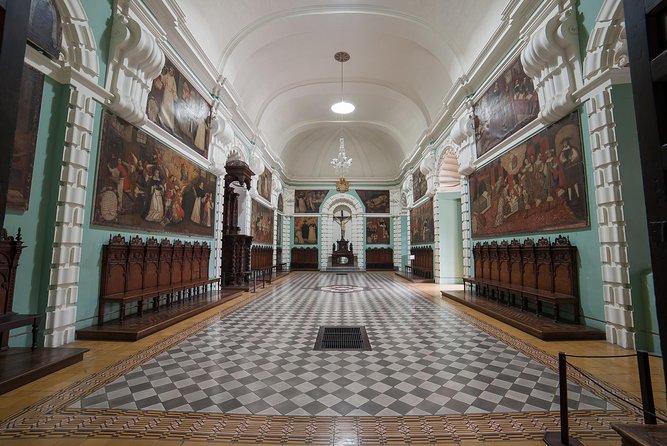
At Santo Domingo, you see one of Lima’s oldest colonial religious buildings. The site also connects to the University of San Marcos, founded there and described as the oldest university in the Americas. Inside are old choir stalls, a library with about 25,000 books, and the remains of San Martín de Porres, San Juan Masías, and Santa Rosa de Lima.
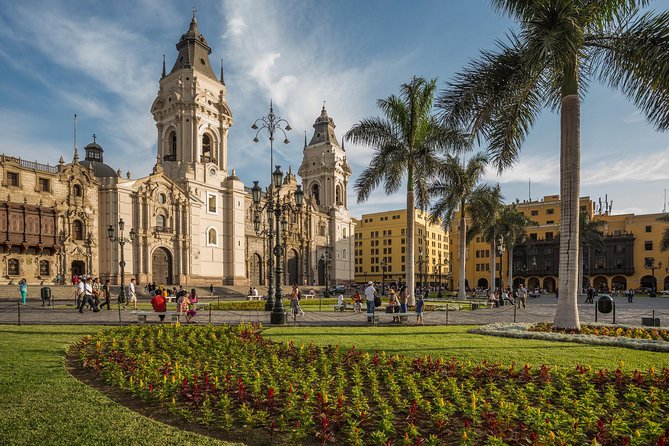
From there, the route crosses the Plaza Mayor, with views of the Government Palace and Municipality, before entering Lima Cathedral. This is a useful first lesson in Peru’s layered past: Spanish institutions were built over places tied to earlier cultures, and the art inside the churches reflects that complicated encounter.
The two-hour visit to Museo Larco changes the subject from colonial Lima to pre-Hispanic Peru. Gold, textiles, and ceramics explain how earlier cultures understood the world. The museum’s open storage area is particularly useful because it lets you see a much larger range of objects than a standard display gallery.
I like this opening because it gives you context before Cusco. The drawback is the timing. If your international arrival is late or delayed, you should confirm how the first day will be handled, since both the historic center and Larco Museum are scheduled on arrival day.
A few more Lima trips worth lining up side by side
- Premium Paracas & Huacachina Day Trip from Lima with Sunset Toast
★ 5.0 · 7,380 reviews - Full Day Tour From Lima: Paracas and Huacachina Oasis
★ 5.0 · 3,694 reviews - Lima Ultimate Peruvian Food Tour
★ 5.0 · 1,845 reviews
Flying to Cusco and Meeting the Inca Capital
Day two begins with an airport transfer and a flight from Lima to Cusco. The flight must be scheduled in the morning, with arrival by noon. That requirement matters. Cusco sits at high altitude, and the plan expects you to begin sightseeing soon after arrival.
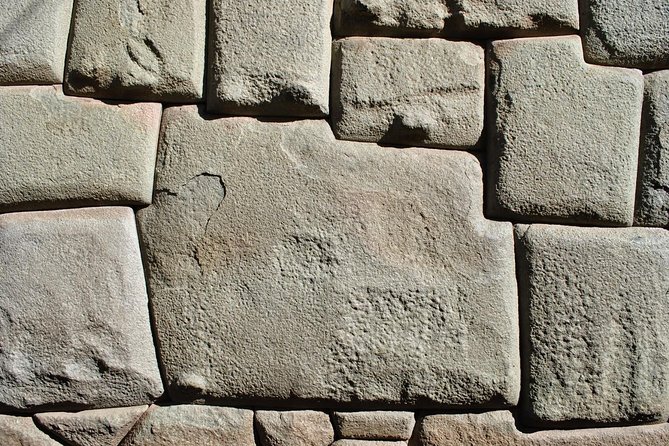
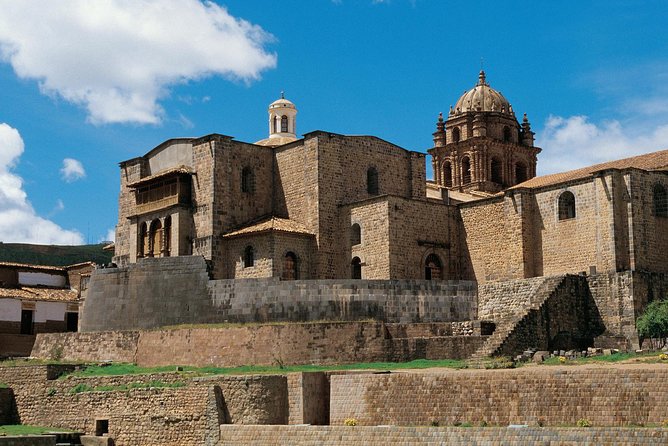
The first visit is Qorikancha, once the Inca Empire’s most important temple dedicated to Inti, the Sun God. Spanish conquerors reported walls covered in gold, though that material was later taken. What remains is more lasting: precise Inca stonework beneath and beside the Santo Domingo convent.
This stop explains Cusco better than a simple colonial city walk. You can see how one building contains two traditions, with the Spanish convent placed over the Inca sacred center. The visit lasts about an hour, so it is focused rather than exhaustive.
Cusco Cathedral follows. Its colonial paintings include works from the Cusco School, where European painting methods mixed with local symbols and ideas. The cathedral also holds ornate altars, carved choir stalls, and the original cross brought by the first Spanish conquistadors.
The afternoon moves uphill to Sacsayhuaman Archaeological Park. Huge stones, some more than four meters high, fit together without mortar. The site offers broad views over Cusco, and the size of the masonry gives you a better sense of Inca engineering than photographs can.
The route continues to Q’enqo, a ceremonial site carved into rock, then Tambomachay, where springs pass through carefully made channels. On the return, you see Puca Pucará, a former military post, from a panoramic viewpoint. This is a useful half-day outing because the sites are close to Cusco yet feel more open and remote.
Take altitude seriously. The tour information advises bringing medicine for altitude sickness or asking your doctor for guidance before departure. You should also expect a full day after the flight, not a gentle introduction.
Pisac and the Living Side of the Sacred Valley
Day three takes you into the Sacred Valley, following the fertile Urubamba River between mountain ranges. The valley was valuable to the Incas for farming, climate, and position. Today, it gives you a welcome change from city streets and museum interiors.
Pisac begins with ruins high above the valley. Agricultural terraces, religious structures, and large stonework show how the Incas used steep ground. From above, you look down on the colonial village, where adobe buildings and cobbled streets occupy a setting shaped by both Inca and Spanish settlement.
The local market is one of the tour’s practical shopping stops. You can look for textiles, ceramics, silver jewelry, and other handmade goods. The schedule gives about two hours here, including the ruins and village, so you may need to choose between careful shopping and extra time at the archaeological site.
The Inkariy Museum adds sculptural representations of Peru’s pre-Hispanic cultures. It is not a replacement for the real archaeological sites, but it can help you compare the different cultures introduced during the trip.
After lunch, the Yucay Live Culture Center brings the day closer to present-day Andean life. Local people demonstrate weaving, natural dyeing, adobe making, and the preparation of chicha, a corn drink. You also get a close encounter with llamas and alpacas.
This is one of the stronger parts of the itinerary because it connects the grand Inca story to ordinary skills that remain in use. I would value this stop more than another quick ruin, especially if you want cultural contact rather than only photographs.
Moray and the Salt Pans of Maras
Day four is shorter and more specialized. At Moray, circular terraces descend into the earth in wide rings. The site is commonly explained as an Inca agricultural laboratory, with different temperatures and growing conditions at various levels. The tour describes as many as 20 microclimates.
You will spend about an hour here. The site is visually striking, but the visit is brief, so your guide’s explanation will matter. Look closely at the changing terrace levels and the way the circles draw your eye downward.
The next stop is Salinas de Maras, a mountain slope covered with thousands of small salt pools. Spring water flows into the shallow pans, the sun evaporates the water, and salt remains. Local families still work the pools, which have been used since pre-Inca times.
The white salt pans against red clay hills make this one of the best photo stops on the route. The visit lasts about two hours, giving you more time to look around than at Moray. Still, the attraction is primarily visual and practical rather than a long historical visit.
Because days three and four are arranged as separate excursions, ask in advance where you sleep each night and how the transport connects. Clear information matters on a tour with several hotels and changing departure points.
Also leaving from Lima, and nothing like the above:
- Lima Half-Day City Walking Tour (Small Groups)
★ 5.0 · 1,508 reviews - Paracas and Huacachina Exclusive Sunset Picnic Tour
★ 5.0 · 1,398 reviews - Unmissable Visit To Paracas, Huacachina And Sunset In The Oasis
★ 5.0 · 1,138 reviews - Paracas, Ballestas Islands and Huacachina Guided Tour
★ 5.0 · 1,100 reviews
Machu Picchu: The Big Day and Its Timing Risks
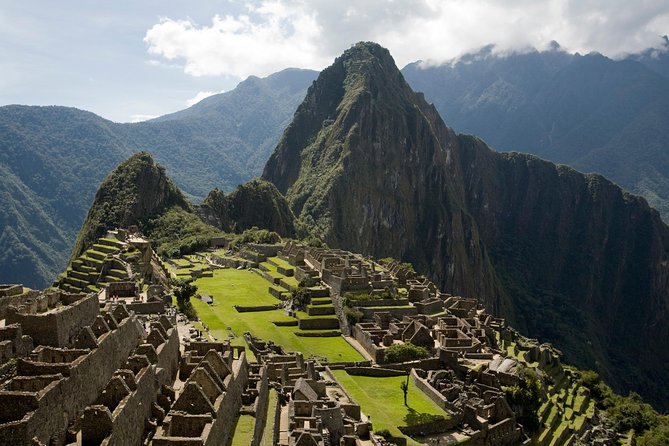
Day five is built around Machu Picchu and lasts about 10 hours. You board the train at Ollantaytambo, arrive at Machu Picchu station, meet staff, and take the bus up the winding road beside the Urubamba River canyon.
The ruins include terraces, stairways, ceremonial areas, and urban sections. The setting does much of the work, but the guided visit helps connect the pieces. This is not a quick photo stop. It is the day when the earlier lessons about Inca stonework, farming, religion, and urban planning come together.
The package includes a buffet lunch at Sanctuary’s Lodge restaurant. That is convenient, since you do not need to search for food during a tightly managed day. Afterward, the planned arrangement is a train back and a transfer to a Cusco hotel.
There is an important point to confirm. One account of this trip describes an overnight at Hotel Ferre Machu Picchu, followed by a train at about 3:20 p.m. the next day. That created roughly 26 hours with no scheduled activity in the town. The published plan instead indicates a return to Cusco after the visit. Ask for the exact hotel, train time, and overnight location in writing before departure.
There was also confusion over the lunch ticket and the time allowed inside Machu Picchu. The practical lesson is simple: ask your guide when and where you receive the lunch instructions, and confirm your permitted circuit and exit time before entering.
Machu Picchu now uses specific visitor circuits. Route 2 is given priority when available. If it is not available, the alternatives listed are Route 3B or Route 1B. Your ticket is nonrefundable, and the date cannot be changed after issue, so do not treat the circuit choice as a minor detail.
The Bus to Puno Turns History into a Road Day
Day six is a seven-hour bus journey from Cusco to Puno, with several stops and lunch included. This is not merely a transfer. It is a sightseeing route, but you should still expect a long day seated on a bus.
At Andahuaylillas, you visit a beautiful chapel. The route then continues to Racchi and the Temple of Wiracocha, known for its large walls and narrow streets. These stops break up the ride and add religious and architectural detail before the scenery changes near the Cusco and Puno region.
La Raya Pass marks the natural border between the two areas. The high viewpoint gives you a chance to appreciate the open mountain scenery, and lunch provides a useful pause. Before Puno, you visit the Pucara Museum and have a chance to buy one of the area’s classic bull-shaped ceramics.
You arrive in Puno late in the afternoon. This day works well for someone who prefers an organized route to finding a separate transport connection, but it will feel tiring if you have just completed Machu Picchu and a late return.
Uros and Taquile on Lake Titicaca
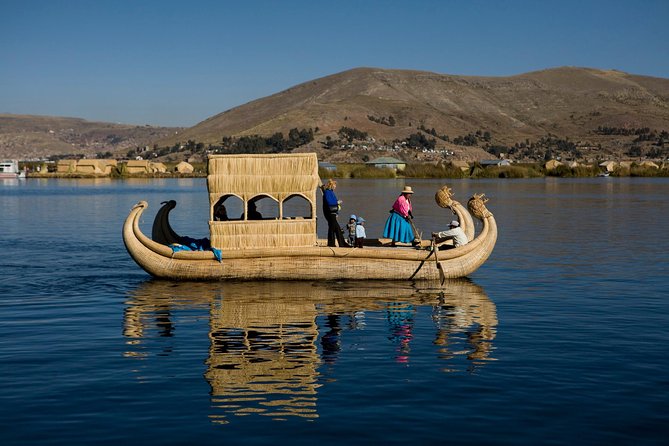
The final sightseeing day takes you onto Lake Titicaca for about six hours. The first stop is the Uros floating islands, made from totora reeds. The visit introduces the materials, construction, and daily life connected to these unusual island communities.
You then continue to Taquile Island. Local residents maintain ancestral traditions and wear distinctive clothing. A typical lunch is included, and the island offers broad views across the lake.
The day’s value comes from contrast. After stone temples and colonial cathedrals, you see communities shaped by reeds, water, textiles, and island life. Taquile also gives the trip a strong cultural finish rather than ending with another transfer.
The schedule returns you to Puno in the afternoon. Day eight is only a departure transfer, so Puno is the actual endpoint. That makes this package useful if you plan to continue to Bolivia, while anyone flying from Lima must arrange the onward flight separately.
What the $1,280 Covers, and What It Does Not
At $1,280 per person, the package offers solid value if you want an escorted route with little transport planning. Seven nights of selected hotel accommodation, seven breakfasts, three lunches, entrance tickets, the Voyager train service, airport transfers, station and hotel transfers, Machu Picchu transport, and the Lake Titicaca excursion are included.
The price does not include flights. You need an international flight into Lima and a morning domestic flight from Lima to Cusco. Food and drinks are also excluded unless specifically listed, so budget for meals beyond the included breakfasts and three lunches.
The 4.8 rating from 49 ratings and the 94 percent recommendation figure suggest that the overall formula works well for many people. I would still judge the value by how much you care about convenience. If you are comfortable arranging trains, hotels, guides, and buses yourself, independent planning could offer more control. If you want one booking to connect Lima, Cusco, the Sacred Valley, Machu Picchu, Puno, and Lake Titicaca, this price removes a lot of work.
Who Should Book This Peru Route?
I would recommend it to a first-time visitor who wants the major Inca and colonial sites in one trip. It suits you especially well if you value pre-arranged airport transfers, included entrance tickets, and a group capped at 15 people.
The route also suits someone continuing to Bolivia, since it ends in Puno rather than returning to Lima. It is less suitable if you want slow mornings, flexible hotel choices, or long stays in Cusco. The itinerary changes cities often, and several days begin early or run long.
Before booking, request the complete day-by-day schedule, hotel names, train times, and Machu Picchu overnight plan. The advance booking average is about 64 days, which makes sense because Machu Picchu entry and train arrangements are date-sensitive.
Cancellation is free up to 24 hours before the start time, but Machu Picchu admission itself cannot be refunded or changed once issued. Give your passport name, number, expiry date, country, and flight details when booking so the operator can coordinate the services.
FAQ
Where does the tour begin?
The tour begins at Jorge Chávez International Airport in Lima, Peru.
Where does the tour finish?
The tour finishes in Puno after the Lake Titicaca excursion and departure transfer.
Are flights included?
No. International and domestic flights are not included. The Lima to Cusco flight must be scheduled in the morning, with arrival by noon.
How many nights of accommodation are included?
Seven nights of accommodation at selected hotels are included.
Is Machu Picchu admission included?
Yes. The Machu Picchu excursion and admission ticket are included. Route 2 receives priority when available, with Route 3B or Route 1B offered if Route 2 is unavailable.
Can the Machu Picchu ticket be changed?
No. The ticket is nonrefundable, and the date cannot be changed after it has been issued.
What meals are included?
Seven breakfasts and three lunches are included. The Machu Picchu day includes a buffet lunch at Sanctuary’s Lodge restaurant, and the Taquile Island excursion includes a typical lunch.
How large is the group?
The maximum group size is 15 people.
Is airport transportation included?
Yes. Round-trip arrival and departure airport transfers are included, along with transfers between stations, hotels, and the airport where specified.
Should You Book the Rise of the Inca Empire?
Book this tour if you want Peru’s main sights arranged in a single eight-day route and you are happy to trade flexibility for convenience. The strongest features are the wide coverage, included transport, small group limit, living-culture stops in the Sacred Valley, and the final Lake Titicaca visit.
I would not book it without first confirming the Machu Picchu train and hotel schedule. That one detail can turn a well-paced cultural trip into a long wait with little to do. Get the daily plan in writing, prepare for altitude, schedule the Lima to Cusco flight early, and you will be in a much better position to enjoy this ambitious and worthwhile introduction to Peru.
Added recently around Lima
- Yoga Classes in Miraflores, Lima★ 4.5 · 20 reviews
- Magic Water Circuit Tour★ 4.0 · 5 reviews
- Private Walking Tour Lima Heritage Downtown Half Day★ 4.5 · 12 reviews
- Wonders of Peru & Huaraz 16-Day Tour★ 5.0 · 8 reviews
- Water Magic Circuit Lima Night Tour by Panoramic Bus★ 4.5 · 11 reviews
- Visit to the Larco Museum in Lima★ 5.0 · 5 reviews
- Guided Tours in Colonial and Modern Lima★ 5.0 · 54 reviews
- Bizarre Foods Tour for Adventurous Foodies★ 5.0 · 9 reviews
Lima Tours, compared.

Premium Paracas & Huacachina Day Trip from Lima with Sunset Toast
Read our review →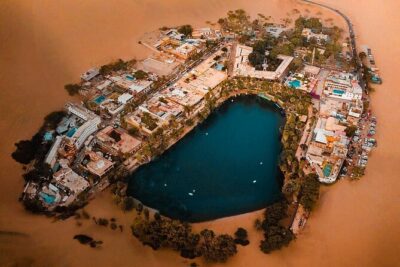
Full Day Tour From Lima: Paracas and Huacachina Oasis
Read our review →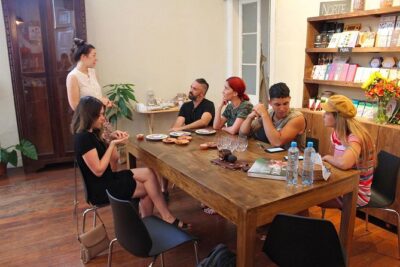
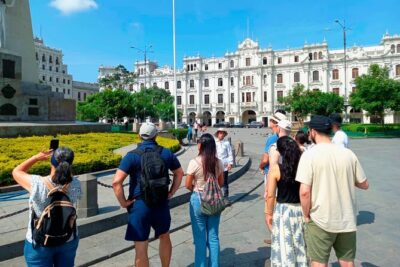
Lima Half-Day City Walking Tour (Small Groups)
Read our review →Paracas and Huacachina Exclusive Sunset Picnic Tour
Read our review →
Unmissable Visit To Paracas, Huacachina And Sunset In The Oasis
Read our review →
Paracas, Ballestas Islands and Huacachina Guided Tour
Read our review →