
Reviewed · AMAZON JUNGLE TOURS
Amazon Rescue Center – Manatees Conservation Center Admission Ticket
This is conservation with muddy boots. The Amazon Rescue Center, or CREA, gives you a close look at animal rehabilitation rather than a staged wildlife show. I like the hour-long guided walk and the chance to see manatees, monkeys, turtles, birds, and other rescued animals. I also like that your ticket helps support a working conservation project. The main drawback is simple: this is a modest rescue center, not a large zoo, so you may see only a few animals on the day you visit.
CREA sits outside Iquitos, about 13.8 kilometers along the Iquitos-Nauta road. I like the clear conservation mission, especially the focus on returning animals to the wild. You should allow extra time for transport, carry water, wear outdoor clothes, and use mosquito repellent. The center itself takes about an hour, but the round trip from town can turn this into a three-hour outing.
In This Review
- Key points to know before you go
- Why CREA is worth your time in Iquitos
- The trip from Iquitos to the Iquitos-Nauta road
- The guided path through rescued wildlife
- Meeting the manatees and understanding quarantine care
- The reptiles, monkeys, birds, and flooded forest display
- What the $8.08 ticket really buys you
- Timing, comfort, and practical preparation
- The limits of a small working rescue center
- Who should book the Amazon Rescue Center
- FAQ
- How long does the Amazon Rescue Center visit last?
- How far is CREA from downtown Iquitos?
- Is transportation included with the ticket?
- What animals can you see at the center?
- Is the tour available in English?
- Can I cancel for a full refund?
Key points to know before you go
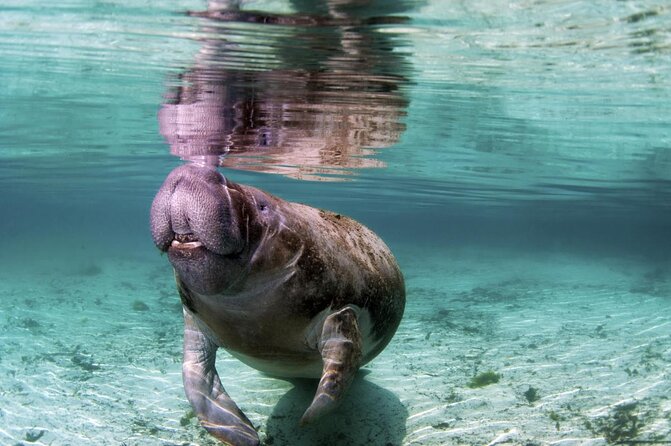
- Manatee rehabilitation is the heart of the visit: Learn how rescued manatees are fed, treated, and prepared for release.
- The tour includes several animal areas: You may see monkeys, birds, turtles, tortoises, fish, sloths, and other Amazon species.
- The center is a rescue project, not a zoo: Some animals are in quarantine or recovery, and the aim is to release them.
- English support can be available: English-speaking tours have been provided, including a highly praised guide named Jessica.
- Transportation is not included: The center is outside Iquitos, and you must arrange your own tuk-tuk, motocar, bus, or private transport.
- The $8.08 ticket offers good value: You get admission and a professional guide while contributing to animal care and rehabilitation.
Why CREA is worth your time in Iquitos
Iquitos offers river excursions, jungle lodges, floating communities, and busy markets. CREA gives you a different view of the Amazon: not the forest as scenery, but the problems faced by animals living in it.
The center works with The Dallas World Aquarium Zoo and the Research Institute of the Peruvian Amazon. Its animals arrived from places where they were held illegally in captivity or otherwise needed help. The goal is rehabilitation, followed by release into suitable natural areas.
That distinction matters. At CREA, the best result is not an animal performing for you. It is an animal leaving the center and no longer needing human care.
The project has released manatees, pink dolphins, anteaters, sloths, turtles, and other animals. The information provided by the center cites 23 released manatees in one description, while a later response from the organization cites 33. The exact total may have changed over time, but the point is clear: release work is a central part of the project.
You will not find a polished amusement park here. You will find a working conservation site with practical enclosures, simple paths, guides, and animals that need protection. If you want a large collection of wildlife, you may leave disappointed. If you want to understand how rescued Amazon animals are cared for, the visit has real value.
More Amazon Jungle Tours in Iquitos
- 3-Day All Inclusive Guided Jungle Tour from Iquitos at Maniti Eco-Lodge
★ 4.5 · 74 reviews - 2-Day All Inclusive Guided Jungle Tour from Iquitos at Maniti Eco-Lodge
★ 4.5 · 62 reviews - 3-Day Iquitos Amazon Jungle Adventure at Heliconia Lodge
★ 4.5 · 54 reviews
The trip from Iquitos to the Iquitos-Nauta road
CREA is located at Carr. Iquitos-Nauta km 13.8 in San Juan, outside central Iquitos. The ride is listed as about 30 minutes by tuk-tuk or roughly one hour by bus, while one detailed account describes approximately one hour each way by motocar. Treat these as rough estimates, since road conditions, traffic, and your starting point can change the timing.
Transportation is not included in the $8.08 admission price. You will need to arrange your own ride or book transport separately. A private round trip by motocar has cost about 100 soles in one reported case, though that price is not guaranteed and may be high depending on your negotiation and pickup point.
This is where advance planning helps. Book the center admission ahead of time, then arrange the ride before you leave town. The ticket gives you easy entry, but it does not solve the transport problem.
The trip also gives you a reason to get beyond the city center. You pass into the wider Iquitos area, where the setting becomes less urban. You should not expect a full jungle excursion, but the ride makes CREA easy to combine with another stop if you have a local guide or private driver.
The guided path through rescued wildlife
The visit lasts about one hour and takes place mostly outdoors along a forest path. A professional guide explains the animals, their rescue stories, and the rehabilitation process in each area.
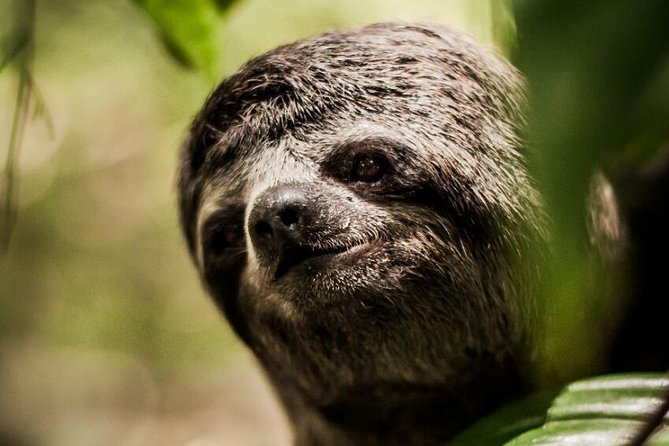
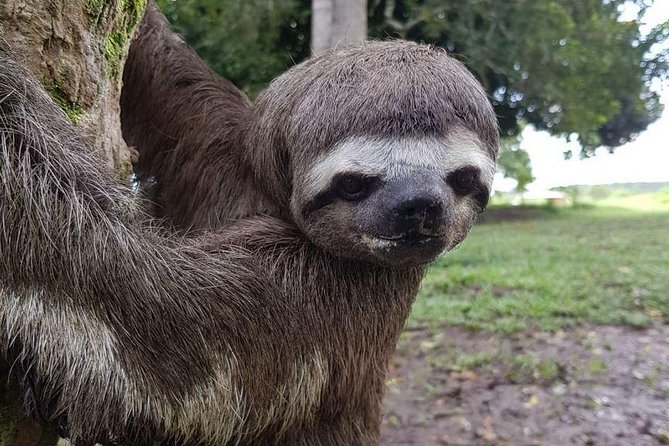
The route includes sections for reptiles, monkeys, birds, and manatees. You may see yellow-spotted river turtles and tortoises, along with fish and other creatures in care. Sloths have also been part of the visit, and one memorable encounter involved a guide gently waking a sloth for visitors to see.
The quality of the explanation makes a big difference. A short walk can feel thin if nobody explains what you are seeing. At CREA, the guide helps connect each enclosure to the larger problem of illegal captivity, injury, and reintroduction.
English tours may be available. One visitor had a private English tour with Jessica and praised her friendly, clear explanation of the animals and release work. Another received a full English translation during the visit. If you need English, state that clearly when booking and confirm it in advance. Do not assume every departure will use the same language.
The tour is private, with only your group participating. That can make it easier to ask questions and set a comfortable pace. It also means the experience depends heavily on the guide assigned to you and which animals are present that day.
Meeting the manatees and understanding quarantine care
The manatee area is the emotional center of the visit. These Amazonian mammals are endangered, and young or injured animals can require constant human care before they have any chance of returning to the wild.
You may see manatees in smaller tanks during the early stages of recovery. This can look underwhelming if you arrive expecting a large pool. But these smaller enclosures are quarantine tanks, used when animals first arrive and need close monitoring and feeding.
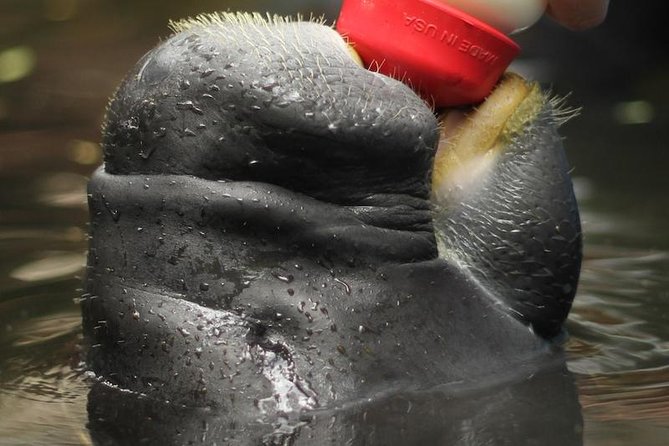
Baby manatees may be bottle-fed. That is a memorable sight, but it also shows the hard part of rescue work. A young animal that depends on people for food cannot simply be released into a river. It must recover, grow, and learn enough to survive without human help.
The center’s work can take a long time. Animals are treated, monitored, moved into larger spaces as they improve, and eventually released when conditions are right. For animals that cannot return to the wild, the center provides ongoing care or releases them into a nearby protected area, according to the information provided.
This is a good place to adjust your expectations. You are not guaranteed a dramatic manatee encounter, and the enclosures may be small. The value lies in seeing the early stages of a process that most wildlife visitors never get to witness.
More jungle trips from Iquitos:
- From Iquitos: 3-Day Amazon Jungle Adventure Trip
★ 4.7 · 50 reviews - Monkey Island,Amazon River & Native Aquatic Species – All tickets
★ 5.0 · 44 reviews - Monkey Island, Amazon River, Amazonian Sunset
★ 5.0 · 38 reviews - Amazing Jungle 3Days 2Nights – Amazon Wonder Expeditions
★ 5.0 · 33 reviews
The reptiles, monkeys, birds, and flooded forest display
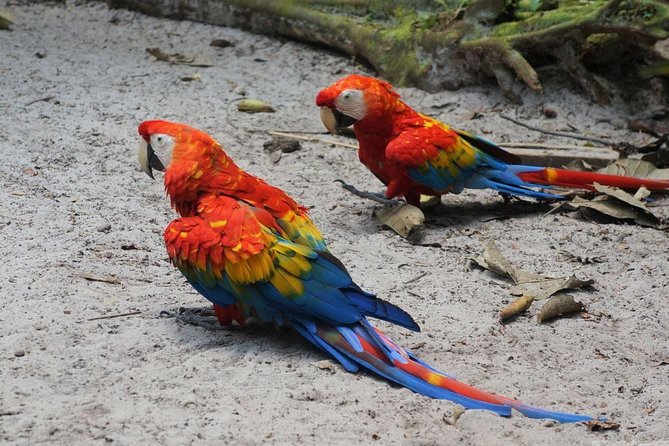
After the manatee area, the path continues through enclosures for reptiles, monkeys, and birds. The collection is not huge, and the number of animals you see can vary. Still, the variety helps explain that CREA works with more than one endangered species.
The reptile area includes yellow-spotted river turtles and tortoises. Turtles are often rescued from illegal captivity or kept in poor conditions, then assessed for eventual release. Their slow pace makes them less thrilling than a baby manatee, but their care is part of the center’s wider work.
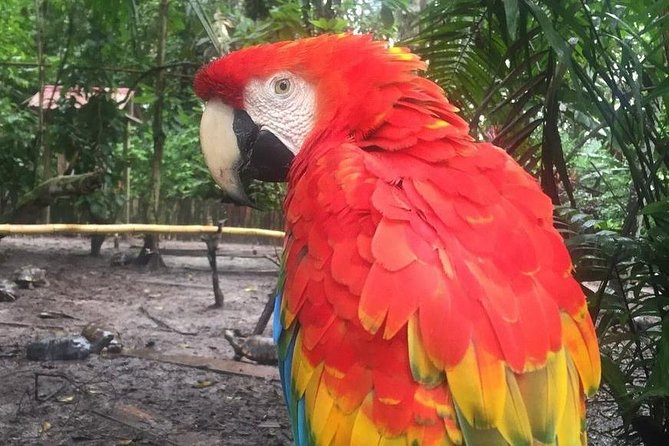
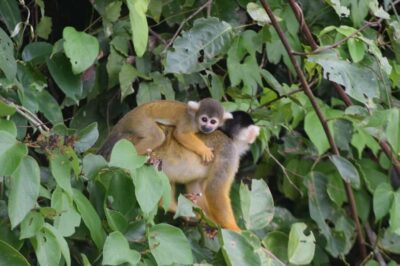
Monkeys and birds add movement and sound to the walk. You may not see every animal at close range, and you should not expect visitors to pet them. The staff protects the animals from unnecessary contact so they have a better chance of adjusting to life away from people.
The interpretation center, called The Flooded Forest, uses life-size fiberglass statues of major aquatic Amazon species. This section is more educational than exciting, but it helps you understand the animals that live in seasonal flood zones.
A small part of the route also focuses on Amazonian plants. Some people may find this section less engaging than the animals, though it offers useful context and a few photo spots. If your group includes children, the displays and guide’s explanations can help turn a short visit into a practical lesson about the forest.
What the $8.08 ticket really buys you
At $8.08 per person, this is an inexpensive activity by Iquitos standards. You receive entrance and a professional guide, and your money helps a local conservation project care for rescued animals.
The price is especially fair if you value purpose as much as entertainment. You are paying for access to a working rehabilitation center and for an explanation of how rescue, treatment, quarantine, and release fit together.
The value is less obvious if you judge the visit only by the number of animals on display. You may see a couple of young manatees in small tanks, some turtles, plants, and a few other animals. That may feel brief for someone expecting a full wildlife park.
I would not choose CREA as your only Amazon activity. It does not replace a river trip or forest excursion. But it works well as a one-hour educational stop, especially if you are already traveling along the Iquitos-Nauta road.
Your visit also supports the project directly. The center’s work depends on staff, volunteers, animal food, medical care, enclosures, and release programs. The ticket is a small expense for you, but it supports a cause with a clear local purpose.
Timing, comfort, and practical preparation
Plan on about one hour inside the center, plus transportation. Many people spend around three hours away from Iquitos when the ride and visit are added together.
Wear light outdoor clothing and comfortable shoes. The path is outside and the Amazon climate can be hot. Bring water, since food and drinks are not included.
Mosquitoes may be minor or more noticeable depending on the day. Use repellent before leaving town and carry extra with you. This is one of those small preparations that can make a short outdoor visit much more pleasant.
The center is accessible for most people, but the facilities may be difficult for wheelchair users. The path is not impossible with assistance, but a strong person may be needed to help push over uneven sections.
Families can make good use of the visit. Children get a direct lesson in wildlife care, and the manatees provide an easy entry point into a larger conversation about endangered animals and illegal captivity. Adults who want animal contact should know that touching animals is not the purpose here.
The limits of a small working rescue center
I think CREA is strongest when you treat it as a conservation lesson. It is weaker when you treat it as a traditional animal attraction.
You may find only a few manatees in quarantine tanks, along with turtles, plants, and selected animals in other areas. Some enclosures can look plain, and the entire visit can feel short. The center does not try to fill its grounds with animals for display.
That restraint is part of the mission. A successful rescue center should aim to release animals, not collect them. Empty or lightly occupied areas can mean that animals have moved on to the next stage of care or returned to the wild.
The experience also depends on the guide. A strong guide can explain why an animal is present, what treatment it needs, and what must happen before release. English-speaking guides have provided excellent explanations, but language availability should be confirmed in advance.
I would also avoid combining the visit with a tight airport or boat schedule. The center is outside town, and transport times can vary. Give yourself room for delays, especially if you are using public transport.
Who should book the Amazon Rescue Center
I would recommend CREA if you want to support local conservation, learn about endangered Amazon wildlife, or add a meaningful short stop to your Iquitos plans. It is also a good choice for families and for anyone who wants to see the countryside outside the city.
You should book it if the idea of watching animals recover and possibly return to the wild interests you. The manatee program alone gives the visit a clear focus, while the reptiles, monkeys, birds, sloths, and flooded forest display broaden the lesson.
I would skip it if you want a large zoo, dramatic animal encounters, or a place where you can touch wildlife. I would also skip it if you have very little time in Iquitos and transport would make the schedule stressful.
Book at least 24 hours ahead if your plans may change, since free cancellation is available until that point. Changes or cancellations made less than 24 hours before the start time are not accepted for a refund.
FAQ
How long does the Amazon Rescue Center visit last?
The guided visit lasts approximately one hour. You should allow additional time for the journey between Iquitos and the center.
How far is CREA from downtown Iquitos?
The center is located at Carr. Iquitos-Nauta km 13.8 in San Juan. It is described as about 30 minutes from downtown by tuk-tuk or about one hour by bus, though motocar travel times can also be around one hour each way.
Is transportation included with the ticket?
No. The ticket includes entrance and a professional guide, but not transportation, hotel pickup, or drop-off.
What animals can you see at the center?
The center cares for manatees, monkeys, birds, yellow-spotted river turtles, tortoises, sloths, fish, and other Amazonian animals. The exact animals visible can vary.
Is the tour available in English?
English-speaking tours have been offered, including private English tours. If you need an English guide, confirm language availability when booking.
Can I cancel for a full refund?
Yes. You can cancel at least 24 hours before the experience start time for a full refund. Cancellations or changes made less than 24 hours before the start time are not refunded or accepted.
Added recently around Iquitos
- Amazon tour adventure 3/ Days 2/ Nights★ 5.0 · 8 reviews
- Amazon Wildlife Excursions 2/ Days /1 night★ 4.0 · 9 reviews
- Monkey Island,Amazon River & Native Aquatic Species – All tickets★ 5.0 · 44 reviews
- Iquitos: Amazon Adventure and Expedition Tour | 3 Days★ 4.0 · 5 reviews
- Iquitos: Amazon Adventure: Nature and Wildlife | 2 Days★ 4.0 · 25 reviews
- Iquitos: Secret to Black River | Full Day★ 3.5 · 6 reviews
- Full Nature 4 Days 3 Nights – Amazon Wonder Expeditions★ 5.0 · 8 reviews
- Narowé the Taste of the Amazon: Iquitos Foodie Adventure★ 4.5 · 13 reviews
Amazon Jungle Tours, compared.
Tambopata Peruvian Amazon Jungle for Three Days/Two Nights
Read our review →


4-Day Jungle Adventure to Machu Picchu: Biking, Ziplining, Rafting and Hiking
Read our review →Browse the lists this tour appears in