
Reviewed · BALLESTAS ISLANDS TOURS
From Paracas: Ballestas Islands & Paracas National Reserve
Desert meets wildlife here. This five-hour outing pairs a speedboat ride to the Ballestas Islands with the stark beauty of Paracas National Reserve, giving you two very different sides of Peru’s coast in one day. I especially like the chance to see sea lions, penguins, pelicans, and blue-footed boobies before trading the sea for red beaches and sandstone cliffs.
I also like the practical hotel pickup and the often-personal reserve tour, where guides such as Olenka and Pablo have earned praise for their clear explanations and flexible approach. The main consideration is the boat ride: it can be cool, windy, and wet, and the number of penguins or sea lions changes with the season and ocean conditions.
In This Review
- Key points to know before booking
- Why this combined Paracas tour works so well
- From your hotel to the Paracas pier
- The Candelabro, Paracas’ great coastal mystery
- Ballestas Islands: Peru’s noisy wildlife show
- The café break gives you a useful reset
- Paracas National Reserve changes the mood
- The Cathedral and the power of geology
- Playa Roja and Lagunillas Beach
- Guides, language, and group size
- What is included, and what costs extra
- Who should book this experience?
- Should you book the Ballestas Islands and reserve tour?
- FAQ
- How long does the Ballestas Islands and Paracas Reserve tour last?
- What wildlife can I see at the Ballestas Islands?
- Are penguins guaranteed on the tour?
- Is the boat tour shared or private?
- Are the entrance fees included in the $60 price?
- What should I bring?
- Is hotel pickup included?
- Is the tour offered in English?
- Who should not take this tour?
Key points to know before booking
- Two major Paracas sights in five hours: You see the Ballestas Islands and the National Reserve without arranging separate transport.
- The wildlife is close, but never guaranteed: Sea lions are common, while penguin numbers can vary with food supplies and El Niño conditions.
- The Candelabro comes before the islands: This huge coastal glyph is one of Peru’s most puzzling sights.
- The reserve is more than a quick photo stop: Playa Roja, Lagunillas Beach, and the Cathedral area give the second half real weight.
- The $60 price covers useful essentials: Hotel transfers, guides, the boat, reserve transport, and water are included, but entrance fees are extra.
- Bring layers and cash: Carry Peruvian soles, sun protection, and something that can handle spray on the boat.
Why this combined Paracas tour works so well
Paracas is one of those places where two experiences sit side by side but feel worlds apart. Offshore, the Ballestas Islands are loud with birds and sea lions. On land, the national reserve is quiet, dry, and almost bare, with desert dropping toward the Pacific.
I like this pairing because neither half feels like an afterthought. The boat trip gives you wildlife and fresh air, while the reserve shows why this part of Peru is visually unusual. If you only have one day in Paracas, combining both saves time and avoids the usual scramble between operators, piers, and remote viewpoints.
The advertised duration is five hours, including the hotel transfer, two-hour speedboat outing, a 30-minute break at a local café, and the reserve drive. That makes it a compact trip rather than a slow day in the park. You will see the main sights, but you should not expect long walks, extended beach time, or a leisurely wildlife expedition.
The tour costs $60 per person. That is a fair price if you value door-to-door transport and a guide for the reserve, where a private or very small-group vehicle is sometimes arranged. The package includes hotel pickup and drop-off in Paracas and Pisco, although the detailed pickup terms say standard service applies to hotels in central Paracas. Pickup from Pisco, Santa Cruz, or San Andrés may cost an additional 30 soles per transfer, so confirm this before paying.
More Ballestas Islands Tours in Paracas
- Paracas: Ballestas Islands Guided Boat Tour
★ 4.7 · 731 reviews - Boat Tour of the Ballestas Islands in Paracas
★ 5.0 · 333 reviews - Paracas: Ballestas Islands Morning Boat Tour
★ 4.5 · 301 reviews
From your hotel to the Paracas pier
Pickup is available from a long list of Paracas hotels and hostels, including Hotel Paracas, Aranwa Paracas Resort, The Legend Paracas Resort, Viajero Kokopelli, Hotel San Agustín, and several smaller properties near town.
The first vehicle transfer takes about five minutes. That short ride matters because the pier can be busy, and having the operator handle the connection keeps you from guessing where to go. At the harbour, you join the speedboat group and meet the bilingual Spanish and English-speaking guide.
The boat portion is not a private luxury cruise. One account describes roughly 40 people on board, though other reserve portions have been as small as three or five people. That difference is worth understanding: the island trip may be a shared public boat, while the land visit can feel much more personal.
The guide gives explanations in Spanish and English. One useful caution is that the quality of audibility can depend on the boat and where you sit. If English information matters to you, tell the operator when booking and sit close enough to hear the guide.
The Candelabro, Paracas’ great coastal mystery
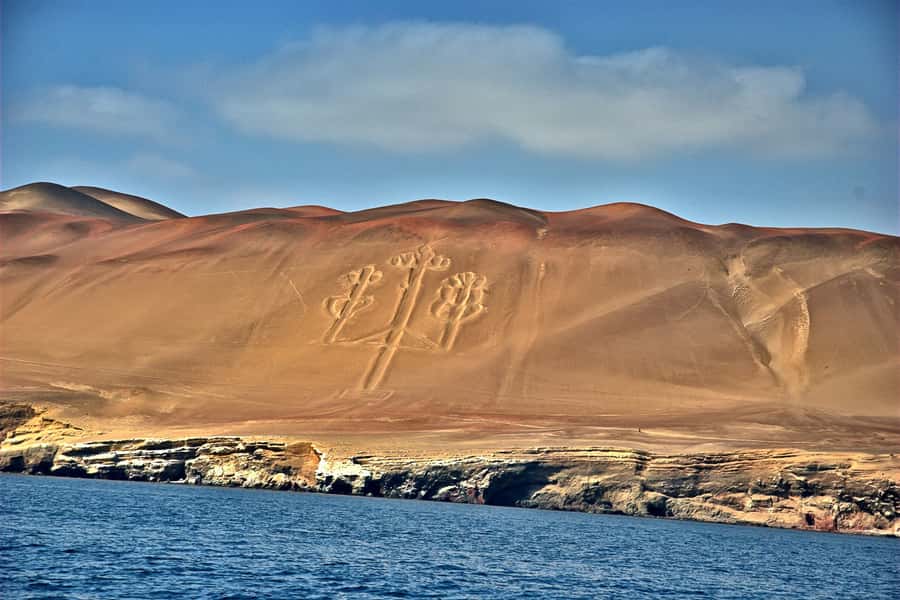
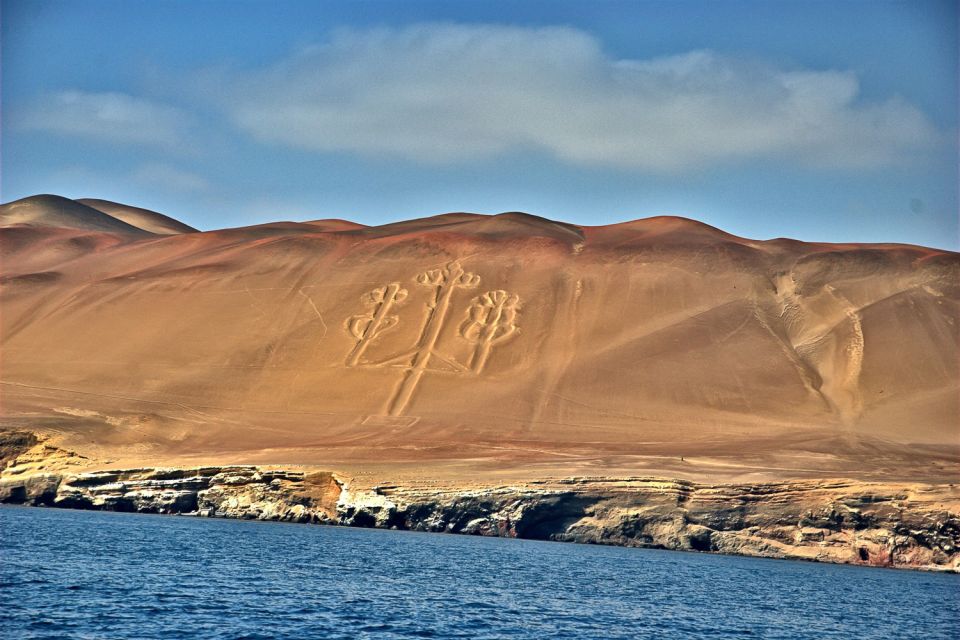
Before reaching the islands, the boat stops near the Paracas Peninsula so you can look toward the Candelabro. This giant glyph is cut into the sandy side of the peninsula, and its purpose and creator remain uncertain.
The Candelabro is best appreciated as a visual puzzle. From the water, you see a huge three-pronged figure etched into a barren slope. It is not an isolated ruin you walk up to. Instead, it is a sight viewed from the boat, with the guide providing context as the vessel pauses offshore.
Have your camera ready, but do not expect perfect conditions. The coast can be hazy, and the boat may rock as other vessels move nearby. Still, this stop gives the trip a strong opening because it introduces the area’s unusual mix of archaeology, geology, and open sea.
Ballestas Islands: Peru’s noisy wildlife show
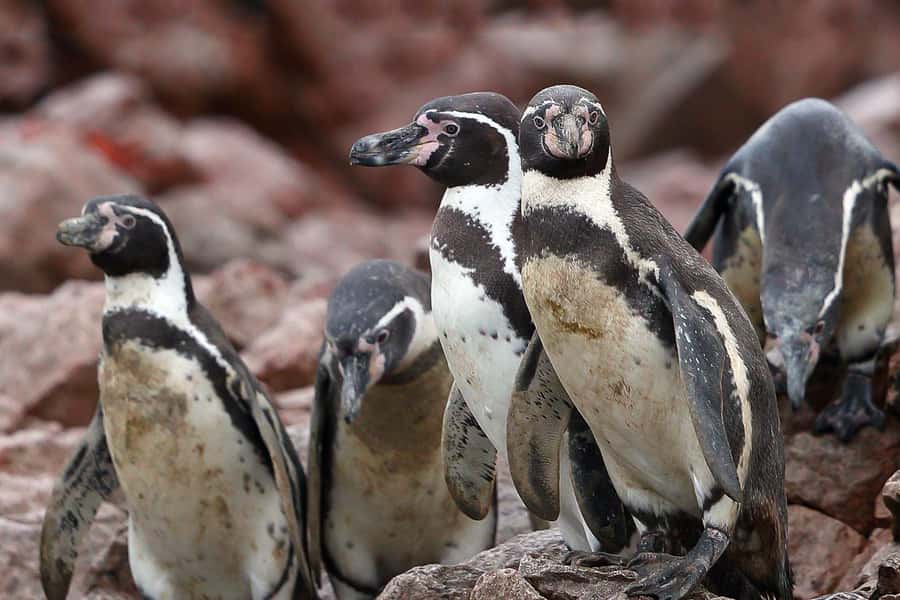
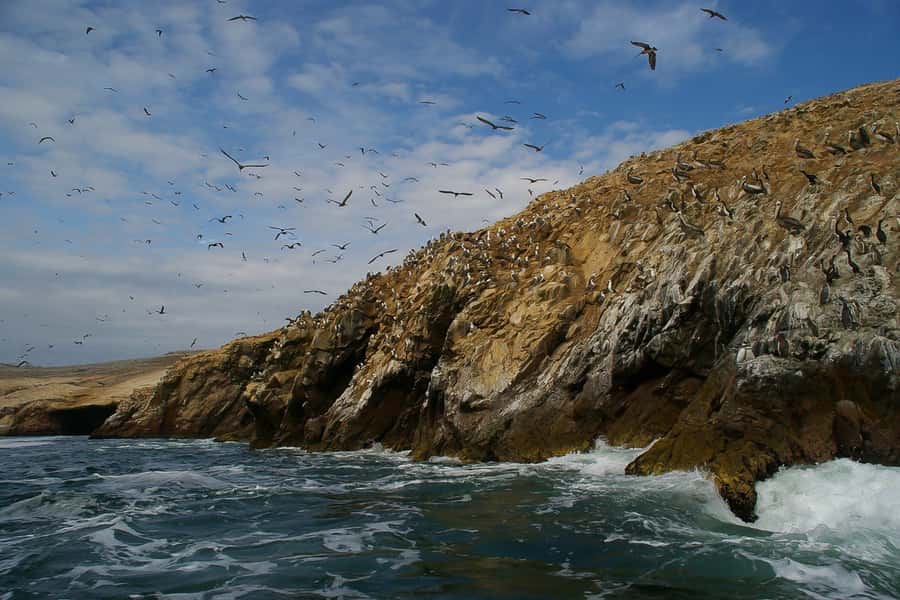
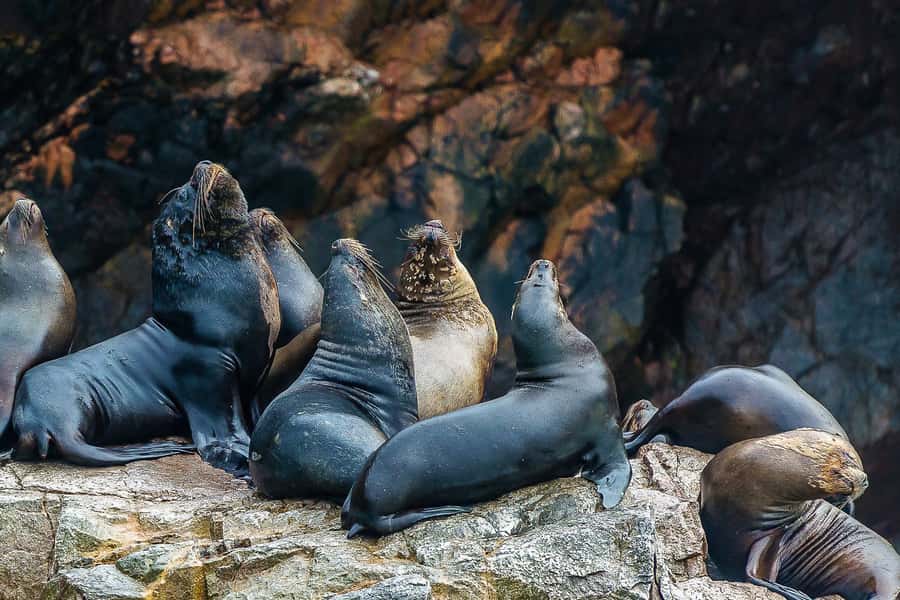
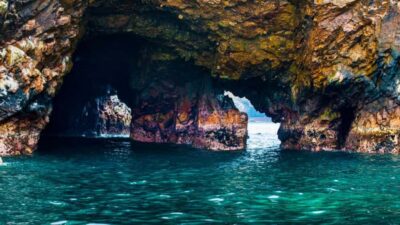
The Ballestas Islands are often called Peru’s Galapagos, though the comparison should be kept in proportion. This is a short boat tour around rocky islands rather than a remote multi-day wildlife trip. Even so, the concentration of animals can be remarkable.
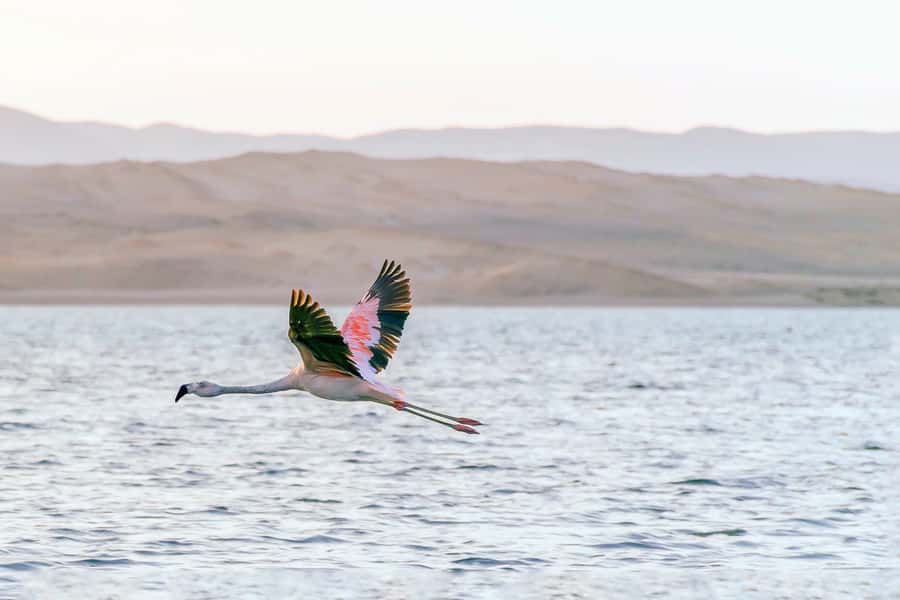
You may see large groups of sea lions spread across the rocks, their bodies packed together on ledges near the water. Penguins appear around the island edges and may be seen entering the murky sea to feed. Pelicans, Inca terns, and blue-footed boobies add movement and color to the cliffs.
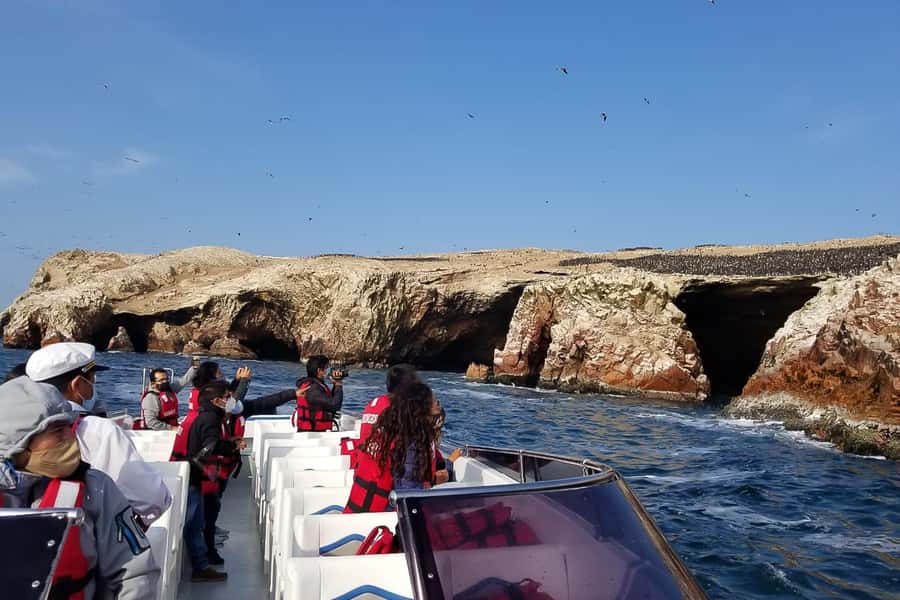
The boat captain usually brings the vessel close enough for both sides to get a view. That makes seating useful. If you can choose, try to sit where you have a clear line of sight, but remember that the boat turns and the animals do not pose on command.
Wildlife conditions change. Sea lions are said to be most numerous during the summer months, and penguins may be harder to find when El Niño affects food supplies. One June visit produced fewer penguins because they had moved toward the coast in search of food. Another outing included dolphins, and one March trip even produced a whale sighting, but those are fortunate extras rather than promises.
The boat ride takes about two hours, including the Candelabro and island viewing. It can be the coldest part of the day. Several practical accounts point to spray and wind, and one outing became uncomfortable after passengers were soaked. I would wear quick-drying layers, bring a light waterproof jacket, and keep phones in a sealed bag.
Motion sickness is another real concern. If you are sensitive to rolling boats, take your usual medication before departure. Sunglasses help with glare and spray, while a hat needs a secure fit.
Other Ballestas Islands sailings:
- Paracas, Ballestas Islands and Huacachina Guided Tour
★ 5.0 · 1,100 reviews - Lima: Paracas Reserve, Slave Tunnels & Ballestas Islands Full Day
★ 5.0 · 659 reviews - 2 Day Tour from Lima: Paracas, Ballestas Island and Huacachina
★ 5.0 · 472 reviews - Ballestas Islands & Paracas National Reserve from Paracas
★ 4.4 · 228 reviews
The café break gives you a useful reset
After returning to the pier, you have about 30 minutes at a local café. This is not presented as a full meal, and food is not included in the $60 price.
The break is useful after the boat, especially if you are cold or wet. You can buy food or a drink, use the pause to regroup, and prepare for the vehicle portion. Alcoholic drinks and personal purchases are at your own expense.
Do not count on this stop as a long lunch. If you need a substantial meal, plan around the five-hour schedule and ask the operator how the timing will work on your departure date.
Paracas National Reserve changes the mood
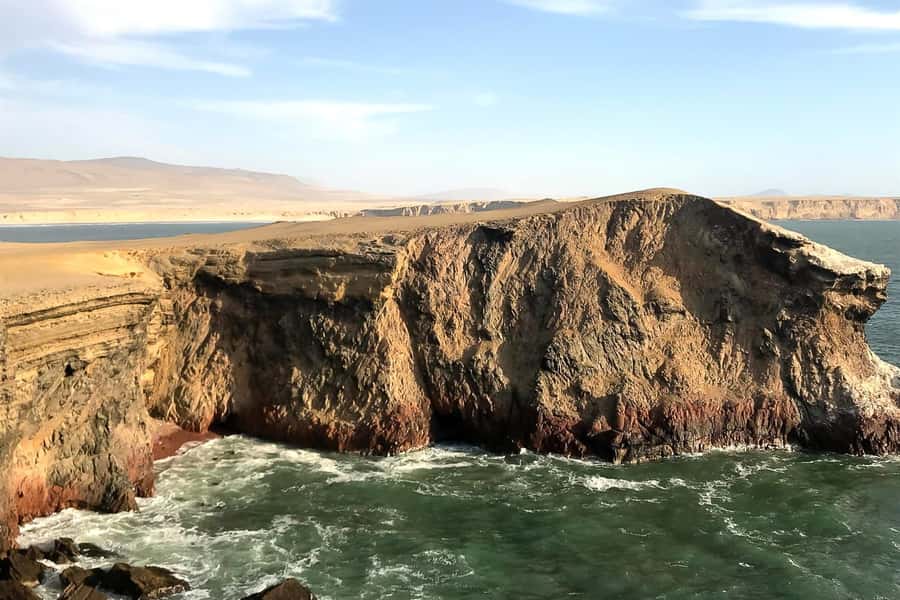
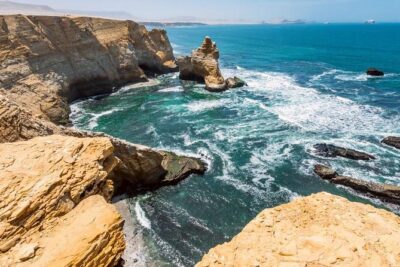
The second half is the stronger part for many people because the reserve gives you time to take in the scenery rather than simply circle it. The road passes through broad desert, high sandstone cliffs, and open views toward a bright blue sea.
This is a place of contrast. The ground is dry and spare, but the ocean is right beside it. You might look across a sandy plain one minute and then find yourself above a beach or cliff edge with nothing between you and the Pacific.
The reserve guide adds real value here. Olenka is repeatedly praised for explaining the geography, climate, history, and local culture in clear English. Pablo, Eduardo, and other guides have also been singled out for giving visitors time at the viewpoints and adapting the route to their interests.
That flexibility matters. A rushed drive through the reserve would still be scenic, but you would miss the details that make it meaningful. Guides can explain why the area looks so dry, point out the effects of earthquakes, and connect the coast to earlier Paracas and Inca history.
The Cathedral and the power of geology
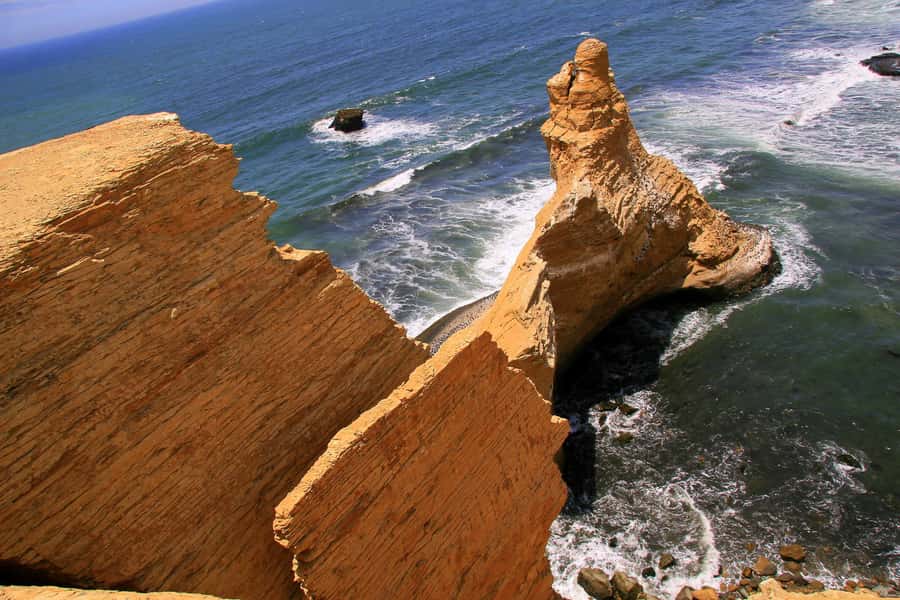
One stop is the Cathedral, named for a large rock formation that once rose from the sea. A major earthquake destroyed it, leaving the area with a dramatic reminder that this coast is still shaped by powerful natural forces.
The stop is less about seeing a perfect monument and more about understanding what used to be there. From the viewpoint, the broken coastal forms and open water create one of the reserve’s most memorable scenes.
This is also a good place for photos, but take care with the wind and uneven ground. The supplied information does not describe a long hike, so the experience is mainly viewpoint-based rather than a strenuous walk.
Playa Roja and Lagunillas Beach
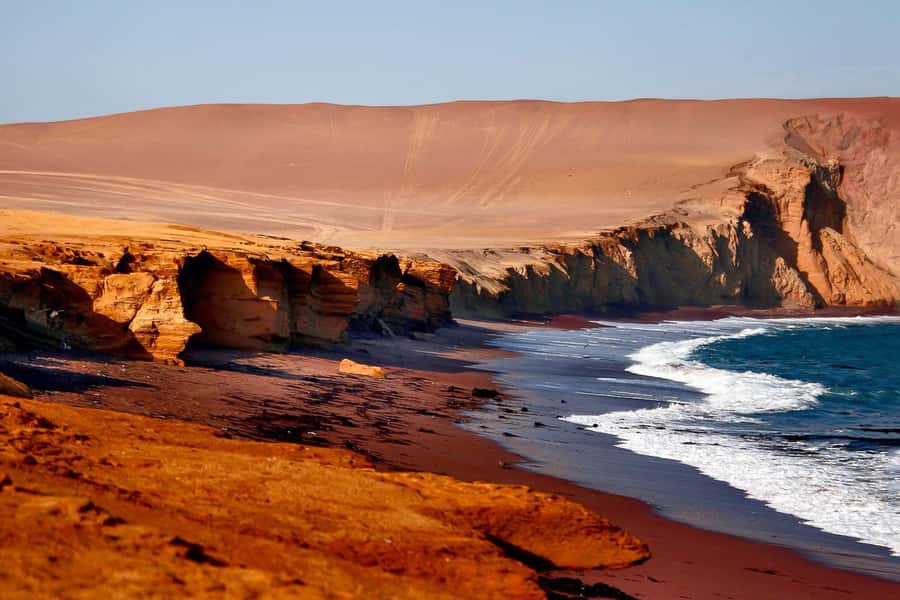
Playa Roja is the reserve’s visual showstopper. Its reddish-maroon sand beside the dark cliffs and blue ocean gives the beach an unusual color scheme that looks almost unreal. The red tone comes from the area’s geology, and the contrast is strongest from above.
Lagunillas Beach provides a different view of the coast. It is another maroon-sand beach and helps show how varied the reserve can be within a short drive. You should think of these stops as scenic viewpoints and coastal visits, not as a guaranteed swimming session.
The reserve portion may be the best reason to book the combined trip instead of doing only the islands. Several outings had a private car or very small group, with guides allowing plenty of time for photographs. One family also appreciated a guide who adjusted the route to fit a tight return schedule to Lima.
That kind of personal attention is not guaranteed every time, but it is a useful feature to request. If you care most about the reserve, ask whether your land portion will be private or shared.
Guides, language, and group size
The guide can shape this trip more than the scenery does. Olenka receives particularly strong praise for her English, enthusiasm, and ability to explain the reserve without making the information feel like a lecture. Pablo and Eduardo are also noted for their work in the park, while Jorge and George are mentioned as capable drivers in separate outings.
The boat and reserve may not use the same guide. The boat commentary can be harder to hear, particularly when the engine is running or the group is large. The reserve portion tends to offer more time for questions and conversation.
The activity is offered in Spanish and English. If you speak another language, do not assume full commentary will be available. One outing had an English-speaking guide who also knew some French, but that was a special benefit rather than a stated service.
What is included, and what costs extra
The $60 fee includes:
- Hotel pickup and drop-off in Paracas and, subject to arrangements, Pisco
- The Ballestas Islands speedboat tour
- Transport through Paracas National Reserve
- A bilingual Spanish and English guide
- A bottle of water
Entrance fees are extra. The stated local rates are 22 Peruvian soles for adults and 16 soles for children, paid in cash. The information also gives an alternative of about $7 per person in cash at the harbour main gate.
Because the fee instructions use both soles and dollars, I would carry soles whenever possible. Keep small notes handy for entrance fees and tips. Meals, alcoholic drinks, and personal purchases are not included.
Free cancellation up to 24 hours before departure and reserve-now, pay-later booking make the tour easier to fit into a changing Peru itinerary. Those policies are useful, but the main value still comes from the combined transport and the reserve guide.
Who should book this experience?
I would recommend it to first-time Paracas visitors, families with children over five, couples, and anyone with only one day in the area. It also suits people who want wildlife without arranging a separate boat ticket, taxi, and reserve driver.
Birdwatchers should find plenty to enjoy, especially around the islands, though this is not a specialist birding trip with unlimited time. Families should appreciate the short transfers and variety, but children may find the boat wind and spray tiring.
This is less suitable if you want a quiet, private boat ride, a long beach stay, or a slow-paced national park visit. The shared boat can feel crowded, and the sea may be rough enough to cause motion sickness. Pregnant people and children under five should not book, and the accessibility information is inconsistent: the activity is described as wheelchair accessible in one place but also listed as unsuitable for wheelchair users. Confirm directly before booking if this affects you.
Should you book the Ballestas Islands and reserve tour?
Yes, if you want the most efficient introduction to Paracas. For $60, you get Peru’s coastal wildlife, the Candelabro, red-sand beaches, desert cliffs, hotel transfers, and a guide who can make sense of the scenery.
Book it knowing that the boat is shared, conditions can be wet, and wildlife sightings vary. Bring cash, layers, sunscreen, and motion-sickness medicine if needed. If you can request a guide for the reserve, ask for the most English-friendly option and confirm your pickup location. The islands are memorable, but the open desert beside the Pacific, especially with a guide like Olenka or Pablo, may be the part you remember longest.
FAQ
How long does the Ballestas Islands and Paracas Reserve tour last?
The tour lasts about five hours, including hotel pickup, the speedboat trip, a 30-minute café break, and transportation through the national reserve.
What wildlife can I see at the Ballestas Islands?
You may see sea lions, penguins, pelicans, blue-footed boobies, Inca terns, dolphins, and many other seabirds. Wildlife sightings vary by season and ocean conditions.
Are penguins guaranteed on the tour?
No. Penguin numbers can change, including during El Niño conditions when they may move toward the coast in search of food.
Is the boat tour shared or private?
The boat tour is generally shared. One reported boat carried about 40 people, while the land portion may sometimes use a private vehicle or a very small group.
Are the entrance fees included in the $60 price?
No. Adult entrance fees are listed as 22 Peruvian soles per person, and children’s fees as 16 soles. The fees must be paid locally in cash, with an alternative payment of about $7 per person in US dollars also given.
What should I bring?
Bring your passport or ID, comfortable shoes, sunglasses, a sun hat, sunscreen, Peruvian soles, and layers or a waterproof jacket for the boat.
Is hotel pickup included?
Pickup and drop-off are included for hotels in the Paracas town centre. Pickup from Pisco, Santa Cruz, or San Andrés may require an additional 30 soles per transfer.
Is the tour offered in English?
Yes. The activity is offered in Spanish and English with a bilingual guide. The boat commentary may be harder to hear if the group is large or the engine is loud.
Who should not take this tour?
The tour is not suitable for children under five or pregnant women. The accessibility information is conflicting for wheelchair users, so contact the provider before booking if you need wheelchair access.
Added recently around Ballestas Islands
- Private Tour: Ballestas Island & Huacachina Oasis, from Lima★ 4.7 · 37 reviews
- Paracas: speedboat BALLESTAS ISLANDS TOUR★ 4.5 · 4 reviews
- Paracas: Ballestas Islands Boat tour – Islas Ballestas★ 4.3 · 5 reviews
- Paracas: Ballestas Islands and Candelabra of Paracas Boat★ 3.9 · 7 reviews
- Paracas: Ballestas Islands Guided Boat Tour★ 4.6 · 7 reviews
- PARACAS: BALLESTAS ISLANDS AND NATIONAL RESERVE★ 4.7 · 4 reviews
- Paracas: Ballestas Island & Nature Reserve all inclusive★ 4.9 · 37 reviews
- Lima: Ballestas Islands, Winery and Nazca Lines Private Tour★ 4.7 · 7 reviews
Ballestas Islands Tours, compared.
Paracas, Ballestas Islands and Huacachina Guided Tour
Read our review →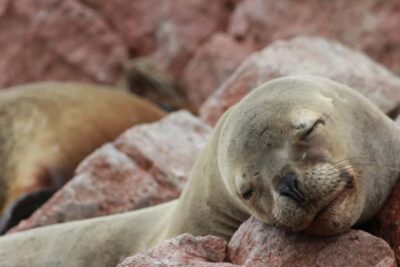
Paracas Reserve, Slave Tunnels & Ballestas Islands Full Day
Read our review →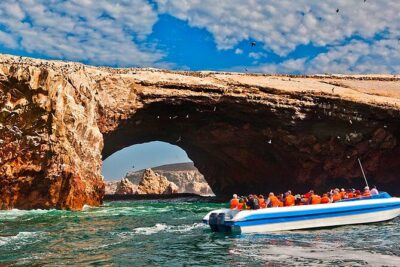
2 Day Tour from Lima: Paracas, Ballestas Island and Huacachina
Read our review →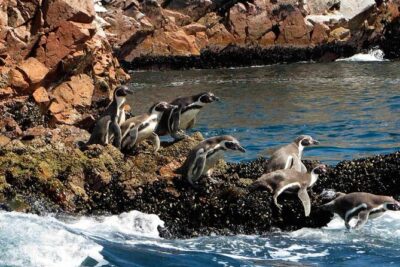
Ballestas Islands & Paracas National Reserve from Paracas
Read our review →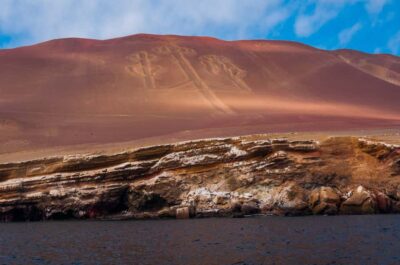
Browse the lists this tour appears in