
Reviewed · MACHU PICCHU TOURS
2 Day – Inca Trail to Machu Picchu
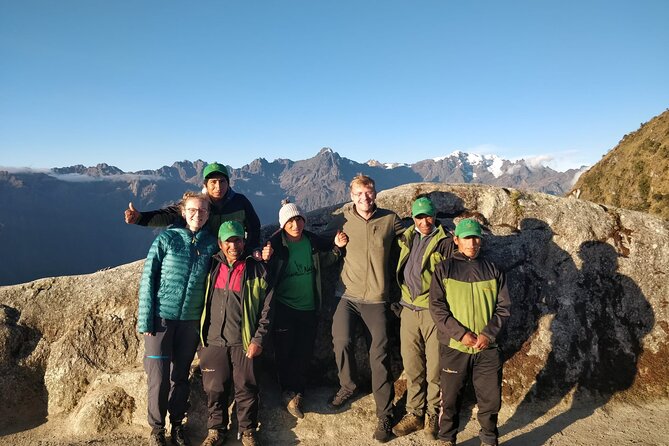
Machu Picchu begins long before the citadel. This two-day trip combines a scenic train ride, a demanding six-hour hike, Inca ruins, and an early morning return to Machu Picchu. I like the chance to reach the site through Wiñay Wayna and Inti Punku, rather than simply arriving by train. I also like the small group size, capped at 10 people, which gives guides such as Alfredo Cruz, Stiven, and Jhimmy room to explain the trail and answer questions.
The main caution is organization. Several parts of the experience depend on strict government tickets, fixed train times, and careful coordination. You should confirm exactly what is included, especially if anyone in your party may become ill or decide not to hike the Inca Trail.
In This Review
- Key things to know before you book
- Why the Short Inca Trail is worth your time
- From Cusco to Km 104 by private transfer and train
- Chachabamba and the first steps on the Inca Trail
- Wiñay Wayna, the route’s great archaeological reward
- Inti Punku gives you the first view of Machu Picchu
- Sunrise at Machu Picchu means an early alarm
- The second Machu Picchu visit follows Circuit 3
- The return journey is part of the package
- What the $699 price covers
- The guides can make or break the experience
- Who should book this two-day route?
- Should you book the Short Inca Trail?
- FAQ
- How long is the 2 Day Inca Trail to Machu Picchu?
- Where does the tour start and end?
- How difficult is the Short Inca Trail?
- What is the maximum group size?
- Is food included?
- Is Machu Picchu visited more than once?
- Do I need to bring my passport?
- Is a walking stick included?
- What is the cancellation policy?
Key things to know before you book
- The hike begins at Km 104, not at the full Inca Trail starting point, and takes roughly six hours through changing terrain.
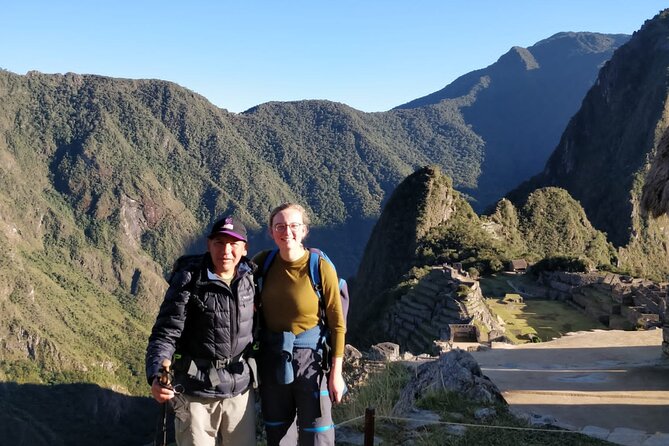
- Wiñay Wayna is the day’s major archaeological stop, followed by the first view of Machu Picchu from Inti Punku.
- Day two starts before sunrise, with the first buses leaving Aguas Calientes at 5:30 a.m.
- You visit Machu Picchu twice, first near the end of day one on Circuit 1-B, then again on Circuit 3 with a guided walk.
- The price is $699 per person, including transport, meals, entrance fees, guide service, and one night in Aguas Calientes.
- Ticket rules matter, so ask what happens if you cannot complete the trail or need to change your entry plan.
Why the Short Inca Trail is worth your time
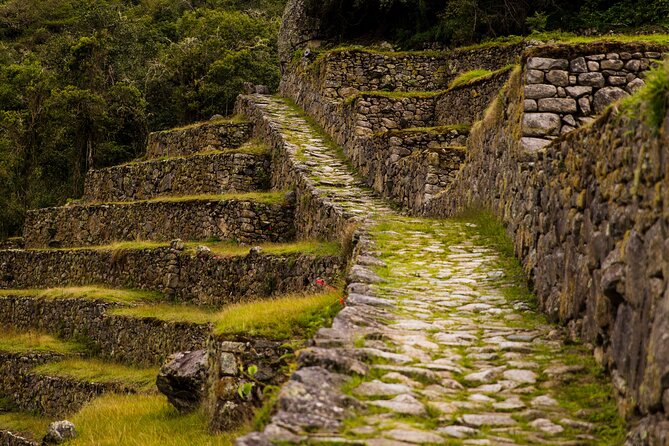
The Short Inca Trail offers something the train-only route cannot: a gradual approach to Machu Picchu through the same mountain world that shaped the Inca road system. You do not spend several days camping, but you still walk on ancient stone paths, pass archaeological remains, and reach the Sun Gate on foot.
That balance is the main appeal. You get a real hike and a sense of arrival, but you sleep in a hotel in Aguas Calientes instead of a tent. For many people, two days is the sweet spot.
Do not mistake short for easy. The first day includes steep sections, stairs, uneven ground, and about six hours of walking. A moderate fitness level is required. If you are comfortable with a long day on your feet and can handle changes in elevation, the route should be manageable. If you rarely hike, Machu Picchu may feel like a very long finish line.
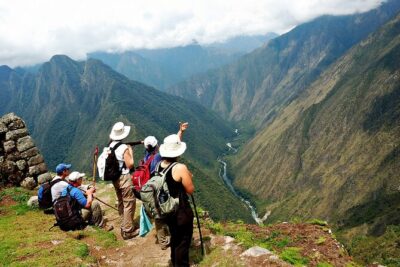
The natural setting changes quickly. You begin near the drier archaeological area around Chachabamba, then move into cloud forest filled with orchids and native plants. The Urubamba River appears below the trail, and the views open and close as you gain height.
Other Inca Trail departures:
- Classic Inca Trail Trek 4D/3N to Machu Picchu (Group Service)
★ 5.0 · 8,653 reviews - Machu Picchu: 4-Day Inca Trail Trek with Panoramic Train Ride
★ 5.0 · 4,568 reviews - Short Inca Trail to Machu Picchu 2D/1N
★ 5.0 · 3,007 reviews
From Cusco to Km 104 by private transfer and train
The day starts early in Cusco, with pickup near Plaza de Armas. A private transfer takes you to Ollantaytambo, where you board the train to Km 104. This transport plan saves you from arranging several separate tickets, but it also makes punctuality important. A late departure from Cusco can affect the whole hiking schedule.
Km 104 is the official access point for this shorter version of the Inca Trail. After passing the control point, you begin walking at Chachabamba. Bring your original passport because it is required at the Machu Picchu checkpoint.
The train ride itself is part of the pleasure. It follows the Urubamba River through steep mountain country, with broad windows and changing views. You will not spend the morning in a bus, and the rail journey gives you a calm transition from Cusco to the trail.
Chachabamba and the first steps on the Inca Trail
Chachabamba is your first archaeological stop. Its remains help set the scene before the walking becomes more demanding. Your guide can explain how the site fits into the route toward Machu Picchu, making this more than a quick photo stop.
From here, the path enters the cloud forest. The trail is attractive for its variety rather than one single grand view. You pass native plants and orchids, walk beneath thick vegetation, and occasionally reach open points with views toward the river and surrounding mountains.
Take your time here. The guide is not just there to lead the way. Stiven received high praise for combining information about Inca culture and nature with a friendly manner. Alfredo Cruz was also singled out for turning the hike into a series of discussions about Inca practices, Andean geography, and the meaning of the sites along the route.
The quality of the day depends heavily on that personal guidance. A strong guide helps you notice details that would otherwise pass by as green walls and stone steps.
Wiñay Wayna, the route’s great archaeological reward
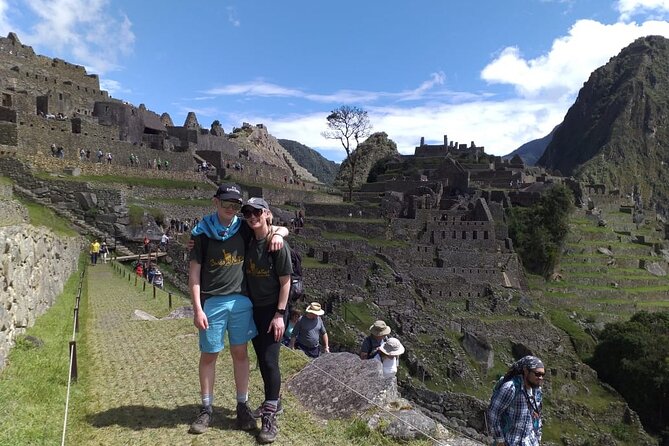
Wiñay Wayna is the highlight of day one for many people. Its name means Forever Young, and the site is built into the mountainside in terraces and stone structures. The setting feels more intimate than Machu Picchu, but the engineering is no less impressive.
You reach the site after walking through the cloud forest, then stop for lunch in the surrounding mountain scenery. Lunch is included, and the available feedback suggests it is satisfactory rather than a major culinary event. Dinner receives stronger praise, so keep your expectations practical: the food keeps you moving, while the ruins and views supply the memorable part of the day.
Wiñay Wayna also gives you a useful preview of Machu Picchu. You see how the Inca worked with steep slopes, water, terraces, and carefully placed stone. Your legs may be tired by this point, but the stop is worth lingering over.
The trail after Wiñay Wayna continues toward the Sun Gate. This section includes more stairs and uneven footing. A walking stick is optional and costs PEN 30 if you need one. You should also carry water and keep your day pack light. The operator provides a first aid kit, but that is not a substitute for sensible preparation.
Other ways to reach Machu Picchu:
- 2-Day Inca Trail to Machu Picchu with Panoramic Train
★ 5.0 · 1,876 reviews - From Cusco: Full-Day Group Tour of Machu Picchu
★ 4.7 · 1,767 reviews - Machu Picchu Day Trip from Cusco
★ 4.5 · 1,644 reviews - 2-Day Tour: Sacred Valley and Machu Picchu by Train
★ 5.0 · 1,127 reviews
Inti Punku gives you the first view of Machu Picchu
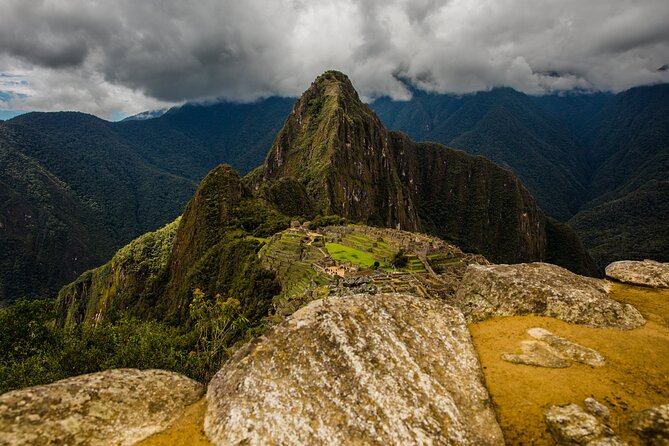
Inti Punku, or the Sun Gate, is the emotional high point of the hike. After hours on the trail, Machu Picchu appears below, framed by mountains and afternoon light. The view is different from the familiar postcard angle, and arriving on foot gives it more weight.
Timing matters. The itinerary aims to reach Inti Punku in the afternoon, then continue to Machu Picchu for a visit on Circuit 1-B near closing time. That late visit can be a smart move because the site may feel quieter and the light can be attractive for photographs.
There is also a practical limit. You are entering near closing time, so do not expect an unhurried tour of every corner. The purpose of this first visit is mainly to see the citadel and take photographs before heading down to Aguas Calientes.
A bus takes about 30 minutes to reach town. After hotel check-in, you have dinner and a night of rest before the early start. The hotel is described as decent, but rooms can feel warm, and open windows may let in town noise. If sleep is important to you, ask in advance about the room setup.
Sunrise at Machu Picchu means an early alarm
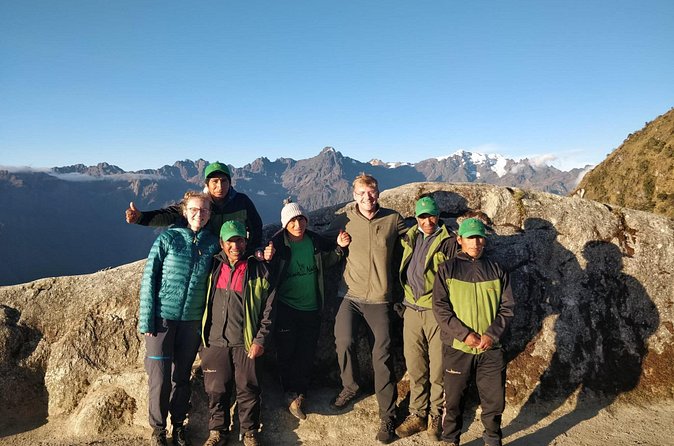
Day two begins very early. Your team wakes you with a choice of hot drinks, and you have time to pack your duffel and day pack before breakfast. The included breakfast has been described as simple, with a sandwich, banana, and yogurt. It is enough to start the morning, but you may want to bring an extra snack if you usually need a substantial breakfast before walking.
You walk about five minutes to the bus station. The first buses leave at 5:30 a.m. and arrive around 6:00 a.m. This early schedule is the best way to reach the citadel near opening time and gives you a chance to see sunrise over the mountains.
Sunrise is never guaranteed to be clear. Clouds are common in this part of the Andes, and the weather can change quickly. Even so, the early light is worth the effort. Your guide takes you to a good viewing area and helps with photographs, which is useful when the site is crowded and everyone is trying to find the right angle.
Bring your original passport for the checkpoint. It is not an optional extra, and forgetting it can create a serious problem at the entrance.
The second Machu Picchu visit follows Circuit 3
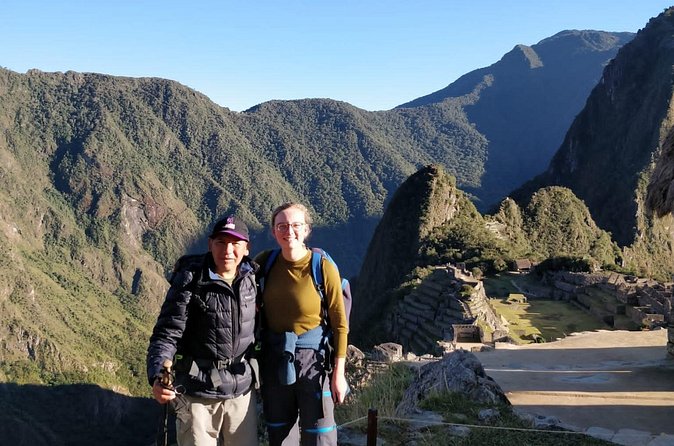
After sunrise, you take a private guided tour lasting about two to two and a half hours. This visit follows Circuit 3, which differs from the first day’s Circuit 1-B. The circuit system controls movement through Machu Picchu, so you should not expect to wander freely across every terrace or return to every viewpoint.
That structure can feel restrictive if you have imagined an open-ended day. It also helps protect the site and keeps foot traffic moving. The guide can explain the citadel’s buildings, ceremonial spaces, stonework, and mountain setting while keeping you on the assigned route.
The best part of having two entries is the change in mood. Day one gives you the surprise of seeing Machu Picchu from the Sun Gate and the chance for late-day photographs. Day two gives you better time for a formal explanation of the citadel and the sunrise experience.
After the guided visit, you return by bus to Aguas Calientes. You need to catch the bus at least two hours before your train leaves. That buffer allows time for lunch, which is not included, and reduces the risk of missing the train.
The return journey is part of the package
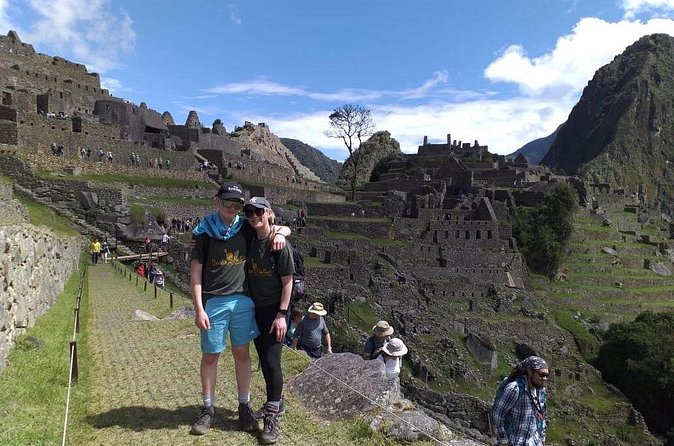
The return train travels from Aguas Calientes to Ollantaytambo, followed by a van back to Cusco. The package uses an Expedition train and includes the Cusco to Ollantaytambo transfer, the train to Km 104, the return train, and the final van transfer.
This is a lot of movement in two days: private vehicle, train, trail, bus, hotel, bus again, train, and van. That is not a flaw, since Machu Picchu access requires coordination, but you should know that this is an active trip rather than a relaxed rail outing.
The transport is valuable because separate tickets can become expensive and confusing. It also means you are not left to solve the final connection from Ollantaytambo to Cusco yourself.
What the $699 price covers
At $699 per person, this is not a budget excursion. The value depends on how much convenience and coordination you want.
The price includes:
- Breakfast, lunch, and dinner
- An English and Spanish-speaking professional guide
- Inca Trail and Machu Picchu entrance fees
- Private transfer from Cusco to Ollantaytambo
- Train to Km 104
- Buses between Machu Picchu and Aguas Calientes
- Return train to Ollantaytambo
- Van from Ollantaytambo to Cusco
- First aid kit
- One hotel night in Aguas Calientes
The biggest cost is not the meal package. It is the combination of restricted entrance permits, rail transport, buses, a guide, hotel arrangements, and private transfers. For someone who wants a ready-made plan, that can justify the price.
Still, the cost makes accuracy essential. Two separate low-rated experiences involved confusion about ticket availability and changes to the hiking plan. One party was told about a different route only two weeks before departure. Another had trouble when one person became ill and could not complete the trail.
Before paying, ask the operator to confirm in writing that your Short Inca Trail permits are secured for both people in your party. Also ask what happens if a member of your group cannot hike. Government entry rules can mean that a person whose ticket combines the trail and Machu Picchu cannot simply skip the trail and enter later under the same arrangement.
The guides can make or break the experience
The strongest part of this trip is the guiding. Stiven is praised for his warmth and for explaining both Inca culture and local nature. Alfredo Cruz is noted for his command of the trail and Machu Picchu, as well as for making the hike feel like an ongoing conversation rather than a march between checkpoints.
Jhimmy is also praised for his knowledge and personal attention. One particularly thoughtful touch involved Alfredo arranging a birthday dessert and song for a solo visitor. Small gestures like that can make a long day feel personal.
Your experience may depend on which guide is assigned, but the operator provides an English and Spanish guide. A small group of no more than 10 is a real advantage. You can ask questions, hear explanations, and keep a more practical pace than in a large bus group.
Who should book this two-day route?
I would choose this trip if you want to walk part of the Inca Trail but do not want a multi-day camping expedition. It suits people who want archaeological sites, mountain views, and a structured itinerary with transport already arranged.
It is also a good match for solo visitors. The small group, included meals, guide service, and hotel night remove much of the uncertainty that can make a major site visit stressful.
You should think twice if you dislike early mornings, long hikes, fixed entry circuits, or multiple transport changes. This is not a casual sightseeing tour. The first day is physically demanding, and day two begins before dawn.
I would also avoid booking until your ticket details are clear if anyone in your party has a health concern. The operator’s response to the ticket complaints says communication did take place and that extra admission costs were paid to solve one problem. The conflicting accounts show the real lesson: do not rely on a last-minute verbal explanation. Get the route, permits, entry circuits, and contingency plan in writing.
Should you book the Short Inca Trail?
Book it if the hike matters as much as Machu Picchu. Reaching Inti Punku after walking past Chachabamba and Wiñay Wayna creates a stronger sense of arrival than taking the train straight to town. The sunrise visit, second guided circuit, and included transport add plenty of value for a tightly planned two days.
At $699, I would not call it cheap. I would call it worthwhile when the permits are confirmed and you value expert guiding and simple logistics. The main risk is not the trail itself. It is unclear communication about availability, ticket rules, and what happens when plans change.
Ask those questions before booking, train for a long day on uneven ground, bring your passport, and keep your expectations realistic about the basic hotel and breakfast. If the answers are clear, this can be a memorable and efficient way to experience Machu Picchu.
FAQ
How long is the 2 Day Inca Trail to Machu Picchu?
The experience lasts approximately two days. The first day includes the hike from Km 104 to Machu Picchu and the second day includes sunrise, a guided visit, and the return journey.
Where does the tour start and end?
The stated starting point is Plaza de Armas in Cusco. The end point is Plaza San Francisco in Cusco.
How difficult is the Short Inca Trail?
A moderate level of physical fitness is required. The first day includes a hike of more than six hours through changing terrain, stairs, and uneven sections.
What is the maximum group size?
The group can include a maximum of 10 people.
Is food included?
Breakfast, lunch, and dinner are included. Lunch on the second day in Aguas Calientes is not included.
Is Machu Picchu visited more than once?
Yes. You first reach Machu Picchu from Inti Punku on day one and visit near closing time on Circuit 1-B. You return early on day two for sunrise and a guided tour on Circuit 3.
Do I need to bring my passport?
Yes. You need your original passport for the Machu Picchu checkpoint.
Is a walking stick included?
No. A walking stick is optional and costs PEN 30 per person.
What is the cancellation policy?
You can cancel at least 24 hours before the experience begins for a full refund. Cancellations or changes made less than 24 hours before the start time are not accepted for a refund.
Added recently around Cusco
- Super valley or vip valley★ 5.0 · 13 reviews
- the Incas’ Sacred Valley★ 5.0 · 27 reviews
- Sacred Valley of the Incas Day Trip from Cusco★ 5.0 · 6 reviews
- Small-Group Tour: Rainbow Mountains Hiking from Cusco★ 4.0 · 5 reviews
- Excursion to the Sacred Valley of the Incas from Cusco★ 5.0 · 8 reviews
- Maras + Moray & Textile Experience★ 5.0 · 14 reviews
- Tour EN Cuatrimoto POR la Montaña 7 Colors Hike 5 Minutes★ 4.5 · 32 reviews
- rainbow mountain★ 4.0 · 4 reviews
Machu Picchu Tours, compared.
Classic Inca Trail Trek 4D/3N to Machu Picchu (Group Service)
Read our review →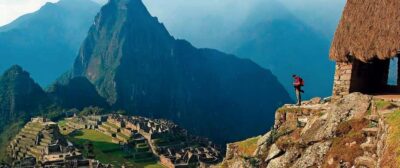
Machu Picchu: 4-Day Inca Trail Trek with Panoramic Train Ride
Read our review →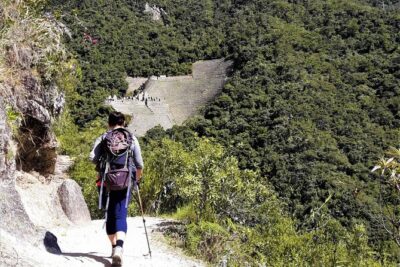
2-Day Inca Trail to Machu Picchu with Panoramic Train
Read our review →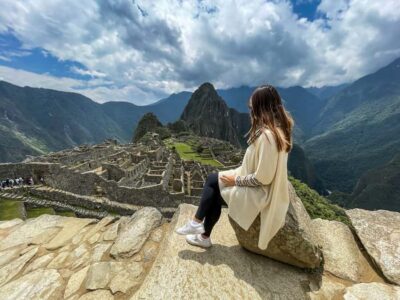
2-Day Tour: Sacred Valley and Machu Picchu by Train
Read our review →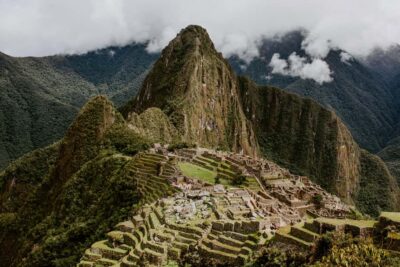
Machu Picchu: Full-Day Tour from Cusco with Optional Lunch
Read our review →Browse the lists this tour appears in