
Reviewed · MACHU PICCHU TOURS
Classic Inca Trail Trek 4D/3N to Machu Picchu (Group Service)
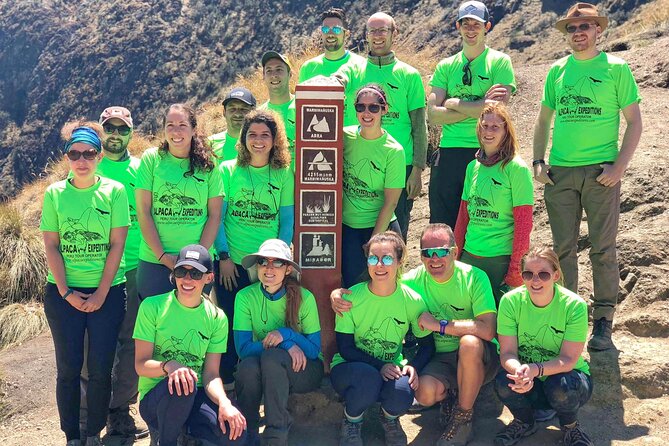
Start before sunrise, finish at Machu Picchu. Alpaca Expeditions’ four-day Inca Trail trek gives you the full old-school approach to the citadel, with local guides, porters, camps, cooked meals, and the rewarding arrival through Sun Gate. You are not simply driven to Machu Picchu. You walk there on an ancient route, passing stone sites, high mountain passes, waterfalls, and terraces along the way.
I especially like the small maximum group of 14 and the thoughtful camping setup, where four-person Eureka tents are shared by only two people. The other big plus is the food: meals are cooked at camp, and several hikers singled out the chefs as one of the best parts of the trip. The catch is simple and important: Day 2 is a hard, high-altitude hiking day, and the early starts, steep steps, and thin air are not minor details.
At $795 per person, this is not a cheap way to reach Machu Picchu. But the price covers permits and entrance fees, porters, tents, meals, drinking water, a guide team, safety equipment, and the return train. I see it as a fairly strong value for a properly supported four-day trek, especially if you want the route itself rather than only the ruins.
In This Review
- Five things to know before you book
- What the $795 price really covers
- Day 1: Km 82, Llactapata, and your first camp
- Day 2: Dead Woman’s Pass and the hardest miles
- Day 3: Phuyupatamarka, Intipata, and Wiñay Wayna
- Day 4: Sun Gate and the first view of Machu Picchu
- Guides, porters, and the human side of the trek
- Group size, fitness, and comfort
- Safety, food, and the company’s guarantees
- Who should book this Inca Trail trek?
- My verdict: a strong choice for the full route
- FAQ
- How long is the Classic Inca Trail trek?
- What is the price per person?
- How large is the group?
- Is hotel pickup included?
- What is the highest point on the route?
- What meals are included?
- Is drinking water provided?
- How much luggage can a personal porter carry?
- Are sleeping bags and trekking poles included?
- Is the return train included?
- Can I hike Huayna Picchu?
- Is travel insurance included?
- Can I cancel for a refund?
Five things to know before you book
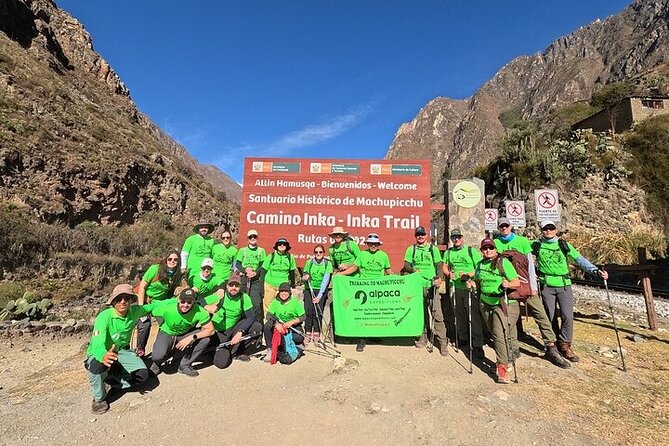
- You enter through Sun Gate: The final approach begins with a roughly two-hour walk to Intipunku, giving you a memorable first view of Machu Picchu before the main guided visit.
- Dead Woman’s Pass reaches 4,215 meters: Day 2 includes the toughest climb, followed by another pass and a long day on your feet.
- Two people share each tent: The four-person tents are used for only two hikers, giving you more room than a standard full-capacity camping arrangement.
- Your main bag has a 7-kilogram porter allowance: Pack carefully, then keep your day bag light enough for the passes and many stone steps.
- The group is capped at 14 people: That is small enough for a guide to keep track of the pace, while still giving you the social feel of a group trek.
- Booking well ahead matters: This experience averages about 108 days of advance booking, and permits for the classic Inca Trail are limited.
What the $795 price really covers
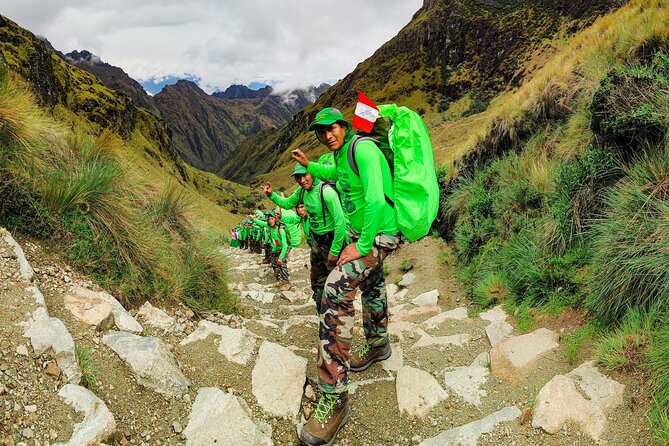
The headline price makes more sense once you look at what is bundled. You receive a briefing at the company office at 6 p.m. the night before, hotel pickup in Cusco, transport to the trailhead, camping equipment, three lunches, three dinners, four breakfasts, drinking water, and the return tourist-class train.
The fee also includes entrance fees for the Inca Trail and Machu Picchu. That matters because the trail requires permits, and you cannot treat this as a casual walk that you arrange on arrival.
The porter allowance is up to 7 kilograms per person. That lets you hand over clothing and some personal gear, while you carry a smaller daypack with water, layers, sunscreen, snacks, and anything you need during the walking day. Sleeping bags, trekking poles, and air mattresses are available to rent, but they are not included.
Tips for the crew and travel insurance are also extra. Tips are optional, but the porters and cooking team do much of the physical work that makes the trek possible. I would budget for tipping before you go, even though the exact amount is not specified here.
The company also promises a safety structure that is useful on a demanding route. At least one guide stays behind the group, and guides carry a first-aid kit, oxygen tank, and satellite phone. That does not remove the risks of altitude or exertion, but it gives you a clear support system if someone falls behind or becomes unwell.
More Hiking Tours in Cusco
- Machu Picchu: 4-Day Inca Trail Trek with Panoramic Train Ride
★ 5.0 · 4,568 reviews - Salkantay Classic Trek 5 Days from Cusco
★ 5.0 · 4,062 reviews - 4-Day Salkantay Trek with Sky Camp Stay
★ 5.0 · 3,346 reviews
Day 1: Km 82, Llactapata, and your first camp
The first morning starts at 4:20 a.m. with pickup from your Cusco hotel. That is brutally early, so prepare your clothes and daypack the night before. The drive takes you to the porters’ house in Ollantaytambo, where the trekking chef prepares breakfast.
After breakfast, you continue for about an hour to Piscacucho, also called Kilometer 82. This is the trailhead for the classic route. You have time to organize your gear before setting off on the old Inca path.
The first notable stop is Llactapata, an archaeological site that gives you an early reminder that this is more than a mountain hike. From there, you walk for about two more hours before reaching the lunch area. The porters and chefs prepare a hot meal at the campsite, rather than handing you a cold packed lunch.
That pattern is repeated throughout the trek. You walk, arrive at a prepared camp, and eat food cooked on site. Several comments praised the meals as some of the best they had in Peru, with special credit going to the chefs. That is not a small comfort after several hours of uphill walking.
Day 1 lasts about seven hours. It is a useful test of your legs and attitude, but it is not the hardest day. You should pay attention to your pace from the start. Trying to prove your fitness in the opening hours is a good way to make Day 2 feel worse than it needs to.
Day 2: Dead Woman’s Pass and the hardest miles
Day 2 is the day to respect. After breakfast, you climb for about four hours toward Warmi Wañusqa, better known in English as Dead Woman’s Pass. At 4,215 meters, it is the highest point on the Inca Trail.
The climb is demanding because of both steepness and altitude. You may find that a pace that feels easy in Cusco becomes surprisingly tiring here. The practical approach is to walk slowly, take your time, and keep drinking water. A positive mindset helps, but it cannot replace gradual pacing.
At the pass, you get broad views back across the route you have climbed. Then comes the descent toward the Pacaymayu River and the lunch stop. Downhill walking sounds easy, but long stone steps can be tough on knees and thighs, especially after the climb.
After lunch and a rest, you climb again toward Runccuracay Pass. The archaeological site here adds interest to the effort, and the route offers views toward two waterfalls. The descent from this second pass is shorter and easier, leading toward Chaquicocha, or Dry Lake, where you camp.
This is roughly a nine-hour walking day. It is also the point where the support from the guides and crew matters most. The company says guides are first-aid trained and carry oxygen and a satellite phone, while at least one guide stays at the back. Use that system. If you feel unwell, tell a guide early rather than trying to hide it.
The evening includes a happy hour prepared by the chef, followed by dinner. After a day like this, a hot meal and a dry tent feel like luxury. Do not expect a resort-style night, though. You are still camping at altitude, and sleep can be less restful than the meal suggests.
Day 3: Phuyupatamarka, Intipata, and Wiñay Wayna
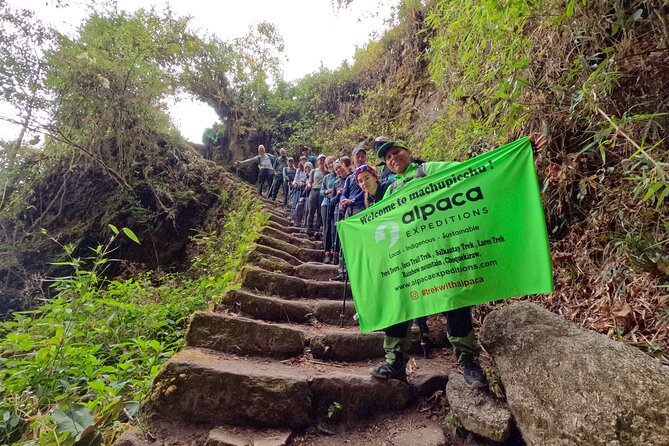
Day 3 is the easiest walking day, which is good planning. You still climb toward Phuyupatamarka at about 3,600 meters, but the route is intended to preserve some energy for the final approach to Machu Picchu.
At Phuyupatamarka, known as the Town in the Clouds, you can look toward the Urubamba River and catch a distant glimpse of Machu Picchu. You also get views of the snowy Salkantay peak and the Vilcabamba mountains. These are not quick roadside viewpoints. You reach them by walking through the old route, which makes the scenery feel earned.
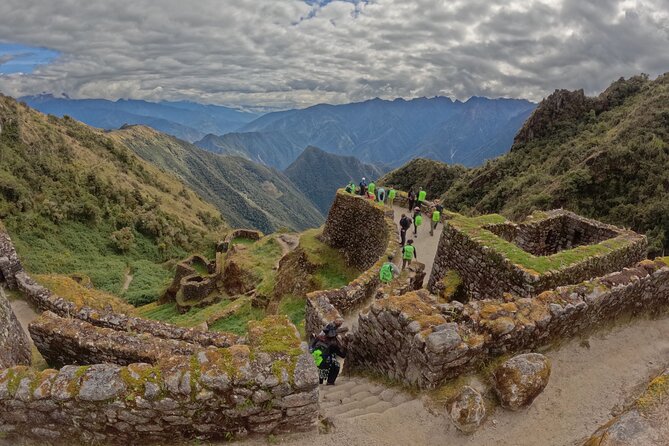
The route then drops for about three hours to the final campsite. Along the way, you pass Intipata, the Terraces of the Sun, and other Inca remains. The descent is the main feature of the day, so trekking poles can be useful if you have them or choose to rent them.
Lunch is served at the last camp. After resting, you continue to Wiñay Wayna, often translated as Forever Young. This is described as the largest archaeological site on the trail, and it is one of the most important stops before Machu Picchu.
Day 3 lasts about five hours, but do not treat it as a free afternoon. You still have uneven stone paths and steps, and you need to be ready for an early start on Day 4. The best use of the afternoon is to eat, refill your water, organize your pack, and rest.
Other Inca Trail departures:
- Short Inca Trail to Machu Picchu 2D/1N
★ 5.0 · 3,007 reviews - 2-Day Inca Trail to Machu Picchu with Panoramic Train
★ 5.0 · 1,876 reviews - Inca Trail 4-Day 3-Night Trek to Machu Picchu with Expert Guides
★ 5.0 · 733 reviews - Cusco: 4-Day Inca Trail to Machu Picchu with Accommodation
★ 4.8 · 432 reviews
Day 4: Sun Gate and the first view of Machu Picchu
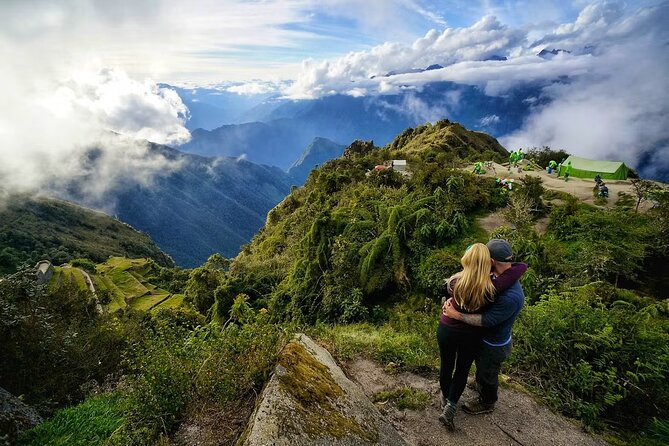
After an early breakfast, you say goodbye to the porters and trekking team before beginning the final walk. The route to Sun Gate, or Intipunku, takes about two hours.
This is a special way to approach Machu Picchu. You first see the citadel from above and from a different angle, rather than walking straight into the main entrance with the regular day crowds. The view can be a powerful payoff for the previous three days.
From Sun Gate, you continue toward the ancient citadel. The guide then leads an approximately two-hour tour through Machu Picchu. The included guided visit is important because the site is far more meaningful when you understand the function of its plazas, terraces, temples, and stonework.
If you have purchased Huayna Picchu tickets, priced here at $75 each and requiring advance booking, you can make that additional hike after the guided tour. The provided information does not specify the length or difficulty of that extra climb, so consider it an optional add-on rather than part of the standard four-day schedule.
After the Machu Picchu visit, your guide waits for you in Aguas Calientes. Lunch is followed by a trip to the station for the tourist-class train back. The return train is included, but the exact final transport arrangements should be confirmed during the briefing.
Guides, porters, and the human side of the trek
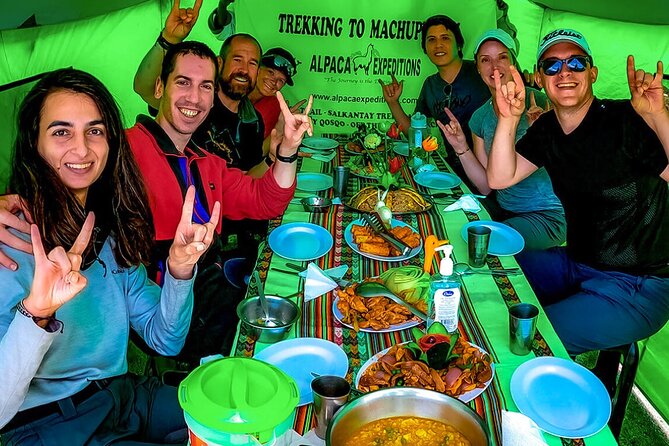
The most praised part of this experience is the crew. Names highlighted in the feedback include Rodrigo, Soledad, Tino, Liz Andro, Cipian, Jaime, Jan Carlo, Nilton, Isaac, Jose, Nancy, and Yoel, who was affectionately called Inca Cola. These names do not mean you will have the same guides, but they show the kind of personal connection the company aims to build.
The guide role here is more than pointing out ruins. Guides keep the group moving, explain Inca culture, help with photographs, and support hikers through the hard sections. The company promises written lecture material by email after the trek, which is useful if you want to revisit the explanations later.
The porters and cooks deserve equal attention. They carry equipment, set up camp, and prepare three meals a day in remote conditions. The food is described as unusually good, even by people who found the hiking extremely hard. That combination of hard walking and well-managed camps is the central reason the package feels worth its price.
Alpaca Expeditions also presents itself as a 100 percent local, indigenous company. Its stated community work includes jobs, training, education, healthcare, and reforestation projects. If keeping your spending within a local operator matters to you, this is a meaningful part of the decision.
Group size, fitness, and comfort
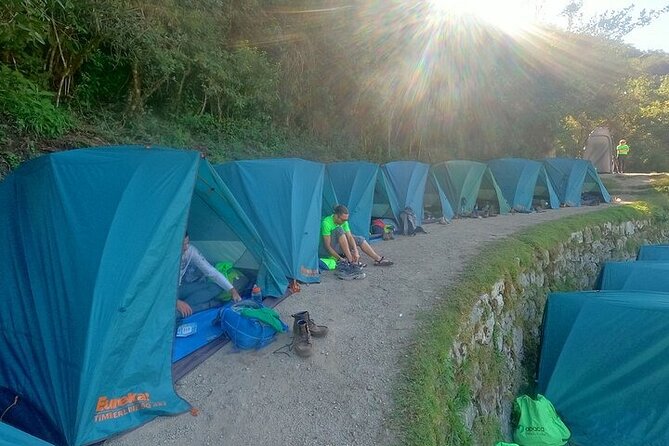
The maximum group size is 14 people, and a minimum of two people is required per booking. A small group cannot make the trail flat, but it can make communication easier and give guides a better chance of noticing who needs a break.
You need moderate physical fitness. That phrase should not be read as a promise of an easy walk. The schedule includes seven hours on Day 1, nine hours on Day 2, five hours on Day 3, and three hours on Day 4, with steep climbs and high passes.
Some people in their 50s completed the trek with help from the crew, while younger hikers were also part of the groups described. Age alone is not the deciding factor. Your ability to walk for several hours, manage steep steps, and keep going when tired matters more.
The camping arrangement is better than a full four-person tent. Each Eureka tent sleeps two people, despite being designed for four. A portable chemical toilet is provided for the company’s groups, which is more convenient than relying only on shared facilities.
Still, comfort is limited. You will sleep outdoors, wake early, carry a daypack, and deal with weather that can change. Rent a sleeping bag, trekking poles, and an air mattress if you do not have suitable equipment. These items are not included, so check the final cost before assuming the $795 covers everything you need.
Safety, food, and the company’s guarantees
The operator gives three central promises: safety, food quality, and guide lectures. The safety plan includes a guide at the rear, satellite phones, oxygen, and first-aid supplies.
The food policy follows five basic rules: clean preparation, separation of raw and cooked food, thorough cooking, safe temperatures, and safe water and ingredients. The company says it will compensate affected people if a food-related mistake causes illness. That is a strong promise, although you should still carry any personal medication and tell the team about dietary needs before departure.
The drinking water provided along the trek is included. Meals include four breakfasts, three lunches, and three dinners. This is one reason the price compares favorably with arranging the trek piecemeal, where food, permits, transport, and camp support can quickly add up.
Who should book this Inca Trail trek?
You should consider it if you want:
- The classic walking approach to Machu Picchu
- An organized group with a maximum of 14 people
- Local guides and a full porter and cooking team
- Hot meals and prepared camps instead of carrying all your equipment
- A supported route with first-aid equipment, oxygen, and a satellite phone
- A direct experience of archaeological sites beyond Machu Picchu
You should think twice if you dislike early mornings, camping, steep climbs, or fixed group schedules. The trek is not a sightseeing bus trip with a little walking added. Day 2 in particular demands preparation and patience.
The non-refundable policy also requires care. Once booked, the experience cannot be changed or refunded for personal cancellation or amendment. If poor weather cancels the trek, or the minimum number is not reached, you are offered another date or experience, or a full refund. Travel insurance is not included, so arrange it separately.
My verdict: a strong choice for the full route
I would recommend this tour to someone who wants Machu Picchu to be the end of a real journey, not simply a stop on a Peru itinerary. The Sun Gate arrival, the high passes, Wiñay Wayna, and the steady support from guides, porters, and cooks give the four days a clear sense of purpose.
The best reasons to book are the crew, the meals, the two-person tent setup, and the compact group size. The biggest warning is the physical demand. If you prepare for the altitude, keep your pace controlled, and accept that comfort comes second to the route, the $795 package offers a well-supported way to walk into one of the world’s great archaeological sites.
FAQ
How long is the Classic Inca Trail trek?
The tour lasts four days and three nights.
What is the price per person?
The listed price is $795 per person.
How large is the group?
The tour has a maximum of 14 participants.
Is hotel pickup included?
Yes. Pickup from your hotel in Cusco is offered, with departure scheduled for 4:20 a.m. on Day 1.
What is the highest point on the route?
Dead Woman’s Pass, or Warmi Wañusqa, reaches 4,215 meters, or 13,829 feet.
What meals are included?
The package includes four breakfasts, three lunches, and three dinners. The meals are prepared by trekking chefs during the expedition.
Is drinking water provided?
Yes. Drinkable water is included along the trek.
How much luggage can a personal porter carry?
The included personal porter allowance is up to 7 kilograms per person.
Are sleeping bags and trekking poles included?
No. Sleeping bags, trekking poles, and air mattresses are not included, but they are available to rent.
Is the return train included?
Yes. An Expeditions tourist-class train for the return journey on the final day is included.
Can I hike Huayna Picchu?
Yes, if you purchase a separate Huayna Picchu ticket. The listed price is $75 per person, and the ticket must be booked in advance.
Is travel insurance included?
No. Travel insurance is not included.
Can I cancel for a refund?
No. The experience is non-refundable and cannot be changed for personal cancellation or amendment. If the operator cancels because of poor weather or insufficient bookings, you are offered a different date or experience, or a full refund.
More Hiking Days from Cusco
- Salkantay Trek 5D/4N with Glass Cabins, Domes and Hobbit House
★ 5.0 · 2,488 reviews - Rainbow Mountain Full Day Trek
★ 5.0 · 1,469 reviews - 5-Day Premium Salkantay Trek
★ 5.0 · 788 reviews - Rainbow Mountain Day Trip from Cusco: Vinicunca Hiking Tour
★ 4.5 · 737 reviews
Other Ways to Reach Machu Picchu
- From Cusco: Full-Day Group Tour of Machu Picchu
★ 4.7 · 1,767 reviews - Machu Picchu Day Trip from Cusco
★ 4.5 · 1,644 reviews - 2-Day Tour: Sacred Valley and Machu Picchu by Train
★ 5.0 · 1,127 reviews - Machu Picchu: Full-Day Tour from Cusco with Optional Lunch
★ 4.6 · 927 reviews
Added recently around Cusco
- Guided tour of the mountain of colors in Cusco★ 5.0 · 11 reviews
- 2-Day Private Short Inca Trail to Machu Picchu★ 5.0 · 15 reviews
- City Tour Cusco – Group★ 5.0 · 4 reviews
- Tour Sacred Valley with Maras and Moray★ 5.0 · 15 reviews
- San Pedro Market Tour with Peruvian Cooking Class★ 5.0 · 31 reviews
- Walking Culinary Experience★ 5.0 · 41 reviews
- City Tour in Cusco★ 4.5 · 10 reviews
- One Day Tour to Humantay Lagoon★ 5.0 · 8 reviews
Machu Picchu Tours, compared.
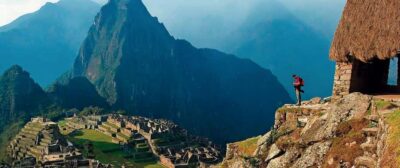
Machu Picchu: 4-Day Inca Trail Trek with Panoramic Train Ride
Read our review →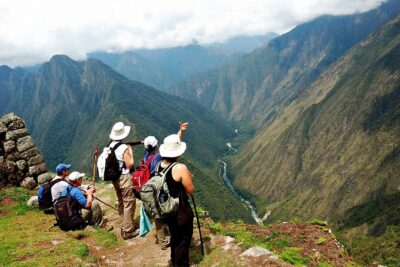
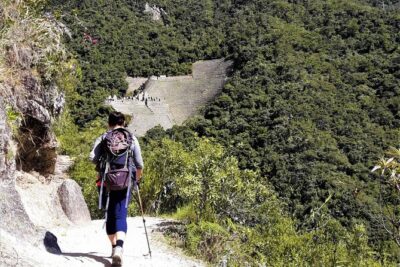
2-Day Inca Trail to Machu Picchu with Panoramic Train
Read our review →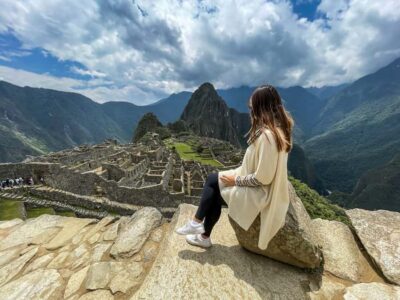
2-Day Tour: Sacred Valley and Machu Picchu by Train
Read our review →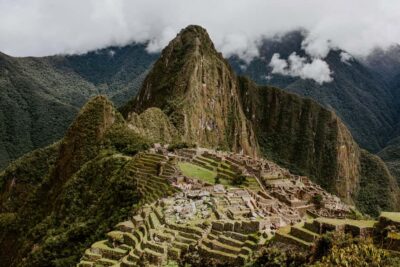
Machu Picchu: Full-Day Tour from Cusco with Optional Lunch
Read our review →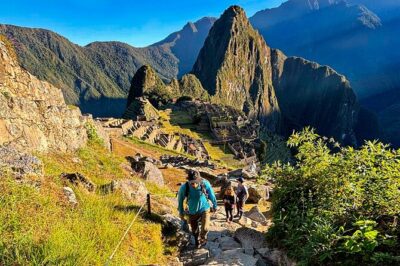
Machu Picchu Full Day from Cusco by Panoramic Train
Read our review →Browse the lists this tour appears in