
Reviewed · MACHU PICCHU TOURS
4 Days Inca Jungle Adventure to Machu Picchu
Four days, four kinds of adventure. This route reaches Machu Picchu by mixing Andean mountain biking, cloud-forest hiking, rafting, zip-lining, and hot springs, rather than following a walking-only trail. I especially like the downhill ride from Abra Malaga and the stop at Cocalmayo, where hot mineral pools offer welcome relief after a demanding day.
The $439 price also covers a lot: transport from Cusco, three hostel nights, nine meals, a guide, bike equipment, and Machu Picchu entry. The main drawback is that Day 2 is a serious hiking day, and the lodging is practical rather than polished. You should also have some basic biking ability before signing up.
The small group, limited to 10 people, gives the trip a more personal feel. Guides such as Andy and Carlitos have been praised for keeping the pace moving while explaining Inca beliefs and local life. Pack light, bring your passport, and remember that the early start for Machu Picchu is very early indeed.
In This Review
- Key points to know before booking
- Why this route is different from the classic Inca Trail
- Day 1: From Cusco to Abra Malaga by way of Ollantaytambo
- Day 2: Coffee, cacao, and a demanding cloud-forest walk
- Day 3: Zip-lines, the Hydroelectric Station, and the railway to Aguas Calientes
- Day 4: Sunrise at Machu Picchu and two ways back to Cusco
- What the $439 price really covers
- Accommodation, meals, and what to pack
- Who will enjoy this four-day adventure
- Should you book the Inca Jungle Adventure?
- FAQ
- How long is the Inca Jungle Adventure?
- What languages does the guide speak?
- How large is the group?
- Is hotel pickup included?
- Is Machu Picchu entrance included?
- How much does the bus to Machu Picchu cost?
- Is the Cocalmayo hot spring entrance included?
- What should I bring?
Key points to know before booking
- Abra Malaga starts the trip at 4,350 meters, followed by a long downhill bike ride toward Huamanmarca.
- Day 2 is the toughest section, with about three more hours of walking after lunch before the Vilcanota River and Cocalmayo hot springs.
- Plantations and family stops add local character, including coca, coffee, cacao, and native fruit grown along the cloud-forest route.
- Machu Picchu entry timing may not be clear until close to the visit, so your preferred entry slot is not guaranteed in advance.
- The $439 fare covers most major costs, but hot springs, Machu Picchu buses, snacks, and some return transport choices cost extra.
- A smaller bag makes a real difference, since you change places often and carry your belongings through a busy four-day schedule.
Why this route is different from the classic Inca Trail
The Inca Jungle Adventure is not simply a cheaper version of the famous Inca Trail. It is a multi-activity route through the Cusco Region, designed for people who want several ways to reach Machu Picchu.
You begin high in the Andes, ride a mountain bike downhill, and then move into warmer country filled with plantations and forest. Later, you walk beside the Vilcanota River, soak in hot springs, and follow the railway to Aguas Calientes. Machu Picchu is the grand finish, but the journey earns its place too.
I like this format because it breaks up the physical work. You are not walking for four straight days. Still, the route is not easy. Day 2 includes a long hike, and you should be comfortable being active for several hours at a time.
The tour uses a small group of no more than 10 people. That matters on narrow paths and during transfers, and it gives you a better chance to ask your guide questions. English and Spanish guiding is available.
Longer treks from Aguas Calientes:
- Salkantay Trek to Machu Picchu 5 Days with Sky Lodge Domes
★ 5.0 · 5 reviews - Salkantay Classic Trek 5 Days from Cusco
★ 5.0 · 4,062 reviews - 4-Day Salkantay Trek with Sky Camp Stay
★ 5.0 · 3,346 reviews
Day 1: From Cusco to Abra Malaga by way of Ollantaytambo
Pickup begins at 7:00 am from your Cusco hotel. If your hotel is outside the historic center, you are asked to wait at the main square by the fountain instead. The guide meets you there and escorts you to the transport.
The first stop is Ollantaytambo, where you have time for breakfast and shopping. Breakfast on this first morning is not included, so bring money for food. This stop also helps break up the drive before the vehicle climbs higher toward Abra Malaga.
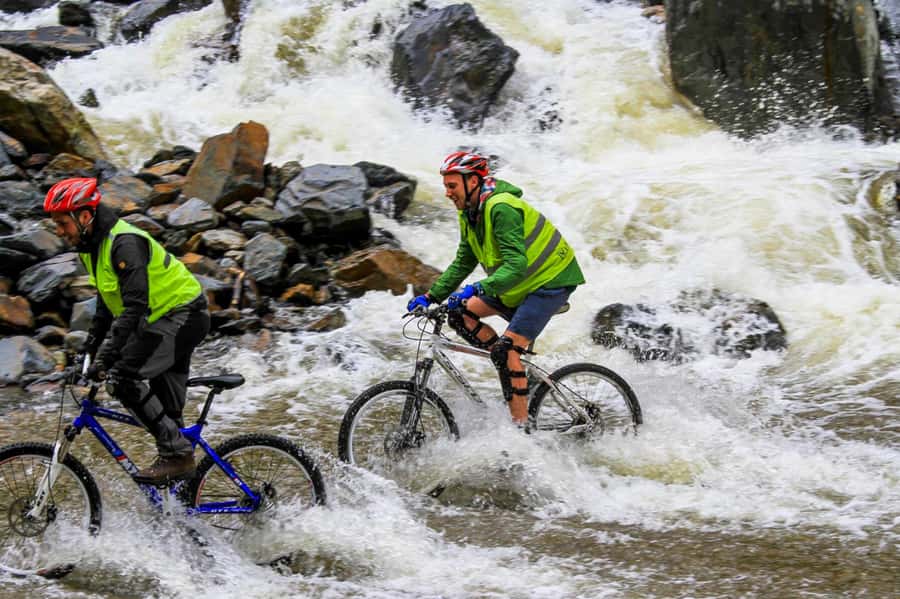
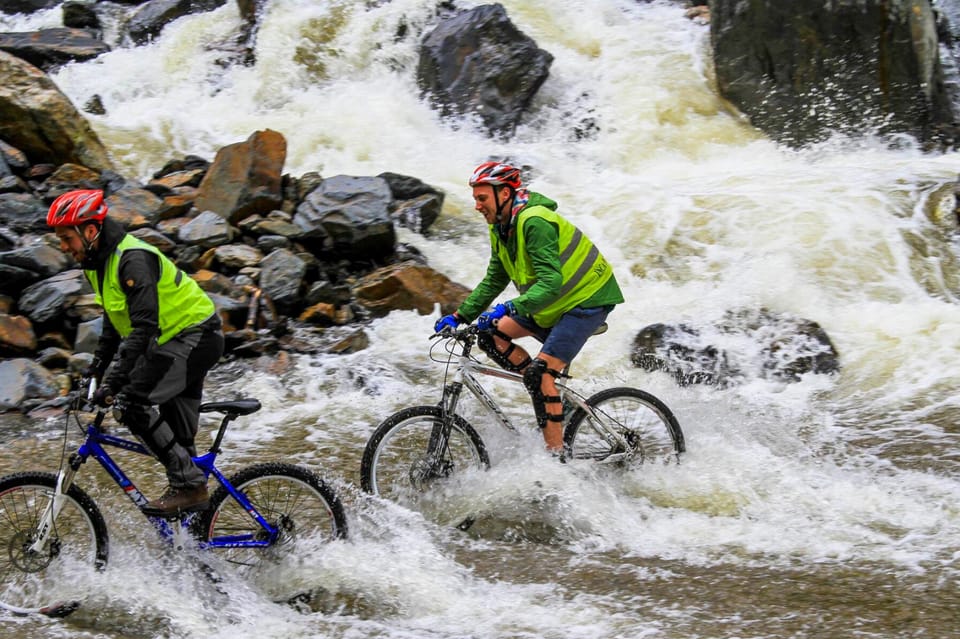
At 4,350 meters, Abra Malaga is the starting point for the bike ride. The route descends toward Huamanmarca, giving you broad Andean views as you leave the high pass behind. Protective equipment, including a helmet and knee pads, is provided.
You do not need to be an expert cyclist, but basic biking experience is a sensible requirement. The ride is downhill, yet mountain roads still demand attention. If you are nervous on a bike, ask yourself honestly if you will enjoy several hours of controlled riding.
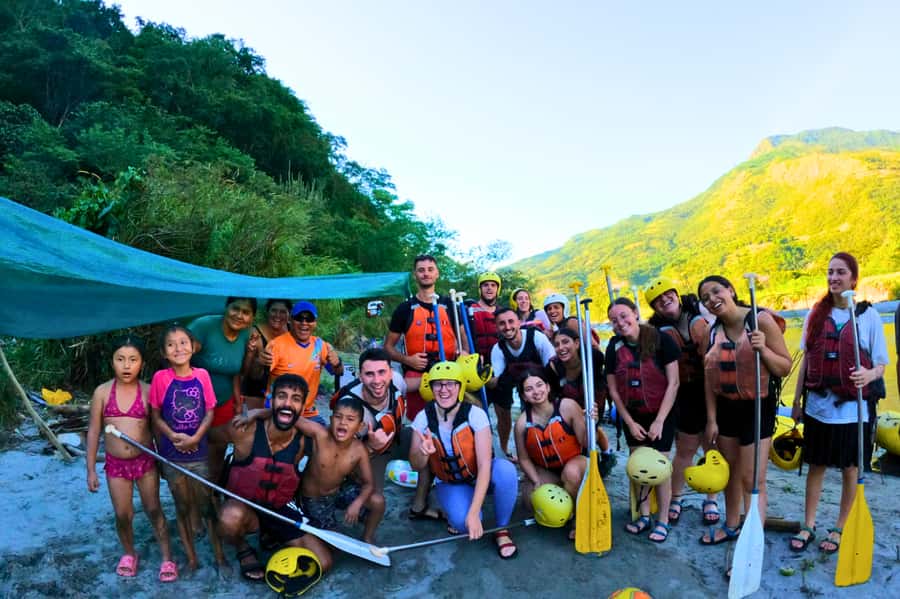
From Huamanmarca, private transport continues to Santa Maria. River rafting on the Vilcanota is offered as an optional activity. It adds another burst of action to an already full day, but you may prefer to save your energy for the hike ahead.
Lunch, dinner, and an overnight hostel stay are included. The accommodation is basic, but the first hostel has received special praise for its friendly setting, homegrown food, homemade coffee, and views. That kind of simple overnight stop fits the route better than a formal hotel would.
Day 2: Coffee, cacao, and a demanding cloud-forest walk
Day 2 starts at 6:30 am after breakfast. This is the day to take seriously. You walk through the cloud forest and pass plantations growing coca, coffee, cacao, and native fruit.
These stops give the hike a useful sense of place. You are not only counting miles toward Machu Picchu. You are seeing the crops and warmer climate that make this part of Peru feel very different from the high pass on Day 1.
The route includes a break at a family house in Pispitayoq. It is a small but meaningful pause, especially after the early start. You then continue along an ancient Inca path toward Qellomayu village, where lunch is served.
After lunch, there are about three more hours of walking to the Vilcanota River. The route includes a monkey bridge crossing. This is one of the moments where the trip feels more like an adventure than a standard sightseeing tour.
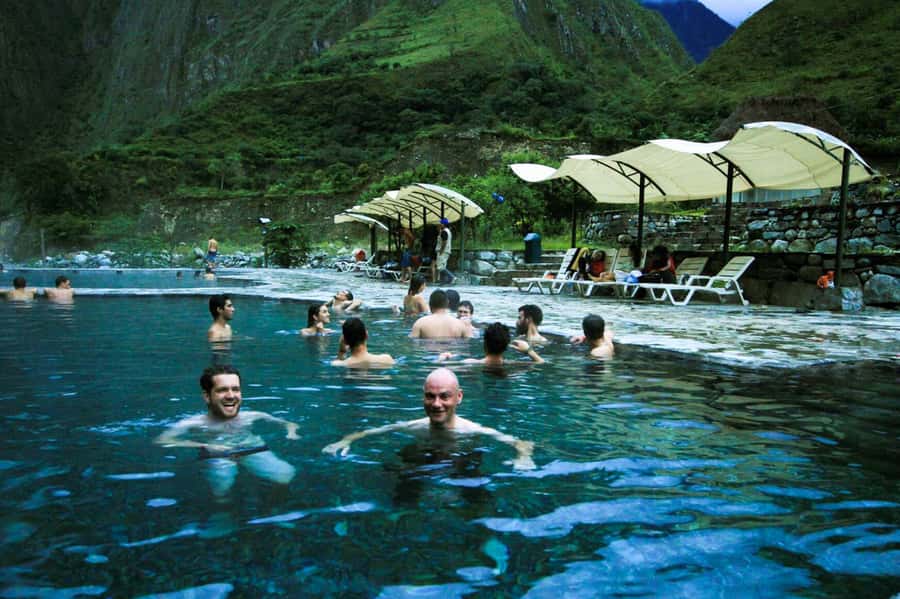
At Cocalmayo, you can pay the $3 entrance fee and relax in the famous hot springs. I consider this one of the strongest parts of the schedule. Warm water comes at exactly the right point after a long walking day, and it gives your legs a chance to recover before the final transfer.
The evening ends in Santa Teresa at another hostel. Basic accommodation is part of the deal, so do not expect resort service. The upside is that the lodging is described as clean and friendly, with a mix of homestay-style and hotel-style rooms.
If you have altitude sickness, this trip is not suitable. Even after leaving the highest point, the combination of altitude, heat, activity, and early mornings can be tiring. A small bag is wise, since hauling a large case between hostels and transport would quickly become a nuisance.
Day 3: Zip-lines, the Hydroelectric Station, and the railway to Aguas Calientes
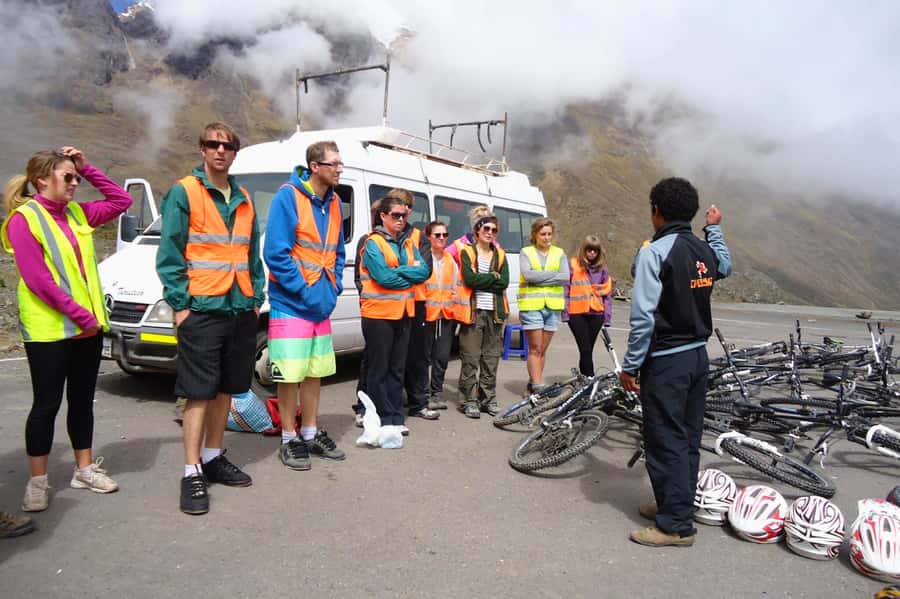
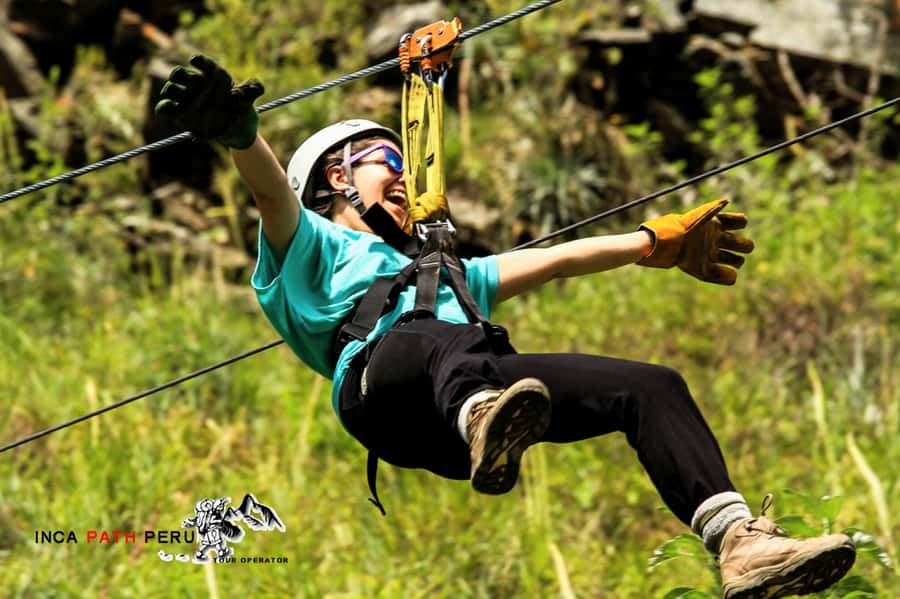
Breakfast begins Day 3 at 7:00 am. You can choose optional zip-lining before setting out on foot. This is another chance to add a high-energy activity, although you may prefer a quieter morning after the previous day.
The walking route continues toward the Hydroelectric Central Station, where lunch is served. From there, you follow the railway toward Aguas Calientes, the town below Machu Picchu.
This railway walk is less strenuous than the cloud-forest hike, but it is not just a short stroll. The route takes time, and you should expect to reach Aguas Calientes at about 5:00 pm. Along the way, you get views of Machu Picchu Mountain, which builds anticipation without giving away the main sight too soon.
Your hostel in Aguas Calientes includes a private bathroom and hot showers. After two simpler nights, that private bathroom feels like a small luxury. It is also useful because you need to prepare for a 4:00 am wake-up the next morning.
The timing is worth noting. Day 3 is not a leisurely arrival followed by an evening out. You reach town late in the afternoon, check in, organize your belongings, and get to bed early. Aguas Calientes is the gateway to Machu Picchu, not the main event of this tour.
Other ways to reach Machu Picchu:
- From Aguas Calientes: Machu Picchu guided tour with tickets
★ 4.9 · 72 reviews - From Cusco: Machu Picchu 2 days
★ 3.6 · 29 reviews - Cusco: Machu Picchu Day Trip with Train + Entrance ticket
★ 4.5 · 17 reviews - Rainbow Mountain tour and Machu Picchu tour by train
★ 4.8 · 13 reviews
Day 4: Sunrise at Machu Picchu and two ways back to Cusco
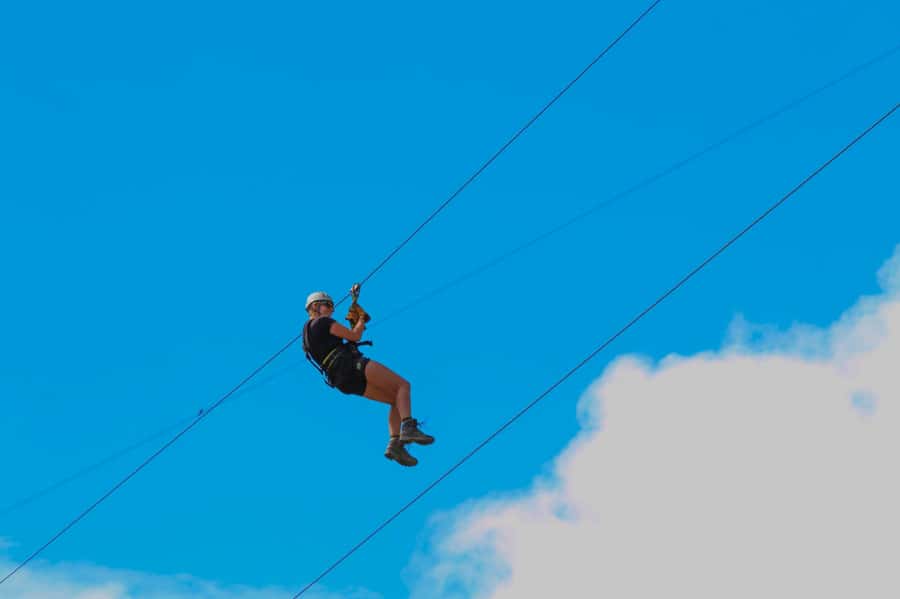
You wake at 4:00 am to meet the guide. From Aguas Calientes, you can hike up to Machu Picchu or pay extra for the bus. The bus costs $15 one way, or twice that for a return ticket.
The early start is demanding, but it gives you the chance to arrive around sunrise. A two-hour guided tour follows, and this is where a strong guide makes a real difference. Carlitos, for example, has been praised for his clear explanations of Inca beliefs and history, while Andy has been praised for his good humor during the harder sections.
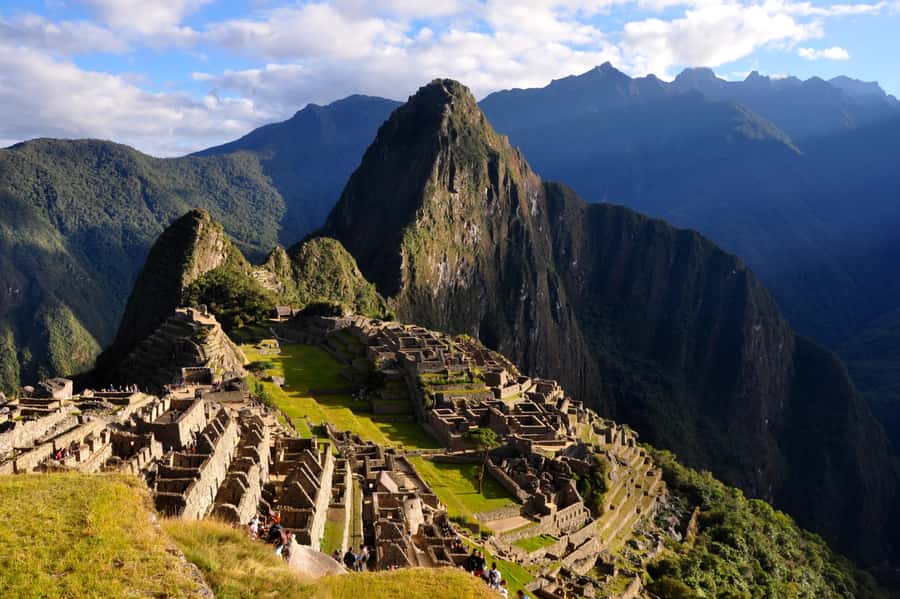
After the guided portion, you have time to explore on your own. Huayna Picchu and Machu Picchu Mountain are possible additions, but they require an extra fee and early booking. Do not assume you can decide at the last minute. Availability and entry arrangements can be limited.
One practical issue deserves attention: the exact Machu Picchu entry timing and available slots may not be known until the day before. If you need a very specific entry time, ask about this before paying. The main entrance is included, but add-on mountain climbs are separate.
You return to Aguas Calientes around midday. From there, you have two broad choices. The cheaper option is to walk back to the Hydroelectric Station and then take a car to Cusco, a journey of about seven hours. The more convenient option uses the train to Ollantaytambo, followed by a car, taking about five hours and costing more.
The train adds another scenic part to the trip. If your budget allows, it is the easier choice after four active days. If keeping the price low matters more, the Hydroelectric route saves money but requires more time and walking.
What the $439 price really covers
At $439 per person, this is a strong value if you plan to use the included services. The fare includes:
- Pickup and drop-off in Cusco
- Private transport from Cusco to Abra Malaga and Santa Maria
- Mountain bike and protective gear
- Three hostel nights
- Three breakfasts, three lunches, and three dinners
- A bilingual English and Spanish guide
- Machu Picchu entrance
- Return transport arrangements by car or train, depending on the selected option
- Optional rafting and zip-lining listed as part of the activity package
You still need to budget for several extras. The first-day breakfast, snacks, lunch at Machu Picchu, Cocalmayo entry, and Machu Picchu bus are not included. Huayna Picchu and Machu Picchu Mountain also require separate fees.
The price is especially good for anyone who would otherwise pay separately for transport, a guide, equipment, accommodation, meals, and Machu Picchu admission. The trade-off is comfort. You are paying for a busy active route, not a luxury stay.
Accommodation, meals, and what to pack
The three nights are in hostels. Expect clean, simple rooms rather than high-end facilities. At least one private bathroom and hot showers are provided in Aguas Calientes, while earlier stops are more basic.
The food appears to be one of the pleasant surprises of the trip, particularly at the jungle hostel with homemade coffee and homegrown ingredients. Still, bring snacks. The schedule is long, and snacks are not included.
Pack your passport, since it is required. Keep your luggage small and easy to carry. You will move through several towns, change transport, and spend time walking on uneven routes.
A sensible packing list includes:
- Passport
- Light clothing for warmer sections
- A warm layer for the high pass
- Comfortable walking shoes
- Water and snacks
- Money for hot springs, buses, meals, and optional transport
- Compact luggage rather than a full suitcase
Do not bring food intended for wildlife or feed animals along the way. This is both a stated rule and simple good practice.
Who will enjoy this four-day adventure
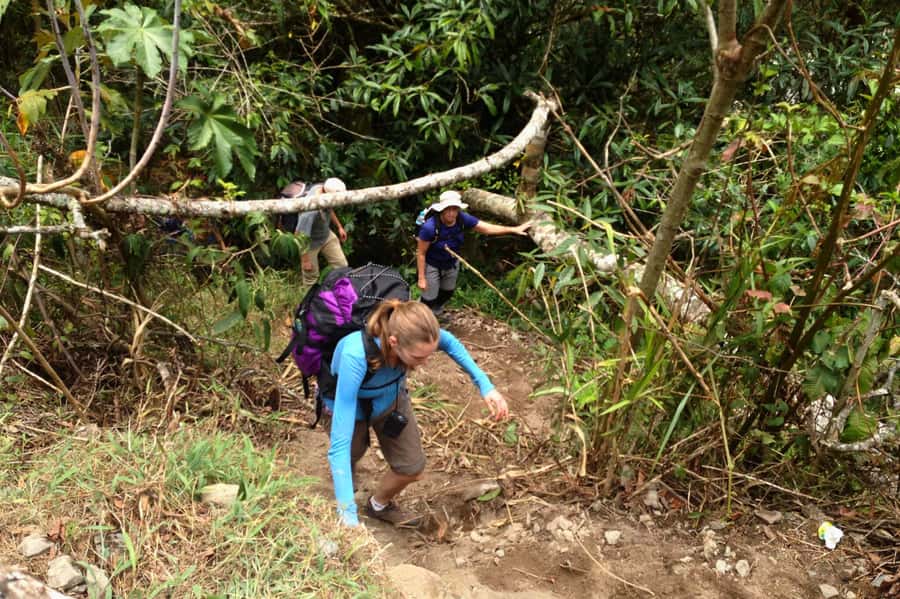
I would recommend this trip to you if you want variety and do not want a single-purpose trek. The combination of biking, hiking, rafting, zip-lining, hot springs, and Machu Picchu gives the four days a quick pace and plenty of memorable moments.
It suits active visitors who can handle an early start, a long walking day, and basic hostels. It also works well if you want a guided trip without committing to a longer high-altitude trek.
I would hesitate to recommend it if you dislike changing accommodation, prefer slow mornings, or have altitude sickness. It is also not ideal if you want complete control over your Machu Picchu entry time or plan to carry a large bag.
The strongest parts are the guide service, the range of activities, the mountain and forest scenery, and the hot springs. The weaker parts are the tough second day, uncertain timing for the Machu Picchu entry slot, and the basic lodging.
Should you book the Inca Jungle Adventure?
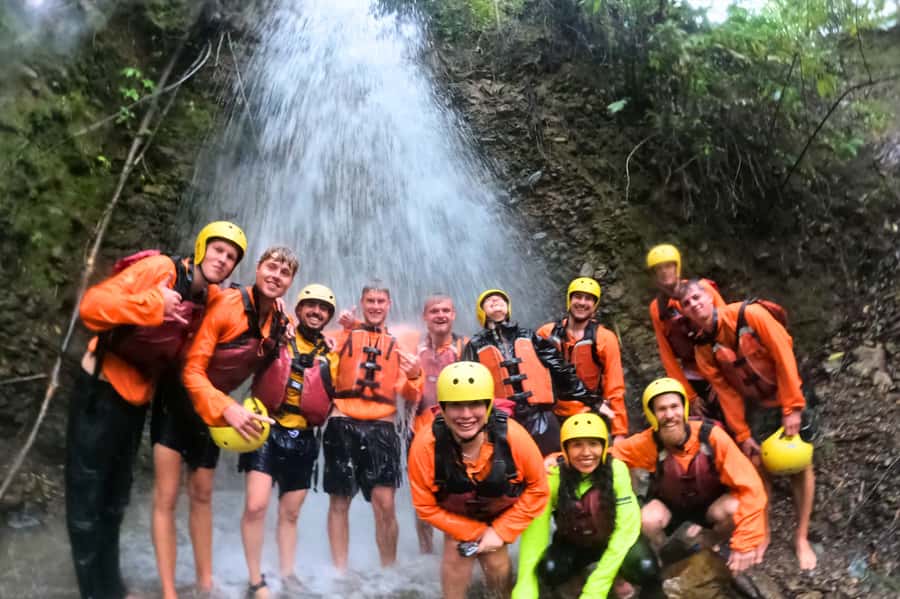
You should book this tour if you want an active, varied route to Machu Picchu and you value having transport, meals, equipment, a guide, and entry fees bundled into one price. The first-day biking, plantation walk, Cocalmayo pools, and railway approach make the journey feel like more than a transfer to the ruins.
Before booking, confirm the return option, ask about the Machu Picchu entry timing, and decide if you want Huayna Picchu, Machu Picchu Mountain, or the bus. Bring a small bag and prepare for a demanding Day 2.
For fit visitors who enjoy a little mud, early mornings, and several different kinds of adventure, this is a lively and well-priced way to reach Machu Picchu.
FAQ
How long is the Inca Jungle Adventure?
The tour lasts four days, ending with your return to your hotel in Cusco.
What languages does the guide speak?
The bilingual guide speaks English and Spanish.
How large is the group?
The group is limited to 10 participants.
Is hotel pickup included?
Yes. Pickup and drop-off in Cusco are included. If you are outside the historic center, you should wait at the main square by the fountain.
Is Machu Picchu entrance included?
Yes. The Machu Picchu entrance fee is included. Huayna Picchu and Machu Picchu Mountain require extra fees and early booking.
How much does the bus to Machu Picchu cost?
The bus costs $15 one way, or $30 for a round trip. Hiking from Aguas Calientes is also possible.
Is the Cocalmayo hot spring entrance included?
No. The entrance fee is $3 per person.
What should I bring?
You must bring your passport. Snacks are also useful because they are not included, and a small bag is recommended.
Added recently around Aguas Calientes
- TOUR TO MACHU PICCHU FULL DAY BY TRAIN – The Best Adventure★ 3.2 · 4 reviews
- Tour guide in Machu Picchu on Route 2★ 4.7 · 6 reviews
- Salkantay Trek to Machu Picchu 5 Days with Sky Lodge Domes★ 5.0 · 5 reviews
- Rainbow Mountain tour and Machu Picchu tour by train★ 4.8 · 13 reviews
- Machupicchu tour by tourist train in 2 days★ 4.5 · 7 reviews
- From Cusco: Train Ride and Guided Tour of Machu Picchu★ 5.0 · 6 reviews
- Machu Picchu 2 Days / 1 Night (By Bus)★ 3.7 · 4 reviews
- Machu Picchu Entry Ticket and Bus from Aguas Calientes★ 3.8 · 8 reviews
Machu Picchu Tours, compared.
Classic Inca Trail Trek 4D/3N to Machu Picchu (Group Service)
Read our review →
Machu Picchu: 4-Day Inca Trail Trek with Panoramic Train Ride
Read our review →
2-Day Inca Trail to Machu Picchu with Panoramic Train
Read our review →
2-Day Tour: Sacred Valley and Machu Picchu by Train
Read our review →
Machu Picchu: Full-Day Tour from Cusco with Optional Lunch
Read our review →Browse the lists this tour appears in