
Reviewed · MACHU PICCHU TOURS
4 Days Inca Trail To Machu Picchu
The ancient road rewards steady feet. This four-day trek combines three nights of tent camping with Inca ruins, mountain passes, guided entry to Machu Picchu, and transport back to Cusco. I like that the route ends at the Sun Gate, giving you a proper arrival rather than a simple bus drop-off, and that meals, porters, entrance tickets, trains, buses, and hotel transfers are built into the price.
I also like the small maximum group of 15 and the strong praise for the guides, cooks, and porters. The main catch is simple: this is a demanding hike, especially on the second day, and camp facilities are basic. You need moderate fitness, patience with early mornings, and a willingness to trade comfort for the route’s historic setting.
In This Review
- The Inca Trail in five useful facts
- What the $725.20 price really covers
- Day one: from Cusco to Patallacta and Huayllabamba
- Day two: Warmiwañusca and the hardest climb
- Day three: ruins, stairs, and the City Above the Clouds
- Day four: entering Machu Picchu through Inti Punku
- Aguas Calientes, the train, and the ride back to Cusco
- Food, camping, and support on the trail
- How difficult is the four-day route?
- What the organization gets right, and what to watch
- Should you book this Inca Trail tour?
- FAQ
- How long is the tour?
- Where does the tour begin?
- What fitness level is required?
- How high is Warmiwañusca?
- Is camping included?
- Are sleeping bags included?
- Are meals included?
- Are Machu Picchu entrance tickets included?
- Is transport from Cusco included?
- How does the tour return to Cusco?
- How large is the group?
- Can the tour be canceled for a refund?
The Inca Trail in five useful facts
- Day two reaches 13,779 feet: The climb to Warmiwañusca, or Dead Woman’s Pass, is the physical high point of the trip.
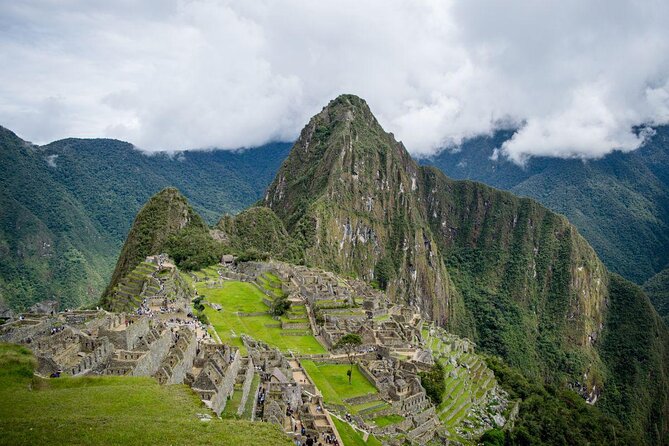
- The route enters Machu Picchu through the Sun Gate: You see the citadel after walking down from Inti Punku, not after arriving by road.
- Three nights are spent in tents: A tent for two people and a foam mattress are included, but sleeping bags are not.
- Meals are a major part of the value: Three breakfasts, four lunches, three dinners, and three snacks are included.
- The group is limited to 15 people: That is small enough for a guide to keep track of the pace and group dynamics.
- The return is by train and road: After Machu Picchu and lunch in Aguas Calientes, you take the train to Ollantaytambo and a vehicle back to Cusco.
What the $725.20 price really covers
At $725.20 per person, this is not just a walking tour. The fee covers the Inca Trail permit and Machu Picchu entrance, subject to availability, plus tents, foam mattresses, meals, snacks, round-trip buses between Aguas Calientes and Machu Picchu, the train from Ollantaytambo to Aguas Calientes and back, and transport from Cusco.
That package matters because the Inca Trail is a regulated route. You cannot simply turn up and walk it independently as part of this arrangement. The permits and entrance tickets are central to the booking, so the phrase subject to availability deserves your attention. The tour is commonly booked well ahead, with an average lead time of about 99 days, and one experienced account advises reserving around four months in advance.
The price does not include sleeping bags, walking sticks, unlisted meals, or tips. Sleeping bags and walking sticks can be rented from the operator. Tips for the guide, porters, and chef are optional, but you should budget for them if the team takes good care of you.
The value is strongest if you want one company to manage the moving parts. You are paying for permits, food, camp equipment, a support crew, Machu Picchu access, and the return journey. If you already own trekking equipment and prefer to arrange transport yourself, the package may feel less compelling. For a first Inca Trail trip, though, the bundled logistics can prevent a lot of fuss.
Other Inca Trail departures:
- Classic Inca Trail Trek 4D/3N to Machu Picchu (Group Service)
★ 5.0 · 8,653 reviews - Machu Picchu: 4-Day Inca Trail Trek with Panoramic Train Ride
★ 5.0 · 4,568 reviews - Short Inca Trail to Machu Picchu 2D/1N
★ 5.0 · 3,007 reviews
Day one: from Cusco to Patallacta and Huayllabamba
The day begins around 4:20 a.m. with hotel pickup in Cusco. That early start is not glamorous, but it gives the group time to reach kilometer 82, the trail checkpoint, where you show your passport before walking.
The first section takes about two hours to Patallacta. This is an important early stop because it introduces you to the Inca road and the pattern of the trek: walk, pause, eat, and keep going. You meet the porters and support crew there, have lunch, and continue toward Huayllabamba camp.
The first day is described as the easier one, though easy is relative when you have traveled before dawn and are adjusting to altitude. You should treat it as a pacing day, not a chance to prove anything. Walk steadily, drink as directed by your guide, and save energy for the two harder days ahead.
Dinner and overnight camping take place at Huayllabamba. The included meals are one of this operator’s strongest points. Past feedback praises generous portions and food described as restaurant quality, including a four-course meal prepared by a chef named Dante on one departure. You should not assume the exact menu or staff will be the same, but the food program clearly receives serious attention.
Day two: Warmiwañusca and the hardest climb
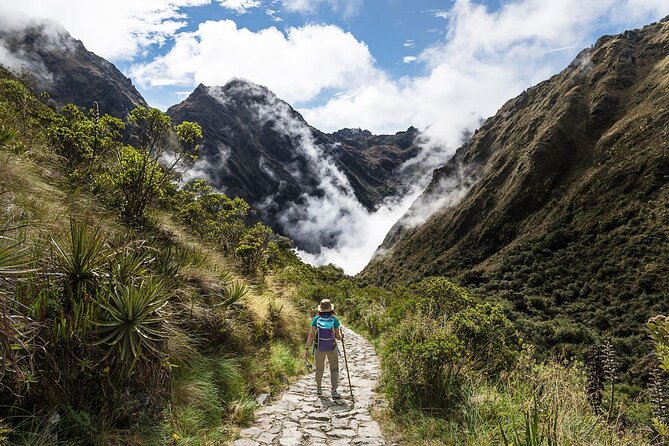
After breakfast, you begin the toughest day. The route climbs toward Warmiwañusca, known in English as Dead Woman’s Pass, at 13,779 feet. The ascent takes about three hours according to the schedule, but your pace will depend on fitness, altitude, weather, and how often the group stops.
The climb is mostly about sustained effort. Past feedback describes long stair sections that seem endless, followed by the relief of reaching the top. This is the point where preparation pays off. If you have done several-day treks before, the challenge may feel familiar. If not, you should train with hills, stairs, and back-to-back walking days rather than relying on general gym fitness.
Reaching the pass is a satisfying moment because the effort has a clear finish line. You have lunch after the high point, then descend to Pacaymayo for dinner and the second night in camp. The descent is easier on your lungs but can be hard on tired knees, so trekking poles are worth considering. They are not included, but the operator offers them for rent.
This day is also where the small group size helps. With a maximum of 15 people, the guide can keep the group together more easily than on a large departure. Still, you should not expect everyone to walk at exactly the same speed. A considerate group and a positive guide can make a real difference on the pass.
Day three: ruins, stairs, and the City Above the Clouds
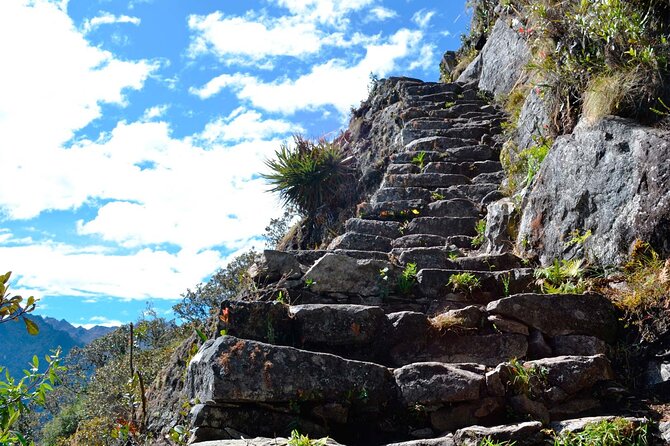
Day three covers about 15 kilometers and links several impressive Inca sites. After breakfast, you pass Runcurakay and Chaquicocha, stopping at Chaquicocha for lunch.
The route then continues to Phuyupatamarca, whose Quechua name means City Above the Clouds. This is one of the memorable sections of the trek because the trail is not merely a path to Machu Picchu. The ruins, stonework, mountain setting, and changing elevations make the journey itself the attraction.
You finish at Wiñaywayna, where you eat dinner and spend the final night at camp. The name is often translated as Forever Young, and the site is a fitting prelude to Machu Picchu. By this point, your legs may be tired, but the goal is close.
The facilities are basic. You should be prepared for simple bathrooms, limited camp comforts, and, according to one account, stretches without electricity. This is not a hotel-based walking holiday. It is an organized wilderness trek with support, food, and shelter, but you still give up privacy and convenience.
Other ways to reach Machu Picchu:
- 2-Day Inca Trail to Machu Picchu with Panoramic Train
★ 5.0 · 1,876 reviews - From Cusco: Full-Day Group Tour of Machu Picchu
★ 4.7 · 1,767 reviews - Machu Picchu Day Trip from Cusco
★ 4.5 · 1,644 reviews - 2-Day Tour: Sacred Valley and Machu Picchu by Train
★ 5.0 · 1,127 reviews
Day four: entering Machu Picchu through Inti Punku
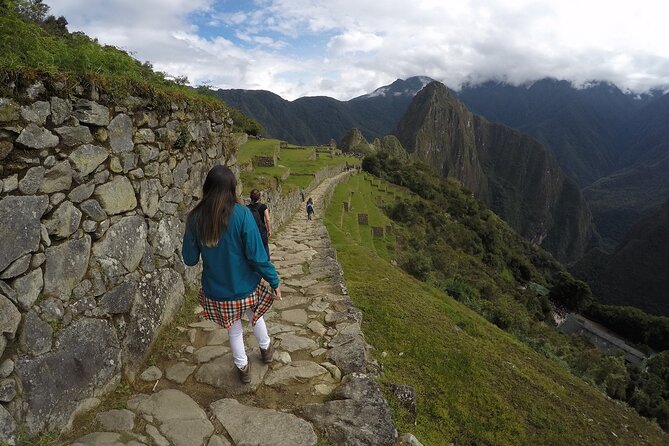
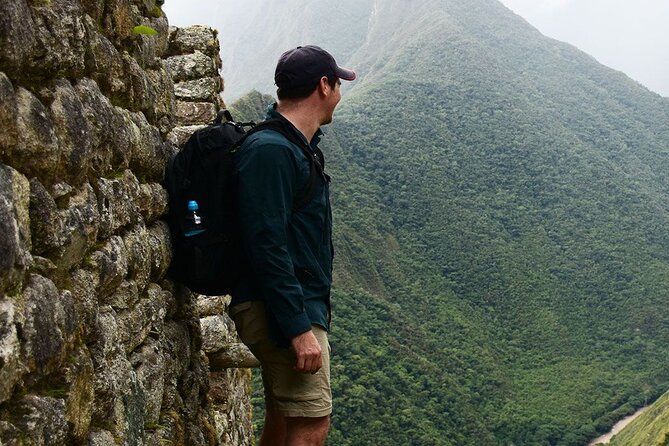
The final morning brings the payoff. You walk to Inti Punku, the Sun Gate, and then descend toward Machu Picchu at about 7,970 feet. The first sight of the citadel from this approach is one of the best reasons to choose the full Inca Trail instead of arriving only by train and bus.
At Machu Picchu, your guide leads a tour lasting about two and a half hours. The schedule also allows around three hours at the site, including the guided visit and time for photos and independent exploration. That gives you a useful introduction, though it is not an unlimited amount of time.
The guided portion is valuable because the stones alone do not explain how the site worked. A good guide can connect the buildings, terraces, route, and surrounding mountains to the wider Inca world. Feedback praises fluent English, positive attitudes, and guides who shared local culture clearly. Names attached to especially positive comments include Alexsandro, Julio, and Marcial, though staffing can change by departure.
You should pay close attention to the day’s timing. The walk from Wiñaywayna, the Sun Gate, and Machu Picchu involves more than simply strolling into the ruins. By the time you reach the citadel, you may be tired, and the final descent can feel long. Bring enough energy to listen to the guided visit and enjoy your free time instead of treating the entire morning as a race.
Aguas Calientes, the train, and the ride back to Cusco
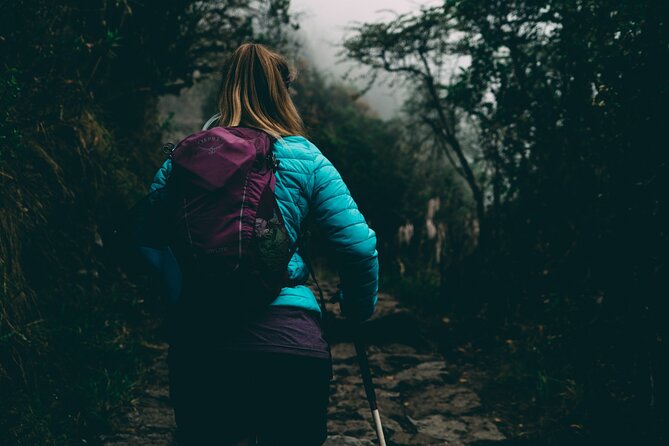
After visiting Machu Picchu, you descend to Aguas Calientes for lunch. The schedule allows about an hour in town before you go to the station.
The train takes you to Ollantaytambo. There, a representative from MachuPicchu Journey is scheduled to meet you with a sign and take you to the vehicle returning to your Cusco hotel. This final handoff is useful after four days of walking, since you do not have to figure out the last connection while tired and carrying trekking gear.
The return day has a practical limitation: your time in Aguas Calientes is structured around the train. Do not plan a long, relaxed afternoon in town unless your booking specifically allows it. If you want extra time around Machu Picchu or Aguas Calientes, one past account recommends staying an additional night and returning to the site more rested.
Food, camping, and support on the trail
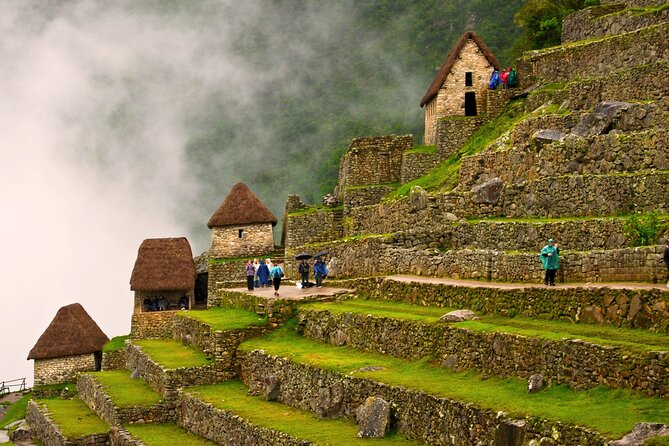
Food is a genuine strength here. The package includes three breakfasts, four lunches, three dinners, and three snacks. Large servings were praised, and one departure included elaborate meals prepared by Dante, the chef.
That does not mean every meal will suit every appetite. Dietary requirements are not specified in the supplied details, so you should ask the operator about them before booking. You should also bring personal snacks if you know you need quick energy between scheduled meals.
The tent arrangement is for two people, with one foam mattress per person. Sleeping bags are not included, and neither are walking sticks. Those are small omissions on paper but important ones in the mountains. Confirm rental costs and arrangements before you leave Cusco.
The porters and cooks are central to the experience. They carry equipment, prepare meals, and help make a multi-day route possible without requiring you to haul every item yourself. The strongest comments praise their patience and hard work. I would treat that as a reminder to pack light, follow the operator’s baggage instructions, and tip thoughtfully if the service deserves it.
How difficult is the four-day route?
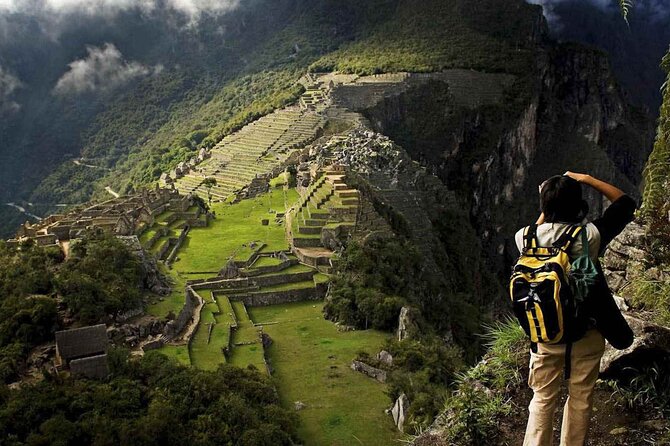
The tour requires moderate physical fitness, but that phrase may understate the second day for some people. You will walk for four days, climb to 13,779 feet, handle many stone steps, descend on tired legs, and sleep in basic camps.
The best preparation is specific. Build up with long walks, stairs, and hills. Practice carrying the daypack you expect to use. Break in your walking shoes before the trip. You do not need to be an elite athlete, but you should be comfortable walking for several hours on consecutive days.
Altitude is another concern, and the supplied details do not state an acclimatization plan. You should ask the operator how the schedule fits with your time in Cusco and what support is available if you struggle. Do not hide symptoms from your guide. A tough hike should be challenging, not reckless.
The route suits you if you value scenery, Inca sites, physical effort, and a clear sense of achievement. It is a poor match if you want private rooms, flexible mornings, easy access, or a relaxed sightseeing schedule.
What the organization gets right, and what to watch
The strongest practical points are the early pickup, included transfers, permit handling, camp support, food, guided Machu Picchu visit, and planned return to Cusco. Several comments also praise punctual transfers and schedules that feel organized without feeling rushed.
The group limit of 15 is another plus. It is not a private trek, but it should feel more manageable than a large procession. Your experience will still depend on the guide assigned to your departure and on the pace of the group.
The main weaknesses are built into the route rather than necessarily caused by the operator. Camps are basic. The second day is hard. The itinerary is tightly timed on day four. Ticket availability needs confirmation, and optional extras such as sleeping bags, walking sticks, and tips add to the final cost.
The information also uses different company names in places, including MachuPicchu Journey and Chullos Travel Peru. That may reflect an operating or transport partner, but I would confirm the exact booking company, emergency contact, inclusions, and ticket status before paying.
Should you book this Inca Trail tour?
I would choose this tour if you want the classic four-day Inca Trail with a support crew and most major costs handled in advance. The entrance through the Sun Gate, the Inca sites along the route, included meals, and organized return to Cusco make the package easy to understand.
I would hesitate if your fitness is low, you dislike camping, or you need generous free time at Machu Picchu. I would also book early, ideally around three to four months ahead, because permits are limited and the experience is commonly reserved well before departure.
At 5 out of 5 from 32 ratings, with 100 percent recommending it, the service record is notably strong. The praise centers on organization, food, guides, porters, and the feeling that the company fulfills what it promises. The route itself remains demanding. If you prepare properly and accept basic camp life, this is a well-priced way to reach Machu Picchu on foot.
FAQ
How long is the tour?
The experience lasts approximately four days and includes three nights of tent camping.
Where does the tour begin?
The tour begins with hotel pickup in Cusco at around 4:20 a.m. on the first day.
What fitness level is required?
A moderate physical fitness level is required. The second day is described as the hardest, with a climb to 13,779 feet.
How high is Warmiwañusca?
Warmiwañusca, also called Dead Woman’s Pass, reaches 13,779 feet.
Is camping included?
Yes. A tent for two people and one foam mattress per person are included.
Are sleeping bags included?
No. Sleeping bags are not included, but they can be rented from the operator.
Are meals included?
Yes. The package includes three breakfasts, four lunches, three dinners, and three snacks. Other meals are not included.
Are Machu Picchu entrance tickets included?
Yes. The Inca Trail and Machu Picchu entrance tickets are included, subject to availability.
Is transport from Cusco included?
Yes. Hotel pickup in Cusco and the return transfer from Ollantaytambo to your Cusco hotel are included.
How does the tour return to Cusco?
After lunch in Aguas Calientes, you take the train to Ollantaytambo. A representative then meets you at the station and takes you by vehicle to your hotel in Cusco.
How large is the group?
The tour has a maximum of 15 people.
Can the tour be canceled for a refund?
You can cancel at least 24 hours before the experience start time for a full refund. Cancellations or changes made less than 24 hours before the start are not accepted for a refund.
Added recently around Cusco
- Sacred Valley of the Incas Day Trip from Cusco★ 5.0 · 6 reviews
- Super valley or vip valley★ 5.0 · 13 reviews
- the Incas’ Sacred Valley★ 5.0 · 27 reviews
- Small-Group Tour: Rainbow Mountains Hiking from Cusco★ 4.0 · 5 reviews
- Excursion to the Sacred Valley of the Incas from Cusco★ 5.0 · 8 reviews
- Maras + Moray & Textile Experience★ 5.0 · 14 reviews
- Tour EN Cuatrimoto POR la Montaña 7 Colors Hike 5 Minutes★ 4.5 · 32 reviews
- rainbow mountain★ 4.0 · 4 reviews
Machu Picchu Tours, compared.
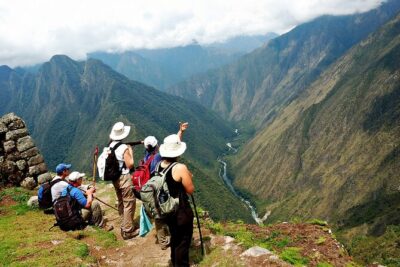
Classic Inca Trail Trek 4D/3N to Machu Picchu (Group Service)
Read our review →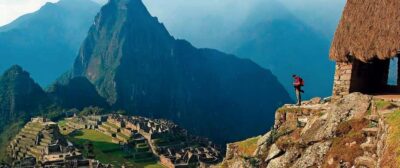
Machu Picchu: 4-Day Inca Trail Trek with Panoramic Train Ride
Read our review →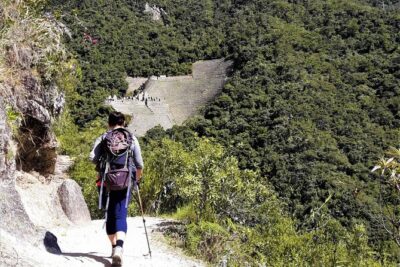
2-Day Inca Trail to Machu Picchu with Panoramic Train
Read our review →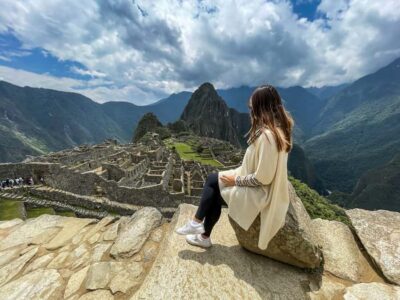
2-Day Tour: Sacred Valley and Machu Picchu by Train
Read our review →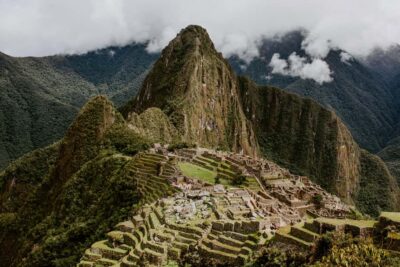
Machu Picchu: Full-Day Tour from Cusco with Optional Lunch
Read our review →Browse the lists this tour appears in