
Reviewed · AMAZON JUNGLE TOURS
Amazon jungle expedition 4/ Days 3/ Nights
The jungle rewards patience, not promises. This four-day Amazon expedition from Iquitos packs in river dolphins, monkeys, birds, and night wildlife, while the small group limit of 10 can make the outings feel personal. I also like the mix of jungle walks, boat trips, medicinal-plant lessons, piranha fishing, and giant water lilies. The main concern is consistency: some departures appear to use a basic lodge rather than a remote jungle camp, and visitors should confirm payment, accommodation, and possible ayahuasca activity before going.
At $440 per person, the trip can offer good value if the advertised program runs as planned. Food is included, pickup is offered, and the schedule gives you several chances to see the Amazon at different hours. Still, this is an adventure tour, not a polished rainforest resort, and the difference matters.
In This Review
- Key points before you book
- What the $440 Amazon trip actually offers
- Day one: From Iquitos to the Yarapa River
- Day two: Sunrise birds, medicinal plants, and alligators
- Day three: Lagoons, giant trees, and elusive mammals
- Day four: Giant water lilies and piranha fishing
- Wildlife: What you might really see
- Camp conditions and the ayahuasca issue
- Food, packing, and daily comfort
- Payment and booking questions that matter
- Who will enjoy this expedition?
- Should you book Jimmy Jaguar Travel?
- FAQ
- Where does the Amazon expedition begin?
- How long is the tour?
- What is included in the price?
- Are drinks included?
- Is transportation from my hotel available?
- Is the tour offered in English?
- How many people can join the tour?
- What wildlife might I see?
- What should I bring?
- Can I cancel for a full refund?
Key points before you book
- Pink and gray river dolphins: The first afternoon includes a search for both Amazon river dolphin species.
- Five-o’clock jungle outing: Day two begins before sunrise, when birds, monkeys, and morning light are at their best.
- Night wildlife by boat and on foot: Expect searches for frogs, snakes, spiders, tarantulas, alligators, night monkeys, and perhaps small cats.
- Piranha fishing and giant lilies: The final day combines two classic Amazon activities, with a chance to cook a catch for lunch.
- Basic conditions: Electricity, water, sleeping arrangements, and activities may be more limited than the polished description suggests.
- Clarify the ayahuasca policy: Some departures have included loud ceremonies at the lodge without advance notice.
What the $440 Amazon trip actually offers
The price covers four days and three nights, food during the stay, guided excursions, and transport arrangements connected with the itinerary. Pickup is offered, with the stated departure time at 8:30 a.m. The tour is available in English and is limited to a maximum of 10 people.
That price can be fair for an Amazon trip from Iquitos. Boat transport, food, guides, equipment, and staff costs add up quickly in the rainforest. You are also paying for access to several different activities rather than one short wildlife cruise.
But value depends on delivery. The most serious complaints describe basic facilities, limited electricity, unreliable water, fewer excursions than expected, and a lodge that felt crowded. One departure reportedly included around 30 people when guides and staff were counted, despite the advertised maximum of 10.
I would treat the $440 as a reasonable price for a basic expedition, not as a guaranteed premium jungle stay. Before paying, ask for the exact lodge or camp name, the sleeping arrangement, the transport plan, the number of people on your departure, and a written list of included activities.
More Amazon Jungle Tours in Iquitos
- 3-Day All Inclusive Guided Jungle Tour from Iquitos at Maniti Eco-Lodge
★ 4.5 · 74 reviews - 2-Day All Inclusive Guided Jungle Tour from Iquitos at Maniti Eco-Lodge
★ 4.5 · 62 reviews - 3-Day Iquitos Amazon Jungle Adventure at Heliconia Lodge
★ 4.5 · 54 reviews
Day one: From Iquitos to the Yarapa River
The day begins with reception at your hotel or at the airport. Departure is scheduled for about 8:30 a.m., though one unpleasant experience involved pickup arriving 30 minutes earlier than expected. I would keep your luggage ready and confirm the pickup time the evening before.
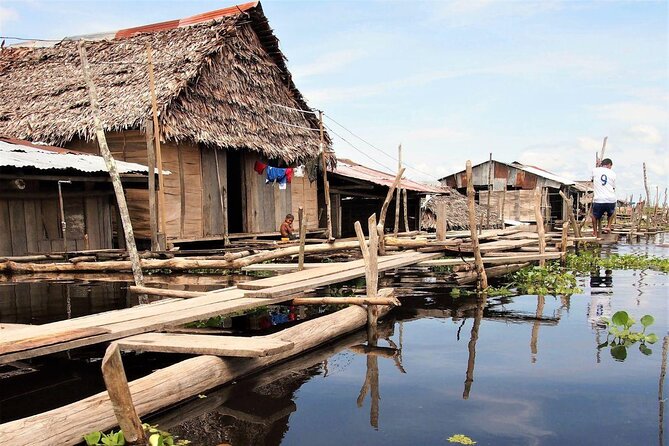
The first part of the program is described as a hike toward camp. The camp is located on the Yarapa River, in a protected communal reserve. That setting is important. The Yarapa area offers a more natural backdrop than a city-edge lodge, with water, forest, and a better chance of seeing wildlife away from urban noise.
After lunch, you head out to look for river dolphins. The Amazon has both pink and gray dolphins, and seeing either one depends on conditions, timing, and luck. A dolphin search is not a zoo visit, so you may see only brief surfacing or distant movement. That uncertainty is part of the appeal, but you should not expect guaranteed close encounters.
Dinner is followed by a night excursion in the jungle. Guides look for frogs, snakes, spiders, tarantulas, giant frogs, and other creatures active after dark. A flashlight is essential here, and the forest changes character once daylight disappears. Small animals become easier to hear and sometimes easier to spot, while larger mammals remain elusive.
The first night sets the tone: this is a wildlife search, not a checklist tour. You may see plenty of small creatures and no jaguar at all. The guide’s skill matters greatly, and Jimmy is repeatedly praised for spotting animals hidden in vegetation and for keeping the mood light.
Day two: Sunrise birds, medicinal plants, and alligators
The second day starts around 5 a.m. That early hour may feel rough after a warm night in basic accommodation, but it is one of the strongest parts of the schedule. Sunrise brings cooler air, bird calls, and more active monkeys.
The morning outing focuses on colorful birds and several monkey species. You may also enjoy the changing light over the forest and water. Birdwatching requires quiet and patience, so the experience will be better if you can walk without expecting constant action.
Afterward, the program moves into a primary forest walk. The guide explains medicinal plants and basic jungle survival skills, including finding food and water and building shelter. This gives the excursion more substance than a simple animal hunt. You learn how local plant knowledge connects people with the forest.
The phrase survival skills should be kept in proportion. This is an introductory lesson, not a full wilderness course. Still, learning which plants have practical uses can make the forest feel less like a wall of trees and more like a living system.
The afternoon outing looks for sloths, macaws, and more monkeys. Two lakes are also included, surrounded by trees and aquatic plants. These stops add variety to the day, though activity quality may depend on water levels, weather, and how busy the area is.
After dark, you take a boat excursion to look for alligators. A guide may use a light to pick out reflected eyes along the riverbank. The plan also allows for a possible jaguar sighting, but that should be considered a lucky bonus, not a promise. Jaguars are difficult to see in the wild, and any operator who treats one as a sure thing is setting the wrong expectation.
Day three: Lagoons, giant trees, and elusive mammals
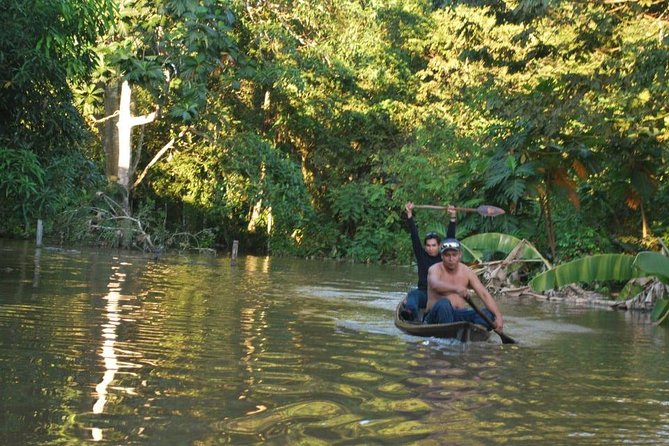
Day three begins with more birdwatching. The schedule emphasizes species found farther inside the forest and away from native communities. This suggests a quieter outing, with the focus on habitat rather than a fixed attraction.
You then walk around a lagoon, looking for animal tracks or signs of jaguars, peccaries, capybaras, and other mammals. Tracking can be rewarding even when the animal stays out of sight. Footprints, disturbed plants, and feeding marks tell you that the forest is busy even when it looks still.
The itinerary also includes a giant Amazonian tree more than 65 meters tall. This is one of those simple stops that can stay with you. A tree of that size puts the forest into scale, especially when you stand at its base and look up through the canopy.
A night excursion follows, with searches for night monkeys and possible small cats. Again, luck rules the results. You may hear movement, catch eyeshine, or see a small animal for only a second. Bring patience, warm clothing for the boat, and a willingness to spend time looking at what appears to be nothing.
There is a practical question here: how remote is the camp really? One unhappy departure described repeated walks on a well-used path and said larger animals were not seen in the wild. Another described animal viewing in cages at a homemade facility. If authentic wildlife matters to you, ask directly if the program visits a rehabilitation center or private animal enclosure, and which animals are actually seen free in the forest.
More jungle trips from Iquitos:
- From Iquitos: 3-Day Amazon Jungle Adventure Trip
★ 4.7 · 50 reviews - Amazon Rescue Center – Manatees Conservation Center Admission Ticket
★ 4.5 · 49 reviews - Monkey Island,Amazon River & Native Aquatic Species – All tickets
★ 5.0 · 44 reviews - Monkey Island, Amazon River, Amazonian Sunset
★ 5.0 · 38 reviews
Day four: Giant water lilies and piranha fishing
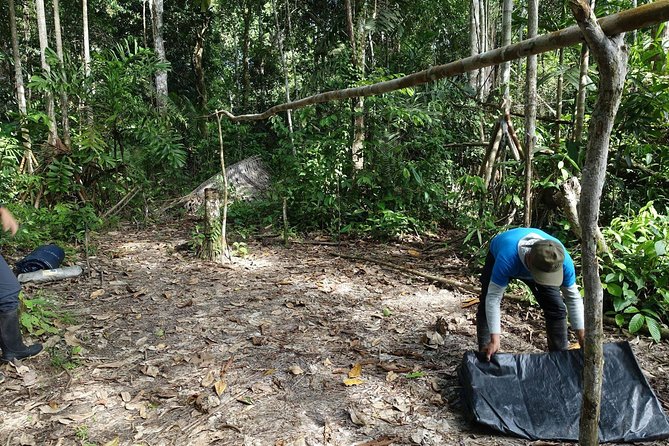
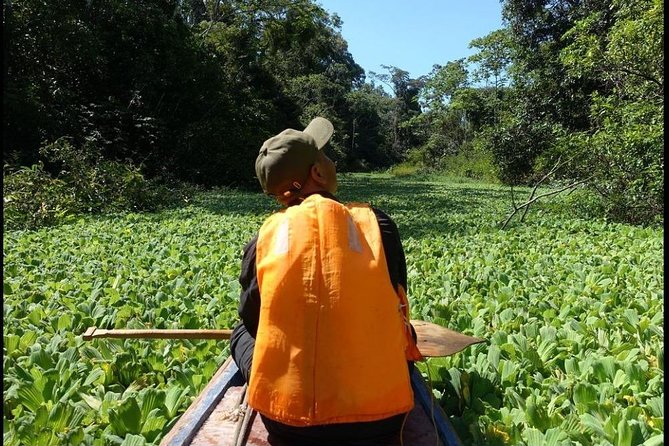
After breakfast, the final morning includes a visit to a lake with giant water lilies. These broad floating leaves are among the Amazon’s most recognizable sights. The stop gives you a slower final morning after several early starts and nighttime outings.
The last activity is piranha fishing. The fish are famous for their teeth, though the experience is more about local technique and the fun of catching something than about danger. If you catch one, the program says it may be prepared for lunch.
After lunch, the return to Iquitos is scheduled for around 5 p.m. That late arrival matters if you have a flight, bus connection, or separate hotel booking. I would not schedule onward transport too tightly on the same evening.
Wildlife: What you might really see
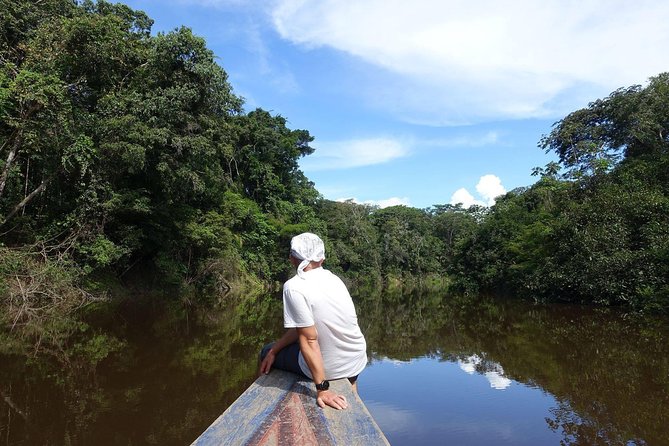
The list of possible wildlife is long: pink and gray dolphins, monkeys, macaws, sloths, frogs, snakes, tarantulas, alligators, capybaras, peccaries, night monkeys, and perhaps jaguars or small cats.
The realistic way to read this list is as a set of searches, not guarantees. Birds, insects, frogs, and monkeys are more plausible targets than jaguars. River dolphins may appear briefly. Alligators are often easier to locate at night than daytime mammals, but even then, nature controls the schedule.
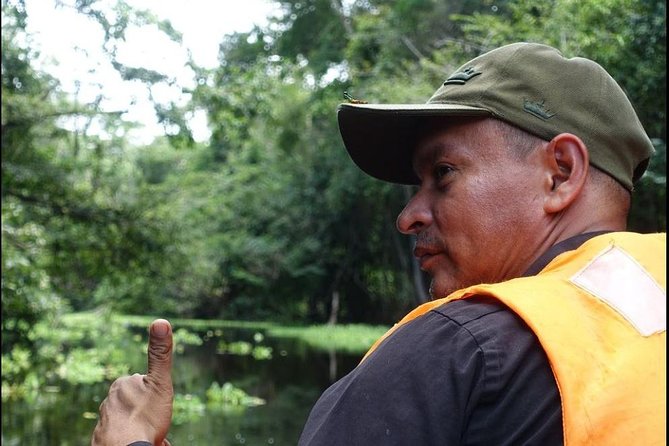
Several people praised Jimmy’s animal-spotting ability, humor, language skills, and knowledge of Amazon plants and wildlife. Those qualities can make a major difference. A good guide sees movement that you miss and turns a quiet walk into a lesson.
At the same time, guide quality may vary by departure. Jimmy may not personally lead every outing, so ask who will guide your group. Also ask how many people will join each boat or walk. A group of 10 is manageable. A larger mixed group can make quiet wildlife watching much harder.
Camp conditions and the ayahuasca issue
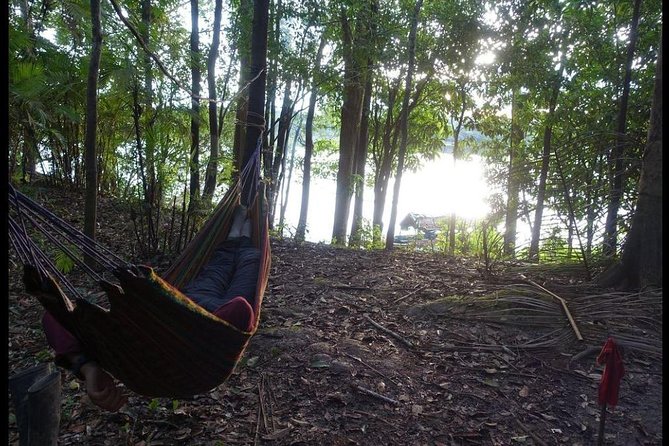
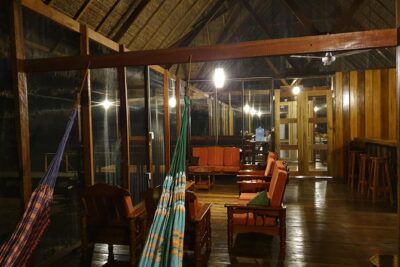
The biggest practical warning concerns the accommodation. The experience is presented as a jungle camp, but some departures have been described as staying in a basic base camp or lodge instead. Electricity was reportedly available for only about two hours a day, and water was not always reliable.
That does not automatically make the trip bad. Basic conditions can be part of an Amazon adventure, especially if you know what you are signing up for. The problem is a mismatch between expectation and reality.
There is also a serious issue involving ayahuasca and another local medicinal treatment called kambo. At least two accounts describe ceremonies taking place in the common area, with loud retching and vomiting lasting for hours. One person said the activity was not disclosed in advance and disrupted sleep and breakfast.
If you have no interest in these ceremonies, ask for a clear answer before booking: Will ayahuasca or kambo take place at the lodge during your stay? Can you sleep away from the common area? Can you opt out without being confined to the lodge? You deserve a direct answer.
One account also described difficulty leaving the base camp independently. In a remote setting, guides need to control boat movements and protect people from the forest, but that policy should be explained clearly before departure. Ask how much freedom you have during free time and what happens if you want to leave early.
Food, packing, and daily comfort
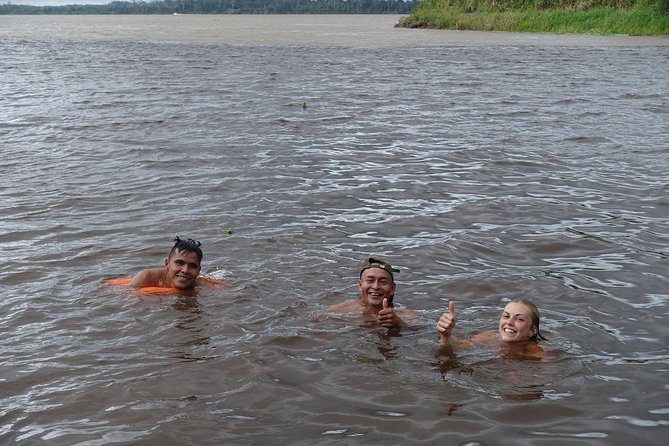
All food during the stay is included. Sodas, alcoholic drinks, and laundry are not included. Since the program involves early departures, long walks, boats, and night outings, ask about meal times and any dietary needs before you go.
The suggested packing list is practical:
- Long and short-sleeve shirts, preferably in light colors
- Insect repellent
- Rain poncho
- Flashlight
I would give the flashlight special attention. A phone light is a poor substitute on a night walk, especially if you are trying to watch the ground and scan trees at the same time. A poncho is also more useful than an umbrella in thick forest and on a boat.
Light-colored clothing can help in hot conditions and may make insects easier to spot. You should also expect clothing and footwear to get wet or muddy. The provided information does not specify luggage limits, footwear, mosquito nets, towels, or bedding, so ask about those items before leaving Iquitos.
Payment and booking questions that matter
The payment complaints are too serious to ignore. One person described paying through PayPal, then being asked to seek a refund and make a bank transfer. Another described paying a much higher amount through an online booking channel than the price offered locally at Iquitos hostels.
This does not prove that every booking will go badly, but it does show why you should keep the transaction simple. Confirm the final price per person, who receives the money, and what happens if the operator changes the camp or shortens the program. Avoid handing over extra cash because of pressure or an unclear payment story.
The stated cancellation policy allows a full refund if you cancel at least 24 hours before the start time. Cancellations made within 24 hours are not refunded, and late changes are not accepted. Keep all payment records and written promises about the itinerary.
Who will enjoy this expedition?
I would consider this trip if you want a low-cost, activity-heavy introduction to the Amazon and can accept basic conditions. It suits people who enjoy early mornings, muddy walks, night outings, insects, uncertain wildlife sightings, and simple accommodation.
It may suit you especially well if you value a lively guide and want to learn about plants, fishing, jungle food, and survival basics rather than spend all day in a comfortable lodge.
I would be cautious if you need reliable water, quiet nights, fixed schedules, private accommodation, or polished service. It is also a poor fit if you want guaranteed jaguar sightings or a strictly remote wilderness experience.
Most people can participate, and the maximum stated group size is 10. The information does not give a detailed accessibility assessment, so ask about walking distance, boat transfers, uneven ground, and the ability to manage repeated early starts.
Should you book Jimmy Jaguar Travel?
Book it only after confirming the details that matter most to you. Ask for the exact camp, the number of people, the guide’s name, the daily boat and walking plan, the power and water situation, and the policy on ayahuasca or kambo. Put the answers in writing.
If the operator gives clear answers and you are comfortable with an unpredictable, basic jungle trip, $440 can buy a memorable four days. The strongest parts are the range of activities, the chance to see wildlife at night, piranha fishing, giant lilies, and the possibility of a skilled guide such as Jimmy.
If you want dependable comfort or strict delivery of every advertised activity, choose a more established lodge with clearer operating standards. The Amazon itself is worth the effort, but you should not have to guess what kind of bed, boat, or program awaits you.
FAQ
Where does the Amazon expedition begin?
The experience begins in Iquitos, Peru. Pickup is offered from a hotel or airport meeting point, with a stated start time of 8:30 a.m.
How long is the tour?
The tour lasts approximately four days and includes three nights.
What is included in the price?
All food during the stay is included. The listed price is $440 per person.
Are drinks included?
Sodas and alcoholic beverages are not included.
Is transportation from my hotel available?
Pickup is offered, but the exact meeting point must be confirmed with the operator.
Is the tour offered in English?
Yes. The experience is offered in English.
How many people can join the tour?
The stated maximum is 10 participants, though you should confirm the group size for your departure.
What wildlife might I see?
The program looks for pink and gray river dolphins, birds, monkeys, macaws, sloths, frogs, snakes, tarantulas, alligators, capybaras, peccaries, night monkeys, and possible jaguars or small cats.
What should I bring?
Bring long and short-sleeve shirts, preferably in light colors, insect repellent, a rain poncho, and a flashlight.
Can I cancel for a full refund?
Yes, if you cancel at least 24 hours before the experience start time. Cancellations or changes made less than 24 hours before departure are not accepted for a refund.
Added recently around Iquitos
- Amazon Wildlife Excursions 2/ Days /1 night★ 4.0 · 9 reviews
- Amazon tour adventure 3/ Days 2/ Nights★ 5.0 · 8 reviews
- Monkey Island,Amazon River & Native Aquatic Species – All tickets★ 5.0 · 44 reviews
- Iquitos: Amazon Adventure and Expedition Tour | 3 Days★ 4.0 · 5 reviews
- Iquitos: Amazon Adventure: Nature and Wildlife | 2 Days★ 4.0 · 25 reviews
- Iquitos: Secret to Black River | Full Day★ 3.5 · 6 reviews
- Full Nature 4 Days 3 Nights – Amazon Wonder Expeditions★ 5.0 · 8 reviews
- Narowé the Taste of the Amazon: Iquitos Foodie Adventure★ 4.5 · 13 reviews
Amazon Jungle Tours, compared.
Tambopata Peruvian Amazon Jungle for Three Days/Two Nights
Read our review →

4-Day Jungle Adventure to Machu Picchu: Biking, Ziplining, Rafting and Hiking
Read our review →Browse the lists this tour appears in