Reviewed · CUSCO TOURS
Andean Overnight
Slow travel has its rewards. This two-day Andean Overnight from Ollantaytambo takes you into the Patacancha Valley to meet Quechua artisan families, learn backstrap weaving, eat food cooked in an Earth Oven, and sleep in a private homestay. I love the chance to learn directly from the women of the textile cooperatives, and I love that the visit supports locally run community enterprises rather than treating the village as a stage set. The warm guides, including Gabriella, Mario, and Juan on different departures, also help turn language gaps into real conversations.
The main caution is altitude and comfort. Some homestays sit around 3,800 meters, and the longer walks can be demanding. Rooms are private and comfortable enough, but homes are not heated, evenings can be cold, and the cancellation terms are strict. If you need a polished hotel stay or a packed sightseeing schedule, this is not the right choice.
In This Review
- Key points at a glance
- Why this Andean overnight feels different
- From Ollantaytambo to the Patacancha Valley
- Meeting the textile artisans
- A home-cooked lunch in the village
- Choosing your afternoon: hike, alpacas, or more weaving
- The homestay: simple, private, and cold after sunset
- Breakfast, Pachamanca, and the meaning of a shared meal
- The guides make the language gap manageable
- Is $254 a fair price?
- Who should book this experience?
- What to pack for the Patacancha Valley
- Should you book the Andean Overnight?
- FAQ
- Where does the Andean Overnight begin?
- Where does the experience end?
- Is transportation from Cusco included?
- Does the tour include hotel or train station pickup?
- What meals are included?
- Do I need hiking experience?
- What is the homestay accommodation like?
- Can I extend the homestay?
Key points at a glance
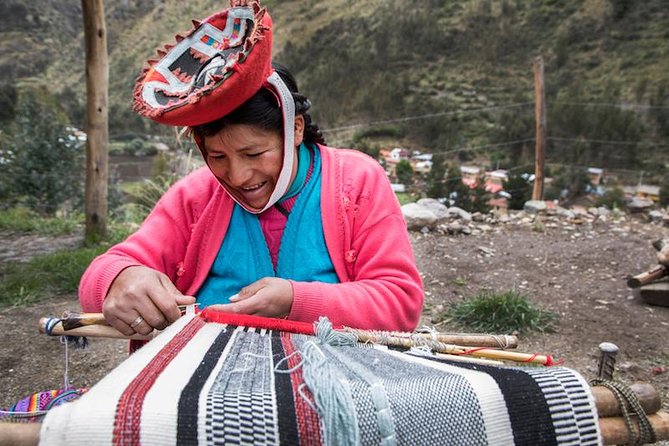
- Weaving is hands-on: Spin wool with a drop spindle and make a bracelet on a backstrap loom with help from an artisan.
- The overnight feels personal: You stay with a host family in a private bedroom and share dinner and breakfast in their home.
- Food is part of the culture: Day two includes a traditional Pachamanca, with meat, potatoes, sweet potatoes, fava beans, and other food slow-roasted among hot stones.
- The hiking can be changed: Choose a glacial lake, alpaca herding grounds, a village walk, or more weaving time depending on your fitness and interests.
- The setting is high and rugged: Expect uneven ground, mud, cold nights, strong sun, and possible altitude symptoms.
- The group stays small: The maximum is 16 people, with round-trip transport from Ollantaytambo included.
Why this Andean overnight feels different
Many cultural excursions give you an hour to watch a demonstration, take a photo, and move on. This one gives you a full day and a night in the community. That extra time changes the tone. You are not simply looking at finished textiles. You learn how wool is spun, how natural dyes are made, and how many patient hours go into a small piece of cloth.
The women may show you how sheep and alpaca wool becomes thread, then explain the plants used for color and medicine. You will try spinning on a drop spindle and work with a backstrap loom. Making a simple bracelet is harder than it appears, which gives you a quick respect for the skill behind the hats, bags, scarves, purses, and tablecloths sold by the cooperative.
The visit also has a clear community purpose. Awamaki works with textile cooperatives and helps them develop their own tourism services. That structure matters. Your payment supports local artisans and host families, and the visit gives people a chance to explain their work in their own homes and villages.
You should not expect a museum-style presentation. Some women speak little or no Spanish, and your English-speaking guide acts as an interpreter and coordinator. That can make conversations slower, but it also keeps the exchange grounded and human.
A few more Cusco trips worth lining up side by side
- Classic Inca Trail Trek 4D/3N to Machu Picchu (Group Service)
★ 5.0 · 8,653 reviews - Cusco: Rainbow Mountain and Red Valley Day Trip with Meals
★ 4.9 · 4,893 reviews - Machu Picchu: 4-Day Inca Trail Trek with Panoramic Train Ride
★ 5.0 · 4,568 reviews
From Ollantaytambo to the Patacancha Valley
You meet at 9:00 a.m. in La Esquinaplaza de Armas in Ollantaytambo. Round-trip transportation to the community is included, but getting to Ollantaytambo from Cusco or another city is not. Hotel pickup and train station transfers are also excluded, so plan this part carefully if you are connecting from Cusco or arriving by rail.
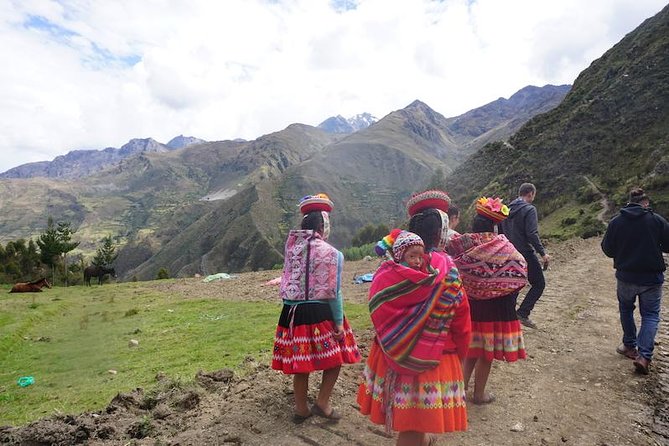
The drive takes you above Ollantaytambo into rural Quechua communities in the high Andes. The exact village may vary, and past visits have included Huilloc and Huilloc Alto. One commonly used community sits at roughly 3,800 meters, so altitude is not a minor detail. If you have just arrived from a lower elevation, you may feel a headache, shortness of breath, or general fatigue.
I would allow time in Cusco or the Sacred Valley to adjust before booking this overnight. The operator can help arrange transport from Cusco, but you need to ask in advance. The service is offered in English and normally has no more than 16 participants, a useful limit for a small community visit.
Meeting the textile artisans
The first part of the day introduces you to the artisan leaders and the textile cooperative. You learn about spinning, dyeing, and weaving, then sit down to try the work yourself. The lesson is not just a quick craft activity. It shows you how much control and patience are needed to keep the threads even and the pattern correct.
You will get help, and you should expect to need it. A bracelet or hat band may look basic in the finished form, but the process is surprisingly tricky for a first-timer. The artisans are used to correcting mistakes and helping you along, so you do not need previous weaving experience.
The natural dyes are another strong part of the visit. Plants used to color yarn can also have medicinal uses, and a village walk may include explanations of local herbs. This links the textile work to daily life rather than presenting it as a separate souvenir industry.
You will also have time to buy directly from the cooperative. The private textile market includes a wider range of goods than you might expect, from small bracelets and purses to larger woven pieces. Bring small bills in Peruvian soles. Prices are described as reasonable, and there is no pressure to purchase, but you may want to budget for something after seeing the labor involved.
A home-cooked lunch in the village
Lunch on day one is served in an artisan’s home. The standard meal includes soup or salad and a main course, with bottled water, coffee, tea, and snacks provided as part of the experience.
The food is traditional, filling, and uncomplicated. You may find potatoes, beans, grains, and other Andean staples prepared in the style of the household. The point is not fine dining. It is sitting down with the people who live here and seeing how local food fits the rhythm of village life.
Dietary restrictions can generally be accommodated, but you must write them in the special instructions when booking. The operator says it can handle nearly all dietary needs, though it will contact you if a request cannot be met.
Also leaving from Cusco, and nothing like the above:
- Salkantay Classic Trek 5 Days from Cusco
★ 5.0 · 4,062 reviews - 4-Day Salkantay Trek with Sky Camp Stay
★ 5.0 · 3,346 reviews - Short Inca Trail to Machu Picchu 2D/1N
★ 5.0 · 3,007 reviews - Excursion to Rainbow Mountain Full Day Optional Red Valley
★ 5.0 · 2,996 reviews
Choosing your afternoon: hike, alpacas, or more weaving
The afternoon is flexible, which is one of the tour’s best features. You may hike toward a glacial lake or alpaca herding grounds, take a gentler village walk, or spend more time with the artisans for a longer weaving lesson.
The lake walk is the most demanding option. One account describes a roughly two-and-a-half-hour climb each way to a sacred lake at more than 14,000 feet. That is a serious outing, not a casual stroll. The route can include steep ground, streams, waterfalls, fields, and high grazing areas. You might see alpacas and small stone houses above the main settlement.
You do not have to choose the hardest walk. Someone in a family group stayed behind for more weaving and conversation while others went to the lake. The longer hike can be modified for health needs, but you should discuss limitations before setting out.
Bring sturdy hiking boots or shoes with good grip. Mud is possible, especially in the rainy season, and uneven ground is part of the experience. Spare shoes are useful if you have room. Pack warm layers, rain protection, sun protection, and a refillable water bottle. The high-altitude sun can be strong even when the air feels cold.
The homestay: simple, private, and cold after sunset
At the end of the day, you return to a rustic homestay with a private bedroom. The accommodation is shared with members of your own group, and you have blankets, electricity, a flushing toilet, and running water outside the main house in at least some homes.
There is no central heating. Once the sun drops, the temperature can fall quickly. Bring every warm layer you have, and take the optional sleeping bag recommendation seriously if you own one. Extra blankets are supplied, but a sleeping bag can make the night more comfortable.
The simplicity is part of the exchange, but it is also the point where you need to be realistic. This is not a lodge with room service, a heated bathroom, or dependable mobile service. You may have no phone signal at all. For many people, that break from the outside world is welcome. For others, it will feel inconvenient.
Dinner is served with the host family and includes an appetizer or soup, a main course, and native Andean herbal tea. The meal is generous and traditionally prepared. One family group found that the simple room produced the best sleep of their entire Peru trip, while another struggled with the cold. Your experience will depend partly on your clothing and how well you handle altitude.
Breakfast, Pachamanca, and the meaning of a shared meal
The second morning starts with hot breakfast in the home. Do not expect a familiar hotel buffet. The food may be plain and heavily based on local produce, including potatoes and other Andean staples. One account found breakfast less appealing than the other meals, particularly because of cold broccoli and large servings of boiled sweet potatoes.
The day’s main food event is Pachamanca, a traditional Earth Oven meal. Meat, potatoes, sweet potatoes, fava beans, and other foods are slow-roasted in hot stones after the fire has heated them. Depending on the local preparation, you may find chicken or cuy, which is guinea pig and is often compared in taste to rabbit.
This meal has practical and cultural value. It is not simply food placed on a plate for an audience. The cooking method connects the meal to the earth, the harvest, and the work of the community. In the mountains, potatoes and beans may come from nearby fields, making lunch a direct expression of local agriculture.
The Pachamanca is followed by the private textile market, where the cooperative members bring out their work. Since you have already seen the spinning and weaving process, the shopping feels more informed. You can ask about the pieces, compare sizes and prices, and buy directly without pressure.
The guides make the language gap manageable
The guide is important here because the experience depends on communication. Gabriella has been praised for her patience and warmth, while Mario and Juan have also served as interpreters and cultural go-betweens. Guides help translate from Spanish to English and, when needed, support communication with women who speak only Quechua.
A good guide also knows when to step back. The best moments may be a shared meal, a laugh over a failed weaving attempt, or children showing one another photos on a phone. Those exchanges do not need a long explanation, but a guide helps everyone feel comfortable enough for them to happen.
The guide also keeps the schedule moving and can help adjust the walking portion. If you have a health concern, dietary requirement, or mobility limitation, mention it when booking and again at the start of the visit.
Is $254 a fair price?
At $254 per person, the cost is higher than a standard day trip from Cusco. But the comparison is not quite fair. The price includes round-trip transport from Ollantaytambo, an English-speaking guide, lunch and dinner on day one, breakfast and Pachamanca lunch on day two, a private bedroom, snacks, drinks, and the weaving lesson.
You are also paying for a small-scale community program rather than a mass-market bus excursion. The value is strongest if you care about time, local contact, and direct support for artisans. Two days lets you slow down, ask questions, walk through the village, and share meals. A short demonstration cannot offer that same contact.
The price does not include your transport to Ollantaytambo, hotel or train station pickup, or textile purchases. Add those costs before you decide. The textile market includes inexpensive small items, but larger pieces can add to your budget.
The experience has a perfect 5 rating from six posted ratings, but the bigger point is consistency in what people value: the host families, the textile lessons, the food, the guides, and the feeling of being welcomed into a real community.
Who should book this experience?
I would recommend it to you if you want a cultural visit that asks for participation rather than passive sightseeing. It suits couples, families, and anyone interested in textiles, traditional food, highland farming, alpacas, or Quechua community life.
It can work well for families with older children. One family group included children who joined the walks, met local children, and took part in weaving. You should still judge the hiking option carefully, especially at altitude.
It is less suitable if you dislike cold rooms, basic facilities, uneven paths, or flexible plans. It is also not a good choice if you need guaranteed mobile service or a fixed timetable with no physical exertion. Most people can participate, and the longer walk can be adapted, but this is still a high-altitude overnight.
Awamaki can arrange extended stays and custom trips through [email protected]. An extra night may suit you if one night feels too short. More time could allow additional weaving, animal care, potato harvesting, or village walks, depending on what the community can arrange.
What to pack for the Patacancha Valley
Keep your luggage light, but do not skimp on warmth. I would bring:
- Sturdy hiking boots or shoes that can handle mud
- A spare pair of shoes if available
- Warm layers, including a hat and gloves
- Rain layers
- A refillable water bottle
- Snacks, especially chocolate or other sweets for cold conditions
- Small bills in soles for the textile market
- A sleeping bag if you have one
- Any personal medication needed for altitude or other health concerns
Bottled water, coffee, tea, and snacks are included, but a refillable bottle remains useful. One account preferred mineral water after some stomach trouble, though the cause was unclear. You can drink the boiled water provided, but you may prefer to carry extra sealed water for peace of mind.
Should you book the Andean Overnight?
Book it if you want the most meaningful kind of Sacred Valley side trip: slow, personal, and a little rough around the edges. The strongest parts are the women’s textile instruction, the family meals, the Pachamanca, and the chance to spend enough time in the village for genuine contact.
Think twice if altitude affects you badly or if you expect hotel comforts. Acclimatize first, pack for cold and rain, and treat the hike as optional rather than a test of toughness. With those expectations, $254 buys far more than transport and a room. It buys time with artisan families, a look at working traditions, and a respectful way to support the community you visit.
FAQ
Where does the Andean Overnight begin?
It begins at La Esquinaplaza de Armas in Ollantaytambo, Peru, at 9:00 a.m.
Where does the experience end?
The activity ends back at the meeting point in Ollantaytambo.
Is transportation from Cusco included?
No. Transportation to Ollantaytambo from Cusco or another city is not included. You can contact Awamaki at [email protected] to ask about arranging transport from Cusco.
Does the tour include hotel or train station pickup?
No. Hotel pickup, hotel drop-off, train station pickup, and train station drop-off are not included.
What meals are included?
The package includes a typical lunch and dinner on day one, breakfast on day two, and the traditional Pachamanca lunch on day two. Bottled water, coffee or tea, and snacks are also included.
Do I need hiking experience?
No specific hiking experience is stated as a requirement, but the overnight takes place at high altitude and includes uneven ground. The longer walk can be modified for health needs, and gentler village walks or extra weaving time may be available.
What is the homestay accommodation like?
You stay in a private bedroom at a rustic homestay with members of your own group. Electricity, blankets, a flushing toilet, and running water are available, but homes are not heated and mobile service may not be available.
Can I extend the homestay?
Yes. Awamaki can arrange extended stays and custom trips. Contact [email protected] with your interests and preferred length of stay.
Added recently around Cusco
- Guided tour of the mountain of colors in Cusco★ 5.0 · 11 reviews
- 2-Day Private Short Inca Trail to Machu Picchu★ 5.0 · 15 reviews
- City Tour Cusco – Group★ 5.0 · 4 reviews
- Tour Sacred Valley with Maras and Moray★ 5.0 · 15 reviews
- San Pedro Market Tour with Peruvian Cooking Class★ 5.0 · 31 reviews
- Walking Culinary Experience★ 5.0 · 41 reviews
- City Tour in Cusco★ 4.5 · 10 reviews
- Rainbow Mountain Small-Group Full-Day Hike from Cusco with Meals★ 4.5 · 15 reviews
Cusco Tours, compared.
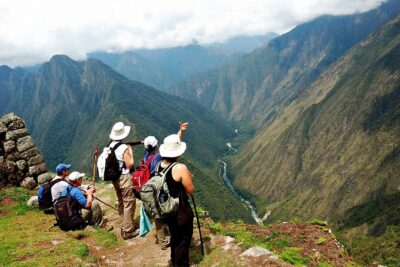
Classic Inca Trail Trek 4D/3N to Machu Picchu (Group Service)
Read our review →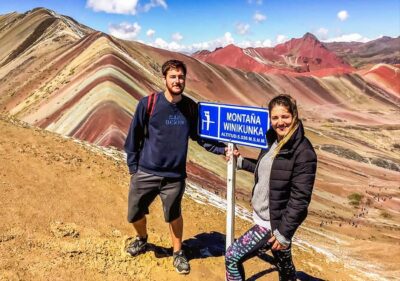
Rainbow Mountain and Red Valley Day Trip with Meals
Read our review →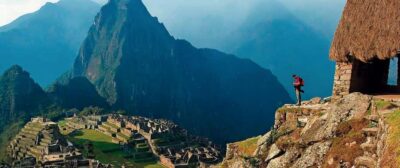
Machu Picchu: 4-Day Inca Trail Trek with Panoramic Train Ride
Read our review →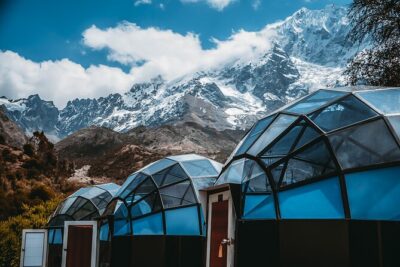
Excursion to Rainbow Mountain Full Day Optional Red Valley
Read our review →