
Reviewed · MACHU PICCHU TOURS
Classic Inca Trail 4D/3N to Machupicchu
Walk four days, reach Machu Picchu on foot. This classic route earns its place on a Peru itinerary by combining high mountain passes, cloud forest, Inca ruins, and arrival through the Sun Gate. I especially like the small group size of up to 16 people and the fact that meals, porters, tents, transport, and park permits are handled for you. The main drawback is the second day, an 11-hour hike with a steep climb to 4,215 meters.
I also like the care given to the camp routine. You get cooked meals, drinking water, snacks, private portable toilets, and a crew that carries the heavy equipment. Guides such as Ali, Mesias, and Alex have been praised for explaining the Inca sites clearly, while chef Valerio is remembered for preparing impressive Peruvian food in a trekking kitchen.
In This Review
- The essential points at a glance
- What $770 buys you on the Classic Inca Trail
- Before sunrise from Cusco to Km 82
- Day two: the high pass at 4,215 meters
- Day three: Phuyupatamarca, Intipata, and Wiñay Wayna
- Day four: entering Machu Picchu through Inti Punku
- The crew makes the camping work
- Guides, history, and the pace of the group
- What to bring and what costs extra
- Who should choose this four-day route?
- Should you book the Classic Inca Trail?
- FAQ
- How long is the Classic Inca Trail tour?
- What time does pickup begin in Cusco?
- Do I need my passport for the Inca Trail?
- Is food included during the trek?
- Is the train back to Cusco included?
- Are sleeping bags and trekking poles included?
The essential points at a glance
- Arrival through the Sun Gate: You enter Machu Picchu from Inti Punku, rather than arriving first by bus.
- A demanding second day: The route reaches 4,215 meters, with about 11 hours of walking.
- Strong food and camp support: Fresh meals, drinking water, snacks, porters, chefs, and portable toilets are included.
- A useful small-group limit: The maximum group size is 16, enough for company without creating a large procession.
- Many major Inca sites: Canabamba, Llactapata, Runcuraccay, Sayacmarca, Phuyupatamarca, Intipata, and Wiñay Wayna appear along the route.
- A complete return plan: The package includes the bus to Aguas Calientes, the Expedition Train to Ollantaytambo, and a drive back to your Cusco hotel.
What $770 buys you on the Classic Inca Trail
The price is $770 per person. That is a serious amount of money, but this is not simply a guided walk with a packed lunch. The cost covers the Inca Trail and Machu Picchu entrance tickets, three nights of camping, transportation, porters, cooks, guides, meals, drinking water, snacks, and the return train.
That bundled approach matters. You do not have to arrange separate transfers from Cusco, find a campsite, carry cooking equipment, or solve the final journey from Machu Picchu back to your hotel. The crew brings Eureka tents, with one four-person tent assigned to every two people. You also get private portable toilets, a small but welcome comfort after a long day on the trail.
The value is strongest if you want the full trekking experience without organizing each piece yourself. It is less attractive if you want a short visit to Machu Picchu or dislike early starts and basic camping. You are paying for access, logistics, labor, food, and the rare experience of arriving at the ruins by the historic trail.
The tour is often booked about 122 days ahead. That is useful planning advice, especially because the Inca Trail is regulated and permits are required. I would not leave this until the final weeks of a Peru trip.
Other Inca Trail departures:
- Classic Inca Trail Trek 4D/3N to Machu Picchu (Group Service)
★ 5.0 · 8,653 reviews - Machu Picchu: 4-Day Inca Trail Trek with Panoramic Train Ride
★ 5.0 · 4,568 reviews - Short Inca Trail to Machu Picchu 2D/1N
★ 5.0 · 3,007 reviews
Before sunrise from Cusco to Km 82
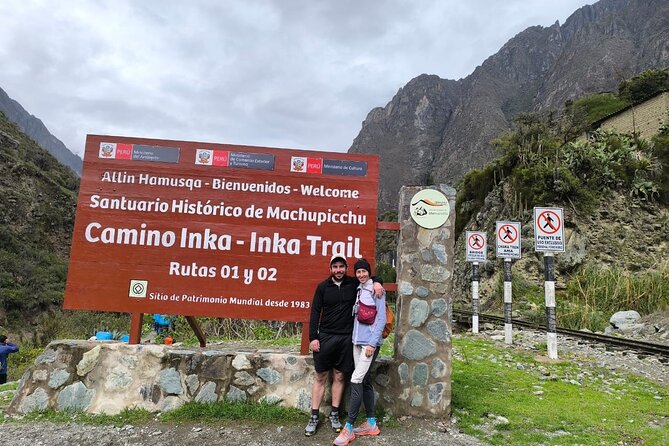
The day begins early. Pickup is listed between 4:00 and 4:30 AM from your Cusco hotel, followed by a drive to Ollantaytambo for breakfast. From there, the vehicle continues for about an hour to Piscacucho, also called Km 82, where the hike begins.
You must bring your original passport. This is not a minor suggestion. It is specifically required for the trail access process, so keep it somewhere secure but easy to reach.
Breakfast in Ollantaytambo gives you a chance to eat before the first walking section. The early transfer also explains why this day feels longer than the walking time alone suggests. You are moving before daylight, driving through the Sacred Valley, eating, checking in at the trailhead, and then walking for roughly seven hours.
The first section visits Canabamba and Llactapata. These two archaeological sites had different purposes, and a guide can help you notice the difference instead of treating every stone wall as one more photo stop. After about three hours of walking, you reach the lunch area. The cooks prepare a hot meal on site, and you can refill your bottle with drinking water.
After lunch and a rest, you continue for about three more hours to Ayapata, your first camp. This is a sensible opening day: long enough to make progress, but not yet the hardest climb. Still, the early start and altitude around Cusco mean you should take the pace seriously. Your best strategy is steady walking, regular drinking, and saving energy for the next morning.
Day two: the high pass at 4,215 meters
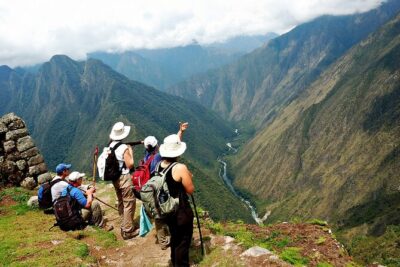
Day two is the physical test. After breakfast, you climb for about four hours to the highest point of the trail, at 4,215 meters. The reward is a broad mountain view, but the climb is the part you need to prepare for.
The listed walking time is about 11 hours, making this the longest day. You descend for an hour into Pacaymayo for lunch, refill your bottle, and then begin another climb lasting roughly two hours and 45 minutes. This pattern of climbing, descending, and climbing again can be harder than a single continuous ascent.
Runcuraccay is the next major stop. The Inca site is paired with views of two waterfalls, giving the afternoon a welcome change from the steep trail. After exploring, you descend for about an hour to Sayacmarca, another Inca site with more walls and terraces to examine.
A final 25-minute walk brings you to Chaquicocha camp at 3,700 meters. Dinner follows, and if the weather and schedule cooperate, you may have time to look at the night sky. The quiet campsite and high elevation can make this a memorable end to a hard day, though tired legs may win the argument.
This is the day that separates a pleasant idea from a realistic plan. The company asks for moderate physical fitness, and that wording should be taken seriously. You do not need to be an elite athlete, but you should be comfortable walking uphill for several hours and continuing after lunch.
Day three: Phuyupatamarca, Intipata, and Wiñay Wayna
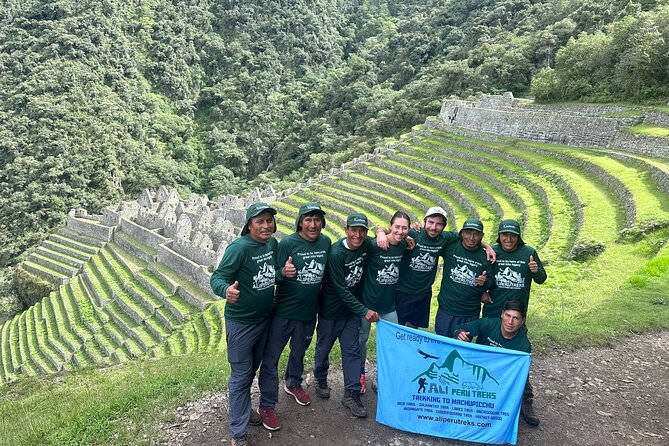
Day three is described as the most beautiful and most relaxed day, with about six hours of walking. The schedule starts at 7:00 AM, which feels almost generous after the earlier mornings.
The trail crosses several ecological zones. For about two hours, you walk through a series of ups and downs toward the cloud forest. On a clear day, the views can extend toward Salkantay and the Vilcabamba mountain range. The weather can change quickly in mountain and forest zones, so the word clear matters. You should enjoy the views when they appear, but not count on perfect visibility.
At Phuyupatamarca, you get views toward the Urubamba River and your first glimpse of Machu Picchu Mountain. The site itself is one of the route’s memorable archaeological stops, with its terraces and stonework set high above the surrounding valleys.
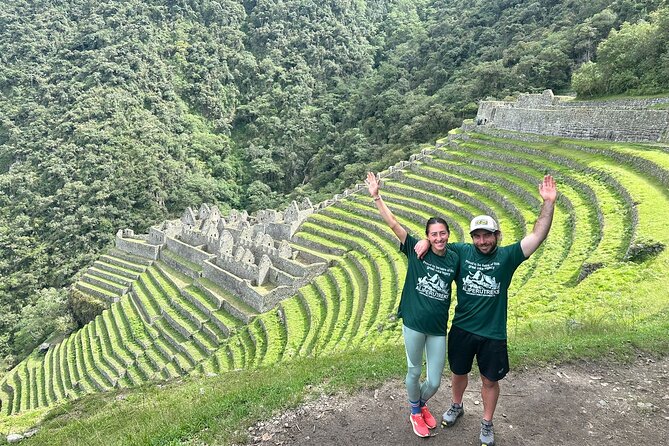
From there, a three-hour descent leads toward camp, passing Intipata. Reaching camp around 1:00 PM gives you time to eat and rest. Later, the group continues to Wiñay Wayna, often considered the largest and most impressive Inca site on this route.
Wiñay Wayna means Forever Young. Its terraces and steep setting make it a fitting final major site before Machu Picchu. The timing also works well. You see it after the hardest climbing is finished, then return to camp with the final arrival still ahead.
The company describes this as the easiest day, designed to preserve energy for Machu Picchu. That does not mean effortless. A long descent can make knees and ankles complain, and the trail still includes ups and downs. Good footwear and trekking poles can help, though poles are not included. They are available to rent, as are sleeping bags and air mattresses.
Other ways to reach Machu Picchu:
- 2-Day Inca Trail to Machu Picchu with Panoramic Train
★ 5.0 · 1,876 reviews - From Cusco: Full-Day Group Tour of Machu Picchu
★ 4.7 · 1,767 reviews - Machu Picchu Day Trip from Cusco
★ 4.5 · 1,644 reviews - 2-Day Tour: Sacred Valley and Machu Picchu by Train
★ 5.0 · 1,127 reviews
Day four: entering Machu Picchu through Inti Punku
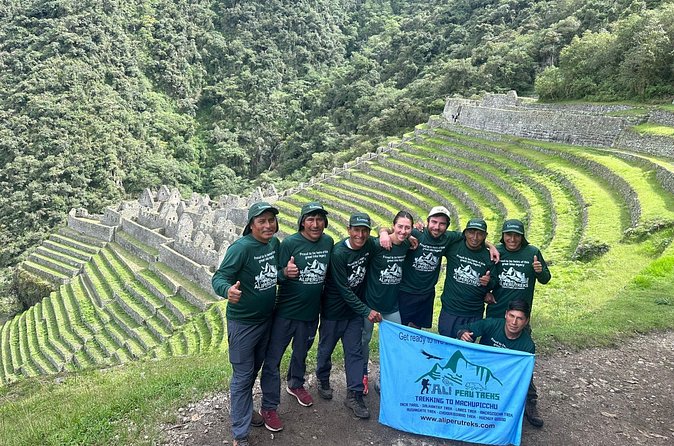
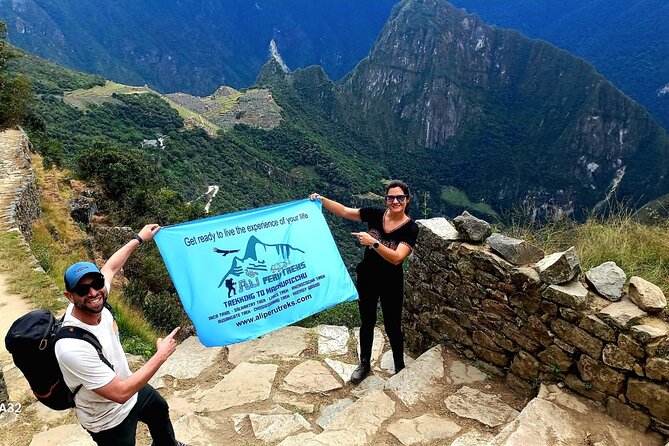
The final morning begins with an early breakfast. You walk for about two hours to Inti Punku, the Sun Gate. This is the emotional payoff of the route: Machu Picchu appears from above, with the surrounding mountains forming the setting.
The Sun Gate arrival differs from the usual first view from the lower entrance. You have already spent three days walking through Inca sites and mountain country, so the sight of Machu Picchu feels connected to the route rather than isolated from it.
After taking in the view, you descend for about two hours to Machu Picchu. A guided tour follows, giving you time to see the main ruins with an explanation of their purpose and place within the Inca world. The exact length of the guided visit is not specified, so keep the morning flexible.
After the visit, the bus takes you down to Aguas Calientes. Lunch there is not included, so budget separately for that meal. After lunch, you go to the station for the Expedition Train, listed as tourist class, to Ollantaytambo. A driver then meets you and takes you back to Cusco, dropping you at your hotel.
This final transfer is valuable because it closes a complicated travel loop. You do not have to arrange your own bus, train, station transfer, or late drive after four days of walking.
The crew makes the camping work
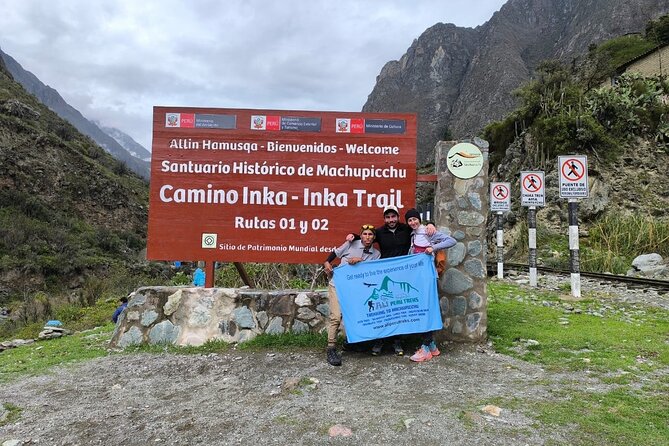
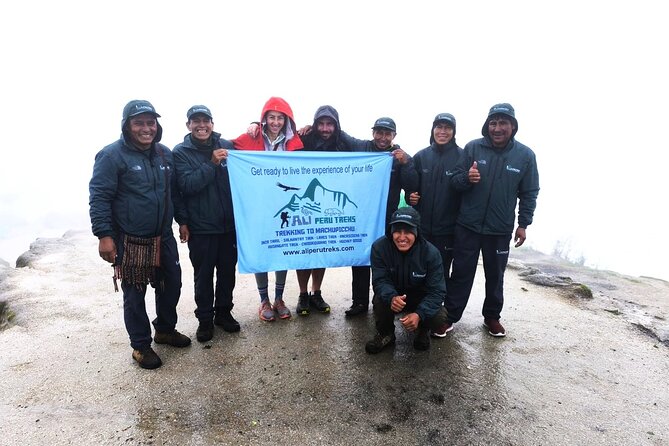
The strongest part of this trip is the support system. A professional English-speaking guide leads the group, while porters carry the camping gear and cooks prepare all meals with fresh local ingredients.
The food deserves particular attention. Chef Valerio has been praised for serving well-prepared Peruvian meals from a small trekking kitchen. That can change the whole mood of a trip. After a steep climb, a hot dinner is not a luxury in the abstract. It is the difference between feeling cared for and simply feeling depleted.
The porters also matter. Names including Juan Carlos, Juvenal, Braulio, and Damien have been praised for their strength, encouragement, and good humor. You should remember that the porters are doing demanding physical work on the same steep trail, often carrying equipment that makes your lighter daypack possible.
The included drinking water and daily snacks are practical touches. You can refill your bottles during the route, which reduces the need to carry all the water for four days. The private portable toilets are another useful comfort, especially at camp.
The tents sleep two people in a four-person Eureka tent. That gives you more room than a fully packed tent, though camping is still camping. Bring realistic expectations about cold nights, limited personal space, and simple camp facilities.
Guides, history, and the pace of the group
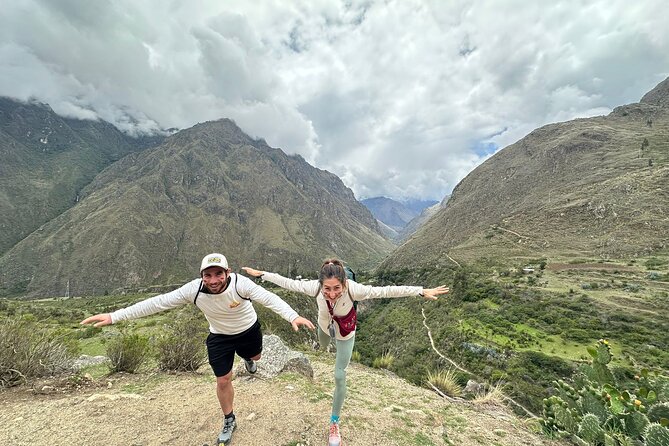
The guide has two jobs here. The first is keeping the group moving safely across a demanding route. The second is making sense of the ruins, mountains, rivers, and old trail engineering along the way.
Ali has been praised for explaining the Inca past and the natural features around the route. Mesias has also been singled out for combining trail guidance with explanations of the archaeological sites, plants, and scenery. Alex is another guide praised for professional service and a strong grasp of Inca culture.
You cannot assume which guide you will receive, but those names give you a useful sense of the guiding style the company aims for. The best version of this tour is not a silent march behind a flag. It is a walk where you understand why Canabamba, Runcuraccay, Sayacmarca, and Wiñay Wayna were built where they were.
The group limit is 16 people. That is small enough for a guide to monitor the pace and answer questions, though different fitness levels can still affect the day. Some people will reach viewpoints faster, while others will need more time on the long climbs. Past feedback praises guides for allowing the group to move at a comfortable shared pace, which is exactly what you want on a four-day trek.
What to bring and what costs extra
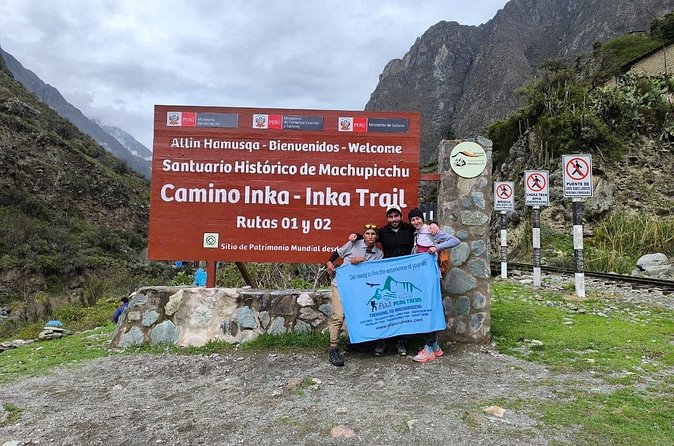
The tour includes the main infrastructure, but several personal items are not included. Sleeping bags, air mattresses, and trekking poles can be rented. Huayna Picchu tickets are optional and separate.
Your original passport is required. You should also plan for the final-day lunch in Aguas Calientes, since it is not covered. Tips for the crew are optional, but you may wish to budget for them as part of the total cost after seeing the work done by guides, cooks, and porters.
The practical packing question is not how to bring everything. It is how to keep your personal load manageable. The porters carry the camp equipment, but you still need clothing, water, rain protection, personal items, and anything you want during the day. A small daypack is the sensible approach.
A moderate fitness level is required. The 4,215-meter pass and the 11-hour second day are the key warnings. The route includes steep ascents, long descents, and high-altitude camps. If you are unsure about your fitness, speak with the operator before booking rather than treating the published walking times as casual estimates.
Who should choose this four-day route?
I would choose this trip if you want Machu Picchu to be the finish of a real walk, not only a site reached by transport. The route suits people who enjoy archaeological places, mountain views, long days outdoors, and a supported camping setup.
It is also a good fit if you want the practical details handled for you. Transport from Cusco, meals, camps, permits, porters, and the train are included. A maximum of 16 people keeps the experience more personal than a large coach excursion.
I would think twice if your main goal is comfort, flexible sleeping hours, or a short Machu Picchu visit. Day two is demanding, and the early starts begin before most people would choose to leave bed. The company describes the required fitness level as moderate, but the itinerary is still strenuous.
The cancellation policy allows a full refund if you cancel at least 24 hours before the start time. Changes or cancellations inside that window are not accepted for a refund. Confirmation is received at booking, and a safety briefing takes place at the company office at 6:00 PM on the day before departure.
Should you book the Classic Inca Trail?
Book it if you want the approach to Machu Picchu to be part of the achievement. The Sun Gate arrival, the succession of Inca sites, the excellent meal support, and the return transport create a well-organized four-day experience.
I would give this tour extra credit for the crew. The food, porter support, and guide interpretation receive the strongest praise, and those details matter far more than polished transport alone. Chef Valerio’s cooking and the encouragement provided by the porter team can make the hard sections feel manageable.
Skip it if an 11-hour mountain day sounds miserable or if you prefer a hotel-based visit. At $770, the price is fair for a permit-based trek with full meals, camping, a guide, staff, and transport, but it is not a bargain holiday.
For a fit walker who wants to reach Machu Picchu under their own power, this is a strong choice. Reserve well ahead, bring your original passport, prepare for altitude, and save enough energy to enjoy the final view from Inti Punku.
FAQ
How long is the Classic Inca Trail tour?
The tour lasts approximately four days and includes three nights of camping.
What time does pickup begin in Cusco?
Pickup is listed for between 4:00 and 4:30 AM from your hotel in Cusco.
Do I need my passport for the Inca Trail?
Yes. You must bring your original passport to the trailhead.
Is food included during the trek?
Yes. The package includes four breakfasts, three lunches, and three dinners. The final-day lunch after the Machu Picchu visit is not included.
Is the train back to Cusco included?
Yes. The return includes the Expedition Train in tourist class to Ollantaytambo, followed by a vehicle transfer to your Cusco hotel.
Are sleeping bags and trekking poles included?
No. Sleeping bags, air mattresses, and trekking poles are not included, but they are available to rent.
Added recently around Cusco
- Super valley or vip valley★ 5.0 · 13 reviews
- the Incas’ Sacred Valley★ 5.0 · 27 reviews
- Sacred Valley of the Incas Day Trip from Cusco★ 5.0 · 6 reviews
- Small-Group Tour: Rainbow Mountains Hiking from Cusco★ 4.0 · 5 reviews
- Excursion to the Sacred Valley of the Incas from Cusco★ 5.0 · 8 reviews
- Maras + Moray & Textile Experience★ 5.0 · 14 reviews
- rainbow mountain★ 4.0 · 4 reviews
- Tour EN Cuatrimoto POR la Montaña 7 Colors Hike 5 Minutes★ 4.5 · 32 reviews
Machu Picchu Tours, compared.
Classic Inca Trail Trek 4D/3N to Machu Picchu (Group Service)
Read our review →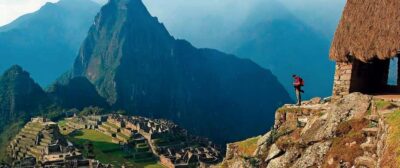
Machu Picchu: 4-Day Inca Trail Trek with Panoramic Train Ride
Read our review →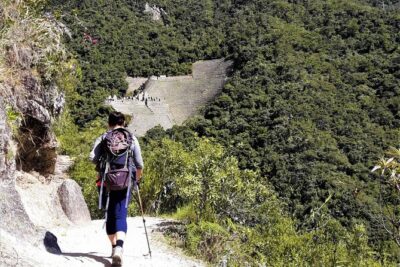
2-Day Inca Trail to Machu Picchu with Panoramic Train
Read our review →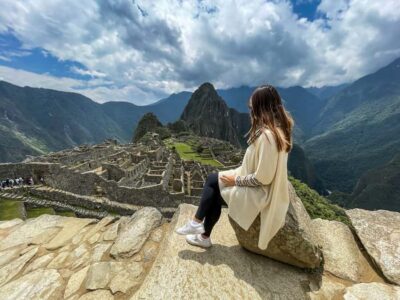
2-Day Tour: Sacred Valley and Machu Picchu by Train
Read our review →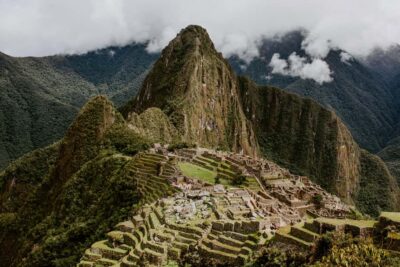
Machu Picchu: Full-Day Tour from Cusco with Optional Lunch
Read our review →Browse the lists this tour appears in