
Reviewed · 6-DAY EXPERIENCES
Cusco: 6-Day Andean Jewels Experience
Two high-altitude treks make this trip count. I like the smart route through Machu Picchu, Chinchero, Maras, and Moray, and I like that airport or bus-terminal pickup, hotels, train tickets, entrance fees, and several meals are bundled into the $1,318 price. The main caution is the altitude: Rainbow Mountain reaches 16,466 feet, and Humantay Lake rises to 13,780 feet, so this is no gentle sightseeing holiday.
I also appreciate the small-group format, with English- and Spanish-speaking guides and an audio guide included. Guides such as Ronald and Percy have received especially strong praise for patience, clear planning, and taking care of the practical details. Still, the six days are tightly packed, with several early starts and long transfers.
In This Review
- Key points at a glance
- What the $1,318 price really covers
- Day 1: Arrive in Cusco and respect the altitude
- Day 2: Chinchero, Moray, Maras, and Ollantaytambo
- Day 3: A guided morning at Machu Picchu
- Day 4: Hiking to Humantay Lake
- Day 5: Rainbow Mountain at 16,466 feet
- Day 6: A useful final morning in Cusco
- Guides, group size, and the human side of the trip
- What to pack for six demanding days
- Who should book this Andean route?
- Should you book the 6-Day Andean Jewels Experience?
- FAQ
- What is included in the $1,318 price?
- Are flights included?
- Is the Huayna Picchu ticket included?
- What languages are available?
- How large is the group?
- Where does airport pickup take place?
- What happens if I arrive by bus?
- Is the tour suitable for people with mobility or medical concerns?
Key points at a glance
- Cusco begins the trip at 11,152 feet: Your first day is free for rest and slow wandering, which gives your body a chance to adjust.
- Three Inca-era stops in one day: Chinchero, Moray, and Maras offer textiles, farming terraces, and traditional salt production.
- Machu Picchu gets a proper guided visit: The tour covers temples, ceremonial spaces, terraces, and storage structures, not just a quick photo stop.
- Humantay Lake and Rainbow Mountain test your legs: Both outings bring striking scenery, but the thin air makes them demanding.
- The $1,318 package covers major costs: Five hotel nights, breakfasts, lunches, transport, entries, guides, and the Machu Picchu train are included.
- Good for active first-time visitors to Cusco: It packs Peru’s best-known sights into six days, but it leaves little room for an easy pace.
What the $1,318 price really covers
At $1,318 per person, this is not a budget trip, but the value depends on how much help you want. The package includes five nights in three-star hotels based on double occupancy, five breakfasts, three lunches, airport or bus-terminal transfers, all listed entrance fees, professional guides, and transport for every major excursion.
The Machu Picchu portion is the biggest cost saver. You receive round-trip train travel in Inca Rail Voyager or Peru Rail Expedition service, the Machu Picchu entrance, and the bus up to the citadel. Buying these pieces separately can become expensive, especially when you add transfers and a guide.
You also avoid the work of arranging four separate day trips. Chinchero, Maras, and Moray are combined with the train connection from Ollantaytambo. Humantay Lake and Rainbow Mountain each include transport, breakfast, lunch, and guiding.
The package does not include flights, travel insurance, extra meals, or tickets for Huayna Picchu or Machu Picchu Mountain. That last point matters. If you want to climb either mountain, you need an additional ticket secured in advance, and that ticket is not part of the $1,318 fee.
Hotel names may vary. The planned Cusco lodging is Ayni Cusco Hotel or a similar property, while the Aguas Calientes stay is listed as Golden Sunrise Hotel or a similar hotel. One guest praised the Monasterio de San Pedro as comfortable, so the exact property may change according to availability. I would confirm the final hotel names before paying if room location or hotel style matters to you.
A few more Cusco trips worth lining up side by side
- Classic Inca Trail Trek 4D/3N to Machu Picchu (Group Service)
★ 5.0 · 8,653 reviews - Cusco: Rainbow Mountain and Red Valley Day Trip with Meals
★ 4.9 · 4,893 reviews - Machu Picchu: 4-Day Inca Trail Trek with Panoramic Train Ride
★ 5.0 · 4,568 reviews
Day 1: Arrive in Cusco and respect the altitude
Cusco sits at 11,152 feet, or 3,399 meters. That is higher than many visitors expect, and your first day should be treated as a health and adjustment day rather than a sightseeing race.
An Inkayni representative meets you at the airport after customs, in the arrival lobby, holding a sign with your name. If you arrive by bus, the meeting point is in the bus waiting area. From there, you receive a transfer to your hotel.
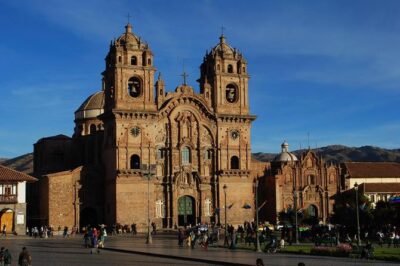
The rest of the day is open. You can walk through Cusco’s old streets, see colonial buildings, and get a first taste of local culture, but keep the pace easy. Drink water, eat lightly if needed, and avoid planning a strenuous climb on arrival day.
The free time is a good design choice. Cusco’s altitude can affect you even if you are fit, and the next few days include several higher points. A slow first afternoon may be the difference between enjoying the program and merely enduring it.
Day 2: Chinchero, Moray, Maras, and Ollantaytambo
Day two begins with Chinchero at 12,342 feet. This town combines Inca stonework, a colonial church, and traditional textile production. It gives you a useful introduction to the Andean connection between old Inca customs and later Spanish influence.
The altitude is already higher than Cusco, so your body is still working. Wear layers, bring water, and keep your camera ready, but do not rush between stops.
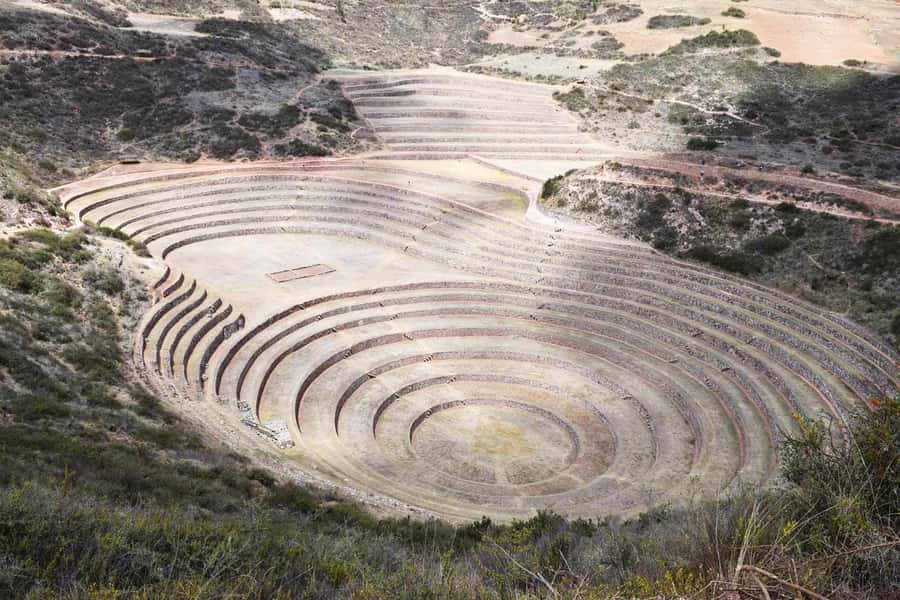
At Moray, massive circular terraces sink into the earth. Their shape is the main attraction, but the site also shows how carefully the Inca worked with altitude and agriculture. The terraces are a fine example of engineering that feels practical rather than purely ceremonial.
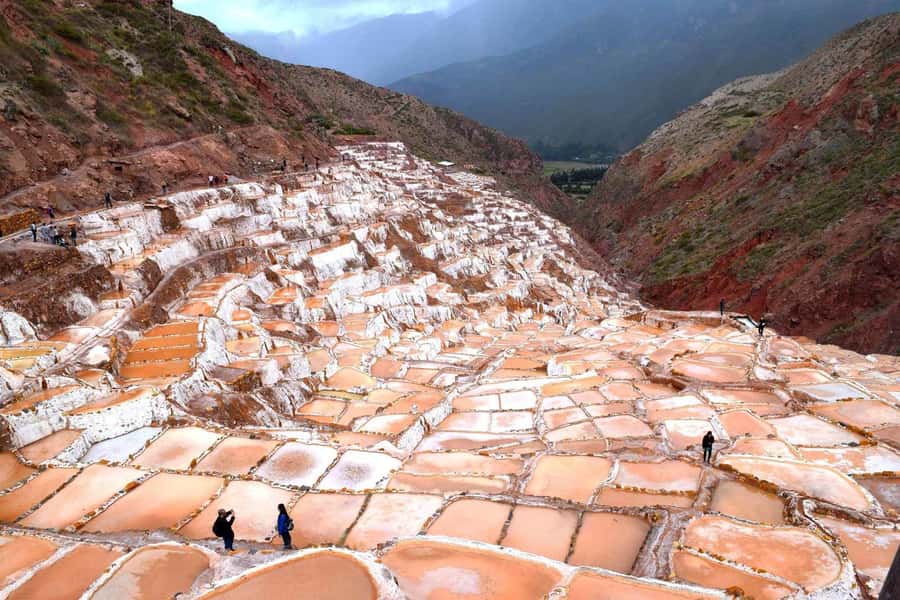
You then descend to Maras at 10,827 feet. Here, more than 3,000 salt pools cling to the mountainside. Local producers still collect salt using methods passed down through generations. The bright pools and surrounding earth create one of the most unusual sights near Cusco.
The day ends in Ollantaytambo, an important stopping point in the Sacred Valley. From there, you board the train to Aguas Calientes, the town below Machu Picchu, and spend the night there.
This is a full day with several changes in altitude and transport. Its strength is variety: textiles, stonework, farming, salt, and rail travel all appear in a single route. Its weakness is that you may wish for more time at each site.
Day 3: A guided morning at Machu Picchu
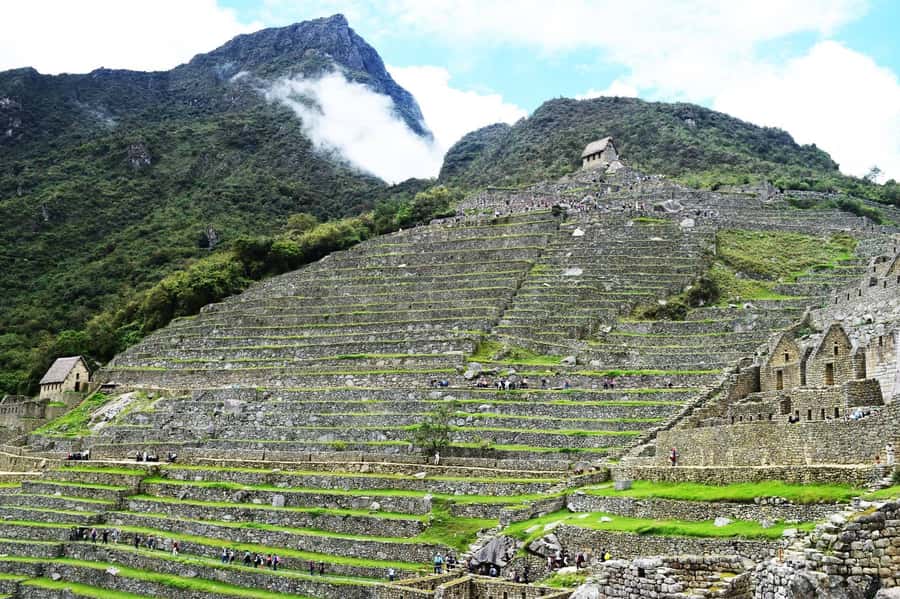
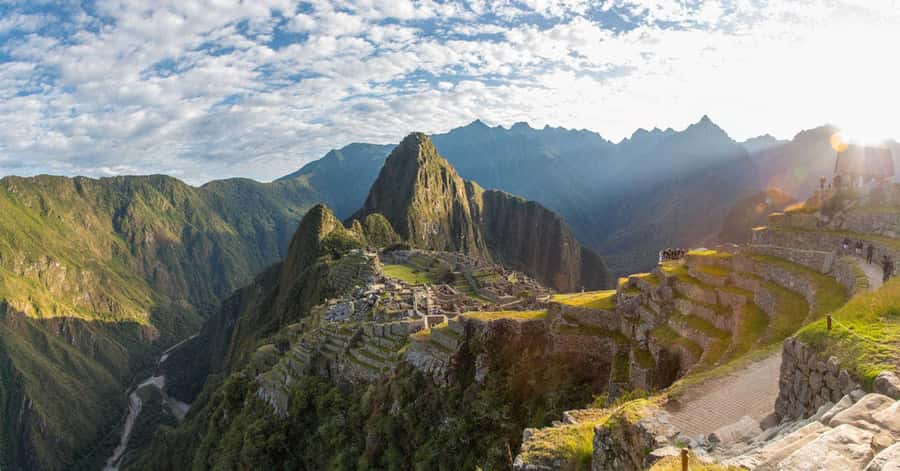
You start early, take breakfast, and board one of the morning buses to Machu Picchu. The citadel sits at 7,972 feet, lower than Cusco, but the early start and busy schedule still require energy.
The guided tour covers the main parts of the sanctuary, including temples, ceremonial areas, terraces, and storage structures. That matters because Machu Picchu is easy to reduce to a few famous viewpoints. A guide helps connect the stonework and layout to the way the site functioned.
Ronald received special praise for waiting patiently and helping make the visit worthwhile. That detail is important at Machu Picchu, where entry times and walking routes can make the experience feel hurried. A patient guide can help you pause at the right places instead of simply moving from one checkpoint to the next.
You may also have the chance to climb Huayna Picchu or Machu Picchu Mountain, but only if you arrange and pay for the extra ticket in advance. Huayna Picchu reaches 8,924 feet, while Machu Picchu Mountain reaches 10,111 feet. Both offer wide views over the sanctuary, though the additional climb will make an already long day harder.
After the guided visit, you return to Aguas Calientes for a short rest and lunch. In the afternoon, you board the train back to Ollantaytambo, then continue by private van to Cusco. Arrival is expected in the evening.
The train, bus, guide, and entrance are all included, which makes this one of the strongest parts of the package. The tradeoff is time. You see Machu Picchu in one concentrated visit, rather than staying in the area for several nights.
Also leaving from Cusco, and nothing like the above:
- Salkantay Classic Trek 5 Days from Cusco
★ 5.0 · 4,062 reviews - 4-Day Salkantay Trek with Sky Camp Stay
★ 5.0 · 3,346 reviews - Short Inca Trail to Machu Picchu 2D/1N
★ 5.0 · 3,007 reviews - Excursion to Rainbow Mountain Full Day Optional Red Valley
★ 5.0 · 2,996 reviews
Day 4: Hiking to Humantay Lake
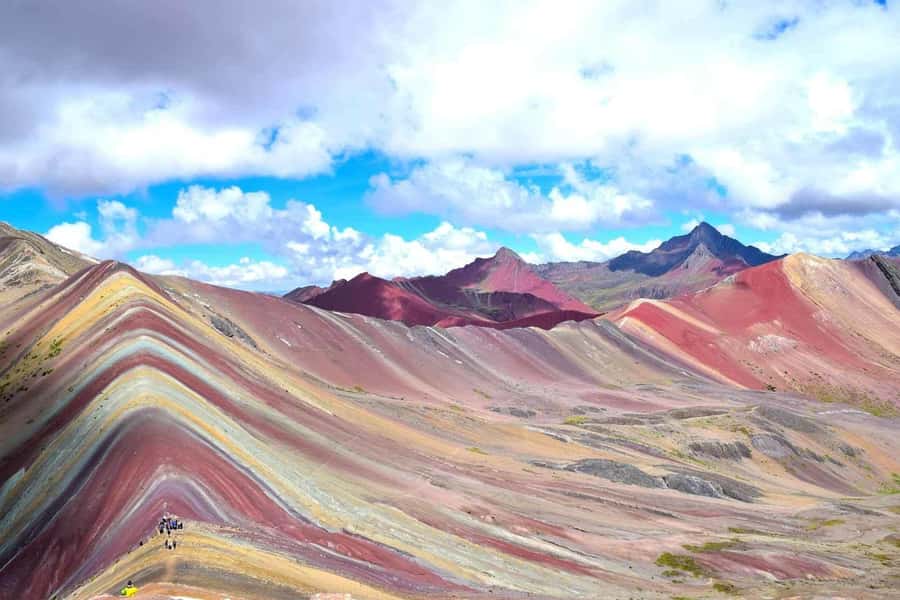
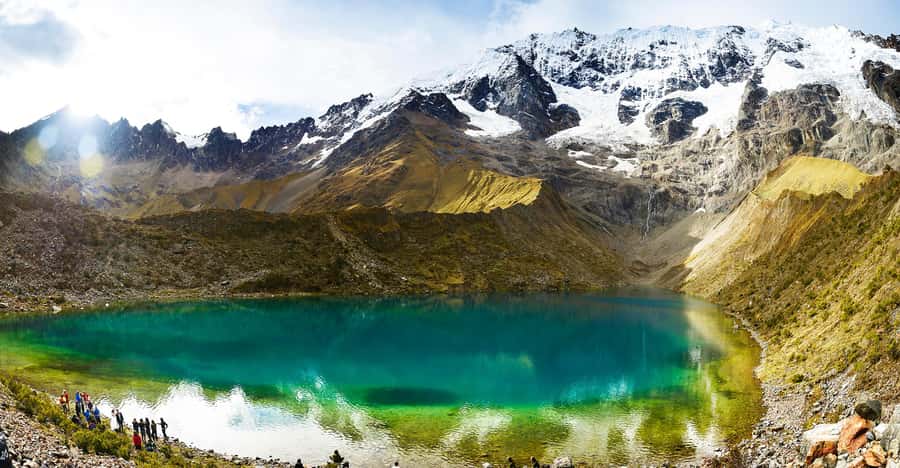
The Humantay Lake day begins early. You travel to Mollepata at 9,515 feet for breakfast, then continue to Soraypampa at 12,795 feet, where the hike starts.
The trail climbs to 13,780 feet. That elevation is the main challenge, not just the distance. The route passes through high Andean scenery with native birds and plants, then reaches the turquoise lake below snow-capped peaks.
The color contrast is the reward: bright water, pale rock, and mountain snow create a sharp, memorable view. You have time to look around before descending and returning to Cusco.
This excursion is best for people who are comfortable walking uphill at altitude. The itinerary does not give a precise hiking distance or duration, so you should not assume a relaxed stroll. Bring sturdy shoes, rain gear, sunscreen, sunglasses, and cash.
The early departure is tiring, especially after the long Machu Picchu day before it. Still, the sequence makes sense because you return to Cusco for another night rather than moving hotels again.
Day 5: Rainbow Mountain at 16,466 feet
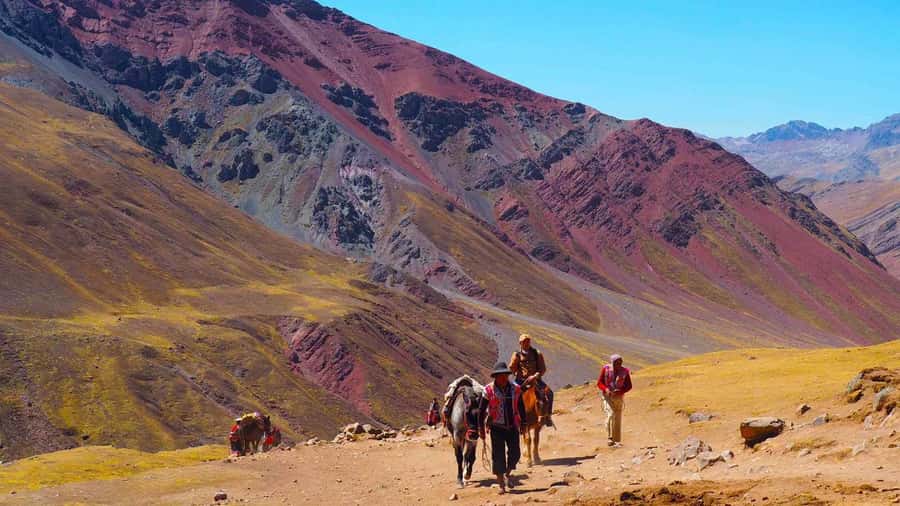
Rainbow Mountain is the highest and most demanding day of the six. Pickup is early, followed by breakfast in Cusipata at 10,499 feet. You then continue to the trailhead and begin the walk.
The mountain reaches 16,466 feet, or 5,020 meters. At that height, even a short climb can feel difficult. The route includes wide mountain views, alpacas, llamas, vicuñas, and glimpses of daily life in the Andes.
The colored mineral bands are the main draw. Weather can affect how strong the colors appear, but the high ridges and unusual tones make this a memorable stop. You return to Cusipata for lunch before heading back to Cusco.
This day is where the tour’s active nature becomes clearest. I would not book it as an afterthought if you have medical concerns, back problems, or limited walking ability. The experience is not suitable for wheelchair users, pregnant women, or people with pre-existing medical conditions.
You should also expect cold, sun, wind, and possible rain. Pack layers rather than relying on one heavy jacket. Keep cash with you because some places do not accept credit cards.
Day 6: A useful final morning in Cusco
The final morning is free for shopping or a last walk through Cusco. That gives you a little breathing room after three demanding days.
Your transfer can take you to the airport, bus terminal, or another point within Cusco. The timing is arranged around the flight or bus schedule you provide. This is simple, but make sure your departure details are correct before the trip begins.
A relaxed morning is welcome, although some visitors may wish the full itinerary had included more free time earlier. If you want to buy textiles, souvenirs, or local products, this is your safest opportunity.
Guides, group size, and the human side of the trip
The tour uses professional guides in English and Spanish, with an audio guide available in both languages. The small-group description is useful, but the stated size varies between two and twelve people, while another description gives a limit of ten. I would ask for the expected group size before departure.
Percy received especially warm praise for being on time, explaining what each day would involve, and handling practical needs without fuss. That type of care matters here because the itinerary includes hotels, buses, trains, early pickups, and several high-altitude walks.
Ronald was also praised for his patience at Machu Picchu. If you have a particular interest in the citadel, tell your guide early. The scheduled tour covers the main structures, but your questions can help shape the emphasis.
The overall strength of the human service is organization. You are not left to find each hotel, bus, train, or trailhead alone. The tradeoff is less independence. If you prefer to set your own pace, linger at every ruin, or change plans at the last minute, a private custom itinerary may suit you better.
What to pack for six demanding days
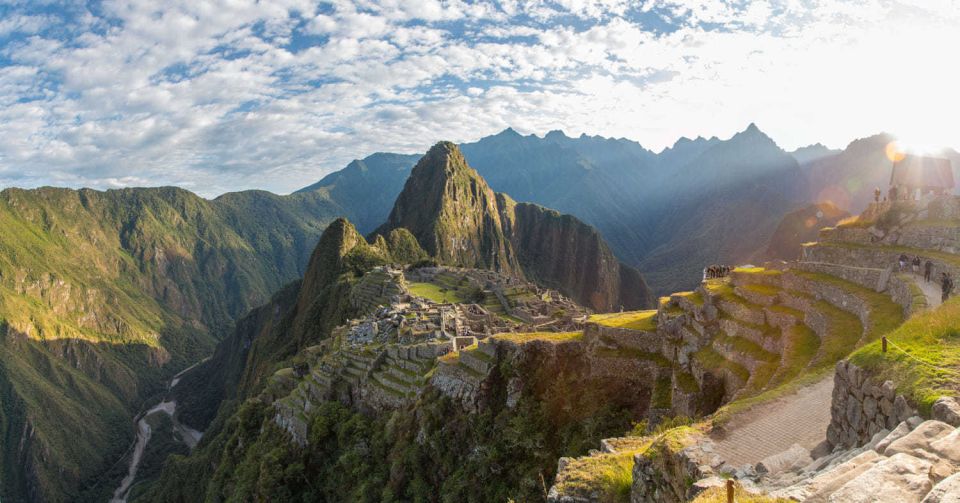
Your packing list should reflect altitude and changing weather:
- Passport or identity card
- Comfortable walking shoes
- Warm, layered clothing
- Rain gear
- Sunglasses and sunscreen
- Cash in local currency
- Water and personal essentials
Do not bring weapons, sharp objects, alcohol, or drugs. Travel insurance is not included, and it is a sensible extra for a trip involving high-altitude hikes and several transport connections.
The operator provides meals on selected days, but extra meals are your responsibility. You should also plan for snacks if you get hungry between stops, since the days begin early and include long drives.
Who should book this Andean route?
I would choose this package if you want Peru’s biggest sights arranged in one compact trip. It works especially well for a first visit to Cusco, for people who value a guide, and for anyone who does not want to coordinate train tickets, entrance fees, buses, hotels, and day tours alone.
It is also a good match for active visitors who want more than Machu Picchu. Humantay Lake and Rainbow Mountain add real physical challenge, while Chinchero, Moray, and Maras provide cultural and historical context.
I would hesitate if you need a slow itinerary, dislike early mornings, or have trouble with steep walks at high altitude. The schedule has little spare time, and the two highest hikes arrive after a full Machu Picchu circuit.
Free cancellation up to 24 hours before the activity and reserve-now-pay-later terms add flexibility. They do not change the physical demands, so make your health and fitness decision first.
Should you book the 6-Day Andean Jewels Experience?
Book it if you want a well-organized, active introduction to the Cusco Region and value having the major costs bundled together. The strongest features are the guided Machu Picchu visit, the included train and entrance arrangements, the patient guide service associated with Ronald and Percy, and the chance to see both famous sites and traditional places such as the Maras salt pools.
Skip it if you want a relaxed vacation or need more control over your daily schedule. At $1,318, the package offers solid value for the transport, lodging, meals, entries, and guides included, but you are paying for convenience and intensity. Confirm the hotel, expected group size, and optional mountain tickets before booking, then arrive ready for altitude, early starts, and plenty of walking.
FAQ
What is included in the $1,318 price?
The price includes five nights in three-star hotels based on double occupancy, five hotel breakfasts, three lunches, airport or bus-terminal pickup and transfer, the listed tours, entrance fees, professional guides, the Machu Picchu entrance, the bus to Machu Picchu, and round-trip train travel in Inca Rail Voyager or Peru Rail Expedition service.
Are flights included?
No. Flights are not included in the tour price.
Is the Huayna Picchu ticket included?
No. Huayna Picchu requires an additional ticket booked in advance. Machu Picchu Mountain is also an optional extra and is not included.
What languages are available?
The live guides speak English and Spanish. An audio guide is also available in English and Spanish.
How large is the group?
The experience is described as a small-group tour. The stated group size ranges from two to twelve people, and another description gives a limit of ten participants.
Where does airport pickup take place?
At the airport, an Inkayni representative meets you in the arrival lobby after customs with a sign showing your name. Pickup is arranged according to the flight schedule you provide.
What happens if I arrive by bus?
A representative meets you in the bus waiting area with a sign showing your name, then transfers you to the hotel.
Is the tour suitable for people with mobility or medical concerns?
The experience is not suitable for pregnant women, wheelchair users, people with back problems, or people with pre-existing medical conditions. The itinerary includes high-altitude hiking at Humantay Lake and Rainbow Mountain.
Added recently around Cusco
- Guided tour of the mountain of colors in Cusco★ 5.0 · 11 reviews
- 2-Day Private Short Inca Trail to Machu Picchu★ 5.0 · 15 reviews
- San Pedro Market Tour with Peruvian Cooking Class★ 5.0 · 31 reviews
- City Tour Cusco – Group★ 5.0 · 4 reviews
- Tour Sacred Valley with Maras and Moray★ 5.0 · 15 reviews
- Walking Culinary Experience★ 5.0 · 41 reviews
- City Tour in Cusco★ 4.5 · 10 reviews
- One Day Tour to Humantay Lagoon★ 5.0 · 8 reviews
6-Day Experiences, compared.
6 Days Exploring Cusco, Sacred Valley & Machu Picchu
Read our review →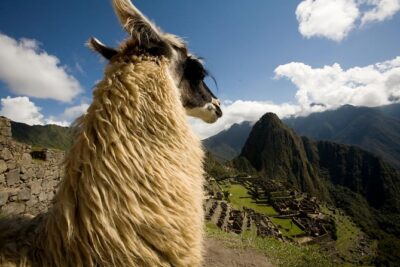
6-Day Peru, Connect your Energies: Lima, Cusco & Machu Picchu
Read our review →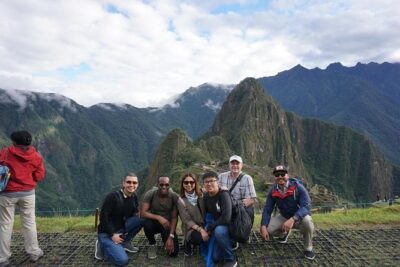
6-Day Best of Peru: Cusco, Machu Picchu, and Lake Titicaca Tour
Read our review →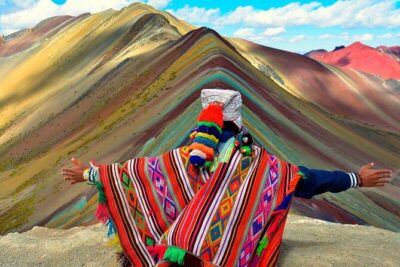
6-Day Tour of Cusco Magico-Machu Picchu-Rainbow Mountain
Read our review →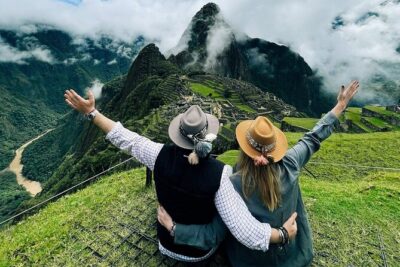
6-Day Cusco Andean Private Tour with Hotel Included
Read our review →
Best of Peru in 6 days: Cusco, Machu Picchu and Lake Titicaca
Read our review →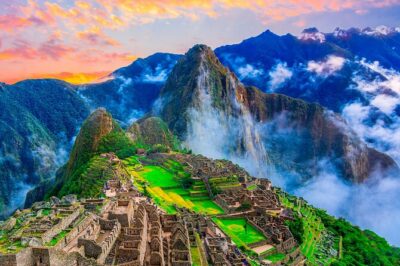
Cusco 6D 5N Laguna Humantay and Raimbow Mountain
Read our review →Browse the lists this tour appears in