
Reviewed · PRIVATE DRIVERS
Cusco: Alpaca and Llama Farm Tour with Transfer & Weaving Demo
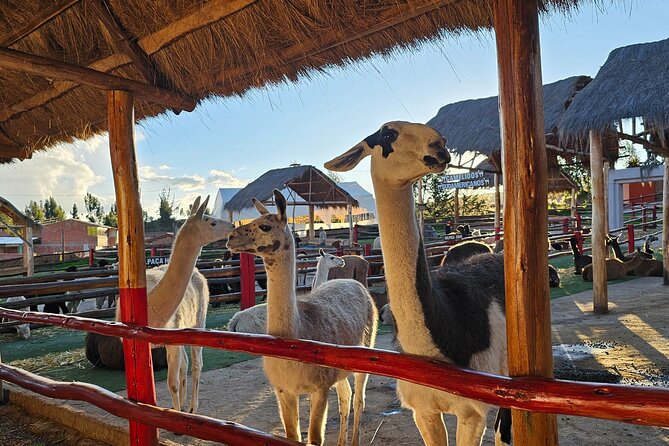
Cute animals, useful cultural context, and no long bus ride. This short Cusco outing takes you to Manos de La Comunidad, about 20 minutes from the historic center, where you can feed alpacas and llamas, learn how Andean camelids developed, and watch local textile work. I especially like the close contact with well-cared-for animals and the chance to see wool go from fiber to finished cloth.
The included hotel transfer keeps the logistics easy, and the small group size, capped at 15 people, should make it easier to hear the guide and take photos. My main caution is simple: at about two hours, this is a focused visit rather than a full-day farm adventure. If you want a long rural outing, you may find it brief. If you want a gentle first-day activity in Cusco, the short length is a real strength.
In This Review
- Key points to know before booking
- Why this short Cusco outing works so well
- The 20-minute ride from Cusco
- Meeting the alpacas and llamas
- Learning why alpacas and llamas matter
- Watching wool become Andean textile
- A two-hour schedule with useful breathing room
- What the $34 price buys you
- Who should book this experience
- Should you book the alpaca and llama farm tour?
- FAQ
- How long does the alpaca and llama tour last?
- How far is the farm from Cusco?
- Which animals can I see?
- Can I feed and photograph the animals?
- Is the weaving demonstration included?
- What happens if the tour is canceled?
Key points to know before booking
- A 20-minute transfer from central Cusco: Hotel pickup and return transport save you the trouble of arranging a taxi for a short visit.
- Four kinds of Andean camelids: You learn about alpacas and llamas, along with their ancestors, huanacos and vicuñas.
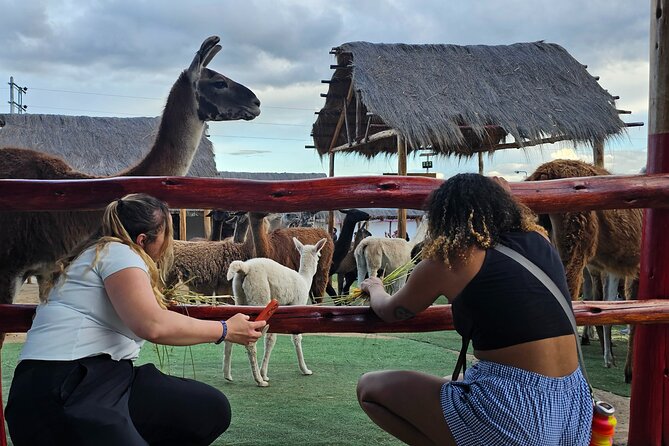
- Feeding and close photographs: The animals are kept near the visitor area, giving you time to see them at close range.
- A working textile demonstration: Local weavers show how wool is colored and turned into cloth, adding substance beyond animal photos.
- A small group of no more than 15: This is a better setup for questions and for staying with the guide.
- A useful Cusco break: The two-hour visit fits well before or after more demanding hikes and sightseeing.
Why this short Cusco outing works so well
Cusco has no shortage of grand excursions. You can spend a full day on the road to mountain sites, or several hours walking uphill through Inca remains. This farm visit offers a different rhythm. You get animals, local craft, and a little science without committing most of your day.
I see it as particularly useful during your first day in Cusco. After a flight or before a major hike, you may not want a punishing schedule. The pickup is simple, the ride from the historic center is short, and the experience gives you a first look at Andean life without asking you to spend hours in a vehicle.
The setting is also more meaningful than a quick photo stop. Manos de La Comunidad functions as an animal sanctuary and cultural center. The visit connects the animals to domestication, Inca development, fiber production, and local weaving. That connection helps explain why alpacas and llamas matter in the Andes instead of treating them as photogenic mascots.
The high rating, 4.8 out of 5 from 31 ratings, matches the experience’s main strengths: clear explanations, friendly staff, healthy-looking animals, and a well-managed pace. The attraction is recommended by 97 percent of people who rated it, though the sample is still modest. I would treat that as strong evidence of a consistently pleasant short tour, not proof that it will suit every type of visitor.
More Private Transfers in Cusco
- Cusco Airport Shared Arrival Transfer
★ 4.5 · 211 reviews - Cusco: Alpaca and Llama Farm Tour w/ Transfer & Weaving Demo
★ 4.9 · 151 reviews - Cusco: Abode of the Gods ATV Tour with Transfer
★ 4.5 · 118 reviews
The 20-minute ride from Cusco
Your day begins with pickup from your hotel, followed by a transfer to the farm. The site is only about 20 minutes from Cusco’s historic center, which is one of the best practical features of the tour.
That short ride matters. You are not paying for a farm visit that requires half a day of transport. You also return to your hotel afterward, so you can fit the outing around museum visits, lunch, or a more active excursion.
The exact pickup timing is not given, so you should pay attention to your confirmation details. The experience is booked, on average, 12 days ahead, which suggests that reserving early is sensible if your dates are fixed. Still, the tour appears to be short enough to fit into many Cusco itineraries.
The group limit is 15 people. That is not a private tour, but it is small enough to avoid the feel of a large coach group. A smaller group also helps during the animal portion, when everyone wants a clear view and a chance to ask questions.
Meeting the alpacas and llamas
The animal portion begins with an introduction to the ancient South American camelids. Your guide explains domestication and the species developed by Andean peoples, including the two varieties of alpacas and llamas described at the center.
You also learn about huanacos and vicuñas, the wild ancestors connected to these domesticated animals. This is a useful distinction because many people arrive knowing only that alpacas have soft wool and llamas carry loads. The visit gives you a broader picture of how these animals fit into Andean culture and agriculture.
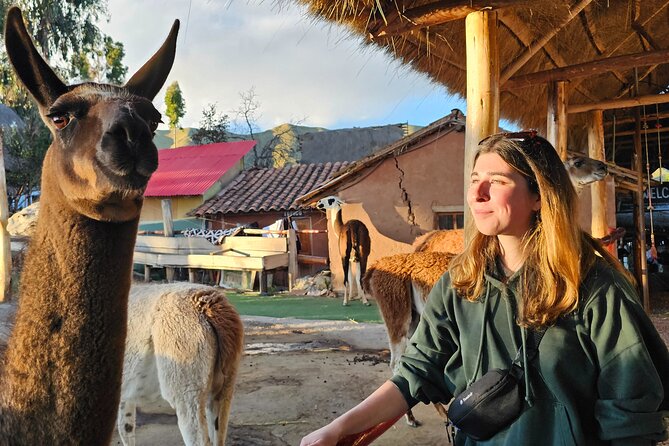
You can see the animals close up, feed them, and take photographs. The chance to feed them makes the visit more active than simply walking past fenced enclosures. It also gives children an easy point of contact, while adults get time to compare the animals and notice their different sizes and coats.
The animals are described as healthy and well cared for, which is important to me. Animal attractions deserve scrutiny, and the strongest part of this experience is that the educational message appears to sit alongside proper care. The center’s sanctuary role and preservation work add a conservation purpose to the visit.
You may also see rescued condors being rehabilitated for release into the wild. This is an added feature rather than the main focus, so I would not book the experience solely for condors. Still, their presence gives the center another connection to native Andean wildlife.
Allow time for photographs, but remember that the visit is guided. The schedule is described as well managed, and the guide keeps the group moving from animals to textile work. That is helpful if you want a complete experience, though it means you should not expect unlimited time with one particular alpaca.
Learning why alpacas and llamas matter
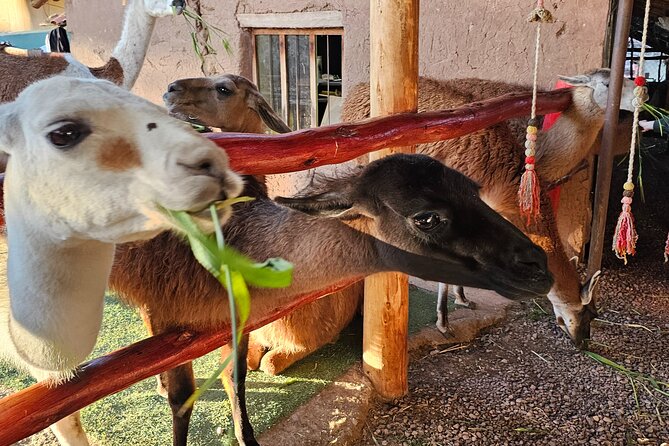
The best part of the animal explanation is the link between biology and daily life. A llama is not simply a large animal with a long neck, and an alpaca is not merely a smaller, softer version. Their uses, fibers, and place in Andean culture differ.
The tour introduces the varieties of alpacas and llamas and places them beside their wild relatives. That comparison gives you a better way to understand what you later see in museums, markets, and rural areas around Cusco.
I also like that the guide-led format allows questions. Karol is praised for explaining the animals, wool coloring, art, and history while making time for questions. Another guide, Marlith, led an English and Spanish tour at a comfortable pace. Guide assignments can change, but these examples suggest that the experience can work well for English-speaking visitors and bilingual groups.
The explanations are not presented as a formal classroom lesson. You learn while looking at live animals and handling the subject through practical examples. For many people, especially children, that makes the information easier to remember.
A few more Cusco trips worth lining up side by side
- Full Day:Sacred valley,Alpaca farm,Maras,Moray and Ollantaytambo
★ 5.0 · 109 reviews - Private Ollantaytambo, Pisac Ruins Tour with Farm Visit, Gourmet Picnic Lunch
★ 5.0 · 52 reviews - From Cusco: Private Pisac Ruins and Alpaca Farm Day Trip
★ 5.0 · 9 reviews - Full-Day Tour: Cacao farm experience in the jungle of Cusco
★ 5.0 · 8 reviews
Watching wool become Andean textile
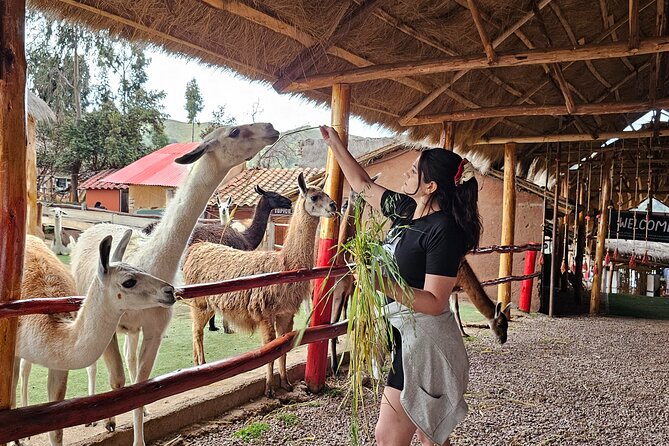
The second half moves from animals to craft. Local weavers demonstrate the skills used to produce textiles, including the coloring and weaving process. This adds real value because it explains what happens after the animal has been sheared and the fiber has been prepared.
You may see how wool is dyed, how colors are created, and how the material becomes part of a finished design. The exact length of the demonstration can vary, but the full visit connects animal husbandry with the work of the weavers.
This is also where the experience becomes a useful lesson in shopping. The center has a shop with high-quality textiles and educational information about buying alpaca wool. The guidance includes a comparison between alpaca fiber and synthetic fibers, which can help you judge products more carefully later in your trip.
There is no reported hard sell. The staff are described as helpful and welcoming, with assistance available without pressure. You do not have to buy anything, but purchases help support the sanctuary and its preservation work, according to the information provided at the center.
I would still suggest taking your time before buying. Look at the fiber information, compare prices elsewhere if you wish, and choose something because you like it rather than because you feel obligated. The shop sounds like a worthwhile option for a meaningful souvenir, but the value depends on the item and your budget.
A two-hour schedule with useful breathing room
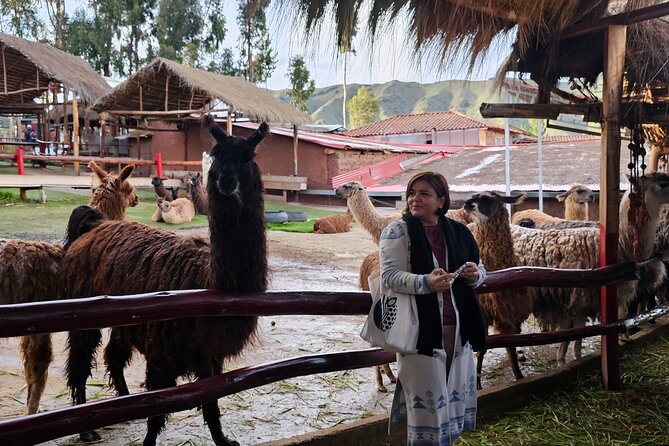
The tour is advertised at approximately two hours, including the farm visit and transfer arrangements. One account describes spending two and a half busy hours there, so you may want to leave a little extra space around the appointment rather than scheduling another activity immediately afterward.
Two hours is enough to make the visit feel complete without turning it into a major commitment. You can see the animals, ask questions, watch the textile work, and return to Cusco in a manageable block of time.
The pace is also suited to people taking a break from hiking. Cusco itineraries often include steep streets, early starts, and high-altitude excursions. A calm animal and craft visit gives your body a rest while still adding something distinctive to your trip.
The drawback is that the short format limits depth. You will receive an introduction to the animals and weaving, not a long workshop in textile production or a full rural day with extensive time outdoors. If you are looking for hands-on weaving practice, this may not go far enough.
What the $34 price buys you
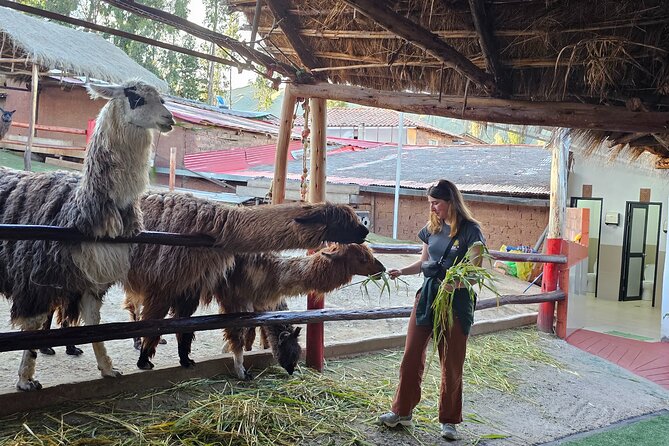
At $34 per person, the price is reasonable if you value convenience and a guided cultural component. You are paying for admission, hotel pickup, the return transfer, the animal encounter, and the weaving presentation.
A taxi to a nearby attraction might cost less in simple transport terms, but it would not include the organized explanation, the sanctuary setting, or the textile demonstration. You would also need to arrange your own timing and admission.
The value is strongest for people who want a compact activity with several parts. You get wildlife, conservation, Andean history, local craft, and transport in one booking. Families can also find the price worthwhile because children receive an immediate animal encounter while adults get cultural context.
The value is weaker if you only want a few minutes with alpacas for photographs. In that case, the educational and weaving portions may feel like extras you did not need. The tour makes more sense when you appreciate the connection between animals and textiles.
Who should book this experience
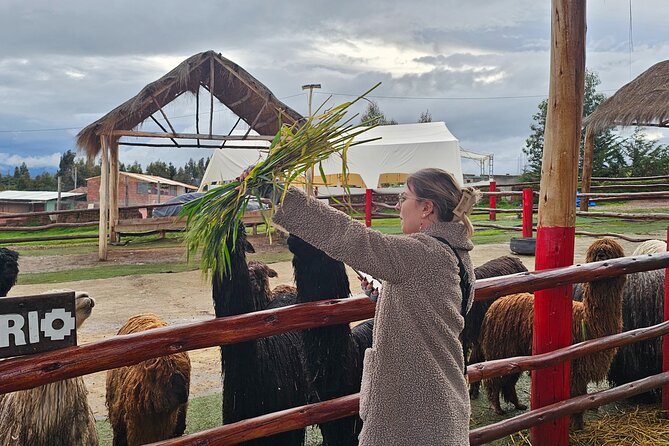
I would recommend it to families, couples, solo visitors, and anyone with a spare morning or afternoon in Cusco. Children especially seem likely to enjoy feeding the animals, while adults can focus on the explanations and textile work.
It suits first-time visitors who want an easy introduction to Andean culture. It also works well for anyone who has already scheduled a demanding hike and wants a quieter activity on another day.
The experience may not suit you if you want a remote countryside setting, a long trek, or an intimate private guide. The site is close to Cusco and designed as a short organized visit. That is its advantage, but also its limit.
Most people can participate, and service animals are allowed. The site is near public transportation, though the tour’s included transfer is the simpler choice. The activity depends on good weather and a minimum number of participants. If poor weather or low enrollment causes cancellation, you are offered another date or a full refund.
You can cancel for a full refund up to 24 hours before the local start time. Cancellations or changes made less than 24 hours ahead are not refunded or accepted, so keep that deadline in mind when arranging a tightly packed Cusco schedule.
Should you book the alpaca and llama farm tour?
Book this tour if you want a short, well-organized Cusco activity that combines animals with genuine local craft. The 20-minute transfer, small group limit, and hotel return make it easy to fit into your plans, while the sanctuary and weaving work give the visit more purpose than a simple photo stop.
I would skip it only if you want a full-day rural trip or a lengthy hands-on workshop. For everyone else, especially families and visitors adjusting to Cusco’s altitude, the $34 price offers solid value and a pleasant change from ruins and hikes. Reserve ahead if your schedule is fixed, bring your camera, and leave enough time to enjoy the animals without rushing to your next appointment.
FAQ
How long does the alpaca and llama tour last?
The experience lasts approximately two hours. One account describes spending two and a half busy hours at the site, so leaving a little extra time around the scheduled visit is sensible.
How far is the farm from Cusco?
Manos de La Comunidad is located about 20 minutes from Cusco’s historic center. Hotel pickup and return transfer are included.
Which animals can I see?
You can see two varieties of alpacas and llamas, as well as their ancestors, huanacos and vicuñas. The center may also have rescued condors being rehabilitated for release into the wild.
Can I feed and photograph the animals?
Yes. The experience includes close views of the animals, opportunities to feed them, and time to take photographs.
Is the weaving demonstration included?
Yes. Admission includes a demonstration of local weaving skills and information about producing textiles, including the coloring and processing of wool.
What happens if the tour is canceled?
If poor weather or failure to meet the minimum number of participants causes cancellation, you can choose another date or experience, or receive a full refund. You can also cancel for a full refund at least 24 hours before the local start time.
More Private Transport around Cusco
- Cusco Airport Departure Transfer
★ 4.5 · 113 reviews - Cusco Airport Pickup and Private Transfer
★ 5.0 · 82 reviews - Cusco Private Airport Transfer: Fast, Reliable Hotel Drop-Off
★ 5.0 · 80 reviews - Transfer from Cusco to Ollantaytambo
★ 5.0 · 30 reviews
Added recently around Cusco
- Super valley or vip valley★ 5.0 · 13 reviews
- the Incas’ Sacred Valley★ 5.0 · 27 reviews
- Sacred Valley of the Incas Day Trip from Cusco★ 5.0 · 6 reviews
- Small-Group Tour: Rainbow Mountains Hiking from Cusco★ 4.0 · 5 reviews
- Excursion to the Sacred Valley of the Incas from Cusco★ 5.0 · 8 reviews
- Maras + Moray & Textile Experience★ 5.0 · 14 reviews
- Tour EN Cuatrimoto POR la Montaña 7 Colors Hike 5 Minutes★ 4.5 · 32 reviews
- rainbow mountain★ 4.0 · 4 reviews
Private Drivers, compared.


QuickLlama: Door-to-door transfer from Lima Airport to Miraflores
Read our review →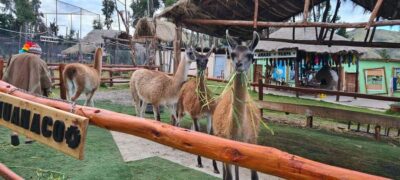
Alpaca and Llama Farm Tour w/ Transfer & Weaving Demo
Read our review →

Round Trip Transfer from and to the Airport in Lima: Miraflores/Barranco/Sani
Read our review →Browse the lists this tour appears in