Reviewed · CUSCO TOURS
Cusco Santuario de Animales Rescatados en Cusco
Animals tell the real story here. This Cochahuasi sanctuary visit gives you close views of monkeys, macaws, condors, alpacas, foxes, and other rescued wildlife while explaining why they need care. I like the personal guide and the flexible private format, and I also like that your payment supports an animal rescue project rather than a standard sightseeing stop. The main consideration is that the sanctuary visit itself lasts about one hour, so this is a focused outing, not a full-day trip.
Pickup from a Cusco hostel, Airbnb, or agreed meeting point keeps the morning simple, and the short drive makes this easy to fit around other plans. The experience is offered in English and costs $34 per person, a fair price if you value the transport, guide, and direct support for the sanctuary. Just remember that animal interaction can vary, and some parts may feel more like an educational rescue center than a polished zoo.
In This Review
- Key points to know before you go
- Why Cochahuasi feels different from a normal animal park
- Starting with Cusco pickup and a short ride
- Meeting the animals inside the sanctuary
- Feeding alpacas, birds, and other animals
- What the guide adds to the one-hour visit
- Price, timing, and the value of the outing
- The alpaca shop and the wider mission
- Who will enjoy this Cusco animal sanctuary tour
- Booking advice and cancellation terms
- Should you book the Cochahuasi sanctuary visit?
- FAQ
- Where is the Cochahuasi Animal Sanctuary tour located?
- Where does the tour start?
- Can I get picked up from my accommodation?
- How long does the experience last?
- What animals can I see?
- Is the tour offered in English?
- How many people can join the tour?
- Can I feed or touch the animals?
- Where can I go after the sanctuary visit?
- What happens if the weather is bad?
Key points to know before you go
- Rescued wildlife from Peru’s highlands and jungle: Expect monkeys, macaws, turtles, deer, alpacas, condors, foxes, wild cats, and bears.
- A small private format: The group is limited to 10 people, so you can usually ask questions and move at a comfortable pace.
- Guide Albert has received special praise: His tours explain where animals came from, what they endured, and how they were rescued.
- Hands-on moments may be part of the visit: Feeding alpacas, llamas, birds, and monkeys has been part of the experience, with a chance to see or touch a toucan.
- Your purchase helps fund the sanctuary: Half of the alpaca-product shop’s sales supports the animals, while the other half goes to nearby peasant communities.
- The outing is easy to adjust: After the sanctuary, you can return to your accommodation or go to Cusco’s main square.
Why Cochahuasi feels different from a normal animal park
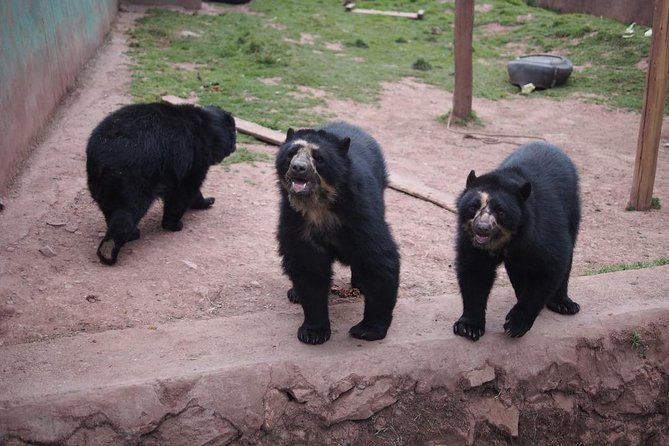
Cochahuasi Animal Sanctuary is built around rescue, care, education, and the hope of returning some animals to their natural habitats. That mission changes the way you look at the enclosures. You are not simply ticking off species from a list. You are learning why these animals cannot live safely in the wild right now.
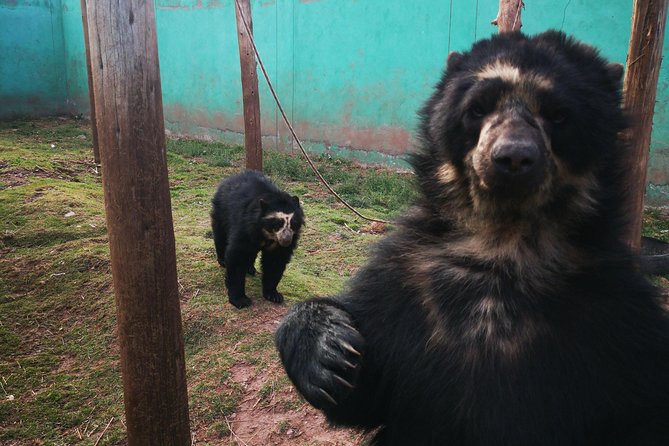
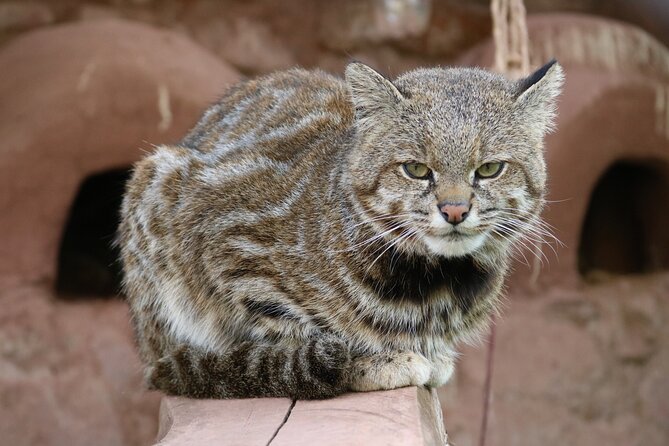
The sanctuary houses wildlife from the sierra and jungle areas of Peru. The range is striking. You might see large birds such as macaws and condors, small mammals such as foxes, and familiar Andean animals including alpacas and deer. Monkeys, turtles, wild cats, bears, and deer cats are also part of the collection described for the visit.
The educational purpose matters. The project welcomes schools and the public to teach respect for animals and nature. For you, that means the guide’s explanation is as important as the animal sightings. You get context about rescue and care instead of only a quick photo stop.
I especially appreciate the project’s practical approach to funding. The sanctuary does not receive government support, so donations and shop sales help keep the work going. At the end, you can browse alpaca products, with 50 percent of sales directed to the animals and 50 percent to peasant communities around the sanctuary. Buying is optional, but it gives you a clear way to support the people and animals connected to the project.
A few more Cusco trips worth lining up side by side
- Classic Inca Trail Trek 4D/3N to Machu Picchu (Group Service)
★ 5.0 · 8,653 reviews - Cusco: Rainbow Mountain and Red Valley Day Trip with Meals
★ 4.9 · 4,893 reviews - Machu Picchu: 4-Day Inca Trail Trek with Panoramic Train Ride
★ 5.0 · 4,568 reviews
Starting with Cusco pickup and a short ride
The tour begins in the morning, with the listed meeting point at Selina Cusco Saphi on Calle Saphy 601. Pickup can also be arranged from your hostel, Airbnb, or another location agreed through WhatsApp. This flexibility is useful in Cusco, where accommodation addresses and meeting points are not always obvious to a driver.
The car picks you up and takes you to the sanctuary. The transport is not just a minor convenience. At $34, part of the value comes from avoiding the work of arranging your own ride and finding the entrance independently. One person described the driver as punctual and friendly, and appreciated suggestions for photo stops along the way.
Since the full outing runs about two to three hours, it is manageable before lunch or alongside another Cusco plan. The sanctuary portion is listed as one hour, with the remaining time used for transport and the return arrangement. Ask about the exact pickup time when booking, especially if you have a train, cooking class, or other timed activity later in the day.
The small group limit is 10 people, but the experience is presented as private and flexible. That distinction is worth clarifying when you arrange pickup. If you prefer not to hurry, the private setup should make it easier to ask questions, spend longer with an animal, or decide where to finish the outing.
Meeting the animals inside the sanctuary
The central visit takes you through the animals’ living areas with a personal guide. You can expect to see native species from Peru’s mountain and jungle regions, though the exact order and animal activity can change. Animals are not performers, and a sleepy monkey or hidden wild cat is part of a real sanctuary day.
The guide helps turn the visit into more than a collection of enclosures. Albert, specifically praised for his patient and detailed explanations, has described each animal’s background, rescue, and past treatment during tours. That personal history gives the visit emotional weight, but it also explains why some animals need a protected home rather than release.
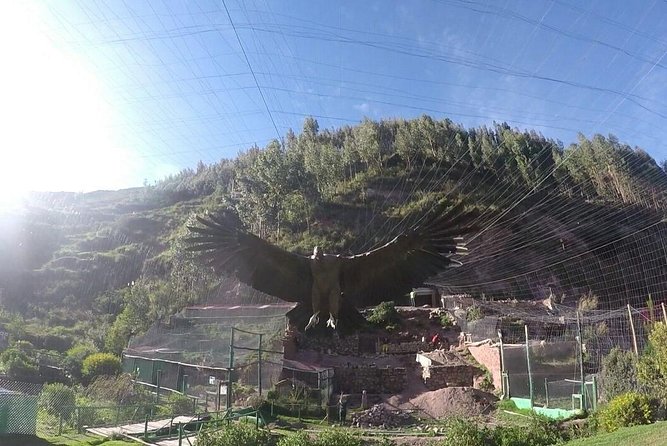
A condor flying overhead has been one particularly memorable moment. Condors are among the animals you may see at the sanctuary, and spotting one in flight adds a welcome sense of freedom to a place devoted to animals that cannot yet return to the wild.
The setting is described as spacious and surrounded by nature, which is important for animal welfare. You may find the visit less slick than a major city zoo, but that is part of its character. The focus is on care and education, not elaborate displays or entertainment.
The experience can be especially meaningful if you are concerned about wildlife trafficking, neglect, or the keeping of wild animals as pets. The animals at Cochahuasi are described as victims of harmful human behavior, and the sanctuary’s work is aimed at giving them food, care, safety, and a better life.
Feeding alpacas, birds, and other animals
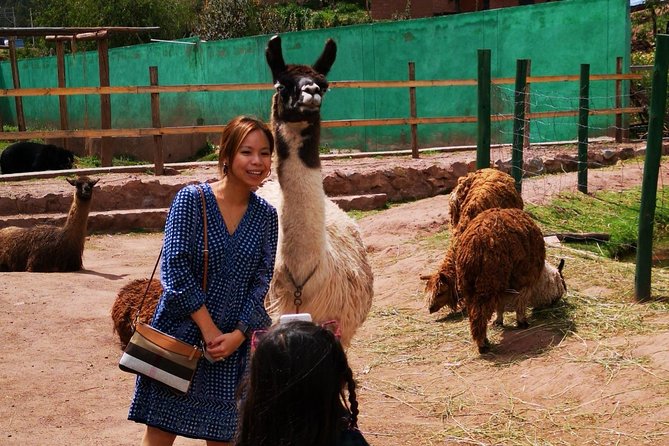
Animal contact is one of the most appealing parts of this experience, but you should approach it with sensible expectations. Feeding alpacas and llamas has been part of the tour, and it can be a funny, memorable moment. Alpacas have a talent for turning a quiet educational stop into a lively one.
Bird feeding is another reported highlight. Some visits have included feeding birds, alpacas, monkeys, and llamas. A toucan was also brought out for a closer encounter after a guest asked to return for a photo. That suggests the staff may allow extra time for a favorite animal when conditions and animal welfare permit it.
Do not assume every animal will be available for touching or feeding on every visit. The tour information promises the chance to see many species, but it does not guarantee a specific interaction. Staff must decide what is safe and suitable, and the animals’ needs should come first.
That limitation is actually a good sign. A rescue center should not force contact for the sake of a photograph. Enjoy the close moments that are offered, follow the guide’s instructions, and treat the animals as residents receiving care rather than as props.
Also leaving from Cusco, and nothing like the above:
- Salkantay Classic Trek 5 Days from Cusco
★ 5.0 · 4,062 reviews - 4-Day Salkantay Trek with Sky Camp Stay
★ 5.0 · 3,346 reviews - Short Inca Trail to Machu Picchu 2D/1N
★ 5.0 · 3,007 reviews - Excursion to Rainbow Mountain Full Day Optional Red Valley
★ 5.0 · 2,996 reviews
What the guide adds to the one-hour visit
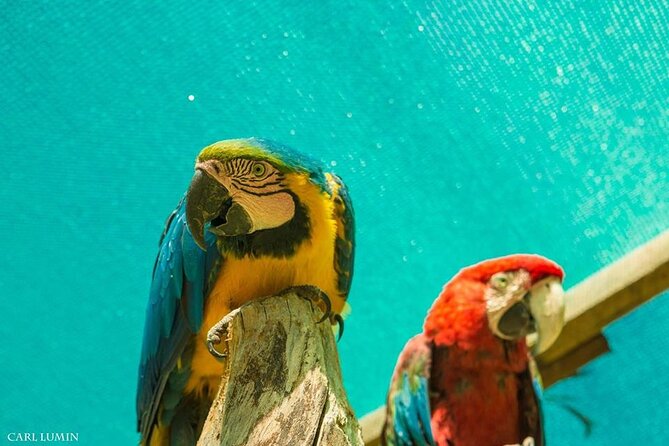
A guide is essential here because the animals’ stories are not always obvious. Without explanation, you might see an alpaca, macaw, or bear and move on in a few seconds. With a guide, you learn how the sanctuary’s mission connects rescue, education, daily care, and possible future release.
The strongest feedback has centered on patient explanations and a warm approach. Albert is named as a guide who shares the history of individual animals and explains what they have been through. That detail makes the tour feel personal without turning it into a lecture.
The English-language option also makes the visit more useful for international visitors who want to understand the rescue work rather than simply identify animals. You can ask questions during the private tour, which is one advantage over a large scheduled group.
The education program gives the sanctuary a wider purpose. It works with schools and the public to teach children to respect animals and nature. Your visit helps support that message, while also giving you a closer look at the difficult, daily work behind animal rescue.
Price, timing, and the value of the outing
At $34 per person, the tour is a reasonable small excursion from Cusco. You are paying for a roughly two to three-hour experience, transport from your accommodation or a central meeting point, an English guide, admission, and a flexible return. If you had to arrange transport separately, the convenience would likely make the price more attractive.
The value is strongest for people who want a purposeful activity rather than a long list of monuments. You will not spend all day here, and the sanctuary visit itself is about one hour. If you want a full wildlife excursion with extensive walking or a large number of activities, this may feel too short.
On the other hand, the compact schedule is useful during a busy Cusco stay. You can visit in the morning and still have much of the day available for the historic center, museums, markets, or a meal. The operator can return you to your accommodation or Cusco’s main square, depending on what works best.
The small maximum of 10 people adds value. A larger group could make animal encounters feel rushed and reduce your chance to ask questions. The private format lets you set a calmer pace, although you should confirm exactly how the group arrangement works if you are booking for several people.
The alpaca shop and the wider mission
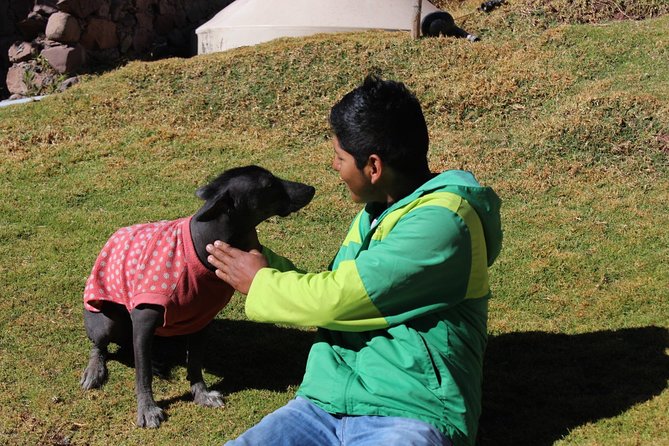
The shop at the end is more than a standard souvenir stop. Alpaca products are sold to help make the sanctuary sustainable, with half the proceeds supporting the animals and half supporting nearby peasant communities.
That split gives you a useful choice. You can leave without buying anything, or you can choose a product knowing where the money is intended to go. Since the sanctuary receives no government support, these sales and donations are part of keeping the project operating.
The connection between animal care and local communities is worth noticing. Rescue work does not happen in isolation. A sustainable sanctuary needs food, staff, facilities, education, and community support. The shop offers a simple way to contribute without making a separate donation.
Who will enjoy this Cusco animal sanctuary tour
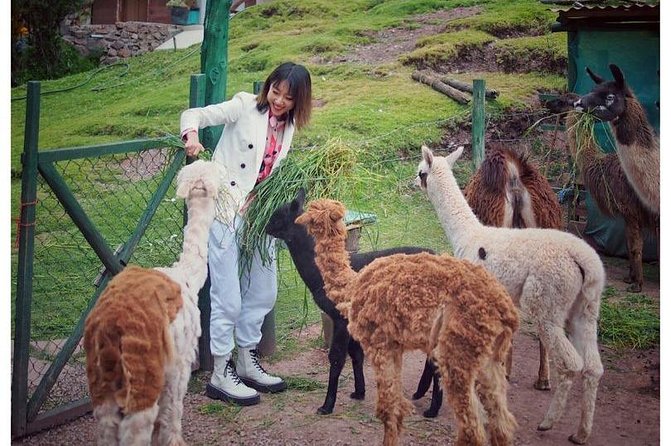
I would recommend this experience to families, animal lovers, and anyone who wants a gentler break from ruins and high-altitude sightseeing. Children may respond strongly to the monkeys, alpacas, macaws, and other animals, while the educational message gives parents something more substantial than a quick photo opportunity.
It also suits first-time visitors who want an easy morning activity near Cusco. Hotel or hostel pickup removes much of the planning, and the short duration leaves room for other plans.
This is a good choice if you care about ethical animal tourism. The sanctuary’s stated goal is rescue, education, care, and eventual release for some animals. You can support that work while learning why certain animals need long-term protection.
I would be more cautious if you want guaranteed animal contact, a highly polished attraction, or a long itinerary. The tour promises sightings and a guided visit, but not a fixed set of encounters. Weather can also affect the experience, and the activity may be canceled in poor conditions, with a new date or full refund offered.
For photography, bring reasonable expectations. You may have excellent moments, such as a condor overhead or a close look at a toucan, but animal behavior cannot be scheduled. The driver may suggest photo stops along the way, yet the main value is the sanctuary and its mission.
Booking advice and cancellation terms
The activity is usually booked about 17 days ahead, so reserve early if your Cusco schedule is tight. Confirmation is provided at booking, and pickup details can be arranged from your lodging or an agreed meeting point.
Most people can take part, and the group maximum is 10. The supplied information does not describe special accessibility arrangements, so contact the operator before booking if you have mobility needs or require a specific vehicle setup.
Free cancellation is available if you cancel at least 24 hours before the start time. Cancellations or changes made inside that window are not refundable, and poor weather may lead to a different date or a full refund.
Should you book the Cochahuasi sanctuary visit?
Book it if you want a short, meaningful Cusco outing with rescued animals, a personal guide, and transport included. The strongest reasons are the care-focused mission, the chance to learn individual animal stories, and the flexible private format. Feeding an alpaca or seeing a condor in flight can make the morning memorable, but the educational purpose is the real point.
Skip it if you are looking for a full-day wildlife adventure or guaranteed touching and feeding. For $34, though, this is a solid choice for animal lovers and families who want their money to support a working sanctuary rather than only a sightseeing business.
FAQ
Where is the Cochahuasi Animal Sanctuary tour located?
The experience takes place at Cochahuasi Animal Sanctuary near Cusco, Peru.
Where does the tour start?
The listed meeting point is Selina Cusco Saphi at Calle Saphy 601, Cusco 08002, Peru.
Can I get picked up from my accommodation?
Yes. Pickup can be arranged from your hostel, Airbnb, or another agreed location through WhatsApp.
How long does the experience last?
The complete experience lasts approximately two to three hours. The sanctuary visit itself is listed as one hour.
What animals can I see?
The sanctuary houses monkeys, macaws, turtles, deer, deer cats, alpacas, bears, wild cats, foxes, condors, and other native animals from Peru’s sierra and jungle areas.
Is the tour offered in English?
Yes. The experience is offered in English.
How many people can join the tour?
The maximum group size is 10 people, and the experience is described as a private tour.
Can I feed or touch the animals?
Feeding alpacas, llamas, birds, and monkeys has been part of the experience, and a toucan encounter has also been possible. Specific contact is not guaranteed and depends on staff guidance and animal welfare.
Where can I go after the sanctuary visit?
The return is flexible. You can be taken back to your accommodation or to Cusco’s main square.
What happens if the weather is bad?
If poor weather causes cancellation, you will be offered a different date or a full refund. You can also cancel for a full refund if you do so at least 24 hours before the start time.
Added recently around Cusco
- Super valley or vip valley★ 5.0 · 13 reviews
- the Incas’ Sacred Valley★ 5.0 · 27 reviews
- Sacred Valley of the Incas Day Trip from Cusco★ 5.0 · 6 reviews
- Small-Group Tour: Rainbow Mountains Hiking from Cusco★ 4.0 · 5 reviews
- Excursion to the Sacred Valley of the Incas from Cusco★ 5.0 · 8 reviews
- Maras + Moray & Textile Experience★ 5.0 · 14 reviews
- rainbow mountain★ 4.0 · 4 reviews
- Tour EN Cuatrimoto POR la Montaña 7 Colors Hike 5 Minutes★ 4.5 · 32 reviews
Cusco Tours, compared.
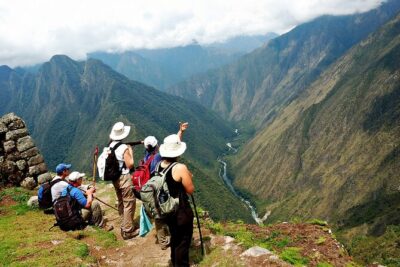
Classic Inca Trail Trek 4D/3N to Machu Picchu (Group Service)
Read our review →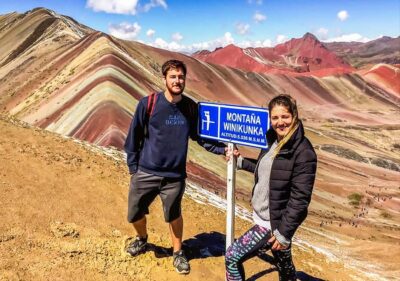
Rainbow Mountain and Red Valley Day Trip with Meals
Read our review →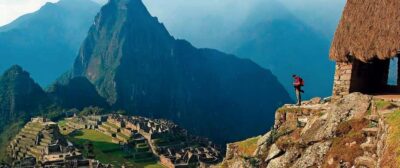
Machu Picchu: 4-Day Inca Trail Trek with Panoramic Train Ride
Read our review →

Excursion to Rainbow Mountain Full Day Optional Red Valley
Read our review →