Reviewed · CUSCO TOURS
Excursion + Sillar and Culebrillas Route in Arequipa
Stone tells Arequipa’s story. This short outing links the Añashuayco quarries with Culebrillas canyon, giving you both working stone yards and ancient rock art. I like the chance to see how sillar is cut, and I like that the route adds volcano views, a canyon walk, and Wari petroglyphs to the usual city sightseeing.
The main drawback is transport. One verified booking reported delays while the group waited for late arrivals, and the bus did not have air conditioning. The guide was described as very sweet, and another booking praised the activity as very well organized, so expect a pleasant experience with a few practical limits.
In This Review
- Key points at a glance
- Why Arequipa Is Built From White Sillar
- The First Stop: Volcano Views and the Chilina Valley
- Reaching Añashuayco After About 45 Minutes
- The Mega Carving of the Church of the Society of Jesus
- Meeting a Stonemason and Trying the Work
- Culebrillas Canyon and Its Narrow Passage
- Wari Petroglyphs More Than 1,000 Years Old
- Apachetas and the Final Stop Before Arequipa
- Timing, Transport, and the Four-Hour Schedule
- What the $14 Price Really Covers
- Who Should Book the Sillar and Culebrillas Route
- Should You Book This $14 Excursion?
- FAQ
- Where does the excursion take place?
- How long does the tour last?
- What time does the morning tour begin?
- Is there an afternoon departure?
- What languages does the guide speak?
- Is transport included?
- Is a guide included?
- How much is the entrance fee?
- What will I see at Añashuayco Quarry?
- How long is the walk at Culebrillas?
Key points at a glance
- Añashuayco’s working quarry: See tall ignimbrite walls formed as quarrymen cut blocks of sillar.
- A full-size stone artwork: The quarry includes a large carving of Arequipa’s Church of the Society of Jesus.
- A hands-on stone lesson: A stonemason may explain the daily work and let you try cutting a block.
- Culebrillas canyon walk: Follow a roughly 20-minute route between walls that reach 15 to 20 meters high.
- Wari petroglyphs and apachetas: Look for more than 1,000-year-old rock carvings and stone piles linked with gratitude and good luck.
- Low-cost half-day outing: The $14 price includes tourist transport and a professional guide, while entry costs 10 soles extra.
Why Arequipa Is Built From White Sillar
Arequipa is often called the White City because sillar, a pale volcanic stone, appears throughout its historic architecture. This excursion takes you beyond the finished churches and colonial facades to the places where that stone comes from.
The route focuses on the human work behind the material. At Añashuayco, you are not simply looking at a geological formation. You are seeing an active quarry where stonemasons cut blocks from volcanic rock and shape them for construction and decoration.
That distinction matters. In central Arequipa, sillar can seem like a polished architectural detail. At the quarry, you can connect it with dust, tools, hard labor, and enormous cut walls. The visit gives the material a practical meaning.
The outing lasts about four hours and includes transport from Arequipa, a guide in Spanish or English, and stops at the quarry and canyon. The scheduled morning departure is 9:15 a.m., with arrival back near the Plaza de Armas at about 1:30 p.m. A 2 p.m. departure is also available, though the supplied schedule does not give a precise return time for that shift.
A few more Cusco trips worth lining up side by side
- Classic Inca Trail Trek 4D/3N to Machu Picchu (Group Service)
★ 5.0 · 8,653 reviews - Cusco: Rainbow Mountain and Red Valley Day Trip with Meals
★ 4.9 · 4,893 reviews - Machu Picchu: 4-Day Inca Trail Trek with Panoramic Train Ride
★ 5.0 · 4,568 reviews
The First Stop: Volcano Views and the Chilina Valley
The road begins with a brief stop at a strategic viewpoint. From here, you can see volcanoes and the Chilina Valley, making it a useful introduction before the quarry visit.
The exact viewpoint can vary by season. The route may use another traditional lookout where the volcanoes are visible. That flexibility is worth noting, since the first stop is not presented as one fixed photo point in every season.
I like this opening because it gives you geographic context. You see the volcanic setting before standing inside the rock that helped build Arequipa. The view also breaks up the road journey and gives you an early orientation to the area outside the city.
Keep your expectations sensible. This is a short viewpoint stop, not a long mountain excursion. The main purpose is to see the volcanoes and valley, take in the setting, and continue toward the Sillar Route.
Reaching Añashuayco After About 45 Minutes
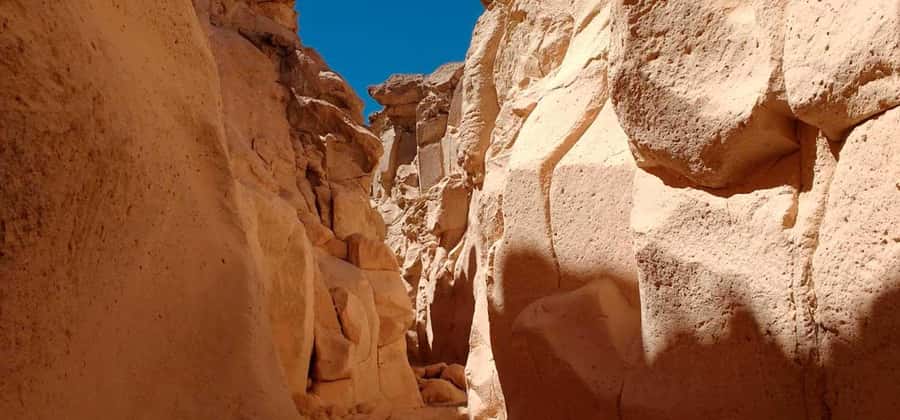
Añashuayco is reached after roughly 45 minutes by tourist transport. The road time matters because the excursion is compact. You spend enough time outside Arequipa to reach the quarry, but this is still a half-day trip rather than a full-day expedition.
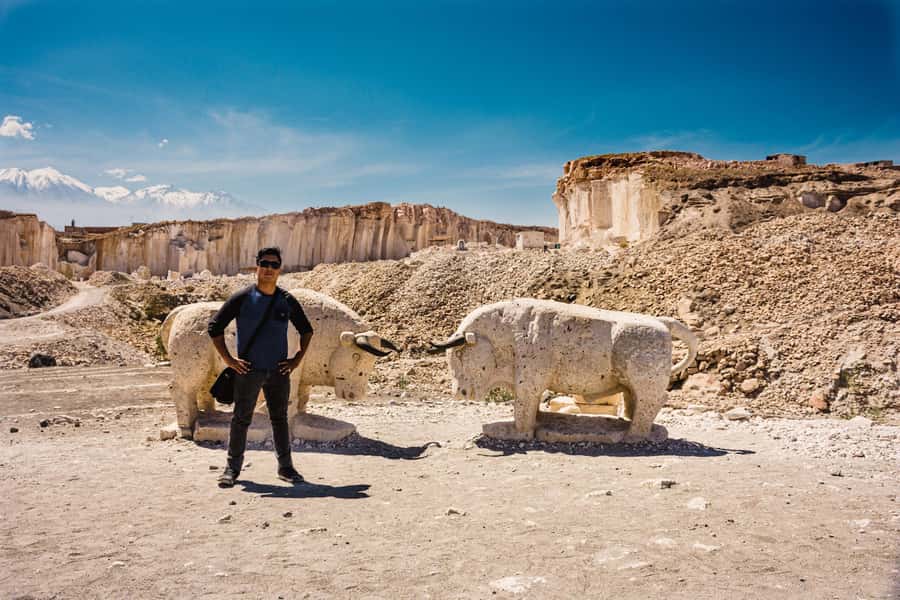
The quarry is currently in operation. Quarrymen begin their work early, so the exact feel of the site may depend on the day and timing of your visit. You can expect to see the immense canyon created as sillar was extracted, with high cliffs made from ignimbrite, the volcanic material from which the stone is cut.
The walls are the big visual payoff. Their height and exposed layers show the scale of the quarrying process better than a finished building ever could. I find this kind of stop valuable because it connects a familiar city feature with the source material beneath it.
Your guide explains the history of sillar, how it is produced, and how it has traditionally been used. The quality of this explanation matters. The activity is not only a photo stop, and the guide’s role is to turn the quarry into a readable story rather than a pile of pale rock.
The Mega Carving of the Church of the Society of Jesus
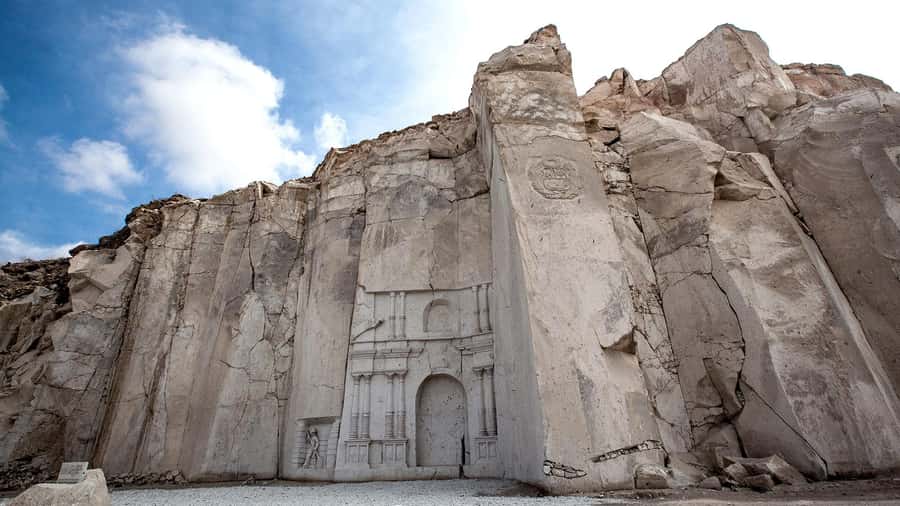
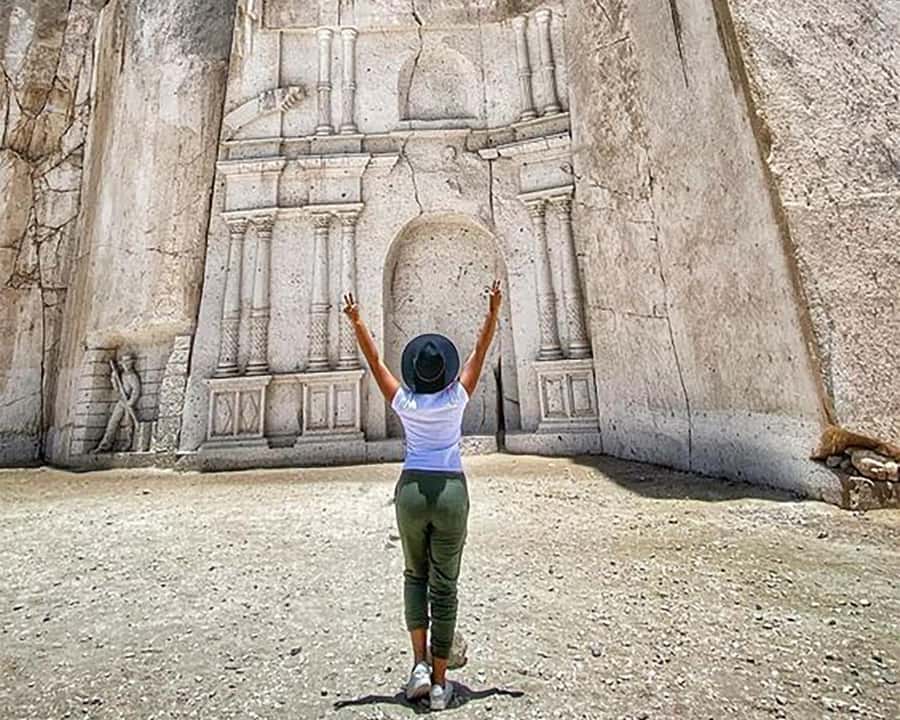
One of Añashuayco’s unusual features is a large carving of the Church of the Society of Jesus. Local stonemasons made this artwork in the quarry itself.
The carving gives you a quick visual link between raw stone and Arequipa’s religious architecture. You can look at the detailed church facade in the quarry, then think about the finished sillar buildings in the city center. It is a simple idea, but it makes the route easier to understand.
This stop should suit you if you enjoy seeing how local craft is presented in its place of origin. It is not the same as touring the actual church, and you should not expect a complete substitute for Arequipa’s historic center. Instead, it adds a useful second angle: the building as a work of stone and labor.
Also leaving from Cusco, and nothing like the above:
- Salkantay Classic Trek 5 Days from Cusco
★ 5.0 · 4,062 reviews - 4-Day Salkantay Trek with Sky Camp Stay
★ 5.0 · 3,346 reviews - Short Inca Trail to Machu Picchu 2D/1N
★ 5.0 · 3,007 reviews - Excursion to Rainbow Mountain Full Day Optional Red Valley
★ 5.0 · 2,996 reviews
Meeting a Stonemason and Trying the Work
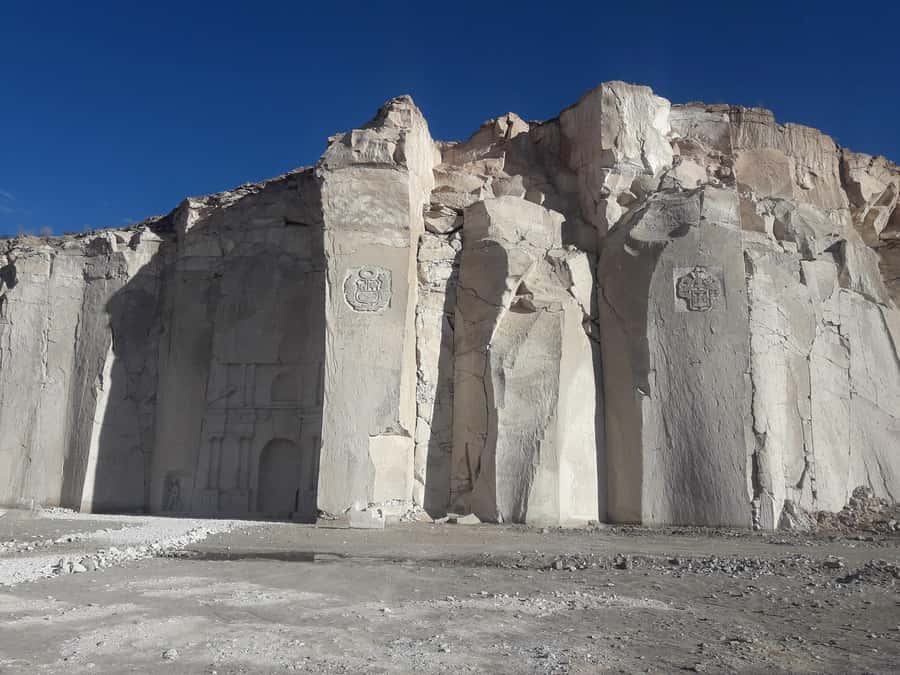
The itinerary allows a visit with one of the quarrymen. He can explain what his daily work involves and may let you try cutting one of the stone blocks yourself.
This is likely to be the most personal part of the excursion. Photos of quarry walls are easy to take, but handling the material gives you a better idea of the skill and effort involved. Even a brief attempt can show why shaping sillar is not a quick decorative task.
The experience depends on the quarry visit and the activity on the day, so I would treat the hands-on element as an included possibility rather than a guaranteed extended workshop. The information specifically says you can visit a stonemason and experience cutting a block, but it does not promise a set amount of practice time.
Wear clothing and shoes suitable for an outdoor quarry setting. The supplied information does not state a dress code, but practical clothes make sense for a visit involving stone cutting and uneven outdoor areas. Do not plan to remain perfectly clean.
Culebrillas Canyon and Its Narrow Passage
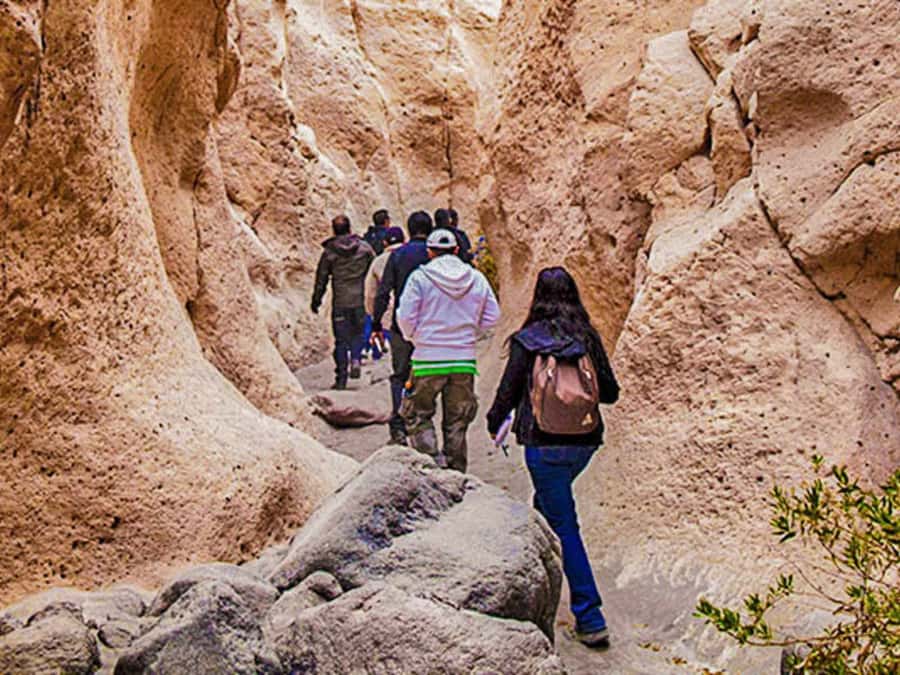
After Añashuayco, the vehicle continues for about 30 minutes to Quebrada de Culebrillas. Here, you walk for roughly 20 minutes inside a small canyon formed by flowing water.
The canyon walls reach about 15 to 20 meters high, and they grow taller as you go farther in. That change gives the walk a pleasant sense of progression. You begin in a smaller passage, then the rock closes in and rises around you.
This is not described as a long hike. The walk is short, but the setting changes the pace of the day. After the open quarry and its broad extraction walls, Culebrillas feels more enclosed and quiet.
You should still consider your comfort with walking before booking. The tour includes a walk inside the canyon, and the supplied details do not specify the trail surface, steps, or accessibility arrangements. If you need exact mobility information, ask the provider before paying.
Wari Petroglyphs More Than 1,000 Years Old
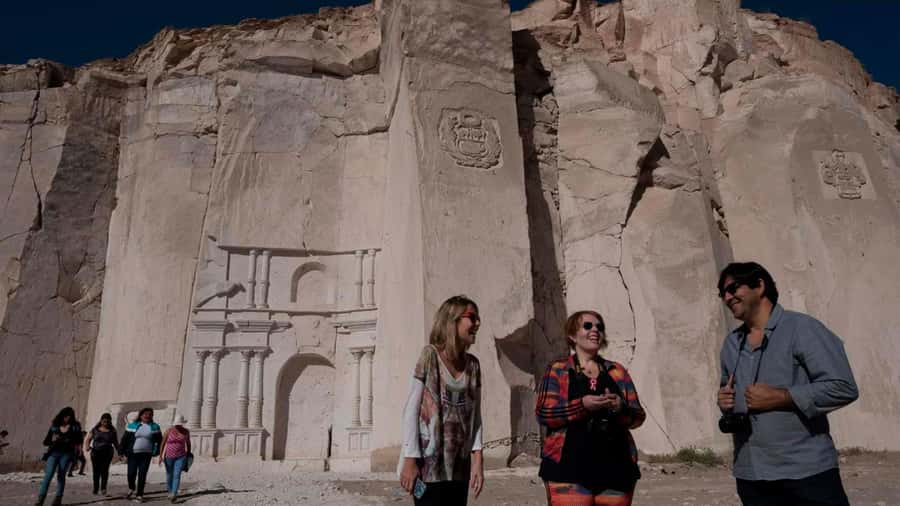
At the end of the canyon walk, you can see petroglyphs attributed to the Wari culture and dated more than 1,000 years ago. These carvings add an older human layer to a route already shaped by geology and modern quarry work.
The petroglyphs are one of the strongest reasons to choose this particular combination of stops. The quarry explains present-day and historic stone production, while the carvings point to people who used and marked this area long before modern Arequipa.
The excursion does not provide detailed information about the individual figures or symbols, so the guide’s explanation will shape much of what you take from the stop. Ask questions if you want more context. A short visit can feel much more meaningful when you understand what you are looking at.
Because the walk is only about 20 minutes, you should not expect a major archaeological site visit. The value comes from seeing the petroglyphs in the canyon where they remain, not from spending hours with a large collection or formal museum display.
Apachetas and the Final Stop Before Arequipa
Before heading back, the group pauses to observe apachetas. These are stone formations made by placing stones one on top of another. They are described as symbols of gratitude toward nature and as good-luck attractions.
Some people will find this stop thoughtful and atmospheric. Others may see it as a brief cultural explanation rather than a major sight. I would approach it with respect and curiosity, especially since the meaning is tied to gratitude and a mystical feeling.
The apachetas also provide a calm ending to the route. You have just seen quarry work, a large church carving, a canyon, and ancient rock art. The stone piles bring the focus back to the relationship between people, nature, and the volcanic setting.
Timing, Transport, and the Four-Hour Schedule
The morning version begins at 9:15 a.m. and returns to central Arequipa at about 1:30 p.m., with drop-off near the Plaza de Armas. The advertised duration is four hours, although the listed schedule runs a little longer than four hours from departure to arrival.
That small difference may reflect normal pickup or return timing. It is worth keeping your afternoon plans flexible, especially if you have a bus, flight, or timed museum visit after the tour.
The route uses tourist transport. One verified booking reported delays caused by waiting for members of the group and noted that the bus had no air conditioning. That is the clearest practical warning for this activity. You should not expect private-car flexibility or premium vehicle comfort at this price.
The second shift begins at 2 p.m. It can work well if you prefer a later start, but the available details do not state its exact return time. Ask before booking if you have dinner plans, a transfer, or another fixed appointment.
The guide service is offered in Spanish and English. One booking specifically praised the guide as very sweet, while another described the activity as very well organized. Those comments suggest a friendly, orderly experience, though group timing can still affect the pace.
What the $14 Price Really Covers
At $14 per person, this is a strong-value outing if you want to visit the Sillar Route without arranging separate transport. The price includes tourist transport and a professional guide, which are the two main services needed to connect the quarry and Culebrillas.
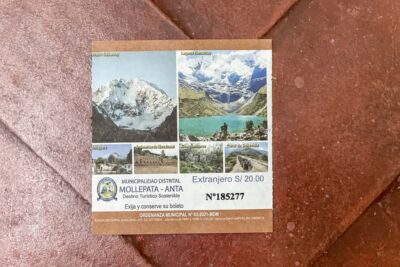
The entry fee is extra and costs 10 soles. That is a small but important addition to your budget. The total cost remains modest for a four-hour excursion with several stops, a bilingual guide option, and transport from the city.
The value is especially good if you want variety. For one low price, you get a viewpoint, a working quarry, a stone carving, a possible hands-on demonstration, a canyon walk, petroglyphs, and apachetas. None of these stops is likely to fill a whole day alone, but together they create a useful half-day route.
The tradeoff is comfort and flexibility. The vehicle may not have air conditioning, and group delays can occur. If you want a private ride, a custom schedule, or guaranteed time at each site, this budget group excursion may not be the right fit.
You can reserve now and pay later, and free cancellation is available up to 24 hours in advance for a full refund. Those terms give you some flexibility if your Arequipa plans are still changing.
Who Should Book the Sillar and Culebrillas Route
I would recommend this excursion to you if you want to understand how Arequipa’s famous stone connects with its volcanic setting. It suits curious first-time visitors, architecture fans, photographers, and anyone who wants an easy half-day outside the city.
It is also a good choice if you enjoy a mix of culture and scenery. The route moves from volcano views to working quarry labor, then from a carved church facade to a water-cut canyon and Wari petroglyphs. That range keeps the outing from feeling like a single-site visit.
You may want to skip it if air-conditioned transport is essential, if you dislike waiting for a group, or if you need a tightly controlled schedule. The reported delay and vehicle issue are not deal breakers for everyone, but they are practical concerns you should weigh before booking.
Should You Book This $14 Excursion?
Book it if you want an affordable, well-packed introduction to Arequipa’s sillar tradition and the sites beyond the city center. The quarry and stonemason visit give the outing a human element, while Culebrillas and the Wari petroglyphs add scenery and older cultural remains.
Choose the morning departure if you want the listed 9:15 a.m. schedule and a return near the Plaza de Armas around 1:30 p.m. Choose the 2 p.m. shift only after confirming its return time. Bring patience for group transport, and remember that the 10 soles entry fee is not included.
For $14, this is a practical way to see several distinctive Arequipa sights in one short trip. Just book it for the places and local context, not for luxury transportation.
FAQ
Where does the excursion take place?
The excursion takes place in the Arequipa Region of Peru. It visits a viewpoint, the Añashuayco Quarry, and Quebrada de Culebrillas before returning to central Arequipa.
How long does the tour last?
The advertised duration is four hours. The listed morning schedule runs from 9:15 a.m. until about 1:30 p.m.
What time does the morning tour begin?
The morning departure is scheduled for 9:15 a.m.
Is there an afternoon departure?
Yes. A second shift begins at 2 p.m. The exact return time for that shift is not provided.
What languages does the guide speak?
Live tour guide service is available in Spanish and English.
Is transport included?
Yes. Tourist transport is included in the price.
Is a guide included?
Yes. A professional guide is included.
How much is the entrance fee?
The entrance ticket costs 10 soles and is not included in the tour price.
What will I see at Añashuayco Quarry?
You will see an active quarry, tall ignimbrite walls created by sillar extraction, and a large carving of the Church of the Society of Jesus. You may also meet a stonemason and try cutting a stone block.
How long is the walk at Culebrillas?
The walk inside the canyon takes approximately 20 minutes. The canyon walls reach about 15 to 20 meters high and become taller as you continue inward.
Added recently around Cusco
- Guided tour of the mountain of colors in Cusco★ 5.0 · 11 reviews
- 2-Day Private Short Inca Trail to Machu Picchu★ 5.0 · 15 reviews
- City Tour Cusco – Group★ 5.0 · 4 reviews
- Tour Sacred Valley with Maras and Moray★ 5.0 · 15 reviews
- San Pedro Market Tour with Peruvian Cooking Class★ 5.0 · 31 reviews
- Walking Culinary Experience★ 5.0 · 41 reviews
- City Tour in Cusco★ 4.5 · 10 reviews
- One Day Tour to Humantay Lagoon★ 5.0 · 8 reviews
Cusco Tours, compared.
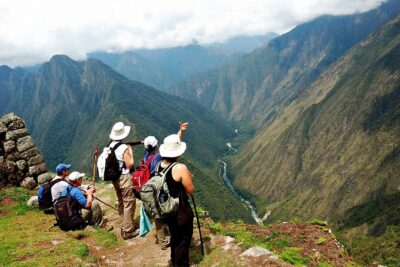
Classic Inca Trail Trek 4D/3N to Machu Picchu (Group Service)
Read our review →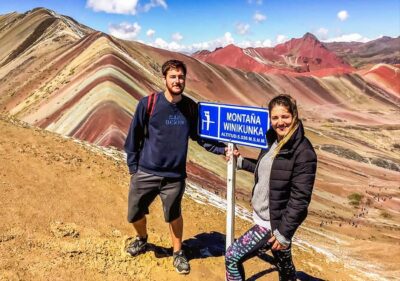
Rainbow Mountain and Red Valley Day Trip with Meals
Read our review →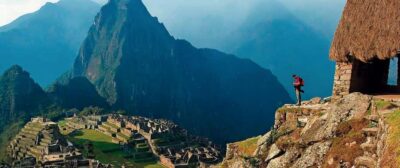
Machu Picchu: 4-Day Inca Trail Trek with Panoramic Train Ride
Read our review →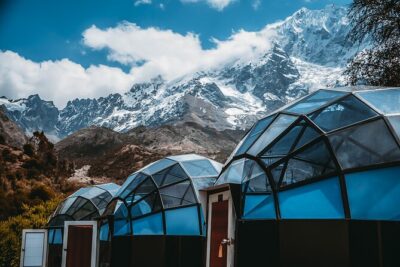
Excursion to Rainbow Mountain Full Day Optional Red Valley
Read our review →