Reviewed · MACHU PICCHU TOURS
From Cusco: Machu Picchu Full-Day Guided Tour
Machu Picchu rewards an early start. This $465 full-day tour takes care of the hardest pieces, including the standard train, mountain bus, entrance ticket, and a guide at the ruins. I like the superb train scenery between Ollantaytambo and Aguas Calientes, and I like having someone explain the Temple of the Sun and farming terraces instead of wandering past them without context. The drawback is the long chain of transfers, plus the possibility of a late return and several hours of waiting in Aguas Calientes.
This is a well-organized trip for anyone who wants to see the Inca citadel from Cusco without arranging each ticket separately. You should know, though, that much of the day is self-guided between transport connections, so you must watch the meeting times and signs carefully.
In This Review
- Key points to know before booking
- What the $465 price really covers
- The day starts with a road transfer from Cusco
- The Ollantaytambo train ride is part of the attraction
- Aguas Calientes is a short stop, not the main event
- The bus climbs to the Machu Picchu entrance
- A focused guided visit to the Lost Citadel
- Getting the famous citadel photograph
- The return journey can test your patience
- How the organization helps
- Who will get the most from this tour
- What to bring and what to leave behind
- Should you book this Machu Picchu day trip?
- FAQ
- How long does the Machu Picchu tour last?
- Is hotel pickup included?
- Which languages are available for the guided tour?
- Is the train ride included?
- Are the buses to Machu Picchu included?
- Is food included in the price?
- What identification should I bring?
Key points to know before booking
- A 2.5-hour guided visit at Machu Picchu gives you a focused introduction to the Temple of the Sun, agricultural terraces, and the wider Inca site.
- The train runs between Ollantaytambo and Aguas Calientes, so the day begins with a road transfer from Cusco and ends with another transfer back.
- Your tickets may be explained in person the day before, often by a representative such as Rodrigo, which makes the complicated route easier to follow.
- The standard train is usually enough, with excellent views and little reason to pay more unless a premium carriage matters to you.
- The return schedule can be the weak link, with one trip leaving a three-hour wait before the train back to Ollantaytambo.
- Hotel pickup is offered in Cusco and nearby suburbs only from May through December, and hotel drop-off is not included.
What the $465 price really covers
At $465 per person, this is not a cheap day trip. You are paying for a tightly coordinated package in a place where one missed train, bus, or entrance slot can spoil the day.
The price includes pickup from qualifying Cusco hotels, the road transfer to Ollantaytambo, round-trip standard train tickets, the buses between Aguas Calientes and Machu Picchu, the entrance fee, and a professional English or Spanish guide. That is a useful bundle because Machu Picchu access involves several separate steps.
The value depends on how much planning you want to avoid. If you are comfortable arranging train tickets, the mountain bus, and entrance access yourself, you may find a cheaper route. If you want one company to issue the tickets and explain the sequence, the added cost buys convenience rather than luxury.
You should also budget for food, drinks, and cash expenses because they are not included. There is no hotel drop-off at the end, so confirm where the evening transfer leaves you in Cusco before setting any late plans.
The activity is non-refundable. That matters here because mountain weather, transport changes, or a change of plans will not normally allow you to recover the payment.
Other ways to reach Machu Picchu:
- Classic Inca Trail Trek 4D/3N to Machu Picchu (Group Service)
★ 5.0 · 8,653 reviews - Machu Picchu: 4-Day Inca Trail Trek with Panoramic Train Ride
★ 5.0 · 4,568 reviews - Short Inca Trail to Machu Picchu 2D/1N
★ 5.0 · 3,007 reviews
The day starts with a road transfer from Cusco
The tour begins early, although the exact starting time depends on availability and the train assigned to you. Pickup is available from hotels in Cusco and its suburbs between May and December.
If your accommodation sits on a narrow street where a vehicle cannot reach, a local representative escorts you to a nearby pickup point. If you stay outside the service area, you receive the closest available meeting place instead.
The first road leg takes you toward Ollantaytambo, where you board the train. This is an important detail: the train does not begin in central Cusco for this package. Some accounts describe a taxi or van from Cusco to the bus station, followed by a transfer to Ollantaytambo.
The transport arrangement has earned strong praise for being clear and punctual. In one particularly useful setup, Rodrigo visited the hotel the day before, delivered the train, bus, and entrance tickets, and explained the full sequence. That sort of briefing is valuable because the trip has many handoffs.
Do not treat the morning transfer as free time for sleeping through everything. Keep your passport, tickets, water, snacks, and phone within reach. You need to be alert when changing vehicles.
The Ollantaytambo train ride is part of the attraction
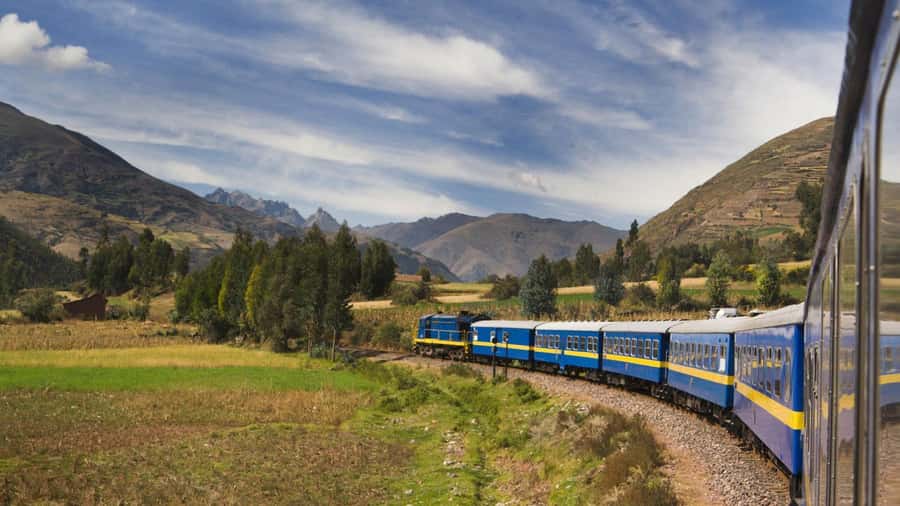
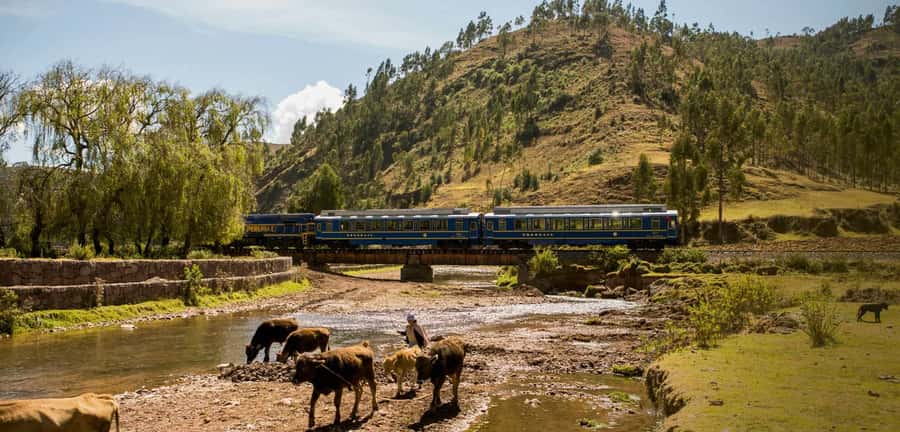
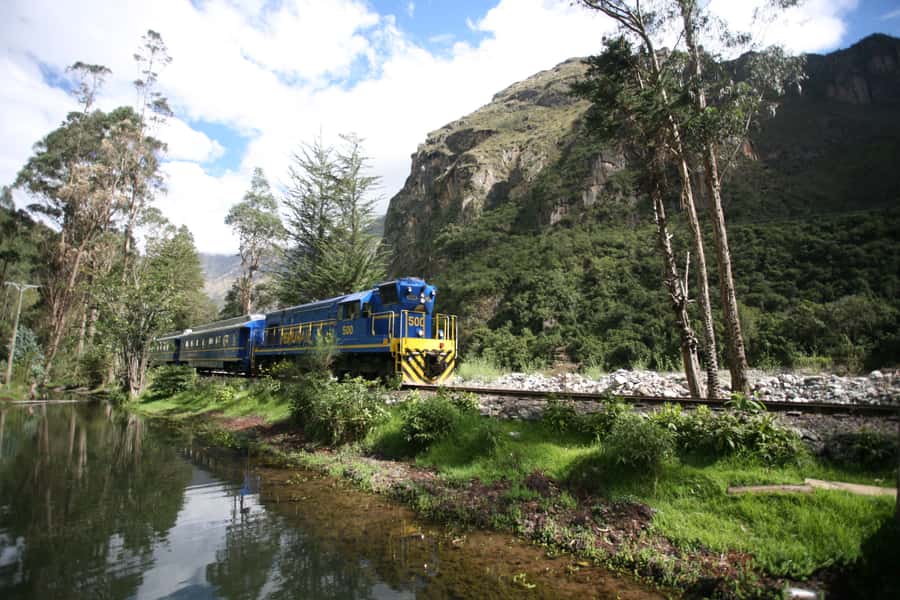
The standard train to Aguas Calientes is not merely a way to get from one point to another. The route offers some of the most enjoyable scenery of the day, and the standard carriage is generally considered adequate for this trip.
You may be assigned different departure times because standard train availability controls the schedule. The operator promises the best available option but cannot guarantee a particular time, so do not build a tightly timed dinner or evening plan around the published outline.
The train takes you to Aguas Calientes, the town below Machu Picchu. Once you arrive, a representative with a sign may meet you and direct you toward the bus that climbs to the sanctuary. This handoff is one of the places where the included organization saves effort.
At the same time, you are not accompanied by one guide every minute of the journey. You may travel independently between Cusco, Ollantaytambo, Aguas Calientes, and the entrance area, with staff directing you at key points.
That means you should read the instructions carefully and remember the return times. The tour works best for someone who can manage a sequence of buses and trains without needing constant supervision.
Aguas Calientes is a short stop, not the main event
Aguas Calientes functions mainly as the transport hub for the visit. You pass through it on the way to the mountain bus, then return there after your visit to Machu Picchu.
You may have time to walk around town, eat, or buy something before the train back to Ollantaytambo. Food is not part of the tour, so this is one of your practical chances to arrange a meal.
The amount of free time can vary. A later return train has left one participant waiting roughly three hours after lunch, which made the final part of the day feel unnecessarily long. This is the biggest scheduling concern in the package.
I would keep your expectations modest. You may have enough time for a meal and a brief look around, but you should not assume a relaxed afternoon in Aguas Calientes. The main purpose of the stop is to connect with the railway.
A few more Cusco trips worth lining up side by side
- Cusco: Rainbow Mountain and Red Valley Day Trip with Meals
★ 4.9 · 4,893 reviews - Salkantay Classic Trek 5 Days from Cusco
★ 5.0 · 4,062 reviews - 4-Day Salkantay Trek with Sky Camp Stay
★ 5.0 · 3,346 reviews - Excursion to Rainbow Mountain Full Day Optional Red Valley
★ 5.0 · 2,996 reviews
The bus climbs to the Machu Picchu entrance
From Aguas Calientes, the included bus carries you up to the historic sanctuary. This saves you from adding another major uphill walk to a day that already begins before sunrise and includes several transport stages.
At the top, you meet the guide near the entrance. Some guides named in past trips include Walter, Alvin, and Jan, while Rodrigo appears to handle pre-trip instructions in at least some arrangements. Specific guide assignments are not guaranteed, but the pattern is clear: the site guide is the key person for the educational part of the day.
You should arrive ready for changing weather. The provided advice calls for comfortable shoes, sunglasses, a sun hat, weather-appropriate clothing, insect repellent, water, and snacks. Rain is possible, and poor conditions can reduce visibility of the citadel, so pack for sun and wet weather rather than trusting the morning sky.
Machu Picchu has strict rules. Pets, smoking, large bags, drones, and plastic bottles are not allowed. Bring only what you need, and check the bottle requirement carefully before leaving your hotel.
A focused guided visit to the Lost Citadel
The guided portion usually lasts around two to two and a half hours. That is long enough to give the site a proper explanation without turning the entire day into a lecture.
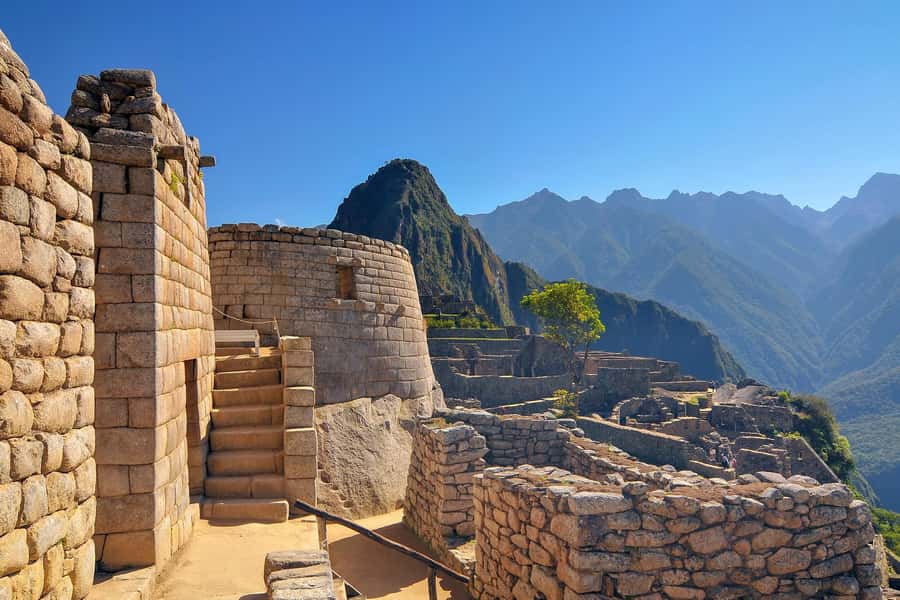
The Temple of the Sun is one of the major stops. Its curved stonework and ceremonial purpose help show how the Incas shaped the city around religious and astronomical ideas.
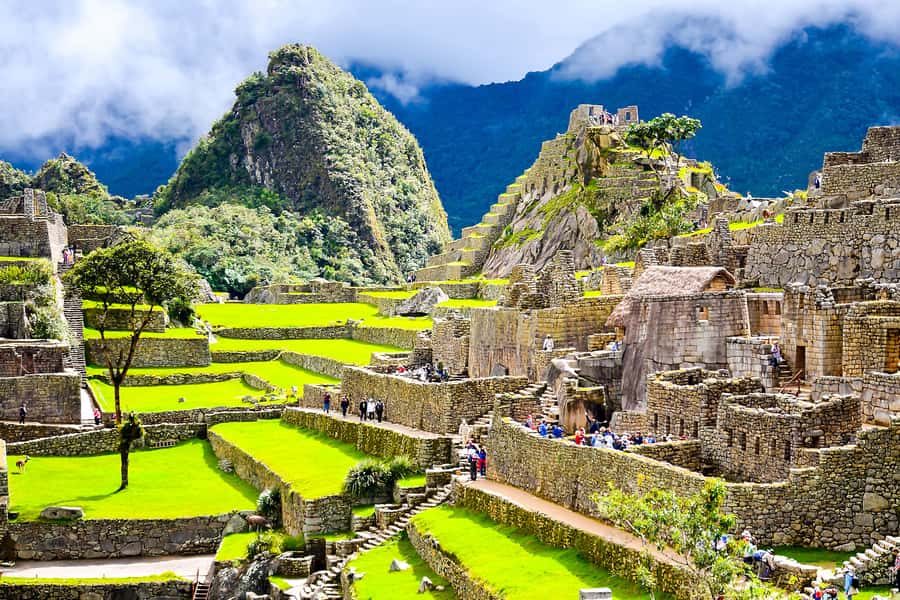
The agricultural sector, with its broad terraces, gives you a different view of Machu Picchu. These terraces were not simply decoration for photographs. They show how the settlement used steep ground for cultivation and managed water and soil.
The guide also helps place the citadel within the wider story of Inca society and Peru. That context matters because the stones alone can be difficult to interpret, especially when you are moving through a large site on a strict route.
The guide may also help with photographs. Walter, Alvin, and Jan were singled out for being clear, helpful, or engaging in different accounts, and one guide even assisted with good pictures. You still need to follow the site rules and stay with the official route.
One limitation is that the experience is not a private, slow-paced archaeological study. It is a guided overview designed to fit the train schedule. If you want long periods at each structure, you may find the pace brisk.
Language is another practical point. English and Spanish are available, but speaking speed and volume can vary by guide. One past participant found an English explanation difficult to follow because the guide spoke quickly and quietly. If you have trouble hearing, move closer and politely ask the guide to slow down or repeat a point.
Getting the famous citadel photograph
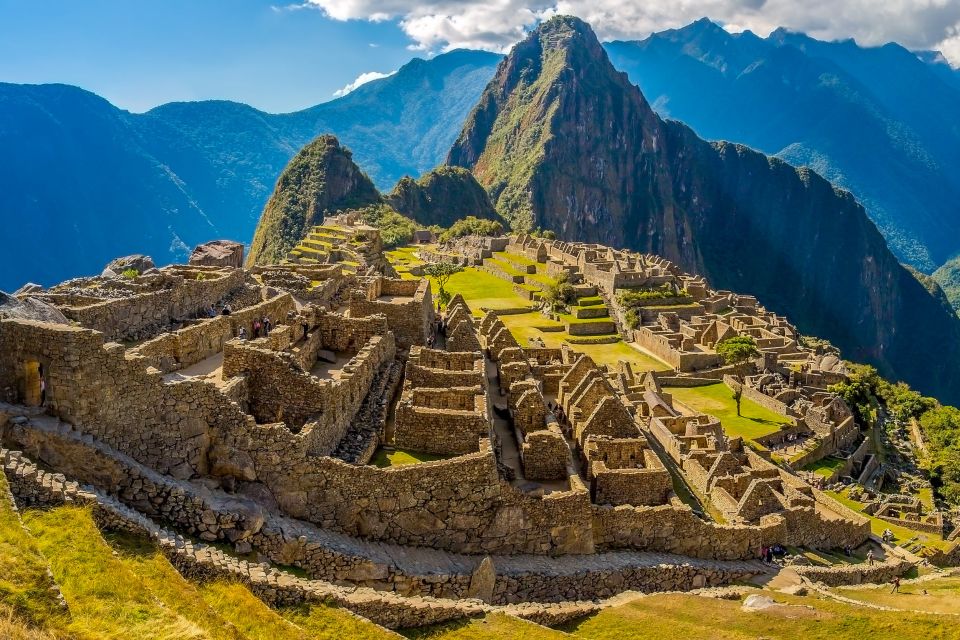
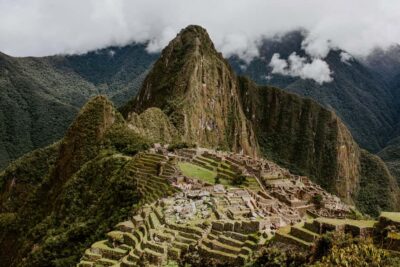
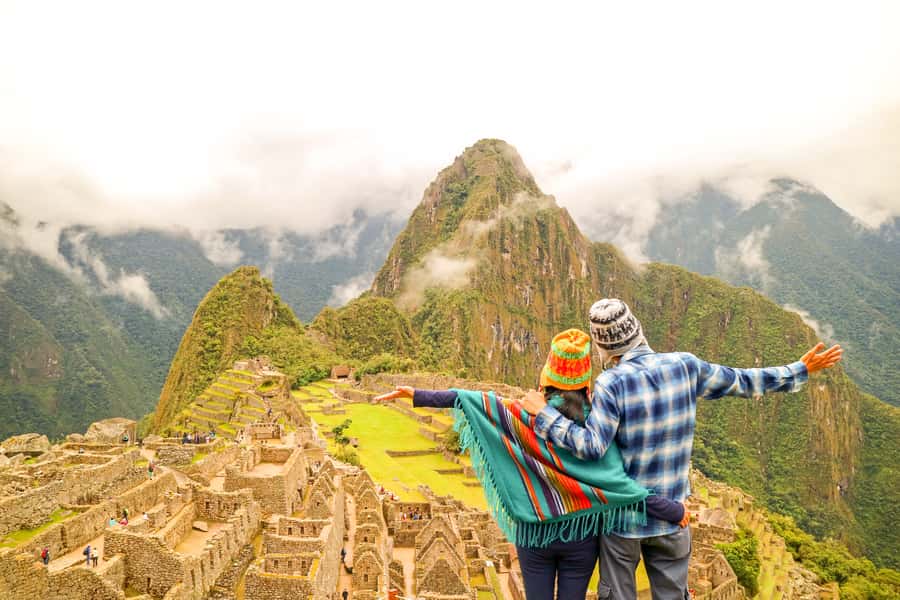
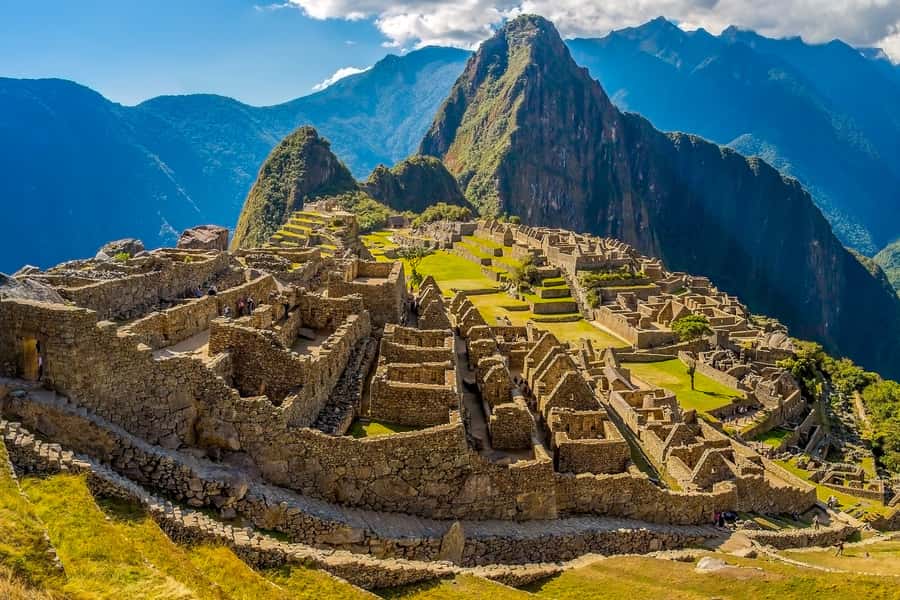
The observatory area provides the classic view with the Lost Citadel behind you. This is the image most people picture when they think of Machu Picchu, and the tour includes time to take photographs during the visit.
Weather can change the experience dramatically. Rain and cloud may soften or partly hide the mountain setting, while clear conditions open up the full view. A June visit, for example, may offer a different chance of visibility than a wetter month, but no date guarantees perfect weather.
Bring a sun hat and sunglasses, but also carry a waterproof layer. Comfortable shoes matter more than stylish footwear because you will be walking over uneven stone and moving through a large archaeological complex.
Do not rely on a large day bag. Large luggage is not allowed, and a compact set of essentials is the sensible approach. Keep your passport or ID card with you because it is required for the trip.
The return journey can test your patience
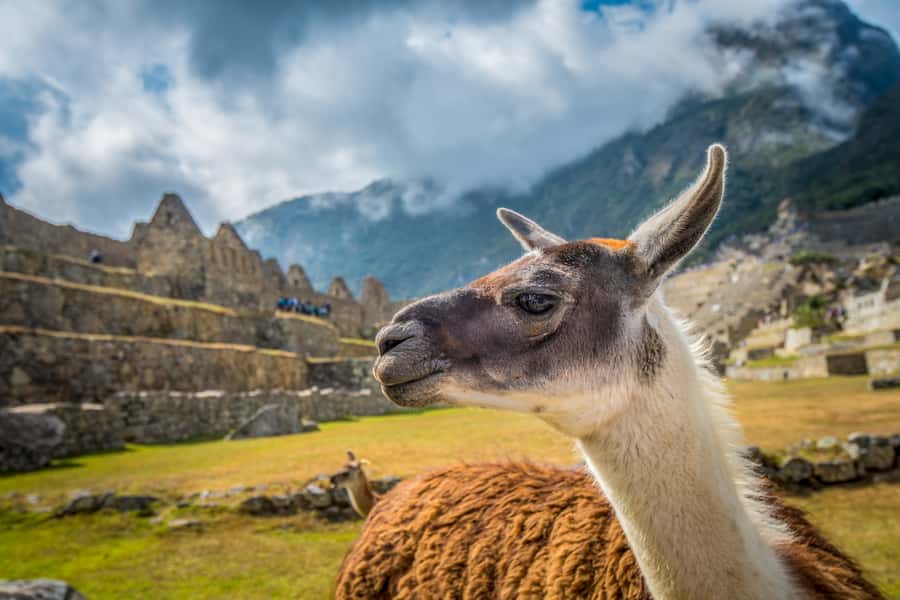
After the guided visit, the bus returns you to Aguas Calientes. You can then find food, walk around town, and wait for the train to Ollantaytambo.
The return train is included, but the assigned time may not be ideal. One particularly frustrating schedule created more than three hours of waiting, even after a long meal. Another account noted that the return carriage had constant movement, which made it difficult to enjoy the offered tea or coffee.
The final road transfer takes you from Ollantaytambo back toward Cusco. A complimentary transfer is included, but hotel drop-off is not. You may arrive tired and need to make your own way from the drop point to your accommodation, so avoid scheduling anything demanding that night.
The long return is not a reason to dismiss the tour, but you should accept that this is a transport-heavy day. You are trading flexibility for a prearranged route.
How the organization helps
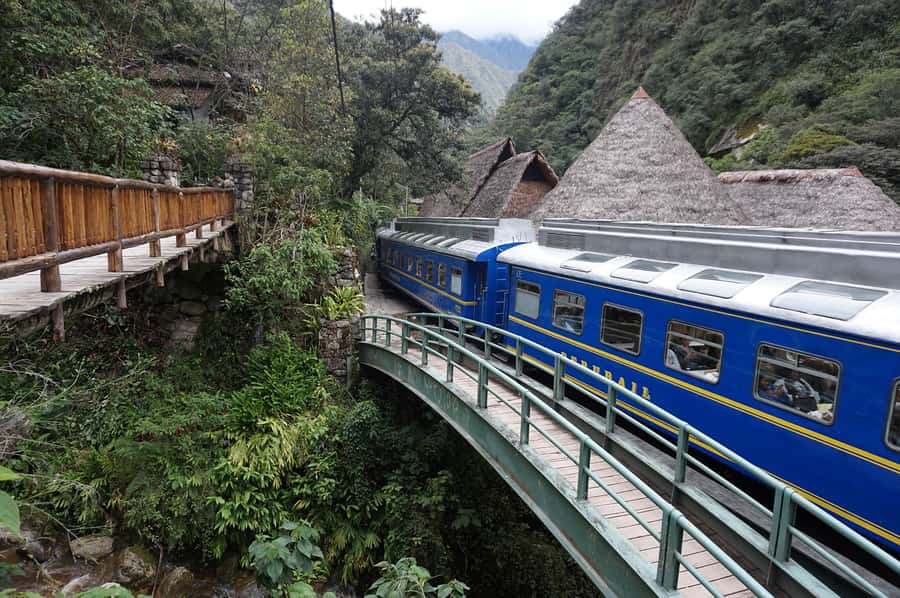
The best feature here is the ticket handling. Machu Picchu requires coordination among the entrance, mountain bus, railway, and road transfers. Having the tickets delivered and explained before the trip can remove a lot of anxiety.
The handoffs also appear thoughtfully arranged. At different points, staff may hold signs, meet you at the station, walk you toward the correct train, or direct you to the mountain bus. That is useful when you are in an unfamiliar town and working against a fixed departure time.
Still, the organization does not mean you can switch off completely. You may be on your own during parts of the journey, and you remain responsible for arriving at the right platform, bus, or meeting point.
I would photograph or save every ticket and instruction. Keep the schedule easy to reach, and confirm the return meeting time before entering Machu Picchu. A few minutes spent checking details can prevent a very expensive mistake.
Who will get the most from this tour
This trip suits you if you have only one day available from Cusco and want the major sights handled in one package. It also works well if arranging railway and entrance tickets feels like a chore, or if you prefer an English or Spanish explanation at the ruins.
It is a good choice for first-time visitors who want a clear introduction to Machu Picchu. The guide adds meaning to the Temple of the Sun, terraces, and ceremonial areas, while the transport plan removes much of the guesswork.
You should think twice if you dislike early starts, long rides, fixed schedules, or waiting around between connections. A one-day visit gives you the headline experience, but it leaves little room for changes.
You may also prefer a slower plan if you want to spend a night in Aguas Calientes. This package gets you back to Cusco the same day, which is efficient but tiring.
The trip has an overall rating of 4.8 from 81 ratings, and the most consistently praised features are the organization, clear ticket delivery, helpful transport staff, scenic train, and site guides. The strongest criticism concerns the return schedule, not the Machu Picchu visit itself.
What to bring and what to leave behind
Pack light and keep your essentials accessible. You need a passport or ID card, comfortable shoes, sunglasses, a hat, snacks, water, insect repellent, cash, and clothing suited to the weather.
Do not bring pets, smoking materials, drones, large bags, or plastic bottles. The restriction on plastic bottles is easy to miss, especially since you are advised to carry water, so check the current container rules before departure.
Food and drinks are not included. You should plan to buy or carry suitable refreshments where permitted, especially because the day can stretch from an early morning departure into the evening.
Should you book this Machu Picchu day trip?
Book it if your priority is seeing Machu Picchu in one day from Cusco with the main tickets, buses, train, and guiding arranged for you. The $465 cost is substantial, but the package earns its value through coordination, particularly when someone such as Rodrigo explains the route and staff meet you at key connections.
Do not book it expecting a relaxed day or continuous personal guidance. You will spend many hours on buses and trains, may have a long wait before the return train, and must manage parts of the route yourself.
For a first visit with limited time, I think this is a sensible, well-supported option. Confirm the train schedule, pickup point, return arrangements, and hotel transfer details before paying, then pack light and prepare for a very long day that delivers one unforgettable archaeological site.
FAQ
How long does the Machu Picchu tour last?
The activity lasts one full day, with an early departure from Cusco and a return in the evening.
Is hotel pickup included?
Pickup is included from hotels in Cusco and nearby suburbs between May and December. If a vehicle cannot reach your accommodation because of narrow streets, you are escorted to a nearby pickup point. Hotel drop-off is not included.
Which languages are available for the guided tour?
The live guide service is available in English and Spanish.
Is the train ride included?
Yes. Round-trip standard train tickets between Ollantaytambo and Aguas Calientes are included. Specific departure times depend on availability.
Are the buses to Machu Picchu included?
Yes. Round-trip bus transportation between Aguas Calientes and Machu Picchu is included.
Is food included in the price?
No. Food and drinks are not included, so you need to arrange your own meals and refreshments.
What identification should I bring?
Bring your passport or ID card. You should also carry comfortable shoes, sunglasses, a sun hat, snacks, water, insect repellent, cash, and weather-appropriate clothing.
Added recently around Cusco
- Guided tour of the mountain of colors in Cusco★ 5.0 · 11 reviews
- 2-Day Private Short Inca Trail to Machu Picchu★ 5.0 · 15 reviews
- City Tour Cusco – Group★ 5.0 · 4 reviews
- Tour Sacred Valley with Maras and Moray★ 5.0 · 15 reviews
- San Pedro Market Tour with Peruvian Cooking Class★ 5.0 · 31 reviews
- Walking Culinary Experience★ 5.0 · 41 reviews
- City Tour in Cusco★ 4.5 · 10 reviews
- Rainbow Mountain Small-Group Full-Day Hike from Cusco with Meals★ 4.5 · 15 reviews
Machu Picchu Tours, compared.
Classic Inca Trail Trek 4D/3N to Machu Picchu (Group Service)
Read our review →
Machu Picchu: 4-Day Inca Trail Trek with Panoramic Train Ride
Read our review →
2-Day Inca Trail to Machu Picchu with Panoramic Train
Read our review →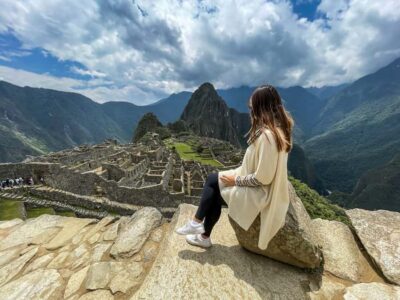

2-Day Tour: Sacred Valley and Machu Picchu by Train
Read our review →