
Reviewed · LAKE TITICACA TOURS
From Cusco: Titicaca Lake – Full day tour with sleeper bus
Lake Titicaca rewards an early start. This long overnight trip links Cusco and Puno with a boat day on one of South America’s most remarkable lakes, including time with families on the Uros floating islands and Taquile. I especially like the small group of up to 16 people and the chance to eat lunch with a local family rather than spend the entire day at a standard restaurant. The 160-degree reclining seats also make the overnight bus far more manageable than an ordinary coach.
The catch is simple: this is a tiring schedule, not a gentle holiday. You spend roughly 16 hours on buses, and the return arrangements need careful attention. The shower in Puno may require paying for a hostel room, the optional reed boat costs extra, and hotel drop-off in Cusco has not always gone as expected.
In This Review
- Five things to know before you go
- Why this route makes sense from Cusco
- The first night: Cusco to Puno by sleeper bus
- Puno at dawn: breakfast, storage, and the shower question
- Speedboat across Lake Titicaca
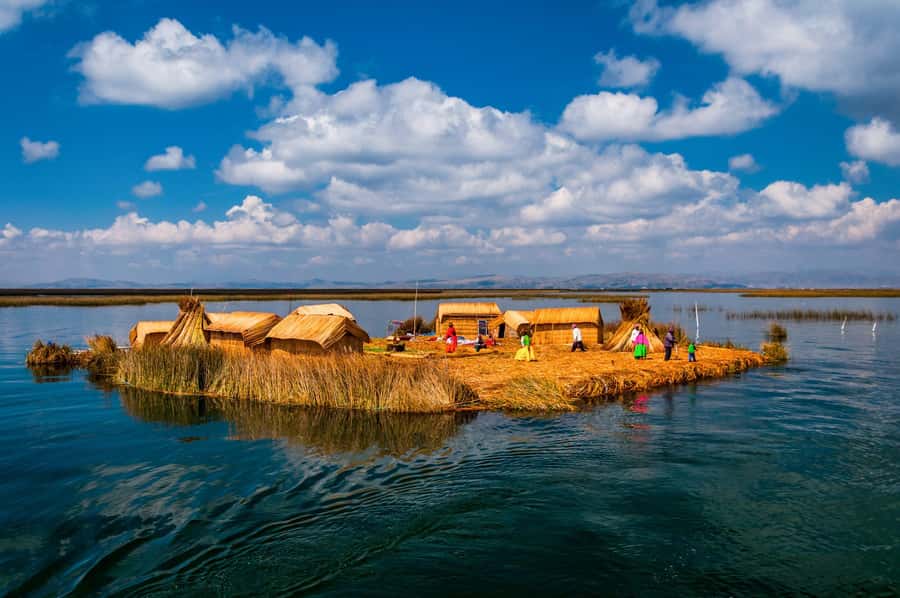
- Uros: floating islands built from totora reeds
- Taquile Island: walking, weaving, and lunch
- The free afternoon in Puno
- The return to Cusco
- Is $119 good value?
- Who should book this experience?
- My verdict: a useful shortcut with a demanding schedule
- FAQ
- How long does the Lake Titicaca tour take?
- Where does pickup take place in Cusco?
- Are the overnight buses comfortable?
- Is breakfast included?
- Can I take a shower in Puno?
- What islands does the tour visit?
- Is the reed boat ride included?
- How much walking is involved?
- What is included in the price?
Five things to know before you go
- Two overnight bus rides shape the whole trip: You leave Cusco at 9:00 PM and return from Puno at 9:00 PM the following evening, arriving back around 5:30 AM.
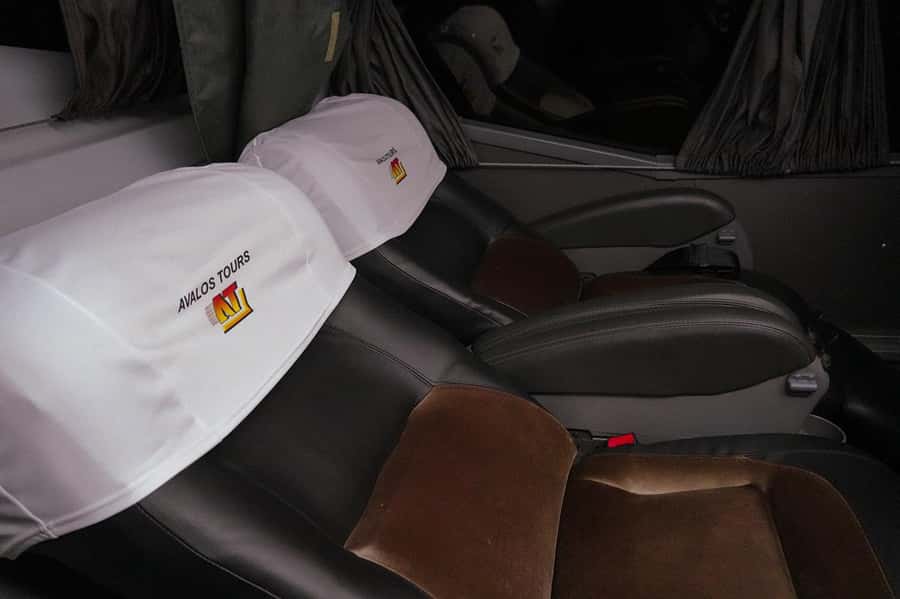
- The sleeper seats recline 160 degrees: They are much more comfortable than standard bus seats, though bus temperature and bathroom conditions can vary.
- The Uros visit is cultural and commercial: You will hear about reed construction and local life, but you may also be encouraged to buy crafts or pay for a reed boat ride.
- Taquile includes a 40-minute walk: The island has steep slopes, rolling hills, terraces, and cliffs, so warm shoes matter.
- The best value is convenience: At about $119, the price combines transport, guides, boat transfers, breakfast, lunch, and a full lake excursion, but it does not include drinks, dinner, or every local fee.
Why this route makes sense from Cusco
Cusco and Lake Titicaca are separated by a long overland journey. A normal sightseeing day at the lake can require a hotel night in Puno, extra transfers, and separate bookings for boats and guides. This option compresses the journey into 36 hours, using overnight buses so you do not pay for two hotel nights.
That efficiency is the main reason I would consider it. You leave your accommodation in Cusco’s historic center at 9:00 PM, sleep as well as possible on the bus, spend the daylight hours on the lake, then return overnight. It is a useful choice if your Peru schedule is tight and you want to see Titicaca without arranging the pieces yourself.
It is not the right plan if you dislike long bus journeys or need a full night of sleep before walking at altitude. You should already be in Cusco for a day or two to adjust before attempting this trip. Lake Titicaca sits at a very high elevation, and the combination of altitude, limited sleep, and a long day outdoors can feel demanding.
More Lake Titicaca Tours in Cusco
- 6-Day Best of Peru: Cusco, Machu Picchu, and Lake Titicaca Tour
★ 5.0 · 123 reviews - Full Day Lake Titicaca Tour from Cusco
★ 4.5 · 91 reviews - From Cusco: 2-Day Lake Titicaca Tour
★ 4.4 · 74 reviews
The first night: Cusco to Puno by sleeper bus
Pickup is listed for accommodations in Cusco’s historic center. The practical details can vary, so keep your phone available and confirm whether you are being taken directly to the bus station or meeting the vehicle there. One traveler was dropped at the terminal and had to locate the correct public bus, while others were guided from their accommodation to the station.
That distinction matters. The bus may function as regular intercity transportation rather than a private tour coach. Your tickets may be sent through WhatsApp, and you may need to find the departure platform yourself. Ask clearly:
- Which bus company is being used?
- Where exactly is the pickup point?
- Do you need to show a digital ticket or passport?
- Are blankets provided?
The 160-degree seats are the bright spot. They recline close to flat and are described as comfortable for the overnight ride. Still, bring a warm layer or small blanket. One ride was reported as uncomfortably hot, while another was more pleasant. Bus bathrooms have also been short on toilet paper and soap, so pack tissues and hand sanitizer.
You should bring your passport or national ID, warm clothing, sunglasses, a hat, and warm shoes. A small overnight bag is easier than carrying your full luggage around the lake.
Puno at dawn: breakfast, storage, and the shower question
Arrival in Puno is expected in the early morning, after about eight hours on the bus. A local host then takes you to a hostel where you can have breakfast, use the bathroom, change clothes, and leave larger bags while you visit the lake.
The breakfast is continental and useful rather than memorable. It gives you something to eat before the boat and a place to get organized, but you should not expect a large regional feast. Lunch is the more important meal later in the day.
The shower needs a careful explanation. The description says you have the chance to shower, but this may mean booking and paying for a hostel room. It is not necessarily included at no charge. If washing up is important to you after the overnight ride, ask the operator about the current fee before departure.
This stop is also where communication matters most. Keep the hostel’s name and address, and ask exactly where you will return after the lake trip. The afternoon is free in Puno, but the group may be left near the main square rather than returned directly to the hostel until later.
Speedboat across Lake Titicaca
From Puno, you board a speedboat for the trip toward the islands. The ride is part of the attraction. The lake opens around you, with high plateaus and rugged mountain ranges forming a dramatic backdrop to the water.
The boat journey also sets the rhythm for the day. You spend a good amount of time seated on the water, so bring sun protection and a warm layer. Titicaca can look calm and bright, but the high-altitude sun is strong. Sunglasses and a hat are not decorative extras here.
The speedboat makes the route practical. It cuts down the time between stops and allows you to visit both Uros and Taquile in one day. The tradeoff is that the schedule remains fairly tight, with the main emphasis on guided visits rather than long, quiet periods alone on the islands.
More of Lake Titicaca by boat:
- From Cusco: 2-Night Lake Titicaca Excursion
★ 3.7 · 62 reviews - From Cusco: Lake Titicaca, Uros and Amantani by sleeper bus
★ 3.7 · 24 reviews - Best of Peru in 6 days: Cusco, Machu Picchu and Lake Titicaca
★ 5.0 · 19 reviews - From Cusco: Uros Excursion to Uros Island – Taquile + Lunch.
★ 3.0 · 6 reviews
Uros: floating islands built from totora reeds
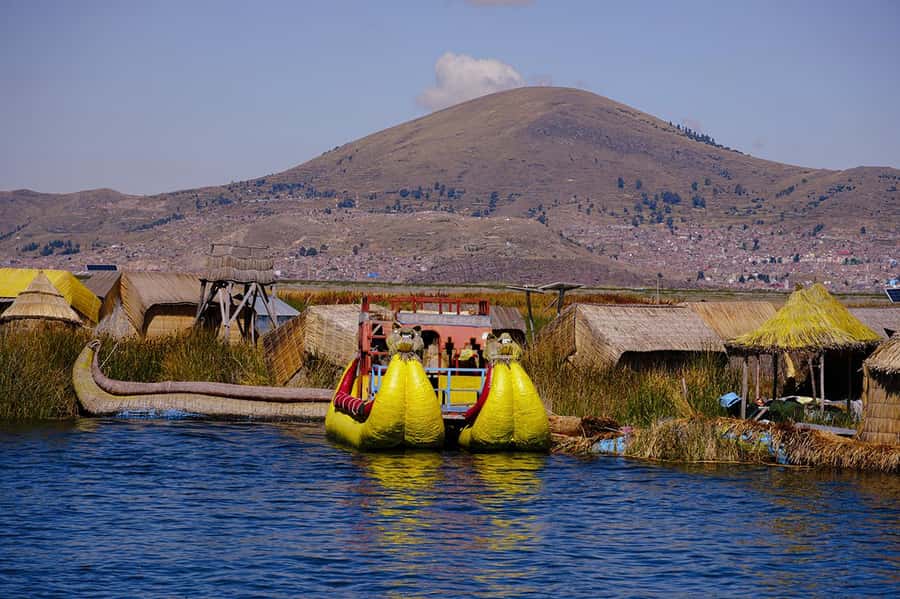
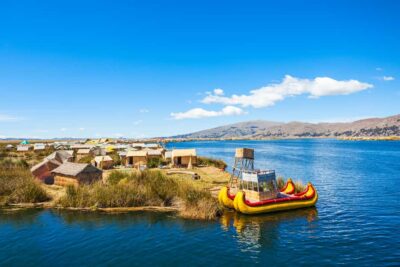
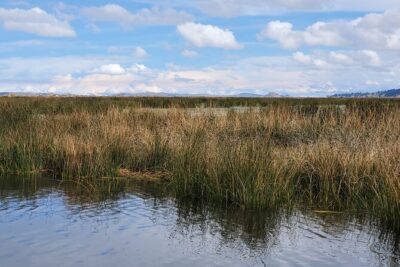
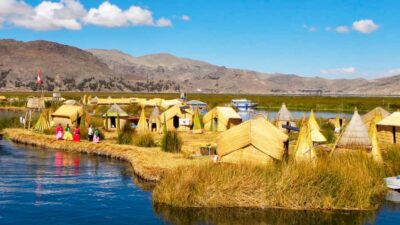
The first main stop is the Uros floating islands. These artificial islands are made from totora reeds, a plant that grows around Lake Titicaca. The construction is the striking part: the reeds form the island surface, homes, boats, and other structures, and they must be maintained over time.
A local family welcomes the group and explains traditions, customs, and daily life. This is a good place to ask questions about how the islands are built and how families earn money. The visit brings a human story to what might otherwise look like an unusual engineering display.
There is also a commercial side. You may be invited into homes or shown handmade crafts, then encouraged to buy something. One visitor found this pressure uncomfortable, even while enjoying the guide and the setting. I would approach the stop with an open mind and a clear budget. Buying a small item can support local households, but you should not feel required to purchase anything.
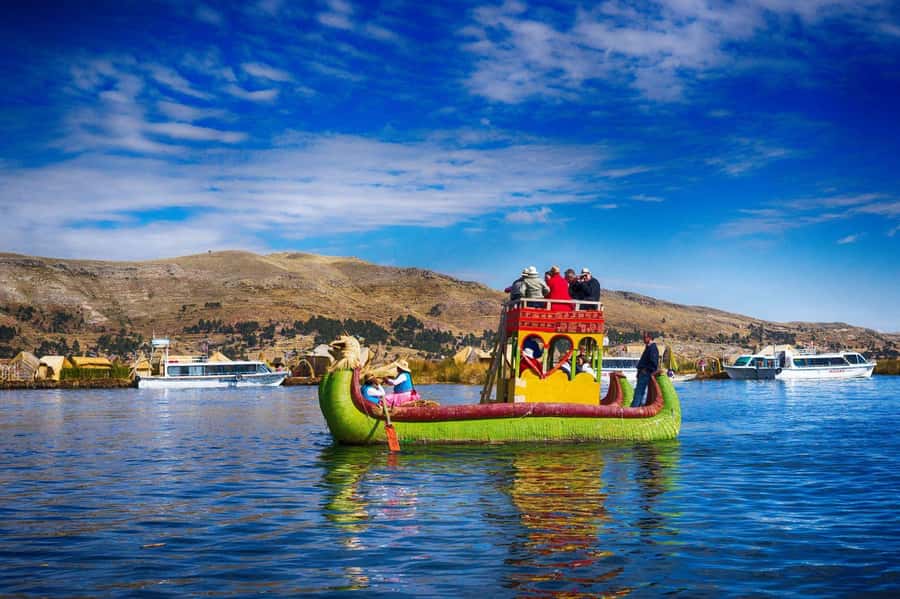
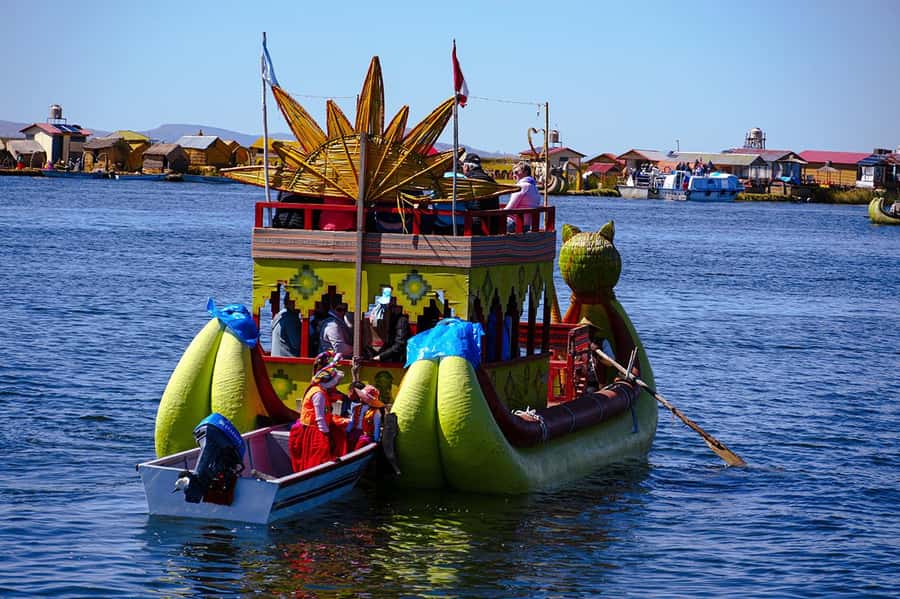
A reed boat ride is another optional extra. It costs 15 soles and is not included in the tour price. Ask what the ride involves and how long it lasts before paying. If you prefer to keep costs down, you can skip it and focus on the island visit.
Taquile Island: walking, weaving, and lunch
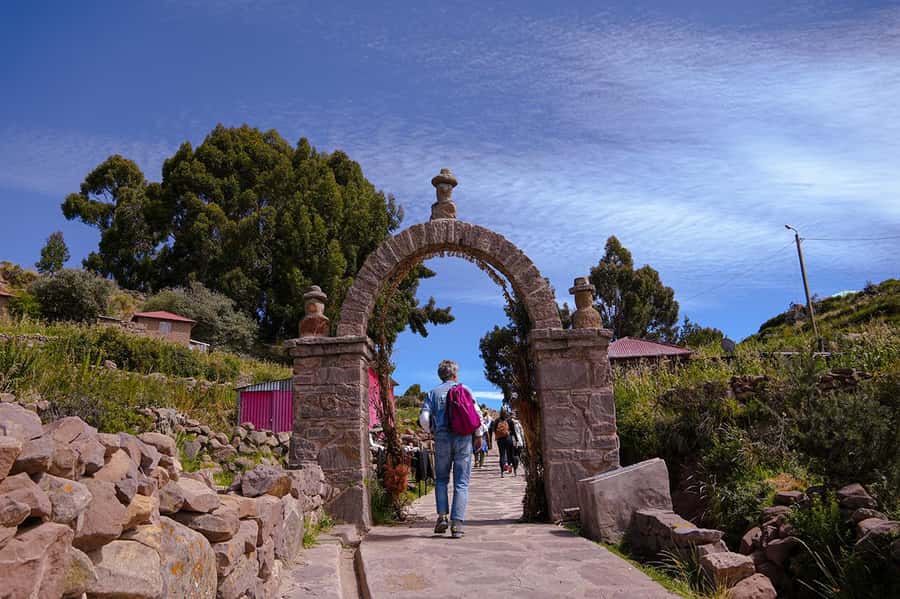
Taquile feels different from Uros. It is a natural island with rolling hills, terraced fields, and steep cliffs that drop toward the lake. The scenery is quieter and more open, though reaching the best points involves walking.
Plan on about 40 minutes of walking on uneven or sloping ground. Warm, sturdy shoes will serve you better than casual sandals. At this altitude, even a moderate uphill walk can leave you breathing hard, so take your time and keep water with you.
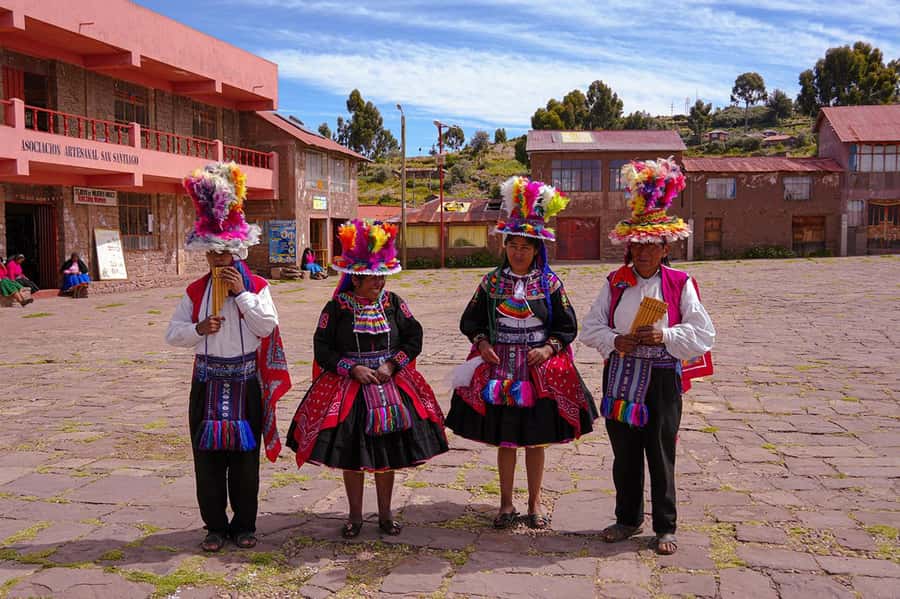
The traditional markets are a pleasant part of the stop. You can browse colorful goods, take photos, and buy a handmade souvenir. This is a good opportunity to choose something connected to the island instead of grabbing a generic item in a city shop.
The group then sits down for lunch with a local family. The meal features regional flavors and has been one of the strongest parts of the day. It feels more personal than eating at a large dining room, and it gives you a chance to see how a community shares food with visitors.
Taquile is also where the guide can add real value. Samuel, one guide identified by name, was praised for keeping the day running smoothly and explaining the islands clearly in both English and Spanish. The tour uses English- and Spanish-speaking guides, so confirm your preferred language when booking.
The free afternoon in Puno
The boat trip usually ends in the late afternoon, with time free in Puno before the 9:00 PM bus. This is not enough time for a full museum program, but it gives you room to walk around the historic center, find a drink, or sit down after the island walk.
Dinner is not included, so plan for it. You may want to eat near the main square, then return to the agreed meeting point with plenty of time. Do not assume the guide will automatically escort you from the center to the bus station. Confirm the exact pickup time and location before separating from the group.
This free period is a useful feature, but it also creates one of the tour’s weak points. The return handoff can feel unclear. Keep your operator’s WhatsApp number, save the hostel location, and ask who will collect you for the station transfer.
The return to Cusco
At 9:00 PM, you board another overnight bus to Cusco. The ride is again expected to take about eight hours, with arrival around 5:30 AM.
The seats make the trip possible, but they do not turn it into a hotel room. You may sleep well enough, or you may wake often because of temperature, noise, or normal bus movement. I would avoid scheduling a demanding activity immediately after arrival.
Hotel drop-off in Cusco deserves special attention. It is advertised as included, and some people were collected successfully. Others arrived without anyone waiting and had to arrange a taxi or contact the operator. One person was reimbursed for a taxi, while another had trouble getting a response.
Before leaving Puno, confirm three things in writing: the arrival terminal in Cusco, the exact pickup procedure, and whether your accommodation is within the historic-center service area. If you have a flight soon after arrival, leave a generous buffer.
Is $119 good value?
At roughly $119 per person, I see this as a convenience purchase rather than a luxury tour. The cost covers the two sleeper-bus journeys, hotel pickup and drop-off in the central Cusco area, the English- or Spanish-speaking guide, speedboat transportation, breakfast, and lunch with a local family.
Arranging the same day independently could mean comparing bus schedules, finding Puno storage, organizing a shower, booking boat transport, locating a guide, and sorting out the two islands. This tour removes much of that work. For a solo visitor, the small group and organized contacts can also make the journey feel safer and less stressful.
The price does not cover drinks, dinner, the 1.50-sol return boarding tax, or the 15-sol reed boat. The shower may also cost extra if you need to book a hostel room. Bring Peruvian soles for these small expenses.
The food is practical but not a major reason to book. Breakfast can be plain, and the included drinks are limited because drinks are not covered. The Taquile lunch is the better meal and the more meaningful part of the food plan.
Who should book this experience?
I would recommend it to you if:
- You have limited time in Peru and want to see Lake Titicaca from Cusco.
- You can tolerate two overnight bus journeys.
- You like guided cultural visits and local meals.
- You are comfortable with a busy schedule and some uncertainty around transfers.
- You are traveling alone and value a small group with an English- or Spanish-speaking guide.
- You want to visit both Uros and Taquile without arranging separate services.
I would choose a slower trip instead if you want several days in Puno, private transport, guaranteed hotel service, or a full night in a bed. I would also think twice if you are still adjusting to Cusco’s altitude or if you need a shower and proper breakfast after every overnight journey.
Free cancellation is available up to 24 hours before departure, and you can reserve now and pay later. Those terms help if your Peru plans are still moving, but they do not remove the need to check the transport details.
My verdict: a useful shortcut with a demanding schedule
I like this tour because it gets you to both major island stops with very little planning. The Uros reed islands, Taquile walk, local-family lunch, and helpful guides such as Samuel give the day substance beyond a simple boat ride.
I am less comfortable with the uneven communication around bus stations, showers, luggage, and Cusco drop-off. You can reduce much of that risk by confirming every transfer through WhatsApp and carrying your own warm layer, water, tissues, and small cash.
Book it if your priority is seeing Titicaca efficiently and you accept the rough edges. Skip it if the journey matters as much as the destination. At $119, it is fair value for a tightly packed overnight connection and lake excursion, but you are paying with time, sleep, and a bit of logistical patience.
FAQ
How long does the Lake Titicaca tour take?
The full experience lasts about 36 hours. You leave Cusco at 9:00 PM, spend the daytime visiting Lake Titicaca, depart Puno at 9:00 PM, and arrive back in Cusco around 5:30 AM.
Where does pickup take place in Cusco?
Pickup is available from accommodations in Cusco’s historic center. Confirm the exact meeting details because some arrangements involve being taken to the bus terminal rather than boarding directly at your hotel.
Are the overnight buses comfortable?
The buses have seats that recline 160 degrees. They are more comfortable than regular upright seats, although temperatures can vary and bus bathrooms may not always have toilet paper or soap.
Is breakfast included?
Yes. A continental breakfast is provided in Puno after you arrive. Food quality can be basic, so you may want to carry a small snack.
Can I take a shower in Puno?
A shower is available at the hostel stop, but you may need to book and pay for a room. Ask the operator about the current arrangement and price before the trip.
What islands does the tour visit?
The tour visits the Uros floating islands and Taquile Island. Uros is known for its totora-reed construction, while Taquile has hills, terraces, markets, and local-family lunch.
Is the reed boat ride included?
No. The optional totora reed boat ride costs 15 soles per person.
How much walking is involved?
You should expect around 40 minutes of walking on Taquile Island. Warm, comfortable shoes are recommended.
What is included in the price?
The price includes central Cusco pickup and drop-off, sleeper-bus transportation to and from Puno, a live English- or Spanish-speaking guide, speedboat transfers, continental breakfast, and lunch with a local family. Drinks, dinner, the boarding tax, and the optional reed boat are not included.
Added recently around Cusco
- Guided tour of the mountain of colors in Cusco★ 5.0 · 11 reviews
- 2-Day Private Short Inca Trail to Machu Picchu★ 5.0 · 15 reviews
- City Tour Cusco – Group★ 5.0 · 4 reviews
- Tour Sacred Valley with Maras and Moray★ 5.0 · 15 reviews
- San Pedro Market Tour with Peruvian Cooking Class★ 5.0 · 31 reviews
- Walking Culinary Experience★ 5.0 · 41 reviews
- City Tour in Cusco★ 4.5 · 10 reviews
- One Day Tour to Humantay Lagoon★ 5.0 · 8 reviews
Lake Titicaca Tours, compared.
Tour to Uros and Taquile Islands in a Fast Boat
Read our review →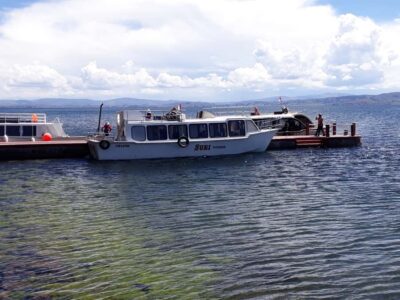

Uros and Taquile Islands on New and Comfortable SpeedBoat
Read our review →
Lake Titicaca (Day Trip) Uros & Taquile Islands
Read our review →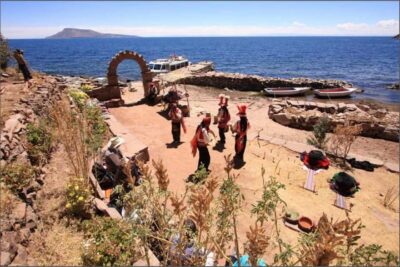
Lake Titicaca 2-Day Tour to Uros, Amantani and Taquile
Read our review →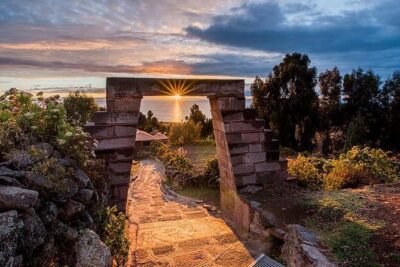
Full-Day Tour of Lake Titicaca and Uros & Taquile
Read our review →Browse the lists this tour appears in