
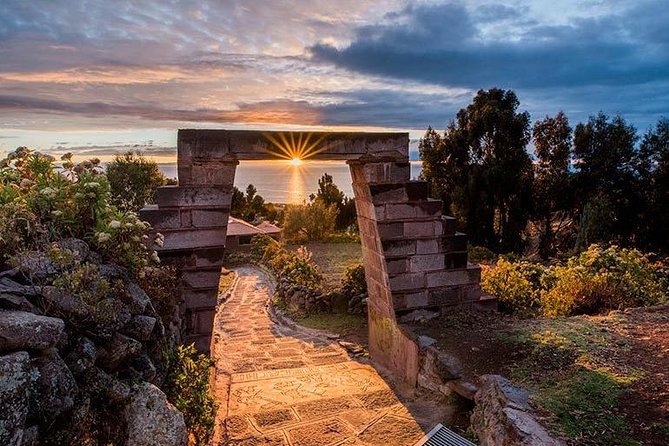
Reviewed · LAKE TITICACA TOURS
Lake Titicaca (2 Days)
Lake Titicaca rewards an overnight stay. This two-day island journey moves from the reed-built Uros islands to Amantani and Taquile, giving you far more than a quick boat ride from Puno. I like the family homestay on Amantani, where dinner, music, and a traditional dance offer a close look at island life. I also like the sunset walk to Pachamama and Pachatata, with wide views over the lake.
The tradeoff is comfort. Amantani is basic, and you may find limited water, no flushing toilet, little phone service, and few places to charge devices. The boat ride has also caused discomfort for some people because exhaust fumes can enter the cabin. Pack light, bring cash, and expect hills, cold air, changing weather, and a full schedule.
In This Review
- Key points before you book
- Leaving Puno for the Uros islands
- Seeing how the Uros islands stay afloat
- Amantani, family meals, and a night without modern comforts
- Sunset above Pachamama and Pachatata
- Dinner, traditional clothing, and island music
- Taquile’s textiles and a long return to Puno
- What the $100 price really covers
- Who will enjoy this island stay
- Should you book the Lake Titicaca two-day tour?
- FAQ
- How long does the Lake Titicaca tour last?
- Is hotel pickup included?
- What accommodation is provided on Amantani?
- Are meals included?
- How much does the optional reed boat at Uros cost?
- How large is the group?
Key points before you book
- Three very different islands: See the reed islands of Uros, the farming communities of Amantani, and Taquile’s famous textile traditions in one trip.
- A real family stay: Spend the night in a local home on Amantani, with lunch, dinner, breakfast, and a community evening.
- Sunset at 3,800-plus metres: The uphill walk to Pachamama and Pachatata gives you memorable lake views, but altitude makes the climb harder.
- Pack a small overnight bag: Large suitcases are awkward on the walk from the boat to the homestay and may need to remain on the boat.
- Carry Peruvian soles: Craft sales, drinks, snacks, the optional reed boat, and the second-day lunch require extra cash.
- Good value at $100: Transport, guide services, entrance fees, three meals, breakfast, and accommodation are included, but day-two lunch is extra.
Leaving Puno for the Uros islands
Pickup takes place between 7:45 and 8:00 a.m. from hotels in Puno’s historic centre. That early start matters. You have a long day ahead, and reaching the pier before the main part of the program gives the trip a clear rhythm.
At the pier, you can buy snacks and bottled water. Do this before boarding. Once you are on the lake, choices become limited, and cash is the practical way to pay for small purchases.
The boat ride begins with Andean folkloric music from a local musician. Your bilingual guide introduces the captain and explains the route across Lake Titicaca, described here as the world’s highest navigable lake. The upper deck is the best place for photos, though the air can be cold and the sun strong.
One point deserves attention: exhaust fumes have entered the boat cabin during the ride for at least one visitor. If you are sensitive to fumes, sit where air moves well or spend part of the crossing on the open deck. This is not a minor comfort issue on a several-hour boat journey, so it is worth raising with the guide at the start.
More of Lake Titicaca by boat:
- From Puno: Uros, Amantaní & Taquile Islands 2-Day Tour
★ 4.5 · 452 reviews - Tour to Uros and Taquile Islands in a Fast Boat
★ 5.0 · 419 reviews - From Puno: Floating Islands of the Uros Half-Day Tour
★ 4.4 · 394 reviews
Seeing how the Uros islands stay afloat
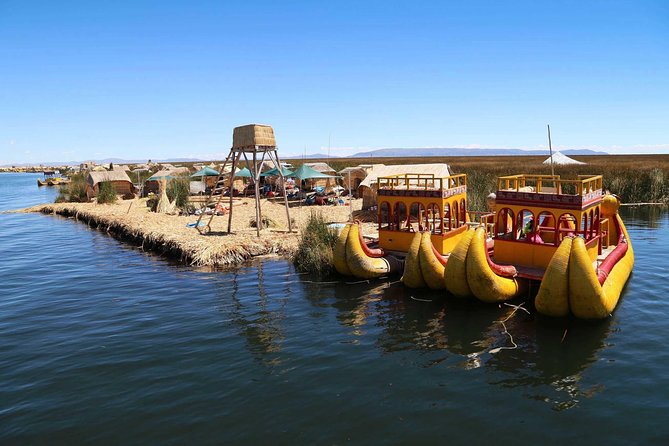
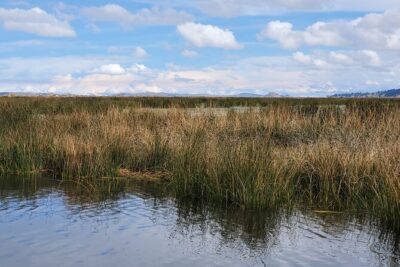
The Uros islands are made from totora reeds, the tall plants that grow around Lake Titicaca. The reeds are used to build and maintain the islands, and they also provide food. You will see how this plant shapes daily life here before the boat even reaches shore.
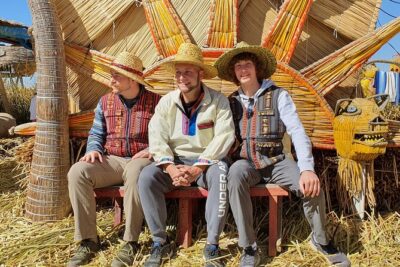
Local women in traditional clothing welcome you, and the island head explains how layers of totora are placed and renewed to keep the island intact. The presentation is short, visual, and easy to follow. It gives you a useful starting point for understanding the Uros way of life rather than simply taking photographs from a boat.
You can browse local handicrafts, and you may choose to ride a traditional totora reed boat for 10 soles. The extra ride is optional, not part of the $100 price. You can also have your passport stamped as a souvenir.
The shopping element may not suit everyone. Sales are part of the island economy, and one person found the product pitches too forceful. I suggest deciding in advance how much you want to spend. Buy something if you see an item you truly like, but do not feel obliged to purchase at every stop.
After about an hour at Uros, the boat continues toward Amantani. This is the point where the trip shifts from a short cultural stop to a more personal overnight visit.
Amantani, family meals, and a night without modern comforts
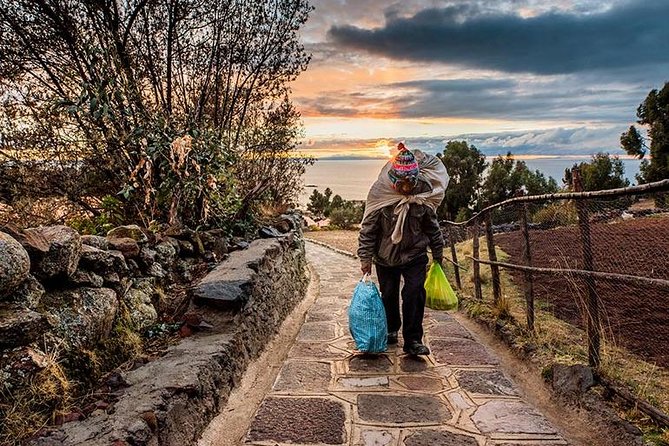
When the boat reaches Amantani, a host family meets you and walks you to the house where you will sleep. The walk is important to plan for. Cobblestones, hills, and the need to carry your own belongings make a large suitcase a poor choice.
Bring a small backpack with one night of clothing, toiletries, medication, water, and anything you need during the stay. Large luggage may remain on the boat because it is too bulky to carry to the homestay. You do not want to begin your island visit by wrestling a suitcase uphill.
Lunch is prepared by the family and included in the tour. Dinner and breakfast are included as well, with vegetarian options available for dinner. Meals are a valuable part of the visit because they place you in the home rather than keeping you in a separate tourist dining room.
The accommodation is simple. The description promises a private room, but one person was asked to share, so I would confirm the sleeping arrangement before departure if privacy matters to you. The homestead may also have no running water, shower, or flushing toilet. Limited facilities are not a flaw in themselves, but you should know what you are buying.
After lunch, you have free time for a nap or a walk through the island’s cobbled streets. This pause is welcome after the morning boat ride. You can look at cultivated fields, meet residents, and enjoy the quiet pace before the evening climb.
Sunset above Pachamama and Pachatata
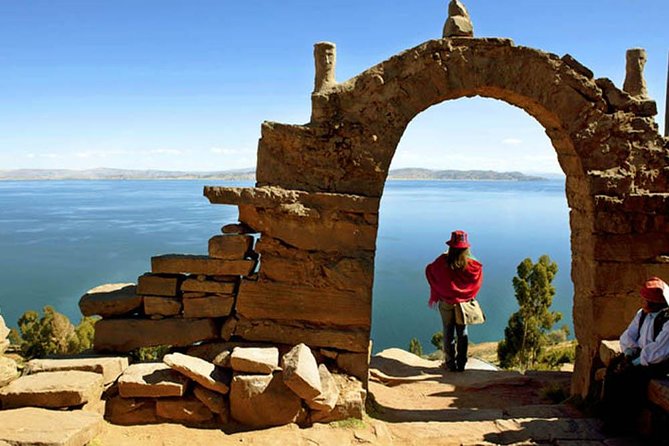
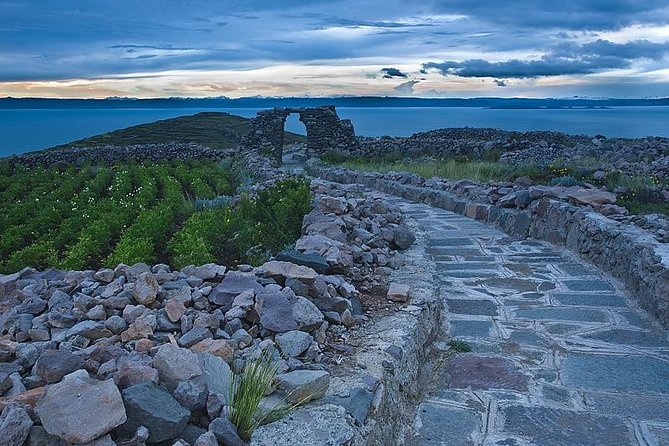
Later in the day, the guide leads an uphill walk to the ancient Incan temples of Pachamama and Pachatata. The reward is a broad view across Lake Titicaca and, if the timing is right, sunset over the water.
Altitude changes the nature of this walk. Even a route that sounds short can feel demanding when you are already high above sea level. One account described roughly 26 kilometres of walking over the day, while the planned visit itself is presented as a short uphill walk. The exact distance will depend on the route, walking pace, and time spent exploring, but you should still expect a physically active day.
Move slowly, drink water, and leave room in your schedule for the climb. Coca tea and coca leaves were suggested as local ways to cope with altitude, though you should use your own judgment and follow medical advice for altitude concerns. Puno and the islands are not places to treat the first day as a race.
The temples are more than a photo stop. They connect the island’s natural setting with its agricultural and spiritual traditions. The views are the main reward, but the climb also helps you understand how much of island life is shaped by slopes, weather, and distance.
A few more Puno trips worth lining up side by side
- From Cusco: Vinicunca Rainbow Mountain ATV Tour with Meals
★ 4.6 · 1,060 reviews - Uros and Taquile Islands on New and Comfortable SpeedBoat
★ 4.5 · 254 reviews - Lake Titicaca (Day Trip) Uros & Taquile Islands
★ 4.5 · 245 reviews - Lake Titicaca 2-Day Tour to Uros, Amantani and Taquile
★ 4.4 · 199 reviews
Dinner, traditional clothing, and island music
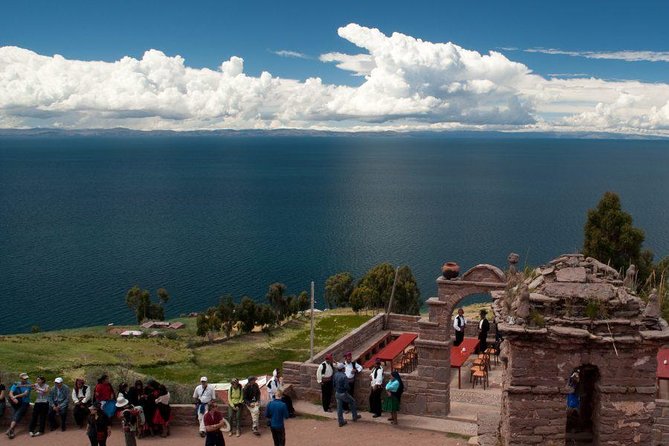
After returning to the homestead, the family prepares dinner. Later, your host helps you put on traditional clothing and walks with you to the community hall.
Young men from Amantani play live Andean folkloric music, and visitors join the dancing. It is a simple community event, not a polished stage performance, which is part of its appeal. You are not just watching a show from a seat. You are taking part in an evening arranged around local music and social life.
Keep your expectations realistic. This is not a luxury cultural production, and the clothing may feel unfamiliar or theatrical. Still, it is one of the most memorable parts of the trip because it breaks down the distance between an organized excursion and a visit hosted by a family.
The evening is also a reminder that Amantani is not a place for constant connection. There is limited cell service, no Wi-Fi, and limited charging for phones. I see that as a benefit if you want a genuine break from screens, but it requires preparation. Charge devices in Puno and carry a power bank if you have one.
Taquile’s textiles and a long return to Puno
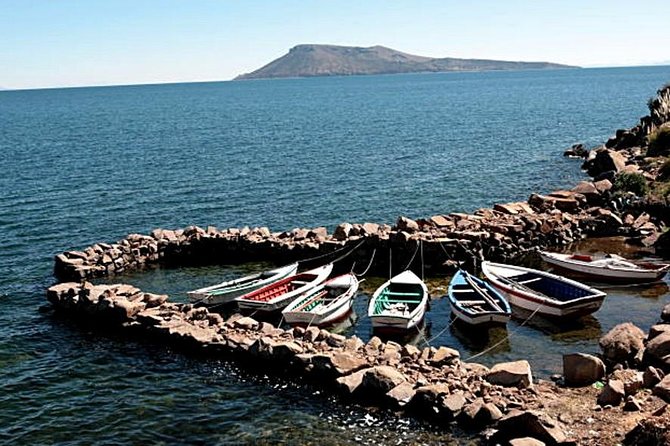
After breakfast with the family, you board the ferry for Taquile Island. Taquile is home to about 2,000 Quechua residents, many of whom work as farmers, fishermen, and textile makers.
The island is known for its fine textiles, which have UNESCO recognition. The craft tradition is especially interesting because men do much of the knitting while women handle weaving and prepare yarn. Boys begin learning the work at about age eight, and the familiar chuyo hats are among the best-known products.
This is a good place to look closely at the garments people wear. Textiles are not merely souvenirs here. They carry community traditions and help support the island’s economy. The village also manages its visitor activity as a community, giving the stop a more organized local structure than a simple market visit.
Lunch on Taquile is not included. The supplied information gives two different prices, 20 soles in the itinerary and 30 soles in the additional information, so budget 30 soles to be safe and confirm the current amount with the operator. Bring cash, since card payment is not presented as an option.
After lunch, the boat returns to Puno. The full Taquile portion lasts about eight hours, including the island visit, meal stop, and return crossing. On arrival, the operator transfers you back to a hotel in the historic centre.
What the $100 price really covers
At $100 per person, the tour offers solid value if you want transport and arrangements handled for you. The price includes round-trip transport from a central Puno hotel, boat transport, a bilingual local guide, entrance fees, one night on Amantani, lunch and dinner on the first day, and breakfast.
The homestay is the key value. Booking transport, an island family, meals, and the evening activity separately would take time and some Spanish or local help. You also avoid trying to organize boat connections between three islands on your own.
The price is less attractive if you want hotel-level comfort, a private room guaranteed in writing, or every meal included. Add 10 soles for the optional reed boat, money for crafts and drinks, and up to 30 soles for lunch on Taquile. If your Puno hotel is outside the historic centre, pickup or drop-off costs 25 soles each way.
The group can reach 25 people. That is large enough to make the boat and island visits feel organized, but small enough for a guide to manage the main activities. Your exact experience will still depend on the boat layout and how clearly the guide handles the group.
Who will enjoy this island stay
I would recommend this trip to you if you want cultural contact, simple accommodation, scenic boat rides, and a structured way to see several islands. It suits people who enjoy walking, local meals, folk music, and learning how communities make a living.
It is also a good choice if you have only two days in Puno but want more than Uros. The overnight stay gives you sunset on Amantani and time to see Taquile without cramming everything into one rushed day.
I would hesitate if you need reliable showers, strong phone service, private accommodation, or a quiet boat cabin without fumes. The same is true if hills and high altitude are a serious concern. You can still ask questions before booking, but the basic character of Amantani will not change.
For the best experience, prepare like this:
- Carry a small backpack, not a suitcase.
- Bring layers for sun, cold, wind, and rain.
- Pack water and snacks from Puno.
- Carry Peruvian soles for optional costs and purchases.
- Charge your phone before leaving.
- Keep medication and personal essentials with you, not in luggage left on the boat.
- Walk slowly on the Amantani climb.
- Ask in advance about room arrangements and boat seating.
Should you book the Lake Titicaca two-day tour?
Book it if the family homestay and island culture matter more to you than comfort. The strongest parts are the Amantani welcome, the sunset temples, the shared music evening, and the chance to see Taquile’s unusual textile traditions.
Skip it if you want a smooth luxury outing or dislike organized sales stops. You may also prefer a shorter trip if you are not ready for high-altitude walking and basic island facilities.
For $100, the package is fair because it combines transport, meals, guiding, fees, and a homestay across three distinct places. Just treat the price as a starting point, not the final spend. Bring cash, pack light, confirm the room and second-day lunch details, and approach the trip as a cultural visit rather than a hotel stay.
FAQ
How long does the Lake Titicaca tour last?
The tour lasts approximately two days. The first day includes Uros and Amantani, while the second day includes Taquile and the return to Puno.
Is hotel pickup included?
Pickup and return are included for hotels within Puno’s historic centre. Hotels outside the centre may require an extra charge of 25 soles per way.
What accommodation is provided on Amantani?
The tour includes one night at a local family homestay on Amantani Island. The description indicates a private room, but you should confirm the arrangement before departure because room sharing has occurred.
Are meals included?
Lunch and dinner on the first day and breakfast on the second day are included. Lunch on Taquile is not included and costs approximately 20 to 30 soles according to the supplied information.
How much does the optional reed boat at Uros cost?
The traditional totora reed boat ride costs 10 soles. It is optional and is not included in the tour price.
How large is the group?
The tour has a maximum of 25 people and includes a bilingual local guide.
Added recently around Puno
- Sun island and Copacabana | From Puno or La Paz / Day Trip★ 4.1 · 5 reviews
- Aymara Route Mystical Cultural Tour★ 4.7 · 27 reviews
- Puno: Uros and Taquile Islands Full-Day Tour with Lunch★ 4.5 · 17 reviews
- Puno: History and Culture Walking Tour★ 4.1 · 13 reviews
- Puno: Lake Titicaca, Uros, and Taquile Full-Day Tour★ 4.5 · 4 reviews
- Puno: 3-hour trip to the floating Uros Islands★ 4.5 · 9 reviews
- Puno: Lake Titicaca Day Tour★ 4.5 · 17 reviews
- Puno: 2 Day Visit to Uros, Amantani and Taquile★ 4.5 · 13 reviews
Lake Titicaca Tours, compared.
Tour to Uros and Taquile Islands in a Fast Boat
Read our review →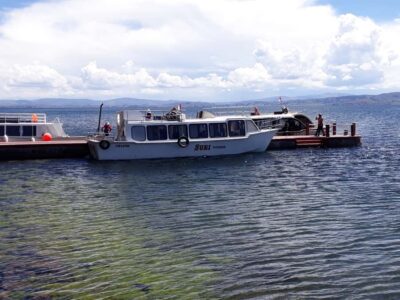
Uros and Taquile Islands on New and Comfortable SpeedBoat
Read our review →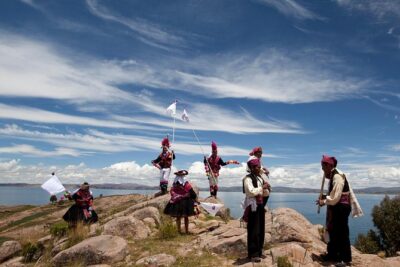
Lake Titicaca (Day Trip) Uros & Taquile Islands
Read our review →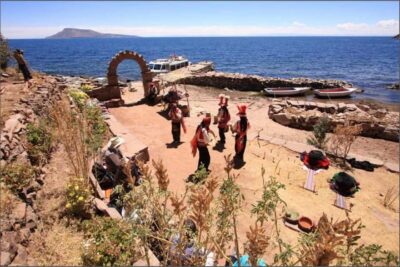
Lake Titicaca 2-Day Tour to Uros, Amantani and Taquile
Read our review →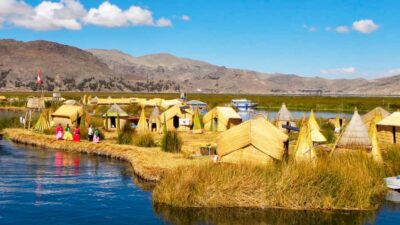
Full-Day Tour of Lake Titicaca and Uros & Taquile
Read our review →
6-Day Best of Peru: Cusco, Machu Picchu, and Lake Titicaca Tour
Read our review →Browse the lists this tour appears in