
Reviewed · MACHU PICCHU TOURS
Inca trail 4 days to Machu Picchu
The Inca Trail earns its reputation the hard way. This four-day trek combines ancient ruins, high mountain passes, camping, and a memorable approach to Machu Picchu through the Sun Gate. I like the small maximum group of 15 and the fact that permits, porters, meals, camps, buses, and trains are bundled into the $849 price. I also like the strong personal praise for guide Rosalio and chef Tomas.
The catch is simple: this is a serious hike, not a gentle sightseeing package. Day 2 takes about 10 hours and reaches 4,215 meters, so altitude, steep climbs, and basic camping will test you. The trip is also non-refundable, apart from a cancellation caused by poor weather.
In This Review
- Key points at a glance
- Why this four-day route is special
- Day 1: From Km. 82 to Ayapata
- Day 2: Dead Woman’s Pass at 4,215 meters
- Day 3: Phuyupatamarca, Intipata, and Wiñay Wayna
- Day 4: Entering Machu Picchu through the Sun Gate
- What the $849 price really covers
- Camping, food, and the 6-kilo duffel
- Group size, guide service, and pace
- Who should book this trek?
- The final decision
- FAQ
- Where does the Inca Trail trek begin?
- What time is hotel pickup?
- How high is Dead Woman’s Pass?
- How many nights do you camp?
- Is food included?
- Are porters included?
- Are sleeping bags and trekking poles included?
- Is the Machu Picchu entrance ticket included?
- Can I cancel the tour for a refund?
Key points at a glance
- Reach Machu Picchu through the Sun Gate: You enter the citadel after hiking the classic Inca approach rather than arriving first by train.
- Day 2 is the big test: The route climbs to Dead Woman’s Pass at 4,215 meters before dropping into the Pacaymayu Valley.
- A useful all-in price: The $849 covers the Inca Trail and Machu Picchu permits, transport, camping, meals, porters, and the return train to Ollantaytambo.
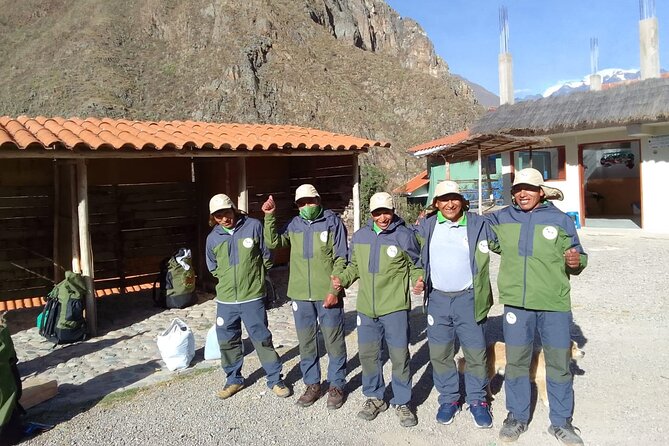
- Personal service gets high praise: Guide Rosalio is repeatedly singled out for clear explanations and patience, while chef Tomas receives warm praise for regional food.
- You camp for three nights: Tents and camping equipment are supplied, but sleeping bags, air mattresses, and trekking poles cost extra.
- Pack light, but not too light: Porters carry a duffel of up to 6 kilos, leaving you to carry your day-use essentials.
Why this four-day route is special
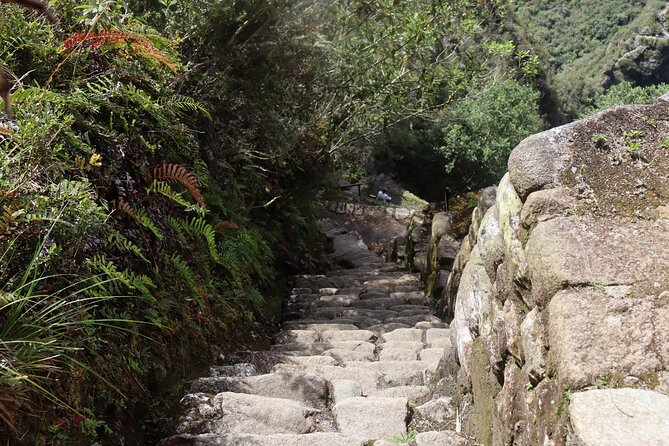
The classic Inca Trail is not just a footpath ending at a famous ruin. It is a connected route through stone terraces, cloud forest, mountain passes, and ceremonial sites. Each day gives you a different kind of walking, from the relatively easy opening miles to the punishing ascent of Dead Woman’s Pass.
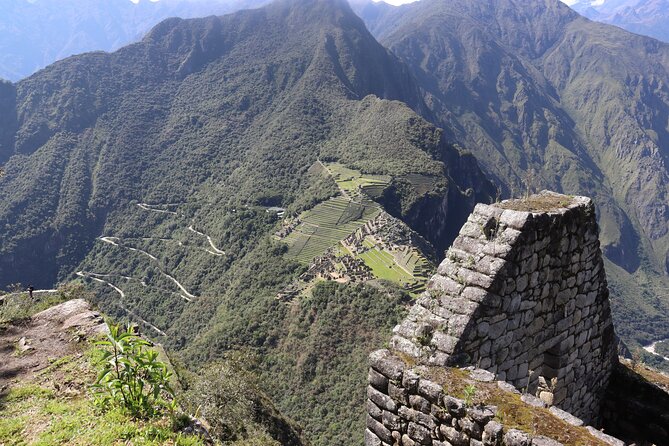
I like that the route saves Machu Picchu for the final morning. You spend three days earning the arrival, then walk through the Sun Gate with the citadel spread below you. That approach gives the destination a sense of place that is hard to get when your first sight comes from a bus.
The trip begins with a 4:30 am pickup from your Cusco hotel. All hotels in Cusco are included in the pickup area, with collection taking place within 30 minutes of the stated departure time. You will also attend a safety briefing at the company office at 6:00 pm on the day before the trek.
That briefing matters. It is your chance to confirm the meeting time, understand what goes into the porter duffel, and ask about the next four days before you leave the city.
Other Inca Trail departures:
- Classic Inca Trail Trek 4D/3N to Machu Picchu (Group Service)
★ 5.0 · 8,653 reviews - Machu Picchu: 4-Day Inca Trail Trek with Panoramic Train Ride
★ 5.0 · 4,568 reviews - Short Inca Trail to Machu Picchu 2D/1N
★ 5.0 · 3,007 reviews
Day 1: From Km. 82 to Ayapata
Your first transfer takes you to Km. 82, the checkpoint where the trek begins. After reporting there, you follow an easier section for about two hours to Llactapata, the first archaeological site on the route.
Llactapata gives you an early reward before the harder days begin. The route then continues for another two hours to Hatuncancha, where lunch is served. After a break, you walk for roughly two more hours to Ayapata, your first camp.
The full walking time is about six hours. That is a solid opening day, but it is arranged sensibly: an easier start, a meal in the middle, and a camp prepared before you arrive.
The supplied program says the staff will have the campsite ready, with a hot drink and a snack waiting in the evening. That small detail matters after a full day on your feet. You are not expected to arrive and start pitching a tent before dinner.
Your first night also introduces the basic rhythm of the trip. You walk during the day, eat meals prepared by the support team, and sleep at a camp rather than returning to a hotel. If you need a sleeping bag, air mattress, or trekking poles, arrange those as paid extras. They are not part of the base price.
Day 2: Dead Woman’s Pass at 4,215 meters
Day 2 is the hardest part of the route for most people. A cup of tea or coffee comes before breakfast, then the trail climbs for about four hours toward Dead Woman’s Pass, also called the highest point of the trek.
At 4,215 meters, or 13,829 feet, the pass is high enough to make the climb feel slow and demanding. The program allows time to stop at the summit and take in the surrounding views before the route turns downhill.
I would treat this as a day for patience, not speed. You have about two hours of descent to Pacaymayu Valley, where lunch awaits. The downhill section may feel easier on your breathing, but it can be tiring on your knees.
After lunch, the route changes character again. You walk for about two hours on easier ground and pass the archaeological sites of Runqurakay and Sayacmarca. These stops break up the physical effort and give your guide room to explain how the route functioned in Inca times.
After roughly 20 minutes more walking, you reach Chaquicocha camp. The total day is listed at about 10 hours, so the early start and proper pacing are important. This is not the day to spend your energy racing ahead for photographs.
The company requires a strong level of physical fitness. That warning is especially relevant here. You should be comfortable with long uphill walks, long downhill walks, and repeated days of hiking before booking. A positive attitude helps, but it does not replace legs that are ready for the work.
Day 3: Phuyupatamarca, Intipata, and Wiñay Wayna
Day 3 is shorter than the previous one, with about seven hours of walking, but it still gives you plenty to see. The route takes around five hours to reach camp, passing the archaeological sites of Phuyupatamarca and Intipata.
The day is described as varied, which is useful after the major climb of Day 2. You arrive at camp around lunchtime, eat, and have time to rest. That pause is not wasted time. It gives you a chance to dry clothing, sort your pack, and let tired legs recover before the afternoon visit.
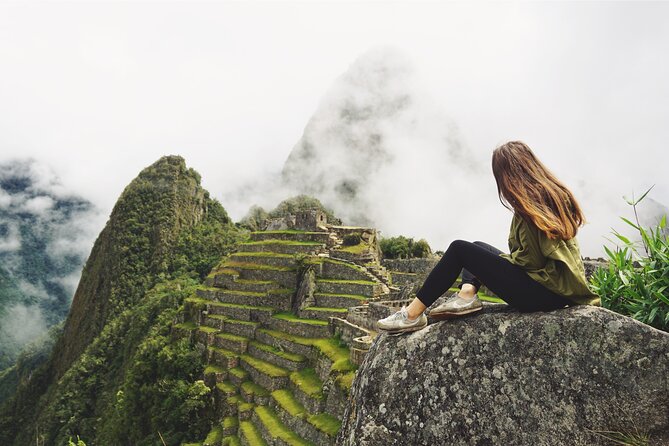
Later, you visit Wiñay Wayna, one of the most striking sites along the Inca Trail. Here, your guide explains the site and its role along the route. The visit is followed by a return to camp for rest.
This is where a good guide can change the quality of the trek. The strongest praise for this trip is directed toward Rosalio, who is credited with detailed explanations of the ruins and Machu Picchu, along with patience when the group needed to rest on steep climbs.
That patience is worth noting. A guide who can explain a site clearly is useful. A guide who also understands when people need a pause is even more useful on a demanding route.
The food also receives unusually specific praise. Chef Tomas is mentioned for preparing breakfast, lunch, dinner, tea, and snacks with regional products. The comments also highlight clean, orderly meal service. You should not expect restaurant comforts in a mountain camp, but hot, well-organized meals can make a major difference to your energy and mood.
Other ways to reach Machu Picchu:
- 2-Day Inca Trail to Machu Picchu with Panoramic Train
★ 5.0 · 1,876 reviews - From Cusco: Full-Day Group Tour of Machu Picchu
★ 4.7 · 1,767 reviews - Machu Picchu Day Trip from Cusco
★ 4.5 · 1,644 reviews - 2-Day Tour: Sacred Valley and Machu Picchu by Train
★ 5.0 · 1,127 reviews
Day 4: Entering Machu Picchu through the Sun Gate
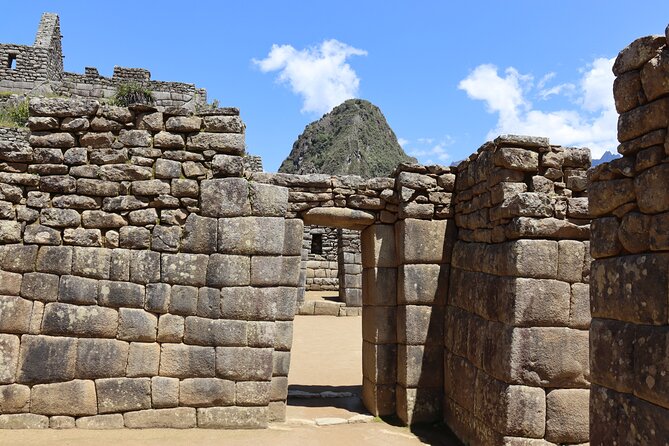
The final morning begins early. After breakfast, you walk for about an hour to the Sun Gate, known as Inti Punku. This is the classic arrival point for people completing the Inca Trail.
From the Sun Gate, you look toward Machu Picchu before descending to the citadel itself. The sequence is important: first the broad view, then the guided walk through the Inca city.
Your guide leads the Machu Picchu visit and explains the site. The comments about Rosalio repeatedly praise his ability to bring the past to life and point out good places for photographs. That combination is useful here, since the citadel can otherwise feel like a maze of stone walls and terraces.
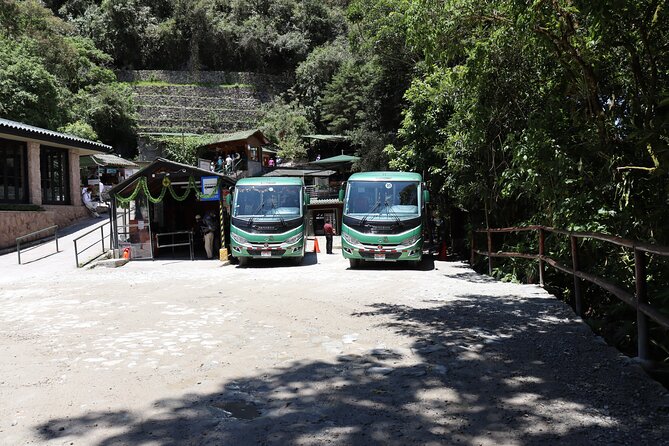
The total day is listed at about seven hours. After the guided visit, you take the bus down to Machu Picchu Pueblo, also called Aguas Calientes. Lunch is not included, so you will need to pay for that yourself. You then have free time before taking the train to Ollantaytambo and returning to Cusco.
The final transport package is a major practical benefit. You do not need to arrange the bus, train, and onward connection separately. Still, the return is a long travel day after four days on foot, so keep your plans in Cusco light that evening.
What the $849 price really covers
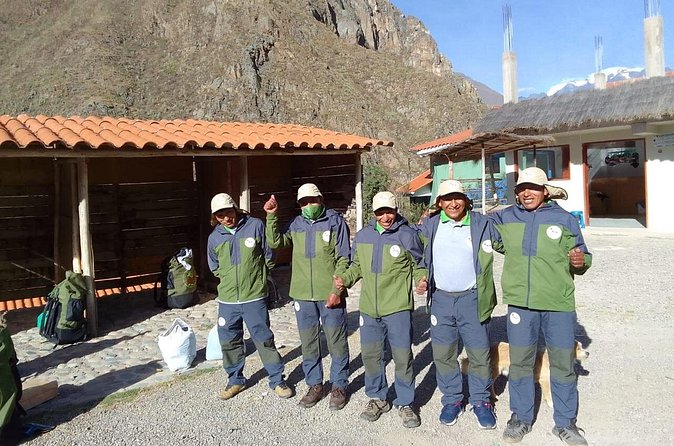
At $849 per person, this is not a budget walk with a bare permit attached. It is a supported trek with several costly pieces included.
The price covers:
- Pickup from your Cusco hotel
- Transportation during the trek
- The Inca Trail entrance permit
- The Machu Picchu entrance ticket
- Three nights of camping with equipment
- Professional mountain guides
- Chefs and porters
- Breakfast for four mornings
- Three lunches during the trek
- Three dinners
- A porter-carried duffel of up to 6 kilos
- The bus from Machu Picchu to Aguas Calientes
- The train from Machu Picchu to Ollantaytambo
That package gives the price good value if you want a guided, organized trek. Permits and transport can make the Inca Trail costly before food and staff are added. Here, you also receive camp setup and porter support, which means you do not carry every item you need for three nights.
There are extra costs to budget for. Sleeping bags, air mattresses, and trekking poles are not included. Tips for the staff are also separate. Huayna Picchu is optional and requires additional departure and return tickets.
The last lunch is excluded as well. That is a small omission, but it is easy to forget after the guided visit. Keep money available for food in Aguas Calientes.
Camping, food, and the 6-kilo duffel
You receive a duffel bag for items carried by porters, with a maximum weight of 6 kilos. That is helpful, but it is not a reason to pack casually. You still need to carry your daypack, including whatever you need while walking.
I would use the porter bag for sleeping clothes and other items you will not need during the day. Keep water, personal medication, rain protection, sun protection, and a warm layer with you. The supplied details do not specify a daypack size or water arrangement, so confirm those points at the safety briefing.
Three nights of camping can feel comfortable when the equipment and staff are well organized. The strongest service praise focuses on clean order, friendly porters, and the sense of being well looked after. The porters named in the comments include Aurelio, Esteban, and Syriac, with several team members working together across the four days.
That human support is part of the value. You are not simply buying admission to a trail. You are paying for a group that carries equipment, prepares meals, sets up camp, and helps the route function.
Still, camping is camping. If you need hotel beds, private bathrooms, or a flexible daily schedule, this is the wrong format. The trip rewards people who accept a few basic nights in exchange for access to the trail.
Group size, guide service, and pace
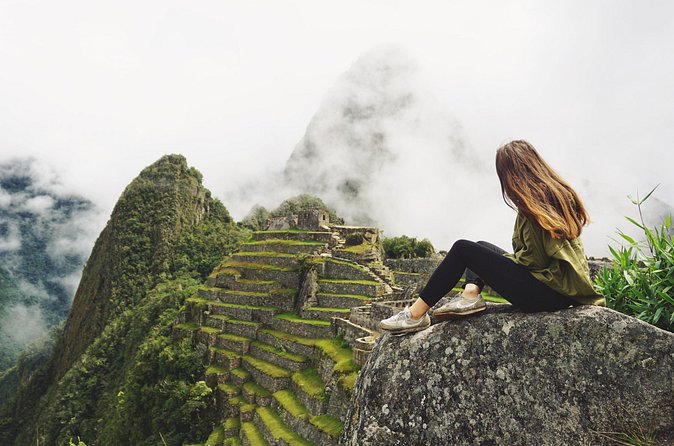
The maximum group size is 15. That is small enough to make guide explanations easier to hear and large enough to provide a social feel around camp.
The guide is central to the experience. Rosalio is the only guide named in the supplied material, and he receives repeated praise for explanations of the ruins, the Inca people, and Machu Picchu. He is also praised for patience during tiring climbs.
You should still use the safety meeting to confirm who will lead your departure. Staff assignments can vary. The most useful question is how the group will handle different walking speeds, especially on Day 2.
The trek is not described as private. With up to 15 people, the pace may be set by the group rather than by your own timetable. That can be a plus if you like company and encouragement. It can be a drawback if you want to stop often, walk alone, or move quickly.
Who should book this trek?
I would recommend it to you if you want the full Inca Trail experience, including ruins along the route, camping, porter support, and a Sun Gate arrival. It suits people who value organization and interpretation more than luxury.
It is especially appealing if you prefer one package that handles the major permits and transport. The combination of guide, chef, porters, and a small group removes much of the planning burden.
You should think twice if you have limited hiking experience or do not enjoy long days at altitude. The 10-hour second day is the clearest warning sign. The trip requires strong physical fitness, and the four-day schedule leaves little room for a slow or improvised pace.
The cancellation terms also demand care. The experience is non-refundable and cannot be changed for personal reasons. If poor weather forces cancellation, you are offered another date or a full refund. Before paying, make sure your dates, fitness, and packing plan are solid.
The final decision
I would book this four-day Inca Trail trip if I wanted a well-supported classic route at a clear all-in price. The strongest reasons are the included permits and transport, the porter service, the small group limit, and the repeated praise for Rosalio, Tomas, and the support crew.
I would not book it as a casual add-on to a Cusco holiday. The early starts, high pass, long walking days, and camping require real preparation. If you are ready for that effort, the reward is a gradual, meaningful approach to Machu Picchu rather than a quick arrival by train.
FAQ
Where does the Inca Trail trek begin?
The trek begins at Km. 82, after pickup from your hotel in Cusco and a transfer to the trail checkpoint.
What time is hotel pickup?
Pickup begins at 4:30 am. All people in the group are collected from their Cusco hotels within 30 minutes of the departure time.
How high is Dead Woman’s Pass?
Dead Woman’s Pass reaches 4,215 meters, or 13,829 feet. It is the highest point of the trek.
How many nights do you camp?
You camp for three nights, at Ayapata, Chaquicocha, and the camp used on Day 3 near Wiñay Wayna.
Is food included?
Breakfast is included on all four mornings. Three lunches and three dinners are also included during the trek. Lunch after the Machu Picchu visit is not included.
Are porters included?
Yes. Porters are included, along with a duffel bag allowance of up to 6 kilos for your belongings.
Are sleeping bags and trekking poles included?
No. Sleeping bags, air mattresses, and trekking poles are available only at an additional cost.
Is the Machu Picchu entrance ticket included?
Yes. The price includes entrance to both the Inca Trail and Machu Picchu, as well as the bus to Aguas Calientes and the train to Ollantaytambo.
Can I cancel the tour for a refund?
The experience is non-refundable and cannot be changed for personal reasons. If poor weather causes the tour operator to cancel, you are offered a different date or a full refund.
Added recently around Cusco
- Super valley or vip valley★ 5.0 · 13 reviews
- the Incas’ Sacred Valley★ 5.0 · 27 reviews
- Sacred Valley of the Incas Day Trip from Cusco★ 5.0 · 6 reviews
- Small-Group Tour: Rainbow Mountains Hiking from Cusco★ 4.0 · 5 reviews
- Excursion to the Sacred Valley of the Incas from Cusco★ 5.0 · 8 reviews
- Maras + Moray & Textile Experience★ 5.0 · 14 reviews
- Tour EN Cuatrimoto POR la Montaña 7 Colors Hike 5 Minutes★ 4.5 · 32 reviews
- rainbow mountain★ 4.0 · 4 reviews
Machu Picchu Tours, compared.
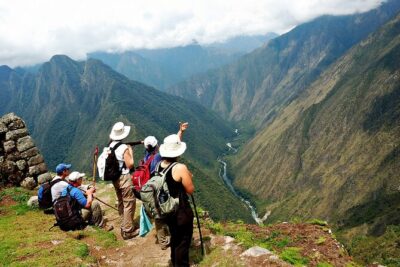
Classic Inca Trail Trek 4D/3N to Machu Picchu (Group Service)
Read our review →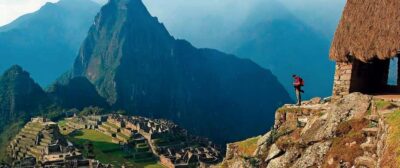
Machu Picchu: 4-Day Inca Trail Trek with Panoramic Train Ride
Read our review →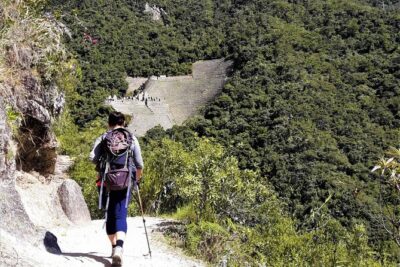
2-Day Inca Trail to Machu Picchu with Panoramic Train
Read our review →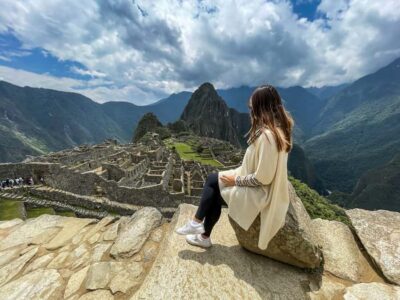
2-Day Tour: Sacred Valley and Machu Picchu by Train
Read our review →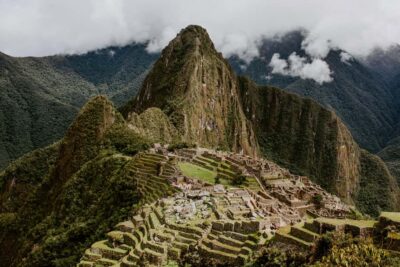
Machu Picchu: Full-Day Tour from Cusco with Optional Lunch
Read our review →Browse the lists this tour appears in