
Reviewed · MACHU PICCHU TOURS
Inca Trail to Machu Picchu (4 Days)
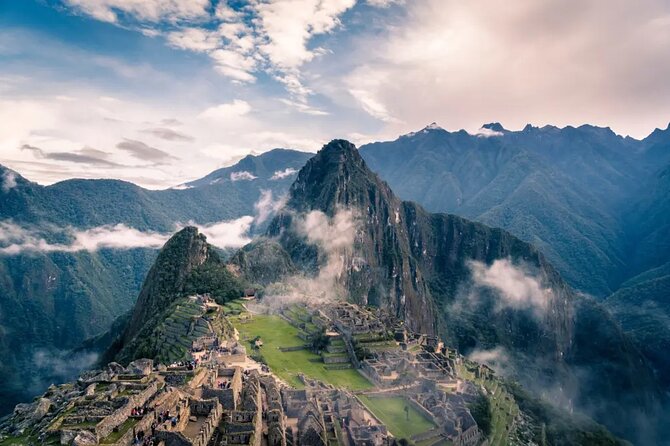
Machu Picchu is only the finale. The real prize is reaching it on foot, over ancient stone paths, high mountain passes, and quiet ruins that buses cannot reach. I like that this four-day trek includes camping equipment, porters, cooks, meals, trail permits, and the long return journey. I also like the small group size, capped at eight people, which should make it easier to walk at your own pace and ask questions. The main catch is the demanding altitude, especially on Day 2, plus a very early start on the final morning.
This is not a casual walk with a scenic finish. You will climb to 4,215 meters, sleep in tents, cross steep stone steps, and spend much of Day 4 moving through buses and trains. Still, the route gives you something the short train visit cannot: a gradual approach to Machu Picchu through the world of the Inca, guided by people such as Humberto, Fredy, Adrian, Richard, and Saul, whose care and historical explanations have earned strong praise.
In This Review
- The five things I would want to know first
- What the $963 price covers
- Day 1: Cusco to Kilometer 82 and Wayllabamba
- Day 2: Dead Woman’s Pass is the real test
- Day 3: Stone stairs and the finest ruins on the route
- Day 4: Entering Machu Picchu through the Sun Gate
- Guides, porters, and the human side of the trek
- Who should choose this four-day route?
- Booking, permits, and the no-refund rule
- Should you book the Inca Trail?
- FAQ
- How far in advance should I reserve the Inca Trail?
- Where does pickup take place?
- What identification do I need?
- How difficult is the second day?
- Are camping tents and sleeping equipment included?
- How much personal gear can the porter carry?
- Are meals included?
- Are Huayna Picchu and Machu Picchu Mountain included?
- How do I return to Cusco after visiting Machu Picchu?
The five things I would want to know first
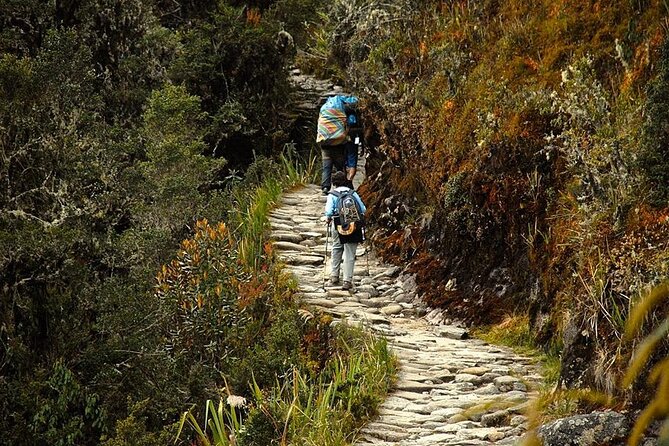
- Book about two months ahead: The Inca Trail has limited permits, and spaces can sell out.
- Day 2 is the hard day: You climb from Pacaymayo toward Dead Woman’s Pass at 4,215 meters, then descend steep stone steps.
- The group is small: A maximum of eight people gives the trek a more personal feel.
- Shared camping gear is handled for you: Porters and a cook carry the common equipment, while each trekker has a seven-kilogram personal duffel allowance with the standard option.
- The Sun Gate is your first Machu Picchu view: You enter through the original trail approach before taking a guided tour of the ruins.
- The return is long: After Machu Picchu, you travel by bus, train, and bus, reaching Cusco around 8:30 pm.
What the $963 price covers
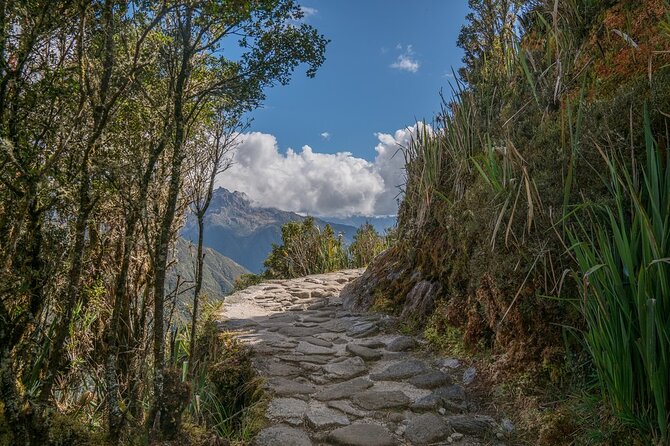
At $963 per person, this trek is not cheap, but the price includes the parts that can make a four-day route complicated to arrange independently. You get a bilingual guide, entrance permits, a first aid kit, emergency oxygen, three nights of camping, three breakfasts, three lunches, and three dinners.
The package also includes a tent shared by two people, a basic sleeping pad, a thermal sleeping bag, and a porter with a duffel bag for up to seven kilograms of personal gear. Porters and a cook carry the shared camp equipment. That matters. You still walk under your own power, but you are not hauling a full tent, cooking setup, and food supply over the passes.
Transport is included from your Cusco hotel to the trailhead at Piscacucho, also called Kilometer 82. On the way home, you get the bus from Machu Picchu to Aguas Calientes, a tourist train to Ollantaytambo, and a bus back to Cusco.
The price does not include your Cusco accommodation, breakfast on the first morning, lunch or dinner on the fourth day, or a guide for the bus and train transfers. Check which package you are buying. The standard inclusions list a thermal sleeping bag, porter, and duffel, while the Basic option excludes those personal-gear items.
I see the value in this setup if you want one company to manage permits, camp support, meals, and transport. The price is harder to justify if you already own camping gear and prefer to arrange every part yourself, but the limited Inca Trail permits make this more than a simple hotel-to-hotel tour.
Other Inca Trail departures:
- Classic Inca Trail Trek 4D/3N to Machu Picchu (Group Service)
★ 5.0 · 8,653 reviews - Machu Picchu: 4-Day Inca Trail Trek with Panoramic Train Ride
★ 5.0 · 4,568 reviews - Short Inca Trail to Machu Picchu 2D/1N
★ 5.0 · 3,007 reviews
Day 1: Cusco to Kilometer 82 and Wayllabamba
Your pickup is scheduled around 5:45 or 6:00 am from your Cusco hotel. That early start is useful, since the road to the trailhead takes time and the walking day is still substantial.
The first stop is Ollantaytambo, where you get about an hour to eat breakfast on your own and buy last-minute snacks and water. This is your main chance to fill gaps in your supplies before the trail begins, so do not treat the stop as an afterthought.
From Ollantaytambo, a bus continues to Piscacucho, the official trailhead at Kilometer 82. Have your original passport ready at the first checkpoint. If you use a student card for the permit, bring that too. Your guide carries the permits, but you need your own identification.
The first day covers about 10 kilometers in roughly six hours. The path rolls through the Vilcanota River Valley, gradually rising from 2,570 meters to the Wayllabamba camp at 2,980 meters. This is a sensible opening day: you get moving, see small archaeological sites, and gain altitude without facing the steepest climb immediately.
A prepared lunch is served partway along the route. Dinner follows at camp. The day is described as moderate, but remember that you have likely been awake since before dawn, and the transfer from Cusco adds several hours to your day. Save energy for the next morning.
Day 2: Dead Woman’s Pass is the real test
Day 2 is where the trek earns its reputation. After breakfast at about 6:00 am, you climb roughly six kilometers over about five hours to Dead Woman’s Pass, reaching 4,215 meters.
The climb gains more than 1,200 meters. You should walk slowly, take regular breaks, and avoid turning the morning into a race. The guide carries a first aid kit and an emergency oxygen bottle, useful safety measures at this altitude, but neither replaces good acclimatization or honest communication if you feel unwell.
At the pass, the views open toward snow-capped peaks and waterfalls. This is a powerful payoff after the climb, but it is also exposed and high. Do not expect to feel heroic every minute. At this elevation, a steady pace matters more than speed.
After the pass comes a steep descent of about three kilometers on stone steps to Pacaymayo Valley campsite at 3,600 meters. Descending can be just as tiring as climbing, especially on knees and thighs. The full walking day takes about nine hours, with lunch and a long afternoon at camp afterward.
You will likely appreciate the quiet time. The plan allows for a nap, scenery, dinner, and an early bedtime. This is the day that rewards preparation in Cusco. One person who completed the route had spent time in Cusco and taken shorter hikes before starting, and specifically found that useful for acclimatization. That is sensible advice, not a luxury.
Day 3: Stone stairs and the finest ruins on the route
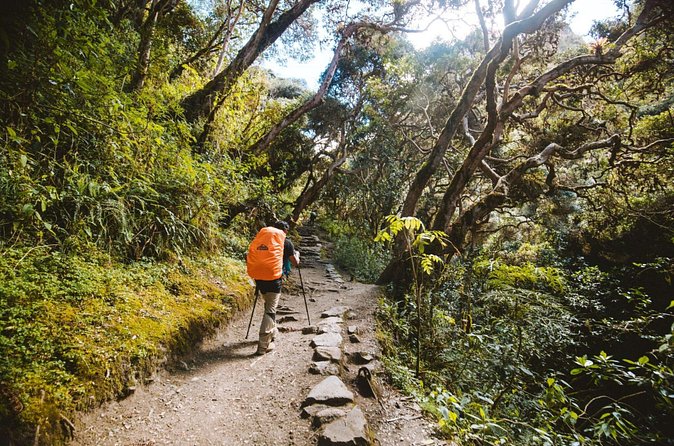
Day 3 covers about 15 kilometers and takes roughly nine hours. It is not as high as the previous day, but it includes repeated climbs and descents on ancient Inca stairways.
The morning begins with a one-hour uphill walk to the Pacaymayo archaeological site. You then continue toward Runquracay Pass at 3,950 meters, with a chance to climb higher for views of the surrounding peaks.
The route then threads through Sayacmarca and Phuyupatamarca. These sites are a major reason to choose the four-day trail instead of simply taking the train to Aguas Calientes. Your guide explains what you are seeing and helps connect the stonework, terraces, paths, and mountain setting to the wider Inca world.
Lunch comes along the way, with breaks at the archaeological sites. The route has plenty of visual rewards, but you should not mistake the word moderate for easy. Ancient stairs are uneven, and the repeated ups and downs can wear you down after two long days.
By late afternoon, you reach Wiñayhuayna High Jungle camp at 2,650 meters. The lower altitude and high-jungle setting should feel welcome after the cold heights of Day 2. The camp sits above a river valley, and dinner is followed by a chance to thank the porters and guides who have carried and prepared much of your support system.
That moment is more than a formality. The staff’s work allows you to focus on walking, eating, resting, and taking in the route. If you have spare cash for tips, ask the company beforehand how its customary tipping practice works, since the supplied details do not specify an amount.
Other ways to reach Machu Picchu:
- 2-Day Inca Trail to Machu Picchu with Panoramic Train
★ 5.0 · 1,876 reviews - From Cusco: Full-Day Group Tour of Machu Picchu
★ 4.7 · 1,767 reviews - Machu Picchu Day Trip from Cusco
★ 4.5 · 1,644 reviews - 2-Day Tour: Sacred Valley and Machu Picchu by Train
★ 5.0 · 1,127 reviews
Day 4: Entering Machu Picchu through the Sun Gate
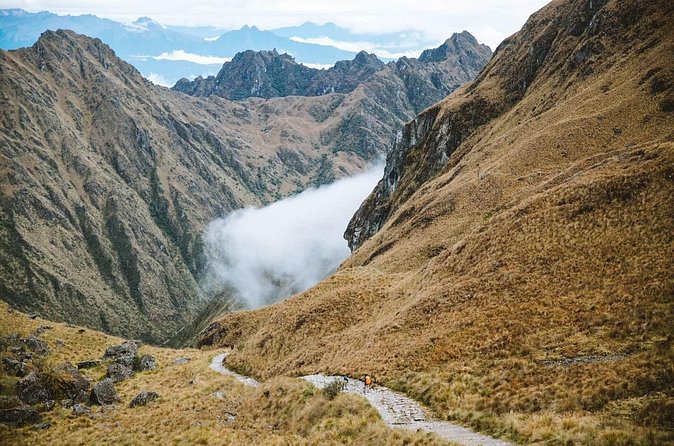
The final morning starts between 3:30 and 4:30 am. After breakfast, you walk to the Wiñay Wayna checkpoint and wait for the gate to open at 5:30 am.
This early queue is part of the experience, though it is not the most comfortable part. You are tired, it may be dark, and everyone is eager to move. Once the gate opens, the route takes about an hour to the Sun Gate.
The first view of Machu Picchu from the Sun Gate is the emotional high point of the trek. Instead of arriving by bus at the lower entrance, you approach from above, with the ruins appearing as the reward at the end of several days on foot. The last section takes about 40 minutes down to the archaeological complex.
A guide then leads a two-hour tour of Machu Picchu. This is where a good guide makes a real difference. Humberto was praised for explaining Peruvian history and Inca civilization in detail. Fredy was also singled out for clear explanations of Inca culture, while Adrian was described as patient and helpful with questions. Those are exactly the qualities you want on a site where a quick lap around the ruins can leave you with more photographs than understanding.
Optional climbs to Huayna Picchu or Machu Picchu Mountain are possible, but they must be reserved in advance. They are not an automatic part of this package, so arrange them before the trek if you want one.
After the visit, a tourist bus takes you to Aguas Calientes. From there, you board a tourist train to Ollantaytambo, followed by a bus to Cusco. Arrival is expected around 8:30 pm, with drop-off at Plaza San Francisco. You make your own way to your accommodation.
That final transfer is a long tail to an already demanding day. Plan a simple dinner and a quiet evening. Do not schedule an important early morning activity in Cusco the next day.
Guides, porters, and the human side of the trek
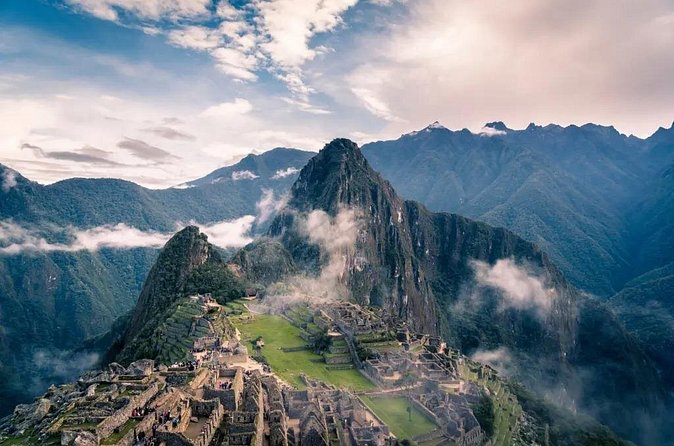
The strongest praise for this trip centers on the staff. Several guides were credited with patience, clear English, careful organization, and strong explanations of Andean traditions and Inca civilization.
The names attached to the trek include Humberto, Fredy, and Adrian, with Richard and Saul also praised for their assistance and guidance in related Cusco arrangements. Staff assignments can change, so you should not book solely to get one particular person. Instead, expect a bilingual guide whose job is to lead the route, explain the sites, carry emergency oxygen, and help manage the group.
The porters and cook are just as important, even though they are less visible during the walking. They carry shared camping gear and prepare the meals that keep the group moving. Camp facilities have been described as clean and well maintained, and the food has received especially warm praise for being plentiful and satisfying.
You should still pack snacks you know you will eat. The first morning includes time in Ollantaytambo to buy supplies, but do not depend on finding every favorite item there.
Who should choose this four-day route?
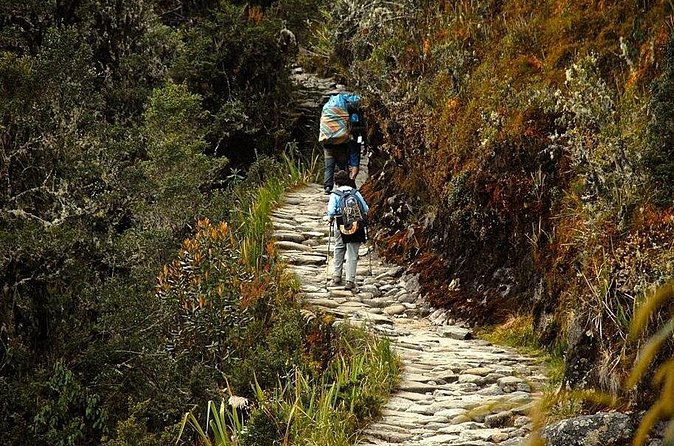
I would choose this trek if you want Machu Picchu to feel like the end of a journey, not simply a destination reached by transport. It suits people who enjoy long walks, basic camping, archaeological sites, and a clear physical challenge.
It is also a good choice if you want support without giving up the feeling of doing the route yourself. You carry your personal daypack, while porters handle shared equipment. The group maximum of eight keeps the arrangement fairly intimate.
This is a poor fit if you dislike early starts, tents, steep stairs, or high-altitude walking. Day 2 is the key question. If a five-hour climb to 4,215 meters sounds unreasonable, you should consider a shorter route or a train-based visit instead.
Most people can participate, according to the supplied tour information, but that does not mean the route is physically mild. Take the altitude seriously, allow time in Cusco before the trek, and tell your guide promptly about symptoms or trouble keeping pace.
Booking, permits, and the no-refund rule
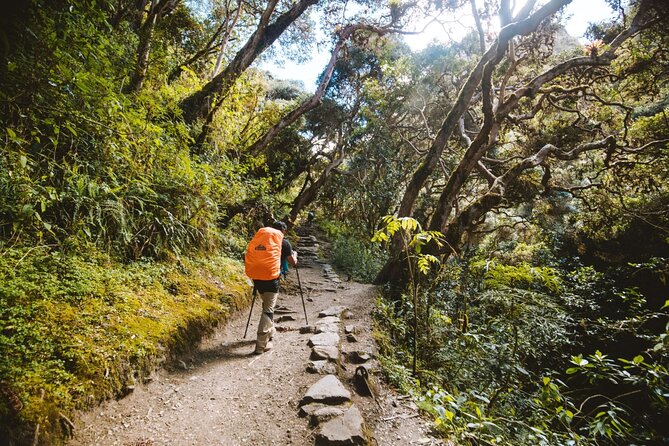
Reserve at least two months ahead. The route requires permits, and availability is limited. Confirmation arrives within 48 hours, subject to availability, so do not assume that a request guarantees a place until it is confirmed.
The experience is non-refundable and cannot be changed after booking. If you cancel or request an amendment, the amount paid is not returned. The only stated exception is a cancellation caused by the tour failing to meet its minimum group size. In that case, you are offered another date or experience, or a full refund.
That policy makes travel insurance worth considering, especially because the trek involves fixed permits and several linked transport services.
Should you book the Inca Trail?
Book it if you want the most meaningful approach to Machu Picchu and are ready for one hard mountain day, three nights in camp, and a very long final day. The included permits, meals, porters, cook, camping equipment, emergency oxygen, and return transport make the $963 price reasonable for a supported four-day trek.
Skip it if your priority is comfort, flexibility, or a relaxed visit to the ruins. The early mornings and altitude are real demands, not fine print. For the right walker, though, reaching Machu Picchu through the Sun Gate is worth every slow step.
FAQ
How far in advance should I reserve the Inca Trail?
You should reserve about two months ahead to help secure availability. Confirmation is provided within 48 hours of booking, subject to availability.
Where does pickup take place?
Pickup is offered from your hotel in Cusco. The stated start time is around 6:00 am, with pickup noted between 5:45 and 6:00 am.
What identification do I need?
Carry your original passport for the first Inca Trail checkpoint. If you use a student card for the permit, bring that as well.
How difficult is the second day?
Day 2 is the most difficult section. You climb about six kilometers to Dead Woman’s Pass at 4,215 meters, then descend roughly three kilometers on stone steps to Pacaymayo camp.
Are camping tents and sleeping equipment included?
The standard inclusions provide a tent shared by two people, a basic sleeping pad, and a thermal sleeping bag. The Basic option excludes the thermal sleeping bag, porter, and duffel bag for personal gear.
How much personal gear can the porter carry?
The included porter and duffel arrangement allows a total of seven kilograms for each trekker under the applicable standard option.
Are meals included?
Breakfast, lunch, and dinner are included for the first three days. Breakfast is also included on Day 4. Breakfast on Day 1, plus lunch and dinner on Day 4, are not included.
Are Huayna Picchu and Machu Picchu Mountain included?
No. The optional trek to Huayna Picchu or Machu Picchu Mountain must be booked in advance.
How do I return to Cusco after visiting Machu Picchu?
You take a tourist bus from Machu Picchu to Aguas Calientes, a tourist train from Aguas Calientes to Ollantaytambo, and a bus from Ollantaytambo to Cusco. Arrival is expected around 8:30 pm at Plaza San Francisco.
Added recently around Cusco
- Super valley or vip valley★ 5.0 · 13 reviews
- the Incas’ Sacred Valley★ 5.0 · 27 reviews
- Sacred Valley of the Incas Day Trip from Cusco★ 5.0 · 6 reviews
- Small-Group Tour: Rainbow Mountains Hiking from Cusco★ 4.0 · 5 reviews
- Excursion to the Sacred Valley of the Incas from Cusco★ 5.0 · 8 reviews
- Maras + Moray & Textile Experience★ 5.0 · 14 reviews
- Tour EN Cuatrimoto POR la Montaña 7 Colors Hike 5 Minutes★ 4.5 · 32 reviews
- rainbow mountain★ 4.0 · 4 reviews
Machu Picchu Tours, compared.
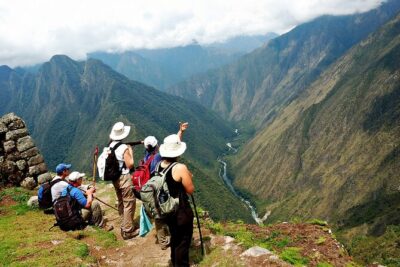
Classic Inca Trail Trek 4D/3N to Machu Picchu (Group Service)
Read our review →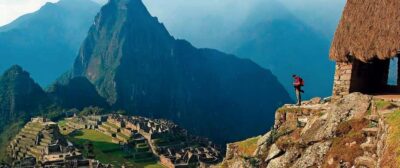
Machu Picchu: 4-Day Inca Trail Trek with Panoramic Train Ride
Read our review →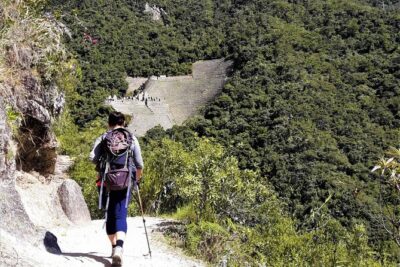
2-Day Inca Trail to Machu Picchu with Panoramic Train
Read our review →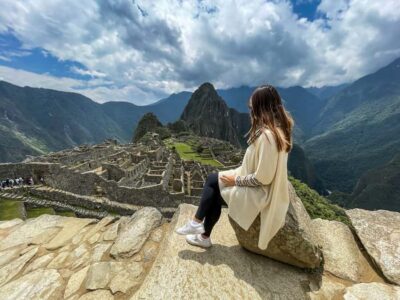
2-Day Tour: Sacred Valley and Machu Picchu by Train
Read our review →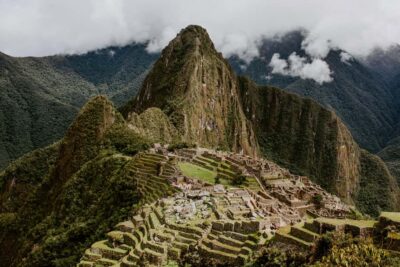
Machu Picchu: Full-Day Tour from Cusco with Optional Lunch
Read our review →Browse the lists this tour appears in