
Reviewed · MACHU PICCHU TOURS
Inca Trail To Machu Picchu
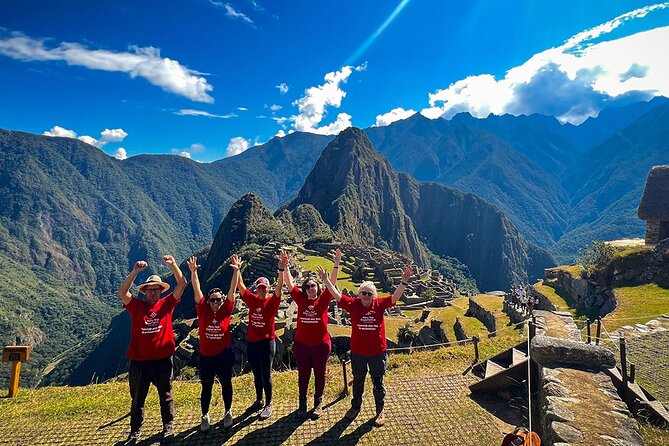
Machu Picchu is best earned on foot. This four-day Inca Trail trek combines high mountain passes, Inca ruins, jungle scenery, and a final sunrise approach through Intipunku. I especially like the small private-group format and the strong support from guides, cooks, and porters. The main catch is the physical demand, with an ascent to 4,200 meters on day two.
The $880 price includes permits, camping, meals, transport, porters, and the train back toward Cusco, so it covers most major costs. I also like that guides such as Manuel and Juan are praised for pacing groups carefully and sharing Quechua culture. You should still prepare seriously for altitude, cold nights, steep steps, and four long days on foot.
In This Review
- Key points to know before booking
- What the $880 Inca Trail package really covers
- Day one: From Cusco to Llactapata and Wayllabamba
- Day two: The climb to 4,200 meters
- Day three: Runkurakay, Sayacmarca, and Wiñaywayna
- Day four: Entering Machu Picchu through the Sun Gate
- The people who make this trek work
- Fitness, altitude, and what to pack
- How the tour handles meals and comfort
- Booking timing, cancellation, and who should choose it
- Should you book this Inca Trail tour?
- FAQ
- How long is the Inca Trail to Machu Picchu tour?
- What is the highest point on the route?
- Does the tour include Machu Picchu admission?
- Are meals included?
- Is transportation included?
- Is a sleeping bag included?
- Can I arrange help carrying my belongings?
- Can I cancel for a full refund?
Key points to know before booking
- Day two is the test: The climb to Warmiwañusca, or Dead Woman’s Pass, reaches 4,200 meters and is the hardest part.
- The final approach is special: You enter Machu Picchu through Intipunku, the Sun Gate, rather than arriving by train.
- Meals are a major strength: Three breakfasts, three lunches, and three dinners are prepared by the support team, with vegetarian and restricted-diet options available.
- Your main bags need planning: An additional porter can carry up to 7 kilograms for $150, while a sleeping bag and walking poles cost extra.
- The package is broad: Permits, tents, porters, buses, trains, Cusco transfers, food, and safety equipment are included.
- Book early: This trek is usually reserved about 64 days ahead, and confirmation is provided when you book.
What the $880 Inca Trail package really covers
At $880 per person, this is not a cheap walk. It is also not just a guided hike. The fee pays for the Inca Trail entrance, Machu Picchu entrance, transport from Cusco to Km 82, three nights of camping, meals, porters, a cook, a licensed guide, and the return journey from Aguas Calientes to Cusco.
That matters because costs can pile up quickly on a four-day trek. Here, the package includes a tourist bus from Machu Picchu to Aguas Calientes, an Expedition or Voyager train to Ollantaytambo, and bimodal transport back to Cusco. You still need to budget for flights, lunch on day four, optional Huayna Picchu admission, a sleeping bag, walking poles, and an extra porter.
I see good value here for anyone who wants a properly supported trek rather than a stripped-down camping trip. You receive a dining tent, kitchen equipment, foam sleeping mats, clean towels, hot water for washing, boiled water for your bottles, tea time, and three full days of food. That level of support can make a real difference after a long climb.
The package also includes a radio transmitter, first-aid kit, and oxygen cylinder. Those items do not make the mountain easy, but they show that the operator has planned for common trekking risks.
Other Inca Trail departures:
- Classic Inca Trail Trek 4D/3N to Machu Picchu (Group Service)
★ 5.0 · 8,653 reviews - Machu Picchu: 4-Day Inca Trail Trek with Panoramic Train Ride
★ 5.0 · 4,568 reviews - Short Inca Trail to Machu Picchu 2D/1N
★ 5.0 · 3,007 reviews
Day one: From Cusco to Llactapata and Wayllabamba
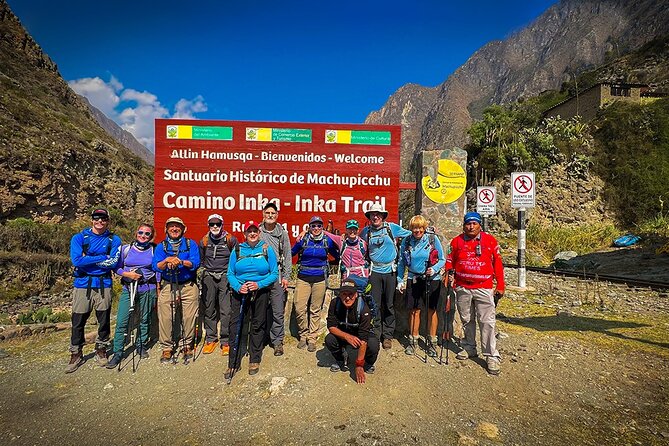
The first morning begins very early in Cusco. The listed start time is 12:00 am, so confirm your exact hotel pickup details before bed. The transport goes first to Ollantaytambo, where you have time for a calm breakfast, then continues to Piscacucho at Km 82, the trailhead.
This first transfer is useful for two reasons. You can eat before the trail begins, and you meet the porters and cook who will support the group. After a short briefing, the hike starts beside the Urubamba Valley.
The opening archaeological stop is Llactapata, at 2,650 meters. It was an Inca control point placed in a strategic position along the route toward Machu Picchu. It is a good introduction to the idea that this was not simply a mountain footpath. The route connected settlements, ceremonial sites, food supplies, and strategic points across difficult terrain.
The first hiking day lasts about five hours. After Llactapata, you walk to the lunch stop and then continue toward Wayllabamba, at 3,000 meters. This is a moderate beginning by Inca Trail standards, but you are already moving at altitude, so a steady pace is wise.
Wayllabamba has small shops where you can buy drinks, snacks, or basic items. Do not count on these shops for all your needs. Carry the essentials you require, and treat the shops as a useful backup rather than a full supply stop.
At camp, the support team has the tents ready. Dinner follows, along with a briefing about the next day. This evening is important because day two is much harder. I would use it to organize your daypack, drink water, and get as much sleep as the campsite allows.
Day two: The climb to 4,200 meters
Day two is the physical heart of the trek. You begin with coca tea and a substantial breakfast, then start the long ascent toward Warmiwañusca Pass, also called Dead Woman’s Pass.
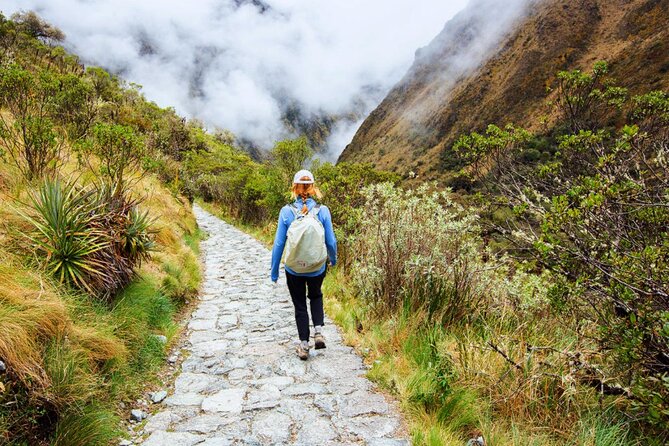
The pass reaches 4,200 meters, or 13,776 feet. The climb is described as steady and demanding, and the full day takes about eight hours. This is where a moderate fitness level becomes more than a phrase. You need to handle hours of uphill walking, thin air, stone steps, and a large change in altitude.
The guide’s pacing can matter more than speed. Juan is praised for using a slow-and-steady rhythm, frequent checks, and breaks that helped people arrive at camp on time without exhausting themselves. Manuel is also praised for managing a group with different physical abilities. That is the kind of guiding you want here. Racing ahead may feel impressive for an hour, but it can leave you struggling later.
From the pass, you can look back over the valley you have climbed and ahead toward the route still to come. The view gives the hard work a clear reward, but the summit is not the end of the day. You still descend to Pacaymayo at 3,500 meters.
The descent can be tough on knees and thighs. Trekking poles are not included, though you can rent a pair for $15. If you are comfortable using poles, this is the day when they may be most useful.
At Pacaymayo, the tents are already set up and lunch is being prepared. The afternoon includes time with the guide to look at local plants and wildlife. That slower period helps break up a very demanding day.
The campsite sits high, and the night can feel cold. A sleeping bag costs an additional $25 if you do not bring or rent your own. The listing does not specify the sleeping bag’s temperature rating, so ask before adding it. Warm layers remain important either way.
Day three: Runkurakay, Sayacmarca, and Wiñaywayna
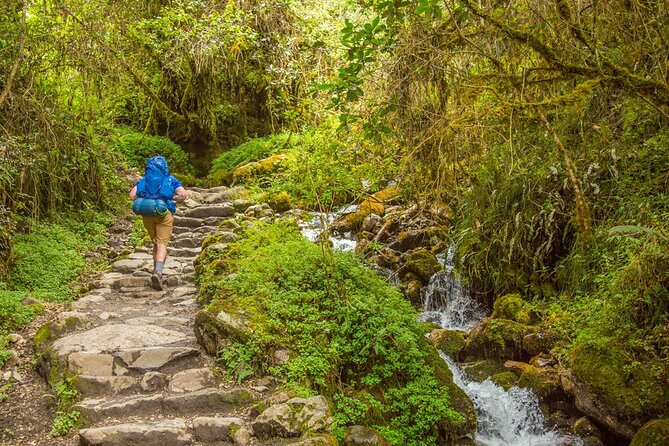
Day three takes about eight hours, but it feels different from day two. You still climb, yet the route passes through several archaeological sites and gradually changes from high mountain terrain toward the cloud forest.
The first major stop is Runkurakay, reached after roughly two hours of climbing. It sits at 3,800 meters and is followed by a guide-led explanation and tour. This is a good place to slow down and notice the construction, location, and purpose of the site rather than treating it as a quick photo stop.
The route then continues toward another pass and Sayacmarca, at 3,580 meters. The trail becomes more enclosed as the vegetation changes. The shift from open high-altitude views to thicker plant life is one of the most rewarding parts of the trek because the route feels like it is carrying you through several climate zones in a single journey.
Later, you reach Phuyupatamarca at 3,600 meters. From here, the Urubamba Valley opens below, and the site is described as a gateway toward Machu Picchu. The mountain views are a strong part of the day, but the stone path requires attention. You are not simply strolling between ruins. Much of the route involves uneven steps and long descents.
The final camp is Wiñaywayna, at 2,650 meters. The lower altitude should feel welcome after the previous night at Pacaymayo, though you will already have spent most of the day walking downhill and across stone paths.
The support team prepares hot mate when you arrive. Dinner follows, and this is your last night in camp. It also brings a small emotional moment because the porters and cook say goodbye after supporting you for three days.
The food is one of the strongest parts of this tour. The cooks prepare soups, pasta and meatballs, stuffed chicken breast, pancakes, and other substantial dishes. Menus can be adjusted for vegetarian diets and food restrictions, but you need to request that in advance.
Other ways to reach Machu Picchu:
- 2-Day Inca Trail to Machu Picchu with Panoramic Train
★ 5.0 · 1,876 reviews - From Cusco: Full-Day Group Tour of Machu Picchu
★ 4.7 · 1,767 reviews - Machu Picchu Day Trip from Cusco
★ 4.5 · 1,644 reviews - 2-Day Tour: Sacred Valley and Machu Picchu by Train
★ 5.0 · 1,127 reviews
Day four: Entering Machu Picchu through the Sun Gate
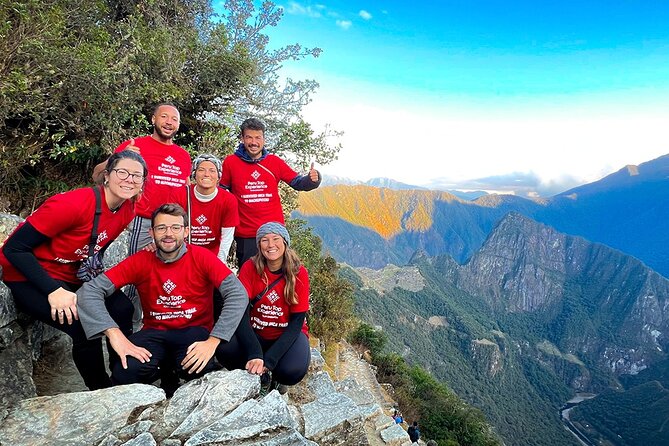
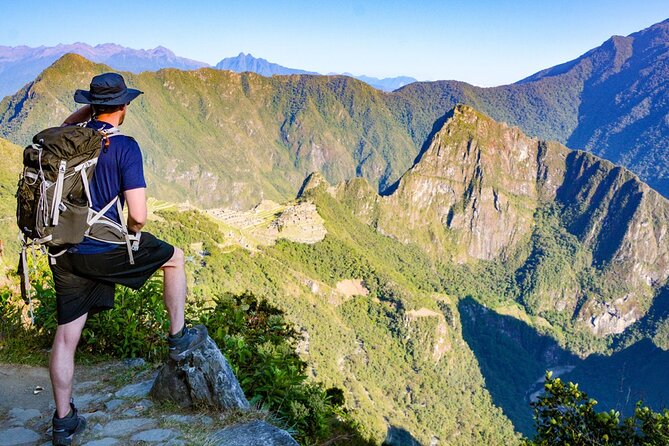
The final day starts with breakfast and a farewell to the support team. From Wiñaywayna, you continue with the guide for about two hours toward Intipunku, the Sun Gate, at 2,745 meters.
This is a memorable way to reach Machu Picchu. Instead of seeing the citadel after a train ride and bus transfer, you first approach it from the high trail. From Intipunku, the citadel appears below at 2,430 meters. The first view is not the whole visit, but it gives the destination a powerful sense of place.
After time at the Sun Gate, you descend to Machu Picchu and tour the main parts of the citadel with your licensed guide. The package includes the entrance ticket, so you do not need to arrange that separately.
The itinerary allows about five hours for the final day. After the visit, you go to the main control gate and take the tourist bus down to Aguas Calientes. The bus is included, which is welcome after four days of walking.
You have free time in Aguas Calientes for lunch, but lunch on this final day is not listed among the included meals. Plan to pay for it yourself. Then you take the train to Ollantaytambo and continue by bimodal transport to Cusco.
This return is convenient, though it makes day four a full travel day. You finish the archaeological visit, descend by bus, eat, board the train, and continue by road. Do not expect a leisurely evening in Aguas Calientes.
The people who make this trek work
A four-day Inca Trail trip depends heavily on the staff. The guide leads the walking pace, explains the archaeological sites, watches the group’s condition, and manages the timing. The cook and porters handle the work you do not see, including carrying equipment, setting up camp, and preparing meals.
Manuel is praised for keeping energy high while handling different ability levels. Juan receives particular praise for his cultural explanations, his Quechua language skills, and his careful pacing. You cannot assume either guide will be assigned to your departure, but you can ask if a specific guide is available.
The support team also helps create a more personal trip. One private group described ending up as just two people after booking a group departure, which allowed for a very personal experience. The official description says only your group participates, so you should expect a private activity rather than a large mixed group.
That does not mean the route will feel empty. The Inca Trail is a famous route, and you may share sections with other groups. The advantage is that your guide can focus on your group’s pace and needs.
Fitness, altitude, and what to pack
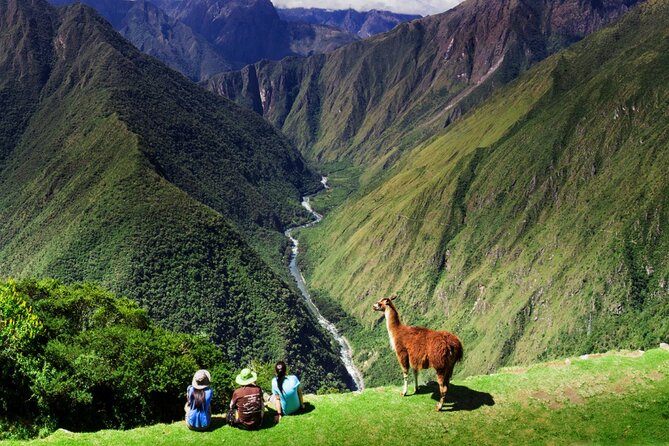
The operator asks for moderate physical fitness, but I would treat that as a minimum. The trek includes five-hour and eight-hour days, a 4,200-meter pass, steep ascent, long descent, and three nights in a tent.
The biggest mistake is judging the route by distance alone. At altitude, a modest climb can take much longer than expected. A patient pace is not a sign of weakness. It is a sensible way to conserve energy for the pass and the descent afterward.
Your personal porter allowance is not automatically included. An additional porter can carry up to 7 kilograms for $150. Without one, you need to pack carefully and keep your daypack manageable.
The tour provides a tent, foam mat, dining tent, kitchen gear, towel, hot water, and boiled water for your canteens. It does not include a sleeping bag or trekking poles, although both can be added for $25 and $15. Ask about the sleeping bag’s specifications before relying on the rental.
You should also plan for changing temperatures, personal medication, sun protection, water bottles, rain protection, and snacks. The available information does not give a full packing list, so the pre-trip briefing is a good time to ask specific questions.
How the tour handles meals and comfort
Camping on the Inca Trail is basic, but this package adds useful comforts. Hot water for hygiene, clean towels each morning, tea time, and boiled drinking water are small details that become valuable after a day on the trail.
The three included breakfasts, lunches, and dinners are designed to keep you moving. Strong meals are especially important on day two and day three, when the walking time reaches about eight hours.
Dietary flexibility is another plus. Vegetarian food and meals for other restrictions can be arranged. Tell the operator when you book rather than waiting until the first campsite.
The tents are described as large and comfortable, including during rainy conditions. Still, comfort is relative. You are sleeping at remote campsites after long days outside, not staying in a lodge. The dining tent gives you a place to eat and hear the next day’s briefing, which makes camp feel organized.
Booking timing, cancellation, and who should choose it
This trek is commonly booked about 64 days ahead. That gives you a useful planning target, especially since the Inca Trail requires an entrance permit and the package includes fixed train and site arrangements.
Free cancellation is available if you cancel at least 24 hours before the local start time. Changes or cancellations made later are not accepted for a refund.
I would choose this tour if you want the classic four-day route, a private group, local staff, full meals, and a guide who can explain both the archaeological sites and local culture. It also suits people who value support more than carrying every item themselves.
I would hesitate if you dislike camping, struggle with long uphill walks, or want a relaxed Machu Picchu visit with minimal exertion. This is not a simple sightseeing transfer. It is a strenuous trek followed by a major archaeological visit.
Should you book this Inca Trail tour?
Book it if walking into Machu Picchu through the Sun Gate matters to you. The route gives you Llactapata, Dead Woman’s Pass, Runkurakay, Sayacmarca, Phuyupatamarca, Wiñaywayna, and Machu Picchu in one connected journey.
The best reasons to choose it are the complete transport package, strong food program, private format, and hands-on support from guides, cooks, and porters. Ask about your guide, the sleeping bag, the exact pickup time, dietary needs, and what is included on day four before paying.
If you prepare for altitude and accept four demanding days, the $880 cost is reasonable for the amount of equipment, staffing, permits, meals, and transport included. If your priority is ease, take the train instead. If your priority is a meaningful arrival at Machu Picchu, this trek deserves serious consideration.
FAQ
How long is the Inca Trail to Machu Picchu tour?
The tour lasts approximately four days. Hiking times are about five hours on day one, eight hours on day two, eight hours on day three, and five hours on day four.
What is the highest point on the route?
The highest point is Warmiwañusca Pass, also called Dead Woman’s Pass. It reaches 4,200 meters, or 13,776 feet.
Does the tour include Machu Picchu admission?
Yes. The Machu Picchu entrance ticket is included, along with the Inca Trail entrance ticket.
Are meals included?
Yes. The package includes three breakfasts, three lunches, and three dinners during the trek. Lunch in Aguas Calientes on day four is described as free time and is not listed as an included meal.
Is transportation included?
Yes. The package includes transport from Cusco to Km 82, a bus from Machu Picchu to Aguas Calientes, a tourist train from Aguas Calientes to Ollantaytambo, and bimodal transport from Ollantaytambo to Cusco.
Is a sleeping bag included?
No. A sleeping bag can be added for $25. Walking poles can also be added for $15.
Can I arrange help carrying my belongings?
Yes. An additional porter can carry up to 7 kilograms for an extra $150.
Can I cancel for a full refund?
Yes, if you cancel at least 24 hours before the experience start time. Cancellations or changes made less than 24 hours before the local start time are not refunded or accepted.
Added recently around Cusco
- Super valley or vip valley★ 5.0 · 13 reviews
- the Incas’ Sacred Valley★ 5.0 · 27 reviews
- Sacred Valley of the Incas Day Trip from Cusco★ 5.0 · 6 reviews
- Small-Group Tour: Rainbow Mountains Hiking from Cusco★ 4.0 · 5 reviews
- Excursion to the Sacred Valley of the Incas from Cusco★ 5.0 · 8 reviews
- Maras + Moray & Textile Experience★ 5.0 · 14 reviews
- rainbow mountain★ 4.0 · 4 reviews
- Tour EN Cuatrimoto POR la Montaña 7 Colors Hike 5 Minutes★ 4.5 · 32 reviews
Machu Picchu Tours, compared.
Classic Inca Trail Trek 4D/3N to Machu Picchu (Group Service)
Read our review →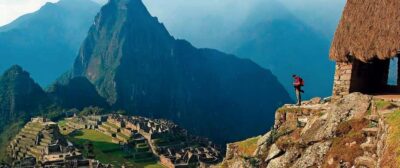
Machu Picchu: 4-Day Inca Trail Trek with Panoramic Train Ride
Read our review →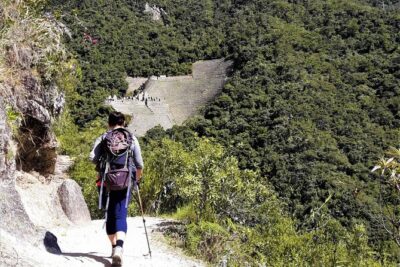
2-Day Inca Trail to Machu Picchu with Panoramic Train
Read our review →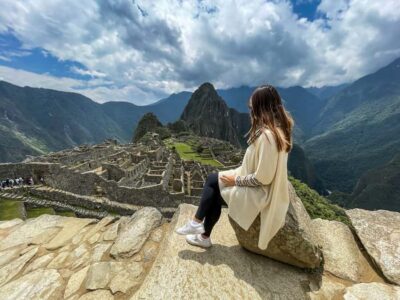
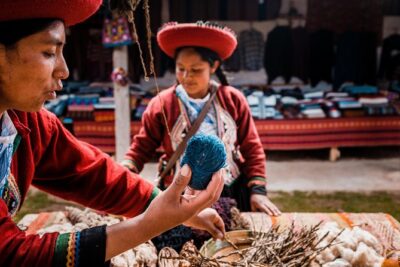
2-Day Tour: Sacred Valley and Machu Picchu by Train
Read our review →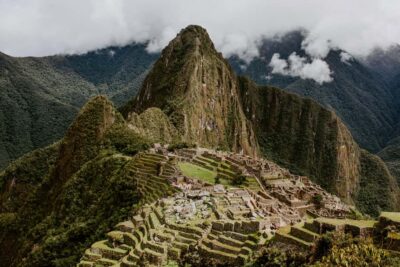
Machu Picchu: Full-Day Tour from Cusco with Optional Lunch
Read our review →Browse the lists this tour appears in