
Reviewed · MACHU PICCHU TOURS
Inka Trail to Machu Picchu Classic 4-Day Adventure
Four days buys you the classic arrival. This trek follows the old Inca Trail from Km 82 to Machu Picchu, passing Patallacta, Dead Woman’s Pass, Sayacmarca, Wiñay Wayna, and the Sun Gate before reaching the ruins on foot. I like the small-group format, capped at 15 people, and the fact that camping, meals, porters, guides, and most transport are bundled into the $990 price.
I also like the careful pacing, especially the relaxed afternoon near Wiñay Wayna on Day 3. The main drawback is the physical demand: you climb to 4,215 meters, wake at 3:30 a.m. on the final morning, and spend four days hiking with no easy shortcut through the hard sections. Confirm pickup details and permit availability before paying, since the supplied times differ and entrance fees are noted as dependent on booking at least two months ahead.
In This Review
- Key points to know before you book
- Why the classic Inca Trail still earns its place
- Day 1: From Km 82 to Ayapata
- Day 2: Dead Woman’s Pass and Sayacmarca
- Day 3: Cloud forest and Wiñay Wayna
- Day 4: The Sun Gate and Machu Picchu
- What the $990 price really covers
- The guide and support team matter here
- Who should book this trek
- Should you book the Inka Trail Classic 4-Day Adventure?
- FAQ
- How long is the Inca Trail to Machu Picchu Classic tour?
- What time is pickup from Cusco?
- Is pickup from my hotel included?
- Do I need my passport?
- Are meals included?
- Is camping equipment included?
- Is an extra porter included?
- How large is the group?
- Is the return train included?
Key points to know before you book
- Dead Woman’s Pass reaches 4,215 meters, making Day 2 the toughest part of the trek.
- Wiñay Wayna gets a proper afternoon visit, not just a rushed look while passing through.
- The final approach uses the Sun Gate, so you enter Machu Picchu by trail rather than arriving first by bus.
- Private camping is offered for couples, while the total group can reach 15 people.
- A sleeping bag is not included, although the rest of the camping gear is provided.
- The return train leaves Aguas Calientes at 9:30 p.m., followed by transport toward Cusco.
Why the classic Inca Trail still earns its place
Machu Picchu can be reached in easier ways, but this route gives you the full story. You walk through changing elevations and Inca sites before the final entrance, so the ruins do not appear as an isolated day trip. The trail itself becomes part of the visit.
The route also has a strong sense of progression. You begin near the Sacred Valley, climb through high mountain passes, enter cloud forest, and finish at Intipunku, the Sun Gate. Machu Picchu appears gradually, first as distant mountain views and later as the destination below you.
This is not a casual sightseeing walk. The trip includes three nights of camping and roughly long hiking days, especially on Day 2. You need a moderate level of physical fitness, and you should be comfortable walking uphill, downhill, and over uneven stone paths for several hours.
The group size helps. With no more than 15 people, the guide can usually keep the pace more personal than a large expedition. The experience also includes a cook and porter team, which means you are not responsible for carrying the full camping setup.
One important limit remains: an additional porter for your personal items is not included. The package covers full camping gear except for a sleeping bag, but you should confirm exactly what personal luggage you may bring and what the included porters will carry.
Other Inca Trail departures:
- Classic Inca Trail Trek 4D/3N to Machu Picchu (Group Service)
★ 5.0 · 8,653 reviews - Machu Picchu: 4-Day Inca Trail Trek with Panoramic Train Ride
★ 5.0 · 4,568 reviews - Short Inca Trail to Machu Picchu 2D/1N
★ 5.0 · 3,007 reviews
Day 1: From Km 82 to Ayapata
The first morning starts early, and the pickup depends on where you sleep. The stated times are 4:30 a.m. from Cusco, 5:30 a.m. from Urubamba, and 6:30 a.m. from Ollantaytambo. Another meeting note says pickup is between 5:30 and 6:00 a.m., so I would confirm your exact time during the briefing and again with the operator.
The drive takes you through the Sacred Valley to Km 82, where the Inca Trail begins. You reach the trail around 7:00 a.m., eat breakfast prepared by the cook, and pass the first checkpoint. Bring your original passport. You need it to enter the Inca Trail.
The opening walk is fairly gentle for about two hours. That gives you time to settle into the rhythm before the route reaches Patallacta, an old Inca checkpoint built to guard the approach to Machu Picchu. Patallacta is an important first stop because it shows that the trail was not only a road but also a controlled route through the mountains.
From Patallacta, you hike about two more hours to lunch. After eating, you continue for roughly two and a half hours to Ayapata, the first campsite at about 3,300 meters. The full day reaches around five to six hours of walking, depending on stops and pace.
The final section passes two small communities. You may be able to buy energy drinks, snacks, batteries, or other basic items there, but you should not rely on those stops for important supplies. Pack the essentials before leaving Cusco.
Arrival at camp is expected around 5:00 p.m. A hot drink and snack are served while you settle in with the guides, cook, and porters. Dinner comes around 7:30 p.m., which is early for many people but sensible after a high-altitude hiking day.
This first night is a good test of your preparation. Keep warm layers, water, and personal medicine easy to reach. You do not want to rummage through a large bag after dark, especially if you are sharing a tent.
Day 2: Dead Woman’s Pass and Sayacmarca
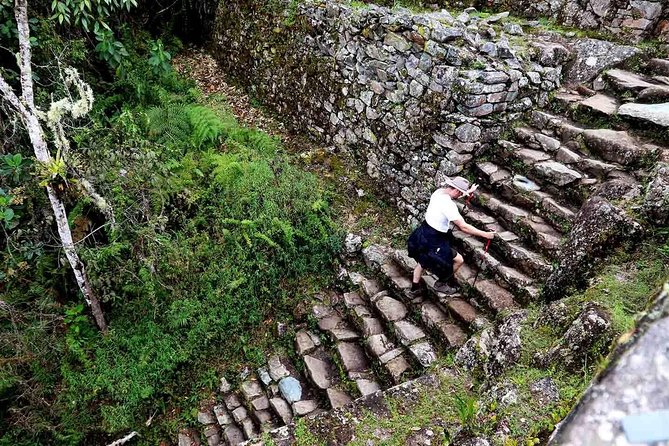
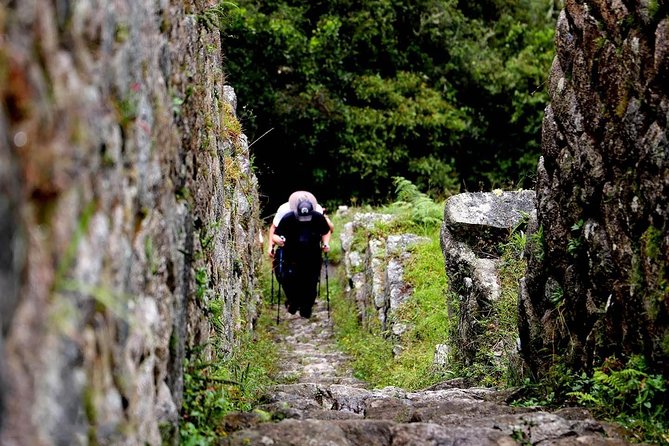
Day 2 is the hardest day of the route. The climb to Dead Woman’s Pass takes about four hours and reaches 4,215 meters, or 13,829 feet. The name is memorable for a reason, though the real challenge is the altitude and the long staircase-like ascent.
You should not judge your day by speed here. Walk slowly, take the breaks you need, and follow the guide’s pace. The pass gives you a short rest and mountain views before the trail drops into the Pacaymayu Valley, also called Hidden River.
The descent lasts about an hour and a half before lunch. Downhill walking can be just as tiring as climbing, particularly on stone steps. Trekking poles can be useful, although the supplied information does not specify whether they are included, so ask before departure.
After lunch, the route climbs again to a second pass. This section takes about two hours and includes Runcu Raccay, a small Inca site. Across the valley, two large waterfalls add a dramatic feature to the walk.
The trail then drops for about an hour to Sayacmarca, an Inca settlement described as otherwise inaccessible. The location makes the site especially memorable. You reach it after a demanding climb, and the ruins sit above the route with views toward the Vilcabamba mountains.
After a short guided visit, you continue for about 20 minutes to Chaquicocha, the second campsite at 3,600 meters. If you still have energy after dinner, the guides may point out Inca constellations in the clear Southern Hemisphere sky. The campsite is away from artificial light, so stargazing can be a fine reward, but do not feel obliged to stay up. Sleep matters more than astronomy when you have another early start.
Day 2 combines the highest pass, two major climbs, a long descent, and several archaeological stops. It is the day to keep your expectations realistic. The scenery is excellent, but the body gets the final vote.
Day 3: Cloud forest and Wiñay Wayna
Day 3 begins around 6:30 a.m. and is often the most scenic part of the trek. The first two hours follow a section known as Inca flat, with gradual inclines rather than a constant steep climb.
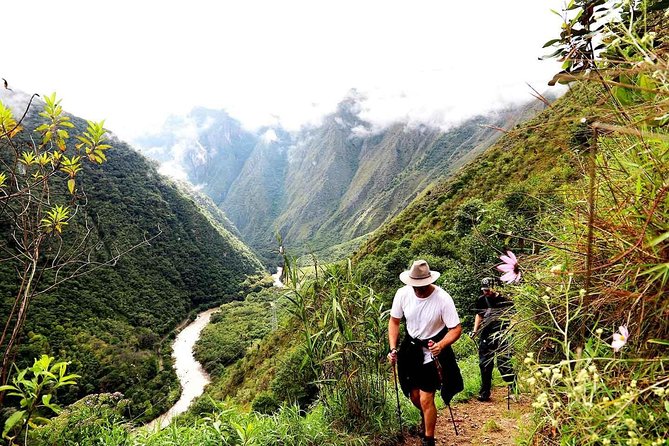
As you enter the cloud forest, the setting changes. You can see Salkantay, the second-highest snow-capped mountain in the Sacred Valley, along with broad views toward the Vilcabamba range. The route reaches Phuyupatamarka at about 3,600 meters, near the eastern edge of the Andes and the beginning of the descent toward the Amazon basin.
Machu Picchu Mountain comes into view from here, but the citadel remains hidden. That restraint is part of the fun. You know the destination is close, yet the trail holds back the final reveal.
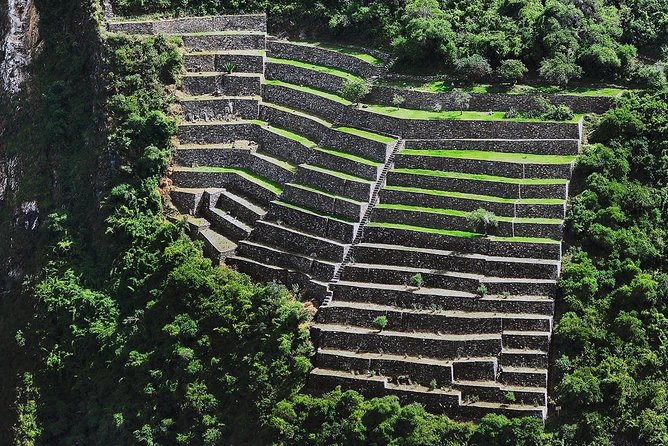
The descent from Phuyupatamarka to the last campsite takes about three hours. Along the way, you visit Phuyupatamarka, known as the Town in the Clouds, and Intipata, the Terraces of the Sun. These stops make Day 3 more than a long walk toward the finish. You still have time to see major Inca construction in a quieter setting.
You arrive near Wiñay Wayna around 1:00 p.m. and eat lunch before a long rest. This pause is one of the smartest parts of the schedule. You have already completed much of the day, and the afternoon gives your legs time to recover before the final morning.
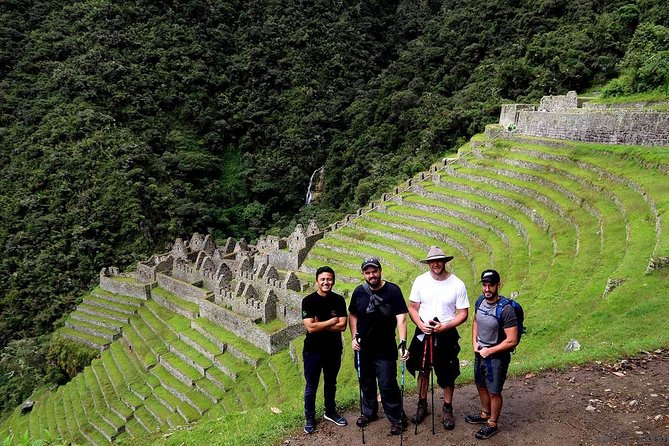
At about 4:30 p.m., the guide leads a visit to Wiñay Wayna, or Forever Young. You spend roughly an hour and a half at the site while the guide explains its role and design. This visit also helps connect the earlier ruins with Machu Picchu, so the next day feels like the next chapter rather than a separate attraction.
The evening includes a final meal and a ceremony introducing the porter and cooking team. It is a fitting moment because the support crew has made the route possible without carrying your entire camp yourself. Pack for an early bedtime. The next alarm comes at 3:30 a.m.
Other ways to reach Machu Picchu:
- 2-Day Inca Trail to Machu Picchu with Panoramic Train
★ 5.0 · 1,876 reviews - From Cusco: Full-Day Group Tour of Machu Picchu
★ 4.7 · 1,767 reviews - Machu Picchu Day Trip from Cusco
★ 4.5 · 1,644 reviews - 2-Day Tour: Sacred Valley and Machu Picchu by Train
★ 5.0 · 1,127 reviews
Day 4: The Sun Gate and Machu Picchu
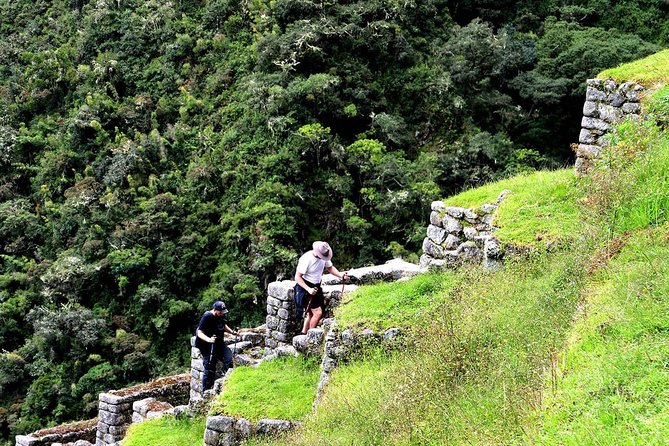
Breakfast is planned for 4:00 a.m. You wait at the checkpoint until the gates open at 5:30 a.m., then begin the final walk toward Intipunku, the Sun Gate.
The goal is to reach the gate around 6:30 a.m. From there, you get your first full views of Machu Picchu and the surrounding mountains. The approach continues downhill for about an hour, with the citadel growing clearer as you get closer.
You are expected to reach the final checkpoint around 7:40 a.m. The package includes a two-hour private guided visit inside Machu Picchu. That private explanation is valuable here because the site can feel overwhelming at first. A guide can give structure to the terraces, buildings, and ceremonial areas instead of leaving you to guess what matters.
After the guided portion, you have free time to explore on your own. The itinerary says you may add Machu Picchu Mountain or Huayna Picchu for a higher viewpoint, but treat those as additional plans that need to be arranged in advance. The supplied details do not say that these climbs are included.
When you are ready to leave, you walk down to Aguas Calientes and continue to the train station. The return train is scheduled for 9:30 p.m., so this is a long final day. After the train reaches Ollantaytambo, a person will meet you outside the station for the transfer back to central Cusco.
That late return makes the trip efficient but tiring. Do not plan an important early activity the next morning. You will have been awake since before dawn and on your feet for much of the day.
What the $990 price really covers
At $990 per person, this is not a budget walk, but the cost includes several major expenses. You receive three nights of camping, three breakfasts, three lunches, and three dinners, plus the cook and porter support needed for a multi-day route.
The package also includes full camping gear except a sleeping bag, pickup from your Cusco hotel, the Inca Trail and Machu Picchu entrance fees when booked at least two months ahead, and the return train. That combination can make the price reasonable for you if you want one organized booking instead of arranging permits, food, camp equipment, transfers, and guiding separately.
The permit point deserves attention. The description says the entrance fee is included for bookings made two months in advance and advises you to contact the operator to check. Since the Inca Trail has controlled entry, ask for written confirmation that your permit and Machu Picchu admission are secured.
You should also budget for anything not included. A sleeping bag is specifically excluded, and an extra porter for your personal belongings costs extra. The information does not list every possible personal expense, so ask what you need to bring and what you may purchase along the route.
The guide and support team matter here
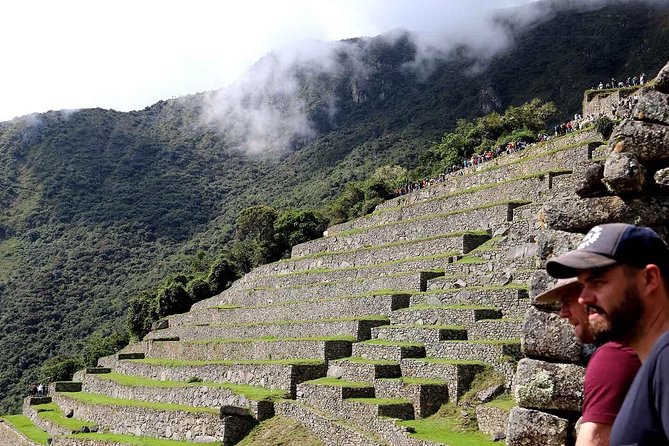
A four-day trek is only as good as the people managing it. The strongest praise for this experience centers on clear coordination, punctual service, detailed explanations, and attentive guides.
Paulo is praised for being helpful and insightful, while Liz M is singled out for making the climb feel easier and explaining Inca culture along the way. Junior, a driver, is praised for confident driving and a pleasant manner. Other names connected with the company include Nixon, Juan Pablo, and Ari.
That does not guarantee a particular guide on your departure, but it gives you useful names to request if schedules allow. More importantly, it shows what to look for during the pre-trek briefing: clear answers, exact pickup instructions, permit confirmation, and a realistic explanation of the route.
The company also receives strong praise for keeping in touch from the start, meeting several times to answer questions, and providing detailed explanations. That level of coordination is especially useful when the schedule involves early pickups, checkpoints, campsites, a private visit, a late train, and a road transfer.
Who should book this trek
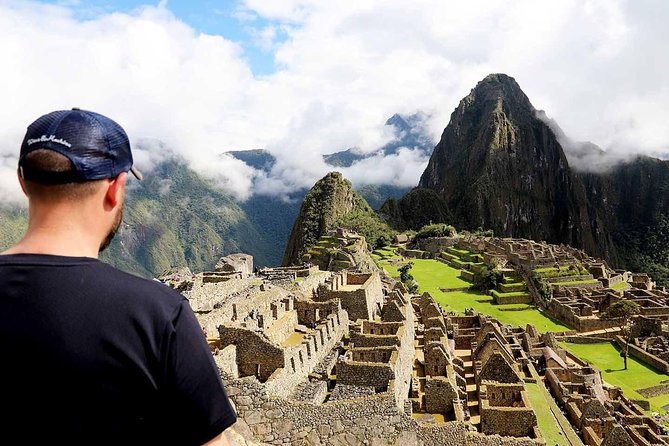
I would choose this experience if you want the historic foot approach to Machu Picchu and prefer having the major logistics handled for you. It suits people who enjoy active trips, archaeological sites, small groups, and simple camping more than hotel comfort.
It also works well for couples who want private camping, provided that arrangement is confirmed. The maximum group size of 15 keeps the experience from becoming a large procession, though it is not a private trek for every person in the group.
I would think twice if you dislike early mornings, high-altitude walking, or basic camping. Day 2 is demanding, and Day 4 starts before sunrise. The tour is also not ideal if you want a leisurely Machu Picchu visit followed by an early night, since the return to Cusco is scheduled late.
The average booking lead time is 59 days, and the permit note points to booking at least two months ahead. That is practical advice, not just a sales detail. Give yourself time to confirm the permit, sleeping bag, personal porter, pickup time, and any optional mountain climb.
Should you book the Inka Trail Classic 4-Day Adventure?
Book it if reaching Machu Picchu through the Sun Gate matters to you. The route gives you Patallacta, Dead Woman’s Pass, Sayacmarca, Phuyupatamarka, Intipata, and Wiñay Wayna before the final guided visit. Few approaches provide such a strong sense of arrival.
The $990 cost makes the most sense if you value a bundled trip with meals, camping, a cook, porters, entrance fees when confirmed, train return, and transport from Cusco. Before booking, get clear answers about the conflicting pickup times and permit inclusion.
If you are physically ready and can handle a 3:30 a.m. wake-up, this is a focused and rewarding way to see Machu Picchu. If you want comfort and flexibility, choose a shorter route by train instead.
FAQ
How long is the Inca Trail to Machu Picchu Classic tour?
The tour lasts approximately four days and includes three nights of camping.
What time is pickup from Cusco?
The itinerary gives a Cusco pickup time of 4:30 a.m., while the meeting details state pickup between 5:30 and 6:00 a.m. Confirm your exact time with the operator during the briefing.
Is pickup from my hotel included?
Yes. Pickup is offered from accommodations in Cusco, Urubamba, or Ollantaytambo. You should provide your hostel or hotel details at least 24 hours before departure.
Do I need my passport?
Yes. You must bring your original passport to enter the Inca Trail checkpoint.
Are meals included?
Yes. The package includes three breakfasts, three lunches, and three dinners.
Is camping equipment included?
Full camping gear is included except for a sleeping bag. A sleeping bag is treated as personal equipment and is not provided.
Is an extra porter included?
No. An additional porter to carry your personal belongings is not included.
How large is the group?
The tour has a maximum of 15 people.
Is the return train included?
Yes. The return train from Aguas Calientes is included and is scheduled for 9:30 p.m., followed by transport from Ollantaytambo toward central Cusco.
Added recently around Cusco
- Super valley or vip valley★ 5.0 · 13 reviews
- the Incas’ Sacred Valley★ 5.0 · 27 reviews
- Sacred Valley of the Incas Day Trip from Cusco★ 5.0 · 6 reviews
- Excursion to the Sacred Valley of the Incas from Cusco★ 5.0 · 8 reviews
- Maras + Moray & Textile Experience★ 5.0 · 14 reviews
- Small-Group Tour: Rainbow Mountains Hiking from Cusco★ 4.0 · 5 reviews
- Tour EN Cuatrimoto POR la Montaña 7 Colors Hike 5 Minutes★ 4.5 · 32 reviews
- rainbow mountain★ 4.0 · 4 reviews
Machu Picchu Tours, compared.
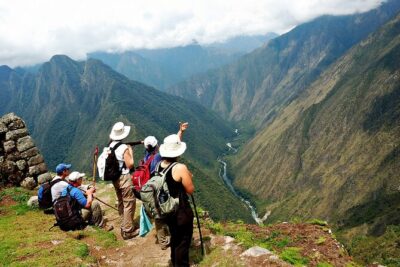
Classic Inca Trail Trek 4D/3N to Machu Picchu (Group Service)
Read our review →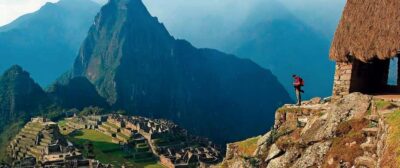
Machu Picchu: 4-Day Inca Trail Trek with Panoramic Train Ride
Read our review →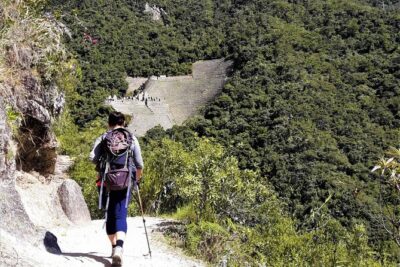
2-Day Inca Trail to Machu Picchu with Panoramic Train
Read our review →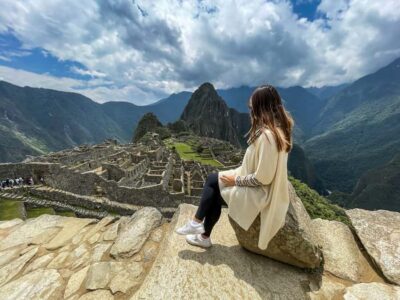
2-Day Tour: Sacred Valley and Machu Picchu by Train
Read our review →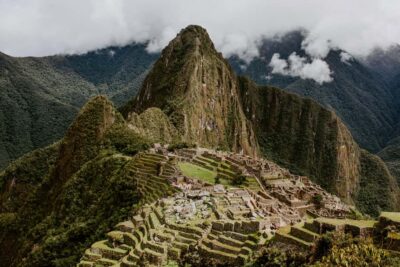
Machu Picchu: Full-Day Tour from Cusco with Optional Lunch
Read our review →Browse the lists this tour appears in