
Reviewed · AMAZON JUNGLE TOURS
Iquitos: Amazon Jungle in 3 Days: Adventure and Culture
The Amazon starts with a river ride. This three-day trip from Iquitos combines wildlife, village visits, and a comfortable jungle lodge without asking you to rough it. I especially like the small group of up to 10 people and the mix of guided nature outings with cultural encounters. The schedule also gives you a real range of Amazon experiences, from sunrise birds to nighttime forest sounds.
I also like that pickup, meals, transfers, private-bathroom lodging, entrance fees, and guiding are included in the $358 price. The main consideration is the heat: one family found it far hotter than the Peruvian mountains, so bring light clothes, insect repellent, and patience for warm conditions.
In This Review
- Five details that shape the experience
- Leaving Iquitos by way of the Nanay River
- Settling into Amazon Journeys Lodge
- Butterflies and village life on the first afternoon
- A night excursion with the forest awake
- Sunrise birds at 6:00 AM on day two
- Rescue animals and an Amazon sugar cane mill
- Dolphins, swimming, and a traditional canoe
- Piranha fishing and an Amazon sunset
- Jungle stories after dark
- Giant trees and medicinal plants on day three
- Meeting the Yagua community
- Returning to Iquitos at 5:30 PM
- What the $358 price really buys you
- Heat, packing, and the practical side
- Who should book this Amazon trip?
- Should you book it?
- FAQ
- Where does the Amazon trip begin?
- How long is the tour?
- How many people are in the group?
- What languages does the guide speak?
- Are meals included?
- Are boots included?
Five details that shape the experience
- The Nanay and Amazon rivers set the rhythm: You first travel by boat along the Nanay River, then spend about 90 minutes reaching the lodge on the Amazon.
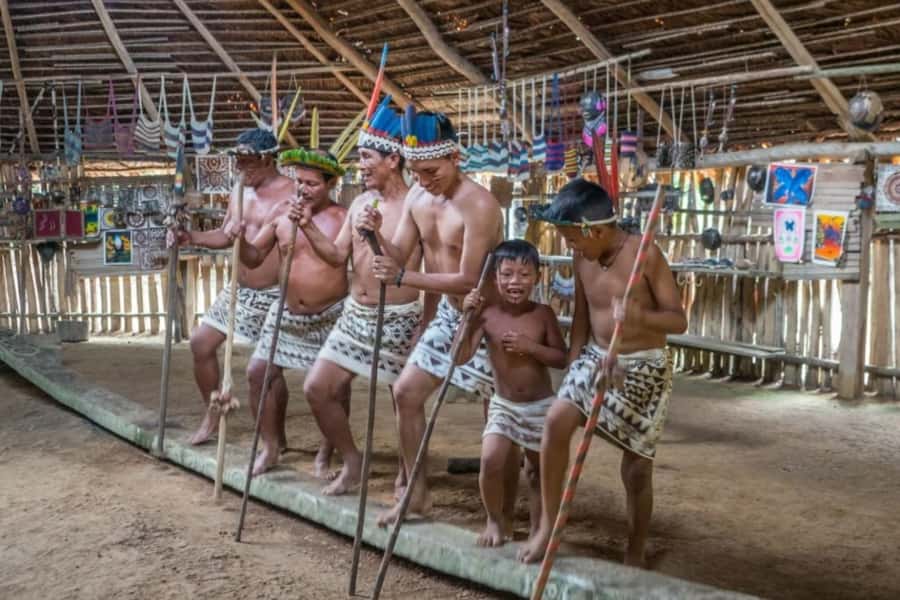
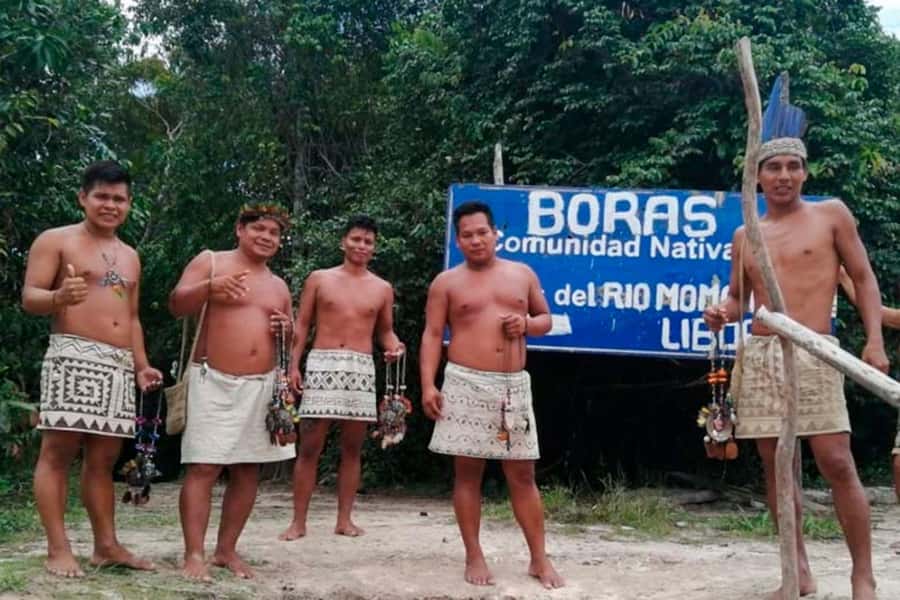
- Boras and Yagua encounters add cultural context: You see dances, learn about daily traditions, and handle a traditional blowgun demonstration with the Yagua.
- Wildlife begins at sunrise: The 6:00 AM bird outing makes the early start worthwhile for anyone interested in Amazon species.
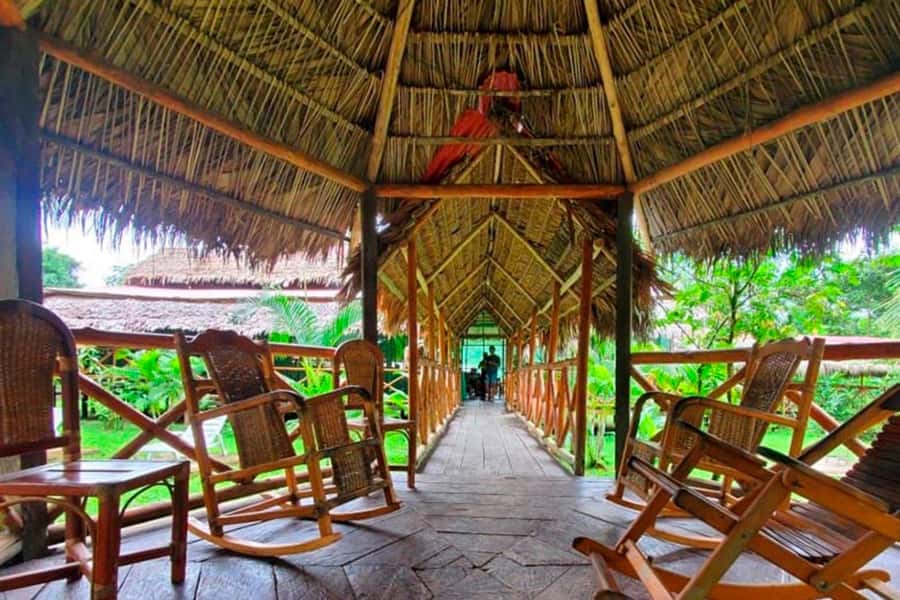
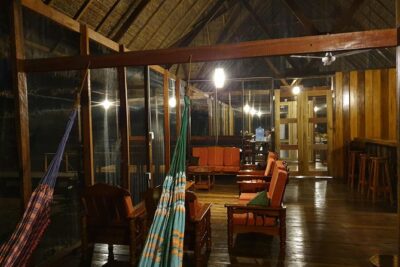
- The lodge offers comfort in the forest: Your room has a private bathroom, and you also have access to a hammock room and other lodge facilities.
- The schedule packs in variety: Butterflies, rescued animals, dolphins, piranhas, medicinal plants, village life, and jungle folklore all appear within three days.
- The guide can adjust the pace: Leon received particular praise for being funny, helpful, attentive, and able to shape activities around a family with children ages 7, 11, and 15.
Leaving Iquitos by way of the Nanay River
Your first day begins with pickup at your hotel or the airport, followed by a transfer to Bellavista Nanay pier. That arrangement is useful if you are arriving in Iquitos and want to begin the jungle portion without arranging a separate taxi or overnight stay in town.
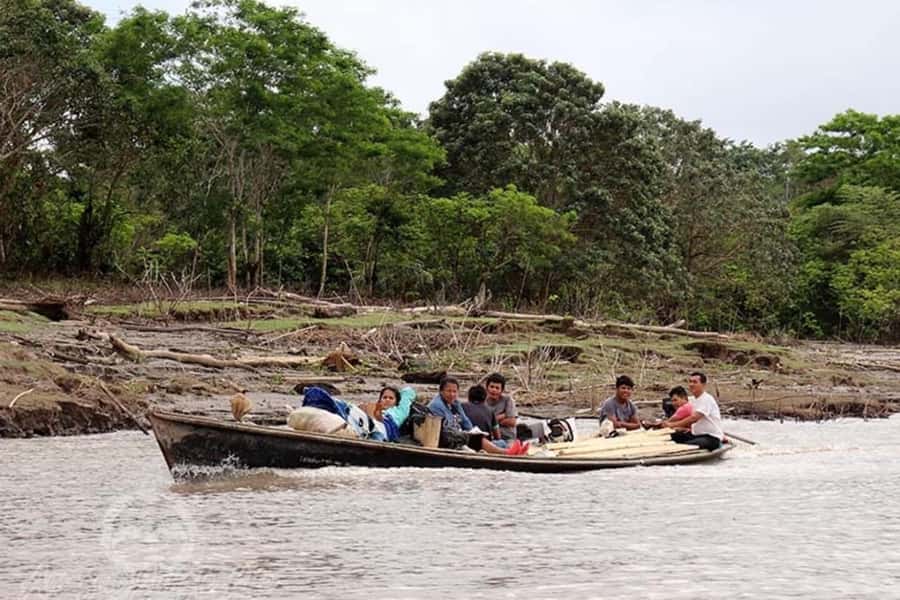
The first boat trip follows the Nanay River to meet the Boras. This is not just a quick photo stop. The program includes time with the community, folk dances, and an introduction to cultural traditions. You should approach this part with respect and attention. The value comes from listening and watching, not treating the visit as a performance staged solely for a camera.
After the Boras visit, you continue onto the Amazon River. The ride to the lodge takes about one hour and 30 minutes. That is a significant stretch of time on the water, but it also gives you a gradual transition from city traffic to broad river views and forest surroundings.
Pack your day bag so you can reach water, sunscreen, insect repellent, and binoculars during the ride. The tour does not describe a specific luggage limit, so keep your important items compact and protected from spray.
More Amazon Jungle Tours in Iquitos
- 3-Day All Inclusive Guided Jungle Tour from Iquitos at Maniti Eco-Lodge
★ 4.5 · 74 reviews - 2-Day All Inclusive Guided Jungle Tour from Iquitos at Maniti Eco-Lodge
★ 4.5 · 62 reviews - 3-Day Iquitos Amazon Jungle Adventure at Heliconia Lodge
★ 4.5 · 54 reviews
Settling into Amazon Journeys Lodge
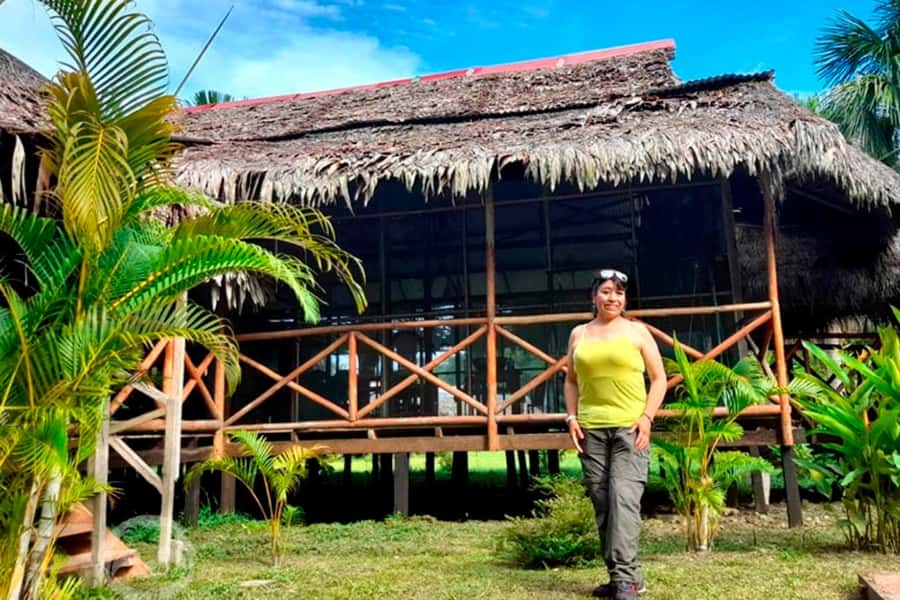
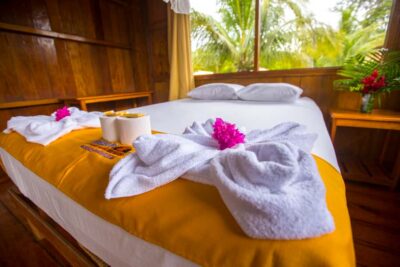
The lodge is on the right bank of the Amazon, and you stay there for two nights. Rooms have private bathrooms, which makes this a comfortable choice for you if you want a jungle setting but do not want a basic camp experience.
After arrival, lunch comes before time in the hammock room. That pause matters. The first morning includes transfers and cultural visits, so a quiet rest can help you handle the heat and the afternoon schedule.
The $358 cost is easier to judge when you look at what it covers. You receive airport or hotel pickup, transfers in and out, two nights of lodging, three lunches, two dinners, two breakfasts, guided excursions, tickets, and use of the lodge facilities. You also avoid the cost and hassle of arranging a separate boat connection and individual entrance payments.
Alcoholic drinks at the bar are extra. Rubber boots are not included, but you can rent them at the lodge. Comfortable shoes are listed as essential, and you should ask about boots when you arrive if the trail conditions make them useful.
Butterflies and village life on the first afternoon
The afternoon visit to the Butterfly House gives you an early lesson in local biodiversity. It is a gentler stop than the boat rides and forest walks, making it a good way to begin learning about the species around the lodge.
You then visit a riverside village. This helps connect the Amazon to ordinary daily life instead of presenting it only as a wildlife stage. You get a look at how communities live beside the river and how closely transportation, work, and social life depend on the water.
The schedule may feel full, especially after the morning transfer. You have a hammock room available for rest, but do not expect the first day to be slow from start to finish.
A night excursion with the forest awake
After dinner, the group heads out for a night excursion. Darkness changes the experience completely. Instead of focusing on broad river views or colorful birds, you listen for sounds and watch for the nocturnal activity that is easy to miss during daylight.
The provided details do not promise sightings of a particular animal, so keep your expectations flexible. This is a guided chance to notice the jungle after sunset, not a guaranteed wildlife show.
A small group helps here. With no more than 10 participants, it should be easier to hear the guide and stay focused than in a large coach-style group. Bring insect repellent and wear shoes you can walk in comfortably.
More jungle trips from Iquitos:
- From Iquitos: 3-Day Amazon Jungle Adventure Trip
★ 4.7 · 50 reviews - From Iquitos: Full day tour in the Peruvian jungle
★ 4.4 · 25 reviews - Iquitos: Native Community Experience & Amazon River Tour
★ 4.6 · 15 reviews - Iquitos: Full Day Tour in the Jungle | Amazon Safari
★ 4.0 · 14 reviews
Sunrise birds at 6:00 AM on day two
Day two begins at 6:00 AM for sunrise and birdwatching in the Amazon basin. This is one of the strongest parts of the program for anyone who enjoys birds or photography. Early light and morning activity give the outing a clear purpose, even if you are not an experienced birdwatcher.
Bring binoculars, as the tour specifically recommends them. You will get more from the outing if you are willing to watch patiently rather than expect every bird to appear close to the boat or trail.
The early departure is also the biggest practical demand of the second day. If you need a slow morning on holiday, this schedule may feel demanding. I would treat the sunrise trip as a priority and save the hammock room for later.
Rescue animals and an Amazon sugar cane mill
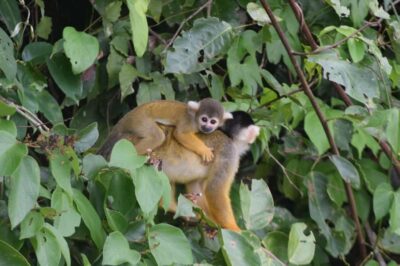
After breakfast, you visit an Animal Rescue Center. This stop gives you a closer look at local species and adds an educational side to the wildlife program. The purpose is not simply to spot animals in the forest. It helps you understand conservation work and the care of species that cannot be treated like ordinary attractions.
The next visit is to an Amazon sugar cane mill. This offers a different kind of cultural lesson, focused on a local product and the work behind it. Combined with the village visits, it keeps the trip from becoming only a sequence of boat rides and animal stops.
I appreciate this balance. You see the natural side of the region, but you also spend time learning how people use and care for the resources around them.
Dolphins, swimming, and a traditional canoe
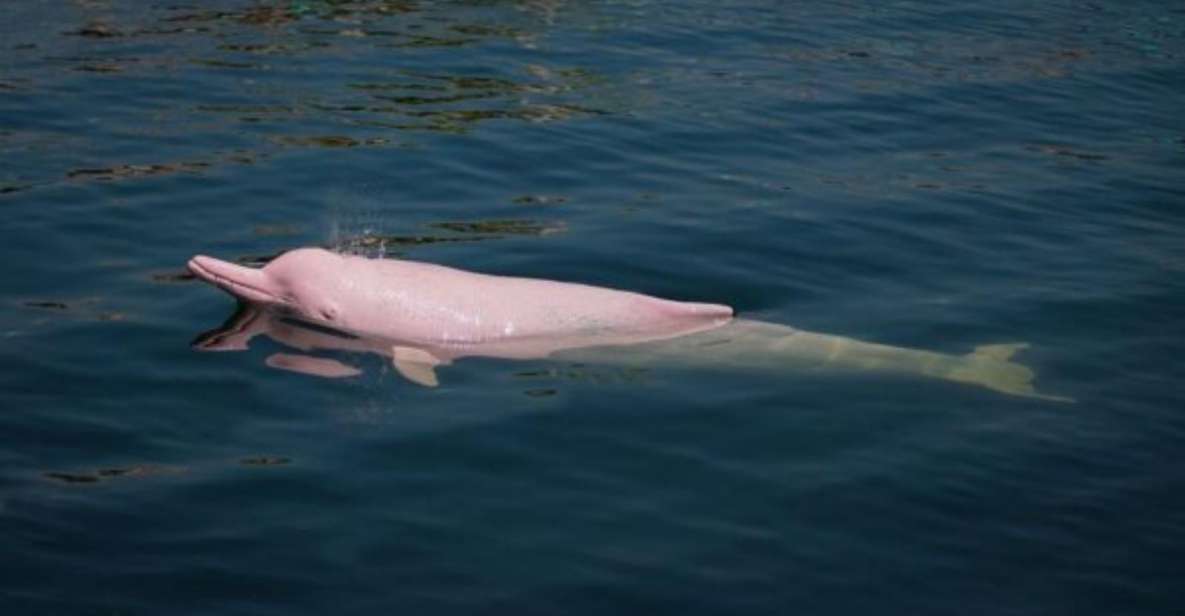
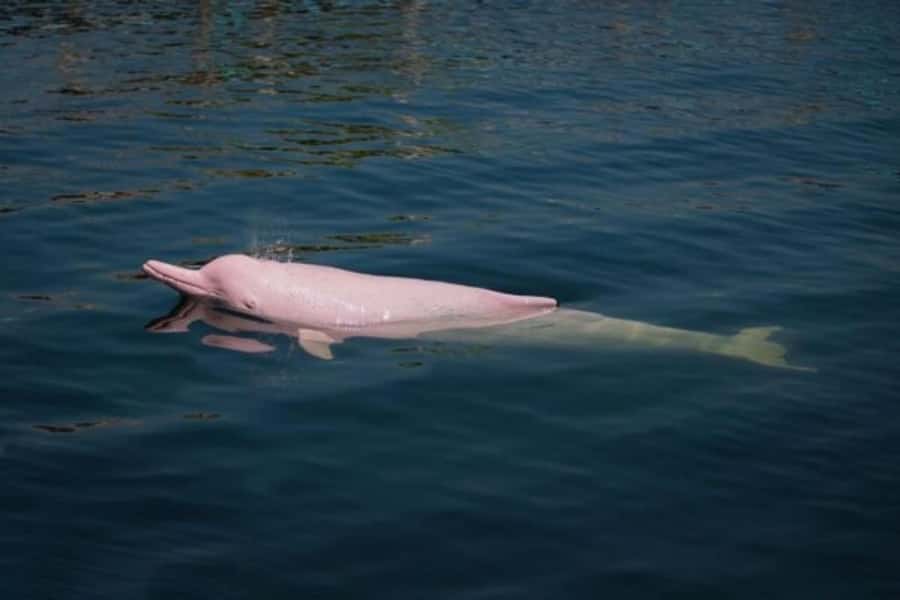
Later, you set out in a traditional canoe to look for Gray and Pink Dolphins. These species are closely associated with Amazon river life, and the canoe gives the outing a more direct connection to the water than a larger transfer boat.
The schedule also allows you to swim in the Amazon River. That is an appealing chance to cool off, particularly after a hot day, but you should follow the guide’s instructions carefully. The information provided does not specify water conditions, exact swimming location, or safety procedures, so ask for the local guidance before entering the river.
The dolphin search is wildlife watching, not a promise of a close encounter. You might see the animals, but their movement and distance cannot be controlled. The canoe trip remains worthwhile because it puts you on the river in a quieter, more focused way.
Piranha fishing and an Amazon sunset
Piranha fishing adds a hands-on activity to the day. You are not merely looking at wildlife from a boat or trail. You get a chance to try a traditional river activity under the guide’s direction.
The schedule then turns toward sunset observation. After the early bird outing, rescue center, sugar cane mill, canoe ride, and fishing, this is a natural time to slow down and watch the light change over the river.
You should not mistake the packed schedule for a luxury retreat. Day two is active and may leave you tired, particularly in hot weather. The payoff is variety: in a single day, you cover birds, mammals, fish, local production, and river scenery.
Jungle stories after dark
The second evening ends with stories and myths of the jungle from the guide. This is a small but important part of the cultural program. Folklore gives you a way to understand how people interpret the forest, rivers, animals, and nighttime sounds.
A guide who can explain these stories with humor and feeling makes a difference. Leon was praised for combining useful background information with a personable manner, and that style seems especially valuable during relaxed evening activities.
If you are traveling with children, the format may work well. A family with children ages 7, 11, and 15 found the activities memorable, and the guide adjusted outings to fit the group. Still, the early start and heat mean families should plan to pace themselves.
Giant trees and medicinal plants on day three
The final morning begins with breakfast and a botanical walk. You learn about giant trees and medicinal plants, giving you a closer look at the forest itself rather than focusing only on animals.
This is a good place to use the guide’s knowledge of local plants and ask questions. The walk helps you notice how much of the Amazon’s value is quiet and stationary. Not every worthwhile sight has wings, fins, or fur.
The details do not state the length or difficulty of the walk. Comfortable shoes are required, and boots can be rented at the lodge if needed. If you have concerns about walking conditions, ask the guide before setting out.
Meeting the Yagua community
The last cultural visit is with the Yagua indigenous community. You take part in dances and learn about traditional hunting tools, including the blowgun.
This visit complements the earlier Boras encounter. You see two different cultural meetings rather than receiving a single general introduction to indigenous life. Pay attention to the explanations around the blowgun and its use. The educational value lies in understanding the skill and setting behind the tool, not simply trying it as a novelty.
As with the Boras visit, respectful behavior matters. Listen to the guide, follow local instructions, and ask before taking photographs. The supplied program promises participation and cultural contact, but it does not specify the exact format of the visit, so the guide will be your best source for practical details on the day.
Returning to Iquitos at 5:30 PM
The trip returns to Iquitos at about 5:30 PM on the third day. That timing is useful if you want to continue with plans in the city, though you should avoid scheduling anything that cannot be moved. River transport can make timing less predictable than a road transfer, even though no specific delay is stated here.
The return trip also means you receive a full final day rather than leaving after breakfast. You have time for the botanical walk and Yagua visit before heading back.
What the $358 price really buys you
At $358 per person, this is not the cheapest possible way to see the Amazon, but the price includes the major building blocks of a three-day stay. You get lodging, meals, transfers, a guide, tickets, and a long list of excursions in one package.
The private bathroom is a meaningful benefit. So is the airport pickup, especially if you arrive tired or are not familiar with Bellavista Nanay pier. The small group limit should also help keep the outings personal and make it easier for the guide to respond to different ages and interests.
The package does not include bar consumption or boots. Those are modest extras, but plan for them. You should also budget for personal drinks or snacks if you want something beyond the included meals.
The strongest value comes from the range of activities. You are not paying only for a lodge bed and a boat ride. You receive nature education, cultural visits, nighttime outings, and several chances to see the river from different kinds of boats.
Heat, packing, and the practical side
The heat deserves serious attention. One visitor arriving after a week in the mountains was surprised by how hot the Amazon felt. I would pack loose, breathable clothes, comfortable shoes, biodegradable insect repellent, and binoculars.
You may also want a hat, sun protection, a refillable water container, and a waterproof cover for electronics, although only binoculars, biodegradable repellent, and comfortable shoes are specifically required in the supplied information.
English and Spanish guiding is available. If you have questions about the pace, swimming, footwear, or cultural visits, raise them early. The small group size gives you a better chance of getting a clear answer than you might in a large tour.
Free cancellation is available up to 24 hours before departure, and you can reserve now and pay later. Those terms give you some flexibility while finalizing an Iquitos schedule.
Who should book this Amazon trip?
I would choose this experience if you want a short, organized introduction to the Amazon with a comfortable room and a full program. It suits couples, families, and first-time jungle visitors who prefer a guide and included transfers rather than arranging boats and activities independently.
It is also a good match for you if cultural contact matters as much as wildlife. The Boras and Yagua visits, village stop, sugar cane mill, myths, botanical walk, and rescue center give the trip more substance than a simple animal-spotting excursion.
I would hesitate if you dislike early mornings, hot weather, shared group activities, or a busy schedule. Three days passes quickly, and day two in particular asks a lot from you. It is better for active sightseeing than for lying around at a lodge.
With a 4.8 rating from four verified bookings, the clearest praise centers on the guide’s attitude and flexibility. Leon is specifically described as informative, funny, helpful, and personable. That combination matters in the Amazon, where a good guide can turn heat, waiting, and uncertain wildlife sightings into part of the fun.
Should you book it?
Book this trip if you want three busy days of Amazon nature and culture with the main costs handled in advance. The private bathroom, small group, airport or hotel pickup, and included meals make the $358 price reasonable for a compact package.
Choose a slower or more specialized program if your priority is long quiet hours, advanced birdwatching, or a less structured schedule. For families and first-time visitors, though, this gives you a broad and practical sample of the Amazon near Iquitos, with enough comfort to make the jungle feel inviting rather than punishing.
FAQ
Where does the Amazon trip begin?
Pickup is available from your hotel or the airport, followed by a transfer to Bellavista Nanay pier.
How long is the tour?
The experience lasts three days and includes two nights at Amazon Journeys Lodge.
How many people are in the group?
The group is limited to 10 participants.
What languages does the guide speak?
Live guiding is available in English and Spanish.
Are meals included?
Yes. The package includes three lunches, two dinners, and two breakfasts.
Are boots included?
No. Boots are not included, but you may rent them at the lodge. Comfortable shoes are recommended, along with binoculars and biodegradable insect repellent.
Added recently around Iquitos
- Iquitos to the Amazon: 2-Day Jungle & Wildlife Experience★ 3.2 · 8 reviews
- Iquitos: Full Day Tour in the Jungle | Amazon Safari★ 4.0 · 14 reviews
- Iquitos: Native Community Experience & Amazon River Tour★ 4.6 · 15 reviews
- Iquitos: 6-Hour Wonderful Wildlife Guided Tour★ 4.7 · 32 reviews
- Iquitos: Amazon Jungle in 2 Days: Adventure and Expedition★ 4.5 · 6 reviews
- Iquitos: 2 Days and 1 Night Guided Amazon Jungle Tour★ 4.4 · 7 reviews
- Iquitos: 3 Days and 2 Nights Guided Amazon Jungle Tour★ 3.9 · 12 reviews
- From Iquitos: Full day tour in the Peruvian jungle★ 4.4 · 25 reviews
Amazon Jungle Tours, compared.
Tambopata Peruvian Amazon Jungle for Three Days/Two Nights
Read our review →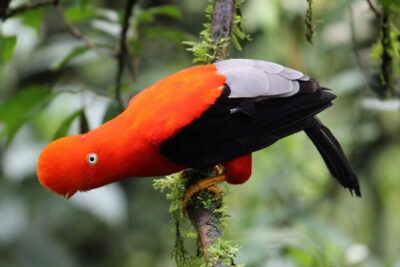

4-Day Jungle Adventure to Machu Picchu: Biking, Ziplining, Rafting and Hiking
Read our review →Browse the lists this tour appears in