
Reviewed · AMAZON JUNGLE TOURS
Jungle Explorer Tour 5 days 4 nights
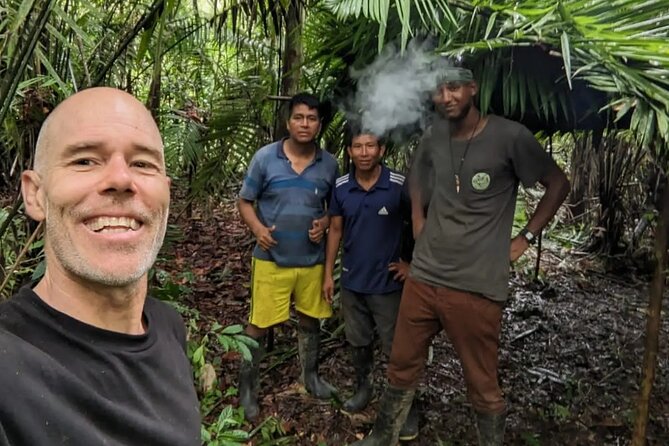
The Amazon rewards patience, curiosity, and sturdy boots. This five-day, four-night Jungle Explorer Tour from Iquitos combines river travel, wildlife searches, jungle walks, village life, and a stay at a basic lodge on the Yarapa River. I like the small group limit of 10 people and the chance to see the forest both by boat and on foot. I also like that the price includes lodging, meals, guides, transport, entrance fees, purified water, and rubber boots.
The main caution is comfort. This is an authentic jungle stay, not a polished resort break. Rooms can be damp, mosquito screens may need repair, showers are cold, electricity comes from solar power, and insects are part of daily life. If you want air-conditioning and spotless hotel service, this is the wrong trip. If you can laugh at a bat above your bed, it may be just right.
In This Review
- Five useful things to know before you go
- What the $350 price really covers
- Day 1: Leaving Iquitos for the Yarapa River
- Day 2: Sunrise birds, piranha fishing, and jungle after dark
- Day 3: Giant trees and a glowing river sunset
- Day 4: Another forest walk and a possible dolphin swim
- Day 5: A river village and the trip back to Iquitos
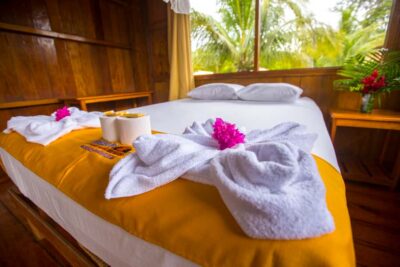
- The lodge: authentic, basic, and not always comfortable
- Guides, group size, and how the trip feels
- What to pack for five damp days
- Who should book this Amazon tour?
- Should you book the Jungle Explorer Tour?
- FAQ
- Where does the Jungle Explorer Tour start?
- How long does the tour last?
- How many people can join the tour?
- Are meals included?
- Are rubber boots provided?
- Does the tour include a village visit?
- What happens if I cancel?
Five useful things to know before you go
- The tour begins in Iquitos and returns around 5 p.m. on Day 5, with transport by road and river included.
- Wildlife is never guaranteed, but the schedule gives you repeated chances to spot monkeys, sloths, birds, iguanas, alligators, and pink and gray dolphins.
- The lodge is simple and damp, with cold showers, brown river water for washing, limited solar electricity, and no phone service.
- The best wildlife outings happen at different times of day, from sunrise bird watching to sunset cruises and night walks.
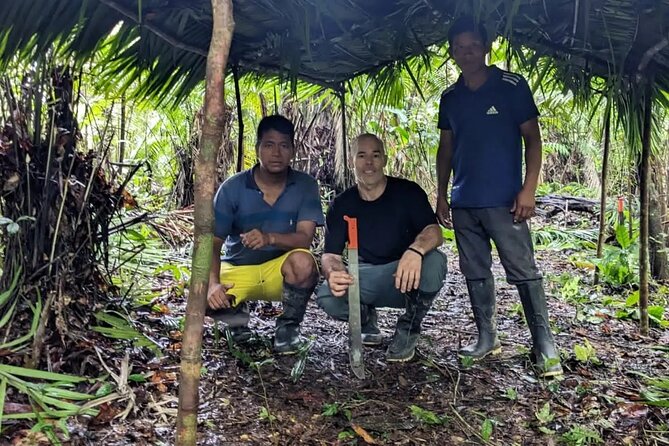
- Guides make a major difference, and named guides including Frank, Roy, Jack, Guido, and James have been praised for their care and practical jungle knowledge.
- At $350 per person, the tour offers strong value, provided you accept basic accommodation and bring your own personal supplies.
What the $350 price really covers
At $350 per person, this tour gives you five days of activities, four nights at a jungle lodge, meals, river and land transport, guiding, entrance fees, purified water, and rubber boots. That is a good amount for the money, especially since the boat rides and several wildlife outings are built into the program rather than added as expensive extras.
The package includes breakfast, lunch, and dinner throughout the stay. The food has been praised as good and sufficient, though bringing snacks is sensible. You may spend long stretches outdoors in the heat, and a small supply of familiar snacks can be useful between meals.
Alcoholic drinks, cigarettes, soft drinks, and bottled water cost extra. A bar service is available, but do not assume drinks are part of the package. Pack or budget for anything you know you will want.
The price is strongest for people who value access and activity over comfort. You are paying for time on the river, local guides, jungle walks, and a chance to see how people live along the waterways. You are not paying for a luxury room, reliable evening electricity, or hotel-style housekeeping.
More Amazon Jungle Tours in Iquitos
- 3-Day All Inclusive Guided Jungle Tour from Iquitos at Maniti Eco-Lodge
★ 4.5 · 74 reviews - 2-Day All Inclusive Guided Jungle Tour from Iquitos at Maniti Eco-Lodge
★ 4.5 · 62 reviews - 3-Day Iquitos Amazon Jungle Adventure at Heliconia Lodge
★ 4.5 · 54 reviews
Day 1: Leaving Iquitos for the Yarapa River
The tour starts at Jirón Putumayo 128 in Iquitos, with reception available from a hotel or airport lodge. From there, the journey moves toward the lodge on the Yarapa River. The first river passage is already part of the experience, with possible sightings of river birds, dolphins, and people living along the waterways.
That first boat ride helps you adjust to Amazon time. The river is not simply scenery here. It is the road, market route, fishing ground, and daily connection between small communities. Keep your eyes open, but do not expect a nonstop wildlife show. The forest is generous, but it operates on its own schedule.
After arrival and a buffet meal, the first major outing is a walk through the medicinal jungle. This is not just a quick stroll past large trees. The guide explains plants used by Amazonian communities, including species with medicinal, toxic, or ceremonial roles.
You may hear about ayahuasca, known here as the soul vine, chacruna, and other plants used by local traditions. The value of this walk is the connection between botany and daily life. Instead of seeing a wall of green, you begin to understand that vines, trees, flowers, mushrooms, and shrubs have names, uses, and dangers.
Wear the supplied rubber boots, move carefully, and listen closely. Plant walks reward attention more than speed. You may also find insects, birds, small animals, and unusual flowers along the trail.
Day 2: Sunrise birds, piranha fishing, and jungle after dark
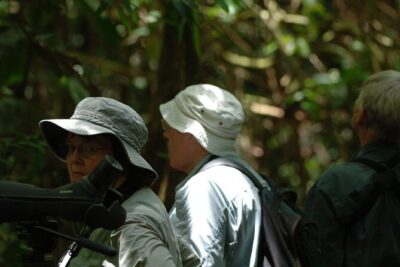
Day 2 begins early with sunrise on the river and bird watching. Early hours matter in the Amazon because the light is beautiful and many animals are active before the heat builds. The search may bring sightings of herons, hawks, black skimmers, iguanas, termites, dolphins, and other river life.
The schedule then turns to piranha fishing. You leave the base camp in a typical wooden boat and travel about 30 minutes downstream along the Ucayali River before reaching the Amazon River. The fishing excursion can last as long as you wish to stay outdoors, giving you some flexibility in a busy day.
Piranha fishing is a hands-on activity rather than a passive wildlife cruise. It adds a different side of the river, especially if you enjoy learning how local food sources are caught. As with all wildlife outings, the exact catch depends on conditions and luck.
The boat continues along the river, where you might see monkeys, dolphins, birds, sloths, or iguanas. The repeated boat trips are useful because each section of river offers a different angle. A monkey may be easier to spot from the water, while a bird may reveal itself only when the boat slows.
After dinner comes the night walk. Rubber boots are essential, and the darkness changes the forest completely. Guides search for night monkeys, opossums, snakes, frogs, toads, bullet ants, spiders, tarantulas, scorpions, and small reptiles.
This can be one of the most memorable parts of the tour, but it is also the point where you learn how comfortable you are with jungle insects. The guide’s job is to help you observe safely, not to remove every creature from your path. Bring patience, closed footwear, and a calm attitude.
Day 3: Giant trees and a glowing river sunset
After breakfast, a longer jungle hike focuses on the forest’s large trees. Look for kapok trees, ficus, Amazonian mahogany, and the rubber tree, which played a major role in Amazon history.
The rubber tree is especially useful as a teaching point. It connects the forest to the economic history of the region and shows how one plant can shape human settlement, trade, and hardship. The walk also includes searches for monkeys, birds, rodents, snakes, spiders, ants, and other insects.
The wording of the schedule suggests an active search rather than a guaranteed animal encounter. That distinction matters. You may see plenty, but you should book this tour for the experience of looking, listening, and learning, not for a fixed checklist of species.
Later, the boat heads out to search for pink and gray river dolphins. Seeing both species on one outing is possible, though not certain. Their appearances can be brief, so keep watching the water rather than waiting for a staged performance.
The day ends with a sunset cruise. This is a quieter part of the program, with changing light on the river, a cooling breeze, and possible sightings of herons, small parrots, black terns, dolphins, or an alligator. You can bring a bottle of wine for a toast, but alcoholic drinks are not included.
The sunset ride gives the schedule a welcome pause. After a hot hike and wildlife searches, sitting on the river while the sky changes color can be more satisfying than packing in another major activity.
More jungle trips from Iquitos:
- From Iquitos: 3-Day Amazon Jungle Adventure Trip
★ 4.7 · 50 reviews - Amazon Rescue Center – Manatees Conservation Center Admission Ticket
★ 4.5 · 49 reviews - Monkey Island,Amazon River & Native Aquatic Species – All tickets
★ 5.0 · 44 reviews - Monkey Island, Amazon River, Amazonian Sunset
★ 5.0 · 38 reviews
Day 4: Another forest walk and a possible dolphin swim
Day 4 repeats some of the best themes from Day 3, with a morning jungle hike focused on medicinal plants and large trees. Repetition is not necessarily a flaw in the Amazon. A second walk gives you another chance to understand the forest, and wildlife sightings can change from one hour to the next.
The guide may point out small ants, spiders, insects, and snakes on or near the ground. Watch where you step, stay with the group, and follow instructions about plants and animals. The jungle is not a place for wandering off to take a closer photograph.
The afternoon includes a search for pink and gray dolphins, with the possibility of swimming near them. The schedule describes looking for a mother dolphin and her offspring. Treat this as an opportunity rather than a promise, since animal behavior and river conditions control what happens.
This activity also deserves a thoughtful approach. Dolphins are wild animals, not trained performers. Follow the guide’s directions and avoid trying to chase, grab, or crowd them. The best encounter is one that leaves the animals undisturbed.
Five days gives you more chances for sightings than a short overnight trip, but it also means several days of heat, damp clothing, insects, and basic facilities. One person found the full stay two days longer than necessary, while others considered five days ideal. Your tolerance for simple living will decide which side you land on.
Day 5: A river village and the trip back to Iquitos
The final morning visits a local river village. Communities along the river depend on water transport for travel, fishing, food, and trade. Some homes lack treated water, and families may collect water from the river or rain.
The visit offers a look at local beliefs, education, dialects, crafts, and everyday routines. It is one of the most valuable parts of the program because it shifts the focus from wildlife to people. You see how the river shapes work and family life, rather than treating the forest as an empty nature park.
The tour information suggests bringing school supplies if you wish to give something to local children. If you do, offer items respectfully and follow the guide’s advice. A village visit should be an exchange and a chance to learn, not a photo stop built around handouts.
After lunch, you return to Iquitos, arriving at the meeting point around 5 p.m. Plan the rest of your day with some breathing room. River travel can be affected by conditions, and the final return is a substantial part of the schedule.
The lodge: authentic, basic, and not always comfortable
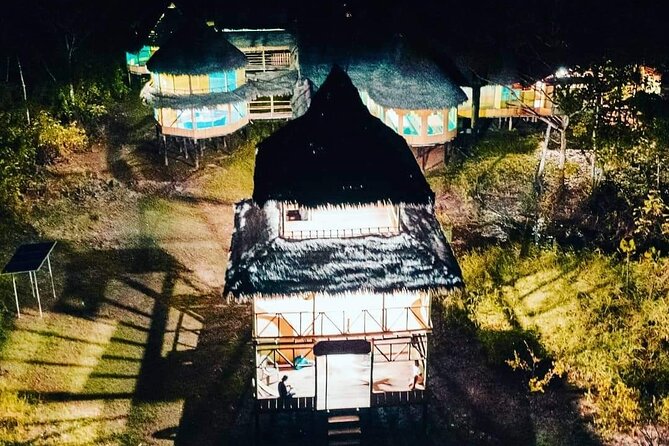
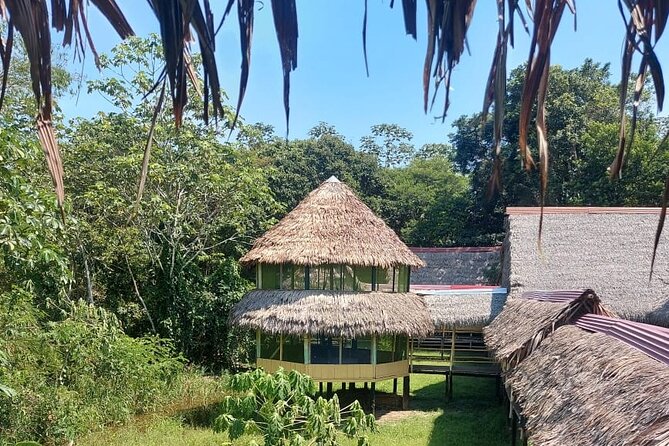
The lodge is the central tradeoff. It places you close to the forest and lets you experience the Amazon without returning to Iquitos each night. That access is the reason to choose this tour.
The facilities are basic. Showers use brown river water and are cold, though a cold shower can feel excellent in the heat. Solar power may cut out unexpectedly in the evening, and there is no phone service. Prepare to be offline.
Dampness is a serious practical issue. Clothing, bedding, wood, and personal items may feel wet for much of the stay. One report described mold on sheets and pillowcases and rotting wood in parts of the building, while another found the room comfortable. Conditions may vary, but you should pack for a rustic lodge, not a city hotel.
Mosquito screens have been reported in poor repair. Bats may rest in the rafters, and large flying cockroaches can appear in the shower. These are not small details if you have allergies or strong insect fears. Bring antihistamines and any personal medicine you need, along with soap and a towel, since only toilet paper is specifically provided.
Guides, group size, and how the trip feels
The maximum group size is 10 people, which is a useful limit for boat rides, narrow trails, and wildlife spotting. A group of eight was considered a comfortable size, with enough people for conversation without making the outings feel crowded.
The guides are a major strength. Frank has been praised for going out of his way to make activities personal, while Roy, Jack, Guido, and James have also been singled out for friendly help, survival tips, and close attention to safety. Guide quality matters greatly in the Amazon because spotting wildlife depends on local experience and patience.
One unusual experience involved Kambo, with Guido taking part alongside the group. This is not clearly listed as a standard activity in the daily schedule, so do not book expecting it. If it comes up, ask direct questions about what is involved and make your own decision.
Transport may not always be smooth. A van broke down during one journey, and one account described aggressive driving. The guides found help and continued the trip, but you should bring flexibility. This is Iquitos and the rainforest, not a tightly timed European rail journey.
What to pack for five damp days
Pack light, but pack carefully. The tour supplies rubber boots, yet you still need clothing and personal items suited to wet conditions.
Bring:
- Lightweight clothing that dries quickly
- Extra socks and underwear
- Soap and a towel
- Antihistamines if you are prone to allergies
- Personal medication
- Snacks
- Insect protection
- A small bag for wet clothing
- A flashlight or headlamp if you have one
- School supplies only if you wish to make a respectful donation
- Money for alcohol, soft drinks, bottled water, or cigarettes
Do not count on phone service or steady electricity. Keep electronics protected from moisture, and avoid bringing anything you would hate to see covered in humidity.
Who should book this Amazon tour?
I would choose this tour if I wanted a low-cost, activity-filled introduction to the Iquitos Amazon. It suits people who enjoy wildlife searches, long boat rides, forest walks, local culture, and simple accommodation.
It is also a good fit if you want several chances to see dolphins and birds rather than one rushed outing. The combination of sunrise, daytime, sunset, and nighttime activities gives you a fuller sense of how the forest changes through the day.
I would not choose it for a restful luxury holiday, a highly controlled schedule, or a stay free from insects. People with serious allergies, limited tolerance for damp rooms, or a strong need for reliable power should think carefully before booking.
The tour has a current rating of 4.9 from 20 ratings, with 95 percent of people recommending it. That strong score fits the main pattern: excellent guides, good food, varied activities, and a memorable sense of place, balanced against rough facilities and the need to stay flexible.
Should you book the Jungle Explorer Tour?
Book it if you want value, real jungle time, and strong guiding more than comfort. Five days lets you see the Amazon at dawn, in full heat, at sunset, and after dark. The village visit and medicinal plant walks also give the tour more substance than a simple wildlife cruise.
Think twice if you need clean, dry rooms, dependable electricity, and polished transport. For the right person, $350 is an excellent deal. For the wrong person, four nights in a damp jungle lodge may feel very long.
Cancel at least 24 hours before the start time for a full refund. Changes or cancellations inside 24 hours are not accepted for a refund.
FAQ
Where does the Jungle Explorer Tour start?
It starts at Jirón Putumayo 128, Iquitos 16002, Peru. Reception may also be arranged from a hotel or airport lodge.
How long does the tour last?
The tour lasts approximately five days and includes four nights at the jungle lodge.
How many people can join the tour?
The maximum group size is 10 people.
Are meals included?
Yes. Breakfast, lunch, and dinner are included during the tour. The package also includes purified water, but alcoholic drinks, soft drinks, cigarettes, and bottled water are not included.
Are rubber boots provided?
Yes. Jungle rubber boots are included in the tour.
Does the tour include a village visit?
Yes. Day 5 includes a cultural visit to a local river village, followed by lunch and the return to Iquitos at about 5 p.m.
What happens if I cancel?
You receive a full refund if you cancel at least 24 hours before the experience starts. Cancellations or changes made less than 24 hours before the start time are not refunded.
Added recently around Iquitos
- Amazon Wildlife Excursions 2/ Days /1 night★ 4.0 · 9 reviews
- Amazon tour adventure 3/ Days 2/ Nights★ 5.0 · 8 reviews
- Monkey Island,Amazon River & Native Aquatic Species – All tickets★ 5.0 · 44 reviews
- Iquitos: Amazon Adventure and Expedition Tour | 3 Days★ 4.0 · 5 reviews
- Iquitos: Amazon Adventure: Nature and Wildlife | 2 Days★ 4.0 · 25 reviews
- Iquitos: Secret to Black River | Full Day★ 3.5 · 6 reviews
- Full Nature 4 Days 3 Nights – Amazon Wonder Expeditions★ 5.0 · 8 reviews
- Narowé the Taste of the Amazon: Iquitos Foodie Adventure★ 4.5 · 13 reviews
Amazon Jungle Tours, compared.
Tambopata Peruvian Amazon Jungle for Three Days/Two Nights
Read our review →

4-Day Jungle Adventure to Machu Picchu: Biking, Ziplining, Rafting and Hiking
Read our review →Browse the lists this tour appears in