
Reviewed · FOOD & DRINK
Lima Street Food: A gastronomic adventure through the city.
Come hungry, leave with a better map of Lima. This $60 street food tour ties local dishes to the city’s markets, Chinatown, and historic center, so you get more than a series of snacks. I especially like the mix of fresh ceviche and tropical fruit, plus the chance to finish with pisco in the Plaza Mayor area. The main drawback is the long walking day and the added cost of reaching the Benavides Metropolitano station.
The food is varied enough to keep surprises coming, from southern stuffed olives and Andean cheese to Chinese-inspired bites and crisp churros. Guides such as Claudia, Chris, Michael, and Yozi have been praised for explaining both food and local history in clear English. Just know that the route can last closer to four hours when the group is large, and not every unusual dish will suit every palate.
In This Review
- Key things to know before you book
- What this Lima food tour is really about
- Markets, fruit, and the first Lima bites
- Chinatown shows Lima’s cross-cultural cooking
- Plaza Mayor brings food and history together
- Chicha morada gives the tour a softer pause
- Pisco closes the day with city lights and conversation
- Is $60 good value for the amount of food?
- How long the route takes in real life
- Who will enjoy this most
- Booking flexibility and guide language
- Should you book Lima Street Food?
- FAQ
- How much does the Lima Street Food tour cost?
- How long does the tour last?
- Where does the tour start?
- Where does the tour finish?
- Is transportation included?
- Which foods and drinks are included?
- Are guides available in English?
- Can I cancel the booking?
- Is the tour suitable for people with mobility impairments?
Key things to know before you book
- A full tasting menu on foot: You sample ceviche, fruits, churros, corn, beans, cheese, olives, chicha morada, Chinese snacks, and pisco.
- The Benavides meeting point matters: You make your own way to the outside of Benavides Metropolitano station, then spend about 30 minutes traveling by bus toward central Lima.
- Chinatown adds a useful cultural layer: The food stops show how Chinese and Peruvian cooking have influenced one another.
- The historic center supplies the backdrop: Plaza Mayor brings colonial-era sights and city stories alongside more tastings.
- Pisco is the finale: The final 45 minutes focus on Peruvian spirits and a tasting session.
- Expect a generous, flexible pace: The advertised duration is 210 minutes, but the outing can take about four hours with a larger group.
What this Lima food tour is really about
This is not a polished restaurant crawl. It is a walking introduction to how Lima eats in ordinary public spaces: markets, street stalls, city-center shops, and Chinatown stops. That distinction matters. You are not only tasting finished dishes. You are seeing the setting, pace, and mix of cultures that give the food its character.
The experience begins outside Estación Benavides Metropolitano. You meet your guide there, then take public transportation for about 30 minutes toward the city center. The ride costs about $1 if you use the bus, while a taxi from the meeting area is estimated at about $7. Transportation is not included, so plan for this small extra expense.
I like that the guide travels with you rather than simply appearing at the first tasting point. This gives you a chance to ask questions and start learning how Lima’s districts connect. One useful point from the experience is that some guides have helped visitors coming from Miraflores use the public bus into central Lima. It is economical, though one traveler described the ride as less comfortable than a taxi.
Once the food begins, the tour combines tasting with short walks and explanations. The total amount of food is substantial for a three-and-a-half-hour activity. You should arrive hungry, but not so hungry that you rush through the first stops.
More City Tours in Lima
- Lima Half-Day City Walking Tour (Small Groups)
★ 5.0 · 1,508 reviews - City Tour Panoramic Bus Departure From Larcomar
★ 4.5 · 733 reviews - Lima’s Vibrant Heritage: Exploring the City’s Landmarks Half-day
★ 4.5 · 581 reviews
Markets, fruit, and the first Lima bites
The central food portion lasts about an hour and a half. This is the longest stretch of the tour, and it is where the range of flavors becomes clear.
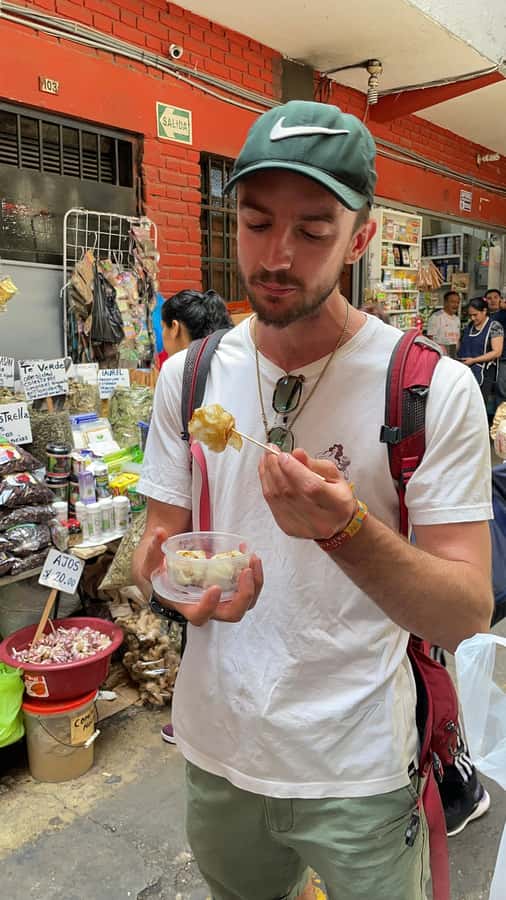
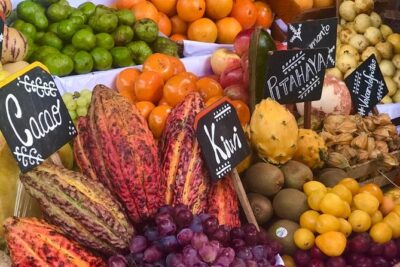
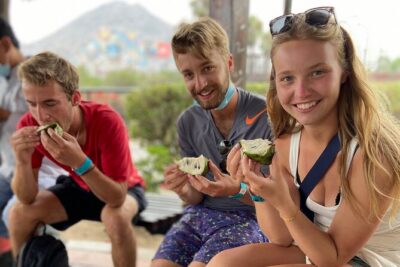
Expect fresh ceviche, a coastal Peruvian classic built around seafood and bright seasoning. The tour also includes exotic fruits, and the fruit tasting is one of its most appealing features. You might encounter flavors you would not think to order on your own, with the guide helping explain what you are eating and how it fits into Peru’s food culture.
The tasting list also includes Peruvian beans and corn seasoned in different ways, Andean cheese, and stuffed olives from southern Peru. These are useful additions because they move the experience beyond the most famous dishes. Ceviche gets the attention, but corn, beans, cheese, and olives show the country’s regional variety in smaller, easy-to-try portions.
You may also taste soup or different types of meat, depending on the food stops available that day. The exact sequence can vary, and that is part of the street-food format. You should not expect every bite to be a personal favorite. The point is to try foods you may not recognize, then decide what deserves a second helping later.
The market visit adds visual interest, too. You can look at produce and prepared foods while the guide explains the ingredients. Wear comfortable shoes, because this section involves walking between stops and standing while eating. A hat, sunglasses, sunscreen, and water are sensible in Lima’s daytime conditions.
Chinatown shows Lima’s cross-cultural cooking
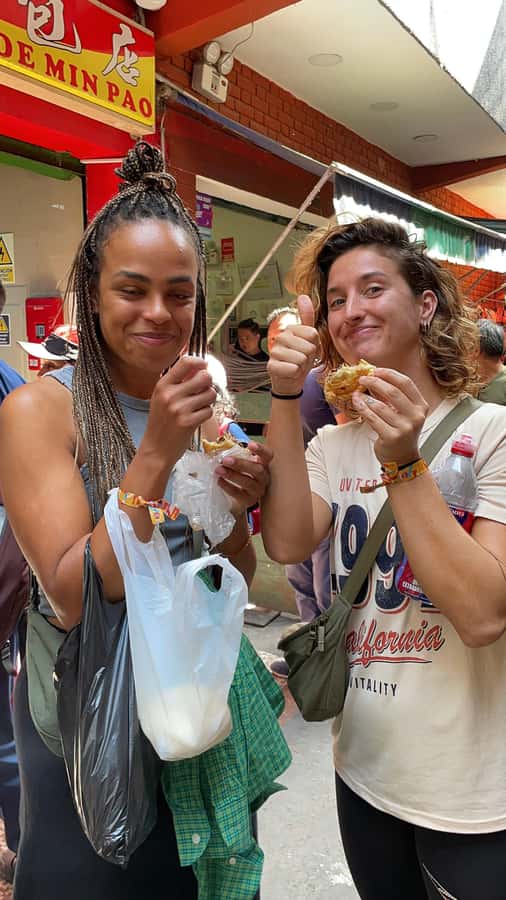
The Chinatown portion lasts about 30 minutes. It is shorter than the market section, but it gives the food tour a wider frame.
Here, you sample Chinese-inspired snacks in the heart of Lima’s Chinatown. This is not presented as a separate Chinese food tour. Instead, it shows how migration and local ingredients have shaped the city’s everyday cooking. The result is a useful reminder that Peruvian cuisine is not one fixed tradition. It has been shaped by coastal produce, Andean staples, European influences, African heritage, and Asian cooking.
I like this stop because it breaks up the expected ceviche-and-pisco route. You get a different flavor profile and a different part of the city at the same time. The short visit also keeps the day moving toward the historic center.
If you have dietary restrictions, ask the guide before accepting each tasting. The supplied information does not give a vegetarian, vegan, allergy, or gluten-free menu. Since the tour includes seafood, meat, cheese, olives, corn, beans, fruit, and Chinese snacks, you should not assume that every item will fit your needs.
Plaza Mayor brings food and history together
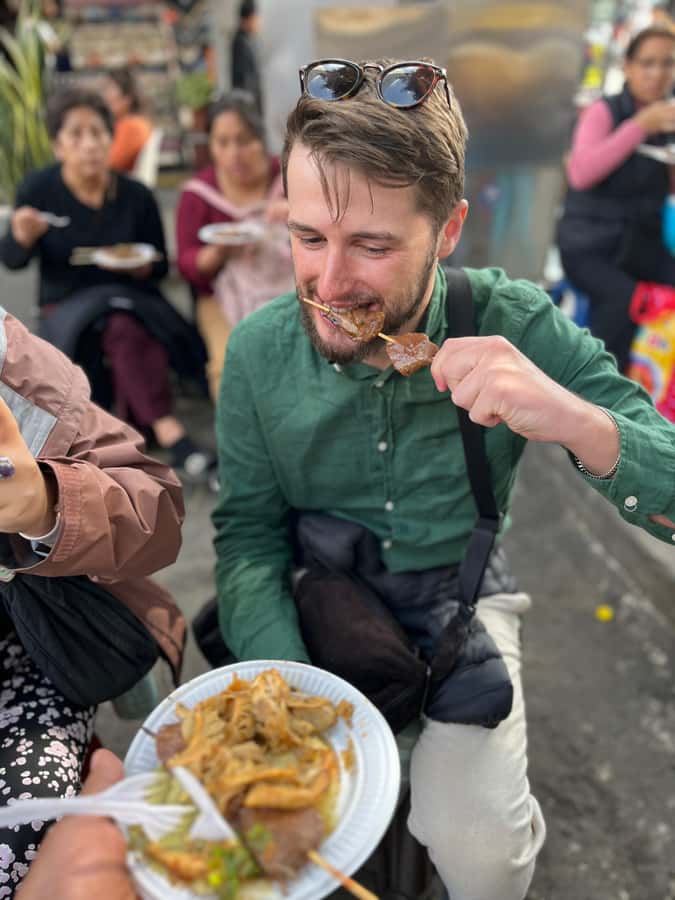
The tour then reaches Plaza Mayor de Lima for about 30 minutes of walking, sightseeing, and tasting. The square gives the food a sense of place. Instead of eating in isolation, you pause among the historic buildings and public spaces of central Lima.
The guides are encouraged to mix city history with food culture, and this has been one of the most praised parts of the experience. Claudia has been described as warm and well informed, Chris as engaging and personal, and Michael as clear and interesting. One particularly good feature is that guides may stop at historic monuments along the route rather than treating the city as a backdrop.
That combination suits you if you want more than a checklist of dishes. You can ask why a particular ingredient matters, how a drink is used, or what the surrounding buildings say about Lima. The history portion is not a separate museum tour, so keep your expectations realistic. It is a food-led walk with historical context, not an exhaustive study of the city center.
Plaza Mayor is also where the tour begins its final focus on drinks. You should have time to rest your feet briefly, but this is still an active outing. The exact pace depends on the group and the guide.
More Food Tours in Lima
- Lima Ultimate Peruvian Food Tour
★ 5.0 · 1,845 reviews - Peruvian Cooking Class, Local Market Tour & Exotic Fruit Tasting
★ 5.0 · 744 reviews - Lima: Ultimate Peruvian Food Tour
★ 4.9 · 700 reviews - Street Food, Market & Old Eateries Tour in Lima’s Historic Center
★ 5.0 · 656 reviews
Chicha morada gives the tour a softer pause
Chicha morada is one of the most memorable nonalcoholic tastings included in the experience. Made from purple corn, the drink is tied to long-standing Peruvian food traditions and carries a distinctive color and sweet, spiced character.
For many people, the first sip feels more surprising than expected. It is not simply fruit juice, and it does not taste like a standard soft drink. The drink gives you a small connection to Peru’s past while still being easy to enjoy during a walking tour.
The inclusion of chicha morada is important because the tour does not treat pisco as the only Peruvian drink worth knowing. You get a more rounded look at local drinking habits, from a traditional corn-based beverage to the country’s best-known spirit.
Pisco closes the day with city lights and conversation
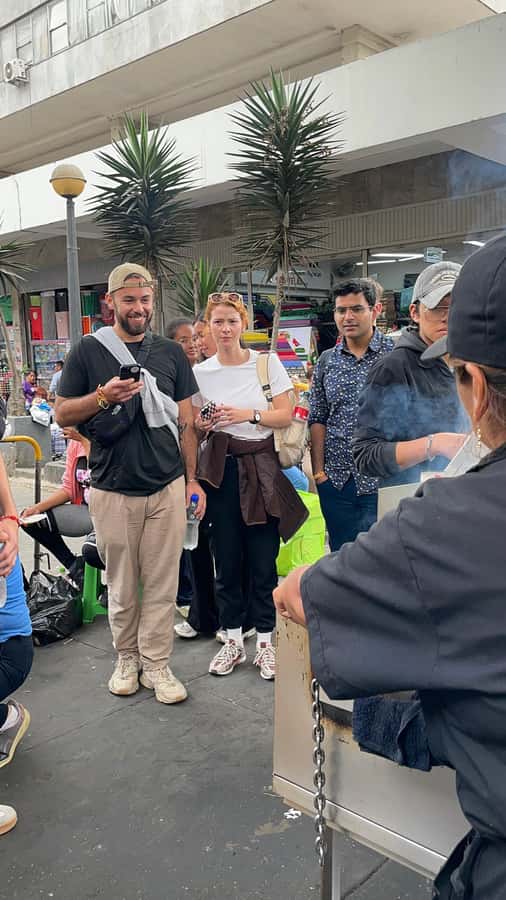
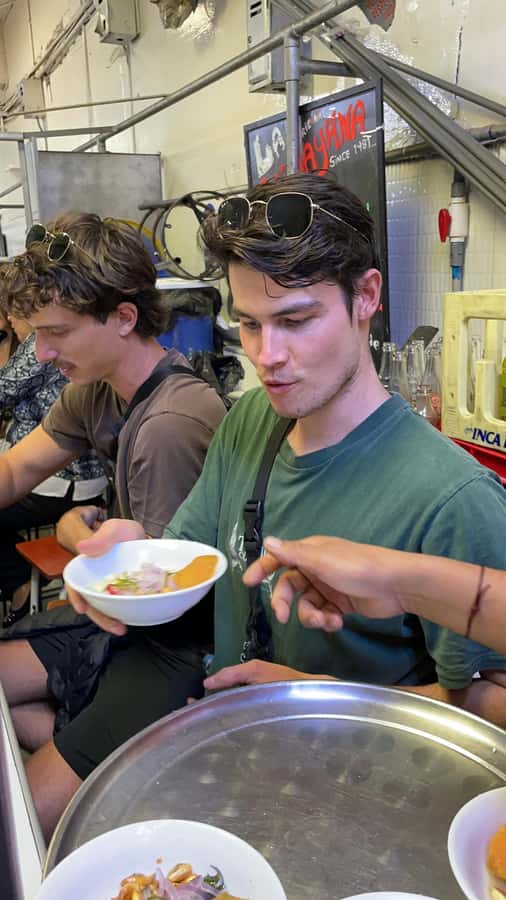
The final stop lasts about 45 minutes and centers on pisco tasting. Pisco is Peru’s signature grape spirit, and this tasting gives the day a clear finish rather than ending with one last snack at a market stall.
The atmosphere is described as social and relaxed, with city lights, conversation, and the friendly hospitality that makes a guide-led tasting more enjoyable. You can expect an introduction to Peruvian spirits rather than a formal sommelier class. The available details do not specify the number of pours, brands, or cocktail recipes, so do not book this expecting a technical spirits seminar.
This final stop also affects who should book. If you do not drink alcohol, the food and chicha portions still make up much of the day, but pisco is a central part of the ending. Children who are not accompanied by an adult are not allowed, and the experience is not designed for unaccompanied minors.
The tour finishes in Centro Histórico, rather than returning you to the starting station. That is useful if you want to keep sightseeing in central Lima afterward. It also means you must arrange your own way back to your hotel or next stop.
Is $60 good value for the amount of food?
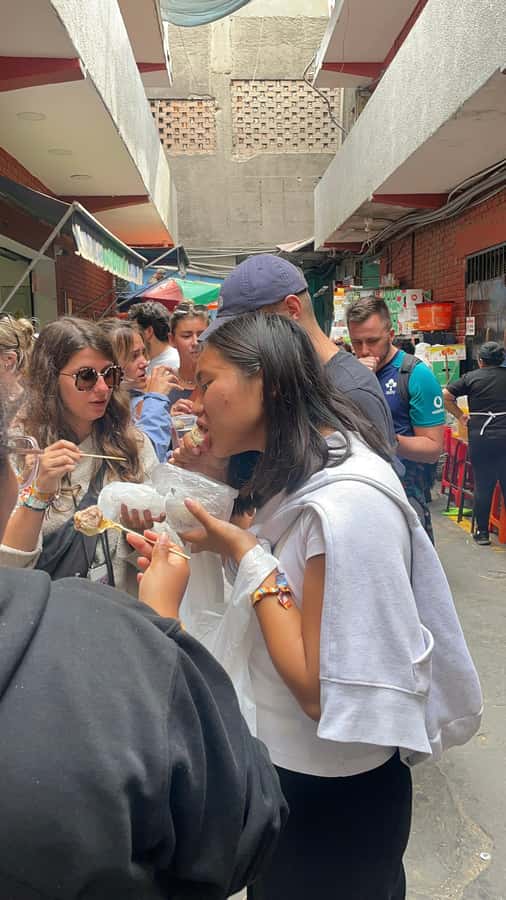
At $60 per person, this is not the cheapest way to eat in Lima. You are paying for a guide, a planned route, several tastings, transport orientation, and historical commentary as well as the food itself.
The value improves if you are new to Lima and would otherwise hesitate to choose market stalls or street vendors. A guide can explain what you are trying and help you move through unfamiliar areas with more confidence. The experience also covers several food categories in one outing, including seafood, produce, sweets, drinks, regional ingredients, and Chinese-influenced snacks.
The included food is generous enough that you should not need a large meal before or during the tour. Additional food and drinks are not included, so budget extra if you want to buy something beyond the planned tastings.
The price is less compelling if you already know Lima’s markets well or prefer to choose every dish yourself. Independent eating will usually cost less, but it will not provide the same structure or explanations. For a first introduction, the combination of quantity and variety makes the fee reasonable.
How long the route takes in real life
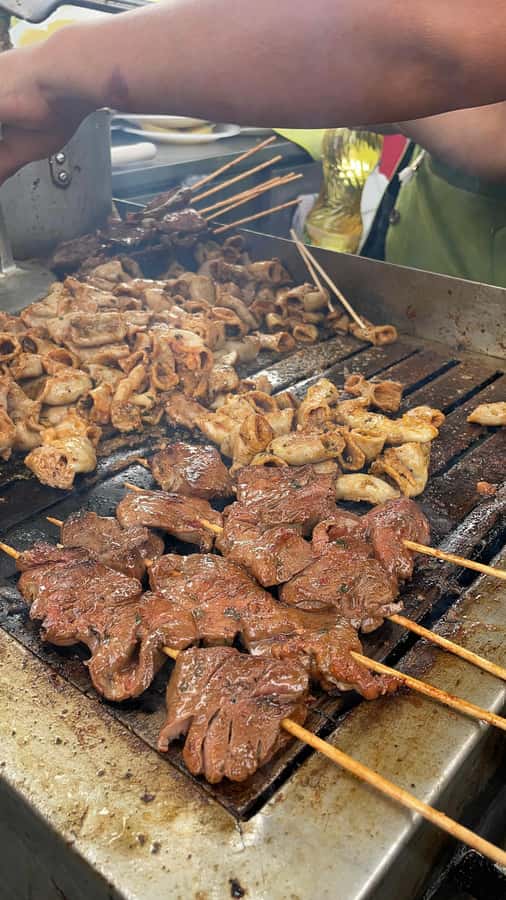
The stated duration is 210 minutes, or three and a half hours. The practical advice is to allow about four hours. Group size can affect the pace, especially when everyone needs time to receive food, listen to the guide, and walk between stops.
The rough flow looks like this:
- About 30 minutes by bus or coach from Benavides toward Lima’s central areas.
- About 90 minutes of market visits, walking, and food tasting.
- About 30 minutes in Chinatown for Chinese-inspired snacks.
- About 30 minutes around Plaza Mayor with more food and city sights.
- About 45 minutes for the pisco tasting.
Because the tour finishes in Centro Histórico, do not schedule a tight appointment immediately afterward. The route is better suited to a flexible morning or afternoon.
Comfortable shoes are essential. Bring water, cash, sunscreen, sunglasses, a hat, and a power bank. Cash is useful for the transportation cost and any extra food or drink you decide to buy.
Who will enjoy this most
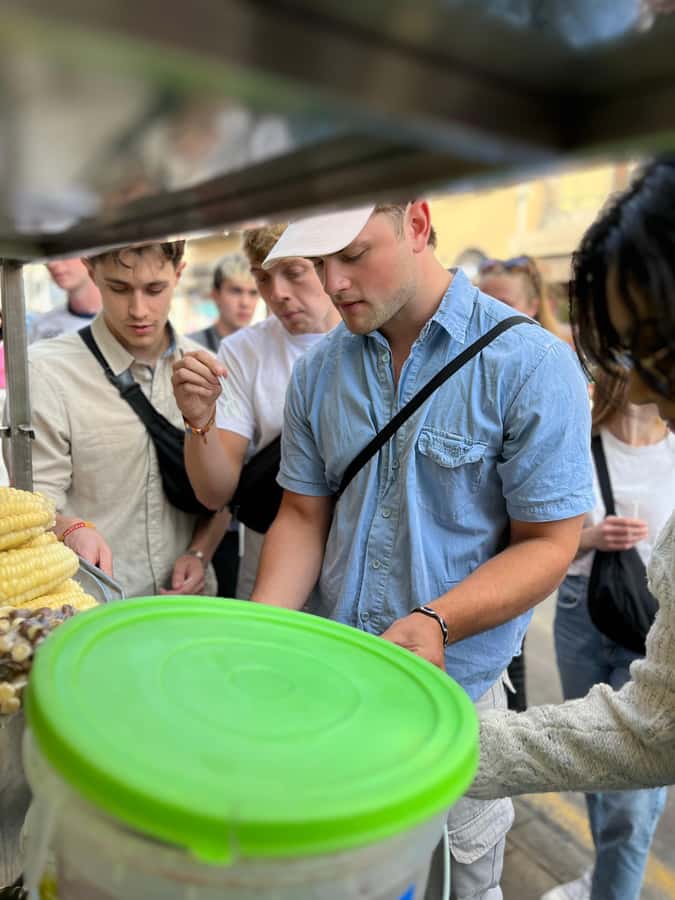
I would recommend this for first-time visitors who want a quick but broad introduction to Lima’s food culture. It also suits people who enjoy trying unfamiliar ingredients and want history included without spending a full day in museums.
Food-focused visitors should appreciate the number of tastings. The menu moves from ceviche and fruit to churros, olives, cheese, corn, beans, Chinatown snacks, chicha morada, and pisco. That variety is the strongest reason to choose this tour.
It is also a good fit for solo visitors. When bookings are light, the outing may become a private tour, which allows more questions and a more personal pace. Several guides, including Claudia and Chris, have been praised for friendly conversation and strong English.
The experience is less suitable if you dislike walking, need a slow route, or want a predictable menu. The information describes it as wheelchair accessible, but it also says it is not suitable for people with mobility impairments. That is a meaningful contradiction. If you use a wheelchair or have limited mobility, contact the provider before booking and ask which sections, transport, and food stops are accessible in practice.
The tour is also not suitable for anyone over 95, and unaccompanied minors are not allowed.
Booking flexibility and guide language
You can take the tour in English or Spanish. Live guide availability is part of the experience, so your understanding of the food and city depends heavily on the guide assigned that day.
You can cancel up to 24 hours before the start for a full refund, and the reserve-now, pay-later option lets you hold a place without paying immediately. These policies help if your Lima schedule is still changing, but they do not remove the need to arrive at the correct meeting point.
Meet your guide outside the Benavides Metropolitano bus station. Make sure you know which station entrance is intended and allow time to find the guide before departure. Pickup and drop-off are not included, though they may be available for an additional cost.
Should you book Lima Street Food?
Book it if you want a generous sampling of Lima in one organized outing, especially if you are curious about markets, Chinatown, local drinks, and the historic center. The strongest features are the wide range of tastings, the pisco finale, and guides who connect food with city stories.
Think twice if you want a short, seated meal or if you have strict dietary needs that have not been confirmed in advance. Also allow for the extra transport cost, a possible four-hour schedule, and plenty of walking.
For most first visits, I see this as a practical way to get your bearings through food. You may not love every bite, but that is part of the appeal. Lima Street Food is at its best when you treat it as an introduction to what to seek out next.
FAQ
How much does the Lima Street Food tour cost?
The tour costs $60 per person. Transportation to the starting point, extra food, and drinks not listed in the experience are not included.
How long does the tour last?
The stated duration is 210 minutes. You should allow about four hours because the length can depend on the size of the group.
Where does the tour start?
Meet your guide outside Estación Benavides Metropolitano. You are responsible for reaching the meeting point.
Where does the tour finish?
The tour finishes in Centro Histórico.
Is transportation included?
Transportation to the meeting point is not included. The route includes an approximately 30-minute bus or coach ride, and the supplied information estimates the bus cost at $1 or a taxi at about $7.
Which foods and drinks are included?
Included tastings are exotic fruits, ceviche, Chinese snacks, churros, pisco, chicha morada, stuffed olives from southern Peru, Andean cheese, and Peruvian beans and corn with different spices.
Are guides available in English?
Yes. Live guides are available in English and Spanish.
Can I cancel the booking?
Yes. You can cancel up to 24 hours in advance for a full refund. You can also reserve now and pay later.
Is the tour suitable for people with mobility impairments?
The information describes the tour as wheelchair accessible but also says it is not suitable for people with mobility impairments. If mobility is a concern, contact the provider before booking to confirm the route and transport arrangements.
More Eating Your Way around Lima
- Lima Gourmet Food Tour: Evening Experience
★ 5.0 · 525 reviews - Lima Gourmet Food Tour: Daytime Experience
★ 5.0 · 484 reviews - Food Tour and Market Experience: 12 Peruvian Snacks
★ 5.0 · 412 reviews - Food & Art: Lima Colors and Flavors Walking Tour
★ 5.0 · 218 reviews
Added recently around Lima
- Tour to the sanctuary of Pachacamac★ 4.8 · 8 reviews
- Tour to the magical water circuit with dinner and dance show★ 5.0 · 4 reviews
- Tour of Lima with a visit to the catacombs of San Francisco.★ 4.2 · 24 reviews
- Tour Huaca Pucllana: Pyramids and Pre-Columbian Antiquity★ 4.3 · 12 reviews
- Lima: Palomino Islands Speedboat Tour & Swim with Sea Lions★ 4.8 · 33 reviews
- Surfing experience in Lima★ 5.0 · 6 reviews
- Sandbording in Lima★ 5.0 · 12 reviews
- Pro Sanboarding or skiing in Huacachina from Lima – Day trip★ 4.6 · 8 reviews
Food & Drink, compared.
Peruvian Cooking Class, Local Market Tour & Exotic Fruit Tasting
Read our review →
Street Food, Market & Old Eateries Tour in Lima’s Historic Center
Read our review →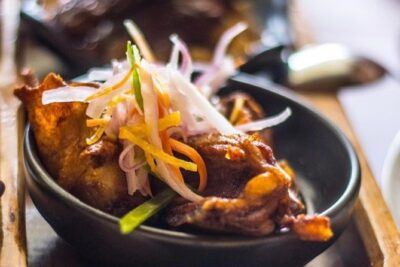
Food Tour and Market Experience: 12 Peruvian Snacks
Read our review →
Group Cooking Class in Cusco with Pisco Tasting
Read our review →Browse the lists this tour appears in