
Reviewed · PISCO TOURS & TASTINGS
Group Cooking Class in Cusco with Pisco Tasting
Peru tastes better when you cook it. This three-hour Cusco class turns local food into a friendly cultural lesson, from Andean fruit and market ingredients to ceviche, lomo saltado, and pisco cocktails. I especially like the hands-on format and the chance to learn from chefs such as Fernando, José, Christina, and Alejandro Castillo. The group is capped at 12, which keeps the lesson personal without making it feel private.
I also like the way the class connects food with Peru’s geography and history rather than treating recipes as isolated dishes. The main consideration is the $99 price, which is well above a basic cooking lesson, and the afternoon may run longer than the advertised three hours, so do not schedule a tight evening plan.
In This Review
- Key points to know before booking
- A cooking class that is really a food tour of Peru
- 2 p.m. start and the welcome at C. Palacio 135
- Andean fruit tasting before the cooking begins
- El Mercado puts ingredients in context
- Making ceviche, Peru’s famous cold course
- Pisco tasting and cocktail making
- Lomo saltado and the heat of the wok
- Alpaca, guinea pig, and the less familiar side of the menu
- Is $99 a fair price?
- Who will enjoy this Cusco experience?
- Practical details worth knowing
- Should you book the Marcelo Batata class?
- FAQ
- Where does the cooking class meet?
- What time does the experience start?
- How long does the cooking class last?
- Is hotel pickup included?
- What dishes do you prepare?
- Are drinks included?
- Can dietary restrictions be accommodated?
- What is the minimum age?
- Do I need to bring my passport?
Key points to know before booking
- Andean fruit tasting comes first, with unusual Peruvian produce and an explanation of where it grows.
- El Mercado is an interpretive food center, where you can see and handle herbs, vegetables, and other local products.
- You prepare ceviche and lomo saltado yourself, not just watch a chef cook.
- Pisco gets its own lesson, including a tasting of different types and cocktail preparation.
- The class includes unusual snacks, including alpaca and guinea pig.
- The small group holds no more than 12 people, with dietary adjustments available for vegetarian, vegan, gluten-free, and lactose-free diets.
A cooking class that is really a food tour of Peru
At Marcelo Batata Cooking Class, food is the organizing idea, but the lesson reaches well beyond the kitchen. You begin with an introduction to the chef and the other people in the group, then move through fruit, local products, seafood, spirits, and hot food.
That order matters. You first taste ingredients in their simplest form, then learn where they come from and how they are used. By the time you prepare the main dishes, you have a better sense of how Peruvian cooking brings together Andean products, Spanish influence, Asian techniques, and ingredients from the country’s coast, mountains, and other regions.
I like this approach because it gives you something to remember besides a plate of food. You leave with a clearer picture of why Peruvian cuisine has such a wide range of flavors and cooking styles.
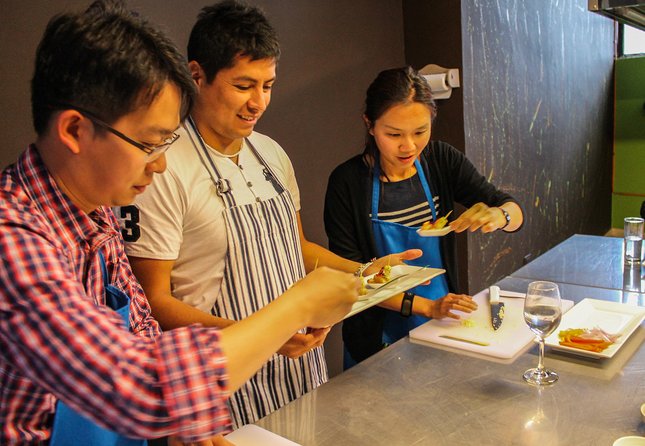
The class is fully participatory. You are expected to help prepare the food, make drinks, and take part in tastings. That makes it a good fit for beginners, since you are not expected to arrive with advanced kitchen skills. At the same time, cooks who already know their way around a cutting board will still find the ingredient and technique lessons worthwhile.
More Cooking Classes in Cusco
- Peruvian Cooking Class Cocktails and Market Tour in Cusco
★ 5.0 · 1,712 reviews - Cusco Cooking Classes and San Pedro Market Tour
★ 5.0 · 691 reviews - Cusco: Peruvian Cooking Class, Cocktails & Local Market Tour
★ 4.9 · 512 reviews
2 p.m. start and the welcome at C. Palacio 135
The class starts at 2 p.m. at C. Palacio 135 in Cusco. Hotel pickup and drop-off are not included, so you need to make your own way to the meeting point and return from there.
The listed duration is approximately three hours. That should make it a practical afternoon activity, especially if you want something gentle while getting used to Cusco’s altitude. Still, build in extra time. One detailed account describes a session lasting four and a half hours, so the pace can vary depending on the group and the amount of conversation around each course.
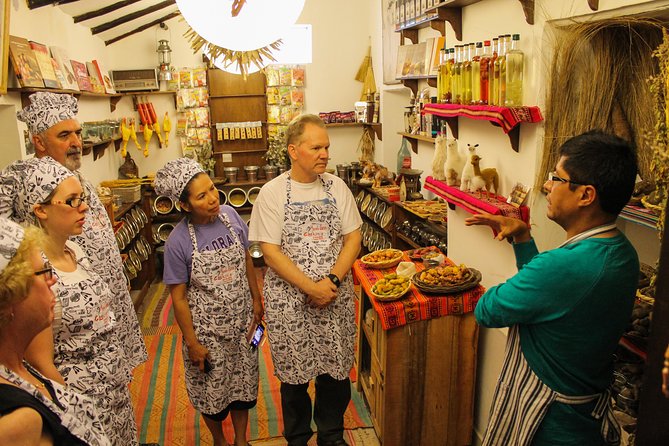
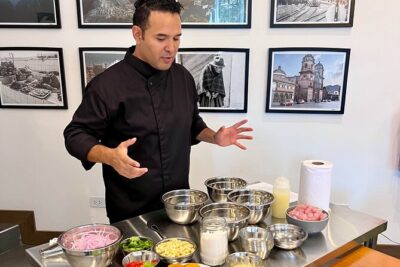
The introduction sets the tone. You meet the chef and settle in with the group before the food work begins. Past sessions have been led by Fernando, José, Christina, and Alejandro Castillo, so the exact personality of the class may depend on the chef scheduled that day. The strongest descriptions point to hosts who are funny, warm, and comfortable explaining both cooking methods and Peruvian food culture.
A maximum of 12 people is a useful limit. You get enough interaction to meet others, but the chef can still offer direction while you work. This is not a private lesson, so you should expect a social setting rather than one-on-one instruction.
Andean fruit tasting before the cooking begins
The first food session is a fruit tasting. This is more than a quick sample before the real activity starts. You identify fruits, compare flavors, and learn about produce from different parts of Peru.
This opening is especially useful in Cusco because it gives you a quick introduction to the country’s range of growing regions. Several fruits are described as varieties that grow only in Peru or are closely linked with local agriculture. You get to taste them before they are mixed into sauces or dishes, which makes their flavor easier to understand.
The tasting also works well for people who do not cook much. You can take part by smelling, tasting, and guessing, even if you are not confident with kitchen tools. It is an easy way to join the group before the more active preparation starts.
Do not expect a full market visit through Cusco. The class includes its own food display and interpretive area, called El Mercado. That setting lets you see, touch, and learn about Andean products in one place, with the chef explaining ingredients and their uses.
El Mercado puts ingredients in context
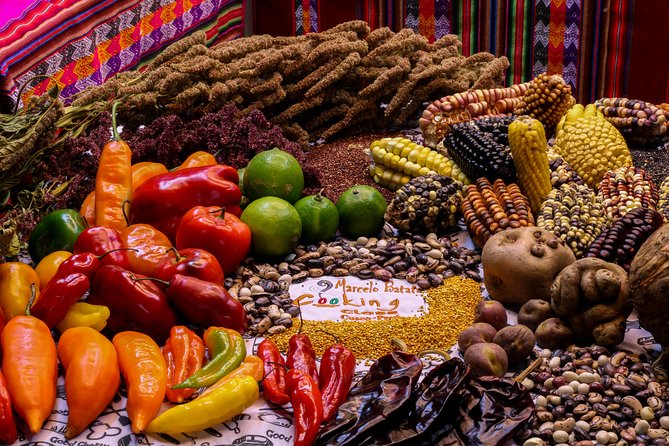
The small marketplace area is one of the better parts of the experience. You see fresh herbs, vegetables, and other products before they are turned into dinner. The chef explains how to choose ingredients and how they fit into Peruvian cooking.
I find this kind of lesson more useful than a recipe sheet alone. A recipe tells you what to add, but a market explanation can help you understand what the ingredient should look, smell, or feel like before you buy it. That knowledge is helpful if you want to recreate the dishes at home.
The food display also gives the class a cultural angle. Peruvian cuisine is not one single tradition. It reflects local crops, regional geography, and cooking methods brought by different communities. The class presents that mix through ingredients rather than through a long lecture, so the information stays connected to what you are about to eat.
The limitation is that the available details do not promise a walk through an actual public market. If you want a traditional market tour with vendors and street scenes, this class is not a substitute. El Mercado is part of the cooking venue, and its strength is focused explanation.
More Food Tours in Cusco
- Curious Monkey Cusco- Eat the Streets, Walking Food Tour
★ 5.0 · 160 reviews - Food and Culture Full day Tour in the Sacred Valley
★ 5.0 · 144 reviews - The 10 Tastings of Cusco With Locals: Private Food Tour
★ 4.5 · 71 reviews - Cusco Food Walking Tour & Central Market
★ 5.0 · 48 reviews
Making ceviche, Peru’s famous cold course
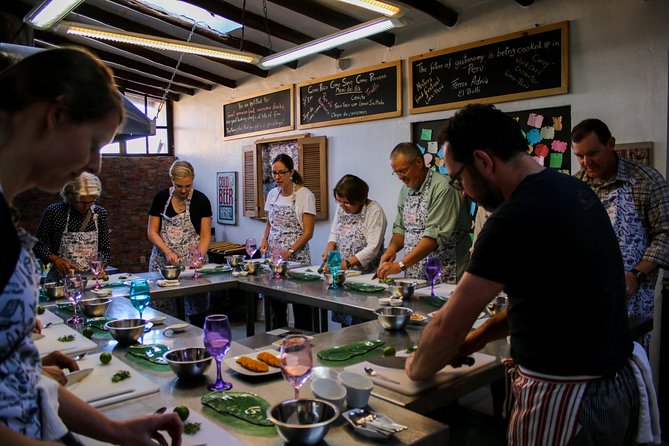
After the fruit and ingredient introduction, you prepare ceviche. This is the point where the class moves from tasting to technique.
Ceviche depends on freshness, balance, and timing. You learn how the ingredients work together and why the dish can be prepared quickly. The class presents the process in a way that makes it approachable, and several detailed accounts describe the finished ceviche as a highlight.
The hands-on nature matters here. You do not simply watch a chef combine seafood, citrus, and seasoning. You help make the appetizer, then eat it as part of the meal. That gives you a better sense of how much preparation is involved and how quickly the flavors come together.
The ceviche course is paired with the pisco portion of the class, so the afternoon shifts naturally from food to drink. It is also a useful first dish because it introduces a classic Peruvian preparation without requiring complicated equipment.
If seafood is not part of your diet, mention your restriction when booking. The provider says it can accommodate vegetarian, vegan, gluten-free, and lactose-free diets, but you should give those details in advance rather than waiting until the class begins.
Pisco tasting and cocktail making
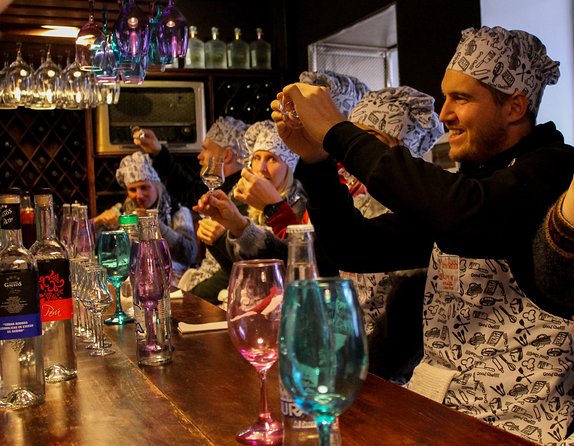
Pisco is Peru’s national spirit, and it receives a full segment rather than a token sample. You taste pure pisco, learn something about how it is made, and compare varieties and flavors from different parts of the country.
Then you make cocktails. The pisco sour is the main choice mentioned, with other pisco drinks also included in the experience. You get to prepare your own drink, rather than having one simply placed in front of you.
This part works because it explains how pisco is used, not just what it tastes like. You learn why the spirit is important in Peru and how it can be served in different ways. The drink lesson also breaks up the cooking, giving the class a relaxed social moment before the hot main course.
Alcoholic drinks are included in the price, along with soft drinks and snacks. You should still pace yourself, since the class includes a pisco tasting, cocktail preparation, and a pisco sour alongside dinner.
Lomo saltado and the heat of the wok
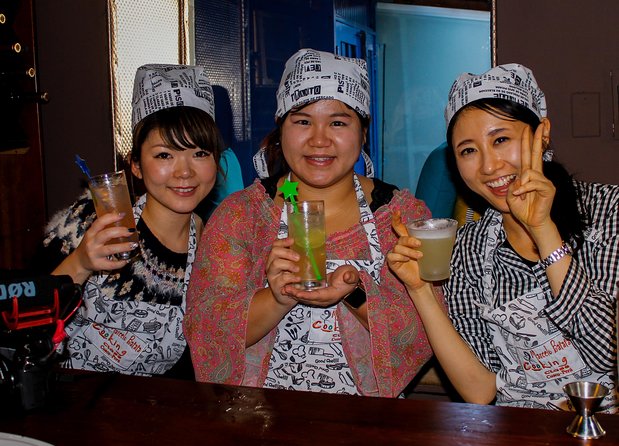
The main cooking project is lomo saltado, a Peruvian stir-fry prepared in a wok. This dish shows a different side of the cuisine from ceviche. Instead of cool, quick preparation, you work with high heat, movement, and the combination of local ingredients with a cooking method associated with Chinese influence in Peru.
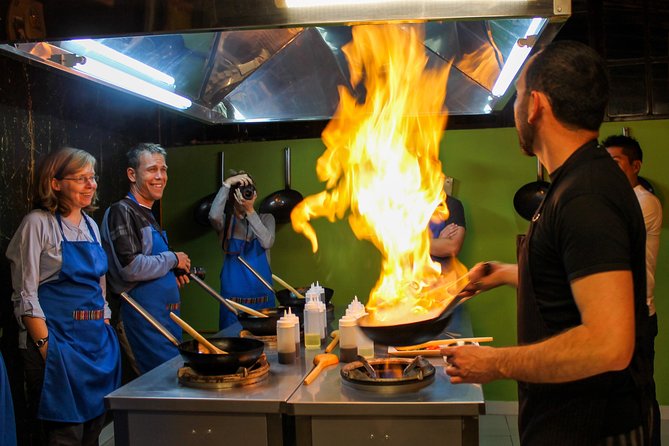
The practical lesson is part of the fun. You help prepare the ingredients and cook the dish, with the chef guiding the process. One account describes the final stage as flambéing the lomo saltado with pisco, which adds a dramatic finish and gives the dish a strong connection to the earlier spirit lesson.
The wok cooking also helps explain why this is more than a standard group meal. You are not only learning a recipe. You are seeing how different parts of Peruvian food culture meet in one pan.
The class includes the ingredients, the meals, and the cooking instruction, so you do not need to buy anything separately during the session. The food is served as a multiple-course dinner, with the ceviche, lomo saltado, drinks, and additional snacks making up a substantial afternoon meal.
Alpaca, guinea pig, and the less familiar side of the menu
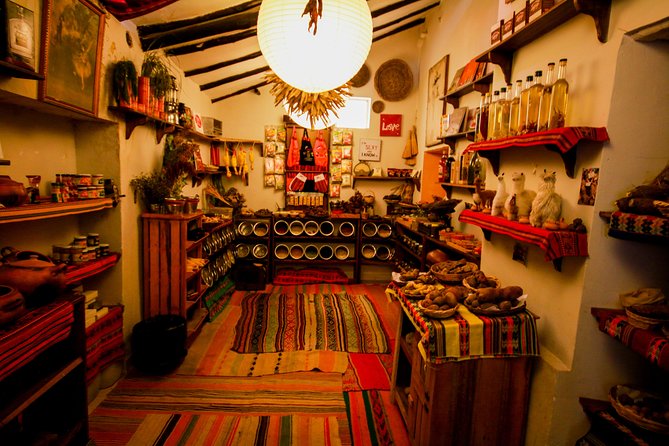
The experience includes traditional Peruvian snacks made from alpaca and guinea pig. These are not presented as the main dishes you prepare, but they add a useful glimpse into foods that many people may not encounter at home.
This is a good feature for adventurous eaters. You can sample ingredients connected with Peruvian food traditions while still having familiar teaching dishes such as ceviche and lomo saltado. It gives the class a wider range than a menu built only around the country’s most exportable foods.
If you have dietary limits or simply do not want to try these snacks, tell the provider ahead of time. The class says it can handle several dietary needs, but the more specific you are during booking, the easier it will be for the chef to plan.
Is $99 a fair price?
At $99 per person, this is not Cusco’s budget cooking option. The value comes from the amount included: a professional chef, all ingredients, a multiple-course meal, alcoholic and soft drinks, snacks, fruit tasting, the market lesson, and hands-on preparation.
I would compare it with the cost of a good dinner plus a separate food activity. You are not paying only for recipes. You are also paying for instruction, cultural context, pisco tasting, and the chance to prepare the dishes yourself in a small group.
The price makes more sense if food is a major part of your trip. It also suits people who prefer a polished culinary experience over a short, low-cost class. If you only want to learn one simple Peruvian recipe, you may find the fee harder to justify.
The strong satisfaction rate, listed at 98 percent recommended and a 4.9 rating from 335 reviews, supports the idea that the experience delivers on its promise. Still, the price is personal. I would book it for the combination of food, drinks, and explanation, not just for the meal.
Who will enjoy this Cusco experience?
This class is a strong choice for:
- First-time visitors who want an introduction to Peruvian food
- Couples and friends looking for an active afternoon
- Solo visitors who enjoy meeting a small group
- Beginner cooks who want clear guidance
- Food-focused visitors interested in pisco and local ingredients
- People looking for a lighter activity while acclimatizing to Cusco’s altitude
The minimum age is 15. That makes it suitable for older teenagers, but it is not designed as a children’s cooking activity.
You do not need to be an experienced cook. The instruction is meant to be accessible, and the best parts of the class involve participation at every stage. If you dislike group activities or prefer to observe quietly, you may find the format demanding.
The chefs’ personalities also matter. Fernando is described as entertaining and encouraging, José as fun and well informed about the food, and Christina as enthusiastic and engaging. Those qualities appear to be a major part of why the class works so well.
Practical details worth knowing
Bring your original passport at the start of the course. It is required for tax purposes, so do not leave it at your hotel.
Tell the provider about dietary needs when you book. Vegetarian, vegan, gluten-free, and lactose-free diets can be accommodated according to the stated information.
Confirmation is provided at booking. The activity ends back at the meeting point, and there is no hotel transportation included. Free cancellation is available if you cancel at least 24 hours before the 2 p.m. start time. Cancellations or changes made within that period are not accepted for a refund.
Because the class includes alcohol, keep your wider afternoon schedule sensible. If you have an evening show, train, or reservation, allow extra time beyond the official three-hour estimate.
Should you book the Marcelo Batata class?
I would book this if you want food with a story, not simply a cooking demonstration. The fruit tasting, El Mercado session, pisco lesson, ceviche preparation, and flambéed lomo saltado create a well-rounded look at Peru through its ingredients and cooking traditions.
The $99 cost is the main hurdle, and the class may last longer than advertised. But for a food-focused afternoon with dinner, drinks, instruction, and a group of no more than 12, the package offers solid value.
Skip it if you want a cheap, quick activity or a private kitchen lesson. Choose it if you want to taste unfamiliar products, learn a few dishes you can try at home, and leave Cusco with a better feel for how Peru eats.
FAQ
Where does the cooking class meet?
The class meets at C. Palacio 135, Cusco 08002, Peru.
What time does the experience start?
It starts at 2 p.m.
How long does the cooking class last?
The listed duration is approximately three hours. One account describes a session lasting four and a half hours, so you should allow some extra time.
Is hotel pickup included?
No. Hotel pickup and drop-off are not included, and the experience ends back at the meeting point.
What dishes do you prepare?
You prepare ceviche and lomo saltado. The lomo saltado is made in a wok, and the class may include flambéing it with pisco.
Are drinks included?
Yes. The price includes alcoholic beverages, soft beverages, pisco tasting, and cocktail preparation. A pisco sour is included among the drinks.
Can dietary restrictions be accommodated?
Yes. Vegetarian, vegan, gluten-free, and lactose-free diets can be accommodated. You must provide your dietary requirements when booking.
What is the minimum age?
The minimum age is 15.
Do I need to bring my passport?
Yes. You must provide your original passport at the beginning of the course for tax purposes.
More Pisco Tasting in Cusco
- Cusco: Historic Walking Tour with Pisco Sour and Music Show
★ 4.6 · 65 reviews - Pisco Sour Secrets: Hands-On Mixology in Historic Cusco
★ 4.5 · 50 reviews - Pisco Sour Workshop in Cusco | Learn, Create, and Toast |
★ 3.9 · 29 reviews - City Tour Cusco with Pisco Sour classes (Half day)
★ 4.5 · 20 reviews
More Pisco Tastings in Cusco
- Local Market and Peruvian Cooking Class with Pisco Sour in Cusco
★ 5.0 · 384 reviews - Cusco: Historic Walking Tour with Pisco Sour and Local Music
★ 5.0 · 190 reviews - Bilingual Cooking Class with Pisco Cocktail in Cusco
★ 5.0 · 92 reviews - Cusco by Night: Planetarium Cusco, Dinner, and Pisco Sour
★ 5.0 · 75 reviews
Added recently around Cusco
- Guided tour of the mountain of colors in Cusco★ 5.0 · 11 reviews
- 2-Day Private Short Inca Trail to Machu Picchu★ 5.0 · 15 reviews
- City Tour Cusco – Group★ 5.0 · 4 reviews
- Tour Sacred Valley with Maras and Moray★ 5.0 · 15 reviews
- San Pedro Market Tour with Peruvian Cooking Class★ 5.0 · 31 reviews
- Walking Culinary Experience★ 5.0 · 41 reviews
- City Tour in Cusco★ 4.5 · 10 reviews
- One Day Tour to Humantay Lagoon★ 5.0 · 8 reviews
Pisco Tours & Tastings, compared.
3 Day Tour From Lima: Paracas, Huacachina Oasis & Pisco Vineyard
Read our review →
2 Day Tour from Lima: Paracas, Huacachina, and Pisco Vineyard
Read our review →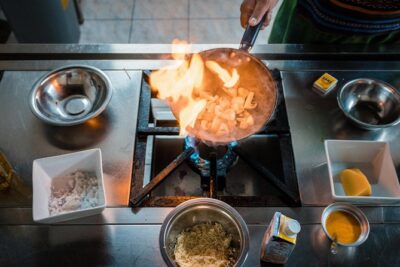
Local Market and Peruvian Cooking Class with Pisco Sour in Cusco
Read our review →
Historic Walking Tour with Pisco Sour and Local Music
Read our review →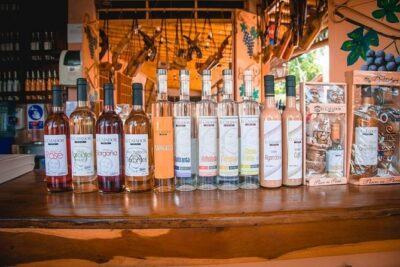
Authentic 4-dish Peruvian Food Cooking Class in Lima + Pisco Sour
Read our review →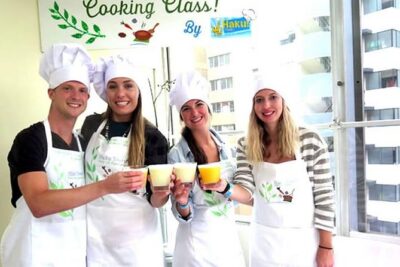
Cook an Authentic Ceviche And Peruvian Pisco Sour!
Read our review →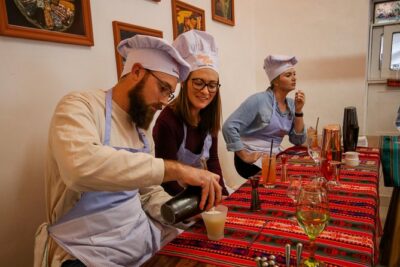
Bilingual Cooking Class with Pisco Cocktail in Cusco
Read our review →Browse the lists this tour appears in