
Reviewed · FOOD & DRINK
Meet Quechua people, food & traditions
The best lessons may happen far from Cusco. This half-day visit brings you into a Quechua community near Chinchero, where local women share clothing customs, cooking, wool work, music, and daily traditions. I especially like the small maximum of 10 people and the warm welcome from Mariluz, Tiburcia, and Reyna, who invite you into their world rather than simply explaining it from behind a bus window.
I also like the practical side of the visit. You can taste traditional Andean food, take part in preparing pachamanca, see how alpaca and sheep wool is cleaned and dyed, and buy woven goods directly from the makers. The main consideration is that the tour is non-refundable, and the $99 price makes the most sense if you value personal contact and cultural learning more than a long list of sightseeing stops.
This is not a grand ruins tour. It is a close look at living Quechua traditions, made possible by guide Jane Camacho, who translates and connects the community with visitors. Plan on roughly five to six hours, with an 8:30 a.m. start from central Cusco or a selected pickup point in the Sacred Valley.
In This Review
- Key Points to Know Before You Go
- Why This Visit Feels Different From a Standard Cusco Excursion
- From Central Cusco to the Chinchero Community
- Meeting the Women of the Community
- Clothing, Hair, and the Meaning Behind Textiles
- Pachamanca and Andean Food
- Wool, Weaving, and Buying With Confidence
- How the $99 Price Measures Up
- Who Will Enjoy This Most
- Practical Details That Matter
- Should You Book This Quechua Cultural Experience?
- FAQ
- Where does the tour start?
- Where does the tour end?
- Is hotel pickup available?
- How long does the experience last?
- How large is the group?
- Is transportation included?
- Is food included?
- Is the tour offered in English?
- Can children join?
- Can I cancel or change the booking?
Key Points to Know Before You Go
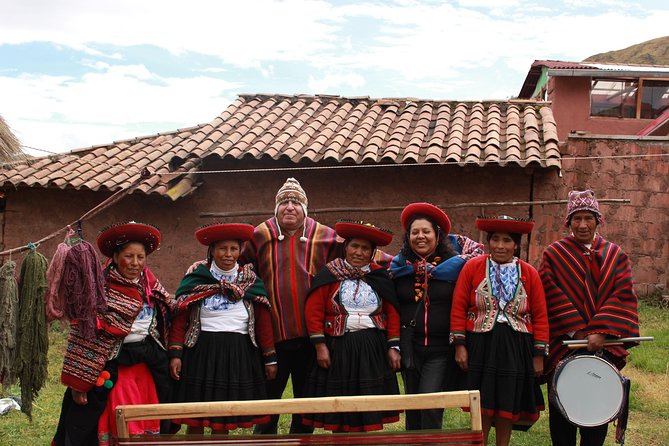
- A small community visit near Chinchero: The group is capped at 10, so the setting feels personal rather than crowded.
- Traditional food with hands-on elements: Food tasting is included, and the experience can include pachamanca preparation and a traditional Inka meal.
- Clothing tells a story: You learn how dress and hairstyles can signal customs such as whether a woman is single or married.
- Wool work happens in front of you: See how alpaca and sheep wool is cleaned, dyed, woven, and turned into useful textiles.
- Direct support for local women: Buying handicrafts gives the community another source of income without the hard sell found at many tourist markets.
- Simple morning logistics: Transport, a tour host, activities, and selected hotel pickup and drop-off are included.
Why This Visit Feels Different From a Standard Cusco Excursion
Cusco has no shortage of tours. Many take you to famous ruins, colorful markets, and mountain viewpoints. This one takes a quieter path. Its main attraction is not a monument, but the chance to spend time with Quechua women and learn how traditions still fit into daily life.
That difference matters. You are not just looking at a textile in a shop. You can see how wool becomes a textile, how clothing carries meaning, and how food connects a family to the land and to older customs. The experience has the feel of a cultural exchange, with Jane translating between English and Quechua or Spanish as needed.
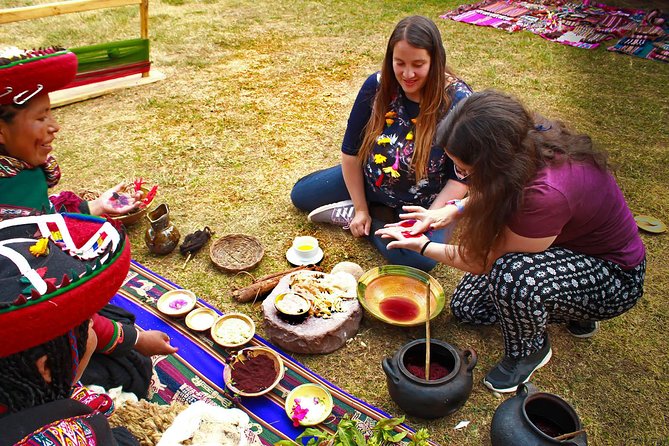
I like that the focus is on participation. You may help with cooking, watch demonstrations of wool dyeing, learn about medicinal plants, and hear stories about family life and traditional clothing. The activities are varied enough to keep children interested, too, although the pace may feel quick if you want long conversations with each person.
The small group limit is one of the strongest features. A group of 10 is large enough to share the cost of transport but small enough for questions and personal attention. If only two people book, the visit can feel almost private. That is a major advantage over a full coach excursion where the community becomes a performance viewed by dozens of people at once.
More Food Tours in Cusco
- Group Cooking Class in Cusco with Pisco Tasting
★ 5.0 · 335 reviews - Curious Monkey Cusco- Eat the Streets, Walking Food Tour
★ 5.0 · 160 reviews - Food and Culture Full day Tour in the Sacred Valley
★ 5.0 · 144 reviews
From Central Cusco to the Chinchero Community
The tour begins at 8:30 a.m. at the front entrance of the Costa del Sol Wyndham Cusco on Santa Teresa Street. Pickup is offered from selected hotels and points in Cusco and the Sacred Valley, so check your exact arrangement before setting out.
The drive to the community takes about 15 minutes from the nearby town, according to the supplied schedule. The full activity lasts around five to six hours, so the transfer time is only a small part of your morning. Transport is by private vehicle, which gives the outing a calmer feel than joining a large bus route.
The meeting point is useful for anyone staying in central Cusco, but it may require a short walk or taxi ride if your hotel is elsewhere. Do not assume every hotel receives pickup. The stated pickup service applies only to selected hotels.
The high altitude around Cusco can also affect your appetite and energy. One account describes having less appetite while still adjusting to the altitude. That is worth keeping in mind when food is part of the plan. Eat sensibly before you go, drink water, and do not feel obliged to finish every dish.
Meeting the Women of the Community
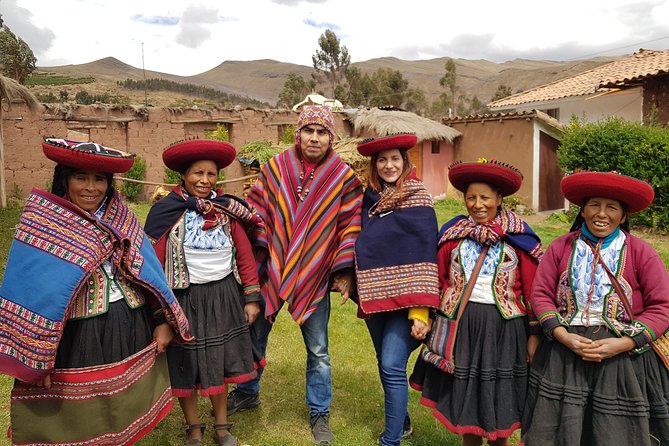
The welcome is one of the most praised parts of the experience. Local women greet the group with song and invite you into their community. At the end, they may send you off with another song and bring llamas to say goodbye.
That kind of welcome can feel personal, but it also deserves a respectful response from you. Listen carefully, ask questions, and treat photographs as part of a human exchange rather than as a free spectacle. The tone of the visit depends partly on how visitors behave.
Mariluz and her family are central hosts, with Tiburcia and Reyna also sharing their knowledge and skills. Jane Camacho acts as the bridge, translating explanations and helping everyone take part. This is especially useful because communication might otherwise be limited. You can still connect through gestures, demonstrations, music, and food, but translation lets you understand why an activity matters.
I appreciate that the visit covers ordinary life, not just ceremonial customs. You may learn about caring for children, cooking, clothing, weaving, and ways people protect themselves from dangerous wildlife. These details help you picture rural life as a working system, not a staged collection of colorful costumes.
Clothing, Hair, and the Meaning Behind Textiles
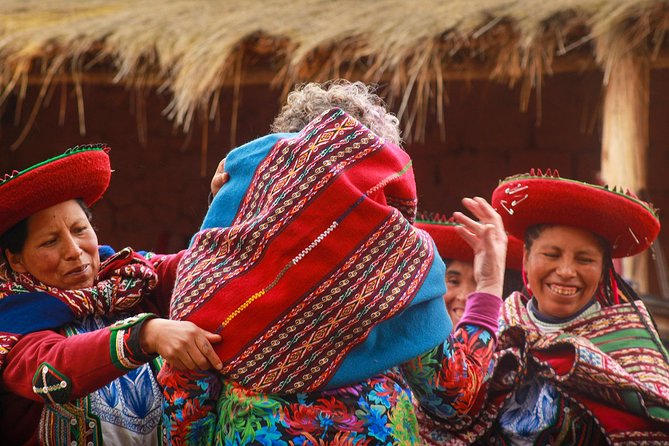
Traditional clothing is not just decoration. During the visit, the women explain the significance of their clothing and hair, including differences connected with marital status. This gives you a better way to read what you see in Andean communities during the rest of your Peru trip.
The demonstrations also show how textiles serve several purposes. One especially useful lesson concerns the multi-purpose blanket, which can be used in more than one way in daily life. You begin to see woven goods as practical tools, not merely souvenirs made for tourists.
The wool process is another highlight. You can learn how alpaca and sheep wool is cleaned, dyed, and woven. The work takes time and skill, and seeing the steps in person changes how you judge the price of a finished hat, blanket, or other textile.
This is also the point where you should keep an open mind about shopping. A small shop visit is included, but the experience is not described as a forced sales stop. Direct purchases are optional, and the strong reports of no pressure are important for anyone wary of cultural tours that quickly turn into buying sessions.
More eating your way around Cusco:
- The 10 Tastings of Cusco With Locals: Private Food Tour
★ 4.5 · 71 reviews - Cusco Food Walking Tour & Central Market
★ 5.0 · 48 reviews - Curious Monkey Cusco- Market and Streets, Walking Food Tour
★ 5.0 · 31 reviews - Wonders of the Sacred Valley VIP! Tour Full day with Food
★ 5.0 · 13 reviews
Pachamanca and Andean Food
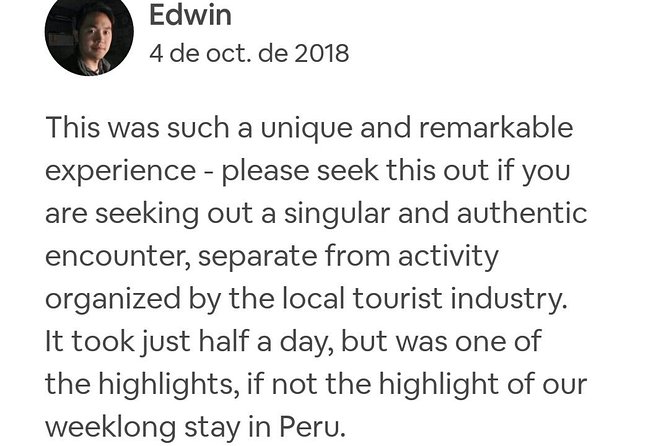
Food tasting is included, and the visit may involve preparing or eating pachamanca, a traditional Andean feast cooked with heated stones. The hands-on cooking is a major part of the appeal because it turns lunch into a lesson about local methods and ingredients.
A traditional Inka meal may also be sampled. The exact food served can vary, and the general terms for included food are slightly limited, so do not assume every drink or every full meal is covered. The official details say food tasting is included, while food and drinks are not included unless specified.
That distinction is worth checking before you leave. If the activity includes a substantial pachamanca meal on your date, the food component adds real value. If it is a smaller tasting, you are paying mainly for the cultural visit, transport, translation, and direct community support.
I like the food portion because it gives you a reason to slow down. You are not rushing from one photo stop to the next. You can see how food is prepared, take part where appropriate, and connect cooking with the wider Andean way of life.
Wool, Weaving, and Buying With Confidence
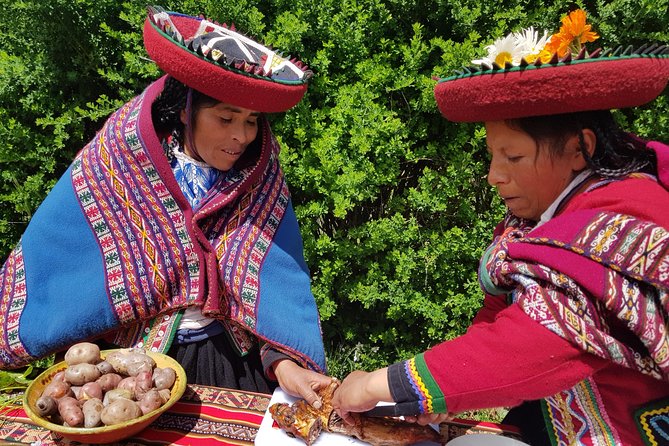
The textile demonstration may be the most useful part for anyone planning to shop in Cusco. You see the process before reaching the community shop, which helps you understand what you are buying and why handmade work costs what it does.
Reported prices in the community can be much lower than in Cusco. One visitor bought alpaca winter hats for 75 soles each and spent about 400 soles on several items. Those figures are personal examples, not a fixed price list, so you should ask about current prices and materials before purchasing.
The important point is the buying atmosphere. The community shop is described as low-pressure, and your money goes closer to the people who make the goods. That can make a purchase feel more meaningful than bargaining with a vendor in a large city market, though you should still buy only what you genuinely want.
Do not let the possible savings become the only reason to book. The tour should appeal first because of the cultural exchange. If you are not interested in textiles, you can still gain a lot from the cooking, clothing, plants, music, and conversation.
How the $99 Price Measures Up
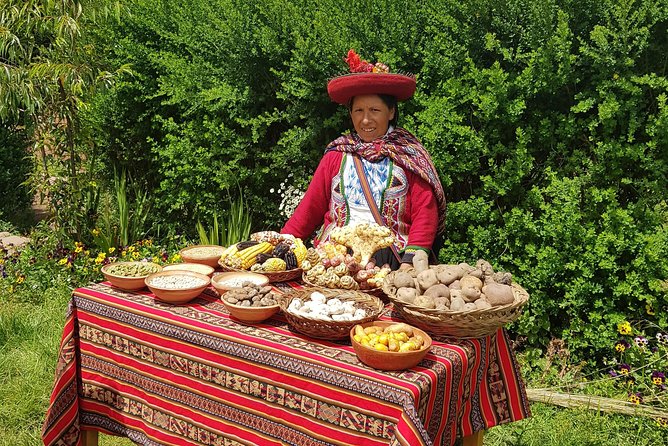
At $99 per person, this is not the cheapest half-day activity around Cusco. The value comes from what is bundled together: private vehicle transport, selected hotel pickup and drop-off, a tour host, all listed activities, and food tasting.
The group limit improves the value. A small group gives you more access to the hosts and more time to ask questions. If your group is very small, the cost begins to look more reasonable than a large sightseeing transfer with little personal contact.
There may also be savings if you plan to buy woven goods. Community prices can be half or less than those in Cusco, according to the supplied accounts. But shopping is never guaranteed to repay the cost, and you should not treat buying as part of the admission price.
For families, the tour can offer strong value because children can learn by watching and doing. The child rate applies only when sharing with two paying adults, and children must be accompanied by an adult. Most people can participate, and service animals are allowed.
Who Will Enjoy This Most
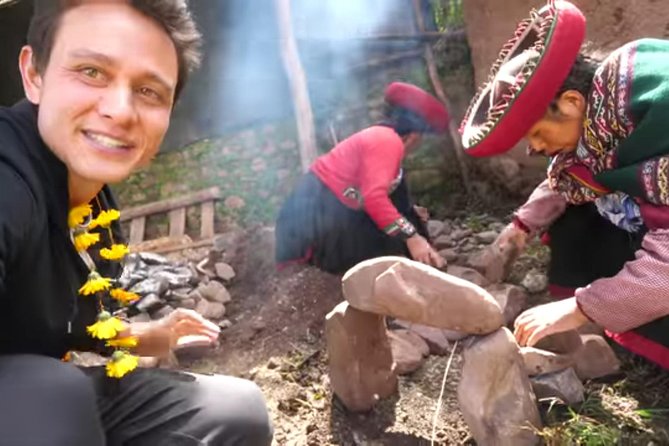
I would choose this experience if you want to understand Andean life beyond archaeological sites. It suits people who enjoy food, craft, family stories, and direct conversation more than a packed schedule of monuments.
It is also a good choice for families. Children can see cooking, animals, clothing, wool, and music in one visit. The activities are concrete and easy to understand, even if they do not know much about Peru before arriving.
The tour works well for couples and solo visitors, too, especially if you prefer a small group. Jane’s translation helps remove the language barrier, and the hosts make an effort to include everyone.
You may want to skip it if your priority is ruins, long scenic drives, or a physically demanding mountain outing. The supplied details do not present it as a hike or a major sightseeing circuit. The core experience is spending time with people in their community.
You should also think carefully before booking if your plans may change. The experience cannot be refunded or amended for any reason. That is a strict condition for a tour that must coordinate transport and local hosts.
Practical Details That Matter
The activity is offered in English, with a mobile ticket and confirmation at booking. It ends back at the meeting point, the Costa del Sol Wyndham Cusco, unless your selected pickup arrangement says otherwise.
The maximum group size is 10. Pickup and drop-off apply only to selected hotels and points in Cusco and the Sacred Valley. If you are staying outside those areas, confirm how you will reach the meeting point.
The tour is near public transportation, and most people can participate. No special physical ability is stated as necessary. Still, Cusco altitude can affect how you feel, especially during a food-heavy morning, so take the day at a comfortable pace.
The stated duration is approximately five to six hours. The community portion is listed as two hours, while the rest allows for transport and the wider activity. Do not schedule a tight midday appointment immediately afterward.
Should You Book This Quechua Cultural Experience?
Yes, if you want a personal, respectful look at living Andean traditions and you are willing to spend more than you would on a basic city tour. The strongest reasons to go are the small group, the hands-on food and textile activities, and the chance to support a community directly.
I would book it early if your dates are fixed. The activity is often reserved well ahead of time, and its small capacity limits last-minute availability. Before paying, confirm your pickup point and ask what food tasting is planned for your date.
This is not a tour for checking off famous sights. It is for sitting with local women, listening to their stories, learning why clothing and blankets matter, and leaving with a better understanding of the people behind the scenery. If that sounds like the kind of memory you want from Cusco, the $99 price is reasonable.
FAQ
Where does the tour start?
It starts at 8:30 a.m. at the front entrance of the Costa del Sol Wyndham Cusco, located at Calle Santa Teresa 344 in Cusco.
Where does the tour end?
The activity ends back at the meeting point at the Costa del Sol Wyndham Cusco.
Is hotel pickup available?
Pickup and drop-off are offered from selected hotels and points in Cusco and the Sacred Valley. The provided details do not include every eligible hotel.
How long does the experience last?
The tour lasts approximately five to six hours.
How large is the group?
The maximum group size is 10 people.
Is transportation included?
Yes. Transport by private vehicle is included.
Is food included?
Food tasting is included. Food and drinks are not included unless specifically stated. The experience can include traditional Andean food and pachamanca activities.
Is the tour offered in English?
Yes. The experience is offered in English.
Can children join?
Yes. Children must be accompanied by an adult, and the child rate applies only when sharing with two paying adults.
Can I cancel or change the booking?
No. The experience is non-refundable and cannot be changed for any reason. A cancellation or amendment request does not result in a refund.
Added recently around Cusco
- Super valley or vip valley★ 5.0 · 13 reviews
- the Incas’ Sacred Valley★ 5.0 · 27 reviews
- Sacred Valley of the Incas Day Trip from Cusco★ 5.0 · 6 reviews
- Maras + Moray & Textile Experience★ 5.0 · 14 reviews
- Small-Group Tour: Rainbow Mountains Hiking from Cusco★ 4.0 · 5 reviews
- Excursion to the Sacred Valley of the Incas from Cusco★ 5.0 · 8 reviews
- Tour EN Cuatrimoto POR la Montaña 7 Colors Hike 5 Minutes★ 4.5 · 32 reviews
- rainbow mountain★ 4.0 · 4 reviews
Food & Drink, compared.
Peruvian Cooking Class, Local Market Tour & Exotic Fruit Tasting
Read our review →
Street Food, Market & Old Eateries Tour in Lima’s Historic Center
Read our review →
Food Tour and Market Experience: 12 Peruvian Snacks
Read our review →
Group Cooking Class in Cusco with Pisco Tasting
Read our review →Browse the lists this tour appears in