Reviewed · CUSCO TOURS
Planetarium Cusco Trip
Look up, and Cusco changes. This $43 evening visit brings you to Planetarium Cusco to learn how the Incas read the sky, then pairs that lesson with a dome projection and telescope viewing. I like the clear focus on Inca astronomy, and I like that the experience gets you out of the city center without taking up a full evening.
The main drawback is that the telescope session depends on weather, so part of the experience is not guaranteed. There has also been one serious service problem: a verified booking reported that the guide never showed up, while other feedback praised the passionate family project and called the visit perfect.
In This Review
- Key points to know before booking
- Why Inca astronomy makes this evening different
- Meeting in central Cusco at 5:40 p.m.
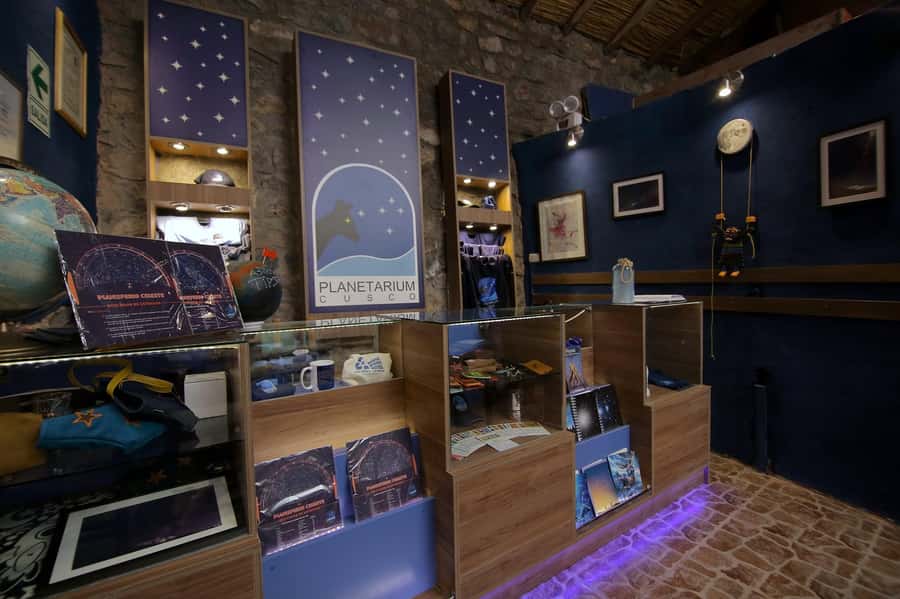
- Inside one of Cusco’s most unusual observatories
- The dome projection and Inca constellations
- Telescope viewing depends on the sky
- What $43 buys you
- Who will enjoy this evening most
- Practical tips for a smoother visit
- Should you book Planetarium Cusco?
- FAQ
- Where does the Planetarium Cusco trip begin?
- How long does the activity last?
- When does the group return to Cusco?
- How far is the planetarium from central Cusco?
- What languages are available?
- Is transportation included?
- Is entry to Planetarium Cusco included?
- Is food included?
- Can I use telescopes during the visit?
- What happens during the planetarium visit?
Key points to know before booking
- Inca astronomy comes first: You receive an explanation in the interpretation rooms before seeing the projected sky.
- The planetarium is less than 20 minutes from central Cusco: Transport begins at 5:40 p.m. in the city center.
- The dome show recreates Inca constellations: This gives the evening a strong cultural focus, not just a standard star show.
- Telescopes add a practical star-viewing session: The activity depends on weather conditions.
- The full outing lasts 150 minutes: You return to Plaza de Armas at about 7:40 p.m.
- Service records are mixed: Three positive ratings praise the experience, but one reports a guide no-show.
Why Inca astronomy makes this evening different
Many planetarium visits teach astronomy through modern science alone. This one adds a very different way of reading the heavens. You learn how the Incas understood the stars and the universe, then see their constellations represented on the planetarium dome.
That cultural angle is the heart of the outing. The sky is not presented only as a collection of planets and distant suns. It is also treated as part of the Inca way of understanding the world. For me, that makes this a better match for anyone who wants context along with a pleasant evening activity.
The setting helps, too. Cusco already feels tied to the sky, with its high-altitude location and strong connection to Inca culture. The Planetarium Cusco gives that subject a dedicated place, rather than leaving it as a passing comment during a city tour.
You should not expect a long archaeological visit or a broad sightseeing program. The appeal is narrower and more focused: a short trip built around astronomy, interpretation, and night-sky viewing.
A few more Cusco trips worth lining up side by side
- Classic Inca Trail Trek 4D/3N to Machu Picchu (Group Service)
★ 5.0 · 8,653 reviews - Cusco: Rainbow Mountain and Red Valley Day Trip with Meals
★ 4.9 · 4,893 reviews - Machu Picchu: 4-Day Inca Trail Trek with Panoramic Train Ride
★ 5.0 · 4,568 reviews
Meeting in central Cusco at 5:40 p.m.
The outing begins at 5:40 p.m. in the center of Cusco. From there, you board a minibus for the short trip to the observatory. The drive takes less than 20 minutes, which keeps transport from eating up much of your evening.
That timing is useful if you want to fit the planetarium around other Cusco plans. You can spend the day sightseeing, return toward the center, and then join the evening departure. Since the return is scheduled for 7:40 p.m., you still have the rest of the night available for dinner or a relaxed walk around the city.
The minibus is included, as is an English-speaking guide. Spanish is also available, so check the language option when you reserve. The departure point matters: you need to reach the central meeting location on time, and the reported guide no-show makes it sensible to confirm the meeting details before setting out.
The ride itself is not the reason to book this activity. Its value is practical. You do not need to arrange separate transport to the observatory, and the short transfer keeps the program compact.
Inside one of Cusco’s most unusual observatories
Once you arrive, the visit begins in the interpretation rooms. Here, the guide explains Inca astronomy and the way the Incas viewed the universe.
This portion gives the rest of the evening its meaning. Without it, a dome projection could feel like a standard star show. With it, you have a framework for understanding the constellations you are about to see.
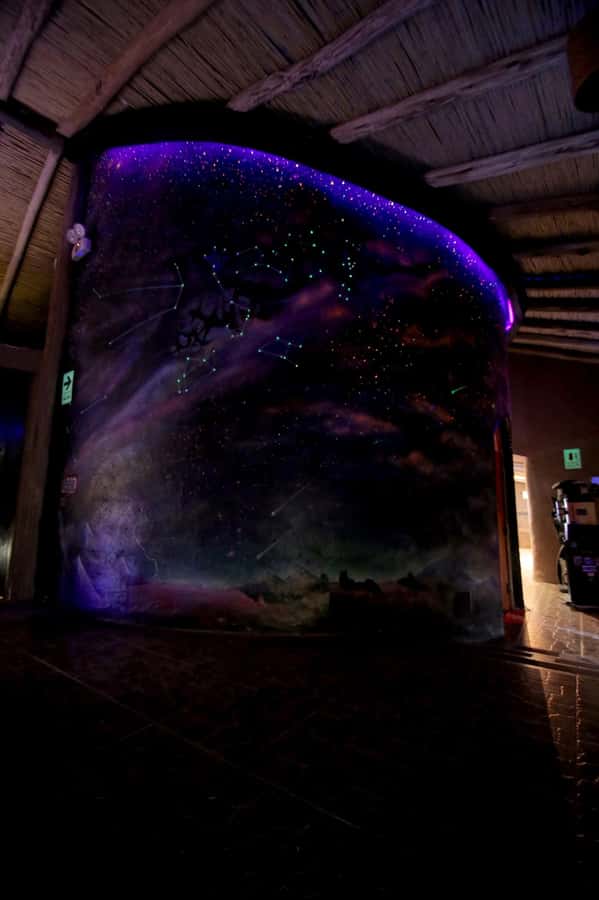
The phrase one of the most original observatories in the world points to the character of the place, though the supplied details do not describe its building, layout, or equipment beyond the planetarium and professional telescopes. I would therefore treat the observatory as a specialized stop rather than expect a large museum complex.
The guide’s role matters here. A strong explanation can turn unfamiliar names and patterns in the sky into something memorable. One of the best ratings specifically praised the passion behind the family project, which suggests that the human side of the visit can be a major part of its appeal.
Still, the experience depends on the guide showing up and delivering the talk. Because one booking resulted in no guide appearing, I would keep your confirmation details handy and make sure the meeting arrangement is clear.
The dome projection and Inca constellations
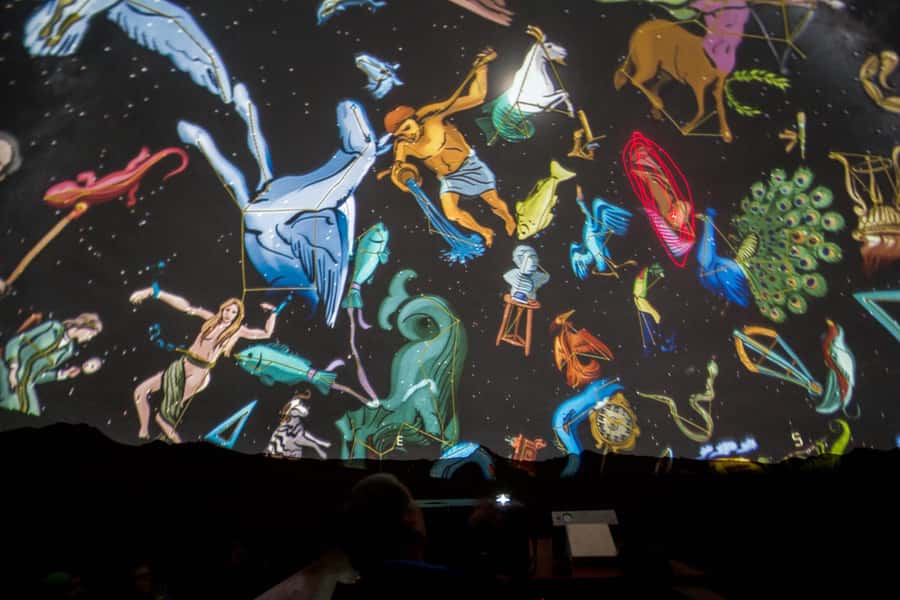
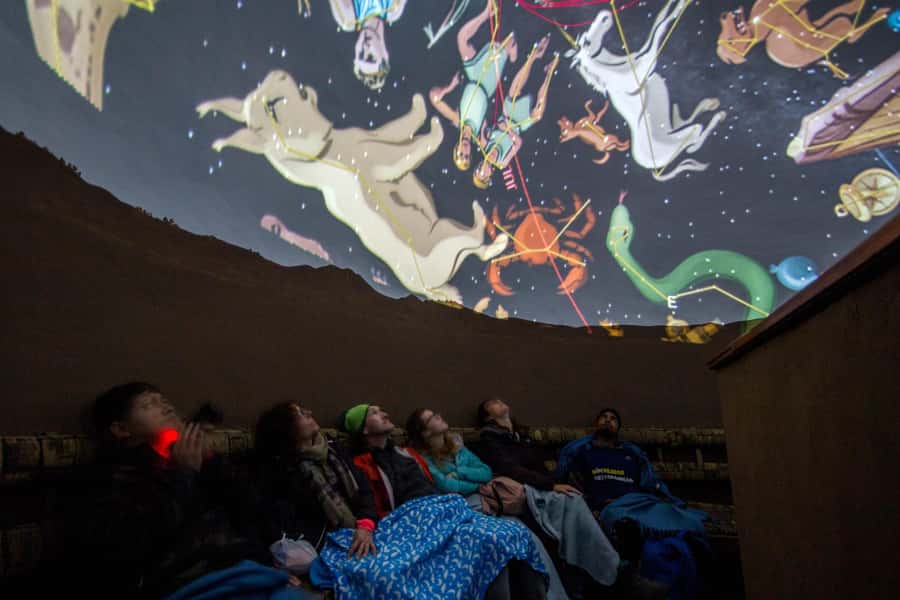
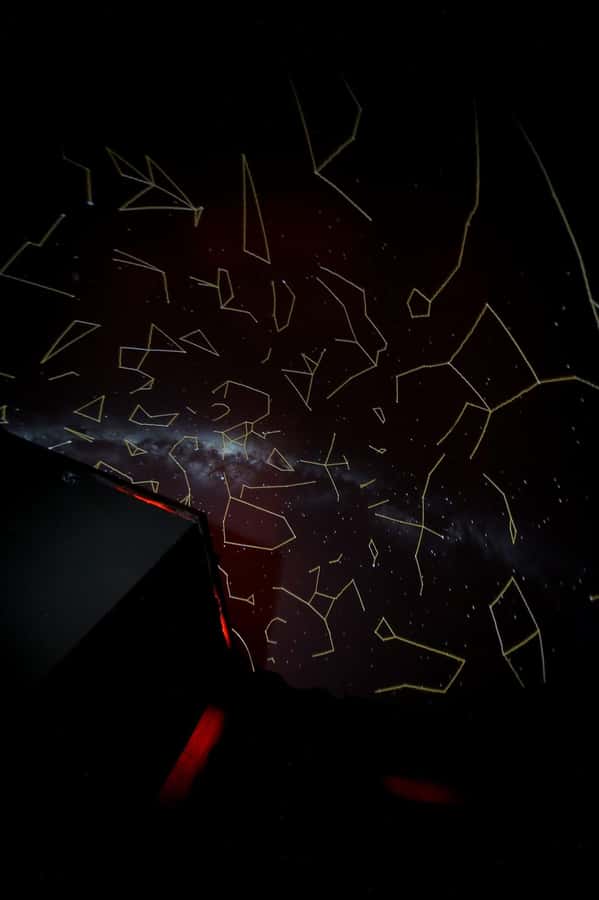
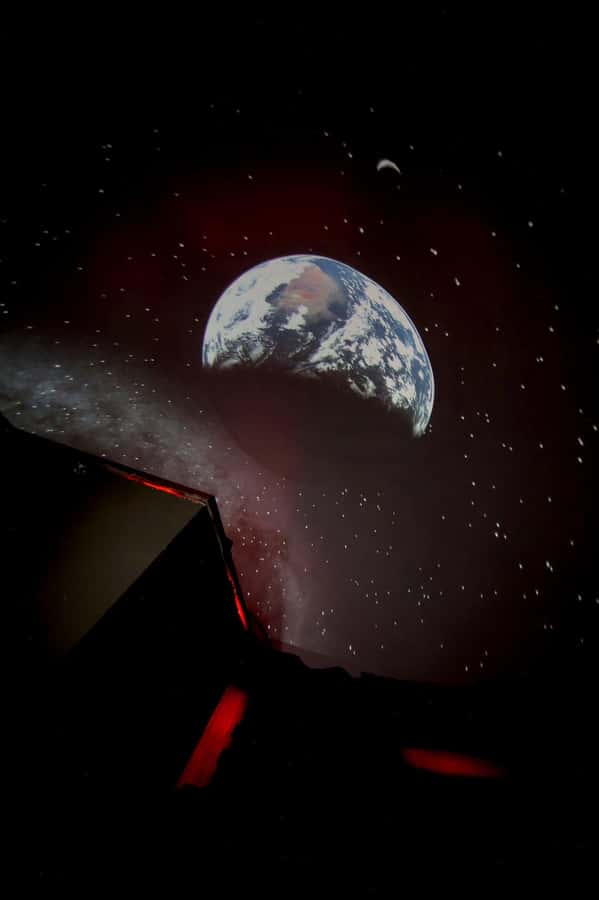
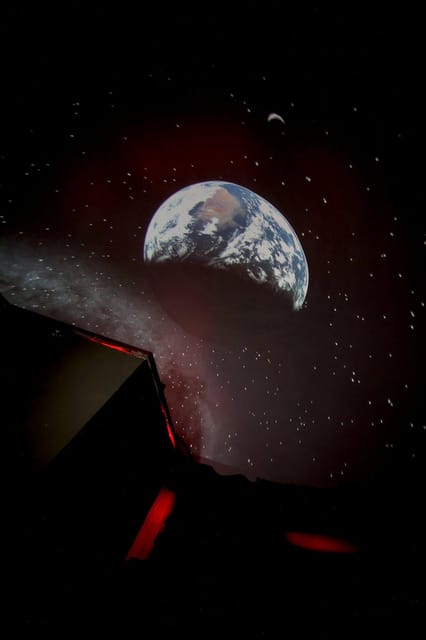
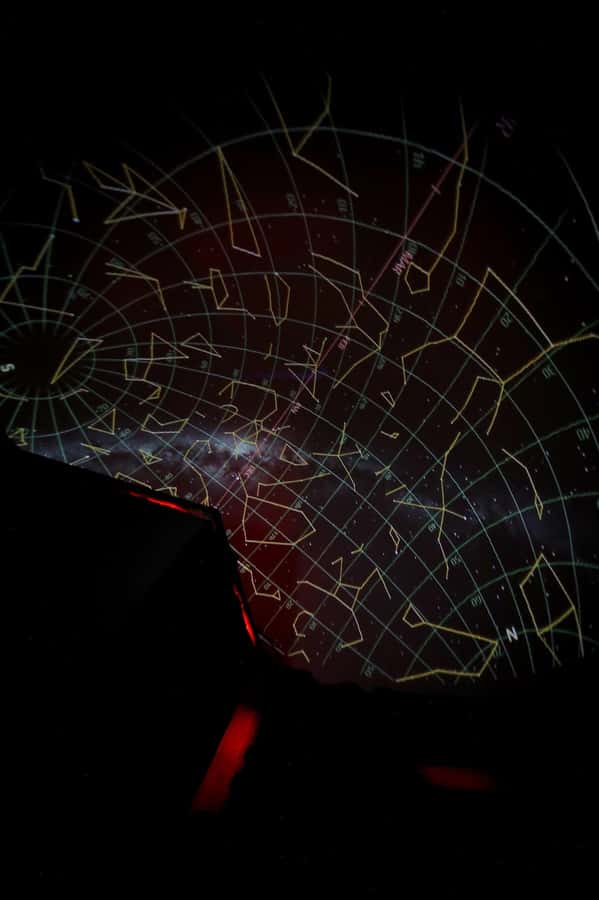
After the introduction, you watch a virtual projection of the sky across the planetarium dome. The program shows the Inca constellations, giving you a visual way to connect the explanation with the night sky.
A dome projection is especially useful for this subject. In the real sky, constellations can be hard to identify, particularly if you are not used to the southern hemisphere. Inside the planetarium, the pattern can be presented in a controlled way, with the guide helping you understand what you are seeing.
This is likely the most accessible section for families, first-time astronomy visitors, and anyone who finds technical explanations difficult. You do not need prior knowledge of stars or Inca culture. The sequence is straightforward: learn the ideas, then see them represented overhead.
The projection also protects part of the experience from bad weather. Even if clouds prevent telescope viewing later, the indoor presentation can still provide the central lesson about Inca astronomy. That makes the weather risk less severe than it would be on a trip based only on outdoor stargazing.
Also leaving from Cusco, and nothing like the above:
- Salkantay Classic Trek 5 Days from Cusco
★ 5.0 · 4,062 reviews - 4-Day Salkantay Trek with Sky Camp Stay
★ 5.0 · 3,346 reviews - Short Inca Trail to Machu Picchu 2D/1N
★ 5.0 · 3,007 reviews - Excursion to Rainbow Mountain Full Day Optional Red Valley
★ 5.0 · 2,996 reviews
Telescope viewing depends on the sky
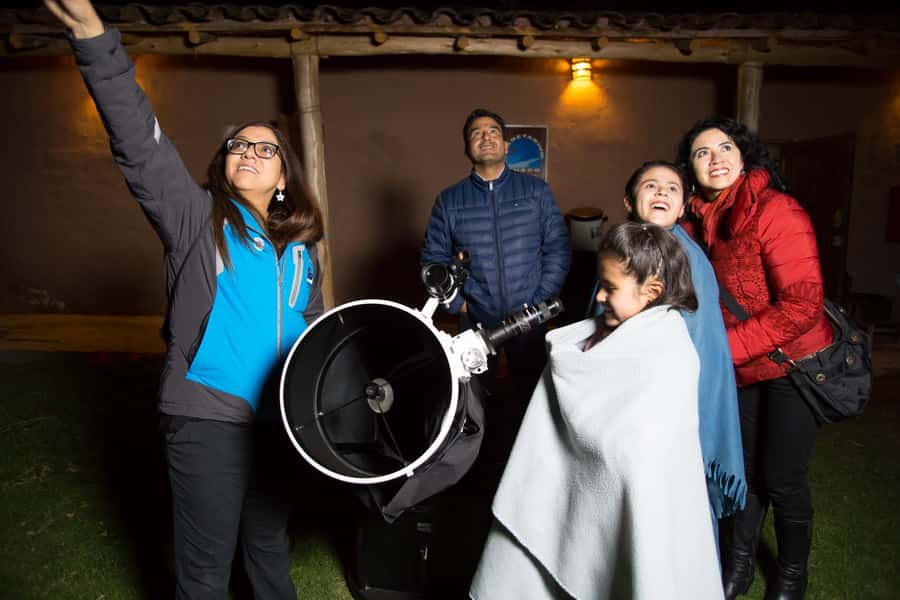
The final activity uses the Planetarium Cusco’s professional telescopes to view stars in greater detail. This is a strong addition because it moves from explanation and simulation to direct observation.
You should keep your expectations flexible. Telescope viewing is subject to weather conditions, so clouds or poor visibility may prevent this part from taking place. The supplied details do not promise a particular planet, star, or celestial object, so you should not book expecting one specific sight.
When the conditions cooperate, the telescopes give the evening a more hands-on finish. The planetarium explains the Inca view of the sky, while the equipment lets you look at the real sky above Cusco. That combination gives the program a good rhythm.
If the weather is poor, the experience will naturally feel shorter in substance, even though the scheduled duration remains 150 minutes. This is the main practical uncertainty to weigh before paying. The dome presentation remains available, but the outdoor viewing portion cannot be guaranteed.
What $43 buys you
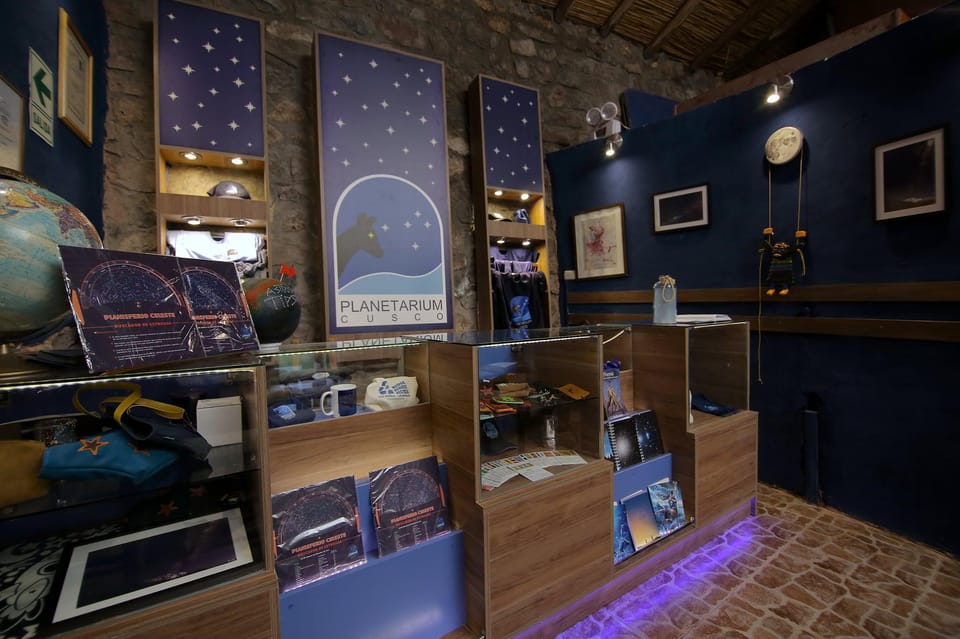
At $43 per person, the price covers the minibus, an English or Spanish-speaking guide, and admission to Planetarium Cusco. Food is not included.
I see the price as reasonable if you value the cultural explanation and the convenience of organized transport. You are paying for more than entry to a dome show. The cost also includes a guide, a visit to the observatory, and the chance to use professional telescopes.
The value is less clear if you only want casual stargazing. The telescope portion depends on weather, and the program lasts two and a half hours, so you are paying for the full guided format rather than a quick look through a telescope.
The family-project character may appeal to you if you prefer small, personal attractions over large commercial shows. That same quality can mean the service feels less polished if communication fails. The one no-show report is not something to ignore, even though the overall rating is 3.8 from four verified ratings and the other feedback is strongly positive.
Free cancellation up to 24 hours before the start gives you some protection if your plans change. You can also reserve and pay later, which helps if you are still arranging your Cusco schedule.
Who will enjoy this evening most
I would recommend this for you if you want a calm, educational evening after a busy day in Cusco. It suits people who are curious about Inca culture, families looking for a different activity, and anyone who enjoys astronomy but does not want to organize a separate night-sky outing.
It is also a good choice if you want a short excursion outside the center without committing to a full evening away. The minibus trip takes less than 20 minutes each way, and the return to Plaza de Armas is scheduled for 7:40 p.m.
You may want to skip it if your main goal is guaranteed telescope viewing. Weather can cancel that portion, and the program does not identify the exact objects you will see. You should also be comfortable with a compact, focused visit rather than a broad sightseeing tour.
For families, the dome projection may be easier to follow than outdoor stargazing. For serious amateur astronomers, the limited information about telescope specifications and viewing targets may feel insufficient.
Practical tips for a smoother visit
- Arrive early at the central meeting point: The departure time is 5:40 p.m., and missing the minibus could be difficult.
- Confirm the guide and meeting details: One verified booking reported that the guide did not appear, so a quick confirmation is wise.
- Bring warm clothing: The telescope session is weather dependent and involves looking at the night sky. The supplied details do not specify temperatures, so prepare for changing evening conditions rather than assuming it will feel warm.
- Eat before or after the activity: Food is not included, and the visit returns to Plaza de Armas at about 7:40 p.m.
- Keep your schedule flexible: The program is listed as 150 minutes, but telescope viewing may change with the weather.
- Choose your language carefully: Live guiding is available in English and Spanish.
Should you book Planetarium Cusco?
Book this experience if you want Inca astronomy explained in a clear sequence, with an indoor dome show, organized transport, and a chance to use professional telescopes. Its strongest feature is the link between culture and science. You are not simply looking at stars. You are learning how the Incas understood them.
I would be more cautious if reliable service is your top concern. The overall score is fairly good, and the positive feedback praises the passion behind the family project, but the reported guide no-show is a real warning. Confirm the pickup details before you go.
For $43, this is a worthwhile evening for curious visitors who appreciate a specialized attraction and can accept weather limits. If the sky stays clear and the guide delivers a thoughtful talk, the visit could become one of the more unusual memories of your time in Cusco.
FAQ
Where does the Planetarium Cusco trip begin?
The group meets in the center of Cusco at 5:40 p.m.
How long does the activity last?
The listed duration is 150 minutes.
When does the group return to Cusco?
The trip finishes at Plaza de Armas at about 7:40 p.m.
How far is the planetarium from central Cusco?
The observatory is less than 20 minutes away by minibus.
What languages are available?
The live guide is available in English and Spanish.
Is transportation included?
Yes. Transport by minibus is included.
Is entry to Planetarium Cusco included?
Yes. Admission to Planetarium Cusco is included.
Is food included?
No. Food is not included in the activity price.
Can I use telescopes during the visit?
The program includes professional telescope viewing, but this activity depends on weather conditions.
What happens during the planetarium visit?
You receive a talk on Inca astronomy, watch a virtual projection of the sky showing Inca constellations, and may use professional telescopes to view the stars.
Added recently around Cusco
- Guided tour of the mountain of colors in Cusco★ 5.0 · 11 reviews
- 2-Day Private Short Inca Trail to Machu Picchu★ 5.0 · 15 reviews
- City Tour Cusco – Group★ 5.0 · 4 reviews
- Tour Sacred Valley with Maras and Moray★ 5.0 · 15 reviews
- San Pedro Market Tour with Peruvian Cooking Class★ 5.0 · 31 reviews
- Walking Culinary Experience★ 5.0 · 41 reviews
- City Tour in Cusco★ 4.5 · 10 reviews
- One Day Tour to Humantay Lagoon★ 5.0 · 8 reviews
Cusco Tours, compared.
Classic Inca Trail Trek 4D/3N to Machu Picchu (Group Service)
Read our review →
Rainbow Mountain and Red Valley Day Trip with Meals
Read our review →
Machu Picchu: 4-Day Inca Trail Trek with Panoramic Train Ride
Read our review →


Excursion to Rainbow Mountain Full Day Optional Red Valley
Read our review →