
Reviewed · FOOD & DRINK
Private Gourmet South American Wine and Peruvian Tapas Tasting
Lima knows how to pour a story. I like the pairing of boutique wines from Argentina, Chile, and Peru with Peruvian tapas, and I also like the small-group format, capped at 12 people. The main drawback is that pickup needs careful attention, especially for a last-minute booking, since one failed reservation involved a same-day request that was not properly received.
This is a polished late-afternoon activity in Barranco, Lima’s artsy coastal district. I would choose it for a relaxed introduction to South American wine, especially if you enjoy food conversations as much as the food itself. The experience can include hotel pickup and return, but confirm the time and pickup details before the day of the tasting.
In This Review
- Key points to know before booking
- Why this tasting fits Lima so well
- Arriving at Dédalo in Barranco
- Four wines from Argentina, Chile, and Peru
- Andean cheeses and Peruvian tapas
- The room matters more than you might expect
- What the two-hour schedule feels like
- The human side: Philippe and Daniel
- Is $114 a fair price?
- Who should book this experience?
- Booking, cancellation, and practical details
- Should you book it?
- FAQ
- How long does the wine and tapas tasting last?
- Where does the experience start?
- How many wines are included?
- Are food pairings included?
- Can people under 18 join?
- Can I cancel for a full refund?
Key points to know before booking
- Four premium wines: Taste two whites and two reds, with an additional red sometimes offered by the sommelier.
- Peruvian pairings: Andean cheeses, local ingredients, and tapas are used to show how wine works with Peru’s varied food traditions.
- Barranco setting: The meeting point is Dédalo, Jirón Sáenz Peña 295, in Barranco, though the tasting atmosphere may be a wine shop, private apartment, or restaurant-style room depending on the arrangement.
- Personal guidance: Sommelier Philippe and host Daniel Tello Flores have been praised for their warmth, wine knowledge, and translation support.
- Two-hour plan: The advertised tasting lasts about two hours, though one evening continued far beyond that when the group went on to dinner.
- Book ahead: The average booking point is 37 days before the activity, a useful clue that this small event is best planned rather than improvised.
Why this tasting fits Lima so well
Lima is known for serious food, but wine gives you another way to understand the region. Peru does not have the international wine profile of Argentina or Chile, so tasting bottles from all three countries lets you compare different climates, grapes, and winemaking styles in one sitting.
I like this format because it avoids turning wine into a lecture. You taste, eat, ask questions, and notice what changes when a sip meets cheese or a seasoned Peruvian bite. The food is not merely a snack between pours. It is part of the lesson.
The experience is also well placed in Barranco. Dédalo, the listed meeting point, is a stylish local setting rather than a large sightseeing venue. You get a more personal evening here than you would from a crowded restaurant wine flight. The small maximum of 12 people helps keep the conversation moving, though the exact feel will depend on how many people book for your date.
More Food Tours in Lima
- Lima Ultimate Peruvian Food Tour
★ 5.0 · 1,845 reviews - Peruvian Cooking Class, Local Market Tour & Exotic Fruit Tasting
★ 5.0 · 744 reviews - Lima: Ultimate Peruvian Food Tour
★ 4.9 · 700 reviews
Arriving at Dédalo in Barranco
The listed starting point is Dédalo at Jirón Sáenz Peña 295, Barranco 15063. You can reach the area near public transportation, and hotel pickup and return service are included.
That transport option adds real value in Lima. You do not need to arrange a taxi after four wine samples, and you can focus on the tasting rather than the route back to your hotel. Still, I would not treat pickup as automatic. Send a message ahead of time to confirm the meeting hour, pickup location, and return plan.
This point matters because the provider has had trouble with a same-day booking made after the practical cutoff for arranging transport. The reservation was eventually explained as arriving at 2:23 pm, after the provider’s stated 2 pm cutoff, and no notification reached the local team. The sensible move is to reserve well ahead and confirm the details yourself.
Four wines from Argentina, Chile, and Peru
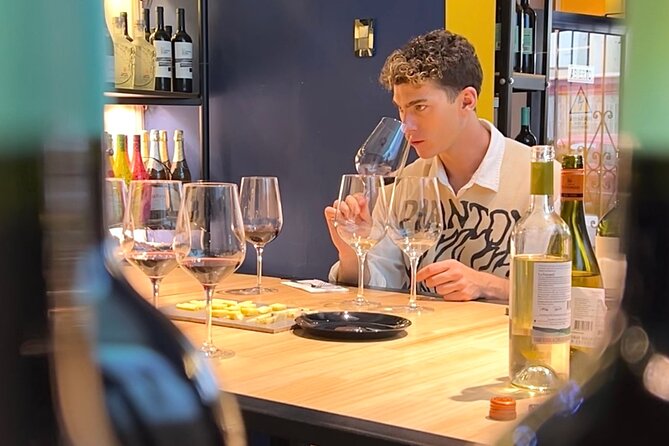
The main tasting includes four premium wines from South America. The selection is designed to show more than one familiar style, with bottles from Argentina, Chile, and Peru. Two of the featured wines are associated with Central, Lima’s renowned restaurant, which gives the lineup an extra connection to Peru’s modern food scene.
You can expect two whites and two reds based on the way the tasting has been conducted. The pour order lets you begin with lighter flavors before moving into fuller reds. An extra red may appear along the way, but it should be viewed as a pleasant addition rather than a guaranteed fifth pour.
The strength of the wine selection is its regional scope. Argentina and Chile are major names in South American wine, while Peru offers a less expected angle. You are not simply sampling a single country’s standard grape. You are comparing how nearby nations present their own wine identity.
The sommelier’s role is important here. Philippe has led tastings with clear enthusiasm for the subject, even when he did not speak English. Daniel translated the explanations and helped keep the evening easy to follow. If you do not speak Spanish, confirm the language arrangement when booking. The experience can work well with translation, but the level of detail may depend on who is hosting that night.
Andean cheeses and Peruvian tapas
Wine can feel abstract when you taste it alone. The cheeses and tapas give you something concrete to work with. A sharp cheese may make a white seem rounder, while a salty or creamy bite can change the feel of a red. You will not just hear that a pairing works. You can test it in your own mouth.
The included selection features Andean cheeses and local ingredients. The food is presented as specially prepared Peruvian tapas, with traditional and modern touches. Exact dishes are not listed, so you should not book expecting a fixed menu of named specialties.
That flexibility may be a plus. The tasting is built around the wines and the food available for the session, rather than a rigid restaurant menu. You might find the pairing more useful because each bite has a clear job: it helps you notice acidity, weight, salt, spice, and texture.
One particularly appealing version of the event has been hosted by a professional chef who matched the cheeses to the wines. Another took place in a unique restaurant where the owner discussed his vision for the menu and his culinary path. These details point to a food experience with personality, not a tray of anonymous bar snacks.
More eating your way around Lima:
- Street Food, Market & Old Eateries Tour in Lima’s Historic Center
★ 5.0 · 656 reviews - Lima Gourmet Food Tour: Evening Experience
★ 5.0 · 525 reviews - Lima Gourmet Food Tour: Daytime Experience
★ 5.0 · 484 reviews - Food Tour and Market Experience: 12 Peruvian Snacks
★ 5.0 · 412 reviews
The room matters more than you might expect
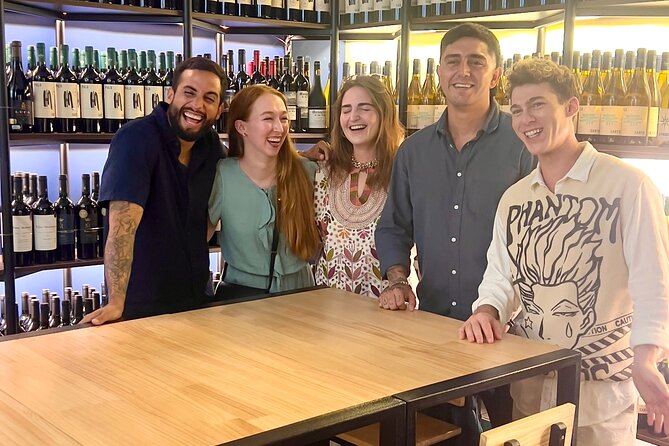
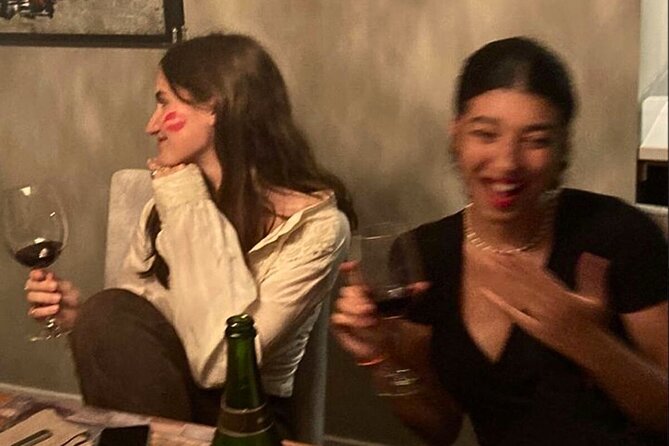
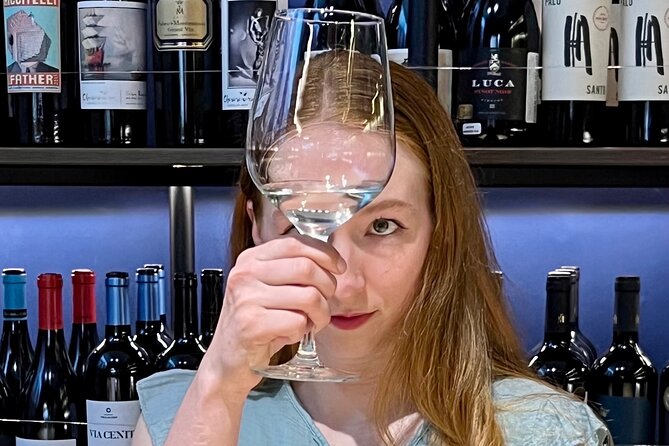
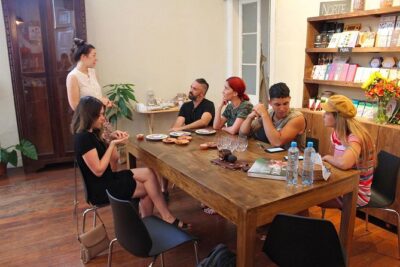
The setting is described as stylish and intimate, but it is not presented as one fixed room for every date. The tasting has taken place in a small wine shop or tasting room, in a private Barranco apartment with Pacific Ocean views, and in a distinctive restaurant setting.
That variety means you should ask for the venue details if the room is important to you. A private apartment with ocean views creates a very different mood from a compact wine shop. Both can work, but they offer different kinds of atmosphere.
I like the possibility of an apartment setting because it suits the private nature of the activity. You can settle in, talk with the host, and give the wines your full attention. The restaurant format may appeal more if you want to connect the tasting with a chef’s ideas and a broader food story.
The experience is best treated as an intimate hosted evening, not a formal sightseeing tour. You are there to talk, taste, and linger. That makes it a good choice for couples, food-focused friends, and solo visitors who enjoy joining a small table.
What the two-hour schedule feels like
The listed duration is about two hours. That is enough time for four wines, food pairings, explanations, and questions without turning the event into an all-night commitment.
A typical flow should begin with arrival and introductions, followed by the first wine and a light pairing. The sommelier then works through the remaining bottles, explaining grape varieties, production, and food matches as the flavors change.
The pace seems deliberately social. You are not expected to rush through four glasses. The best part is likely the conversation between pours, when you can ask why one cheese suits a white better or how a Peruvian wine differs from its neighbors.
One evening lasted much longer than planned because the group enjoyed the tasting and then went out for dinner together. The hosts helped find a local restaurant and guided the group’s choices before arranging the return to the hotel. That sounds charming, but it is not the standard two-hour promise. Plan your own evening around the advertised duration and consider any extended dinner a bonus, not part of the contract.
The human side: Philippe and Daniel
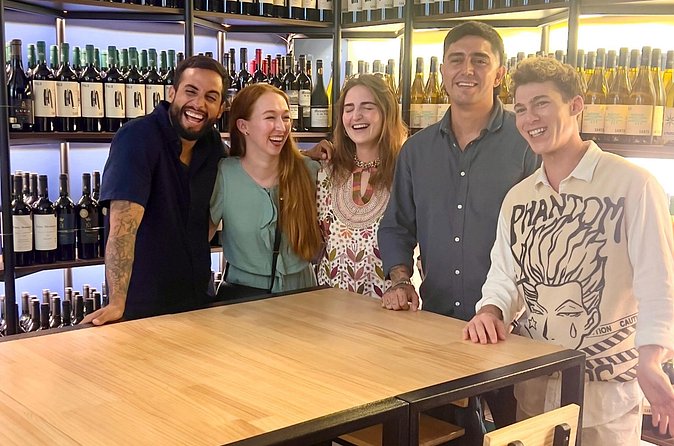
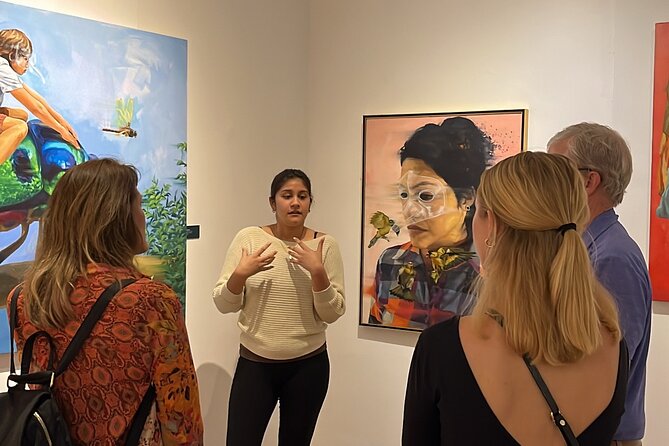
The people guiding the tasting seem to be one of its strongest features. Philippe, the sommelier, brings clear passion to the wines. Even without English, his enthusiasm comes through, and translation can make the technical side accessible.
Daniel has handled pickup, hosting, and translation. His prompt message before collection and his work during the tasting made the evening easier for one English-speaking couple. He appears to be an important link between the local team and international visitors.
That personal attention is valuable in a private experience. A sommelier can adjust the conversation to your interests, while a host can handle the practical details. You should still communicate your language needs before arrival so there are no surprises.
The warm tone also extends beyond the table. The hosts have helped with restaurant suggestions and local dinner plans when the evening continued. I would not book this solely for that extra service, but it adds a welcome human touch.
Is $114 a fair price?
At $114 per person, this is not a cheap way to drink wine in Lima. You are paying for four premium wines, Andean cheeses, Peruvian tapas, a professional sommelier, a private or intimate setting, bottled water, and hotel pickup and return.
The value is strongest if you would otherwise pay separately for a good meal, several wine pours, and transport. You are also paying for interpretation and guidance, which can make unfamiliar South American wines easier to understand.
The price is less compelling if you only want a quick glass of Peruvian wine or a casual snack. Lima has many lower-cost food options, and this experience makes sense when you want a hosted tasting with a clear regional theme.
The 12-person limit helps justify the cost. A small room allows more questions and better contact with the sommelier than a large commercial wine event. I would compare the price with the full package, not just the number of bottles.
Who should book this experience?
I would recommend it to you if you enjoy wine, thoughtful food pairings, or small-group cultural activities. It is also a smart choice for a late afternoon when you want something more distinctive than another restaurant meal.
Food lovers will get the most from the connection between local ingredients and South American wine. Wine beginners can enjoy it too, since the format is guided and conversational rather than designed only for experts.
It may not suit you if you need a fixed menu, a guaranteed specific venue, or a fully English-speaking sommelier. The language arrangement can involve translation, and the setting may vary. It is also not a family wine activity, although anyone under 18 is offered a chocolate tasting featuring chocolates from different regions of Peru.
You should also avoid booking at the last minute. The experience is often reserved well in advance, with an average booking point of 37 days before the date. That pattern suggests limited capacity and a need for proper transport planning.
Booking, cancellation, and practical details
You receive confirmation at booking, and the activity is near public transportation. The meeting point is Dédalo in Barranco, with the activity ending back at that meeting point unless hotel return service has been arranged.
You can cancel at least 24 hours before the local start time for a full refund. Cancellations or changes inside 24 hours are not accepted for a refund. If the minimum number is not reached and the provider cancels, you are offered another date or experience, or a full refund.
Because alcohol is served only to people aged 18 and above, bring age information if requested. Minors are offered the Peruvian chocolate tasting instead.
Should you book it?
Book this tasting if you want a personal, food-centered evening that explains South American wine through Peruvian pairings. The best reasons are the four-country comparison across Argentina, Chile, and Peru, the Andean cheeses, the small group, and the hosts’ clear care for the experience.
I would reserve ahead, confirm hotel pickup, and ask about the venue and language for your date. If those details suit you, $114 can be fair value for a private evening with wine, food, transport, and real conversation. If you want a simple drink or a fixed restaurant menu, spend the money elsewhere. For a thoughtful introduction to Lima’s food culture with a glass in hand, this is a strong choice.
FAQ
How long does the wine and tapas tasting last?
The experience lasts approximately two hours. An evening may continue longer if the group and hosts decide to go for dinner, but that is not part of the advertised duration.
Where does the experience start?
The listed starting point is Dédalo, Jirón Sáenz Peña 295, Barranco 15063, Peru. The activity ends back at the meeting point, with hotel pickup and return service included.
How many wines are included?
Four premium wines are included. The tasting generally features two whites and two reds, and an additional red may sometimes be offered.
Are food pairings included?
Yes. The tasting includes a selection of Andean cheeses and Peruvian tapas prepared with local ingredients.
Can people under 18 join?
Yes, but wine is served only to people aged 18 and above. Anyone under 18 is offered a chocolate tasting featuring chocolates from different regions of Peru.
Can I cancel for a full refund?
Yes. You must cancel at least 24 hours before the experience’s local start time. Cancellations or changes made less than 24 hours before the start are not refunded or accepted.
More Wine Tours in Lima
- Lima: Paracas & Huacachina Oasis Day Trip with Wine & Dunes
★ 4.7 · 266 reviews - Lima: Huacachina, Winery, & Nazca Lines from Pisco Airport
★ 4.7 · 31 reviews - Lima: Local Wine Tour
★ 4.5 · 25 reviews - From Lima: Huacachina Oasis Tour, Winery & Desert Sunset
★ 3.9 · 19 reviews
Added recently around Lima
- Yoga Classes in Miraflores, Lima★ 4.5 · 20 reviews
- Magic Water Circuit Tour★ 4.0 · 5 reviews
- Private Walking Tour Lima Heritage Downtown Half Day★ 4.5 · 12 reviews
- Wonders of Peru & Huaraz 16-Day Tour★ 5.0 · 8 reviews
- Water Magic Circuit Lima Night Tour by Panoramic Bus★ 4.5 · 11 reviews
- Visit to the Larco Museum in Lima★ 5.0 · 5 reviews
- Guided Tours in Colonial and Modern Lima★ 5.0 · 54 reviews
- Bizarre Foods Tour for Adventurous Foodies★ 5.0 · 9 reviews
Food & Drink, compared.
Peruvian Cooking Class, Local Market Tour & Exotic Fruit Tasting
Read our review →
Street Food, Market & Old Eateries Tour in Lima’s Historic Center
Read our review →
Food Tour and Market Experience: 12 Peruvian Snacks
Read our review →
Group Cooking Class in Cusco with Pisco Tasting
Read our review →Browse the lists this tour appears in