
Reviewed · MACHU PICCHU TOURS
The Voyager Machu Picchu Train by Inca Rail
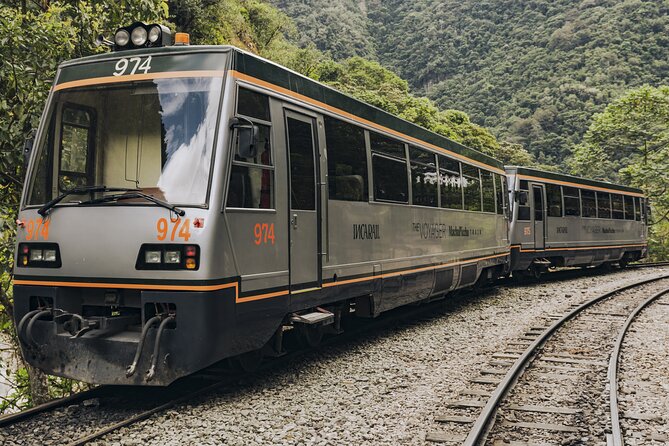
Machu Picchu begins with the right train. The Inca Rail Voyager gives you a practical way to reach the citadel, with air-conditioning, restrooms, private transport options, and beautiful views along the route. I like its helpful staff and the choice of departures from Cusco, Poroy, or Ollantaytambo. The main catch is that your fare does not include Machu Picchu entry or a guide, and a few service problems can make the day feel less smooth than expected.
I also like the year-round Bimodal option, which links a private bus from Cusco with the train from Ollantaytambo. It is especially useful from January through April, when rain and other conditions can prevent departures from San Pedro and Poroy. Still, you should read your entry details carefully and keep expectations modest: the Voyager is a useful transport service, not a full citadel tour or a luxury rail ride.
In This Review
- Key things to know before booking
- What the Voyager journey actually includes
- Choosing between San Pedro, Poroy, and Ollantaytambo
- The Bimodal bus and train connection
- What you see between Cusco and Machu Picchu
- The Voyager carriage: useful, but not luxurious
- Staff service can make a real difference
- The most important warning: match your entry ticket to the date
- Machu Picchu Pueblo is not the citadel
- Who will get the best value from the Voyager?
- Booking timing, cancellation, and practical details
- Should you book the Inca Rail Voyager?
- FAQ
- What does the Inca Rail Voyager include?
- Where can I board the Inca Rail Voyager?
- What is the Bimodal service?
- Should I use Bimodal service from January through April?
- Where does the listed tour start and end?
- Can I cancel for a full refund?
Key things to know before booking
- The Voyager is transport first: You receive a train ride to Machu Picchu Pueblo, but not admission to the citadel or a guided visit.
- Three rail departure points are available: San Pedro in Cusco, Poroy, and Ollantaytambo connect with Machu Picchu Pueblo.
- The Bimodal service works year-round: A private bus leaves from Avenida El Sol 843 in Cusco and connects with the train at Ollantaytambo.
- January through April needs extra planning: Inca Rail suggests using the Bimodal service during this period because San Pedro and Poroy may not operate.
- The listed start time is 6:40 am: The stated meeting point is Machu Picchu station in Aguas Calientes, with the trip ending at the same station.
- The service has a large maximum capacity: Up to 516 people may be included, so this is not a small, intimate rail outing.
What the Voyager journey actually includes
The Voyager takes you toward Machu Picchu Pueblo, the town also known as Aguas Calientes. From there, the mountain citadel is reached separately. This distinction matters because the $203 price is not an all-in ticket for Machu Picchu.
You receive transportation, air-conditioning, and a restroom on board. You do not receive the entrance ticket to the Historic Sanctuary of Machu Picchu, and you do not receive a tour through the citadel. You will need to arrange those pieces separately or select a different package that specifically includes them.
The listed duration is approximately two to four hours, with the itinerary describing about three hours. Exact timing depends on your departure point and the rail or Bimodal arrangement attached to your booking. Read the confirmation closely, since a train from Ollantaytambo is a different practical experience from a bus-and-train departure beginning in Cusco.
The stated meeting point is Machu Picchu station in Aguas Calientes, and the listed start time is 6:40 am. That wording may feel odd if you are expecting a Cusco departure, so confirm the exact boarding location and transport plan before travel. Your ticket should tell you whether you are going directly to a rail station or first taking the Bimodal bus.
Other ways to reach Machu Picchu:
- Classic Inca Trail Trek 4D/3N to Machu Picchu (Group Service)
★ 5.0 · 8,653 reviews - Machu Picchu: 4-Day Inca Trail Trek with Panoramic Train Ride
★ 5.0 · 4,568 reviews - Short Inca Trail to Machu Picchu 2D/1N
★ 5.0 · 3,007 reviews
Choosing between San Pedro, Poroy, and Ollantaytambo
Inca Rail offers three starting points. San Pedro is in Cusco, Poroy is outside the central city, and Ollantaytambo is in the Sacred Valley. All connect with Machu Picchu Pueblo.
Ollantaytambo can make sense if you are already staying in the Sacred Valley or visiting its archaeological site. It avoids sending you back into Cusco before the train and puts you closer to the rail route. If you are based in central Cusco, however, you need to think about how you will reach the station and how early you must leave.
San Pedro is the most central option named here. Poroy offers another Cusco-area departure. The important seasonal point is that San Pedro and Poroy may not be available from January through April because of weather conditions. During those months, Inca Rail suggests the Bimodal service instead.
Do not treat this as a small detail. A change from rail departure to bus connection can affect your morning schedule, luggage handling, comfort, and the amount of time you spend waiting between vehicles.
The Bimodal bus and train connection
The Bimodal service begins at Avenida El Sol 843, near Cusco’s Plaza de Armas. You take an exclusive bus to Ollantaytambo, then board the train to Machu Picchu Pueblo. It runs all year, and it becomes the suggested choice during the January to April period.
The advantage is simple: one coordinated arrangement can replace the need to arrange a separate ride from Cusco to Ollantaytambo. A well-organized connection can remove one layer of guesswork from a busy day.
The weakness is comfort. A bus adds another vehicle, another boarding process, and another chance for crowding. One first-class passenger described cramped seats, little room for small backpacks, and limited time to move between bus and train. That complaint came from a higher-priced service, but it is still useful advice for anyone choosing Bimodal: keep your hand luggage compact and be ready to move promptly.
Another practical concern is heat. A separate account described a very hot, crowded, and bumpy bus ride after a difficult day. That does not mean every Bimodal departure will be uncomfortable, but you should not assume the bus portion feels premium simply because it is part of an organized rail package.
What you see between Cusco and Machu Picchu
The route leads toward one of Peru’s great archaeological sites, Machu Picchu, which means old mountain in Spanish. The citadel sits about 110 kilometers northeast of Cusco in the Urubamba province.
The attraction is not only the destination. The rail journey gives you a moving view of the route toward the mountains, with the Urubamba region providing the visual setting. Several passengers particularly valued the views, even while noting that the carriages could use some maintenance.
For the best scenery, pay attention to the time of day. One passenger had a breakdown at Chilca lasting more than an hour. By the time the train moved again, it was dark, and much of the visual appeal had disappeared. Delays are never guaranteed, but this is a good reason to avoid building your entire day around a tight citadel entry time.
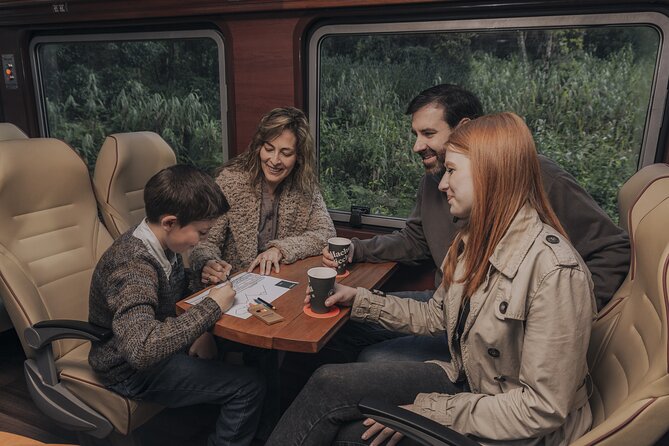
The return journey can also include onboard presentations or entertainment. Inca Rail uses cultural music, dance, and staged performances as part of the atmosphere. Some passengers enjoy this connection to Peruvian culture. Others find the music too loud, the announcements repetitive, or the performances awkward when they happen in a narrow aisle.
I would choose this train for the route, not for a quiet luxury cabin. If you prefer a calm ride, bring patience and expect a more animated presentation than a silent scenic railway.
A few more Cusco trips worth lining up side by side
- 2-Day Inca Trail to Machu Picchu with Panoramic Train
★ 5.0 · 1,876 reviews - 2-Day Tour: Sacred Valley and Machu Picchu by Train
★ 5.0 · 1,127 reviews - Machu Picchu Full Day from Cusco by Panoramic Train
★ 5.0 · 857 reviews - Machu Picchu Full Day Tour from Cusco with Train & Entrance
★ 5.0 · 508 reviews
The Voyager carriage: useful, but not luxurious
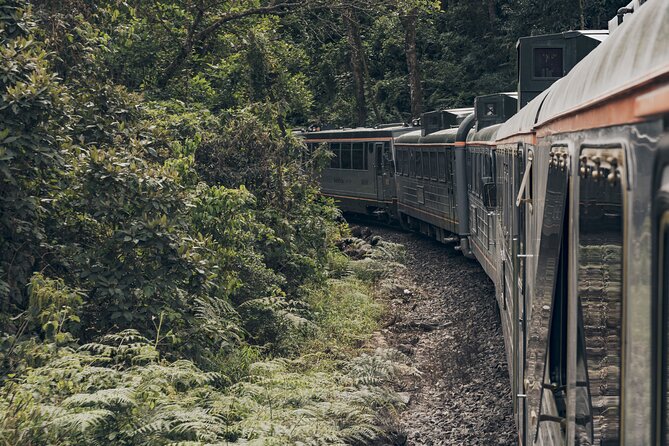
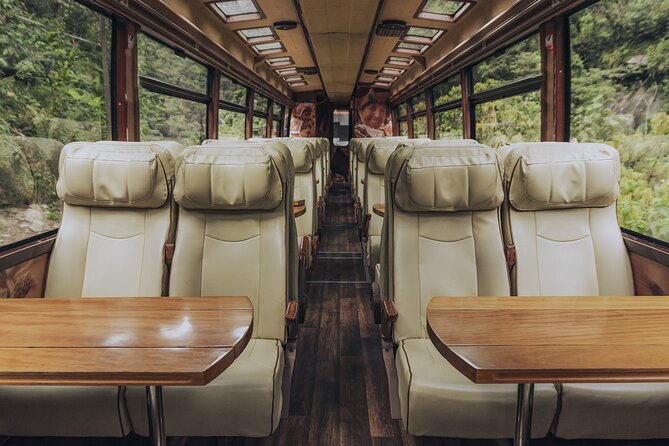
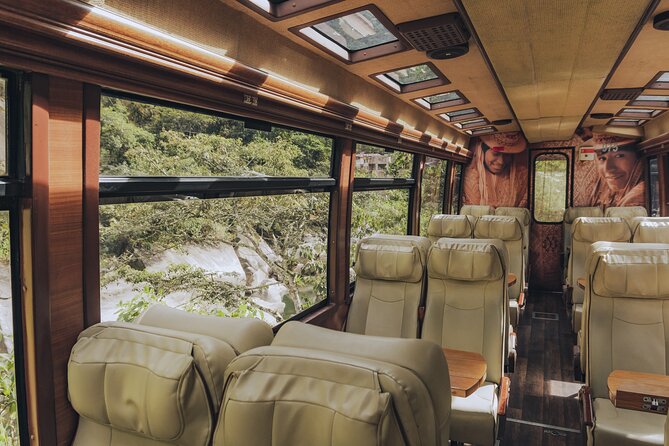
The Voyager includes the basics that matter on a long transfer. Air-conditioning is helpful after time in Cusco’s high-altitude climate, and an onboard restroom means you do not have to depend entirely on station facilities.
Comfort is less consistent. Some passengers found the seats less spacious than those on competing trains and described the carriage as dated. Others reported a good overall trip and praised the service. This suggests a sensible conclusion: the Voyager can do its job well, but you should not buy it expecting first-class seating or a polished luxury experience.
The first-class pricing issue is worth noting. One couple paid close to $400 each for what they understood to be a premium experience, then received changed seating, a backward-facing window seat, and only part of the expected panoramic view. They also found the Bimodal bus cramped.
That does not directly describe every Voyager booking, but it gives you a useful rule: pay for a higher category only if the exact benefits are clear in writing. If your main goal is reaching Machu Picchu, the least expensive suitable fare may offer better value than a costly upgrade.
Staff service can make a real difference
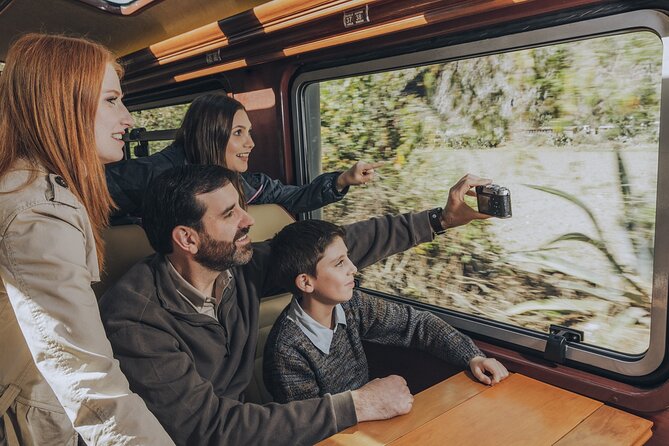
The strongest positive theme is the staff. Several accounts describe kind and helpful employees. Jazmín and Anthony were singled out for helping an older mother from the first moment of the journey. Another passenger praised staff for guiding the family toward the buses at Machu Picchu and for returning a child’s forgotten backpack safely the next day.
Those details matter. A train journey to Machu Picchu involves stations, buses, rail platforms, and a separate mountain visit. Clear directions can save you from wasting time in Aguas Calientes, especially when you are trying to find the buses to the citadel.
Service is not always consistent, though. During one disruption after a train accident, passengers described poor communication, long waits, and confusion near the tracks. Frontline staff were seen as kind but placed in a difficult position. Another breakdown reportedly produced only a small snack and half a cup of water after a lengthy delay.
You should not assume a delay will be handled perfectly. Keep your ticket, entry reservation, water, and essential medication with you. If something goes wrong, ask staff for specific information about the next departure and the effect on your Machu Picchu entry time.
The most important warning: match your entry ticket to the date

Your train ticket and Machu Picchu entry ticket are separate matters. The Voyager fare described here does not include admission or a citadel tour, and even an all-inclusive package may involve separate arrangements.
One serious problem occurred when entry tickets were handed over at the end of the train ride, only for the date to be wrong. The passengers had booked a specific circuit and were told they needed to return the next day. That kind of mistake can ruin a carefully planned visit, especially if you have limited time in Peru.
Check the following before leaving Cusco:
- The date printed on your Machu Picchu entry ticket
- The circuit and route assigned to you
- The number of people listed
- The time window, if one appears on the ticket
- Whether your train arrival gives you enough time to reach the entrance
Do not wait until you are standing at the sanctuary gate. If the booking includes admission, inspect the details as soon as you receive confirmation. If it does not, arrange the entry yourself and make sure the train schedule fits it.
Machu Picchu Pueblo is not the citadel
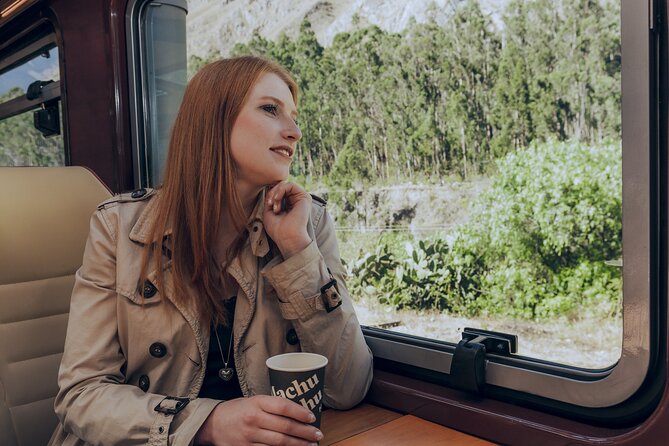
The train ends at Machu Picchu Pueblo, not at the ruins themselves. The town is the practical base for the final part of the visit, and you must continue from there to the Historic Sanctuary.
This is where many first-time visitors lose time. The train may deliver you to Aguas Calientes, but the service described here does not include your citadel tour. You need to understand the difference between arriving in town and entering the archaeological site.
The itinerary describes Machu Picchu as a citadel surrounded by temples, platforms, and water channels. Those features are the reason people make the journey, but they are not part of the train service itself. You are buying the link to the mountain, not the complete experience on the mountain.
For that reason, I would compare the total price, not just the rail fare. Add the entrance ticket, any guide, and the cost of getting from the station to the sanctuary. A cheaper train with separate arrangements may suit an independent visitor. A package with coordinated tickets and a guide may be worth more if you want fewer moving parts.
Who will get the best value from the Voyager?
The Voyager makes the most sense for you if you want a straightforward rail connection and do not need luxury seating. It is also useful if you want staff support during the transfer or prefer the convenience of a combined bus-and-train arrangement from Cusco.
It suits:
- First-time visitors who want organized transport
- People staying in Cusco who need a Bimodal connection
- People staying in the Sacred Valley who can reach Ollantaytambo
- Families who value onboard restrooms and staff assistance
- Visitors willing to arrange Machu Picchu admission separately
You may want another option if a quiet ride, generous seating, or a premium onboard setting matters most. You may also prefer a different provider if a past service disruption or weak communication would make you uneasy.
The maximum group size of 516 people tells you something about the character of the service. It is designed to move a large number of people efficiently. This can be practical and affordable, but it will not feel like a private rail excursion.
Booking timing, cancellation, and practical details
The average booking point is six days before departure, but I would not use that as a planning target. Machu Picchu entry times and train availability can shape the entire day, so earlier planning is safer when your schedule is fixed.
Confirmation is sent within 48 hours, subject to availability. Check it carefully when it arrives, especially the departure point, time, passenger names, and any Machu Picchu admission details.
Most people can take part, and service animals are allowed. Private transportation and an air-conditioned vehicle are included in the service description. Free cancellation is available if you cancel at least 24 hours before the local start time. Cancellations or changes made inside that window are not accepted for a refund.
Should you book the Inca Rail Voyager?
Book the Voyager if you want a practical route to Machu Picchu, helpful staff, onboard air-conditioning, and a year-round Bimodal option. The service has real strengths, especially when employees guide you through connections or help recover a forgotten bag.
I would not book it expecting a luxury railway or a complete Machu Picchu package. The carriage may feel dated, entertainment can be too loud for some people, and delays or communication problems are possible. The price is fair only after you account for what is missing, especially the sanctuary entry and guided visit.
My best advice is simple: confirm your exact train and bus plan, verify your Machu Picchu ticket date and circuit, and keep your schedule flexible enough to handle a delay. If you want transport with useful support and can accept an ordinary, sometimes crowded rail experience, the Voyager is a reasonable choice. If comfort and polished service matter more than price, compare the alternatives before paying for an upgrade.
FAQ
What does the Inca Rail Voyager include?
It includes transportation, an onboard restroom, and an air-conditioned vehicle. The Machu Picchu entrance ticket and a guided tour through the citadel are not included.
Where can I board the Inca Rail Voyager?
Inca Rail lists San Pedro in Cusco, Poroy, and Ollantaytambo as train departure points. It also offers Bimodal service from Avenida El Sol 843 near Cusco’s Plaza de Armas, with a bus to Ollantaytambo and a train from there.
What is the Bimodal service?
Bimodal service combines an exclusive bus from Cusco to Ollantaytambo with the train from Ollantaytambo to Machu Picchu Pueblo. It is available all year.
Should I use Bimodal service from January through April?
Inca Rail suggests Bimodal service during those months because weather conditions may prevent departures from San Pedro and Poroy.
Where does the listed tour start and end?
The stated start and end point is Machu Picchu station in Aguas Calientes, Peru. The listed start time is 6:40 am.
Can I cancel for a full refund?
Yes, if you cancel at least 24 hours before the experience start time, based on local time. Cancellations and changes made less than 24 hours in advance are not accepted for a refund.
Added recently around Cusco
- Guided tour of the mountain of colors in Cusco★ 5.0 · 11 reviews
- 2-Day Private Short Inca Trail to Machu Picchu★ 5.0 · 15 reviews
- City Tour Cusco – Group★ 5.0 · 4 reviews
- Tour Sacred Valley with Maras and Moray★ 5.0 · 15 reviews
- San Pedro Market Tour with Peruvian Cooking Class★ 5.0 · 31 reviews
- Walking Culinary Experience★ 5.0 · 41 reviews
- City Tour in Cusco★ 4.5 · 10 reviews
- One Day Tour to Humantay Lagoon★ 5.0 · 8 reviews
Machu Picchu Tours, compared.
Classic Inca Trail Trek 4D/3N to Machu Picchu (Group Service)
Read our review →
Machu Picchu: 4-Day Inca Trail Trek with Panoramic Train Ride
Read our review →
2-Day Inca Trail to Machu Picchu with Panoramic Train
Read our review →

2-Day Tour: Sacred Valley and Machu Picchu by Train
Read our review →
Machu Picchu: Full-Day Tour from Cusco with Optional Lunch
Read our review →Browse the lists this tour appears in