
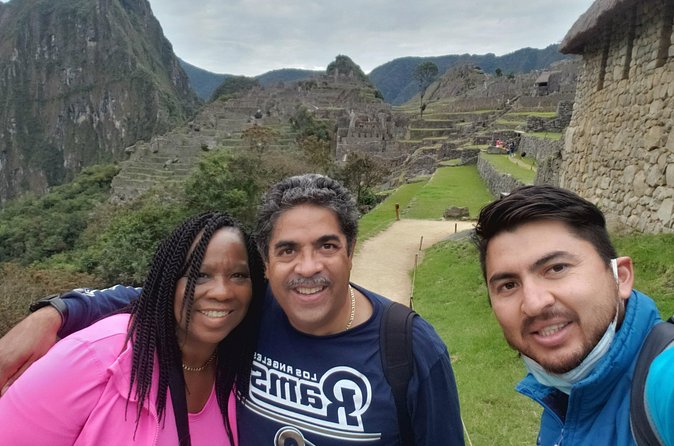
Reviewed · SACRED VALLEY TOURS
2-Day Private Tour in the Sacred Valley with Private Transportation
The Andes tell their story in stone and salt. This private two-day tour brings you to the Sacred Valley’s major Inca sites without forcing everything into one long day. I especially like the mix of famous ruins and living traditions, including Pisac’s artisans, a chicha stop, and a Chinchero weaving cooperative. I also like that you get private, air-conditioned transportation and two included lunches. The main drawback is that entrance fees are not covered, and the schedule is full enough that you should expect plenty of time on the road.
The guides, including Oscar and Miguel, add real value here. They explain agriculture, architecture, religion, and daily life rather than simply pointing at old walls. Private touring also gives you room to adjust the pace, which matters when altitude, weather, or a family’s energy level changes the plan.
In This Review
- Key things to know before booking
- Why two days works better than one
- Day one: Ollantaytambo and the living Inca city
- Pisac: terraces, tombs, and silver work
- Urubamba chicha and a local beer stop
- Day two: Chinchero and the survival of old textile skills
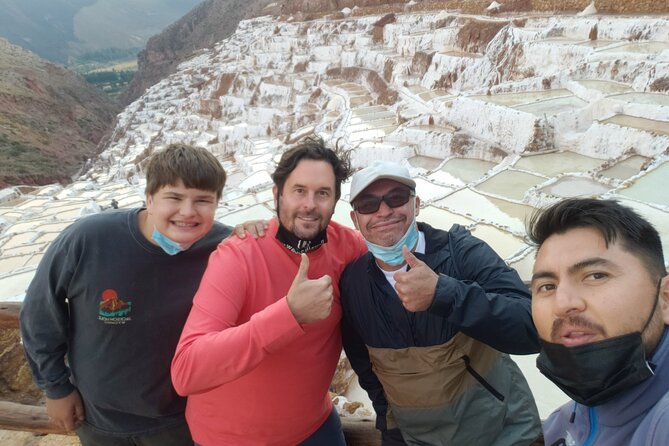
- Maras: salt pools in the high Andes
- Moray and the Inca approach to farming
- The private vehicle and guide make a real difference
- Food, timing, and physical demands
- Who will get the most from this tour
- Should you book the Sacred Valley tour?
- FAQ
- How long is the tour?
- What places are visited on day one?
- What places are visited on day two?
- Is transportation private?
- Are lunches included?
- Are entrance fees included?
- Is the brewery stop required?
- What is the cancellation policy?
Key things to know before booking
- Ollantaytambo remains a living Inca town: You see original urban design, then walk through streets still used today.
- Pisac combines ruins, terraces, and crafts: The archaeological site comes first, followed by a silver workshop and optional market time.
- Maras and Moray need separate entrance fees: The tour price does not include the PEN 90 tourist ticket.
- The private format is useful for families: Guides have adjusted schedules for illness, transport problems, strikes, and changing interests.
- Chinchero adds living culture: A weaving cooperative demonstrates old dyeing and textile methods using plants and minerals.
- The tour begins with a morning pickup window: Plan around an 8:30 to 9:30 AM start.
Why two days works better than one
The Sacred Valley is not one single sight. It is a long chain of towns, farms, ruins, craft centers, and mountain roads. Trying to see all of these places in one day often turns a fascinating region into a checklist.
This two-day plan gives you a better rhythm. Day one moves through Ollantaytambo, Pisac, Urubamba, and the Sacred Valley brewery. Day two covers Chinchero, Maras, and Moray. You still see a lot, but the private vehicle means you are not waiting for a large group at every stop.
The tour costs $385 per person. That is not a bargain-basement day trip, but the price includes private transportation, an air-conditioned vehicle, and two lunches. You are also paying for a guide who can explain what you are seeing and respond to your interests. For a couple, family, or small group that values time and flexibility, the cost can make sense.
You should also budget for the PEN 90 tourist ticket per person and tips. The listed stops show no admission charge for several visits, but Maras and Moray specifically have entrance fees listed as not included. Confirm the current ticket arrangement before departure, since access rules and prices can change.
More Sacred Valley days out:
- From Cusco: Sacred Valley & Maras Salt Mines Tour with Lunch
★ 4.8 · 2,227 reviews - From Cusco: Moray, Maras Salt Mines & Chinchero Weavers Tour
★ 4.8 · 1,925 reviews - 2-Day Tour: Sacred Valley and Machu Picchu by Train
★ 5.0 · 1,127 reviews
Day one: Ollantaytambo and the living Inca city
Ollantaytambo is a strong opening stop because it gives you both archaeology and daily life. The town is known as a living Inca city, with much of its street plan and stonework linked to the Inca period.
At the archaeological site, you climb toward a religious complex built high on the mountain. The setting is dramatic, but the most interesting part is often the engineering. Your guide can connect the terraces, stone construction, religious use, and military importance to the wider Inca world.
Allow about two hours here. The walk includes uneven ground and some uphill movement, so good shoes are useful. You do not need to rush. The private setup makes it easier to pause for photographs or spend a little longer on a feature that catches your attention.
After the ruins, walking through Ollantaytambo’s streets helps put the site in context. This is not just a deserted archaeological park. The old town still has a practical street pattern, stone walls, and an active local community. I like this combination because it keeps the Inca past connected to present-day life.
Pisac: terraces, tombs, and silver work
Pisac gives you another view of Inca planning. The archaeological area served as an administrative and production center, and its large terraces show how carefully the Inca adapted farming to steep mountain terrain.
Your guide can explain how the terraces helped with cultivation and water management. You will also see an Inca cemetery and fountains linked to ceremony and irrigation. These details matter because they show that the site was more than a scenic ruin. It was a working place tied to food, water, belief, and government.
The visit to the ruins takes about two hours. As at Ollantaytambo, expect walking on uneven surfaces and some changes in elevation. The site is rewarding for anyone interested in engineering, but the scale can be tiring if you are still adjusting to the altitude.
Later, you go into Pisac town, which is known for its artisans and artists. A silver workshop is part of the visit. You can watch the process and learn how the pieces are made, then choose to spend free time in the town and market.
This part requires a little judgment. A workshop can be useful when it offers a genuine look at local craft, but it may also be a shopping stop. Ask questions, take your time, and buy only if you see something you truly want. The private format helps because you can tell the guide how much market time suits you.
Urubamba chicha and a local beer stop
In Urubamba, the group stops at a chicheria to learn about chicha, a traditional corn drink. The process uses germinated corn, and the finished drink is often compared with a corn beer. It has ceremonial and social importance in Andean culture.
This is a short stop of about 20 minutes, but it adds something the major ruins cannot. You get a glimpse of a traditional drink and the food culture tied to it. A tip is requested at the end rather than a fixed admission charge.
The next optional stop is Cerveceria del Valle Sagrado. Here, you can relax and sample six types of craft beer for S/12 soles. This is a pleasant contrast after several archaeological sites, though it is not essential if you would rather spend more time in a town or finish the day earlier.
Since the brewery visit is optional, you have some control over the day. That flexibility is one of the better reasons to choose a private tour. A fixed group excursion may treat every stop as mandatory, even when your interests are different.
A few more Sacred Valley trips worth lining up side by side
- The Best Private Sacred Valley Tour in Cusco
★ 5.0 · 199 reviews - Private Professional Guide in Machu Picchu from Aguas Calientes
★ 5.0 · 165 reviews - Private Tour to Sacred Valley and Machu Picchu from Cusco
★ 5.0 · 133 reviews - Maras, Moray and Chinchero Private Day Trip from Cusco
★ 5.0 · 131 reviews
Day two: Chinchero and the survival of old textile skills
Chinchero brings together Inca foundations, Spanish colonial architecture, and living textile traditions. You visit an Inca palace and can see how later construction was placed alongside earlier stonework.
A colonial church, about 400 years old, may also be part of the visit. Access can be restricted, so do not book this tour solely for the interior. The weaving cooperative is the more dependable cultural highlight described for this stop.
At the cooperative, local weavers demonstrate old methods for making and dyeing textiles. Natural plants and minerals are used to produce colors. This helps you understand the skill behind Andean cloth instead of treating it as a simple souvenir.
The stop lasts about 90 minutes. I would pay close attention to the demonstration, ask how the dyes are produced, and look at the work before deciding whether to purchase anything. A good craft visit should leave you with a better sense of the labor and technique involved.
Chinchero is especially suited to you if you want more than ruins. The archaeological sites explain how the Inca organized land and power. The cooperative shows how part of that cultural knowledge continues through practice.
Maras: salt pools in the high Andes
The Maras salt mines are one of the most unusual sights on the route. Saltwater flows through a system of small pools cut into the mountainside, and the salt has been collected here since Inca times.
The guide explains how the water and evaporation process produce salt. You get about 45 minutes at the site, enough to understand the system and take photographs, though not enough for a slow, extended walk.
The pools can look striking from above, especially when sunlight catches the different shades of white, brown, and pinkish mineral color. Conditions can change with the season and weather, so the exact appearance is not guaranteed.
Entrance is not included. The tour information lists the PEN 90 tourist ticket per person, so include this in your budget. Ask the operator how the ticket applies to the full itinerary before you go.
Maras is a good example of why a guide helps. Without context, you might see a collection of salt ponds and move on. With an explanation of the water channels, labor, and long use of the site, the place becomes a working piece of Andean technology.
Moray and the Inca approach to farming
Moray is another site where the Inca relationship with agriculture becomes clear. Large circular terraces descend into the earth, creating different growing conditions at different levels.
The site is often described as an experimental agricultural center. The idea is that the Inca used the varied temperatures and elevations to help acclimatize plants that did not naturally grow at higher altitudes.
You have about 45 minutes here. That is enough to view the terraces, hear the main explanation, and take in the shape of the site. It is not a long hike, but the altitude and sun can make even short walks feel demanding.
I find Moray valuable because it changes the usual picture of the Inca. You are not only looking at temples and royal buildings. You are seeing a society concerned with food supply, climate, experimentation, and careful use of land.
The site also pairs well with Maras. Maras shows practical salt production, while Moray shows agricultural planning. Together, they make day two feel focused rather than random.
The private vehicle and guide make a real difference
Private transportation is the backbone of this experience. You travel in an air-conditioned vehicle with only your own group, rather than joining a large bus with a fixed pace.
That matters in the Sacred Valley because the stops are spread out. It also gives you a place to rest between walks and lets the guide adapt the day when needed. Pickup in Cusco and arrangements involving Ollantaytambo have been handled as part of actual itineraries, but confirm your own pickup and drop-off plan before booking.
The strongest praise for this company centers on Oscar and Miguel. Oscar is described as responsive before the trip, clear in English, and skilled at keeping plans moving when conditions change. Miguel is praised for his explanations, humor, safe driving, and ability to keep both adults and teenagers interested.
That personal care can matter more than a polished vehicle. When flights were delayed, luggage failed to arrive, strikes blocked parts of the route, or a child became ill, the team helped adjust plans and find practical solutions. You should not assume every unusual request is included, but the service appears suited to people who value human help when a Peru itinerary gets complicated.
The private format also suits families and mixed-age groups. You can slow down for a child, skip an optional brewery stop, spend longer at a market, or change the order when local conditions require it.
Food, timing, and physical demands
Two lunches are included, which removes one daily decision and adds useful value to the price. The available information does not specify menus, so tell the company about dietary needs during planning rather than waiting until the day begins.
The start window is 8:30 to 9:30 AM, Monday through Sunday. Because the duration is approximate and the route includes several stops, keep your evening plans flexible. You may finish at a different time depending on traffic, weather, walking pace, and the amount of time you choose to spend in towns.
This is not presented as a strenuous hiking tour, but you should still expect walking at altitude, uneven archaeological paths, and exposure to sun and changing weather. Comfortable shoes, water, sun protection, and layers are sensible choices.
The tour requires good weather. If poor weather causes cancellation, you are offered another date or a full refund. Normal cancellation is free when made at least 24 hours before the start time. Changes or cancellations inside that window are not accepted for a refund.
Who will get the most from this tour
I would choose this tour if you want the major Sacred Valley sights but do not want to manage taxis, road directions, tickets, meal stops, and timing on your own.
It is a particularly good fit for:
- Families with children or teenagers
- Couples who want a private pace
- First-time visitors to Cusco and the Sacred Valley
- People who value explanations of Inca agriculture and architecture
- Small groups combining the valley with Machu Picchu
- Anyone who may need help adjusting plans during a strike, delay, or health problem
You may prefer a cheaper shared excursion if price is your main concern and you do not mind a rigid schedule. You may also prefer independent travel if you want long, quiet visits at one or two sites rather than a broad two-day route.
Should you book the Sacred Valley tour?
Book it if you want a well-supported introduction to the Sacred Valley, with private transport and guides who can explain both major ruins and local traditions. The best parts are the two-day pace, the mix of archaeology and living craft, and the flexibility associated with Oscar, Miguel, and the wider team.
Before paying, confirm the pickup location, the current tourist ticket cost, lunch arrangements, and whether the Chinchero church is open. Also decide in advance how interested you are in the silver workshop, market, chicha tasting, and optional brewery stop.
At $385 per person, this is best seen as a time-saving, service-focused tour rather than a low-cost sightseeing shuttle. If that trade suits you, the itinerary gives you a memorable and well-rounded look at the Sacred Valley.
FAQ
How long is the tour?
The tour lasts approximately two days.
What places are visited on day one?
Day one includes Ollantaytambo, Pisac, Urubamba, and Cerveceria del Valle Sagrado.
What places are visited on day two?
Day two includes Chinchero, Salinas de Maras, and Moray.
Is transportation private?
Yes. The tour includes private transportation in an air-conditioned vehicle, and only your group participates.
Are lunches included?
Yes. Two lunches are included.
Are entrance fees included?
The PEN 90 tourist ticket per person is not included. Entrance to Salinas de Maras and Moray is also listed as not included.
Is the brewery stop required?
No. The Sacred Valley brewery stop is optional. A sample of six beers is listed at S/12 soles.
What is the cancellation policy?
You can cancel at least 24 hours before the start time for a full refund. Cancellations or changes made less than 24 hours before the start time are not refunded or accepted. If poor weather cancels the tour, you are offered another date or a full refund.
Added recently around Sacred Valley
- Visit Pisac from Cusco: Private Transport★ 4.6 · 9 reviews
- Visit to the Cochahuasi Animal Sanctuary with rescued animal★ 4.1 · 4 reviews
- Maras and Huaypo lagoon by ATV from Cuzco | Local Operator★ 4.7 · 4 reviews
- Group tour in Machupicchu from Aguas Calientes.★ 4.5 · 23 reviews
- zip line adventure in machupicchu★ 5.0 · 19 reviews
- Private guide tour at Machu Piccchu★ 5.0 · 5 reviews
- Sacred Valley Rock Climbing Tour in Half Day★ 5.0 · 15 reviews
- Machu Picchu Tour by Train (2 Days)★ 5.0 · 4 reviews
Sacred Valley Tours, compared.
Sacred Valley & Maras Salt Mines Tour with Lunch
Read our review →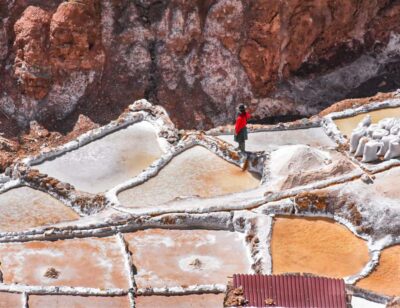
Moray, Maras Salt Mines & Chinchero Weavers Tour
Read our review →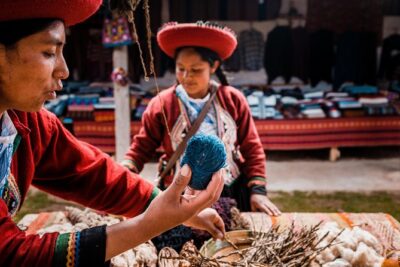
2-Day Tour: Sacred Valley and Machu Picchu by Train
Read our review →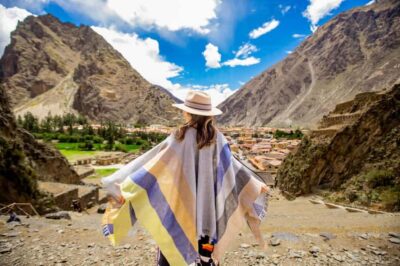
Sacred Valley, Pisac, Ollantaytambo, Salt Mines Moray
Read our review →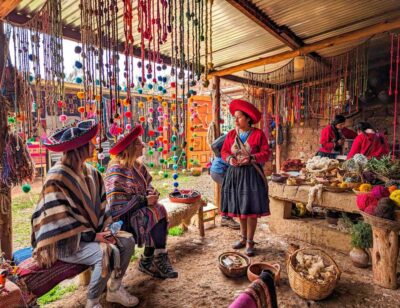
Chinchero,Moray & Salt Mines drop-off in Ollantaytambo
Read our review →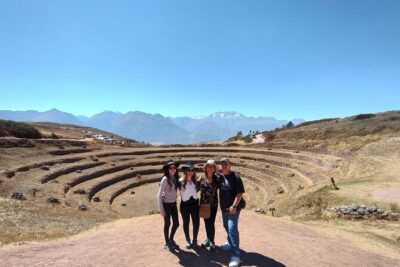
Sacred Valley and Maras Moray Tour with Full Day Buffet Lunch
Read our review →

Browse the lists this tour appears in