
Reviewed · SACRED VALLEY TOURS
Cusco: Sacred Valley, Pisac, Ollantaytambo, Salt Mines Moray
Five Andean highlights, one very long day. This 12-hour Sacred Valley tour packs Chinchero, Moray, the Maras Salt Mines, Urubamba, Ollantaytambo, and Pisac into one economical outing from Cusco. I like the excellent value and the chance to see both major Inca sites and living local traditions without arranging several separate trips.
I also like the guides, who have earned especially strong praise for clear bilingual explanations and good time management. Guides such as Victor, Edith, Rudy, Samuel, and Joel have helped make the busy schedule work. The tradeoff is simple: you see many places quickly, so this is not the tour for lingering over every stone or browsing each market at leisure.
In This Review
- Key points to know before you book
- Why this $28 Sacred Valley tour offers good value
- Chinchero, where weaving keeps old skills alive
- Moray, the Inca terraces built for experiments
- Maras Salt Mines, a working site with a commercial stop
- Urubamba, a welcome pause in the middle of the day
- Ollantaytambo, the day’s most powerful Inca site
- Pisac, a grand final stop with less time than you may want
- The bus ride is part of the bargain
- Why the guide can make or break the experience
- Who should book this one-day route?
- Should you book this Sacred Valley tour?
- FAQ
- How long does the Sacred Valley tour last?
- How much does the tour cost?
- Is lunch included?
- Can I take this tour and continue to Machu Picchu?
- What languages does the guide speak?
- Is hotel pickup available?
- Which places does the tour visit?
- What should I bring?
- Can I cancel the booking?
Key points to know before you book
- Six major stops in one day: Chinchero, Moray, Maras, Urubamba, Ollantaytambo, and Pisac give you a broad look at the Sacred Valley.
- The price is unusually low: The $28 fee includes shared transport, a bilingual guide, a buffet lunch, and the Chinchero textile visit, but entrance tickets cost extra.
- Ollantaytambo can be your exit point: If you are continuing to Machu Picchu, you can finish there around 3:00 p.m. and catch a train to Aguas Calientes.
- The schedule is tightly controlled: Sightseeing time ranges from about 20 minutes at Moray to one hour at Ollantaytambo and Pisac.
- The buffet lunch is a real strength: Lunch in Urubamba is included, and several visitors singled out the food and scenic setting.
- Shared transport keeps the cost down: Pickup may be available, but some hotels require a short walk to a suitable meeting point because Cusco streets are narrow.
Why this $28 Sacred Valley tour offers good value
Cusco is an expensive place to use as a base if you book each Sacred Valley stop separately. For $28 per person, this excursion covers transport, a professional English or Spanish-speaking guide, and a buffet lunch. That is a strong deal, even after adding the required entrance fees.
The extra costs are important. The tourist entrance ticket is listed at 70 soles, and the Maras Salt Mines charge 20 soles. Drinks are not included. If you plan to visit other Cusco archaeological sites, ask about the broader tourist ticket before buying a partial one. One visitor noted that a general ticket costing 130 soles may make more sense than purchasing separate tickets for multiple areas.
That calculation changes the true cost, but the tour can still be good value. You are covering a large amount of ground, and hiring private transport for the same route would usually cost far more than the basic group price. The shared bus is the reason this outing stays affordable.
The tour is best understood as an introduction to the valley, not a slow archaeological study. You will get useful explanations, photo opportunities, and a clear sense of how the sites connect, but you will not have much spare time.
More Sacred Valley days out:
- From Cusco: Moray, Maras Salt Mines & Chinchero Weavers Tour
★ 4.8 · 1,925 reviews - 2-Day Tour: Sacred Valley and Machu Picchu by Train
★ 5.0 · 1,127 reviews - Cusco:Chinchero,Moray & Salt Mines drop-off in Ollantaytambo
★ 4.8 · 793 reviews
Chinchero, where weaving keeps old skills alive
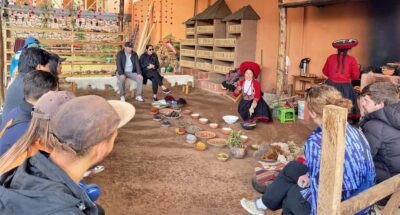
The first stop is Chinchero, a high Andean town known for its textile tradition. At the textile center, you learn how local craftspeople work with natural fibers and dyes made from plants and minerals.
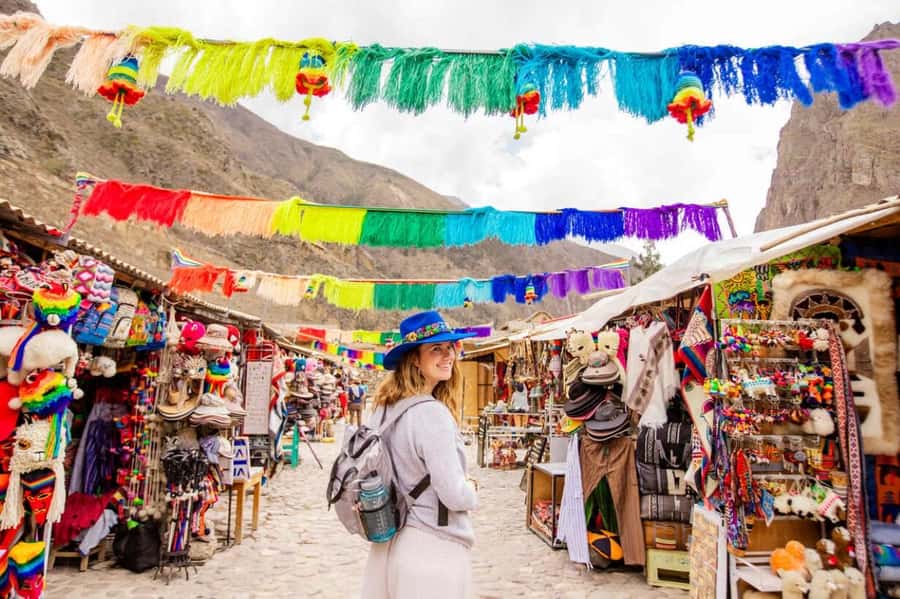
This is more than a quick souvenir stop if you pay attention to the demonstration. It gives you a practical way to understand Andean culture: clothing, color, animals, plants, and trade are all tied together in the weaving process. The stop also gives you a chance to shop for handmade items.
You have about 25 minutes here, including the explanation, free time, and shopping. That is enough to see the demonstration and look around, but not enough for a careful search through every textile. Some people enjoy the sales opportunity, while others would prefer those minutes at Ollantaytambo or Pisac.
The guide matters at this early stop. A strong guide can explain what you are seeing instead of leaving you with a short sales presentation. Edith, Rudy, Samuel, Victor, and other guides have been praised for making these stops informative rather than pushy.
Moray, the Inca terraces built for experiments
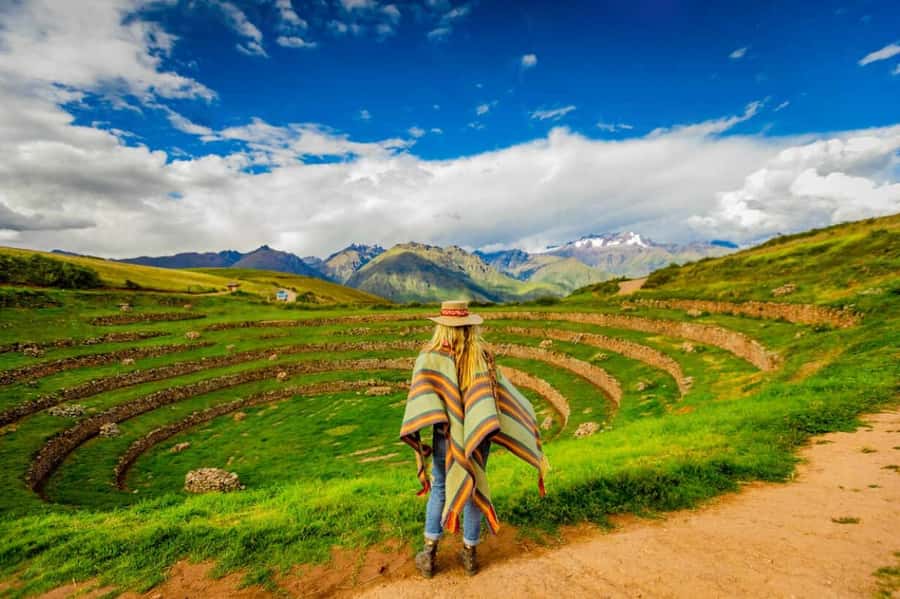
Moray is one of the most unusual sites on the route. Large circular terraces sink into the earth, creating different growing conditions at different levels. The site is commonly described as an Inca agricultural laboratory, where farmers could test crops in varied microclimates.
The shape is striking from above, but your guide’s explanation adds the real value. Look closely at the terraces and imagine the work required to build and maintain them. This is an agricultural site, not a fortress or temple, so it shows a quieter side of Inca achievement.
The scheduled visit is only about 20 minutes. That is enough for a guided look and photographs, but the short stop may frustrate you if you enjoy taking your time. The site is also one of the places where comfortable shoes and sun protection help, since you will be outside and moving around uneven ground.
Maras Salt Mines, a working site with a commercial stop
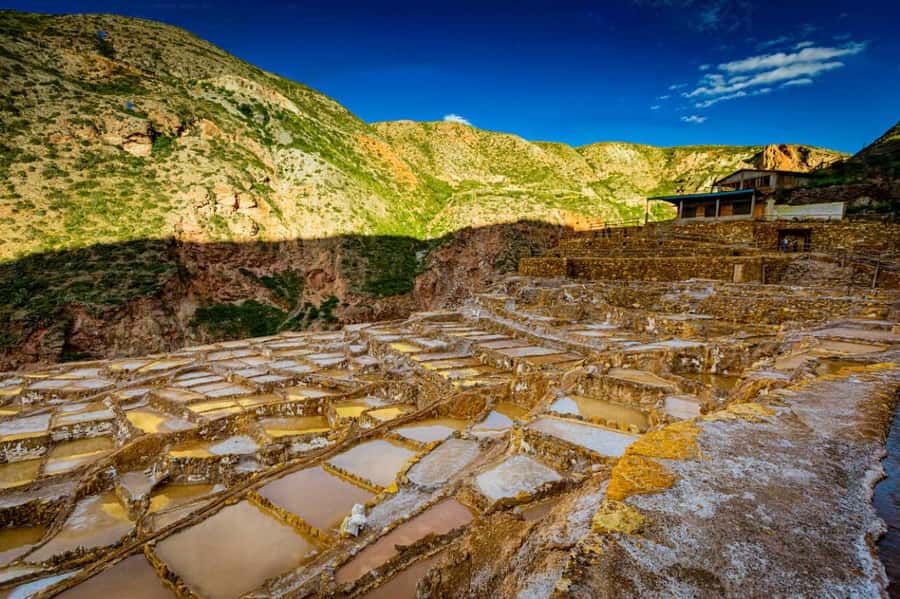
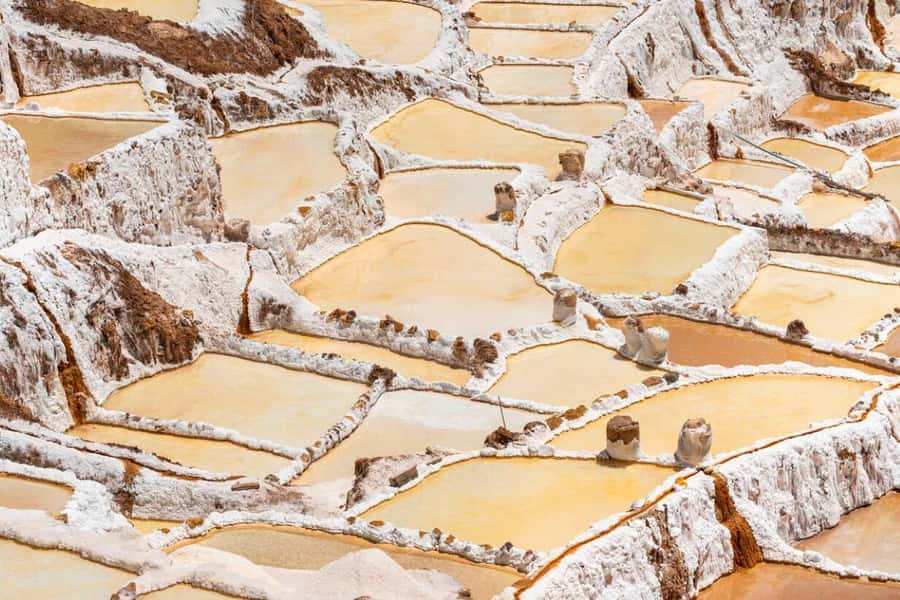
The Maras Salt Mines are made up of thousands of small pools fed by an underground spring. Salt water flows into the terraces, where evaporation leaves salt behind. The pools are still used today, making this a working tradition rather than a purely archaeological display.
The view is memorable because the pools spread across the slope in irregular layers. The colors and texture change with the amount of water and the stage of salt production. Your guide can help explain how this simple process supported local trade during the Inca period and continues to support families now.
You get roughly 30 minutes at Maras for the visit, photos, and some shopping. This is also where you should keep your wallet in check. A shopping stop connected with the salt mines may offer salt products and chocolate at prices much higher than those in Cusco. A useful tip is to compare prices at San Pedro Market or San Blas Market before buying.
The salt mines entrance fee is separate from the main tour price. Bring cash, since the listed additional charge is 20 soles. You should also bring sunscreen and water, although drinks are not included in the tour.
A few more Cusco trips worth lining up side by side
- Classic Inca Trail Trek 4D/3N to Machu Picchu (Group Service)
★ 5.0 · 8,653 reviews - Cusco: Rainbow Mountain and Red Valley Day Trip with Meals
★ 4.9 · 4,893 reviews - Machu Picchu: 4-Day Inca Trail Trek with Panoramic Train Ride
★ 5.0 · 4,568 reviews - Salkantay Classic Trek 5 Days from Cusco
★ 5.0 · 4,062 reviews
Urubamba, a welcome pause in the middle of the day
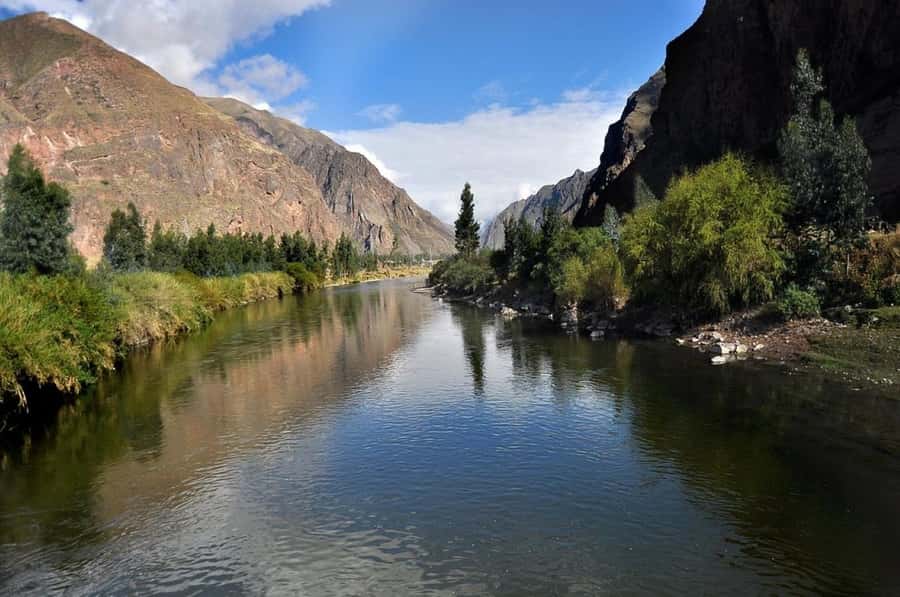
After the morning stops, the bus reaches Urubamba, the valley town used for lunch. You get about 50 minutes here, including the buffet meal.
The included buffet is one of the strongest parts of the package. Several people specifically praised the food, and one described the meal as being served in a scenic setting. Hot beverages are included, while cold drinks cost extra.
Do not think of this as a long village visit. Urubamba mainly functions as a comfortable break between archaeological stops. You may have a little time to notice the local market and regional products, but the schedule does not allow a leisurely market walk.
That short break is welcome because this is a full day on the road. It also keeps the tour moving without asking you to search for lunch in an unfamiliar town. For a low-cost group excursion, a buffet that earns repeated praise is a meaningful advantage.
Ollantaytambo, the day’s most powerful Inca site
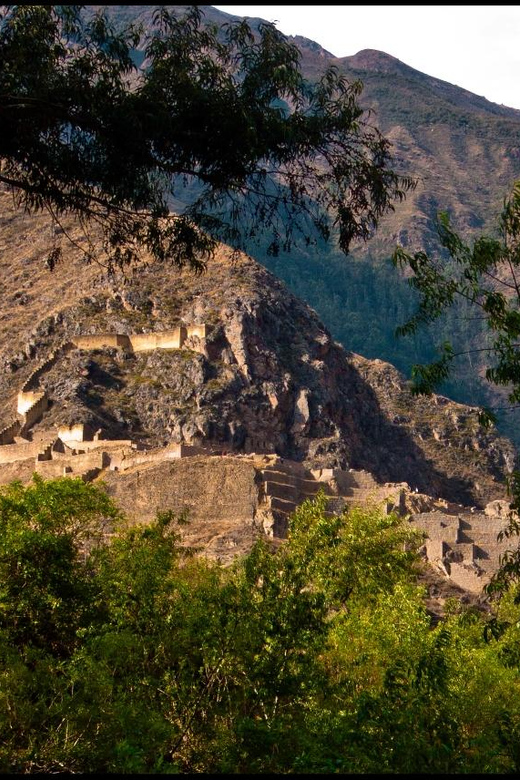
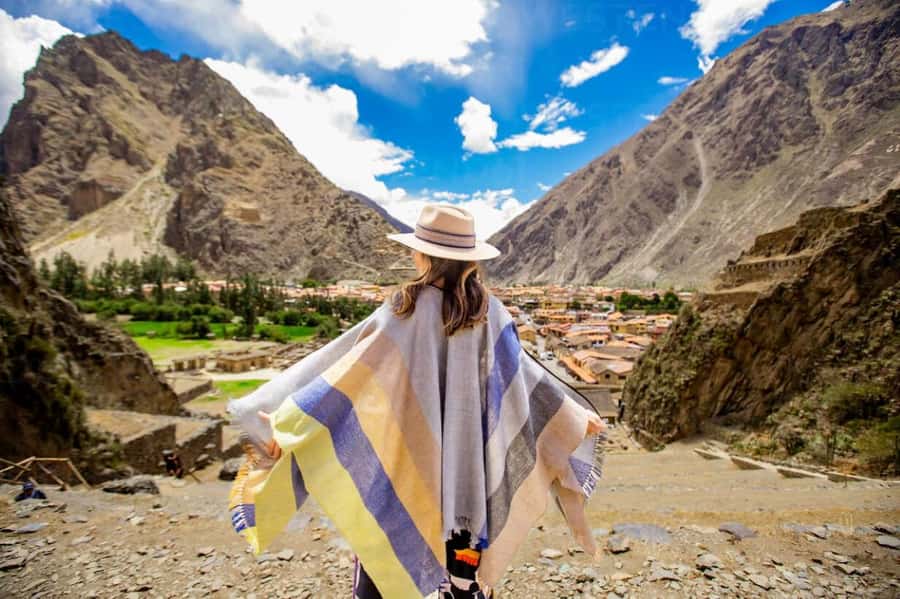
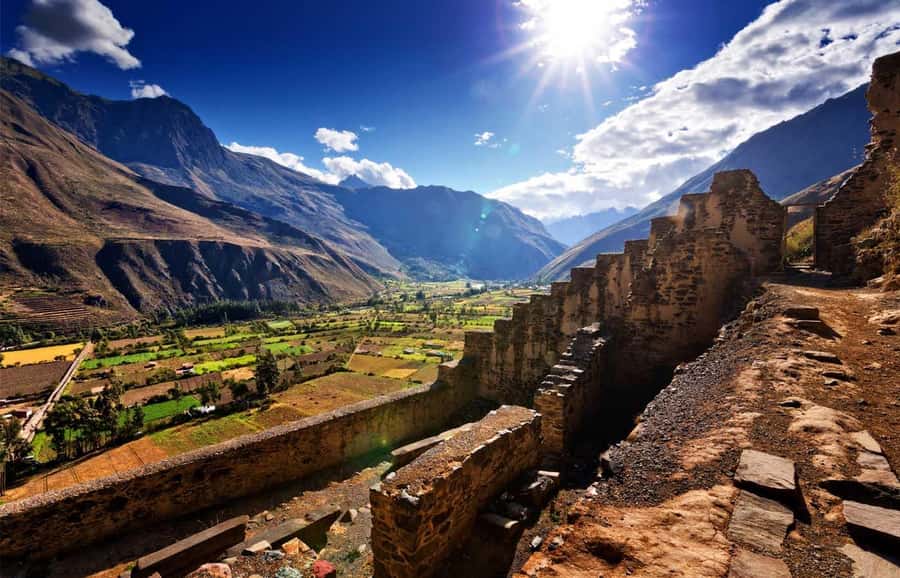
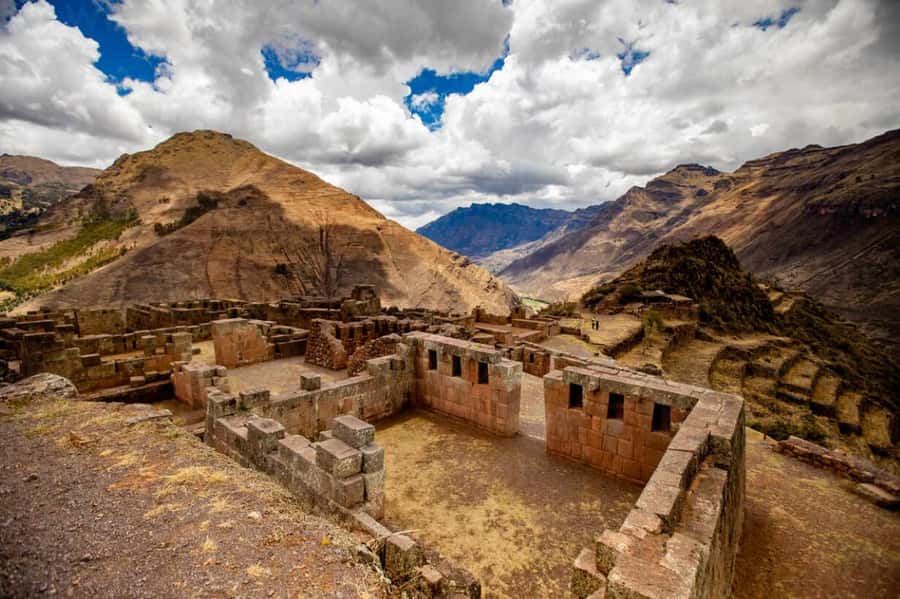
Ollantaytambo is the stop that often leaves the strongest impression. The town still follows its original Inca layout, with cobbled lanes and carefully fitted stonework. Above it, the fortress and ceremonial terraces rise dramatically from the valley.
You have about one hour here. Your guide will lead you through the main points and explain the site, then you get some free time for photographs and further looking. The terraces include steep steps, so this stop can feel demanding, particularly after several hours of sightseeing.
I would pay close attention here, because Ollantaytambo rewards context. The town is not just a pile of ruins. It is a living settlement built around an Inca plan, and the connection between the streets, terraces, and stone structures is part of what makes the place special.
The tour can end in Ollantaytambo at about 3:00 p.m. if you are heading to Machu Picchu. This is a very useful option, but you need to organize your luggage and train plans in advance. The group portion may finish once you are dropped near your hotel or the station area, so do not expect the guide to continue with you for an extended private visit.
One person lost part of the guided explanation at Ollantaytambo after leaving the group with luggage before returning to the entrance. The practical lesson is to make the handoff clear: ask exactly where you should leave your bags, when you must return, and whether the guide will meet you again.
Pisac, a grand final stop with less time than you may want
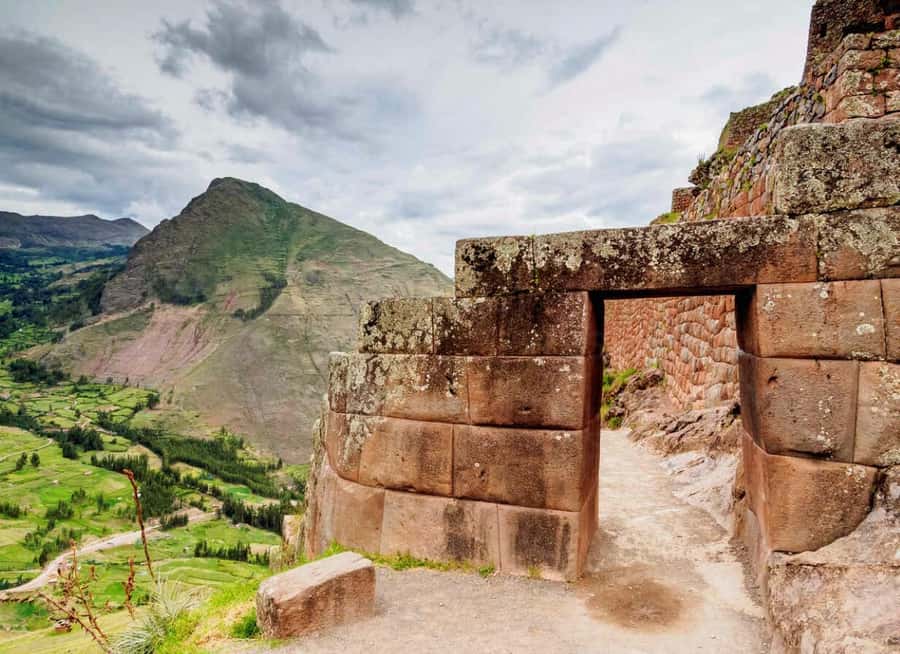
Pisac combines hillside Inca ruins with a colonial town and an artisan market below. It is a fitting final stop because it brings together archaeology, local commerce, and mountain views.
The itinerary allows about one hour at Pisac, followed by a 45-minute ride back toward Cusco. You can expect a guided visit, but not a relaxed market afternoon. If shopping is a priority, you may feel rushed.
The high setting can also be cold, especially in the wind. One person described nearly freezing at Pisac, so pack a warm layer even if Cusco feels mild when you leave in the morning. Sun and cold can arrive together in the Andes.
Pisac comes late in the day, after a long route that includes extensive driving. That makes it both rewarding and tiring. If you still have energy, the site gives you a final chance to take photographs and ask questions. If you are worn out, the return ride may feel like the real final attraction.
The bus ride is part of the bargain
The route includes long stretches of driving: roughly 40 minutes to Chinchero, another 40 minutes toward Moray, shorter transfers to Maras and Urubamba, and a much longer ride between Ollantaytambo and Pisac. The return to Cusco takes about 45 minutes from Pisac.
Shared tourist transport keeps the fare low, and many people found the vehicles comfortable and the driving safe. Drivers such as Juan, Enrique, Saul, and Ruben received warm praise for handling the roads and city traffic.
Still, bus comfort can vary. One person found the legroom very tight during the longer rides. If you are tall or dislike sitting for hours, this is worth considering. The route is also active and demanding, with repeated boarding, walking, stairs, and quick stops.
Hotel pickup may be offered, often around 15 minutes before departure. The stated meeting point is the water fountain in Cusco’s Plaza de Armas at 7:20 a.m. Because vehicles cannot reach every narrow street in the historic center, you may be asked to walk to a nearby pickup place.
The return has several possible drop-off points, including San Pedro Market, Plaza de Armas, Plazoleta de San Blas, Plaza Regocijo, Centro Histórico, and Santa Ana. The stated return time is around 6:30 p.m., though traffic and the day’s pace can affect the exact arrival.
Why the guide can make or break the experience
The schedule is fixed, but the guide determines how useful those short stops feel. The strongest guides keep explanations focused, answer questions in both English and Spanish, point out good photo locations, and remind you when it is time to return to the bus.
Victor was praised for making the day fun while explaining the sites clearly. Edith received repeated praise for her warmth, organization, and ability to keep the group moving. Rudy was noted for his care with photographs and practical advice, including where to find restrooms. Samuel earned strong marks for clear English and detailed explanations. Joel was also praised for his translation and calm directions.
This does not mean every group will have the same guide. It does show how much the human side matters on a route this packed. A good guide turns a string of brief stops into a connected story about farming, weaving, salt production, settlement, and ceremony.
The bilingual format may mean explanations take longer than they would in one language. Even so, the best guides keep the information focused on key facts instead of filling every bus ride with a lecture.
Who should book this one-day route?
I would choose this tour if you have only one free day in Cusco and want to see the main Sacred Valley highlights. It is especially useful before or after Machu Picchu, provided you can manage the early start and long return.
It suits you if you like variety. In a single day, you move from a textile demonstration to agricultural terraces, salt ponds, a buffet lunch, a fortress town, and a market area. You also get a useful introduction to both ancient sites and present-day Andean life.
It is less suitable if you want quiet, detailed visits. The 20-minute Moray stop and roughly 30-minute Chinchero and Maras visits are efficient, not leisurely. If you want to explore Ollantaytambo or Pisac in depth, spend a separate day in the valley or arrange a slower private trip.
The route also demands reasonable stamina. You should bring your passport, sunscreen, cash, and biodegradable insect repellent. Drones, weapons, sharp objects, alcohol, and drugs are not allowed.
Should you book this Sacred Valley tour?
Book it if your priority is maximum coverage for a low base price. You will see the valley’s best-known stops, eat a buffet lunch, and benefit from a bilingual guide without the cost of a private vehicle.
Skip it if you already have several days for the Sacred Valley or if you dislike strict schedules. You will have more time at each site with a slower plan, and you can avoid the shopping stops that some people would gladly trade for extra time at Ollantaytambo or Pisac.
For most first-time visitors with limited time, I think the value is hard to beat. Just budget for the two entrance fees, bring a warm layer, expect a long day, and treat the tour as a smart overview rather than the final word on every site.
FAQ
How long does the Sacred Valley tour last?
The tour lasts about 12 hours. Pickup begins around 6:00 to 6:30 a.m. for hotel pickup, or the meeting point is listed as Cusco’s Plaza de Armas at 7:20 a.m. The return to Cusco is expected around 6:30 p.m.
How much does the tour cost?
The listed price is $28 per person. The tourist entrance ticket costs 70 soles, and the Maras Salt Mines entrance costs 20 soles. Drinks are not included.
Is lunch included?
Yes. A buffet lunch in Urubamba is included. Drinks are extra, although hot beverages may be included with the meal.
Can I take this tour and continue to Machu Picchu?
Yes. The special option allows the tour to end in Ollantaytambo around 3:00 p.m., where you can board a train to Aguas Calientes.
What languages does the guide speak?
The tour offers live guiding in English and Spanish. Private or small-group options are available.
Is hotel pickup available?
Pickup is optional. The guide may collect you from your Cusco hotel, generally about 15 minutes before departure. Some hotels in narrow streets may require you to walk to a nearby pickup location.
Which places does the tour visit?
The route includes Chinchero, Moray, the Maras Salt Mines, Urubamba, Ollantaytambo, and Pisac before returning to Cusco.
What should I bring?
Bring your passport, sunscreen, cash, and biodegradable insect repellent. A warm layer is also sensible because Pisac can be cold and windy.
Can I cancel the booking?
You can cancel up to 24 hours before departure for a full refund. The reserve-now, pay-later option lets you book without paying immediately.
Added recently around Cusco
- Guided tour of the mountain of colors in Cusco★ 5.0 · 11 reviews
- 2-Day Private Short Inca Trail to Machu Picchu★ 5.0 · 15 reviews
- City Tour Cusco – Group★ 5.0 · 4 reviews
- Tour Sacred Valley with Maras and Moray★ 5.0 · 15 reviews
- San Pedro Market Tour with Peruvian Cooking Class★ 5.0 · 31 reviews
- Walking Culinary Experience★ 5.0 · 41 reviews
- City Tour in Cusco★ 4.5 · 10 reviews
- One Day Tour to Humantay Lagoon★ 5.0 · 8 reviews
Sacred Valley Tours, compared.
Sacred Valley & Maras Salt Mines Tour with Lunch
Read our review →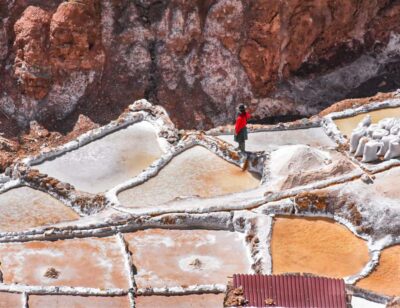
Moray, Maras Salt Mines & Chinchero Weavers Tour
Read our review →
2-Day Tour: Sacred Valley and Machu Picchu by Train
Read our review →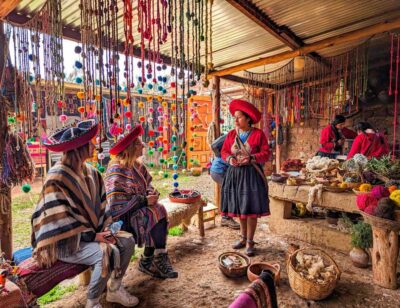
Chinchero,Moray & Salt Mines drop-off in Ollantaytambo
Read our review →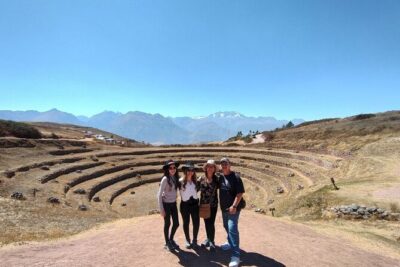
Sacred Valley and Maras Moray Tour with Full Day Buffet Lunch
Read our review →


ATV Tour to Moray Maras and Salt Mines in the Sacred Valley
Read our review →Browse the lists this tour appears in