
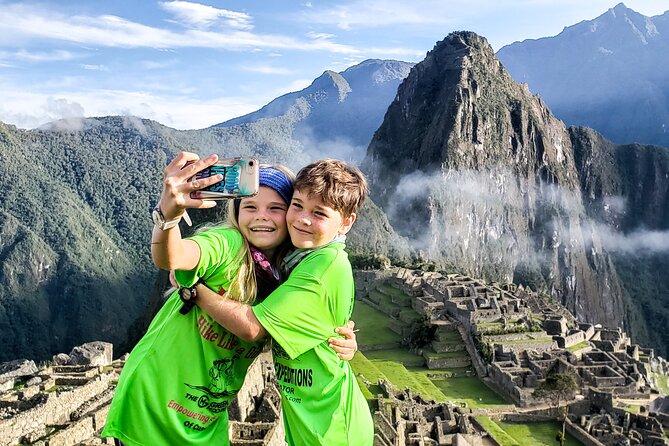
Reviewed · MACHU PICCHU TOURS
Sacred Valley & Machu Picchu 2D1N
The Incas reveal themselves in stages. This two-day trip links the Sacred Valley with Machu Picchu, so you understand the temples, terraces, villages, and mountain routes before reaching the famous citadel. I like the expert local guides, including praised leaders such as Saul Palma, Victor, David, and Walter, and I like the small groups capped at 10 people. The main drawback is the brisk pace: you cover a lot in two days, and the non-refundable booking policy leaves little room for a change of plans.
I also like that the tour uses Ollantaytambo as more than a train stop. You see its ancient ruins and living village, then continue by rail to Machu Picchu town. The $550 price is not cheap, but it covers transport, rail tickets, admission, meals, a hotel night, and guiding, which makes it a practical choice if you want the major pieces arranged for you.
In This Review
- Key points at a glance
- Why two days works for Sacred Valley and Machu Picchu
- Awanacancha: llamas, alpacas, and living textile traditions
- The Sacred Valley viewpoint and Pisaq’s mountain ruins
- Urubamba and the road to Ollantaytambo
- Ollantaytambo, an ancient village that still functions
- The night near Machu Picchu town
- The 25-minute bus ride to Machu Picchu
- The optional Huayna Picchu climb
- Returning by train and private vehicle
- What the $550 price really covers
- Who should book this two-day plan?
- Should you book Alpaca Expeditions?
- FAQ
- How long is the Sacred Valley and Machu Picchu tour?
- What time does the tour begin?
- How many people can join the tour?
- What transportation is included?
- Are Machu Picchu and Sacred Valley entry fees included?
- Is accommodation included?
- Is Huayna Picchu included?
- Can I cancel the tour for a refund?
Key points at a glance
- A full Sacred Valley day comes first: Awanacancha, the valley viewpoint, Pisaq, Urubamba, and Ollantaytambo give Machu Picchu useful context.
- Local guides shape the experience: Guides such as Saul Palma, Victor, David, and Walter are praised for clear explanations, cultural insight, and attentive help.
- Ollantaytambo is a meaningful overnight base: This 3,500-year-old living Inca village combines daily life with major Inca ruins.
- The group stays small: A maximum of 10 people allows for more personal attention than a large coach tour.
- Most major costs are covered: The package includes entry fees, private transport, trains, buses, meals, one hotel night, and guiding.
- Huayna Picchu costs extra: The optional hike is $75 and must be booked ahead of time.
Why two days works for Sacred Valley and Machu Picchu
A short visit to Peru can easily become a string of disconnected stops. You see Pisaq, Ollantaytambo, and Machu Picchu, but the places may feel like separate postcard scenes. This tour takes a better approach by placing the Sacred Valley before Machu Picchu.
That order matters. On the first day, your guide explains Inca engineering, village life, weaving, farming, and sacred places. When you reach Machu Picchu on day two, you already have a framework for understanding its terraces, stonework, and setting.
The schedule is full, though. Pickup begins at 8:00 a.m., followed by several stops, a long drive through the valley, an evening train, and an overnight stay near Machu Picchu. The next morning starts early again. I would choose this plan if you value efficiency and want the major sights handled in one package. I would not choose it if you prefer long, unplanned afternoons or several quiet days in one place.
The maximum group size is 10. That is small enough for questions and easier coordination at stations and entrances. It also explains part of the price. You are not simply paying for a seat on a bus. You are paying for a guide, private transport, timed admissions, rail travel, and someone keeping track of the moving parts.
More Machu Picchu Tours in Sacred Valley
- 2-Day Tour: Sacred Valley and Machu Picchu by Train
★ 5.0 · 1,127 reviews - 6 Days Exploring Cusco, Sacred Valley & Machu Picchu
★ 5.0 · 470 reviews - 2-Day Tour from Cusco: Sacred Valley and Machu Picchu by Train
★ 5.0 · 267 reviews
Awanacancha: llamas, alpacas, and living textile traditions
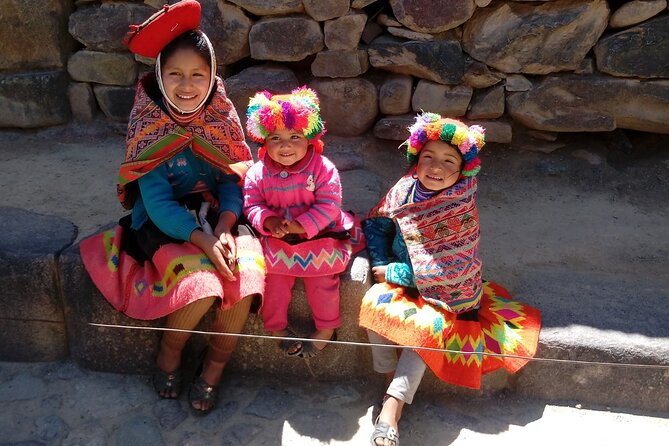
The day begins with hotel pickup and a ride in private transportation to Awanacancha, an alpaca farm and cultural center outside Cusco. Here you see llamas, alpacas, vicuñas, and guanacos, animals that played an important role in Andean life.
The useful part is not just seeing the animals. You also learn how wool is woven and colored, which connects the stop to the textile traditions you will encounter across Peru. Alpaca wool is available for purchase, including higher-quality items, so this is also a natural place to compare products before buying souvenirs elsewhere.
I like this opening because it gives the day a human and cultural starting point. You are not immediately rushed to a ruin. You first meet part of the region’s material culture, including the animals and skills that remain important today.
Still, shopping is part of the stop. If you want a purely archaeological tour, Awanacancha may feel like a detour. If you appreciate traditional crafts and want context for Andean weaving, it earns its place.
The Sacred Valley viewpoint and Pisaq’s mountain ruins
Next comes El Mirador del Valle Sagrado, the Sacred Valley lookout point. The stop is designed for wide views and photographs, but it also helps you grasp the valley’s scale. From above, the route through the valley makes more sense than it does from a car window.
You then continue to the Pisaq Inca archaeological site, located high on Pisaq Mountain. Your guide leads you to the most important sections and explains what you are seeing. The elevated setting gives Pisaq a strong visual impact, while its position above the valley shows how the Incas used mountain terrain rather than avoiding it.
This is one of the day’s more substantial archaeological visits. Wear practical shoes and expect the route to include time outdoors. The tour information does not give a detailed walking distance, so you should be ready for a site visit rather than a quick photo stop.
Pisaq is valuable because it starts building the story of Inca planning before you reach Ollantaytambo. You see how the valley and mountains work together, then continue into the valley itself. The viewpoint and ruins also break up the drive well.
Urubamba and the road to Ollantaytambo
After Pisaq, the route continues through the Sacred Valley toward Urubamba. The drive takes about 45 minutes along the valley, giving you time to see the changing surroundings between scheduled stops.
Lunch and dinner on day one are included. The supplied details do not specify the restaurants or exact menus, so you should treat the meals as included tour arrangements rather than plan around particular dishes. One especially useful point from the experience feedback is that the food was described as delicious, which adds value on a busy day when arranging meals yourself would be inconvenient.
Urubamba is part of the valley story, even though the schedule gives it less emphasis than Pisaq and Ollantaytambo. You pass through an important settlement area rather than spending the whole day at isolated ruins. That helps the Sacred Valley feel like a lived-in region, not an open-air museum.
The private vehicle is important here. You are not working out separate buses between every stop, and your guide can keep the day moving. The tradeoff is that the route follows a fixed schedule. You have less freedom to linger at a viewpoint or change the order.
Other ways to reach Machu Picchu:
- Classic Inca Trail Trek 4D/3N to Machu Picchu (Group Service)
★ 5.0 · 8,653 reviews - Machu Picchu: 4-Day Inca Trail Trek with Panoramic Train Ride
★ 5.0 · 4,568 reviews - Short Inca Trail to Machu Picchu 2D/1N
★ 5.0 · 3,007 reviews - 2-Day Inca Trail to Machu Picchu with Panoramic Train
★ 5.0 · 1,876 reviews
Ollantaytambo, an ancient village that still functions
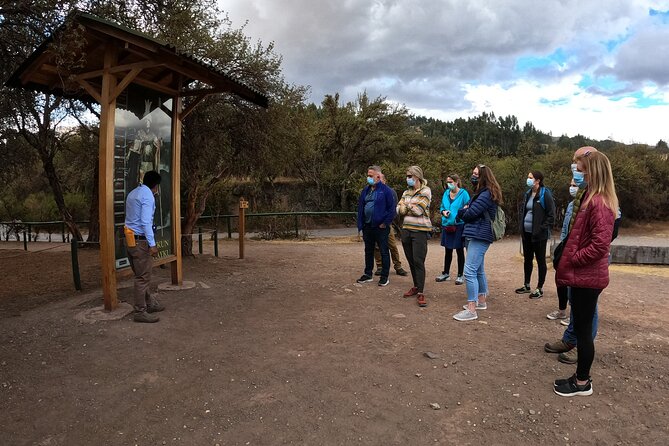
Ollantaytambo is one of the strongest parts of the first day. The village is described as 3,500 years old and still living, so this is not only a ruin site. People continue to live in and use the town, while the Inca remains rise nearby.
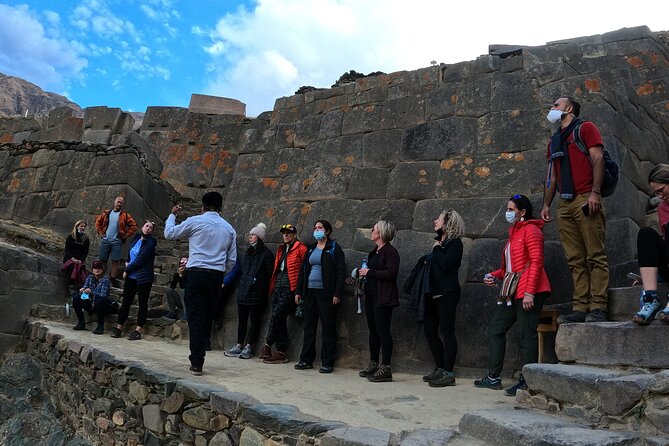
Your guide takes you through the archaeological area and explains the importance of the site. The value here comes from seeing ancient stonework in relation to an actual town. You get a better feel for how Inca planning and later daily life overlap.
Ollantaytambo also makes practical sense as the departure point for the train. Rather than returning to Cusco after the Sacred Valley, you board a tourist-class Expedition train toward Machu Picchu town. That saves backtracking and makes the two-day plan possible.
The evening train is a key transition. Day one is about the valley and its culture. The rail journey moves you toward the cloud forest and the next morning’s visit. Since rail delays can occur outside the operator’s control, keep your schedule flexible after the train ride. One reported delay was attributed to an accident caused by Peru Rail, not the tour company. That is a useful reminder that even a well-organized trip can meet transport problems.
The night near Machu Picchu town
The package includes one night at a three-star hotel in Machu Picchu town, also known as Aguas Calientes. Breakfast is included the next morning, and the tour handles the transfer to the bus station.
A hotel night near the citadel is more than a convenience. It prevents you from trying to make the Sacred Valley, Machu Picchu, and Cusco fit into a single exhausting day. You wake close enough to begin the mountain transfer early, with your guide already coordinating the next step.
The accommodation is described as a three-star hotel, and the food and hotel were praised in the supplied feedback. Exact hotel details are not provided, so do not book this expecting a named property or a particular room standard. The value is in the location and the package structure.
You need to provide your own hotel before and after the tour. That is easy to overlook when comparing prices. The $550 fee covers the tour night, not your full Cusco stay.
The 25-minute bus ride to Machu Picchu
After breakfast, you are picked up and taken to the bus station. The ride up to the archaeological site takes about 25 minutes and offers views of the cloud forest.
The bus matters because Machu Picchu sits above the town. You do not need to arrange this essential connection separately. A round-trip bus ticket is included, along with admission to the site.
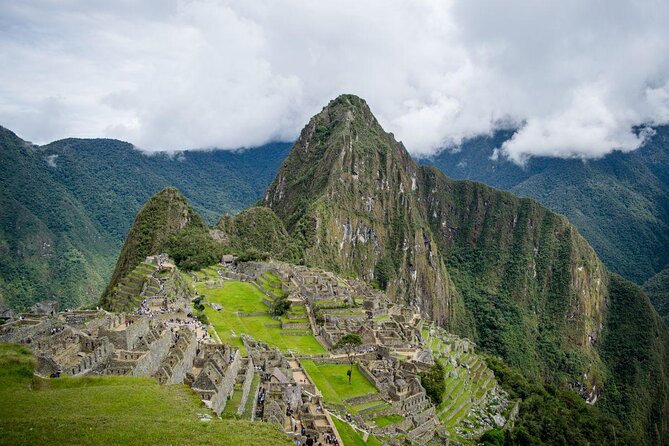
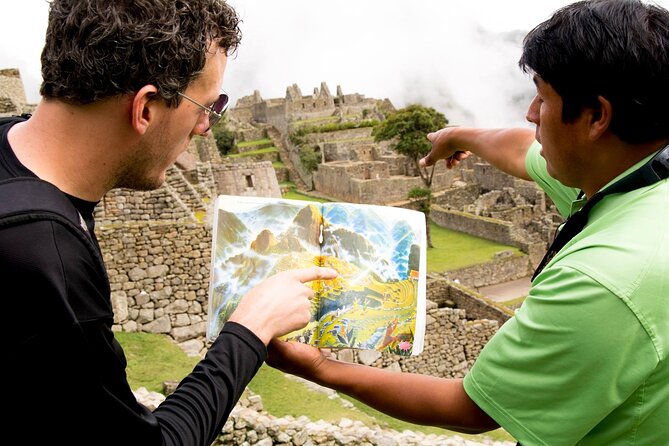
At the entrance, your local indigenous guide leads a full tour of the citadel for about two hours. That guiding is the heart of the visit. The stones are impressive on their own, but an informed explanation gives meaning to the buildings, terraces, and sacred areas.
The guide quality deserves special attention. Saul Palma was praised for his passion and detailed explanations of Inca culture. Victor was described as especially helpful throughout the trip. David brought local history and personal enthusiasm to the Sacred Valley and Machu Picchu, while Walter was praised for sharing insights into Peruvian life and working well with a 10-year-old.
Those details suggest a useful pattern: the tour is strongest when you ask questions. You are not only being led from gate to viewpoint. You have access to people who can connect the monuments to local culture and daily life.
The optional Huayna Picchu climb
If you want an additional physical challenge, Huayna Picchu can be added for $75 per person. The ticket is not included, and you need to reserve it in advance.
The supplied details do not give the hike duration or difficulty, so I would not treat it as a casual add-on. First decide whether you want a second activity after a full guided visit to Machu Picchu. Then confirm availability and purchase the ticket before your trip.
The standard tour already includes about two hours inside the citadel. You do not need Huayna Picchu to receive the main Machu Picchu visit. It is best viewed as an optional extra for someone who specifically wants the additional hike and has planned for it.
Returning by train and private vehicle
After the guided visit, your guide finishes the tour and waits for you in Aguas Calientes. You have lunch, then go to the train station for the return journey to Ollantaytambo.
The return rail ticket is included in the Expedition Tourist Class package. From Ollantaytambo, a private driver takes you back to Cusco and drops you at your hotel.
This final transfer is another reason the tour suits people who want fewer logistics. You do not need to arrange a separate ride from the station or figure out how to connect the train with Cusco transport. The downside is a long second day. You begin with breakfast and a mountain bus, visit Machu Picchu, eat lunch, take the train, and continue by road to Cusco.
If you are traveling with a child, the structure may still work well. One family using the tour with a 10-year-old found that the day included many sights without feeling rushed, and the guide was able to share information in an engaging way. Even so, the early start and long return should be part of your decision.
What the $550 price really covers
At $550 per person, this is a mid-to-high priced short tour, but the comparison should be made against the complete package rather than a basic day trip.
Included are:
- Experienced English-speaking guide
- Sacred Valley and Machu Picchu entry fees
- Private transportation during the tour
- Round-trip Expedition Tourist Class train
- Round-trip bus ticket to Machu Picchu
- One night at a three-star hotel
- Lunch and dinner on day one
- Breakfast on day two
- Fully guided visits
When you add those elements yourself, the convenience has real value. The private vehicle and small group are particularly important. You are paying for coordination as much as sightseeing.
Tips, travel insurance, the hotel before and after the tour, and the Huayna Picchu ticket are not included. The minimum booking is two people, and the maximum group size is 10. Confirmation arrives at booking, and pickup is offered from the stated meeting arrangement beginning at 8:00 a.m.
The cancellation terms are strict. The experience is non-refundable and cannot be changed for any reason if you cancel or request an amendment. If bad weather forces cancellation, you are offered another date or a full refund. If the minimum number is not reached, you are offered another date or experience, or a full refund. Travel insurance is advisable.
Who should book this two-day plan?
I would recommend it to you if you have limited time in Cusco, want both the Sacred Valley and Machu Picchu, and prefer one company to manage trains, buses, admissions, meals, guides, and transfers.
It is also a good fit if you want more explanation than a basic transport package provides. The local indigenous guides are a major reason to choose it, especially if cultural background matters as much to you as photographs.
Families may appreciate the planning and small group size. The positive experience with a 10-year-old suggests that the guide can make the history approachable, but the schedule still demands energy.
I would hesitate if you want a slow Sacred Valley visit, a longer stay at Machu Picchu, or flexibility to change plans. The non-refundable policy also makes this a poor match for uncertain schedules. And if Huayna Picchu is essential, arrange that ticket early and budget the extra $75.
Should you book Alpaca Expeditions?
Book this tour if you want a carefully arranged introduction to the Sacred Valley and Machu Picchu in just two days. I especially like the order of the trip, the use of Ollantaytambo, the small group limit, and the emphasis on local guides. The strongest praise focuses on the guides’ passion, cultural insight, pacing, and practical help, which are exactly the qualities that can turn a busy itinerary into a meaningful one.
Skip it if you need a relaxed pace or flexible cancellation terms. For everyone else, $550 is a defensible price for a compact, well-supported trip that covers the major transport and admission costs without reducing the Sacred Valley to a quick drive-by.
FAQ
How long is the Sacred Valley and Machu Picchu tour?
The tour lasts approximately two days and includes one overnight stay near Machu Picchu.
What time does the tour begin?
Pickup begins at 8:00 a.m. on day one.
How many people can join the tour?
The group has a maximum of 10 people. A minimum of two people is required for each booking.
What transportation is included?
Private transportation is included during the tour, along with round-trip Expedition Tourist Class train tickets and round-trip bus tickets between Machu Picchu town and the archaeological site.
Are Machu Picchu and Sacred Valley entry fees included?
Yes. Entry fees for the Sacred Valley sites and Machu Picchu are included.
Is accommodation included?
Yes. The package includes one night at a three-star hotel. Your hotels before and after the tour are not included.
Is Huayna Picchu included?
No. Huayna Picchu is optional, costs $75 per person, and must be booked in advance.
Can I cancel the tour for a refund?
The experience is non-refundable and cannot be changed for personal reasons. If poor weather cancels the tour, or the minimum number of people is not met, you are offered another date or experience, or a full refund.
More Sacred Valley Days Out
- From Cusco: Moray, Maras Salt Mines & Chinchero Weavers Tour
★ 4.8 · 1,925 reviews - Cusco: Sacred Valley, Pisac, Ollantaytambo, Salt Mines Moray
★ 4.6 · 1,058 reviews - Cusco:Chinchero,Moray & Salt Mines drop-off in Ollantaytambo
★ 4.8 · 793 reviews - Sacred Valley and Maras Moray Tour with Full Day Buffet Lunch
★ 5.0 · 670 reviews
Added recently around Cusco
- Guided tour of the mountain of colors in Cusco★ 5.0 · 11 reviews
- 2-Day Private Short Inca Trail to Machu Picchu★ 5.0 · 15 reviews
- City Tour Cusco – Group★ 5.0 · 4 reviews
- Tour Sacred Valley with Maras and Moray★ 5.0 · 15 reviews
- San Pedro Market Tour with Peruvian Cooking Class★ 5.0 · 31 reviews
- Walking Culinary Experience★ 5.0 · 41 reviews
- City Tour in Cusco★ 4.5 · 10 reviews
- Sightseeing Bus Tour from Cusco to Puno with Buffet Lunch★ 4.5 · 22 reviews
Machu Picchu Tours, compared.
Classic Inca Trail Trek 4D/3N to Machu Picchu (Group Service)
Read our review →
Machu Picchu: 4-Day Inca Trail Trek with Panoramic Train Ride
Read our review →
2-Day Inca Trail to Machu Picchu with Panoramic Train
Read our review →

2-Day Tour: Sacred Valley and Machu Picchu by Train
Read our review →
Machu Picchu: Full-Day Tour from Cusco with Optional Lunch
Read our review →Browse the lists this tour appears in