
Reviewed · MACHU PICCHU TOURS
4-Day Classic Inca Trail to Machu Picchu
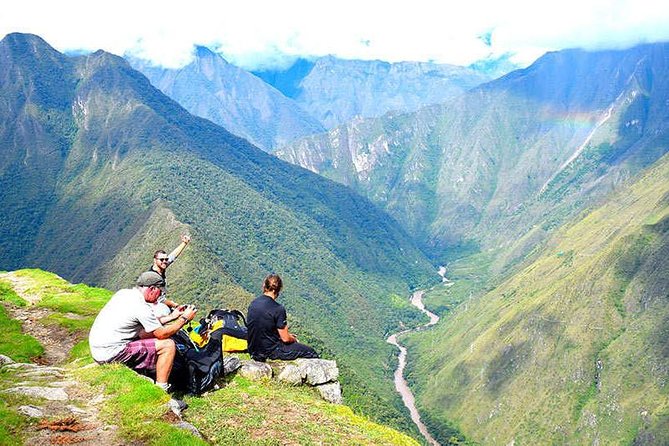
Some journeys earn their famous ending. This one does. Inkayni Peru Tours’ 4-Day Classic Inca Trail takes you from Km 82 across high passes, cloud forest, and Inca ruins before reaching Machu Picchu through the Sun Gate. I like the small-group approach, advertised at up to eight people, and I like that the guides, cooks, and porters handle the hard work behind camp.
The main drawback is the physical demand. You will hike for about eight hours on the first three days, reach 13,828 feet at Dead Woman’s Pass, and sleep in tents at high altitude. The price is $850 per person, which is fair for the guide, permits, transport, meals, equipment, porters, and return journey, but you still need to budget for a sleeping bag, personal porter, mountain entrance ticket, and some meals.
This is not a casual walk with a scenic bus ride at the end. It is a real trek, with steep stone steps, early starts, changing weather, and tired legs. But it also gives you something a shorter Machu Picchu visit cannot: you arrive at the citadel by walking the old route, through the Sun Gate, with ruins and mountain views unfolding along the way.
In This Review
- Key points to know before booking
- What the $850 price really covers
- Day 1: From Km 82 to Wayllabamba
- Day 2: The hard climb to Dead Woman’s Pass
- Day 3: Ruins, passes, and cloud forest
- Day 4: Entering Machu Picchu through the Sun Gate
- Guides, cooks, and porters make the difference
- Fitness, gear, and altitude planning
- Group size, timing, and booking cautions
- Should you book this Inca Trail trek?
- FAQ
- How long is the Classic Inca Trail tour?
- What time does the tour start?
- How far in advance should I book?
- What is the highest point of the trek?
- Are meals included?
- Is drinking water provided?
- Is a sleeping bag included?
- Can I hire a personal porter?
- Are Huayna Picchu and Machu Picchu Mountain included?
Key points to know before booking
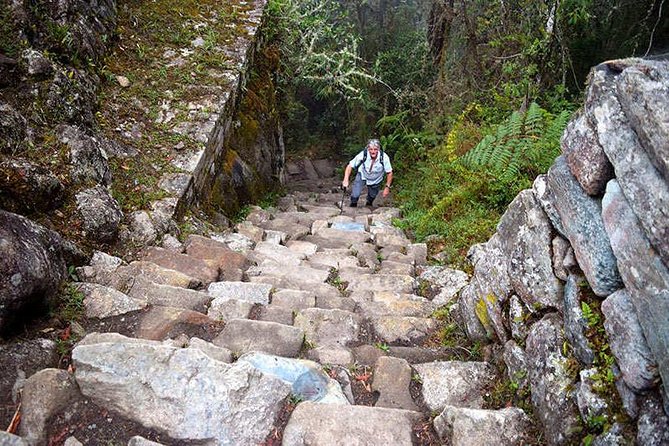
- Dead Woman’s Pass reaches 13,828 feet: Day 2 is the physical test of the trip, with a long climb followed by a steep descent to Pacaymayo.
- The Sun Gate provides your first Machu Picchu view: On Day 4, you enter through Inti Punku rather than arriving only by train or bus.
- Food is a major strength: Cooks such as Fabian and Herminio have prepared restaurant-quality meals in camp, with three meals and an afternoon snack on most days.
- The walking team matters: Guides including Paul Cano, Edwin, and Freddy have been praised for thoughtful explanations, steady encouragement, and strong English.
- You must book early: Peru limits the Inca Trail to 500 people each morning, including guides, porters, and cooks. Permits can sell out at least five months ahead.
- Check the group-size wording: The highlights say a maximum of eight people, while the additional information says up to 15. Confirm the actual number before paying.
What the $850 price really covers
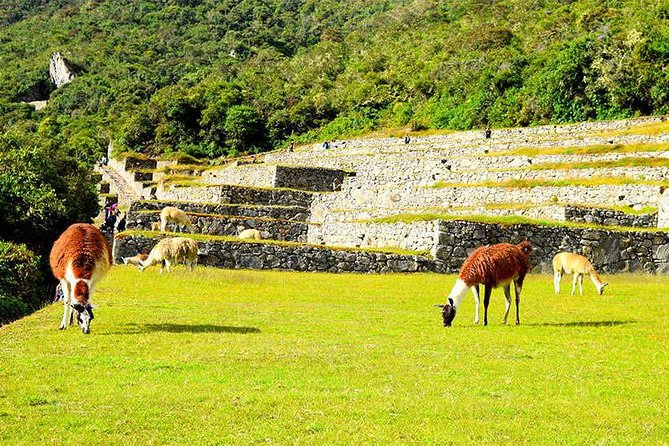
At first glance, $850 may look steep for four days of hiking. I think the value becomes clearer when you count what has to move through the mountains. Your fee covers an English-speaking guide, a chef, porters for cooking and camping equipment, tents, an inflatable mattress, meals, water after the first four hours of hiking, and transport from Cusco to the trail and back again.
You also receive return transportation by train and bus after Machu Picchu. That is important. You are not left to sort out your own way from Aguas Calientes, now commonly called Machupicchu Pueblo, back to Cusco after four tiring days.
The camping setup includes a dining tent with tables and chairs, plus a four-person tent shared by two trekkers. An oxygen bottle and first-aid kit are carried for the group. The thoughtful touch here is the afternoon snack, called happy hour, which gives you something to look forward to after a long stretch of walking.
A sleeping bag is not included, though you can hire one from the operator. A personal porter costs $80 and can carry your private belongings and sleeping mattress. Without one, you need to carry the mattress yourself, along with your day items and clothing. Breakfast on Day 1, lunch and dinner on Day 4, Huayna Picchu admission, travel insurance, and the optional mountain tickets are also extra.
The food deserves special attention. Fabian and Herminio have produced varied, carefully prepared meals in difficult camp conditions, and the cooking has been one of the most praised parts of the trip. Vegetarian meals and special diets can be arranged at no extra cost, but you must report allergies and dietary needs in advance. The company does not accept people with life-threatening food allergies, so take that rule seriously.
Other Inca Trail departures:
- Classic Inca Trail Trek 4D/3N to Machu Picchu (Group Service)
★ 5.0 · 8,653 reviews - Machu Picchu: 4-Day Inca Trail Trek with Panoramic Train Ride
★ 5.0 · 4,568 reviews - Short Inca Trail to Machu Picchu 2D/1N
★ 5.0 · 3,007 reviews
Day 1: From Km 82 to Wayllabamba
Your pickup begins at about 5:30 a.m. From Cusco, a private bus heads toward the Sacred Valley, passing Chinchero, Urubamba, and Ollantaytambo. The drive to Km 82 takes roughly two and a half hours, giving you a scenic start before your boots meet the trail.
Km 82 is the official beginning of the Classic Inca Trail. The first day is not simply a warm-up. You climb toward Wilka Rakay, with views toward Patallacta and the Kusichaca Valley. Ancient stonework, mountain scenery, and Andean plants accompany the route.
Patallacta is an early reminder of why this hike is different from an ordinary mountain trek. You are not walking through scenery alone. The path links places built and used by the Inca, and a good guide can explain how the ruins fit into the wider route.
After about eight hours, you reach Wayllabamba at 9,842 feet. The camp gives you a chance to rest while the crew prepares dinner. I would use this evening to organize your sleeping gear, refill water, and dry damp clothing before bed. Day 2 is the toughest physical section, so small comforts matter.
Breakfast is not included on this first morning, and lunch and dinner on Day 4 are also excluded. Ask the operator how the Day 1 morning meal is handled, since you leave early and should not assume you can find food during the transfer.
Day 2: The hard climb to Dead Woman’s Pass
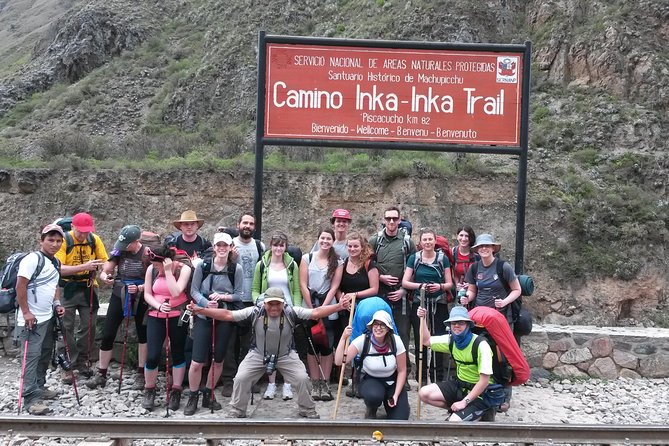
Day 2 begins with breakfast and an ascent to Tres Piedras, also known as the Three Stones. After about an hour, the trail enters cloud forest, where thicker vegetation and cooler, damp air change the feel of the walk.
Then comes the climb to Abra de Warmihuañusca, better known as Dead Woman’s Pass. At 13,828 feet, it is the highest point of the trek. The crossing takes you through high grassland with broad views of the surrounding Andes, but the reward does not make the climb easy.
You should expect altitude to affect your pace. The supplied guidance calls for moderate physical fitness, but I would treat that as a minimum, not a guarantee of comfort. The day lasts around eight hours, and the steep descent after the pass can be hard on knees and ankles.
Pacaymayo camp sits at about 11,811 feet. Once there, you can eat, rest, and let the staff manage camp chores. The support crew is not decorative. Porters carry cooking and camping gear, while the chef prepares dinner. Many people find the food surprisingly refined for a mountain camp, which can make a real difference when appetite and energy are fading.
Carry your own water for the first four hours of the trek. Water is included after that point, but you should bring a bottle or hydration system suitable for the opening section.
Day 3: Ruins, passes, and cloud forest
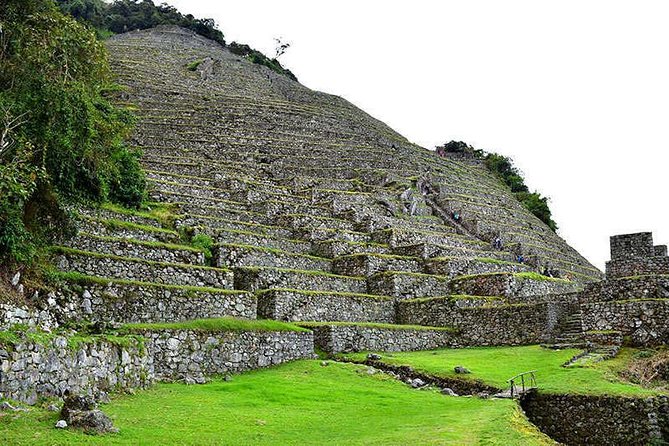
Day 3 packs several of the trail’s best archaeological stops into one demanding day. The morning begins with a 45-minute climb to Runkurakay, an Inca resting site with a distinctive rounded shape. A further 45-minute ascent takes you to Runkurakay Pass at 13,123 feet.
From the pass, you descend to Sayacmarca. The ruins sit on a steep mountainside, and their position is part of the drama. You then follow a well-preserved Inca path toward Chaquicocha, where lunch is served.
The trail changes again after lunch. You enter high Andean cloud forest, with lush plant life and possible glimpses of local wildlife. I like this section because the walking is not only about reaching Machu Picchu. The route keeps shifting from open high country to enclosed forest, from mountain passes to ceremonial sites and agricultural terraces.
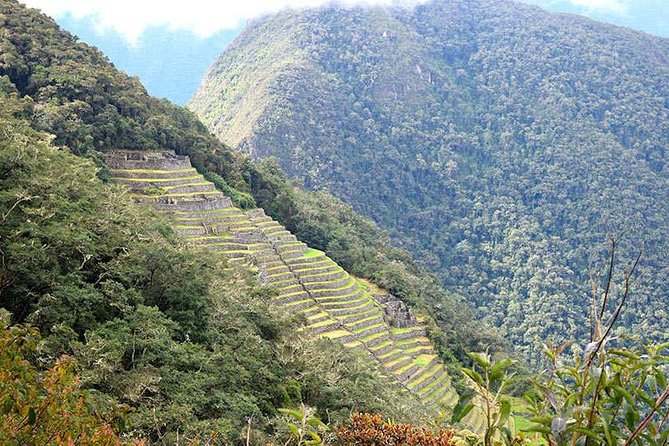
The path follows a narrow ridge toward Phuyupatamarca Pass. From here, you may see the Sacred Valley, tall peaks, and Machu Picchu in the distance, depending on clouds and weather. The final descent leads to Wiñayhuayna, the last campsite before the citadel.
Wiñayhuayna is one of the emotional high points of the trek. Its terraces and ceremonial structures make the following morning feel close and real. You have one more early start, but the hardest climbing is behind you.
Other ways to reach Machu Picchu:
- 2-Day Inca Trail to Machu Picchu with Panoramic Train
★ 5.0 · 1,876 reviews - From Cusco: Full-Day Group Tour of Machu Picchu
★ 4.7 · 1,767 reviews - Machu Picchu Day Trip from Cusco
★ 4.5 · 1,644 reviews - 2-Day Tour: Sacred Valley and Machu Picchu by Train
★ 5.0 · 1,127 reviews
Day 4: Entering Machu Picchu through the Sun Gate
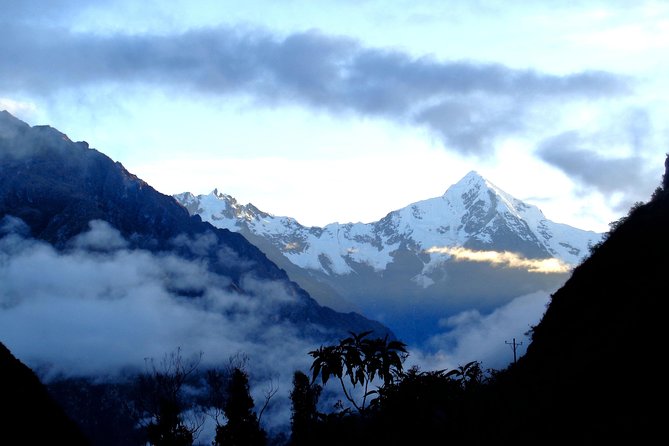
The final morning begins early. The walk to Inti Punku, or Sun Gate, takes about an hour and is relatively easy compared with the previous days. Weather permitting, you may see the sunrise over the Andes and your first broad view of Machu Picchu.
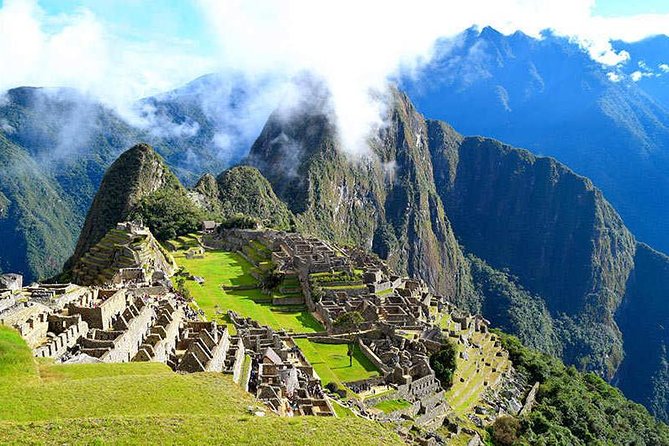
This arrival is the great advantage of the Classic Inca Trail. Instead of seeing the citadel first from a bus or from a train station, you approach from above, after days of walking past ruins and mountain passes. The 45-minute descent to the upper terraces then brings you to the classic photo area.
The included Machu Picchu visit comes with a guided tour of the citadel, covering temples, ceremonial areas, terraces, and storage structures. Pay attention to the guide here. Paul Cano has been praised for explaining Inca mythology, mountain culture, plants, wildlife, and the theories surrounding Machu Picchu. Edwin has also been singled out for clear English, good company, and strong organization. Freddy’s calm manner and encouragement have helped tired hikers keep going.
Huayna Picchu and Machu Picchu Mountain are optional and require separate tickets. If you want either climb, arrange it in advance. Do not count on deciding at the entrance. The information provided does not include the entrance price for these mountains.
After the citadel visit, you descend to Aguas Calientes for a break and your own lunch. Lunch on Day 4 is not included. You then take the train to Ollantaytambo, followed by a private van back to Cusco.
The schedule makes Day 4 a long travel day even though the stated hiking portion is around six hours. Keep your important items accessible, and do not pack away your passport until the trip is fully finished.
Guides, cooks, and porters make the difference
A mountain trek is only as good as its support team. Here, the strongest praise has focused on the human side of the operation.
Paul Cano has been described as more than a route leader. His explanations cover Inca civilization, mythology, mountain culture, science, plants, and wildlife. That range matters because the trail can otherwise become a long sequence of steep steps and photo stops. A guide who can explain the meaning of a site gives the walk a sense of purpose.
Edwin has received praise for his English, warmth, and experience. Freddy has been appreciated for a calm, supportive approach, especially when exhaustion makes the trail feel too hard. Those qualities are practical, not merely pleasant. On a difficult trek, your guide controls the pace, watches the group, explains the route, and helps you make sensible decisions.
The cooks are another highlight. Fabian has prepared multiple meals a day without repeating dishes, and Herminio has earned similar praise for thoughtful food in remote camps. The dining tent, proper tables, and hot meals give the evenings a social center.
Porters carry the equipment that makes this comfort possible. You will see how much work goes into moving tents, food, and cooking supplies over the passes. A personal porter is optional at $80, but if you know you will struggle with your mattress and belongings, paying for that help may be money well spent.
Fitness, gear, and altitude planning
You need moderate physical fitness for this trip, but preparation should focus on endurance rather than speed. The daily hikes last about eight hours on Days 1 through 3, and the trail includes long climbs, high passes, and steep descents.
Bring walking boots, a waterproof jacket or rain poncho, a warm jacket, hat, gloves, T-shirts, and comfortable trousers. Pack sunscreen rated SPF 35 or higher, insect repellent, toiletries, hand sanitizer, personal medicine, and a torch with spare batteries.
Weather can shift quickly in the Andes, so waterproof protection is not optional. Warm layers matter at the high camps, while lighter clothing helps during lower and more humid sections. Keep a dry change of clothes for sleeping.
The trail is regulated by Peru, and only 500 people may start each morning, including staff. That limit helps keep camps and paths cleaner, but it also makes permits scarce. This trip is often booked about 204 days in advance, and booking at least five months ahead is strongly advised.
You must provide your full name, nationality, passport number, and date of birth after booking. Bring your original passport. Students who want a discount should also bring a valid ISIC card.
Group size, timing, and booking cautions
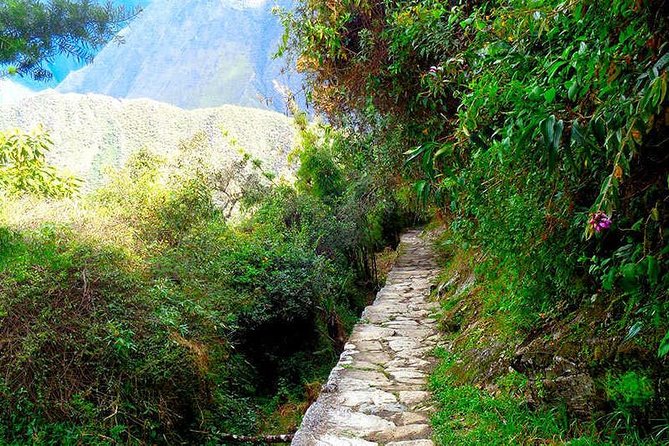
The advertised highlights describe a maximum of eight people, which would be a pleasant size for a four-day trek. Smaller groups make it easier to hear the guide, move at a shared pace, and form a friendly camp routine.
There is an inconsistency in the supplied details: the additional information says the activity can have a maximum of 15 participants. Confirm the actual group size before booking if a small party is important to you.
Confirmation arrives within 48 hours, subject to permit availability. The tour starts around 5:30 a.m., and the cancellation policy is strict: the booking is non-refundable and cannot be changed for any reason. Travel insurance is strongly recommended for the duration of the trip.
The overall rating is 4.9 from 308 ratings, with 98 percent recommending the experience. The most consistent praise centers on the guides, food, porters, equipment, and smooth transport. One account also described the company adapting the route during rainy season to improve the chance of seeing Machu Picchu, and helping with an unexpected return-trip problem outside its control. That suggests useful flexibility, though weather and transport can never be guaranteed.
Should you book this Inca Trail trek?
Book it if you want the full, demanding route into Machu Picchu and value strong support in camp. The combination of English-speaking guides, hot meals, porters, tents, train transport, and a small advertised group makes $850 a reasonable price for a regulated four-day trek.
You should think twice if you dislike early starts, camping, steep climbs, or high altitude. A shorter route or a train-based visit will be easier, though it will not give you the same arrival through the Sun Gate.
Before paying, confirm the group size, permit availability, sleeping-bag cost, mountain-ticket options, dietary arrangements, and the exact return schedule. If you are fit, prepared, and willing to work for the finish, this is a powerful way to reach Machu Picchu, with the trail itself becoming as important as the famous ruins.
FAQ
How long is the Classic Inca Trail tour?
The tour lasts approximately four days. The first three hiking days are listed at about eight hours each, while Day 4 is listed at about six hours including the Machu Picchu portion.
What time does the tour start?
Pickup begins at approximately 5:30 a.m.
How far in advance should I book?
Booking at least five months in advance is strongly recommended because permits can sell out. This experience is often booked about 204 days ahead.
What is the highest point of the trek?
The highest point is Dead Woman’s Pass, or Abra de Warmihuañusca, at 4,215 meters, or 13,828 feet.
Are meals included?
The tour includes three breakfasts, three lunches, three afternoon snacks, and three dinners. Breakfast on Day 1 and lunch and dinner on Day 4 are not included.
Is drinking water provided?
Water is included after the first four hours of the trek. You need to bring your own water for the first four hours.
Is a sleeping bag included?
No. A sleeping bag can be hired from the tour operator.
Can I hire a personal porter?
Yes. A personal porter costs $80. Without one, you need to carry your own inflatable sleeping mattress.
Are Huayna Picchu and Machu Picchu Mountain included?
No. Both require separate tickets, and the ticket for either mountain should be arranged in advance.
Added recently around Cusco
- Guided tour of the mountain of colors in Cusco★ 5.0 · 11 reviews
- 2-Day Private Short Inca Trail to Machu Picchu★ 5.0 · 15 reviews
- City Tour Cusco – Group★ 5.0 · 4 reviews
- Tour Sacred Valley with Maras and Moray★ 5.0 · 15 reviews
- San Pedro Market Tour with Peruvian Cooking Class★ 5.0 · 31 reviews
- Walking Culinary Experience★ 5.0 · 41 reviews
- City Tour in Cusco★ 4.5 · 10 reviews
- One Day Tour to Humantay Lagoon★ 5.0 · 8 reviews
Machu Picchu Tours, compared.
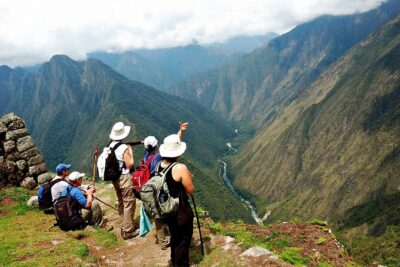
Classic Inca Trail Trek 4D/3N to Machu Picchu (Group Service)
Read our review →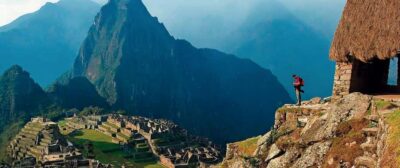
Machu Picchu: 4-Day Inca Trail Trek with Panoramic Train Ride
Read our review →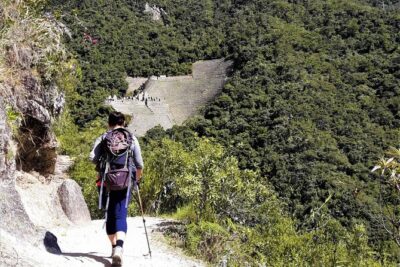
2-Day Inca Trail to Machu Picchu with Panoramic Train
Read our review →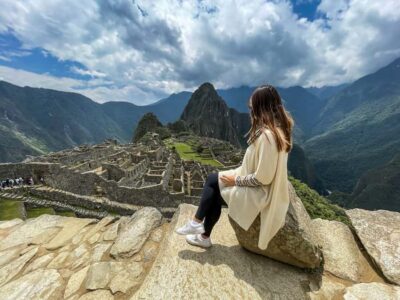
2-Day Tour: Sacred Valley and Machu Picchu by Train
Read our review →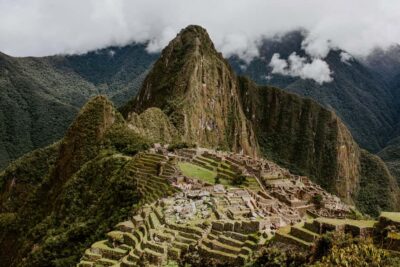
Machu Picchu: Full-Day Tour from Cusco with Optional Lunch
Read our review →Browse the lists this tour appears in