
Reviewed · ANDEAN TREKKING TOURS
Trek to Choquequirao 4 days
Choquequirao rewards the stubborn walker. This four-day trek takes you to Peru’s lesser-known sister city of Machu Picchu, an archaeological site filled with mystery, high mountain views, and far fewer people. I like the small-group format, limited to 15, and the strong support from the guide, cooks, muleteers, and horses. The route also includes tasty meals, three nights of rural accommodation, and transport from Cusco.
I especially like that you get real time inside Choquequirao rather than rushing through a quick photo stop. The views over the Apurímac Canyon are another major draw. The catch is simple: this is one of the hardest treks in the Cusco region, with long descents, sharp climbs, early starts, and basic camping. You need steady legs and a good attitude.
In This Review
- Key points before you book
- Why Choquequirao feels different from Machu Picchu
- Day 1: From Cusco to Capuliyoc and Santa Rosa
- Day 2: Santa Rosa to Choquequirao and Maranpata
- Day 3: Maranpata, the Apurímac River, and Chiquisca
- Day 4: The final climb to Capuliyoc
- What the $366 price really covers
- Food, luggage, and camp life
- Guide quality and group size
- Who should book this trek?
- Should you book the four-day Choquequirao trek?
- FAQ
- How long does the Choquequirao trek last?
- How much does the trek cost?
- Is transportation from Cusco included?
- Are meals included?
- Is the entrance ticket to Choquequirao included?
- What languages does the guide speak?
- How much luggage can the mule carry for me?
- Can I cancel or pay later?
Key points before you book
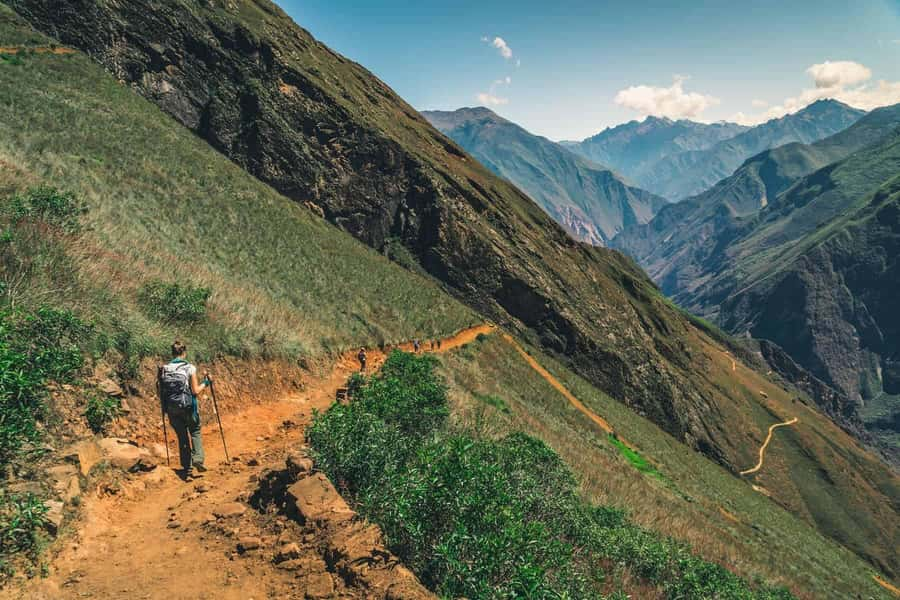
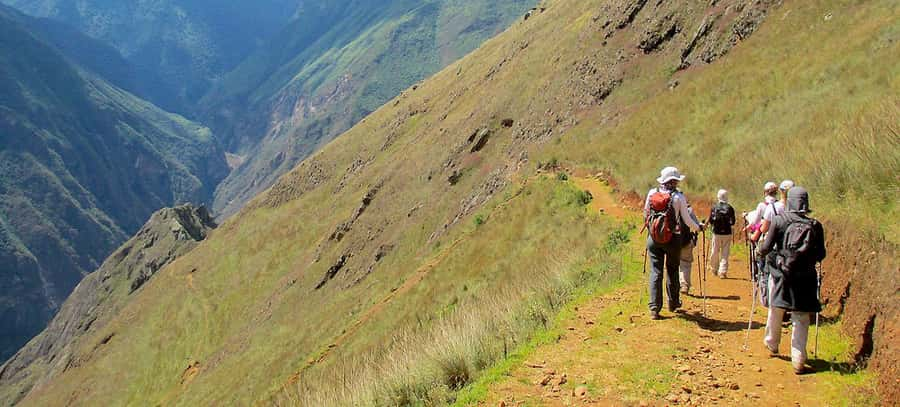
- The challenge is real: Expect long uphill and downhill sections, including a four-hour climb back to Capuliyoc on the final morning.
- Choquequirao gets proper attention: You reach the archaeological complex around 9:30 a.m. on Day 2, with a guide and time to explore on your own.
- The Apurímac Canyon shapes the trip: You descend to the river, rest beside it, then climb back toward Chiquisca.
- Food and camp support are included: Cooks prepare meals, while muleteers and a mule carry extra luggage.
- You carry less, not nothing: One Dafort bag for up to 5 kilograms of extra luggage is included.
- The $366 price covers the basics: Transport, meals, guide, rural accommodation, and support are included, but the entrance ticket and several comforts cost extra.
Why Choquequirao feels different from Machu Picchu
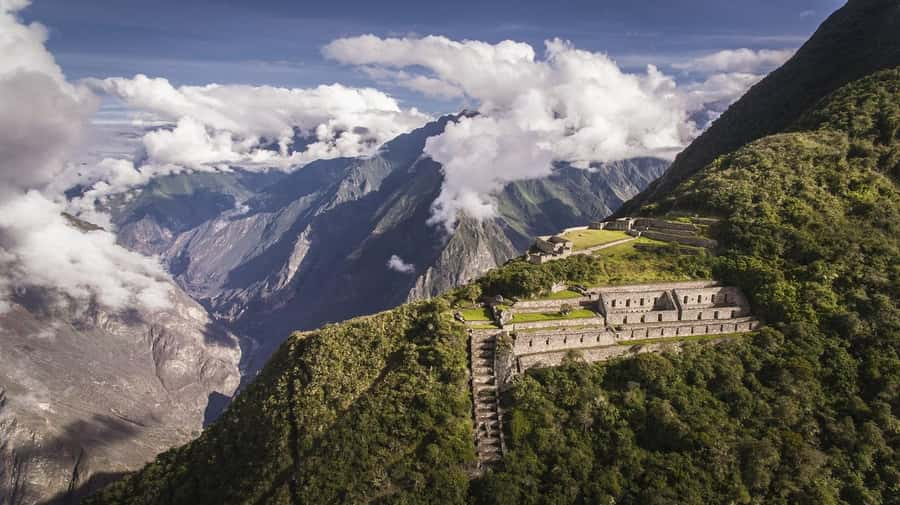
Machu Picchu is Peru’s famous headline act. Choquequirao is the quieter, tougher relative, reached by foot through the Apurímac Canyon. The appeal is not just the ruins. It is the effort required to reach them and the feeling that the site still leaves room for questions.
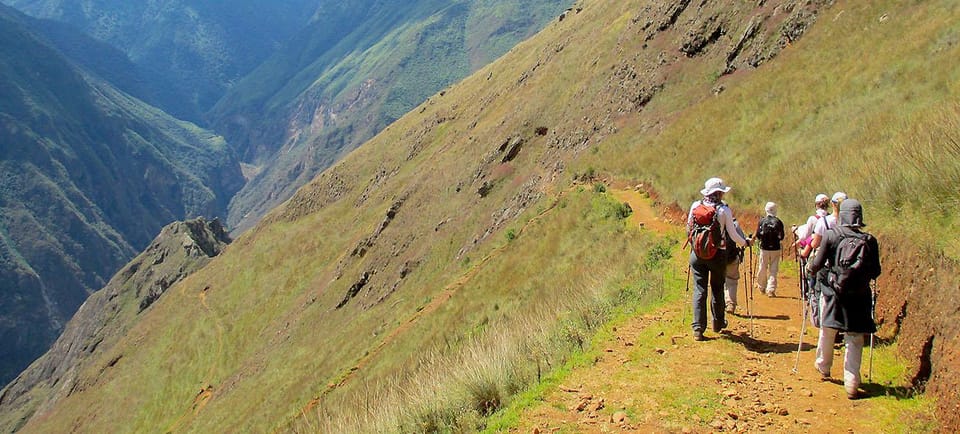
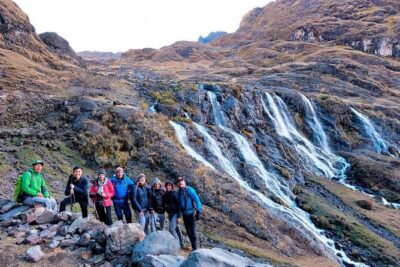
You will spend much of the trek moving through changing mountain scenery. The route begins high at the Capuliyoc Viewpoint, drops toward the canyon, climbs to the camps near Maranpata, and then retraces much of the route. That rhythm gives the trip its character: down, up, down again, then one final punishing climb.
I would not choose this trek simply because it is cheaper or less crowded than a famous alternative. Choose it because you want a demanding walk tied to an important archaeological site. The physical work is part of the reward, but it also sets the limits of who will enjoy the trip.
More Hiking Tours in Cusco
- Classic Inca Trail Trek 4D/3N to Machu Picchu (Group Service)
★ 5.0 · 8,653 reviews - Machu Picchu: 4-Day Inca Trail Trek with Panoramic Train Ride
★ 5.0 · 4,568 reviews - Salkantay Classic Trek 5 Days from Cusco
★ 5.0 · 4,062 reviews
Day 1: From Cusco to Capuliyoc and Santa Rosa
The day begins at 5 a.m. with pickup at the meeting point in Cusco. You ride for about three hours to Curahuasi, where you stop briefly for breakfast. That first meal is not included, so bring cash or confirm your plans before leaving Cusco.
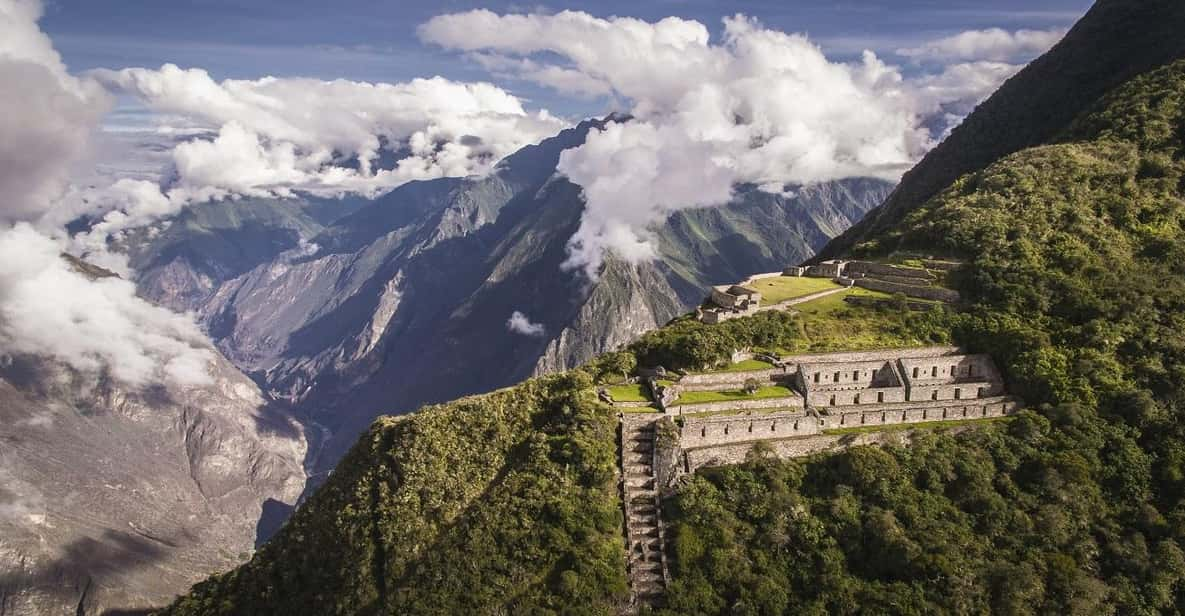
After another hour by car, you reach the Capuliyoc Viewpoint. This is where the walking starts. The viewpoint gives you a first look at the mountains and the Apurímac Canyon, but do not linger too long. You have a demanding descent ahead.
The walk down to Chiquisca takes about three hours. Downhill sounds easy until your knees start to disagree. On a steep trail, a trekking pole can be useful, though poles are not included. You can rent a pair for 30 soles, or bring your own.
At Chiquisca, the cooks prepare lunch. This is one of the tour’s practical strengths. You do not need to plan every meal from snacks carried in your pack, and a hot lunch gives you a proper pause before the afternoon section.
From Chiquisca, you continue down to Playa Rosalinas. The group rests there before beginning a two-hour climb to Santa Rosa camp. This change in direction can feel tough after the long descent. Pace yourself early, drink regularly, and keep some energy for the final ascent.
At Santa Rosa, the team sets up camp. Dinner follows, then your first night in rural accommodation. The description does not specify the exact form of lodging, so you should expect a basic camp setup rather than hotel comforts. Hot showers and towels are available for an additional 40 soles per person, and Wi-Fi costs 20 soles.
Day 2: Santa Rosa to Choquequirao and Maranpata
A hot coca tea wake-up comes around 6 a.m. After breakfast, you climb for about two hours to Maranpata. This is a useful point to understand how the support system works. The cooks, muleteers, and horses remain there to prepare lunch and carry it to Choquequirao while you visit the site.
That arrangement lets you explore the ruins without carrying all your food and equipment. A mule also carries extra luggage, and each person receives one Dafort bag for up to 5 kilograms. Pack carefully. Five kilograms is helpful, but it is not a free pass to bring a full suitcase.
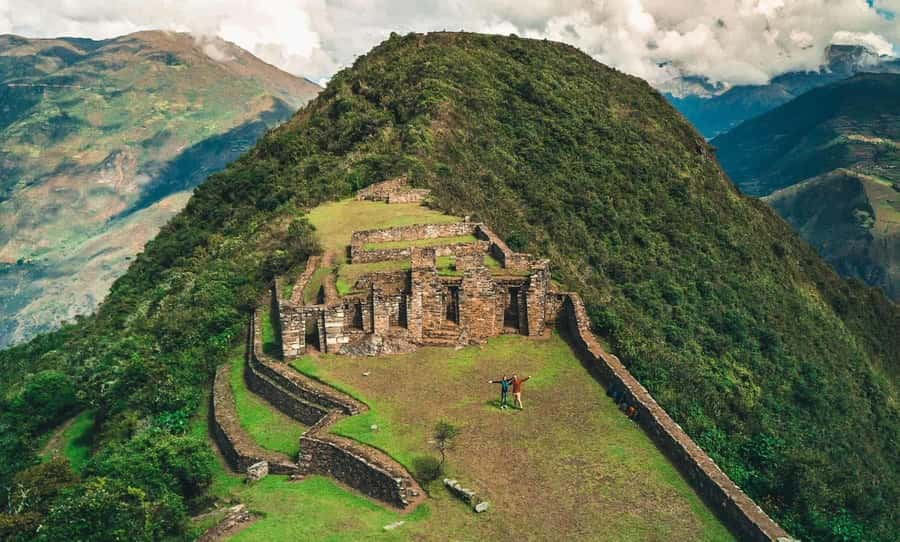
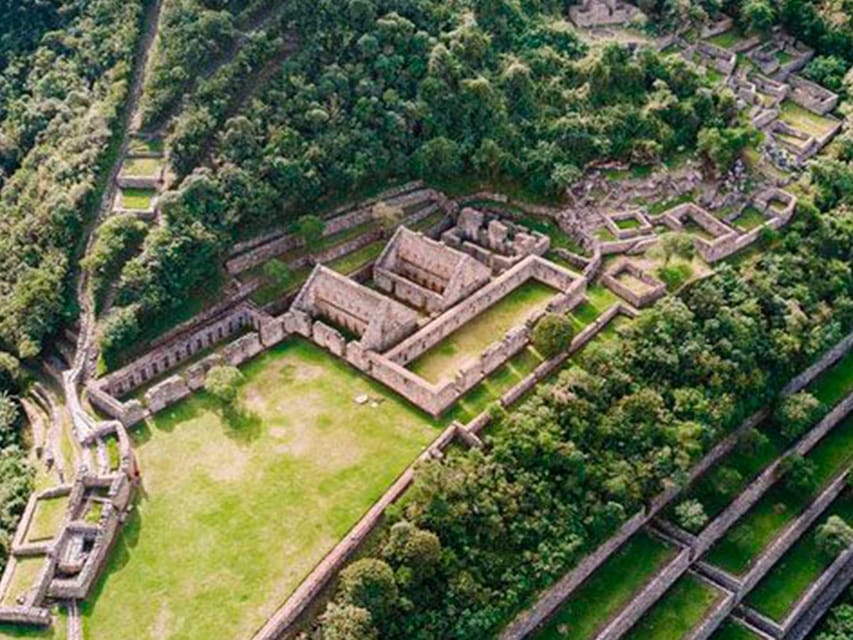
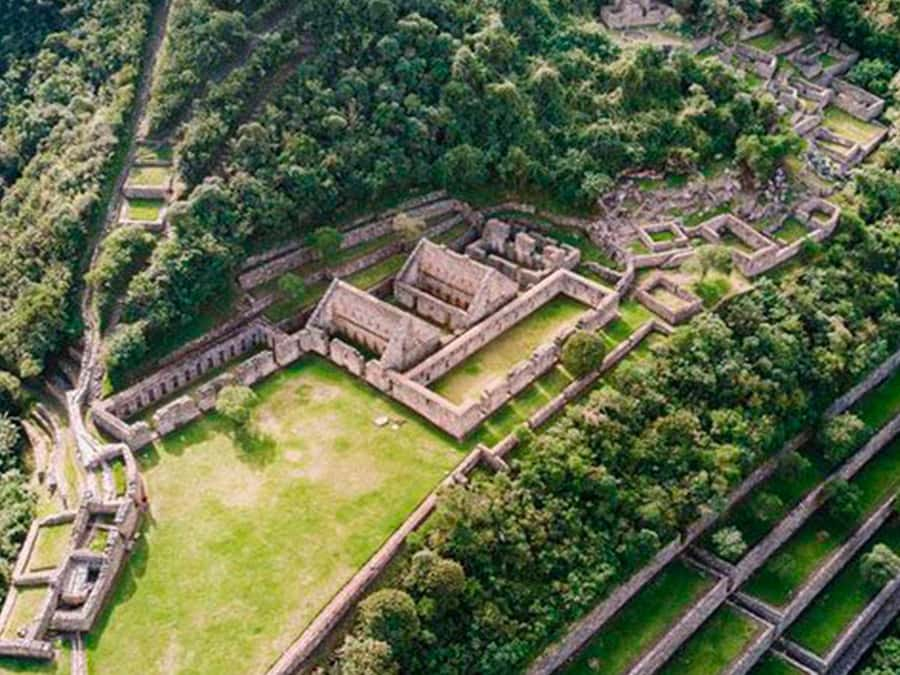
You reach Choquequirao at about 9:30 a.m. The guide explains the archaeological complex, its story, and the details that are easy to miss when you walk alone. After the guided portion, you have time to explore independently.
This is the day that makes the trek worthwhile. Choquequirao is often described as Machu Picchu’s sister city, but you should not expect an identical site. Its appeal lies in the sense of distance, the mountain setting, and the mystery surrounding its remains. You get more than a quick viewpoint and a few photographs. You have a full visit built into the schedule.
The entrance ticket is not included. Adults pay 60 soles, while students pay 30 soles. Carry the correct identification if you plan to use the student rate. Since the ticket is a required cost, include it when comparing the $366 tour price with other options.
In the afternoon, you return to Maranpata for dinner and a second night at camp. The route back may feel easier than the morning climb, but your legs will already have worked hard on Day 1. The early start and full archaeological visit make this a long day even if the mileage does not look alarming on paper.
Day 3: Maranpata, the Apurímac River, and Chiquisca
Day 3 starts around 8 a.m., a slightly kinder hour than the previous morning. After breakfast, you begin a descent of about three hours toward the Apurímac River.
This section takes you into the canyon itself. The river gives the day a clear destination and a welcome change of pace. Once you reach the water, you have time to relax before eating lunch prepared by the cooks.
Do not mistake the river stop for an easy day. After lunch, you climb for approximately two hours to the third camp at Chiquisca. The combination of a long descent, a break, and another ascent can test your rhythm. I would keep the lunch stop restful but not too sluggish. Your legs still have work to do.
At Chiquisca, you can interact with local residents and taste a typical drink made from sugar cane. This is a small but worthwhile part of the itinerary because it gives the route a human connection beyond ruins, mountains, and camp routines.
Dinner and another night at camp follow. By this point, you will know whether the pace suits you. The group size, capped at 15, should make it easier for the guide to keep the party together, though a small group does not make the climbs less steep.
Longer treks from Cusco:
- 4-Day Salkantay Trek with Sky Camp Stay
★ 5.0 · 3,346 reviews - Salkantay Trek 5D/4N with Glass Cabins, Domes and Hobbit House
★ 5.0 · 2,488 reviews - 5-Day Premium Salkantay Trek
★ 5.0 · 788 reviews - Lares Valley Trek with Hot Spring 4-Day, 3-Night
★ 5.0 · 656 reviews
Day 4: The final climb to Capuliyoc
The last day starts very early, around 5 a.m., after breakfast. The reason is practical: the area can become intensely hot later in the day. An early departure gives you a better chance of completing the climb before the strongest sun.
The final section rises from Chiquisca back to the Capuliyoc Viewpoint. Allow about four hours for this uphill walk. This is the hardest single effort in the itinerary for many people, especially after three days of climbing and descending.
I would save some clean clothes and a little patience for this morning. The end is close, but your body may not care. Keep your pace steady instead of trying to match the fastest person in the group. If you use trekking poles, this is the section where they may feel most useful.
At Capuliyoc, you wait for lunch while enjoying views of the surrounding mountains and the Apurímac Canyon. Lunch is followed by the drive back to Cusco, with arrival expected around 4:30 p.m.
That return time matters if you have a flight, train, or another paid activity the next morning. The schedule is given as an estimate, not a guarantee. Mountain roads and a tired group can affect timing, so I would avoid booking anything tight on the same evening.
What the $366 price really covers
At $366 per person, this trek is not just a guided walk. The price includes transportation from Cusco to Cachora and back to Cusco, meals, three nights of rural accommodation, a tour guide, a muleteer, a mule for extra luggage, and a 5-kilogram Dafort bag.
That bundle has real value. Transport alone would be inconvenient to arrange, and the cooks and mule support reduce the amount of gear you need to carry. The included meals also matter on a route where there are few easy chances to organize food independently.
Still, add the extra costs before deciding:
- Choquequirao entrance: 60 soles for adults or 30 soles for students
- First breakfast
- Last dinner
- Drinking and rehydration water
- Hot shower and towels: 40 soles per person
- Wi-Fi: 20 soles
- Trekking poles: 30 soles per pair
- Optional horseback riding: 200 soles
- Travel insurance
Horseback riding is listed as an option, but the trip is built around walking. It should not be treated as a guaranteed solution for every difficult section. Water for canteens is also not included, so you need to budget for hydration and ask the operator how water access works along the route.
The price looks fair for a four-day trek with food, transport, accommodation, and animal support. It becomes less attractive if you expect hotel-style rooms, included showers, reliable Wi-Fi, or every expense covered. This is a supported mountain trek, not a polished resort package.
Food, luggage, and camp life
The cooks are a major part of the trip. They prepare breakfast, lunch, and dinner at camp and bring lunch to Choquequirao on Day 2. One booking received a five-star score specifically praising the delicious food, along with the guide, scenery, and group atmosphere.
You should still bring personal snacks. The included meals handle the main eating schedule, but a demanding trek can leave you wanting extra calories between camps. The first breakfast and final dinner are not covered, so plan those separately.
The mule and muleteer support is another useful feature. You can place up to 5 kilograms of extra luggage in the supplied Dafort bag, leaving your daypack for essentials. Keep rain protection, water, sun protection, medication, and warm layers with you rather than sending them away.
The accommodation is rural and basic. You can pay extra for a hot shower and towels, but do not assume those comforts are included. Wi-Fi is also an optional paid extra, and I would treat it as a convenience rather than something to count on.
Guide quality and group size
The tour provides a live guide in English or Spanish. Two verified bookings rated the experience five out of five, with particular praise for the guide, the challenge, the food, and the group. One German-language comment described the route as very strenuous but praised the guide and trail.
That is useful context. A good guide matters on a trek like this because the route is not simply a walk from one attraction to another. You need help with pacing, camp timing, archaeological explanations, and the daily changes between steep descent and steep ascent.
The group limit is 15 people. That is small enough to feel more personal than a large bus tour, while still giving you company on long stretches. The exact group size on your departure can be smaller, but the stated limit is 15.
No guide name is provided, so you cannot request a particular guide in advance from the available information. You can, however, confirm the guiding language when booking.
Who should book this trek?
I would recommend this trip to you if you want a hard physical challenge, enjoy remote archaeological sites, and prefer a supported walk over organizing transport, meals, and pack animals yourself.
It suits hikers who are comfortable with long uphill and downhill sections and who can handle early starts. The most important number is not four days. It is the four-hour final climb and the repeated canyon descents and ascents.
I would be cautious if you dislike basic camps, need generous recovery time, or want a relaxed sightseeing holiday. The word challenging is not decoration here. The tour description calls it one of the hardest treks in Cusco, and the route details support that warning.
The route may also appeal to you if Machu Picchu feels too familiar or crowded as a travel idea. Choquequirao offers a different kind of archaeological visit, one where the approach on foot is inseparable from the site itself.
Should you book the four-day Choquequirao trek?
Book it if you want a demanding, well-supported route to a remarkable Inca site and you value good meals, a live guide, group companionship, and help carrying extra luggage. At $366, the package offers solid value once you understand what is included.
Skip it if you are looking for comfort, short walking days, or a flexible schedule. You should also leave room in your budget for the entrance fee, water, first breakfast, last dinner, and optional extras.
My practical call: choose this trek for the challenge first and the ruins second. If that sounds exciting rather than alarming, Choquequirao could be one of your strongest memories from the Cusco region.
FAQ
How long does the Choquequirao trek last?
The trek lasts four days, with transport from Cusco and a return to Cusco scheduled around 4:30 p.m. on Day 4.
How much does the trek cost?
The listed price is $366 per person.
Is transportation from Cusco included?
Yes. Transportation from Cusco to Cachora and back to Cusco is included.
Are meals included?
Meals are included during the trek, but the first breakfast and last dinner are not included.
Is the entrance ticket to Choquequirao included?
No. The entrance ticket costs 60 soles for adults and 30 soles for students.
What languages does the guide speak?
The live guide is available in Spanish and English.
How much luggage can the mule carry for me?
Each person receives one Dafort bag for up to 5 kilograms of extra luggage. A mule and muleteer are included for this support.
Can I cancel or pay later?
You can cancel up to 24 hours in advance for a full refund. You can also reserve now and pay later, keeping your plans flexible.
More Hiking Days from Cusco
- Rainbow Mountain Full Day Trek
★ 5.0 · 1,469 reviews - Rainbow Mountain Day Trip from Cusco: Vinicunca Hiking Tour
★ 4.5 · 737 reviews - Inca Trail 4-Day 3-Night Trek to Machu Picchu with Expert Guides
★ 5.0 · 733 reviews - Humantay Lake Full Day Trek from Cusco with Lunch
★ 5.0 · 726 reviews
Added recently around Cusco
- Visit Pisac from Cusco: Private Transport★ 4.6 · 9 reviews
- Trek to Humantay Lake from Cusco★ 4.9 · 8 reviews
- Super valley or vip valley★ 5.0 · 13 reviews
- the Incas’ Sacred Valley★ 5.0 · 27 reviews
- Sacred Valley of the Incas Day Trip from Cusco★ 5.0 · 6 reviews
- Small-Group Tour: Rainbow Mountains Hiking from Cusco★ 4.0 · 5 reviews
- Excursion to the Sacred Valley of the Incas from Cusco★ 5.0 · 8 reviews
- Maras + Moray & Textile Experience★ 5.0 · 14 reviews
Andean Trekking Tours, compared.
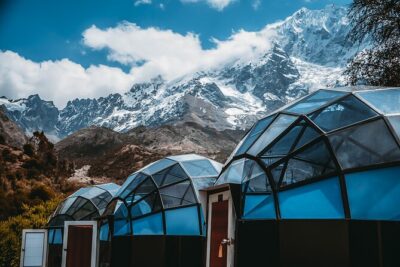
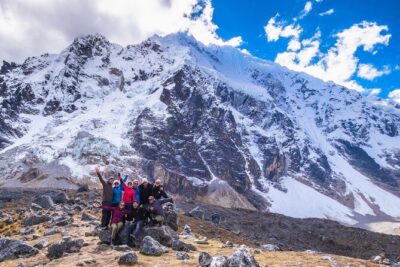
Salkantay Trek 5D/4N with Glass Cabins, Domes and Hobbit House
Read our review →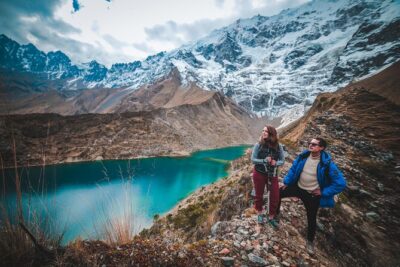
Lares Valley Trek with Hot Spring 4-Day, 3-Night
Read our review →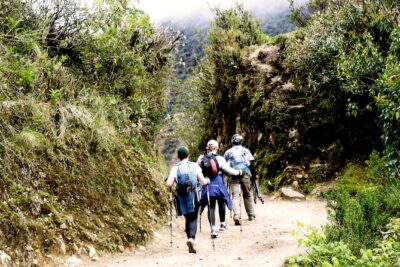
Ultimate Salkantay Trek to Machu Picchu 5 Days
Read our review →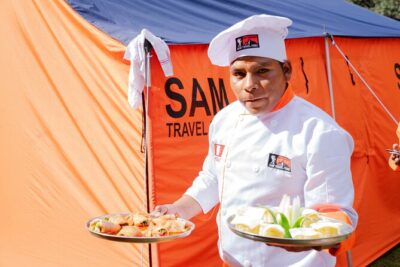
Lares Trek to Machu Picchu 4D/3N Including Hot Springs
Read our review →
4-Day Inca Jungle Trail to Machu Picchu Hiking and Biking Tour
Read our review →Browse the lists this tour appears in