
Reviewed · MACHU PICCHU TOURS
4 Day Inca Jungle Trail with Capsule & Machu Picchu
Adventure comes before Machu Picchu on this route. This four-day trip from Cusco mixes downhill biking, rafting, hiking, zip lining, and a night in a glass capsule above the Santa Teresa Valley. I especially like the variety of activities and the chance to see more than the usual train-and-ruins route. The capsule stay is the other big draw: sleeping behind clear walls with mountain views is a rare travel experience.
The main caution is the pace. You need moderate fitness for long walks, steep uphill sections, high-altitude travel, and several adventure activities. The early start, basic travel days, and uncertain transport details on the final return mean you should be comfortable with a busy schedule.
In This Review
- The trip in brief
- Why this is different from the classic Inca Trail
- Day 1: Málaga Pass to Santa María by bike and raft
- Day 2: Jungle paths, Cocalmayo hot springs, and the capsule
- Day 3: Suspension bridge, zip line, and the walk to Aguas Calientes
- Day 4: Machu Picchu at sunrise
- What the $750 price includes
- Fitness, safety, and comfort
- Small details that improve the experience
- Who should book this four-day route?
- Should you book the Inca Jungle Trail with capsule?
- FAQ
- How long is the Inca Jungle Trail with capsule and Machu Picchu?
- Where does the tour begin?
- What time does pickup take place?
- Is the tour offered in English?
- Is this a private tour?
- What activities are included?
- How difficult is the tour?
- Where do you sleep in the capsule?
- Are meals included?
- Can I cancel for a full refund?
The trip in brief
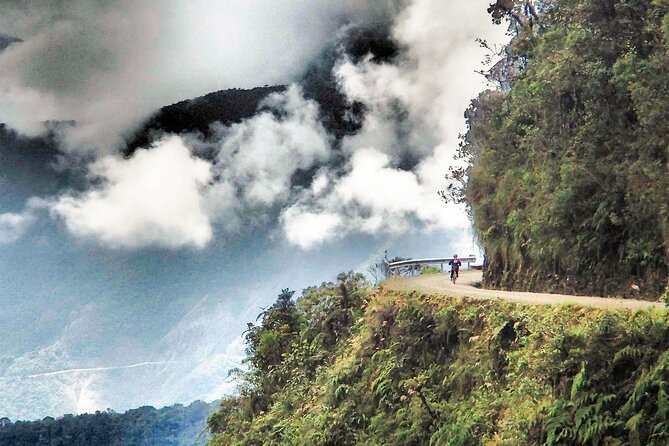
- 4,500-meter Málaga Pass: Begin with a high mountain crossing before a long downhill bike ride toward the jungle.
- Class III and IV rafting: Navigate rapids where the Salkantay and Urubamba rivers meet to form the Vilcanota.
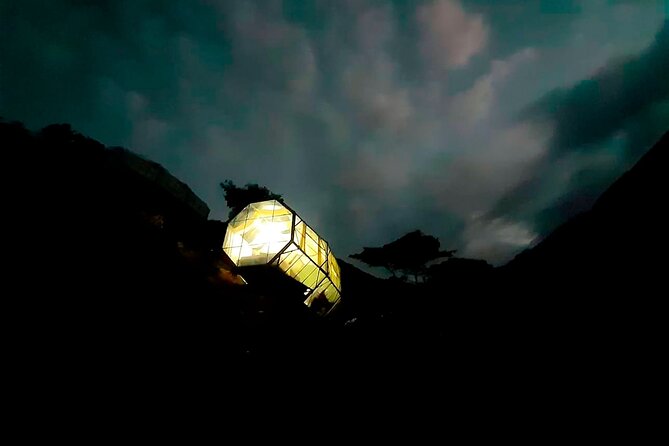
- A glass capsule above Santa Teresa: Spend the night in a cliffside dome more than 500 meters above the river.
- Suspension bridge and zip line: Test your nerve on a 150-meter Tibetan bridge and canopy course.
- Three-hour walk to Aguas Calientes: Reach Machu Picchu by foot from the Hydroelectric Station.
- Private English-language tour: Your group travels with a bilingual guide rather than joining a large shared departure.
Why this is different from the classic Inca Trail
The traditional Inca Trail puts ancient stone paths and archaeological sites at the center. This route takes a broader approach. You get mountain scenery, river travel, jungle walking, local food, farm visits, and a final guided visit to Machu Picchu, but the journey is also built around adrenaline.
That makes the trip a good choice if you want the destination and the route to feel equally important. The biking and rafting add motion to the first day. The capsule gives you a memorable night rather than just a standard lodge. Coffee farm visits mentioned during the route add a local touch that can be easy to miss on a direct journey to Aguas Calientes.
I would not choose this trip if your main goal is a quiet, archaeology-focused walk. The schedule has a lot packed into it, and some days are physically demanding. You are trading the stonework and historic route of the Inca Trail for a more active trip through the mountains and jungle.
Longer treks from Cusco:
- Salkantay Classic Trek 5 Days from Cusco
★ 5.0 · 4,062 reviews - 4-Day Salkantay Trek with Sky Camp Stay
★ 5.0 · 3,346 reviews - Salkantay Trek 5D/4N with Glass Cabins, Domes and Hobbit House
★ 5.0 · 2,488 reviews
Day 1: Málaga Pass to Santa María by bike and raft
Pickup is listed for 7:00 a.m. from your Cusco hotel, although the meeting information also gives a 4:30 a.m. start time. That difference matters, so confirm your exact pickup time before departure. The guide should identify themselves at your hotel reception.
The road climbs toward Málaga Pass, reaching about 4,500 meters above sea level. This is the highest point of the trip, and the altitude can be felt even if you are not doing much physical work yet. A short Inca ceremony takes place before the biking begins, giving the start of the adventure a little sense of place rather than treating the pass as just a roadside stop.
The downhill bike ride lasts about three hours and ends near Huamanmarca, an archaeological site. Downhill sounds easy, but a long descent still asks a lot of your hands, attention, and confidence. Full biking equipment is included, and you should expect the guide to set the pace according to the group.
Lunch follows at roughly 1:30 p.m. The included meals are useful here because the first day runs far from a normal city schedule. You will want a solid breakfast before leaving Cusco, since the first breakfast is not included.
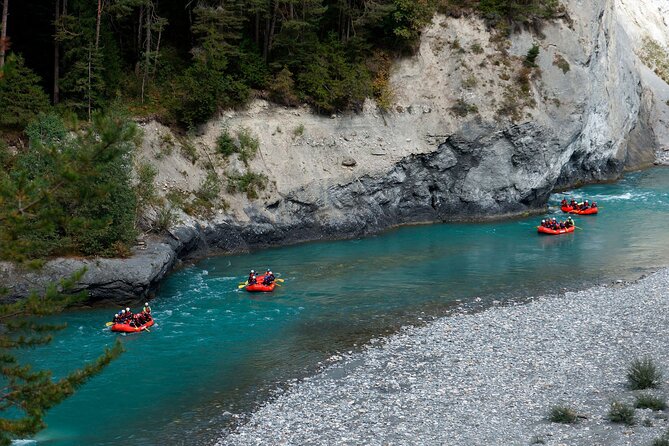
After lunch, the focus shifts from wheels to water. Rafting takes place on the river system formed where the Salkantay and Urubamba rivers join the Vilcanota. The rapids are Class III and IV, so this is not a gentle float. It is a serious recreational rafting session, conducted as part of the organized program.
You finish in Santa María at a tourist lodge. This first day combines high altitude, a long vehicle transfer, biking, rafting, and a lodge stay. It is exciting, but it is also the day most likely to leave you tired.
Day 2: Jungle paths, Cocalmayo hot springs, and the capsule
Day 2 begins on foot, with a two-hour uphill stretch toward Santa Teresa. The route passes through thick vegetation, with views toward Salkantay Mountain and the Santa Teresa Valley. The guide explains local plants and animals during rest stops, which helps turn the walk into more than a fitness test.
The trail runs more than 1,000 meters above the river in places. That height adds drama to the views, but it also means you should pay attention to your footing and keep your own pace. The trip is not sold as an easy walk, and the stated moderate fitness requirement is worth taking seriously.
After the uphill section, you descend along an Inca Trail to Quellomayo. Lunch is served beside the river, followed by a short break. This is a welcome rhythm: work hard on the climb, eat near the water, then continue after your legs have had time to recover.
The final walk takes about two more hours and leads to the Cocalmayo hot springs. The springs offer a natural pause before the night’s unusual accommodation. Admission is included, so you do not need to budget a separate entry fee for this stop.
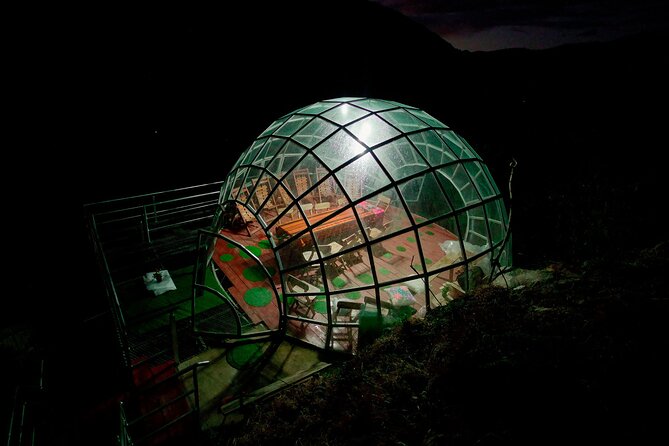
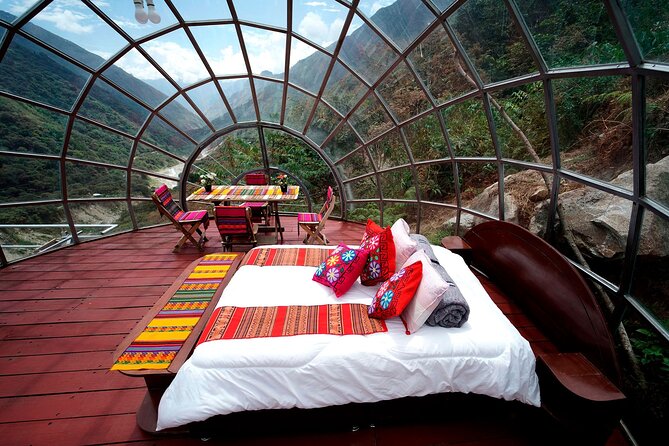
The capsule hotel in Santa Teresa is the trip’s signature feature. The glass domes hang from the mountainside more than 500 meters above the river. Inside, you have modern comforts and a clear view outward. On a clear night, you may be able to watch the Milky Way from bed.
That sounds glamorous, but a glass room on a cliff is not for everyone. If you dislike heights or want a conventional hotel room, this will be the wrong kind of novelty. For people who enjoy unusual accommodation, it may be the most memorable night of the trip. The view, the quiet, and the feeling of sleeping above the valley give the journey a strong sense of occasion.
The schedule places the capsule stay on the second night, followed by breakfast at the Capsule Dome Restaurant on Day 3. Confirm the final room arrangement when you book, especially if the exact order of the Santa Teresa activities matters to you.
Day 3: Suspension bridge, zip line, and the walk to Aguas Calientes
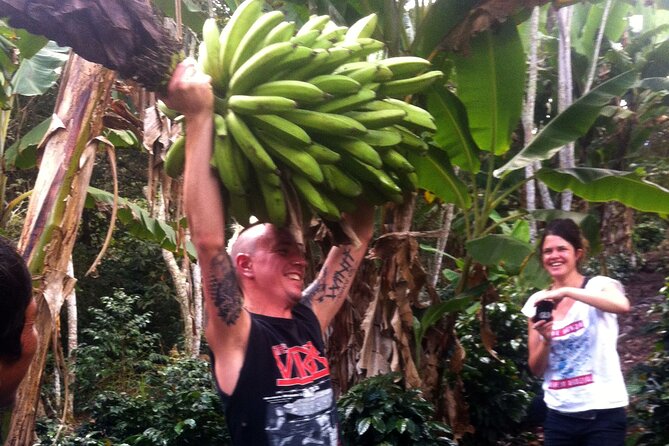
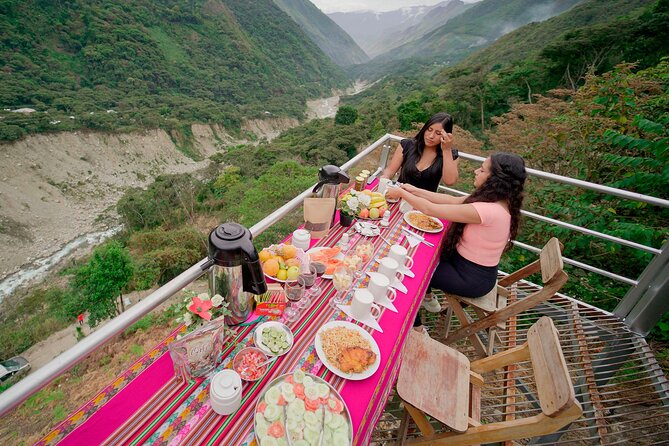
Breakfast is served on the restaurant terrace at the capsule property. It is included, as are the other listed breakfasts after the first morning.
The morning’s activities begin with a Tibetan suspension bridge more than 150 meters long and about 200 meters above the ground. You then continue with zip lining or a canopy course under the supervision of mountain guides. Specialized instructors are assigned to the activities, and safety information is provided before each one.
This is the most concentrated adventure section of the trip. If you enjoy active travel, it gives the day a strong sense of purpose. If you are uneasy with heights, you should consider that both the capsule and the bridge involve exposure, not just a short ride or a mild viewing platform.
Transportation takes you from the activity area to the Hydroelectric Station, a journey of about one hour. You arrive around noon for lunch. From there, you walk for approximately three hours along the route to Aguas Calientes, arriving around 5:30 p.m.
This walk is one of the practical compromises of the tour. It saves you from taking the train for this section and lets you approach Machu Picchu on foot. At the same time, three hours after two days of exertion is no small task. Comfortable walking shoes, water, sun protection, and a willingness to keep moving will make the afternoon easier.
Dinner and a comfortable accommodation in Aguas Calientes follow. Three breakfasts, three lunches, and three dinners are included overall, but the final day’s lunch and dinner are not. That distinction is easy to miss when comparing prices, so plan for those last meals yourself.
Other ways to reach Machu Picchu:
- Classic Inca Trail Trek 4D/3N to Machu Picchu (Group Service)
★ 5.0 · 8,653 reviews - Machu Picchu: 4-Day Inca Trail Trek with Panoramic Train Ride
★ 5.0 · 4,568 reviews - Short Inca Trail to Machu Picchu 2D/1N
★ 5.0 · 3,007 reviews - 2-Day Inca Trail to Machu Picchu with Panoramic Train
★ 5.0 · 1,876 reviews
Day 4: Machu Picchu at sunrise
The final morning starts early for Machu Picchu. The aim is to see sunrise over the citadel, though actual conditions can vary with clouds and weather. The early start also gives you the best chance of enjoying the site before the day feels fully underway.
A guide accompanies you for an approximately two-hour tour. That guidance matters at Machu Picchu. The site is much more meaningful when you understand how its buildings, terraces, and setting fit together. You should also make sure your booking includes the correct Machu Picchu entry arrangements, since the supplied information confirms the guided visit but does not specify the exact circuit or ticket type.
After the visit, you descend to Aguas Calientes and return to Cusco. The description does not give the exact return transport, departure time, or arrival time, so ask for those details before you pay. A long return can make Day 4 feel extended, especially after the early start.
What the $750 price includes
At $750 per person, this is not a budget walk. The price makes more sense when you consider how many separate components are bundled together:
- A bilingual professional guide
- Hotel pickup
- Biking equipment
- Rafting
- Zip line or canopy activity
- Three breakfasts
- Three lunches
- Three dinners
- Lodging during the route, including the capsule stay
- A guided visit to Machu Picchu
You are paying for a private activity, so only your own group participates. That can be valuable here. Biking, rafting, and hiking all work better when the guide can pay close attention to your group’s pace and comfort. It may also give you more room to ask questions about plants, local farms, and the archaeological sites.
The value is strongest for someone who would otherwise book each adventure separately. If you only want a Machu Picchu ticket and a simple hotel, the price will feel high. If you want transport, accommodation, meals, several activities, and a guide handled in one package, the cost is easier to justify.
The first breakfast and final-day lunch and dinner are excluded. The cancellation terms allow a full refund if you cancel at least three full days before the start time. Changes or cancellations inside that window are not accepted for a refund.
Fitness, safety, and comfort
You should have a moderate level of physical fitness. The trip includes a sustained uphill hike, a long descent, a three-hour walk to Aguas Calientes, and multiple activities that require balance and focus.
Altitude is part of the opening day. Málaga Pass reaches 4,500 meters, even though much of the later route descends into warmer jungle country. The change in climate and elevation is one reason the trip feels varied, but it can also make the first day demanding.
The adventure activities are supervised by guides and specialized instructors. That is reassuring, but it does not turn the rafting, bridge, zip line, or biking into passive sightseeing. Follow the instructions, tell the guide if you are uncomfortable, and do not treat the schedule as a race.
Capsule comfort is another personal issue. The domes have modern comforts, but they are designed around views and height. You may find the clear walls peaceful and special, or you may spend the night thinking about the drop. Know your own reaction to heights before booking.
Small details that improve the experience
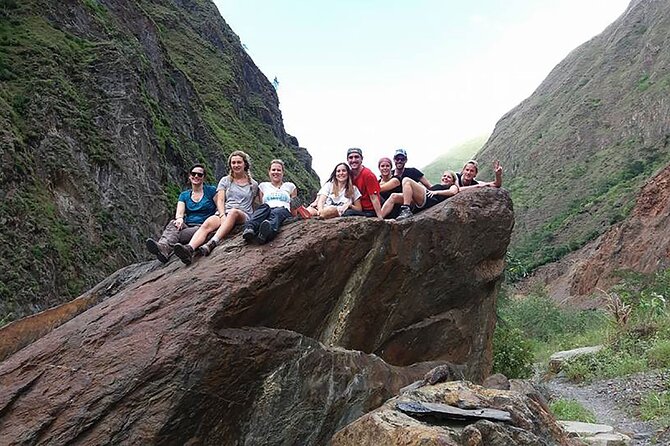
I would confirm these points before departure:
- The exact pickup time, since the information gives both 4:30 a.m. and 7:00 a.m.
- The precise capsule night and room setup
- The Machu Picchu ticket circuit and entry time
- The transport arrangements from Aguas Calientes back to Cusco
- What personal items you can take on the biking, rafting, and zip line portions
- How much luggage can remain with the vehicle during the walks
Pack light for the active days. You will be happier carrying only what you need for the capsule and Aguas Calientes rather than hauling a large bag along the trail.
The route is offered in English, and the guide is bilingual. The group is private, but the supplied information does not state a maximum number of people. Ask about group size if personalized attention is a major reason for choosing a private departure.
Who should book this four-day route?
I would recommend it to you if you want Machu Picchu wrapped inside an active trip rather than treated as a single sightseeing stop. It suits people who like trying several forms of transport, enjoy unusual lodging, and want time in the countryside around Santa Teresa.
It is also a good option if the classic Inca Trail is not your priority. You still get an archaeological setting at Huamanmarca and a guided visit to Machu Picchu, but the main character of the route is adventure, not a long historic stone-path trek.
I would think twice if you want a slow schedule, dislike heights, or prefer predictable hotel nights. The high pass, rafting rapids, suspension bridge, capsule, and long walks make this a full program. It is not the gentle option.
Should you book the Inca Jungle Trail with capsule?
Book it if the capsule is a genuine dream and you want more than a direct ride to Machu Picchu. The combination of biking, rafting, jungle walking, hot springs, zip lining, and local stops gives you a memorable route with plenty of variety.
Skip it if you mainly want an easy Machu Picchu visit or a traditional Inca Trail experience. At $750, the value depends on using the whole package. For an active person who wants guided logistics and a private group, it is a strong choice. For a relaxed sightseeing trip, the pace may wear you down before the final morning.
FAQ
How long is the Inca Jungle Trail with capsule and Machu Picchu?
The experience lasts approximately four days.
Where does the tour begin?
The tour begins in Cusco, Peru, with pickup offered from your hotel.
What time does pickup take place?
The itinerary gives a 7:00 a.m. hotel pickup, while the meeting details list a 4:30 a.m. start time. Confirm the exact pickup time with the provider before departure.
Is the tour offered in English?
Yes. The experience includes a professional bilingual guide and is offered in English.
Is this a private tour?
Yes. Only your group participates in the private activity.
What activities are included?
The tour includes downhill biking, rafting, zip lining or a canopy course, hiking, and a guided visit to Machu Picchu.
How difficult is the tour?
A moderate level of physical fitness is required. The route includes uphill and downhill hiking, a three-hour walk to Aguas Calientes, biking, rafting, a suspension bridge, and zip lining.
Where do you sleep in the capsule?
The capsule accommodation is in Santa Teresa, suspended on a mountainside more than 500 meters above the river.
Are meals included?
Three breakfasts, three lunches, and three dinners are included. Your first breakfast and your final-day lunch and dinner are not included.
Can I cancel for a full refund?
Yes, if you cancel at least three full days before the experience start time. Cancellations or changes made less than three full days before the start time are not accepted for a refund.
Added recently around Cusco
- Super valley or vip valley★ 5.0 · 13 reviews
- the Incas’ Sacred Valley★ 5.0 · 27 reviews
- Sacred Valley of the Incas Day Trip from Cusco★ 5.0 · 6 reviews
- Excursion to the Sacred Valley of the Incas from Cusco★ 5.0 · 8 reviews
- Maras + Moray & Textile Experience★ 5.0 · 14 reviews
- Small-Group Tour: Rainbow Mountains Hiking from Cusco★ 4.0 · 5 reviews
- Tour EN Cuatrimoto POR la Montaña 7 Colors Hike 5 Minutes★ 4.5 · 32 reviews
- rainbow mountain★ 4.0 · 4 reviews
Machu Picchu Tours, compared.
Classic Inca Trail Trek 4D/3N to Machu Picchu (Group Service)
Read our review →
Machu Picchu: 4-Day Inca Trail Trek with Panoramic Train Ride
Read our review →
2-Day Inca Trail to Machu Picchu with Panoramic Train
Read our review →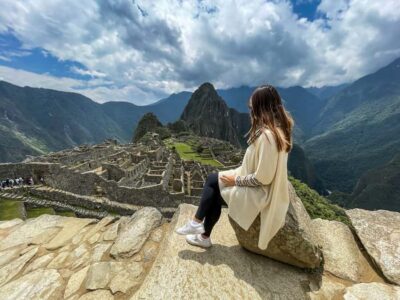
2-Day Tour: Sacred Valley and Machu Picchu by Train
Read our review →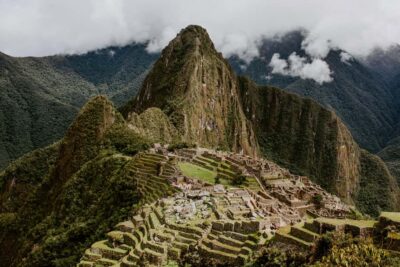
Machu Picchu: Full-Day Tour from Cusco with Optional Lunch
Read our review →Browse the lists this tour appears in