
Reviewed · MACHU PICCHU TOURS
4 Days Inca Jungle to Machu Picchu Standard
Machu Picchu is only part of the adventure. This four-day route reaches the citadel by way of mountain biking, jungle trails, hot springs, farms, rivers, and small towns, giving you a more active alternative to taking the train or walking the classic Inca Trail. I especially like the mix of activities and the chance to see coffee, cocoa, fruit trees, and rural communities along the way. The small maximum group of 15 also leaves room for a friendly, flexible trip.
The main drawback is that the headline price of $455 does not include rafting, ziplining, the Machu Picchu bus, or optional mountain hikes. I also would not call this an easy holiday. You need a moderate level of fitness, and the schedules, rooms, and extra costs have not always been handled perfectly. Pack light, carry bug spray, and get every payment and room detail clear before departure.
In This Review
- Key points to know before booking
- What the $455 price really buys you
- Day one: Abra Málaga to the jungle by bike and river
- Day two: Coffee farms, Inca Carcel, and Cocalmayo
- Day three: Zipline choice and the long walk to Aguas Calientes
- Day four: Reaching Machu Picchu before the crowds
- Guides, group size, and organization
- Fitness, clothing, and what to pack
- Who should choose this route?
- Should you book the Inca Jungle Standard tour?
- FAQ
- How long is the Inca Jungle to Machu Picchu tour?
- What is the group size?
- What activities are included?
- Is rafting included in the $455 price?
- Is ziplining included?
- Is the bus from Aguas Calientes to Machu Picchu included?
- What lodging is provided?
- Are meals included?
- Can I stay an extra night in Aguas Calientes?
Key points to know before booking
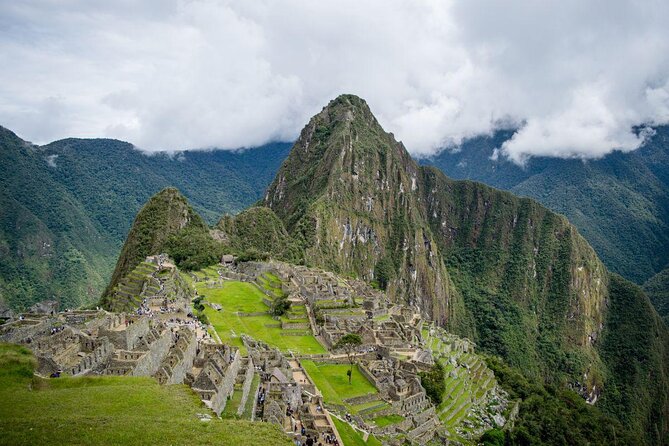
- Three active ways to reach Machu Picchu: Bike from Abra Málaga, walk through the high forest, and hike beside waterfalls and farms toward Aguas Calientes.
- High starting point, hot finish: Day one begins near Abra Málaga at 4,350 meters, then drops into warmer jungle country.
- Cocalmayo is a real highlight: The hot springs near Santa Teresa offer a welcome soak after a long mountain walk.
- The final approach is on foot: Day three includes about three hours from the hydroelectric station to Aguas Calientes, and the return also includes a two-hour walk.
- Basic lodging is part of the deal: Expect shared or simple hostel rooms, with private bathrooms and hot water in Aguas Calientes.
- Budget for extras: Rafting, ziplining, the bus up to Machu Picchu, hot springs, and Huayna Picchu or Machu Picchu Mountain cost extra.
What the $455 price really buys you
At $455 per person, this is not a simple Machu Picchu transfer. The fee covers four days of transport, a bilingual guide, mountain bikes, helmets, gloves, three nights of lodging, meals listed in the package, and the guided visit to Machu Picchu.
You also receive a pre-trip briefing, hotel pickup, first-aid equipment, and transportation between the main sections of the route. Breakfast is provided four times, with three lunches and three dinners included. That is a fair amount of service for the price, particularly if you value an active route and a guide who manages the group.
Still, compare the headline cost with the final bill. Rafting and ziplining are not included, despite being central to the tour’s promotional appeal. The Machu Picchu shuttle bus is also extra, and the listed price does not cover lunch or dinner on the final day.
There is another value question. One evaluation said the same itinerary could be booked directly with Conde Travel for about half the price. I cannot verify that comparison for every departure, but it is worth checking the direct rate before paying. Ask for a written list of included activities, room types, transport, and optional charges.
Longer treks from Cusco:
- Salkantay Classic Trek 5 Days from Cusco
★ 5.0 · 4,062 reviews - 4-Day Salkantay Trek with Sky Camp Stay
★ 5.0 · 3,346 reviews - Salkantay Trek 5D/4N with Glass Cabins, Domes and Hobbit House
★ 5.0 · 2,488 reviews
Day one: Abra Málaga to the jungle by bike and river
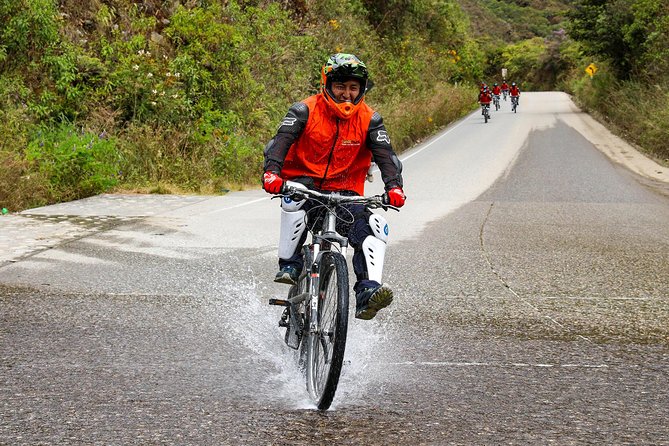
The early start is 5:00 a.m., so prepare for a serious morning. From Cusco, transport heads through villages and high mountain scenery toward Abra Málaga, which reaches 4,350 meters above sea level.
This is a dramatic change in climate and altitude. You begin in cold, high country, then ride downhill toward warmer forest. The mountain bike section takes about three hours and passes rural villages, rivers, orchards, and streams. That long descent is the day’s main thrill, but you should be comfortable on a bicycle and ready for a full day outdoors.
The route eventually reaches Huamanmarca, where you may buy water and snacks. Bring cash and do not count on finding every item you need along the way. From there, the group continues toward Huyro for lunch.
After lunch, a private bus takes the group to Santa María for rafting. The rafting activity is optional in the practical sense because it costs extra. Check the price before departure, since this is one of the tour’s most important add-ons.
After rafting, the group returns toward Huyro and the first night’s accommodation is listed as Conde Ecolodge in Pispitayoc, in a shared room. The wording around the exact overnight location is not perfectly clear, so confirm where you will sleep during the briefing.
This first day packs a lot into one schedule: high-altitude transport, a long bike descent, lunch, a bus transfer, and rafting. It is exciting, but it is not leisurely. A light jacket, sunscreen, water, gloves, and a small daypack will help. You can expect heat and insects once the road drops into the jungle.
Day two: Coffee farms, Inca Carcel, and Cocalmayo
Day two shifts from wheels to walking. After breakfast, transport takes you to Pasto Grande, where a roughly four-hour hike begins through high forest.
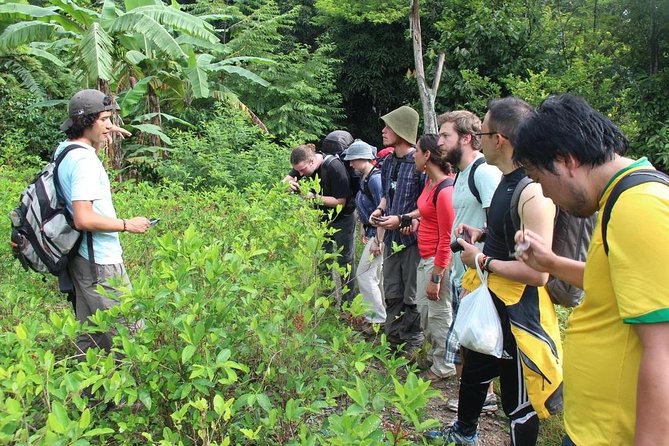
This is one of the best sections for people who want more than a quick route to Machu Picchu. The trail passes small coffee and cocoa plantations, fruit trees, orchids, birds, and other plants. The setting gives you a close look at how food is grown in the region, rather than showing you only famous archaeological sites.
The route reaches Inca Carcel, an archaeological center connected with punishment in Inca society. Your guide explains the site and gives the group time to rest. That stop matters because the hike has already taken several hours, and the trail continues afterward.
Lunch comes at the community of Pumachaca. The meal is described as nutritious and based around fruit and tubers. Food is included, but dietary needs may be difficult to manage in remote areas. One vegetarian participant found that meat-free choices were not always available because meals were prepared by local families using food from their farms. If you have dietary restrictions, tell the company well before departure and bring backup snacks.
After lunch, the trail continues toward Cocalmayo. The hot springs are a well-timed reward, giving tired legs a chance to recover before the final transfer to Santa Teresa.
Admission to the hot springs is not fully covered in the package. The information says payment can be made on site, so carry money. You can also buy a beer there if you want a cold drink after the hike.
The night is in a Santa Teresa hostel with Wi-Fi and hot water. That sounds simple, and it is. You are paying for a practical place to sleep, not a polished resort. Past participants have described the lodging and meals as basic but comfortable, which is the right expectation.
Day three: Zipline choice and the long walk to Aguas Calientes
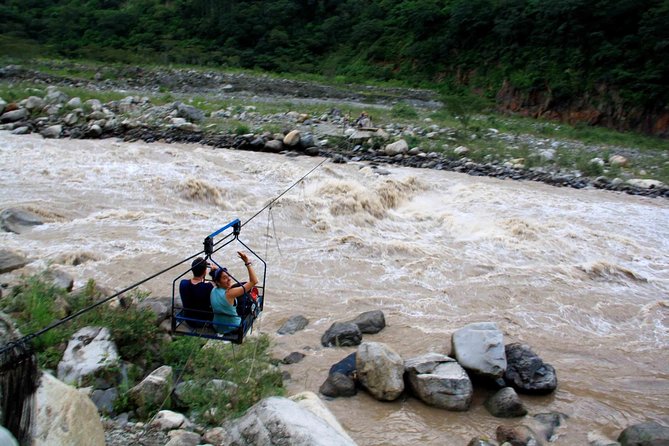
The third day gives you a choice. If you reserve and pay for the zipline in advance, you take part in that activity from Santa Teresa and then ride by bus to the hydroelectric station. If you skip the zipline, you walk for about three hours to meet the group at the same point.
The zipline is another extra cost. Ask exactly what is included in the zipline package, and do not assume the tour price covers it. This is especially important because several activities are presented as trip highlights but are billed separately.
Everyone reunites at the hydroelectric station for lunch. After a break, you walk for about three hours to Aguas Calientes. The trail passes waterfalls, coca farms, and coffee farms before reaching the town around 4:00 p.m.
This is a scenic and satisfying way to arrive, but it is still a long day. You have already spent two days biking and hiking, so good footwear matters. The trail is not presented as highly technical, yet the distance and accumulated fatigue can make it feel demanding.
The Aguas Calientes hostel includes a private bathroom and hot water. In the evening, the group meets for dinner and a briefing about Machu Picchu. This is the time to confirm the morning meeting plan, the route uphill, and the way back to the hydroelectric station.
A useful tip is to keep your day-four clothes and essentials in a small pack. Do not carry your entire luggage on the trail if you can avoid it. A headlamp is also sensible, especially with an early start and a steep walking route.
Other ways to reach Machu Picchu:
- Classic Inca Trail Trek 4D/3N to Machu Picchu (Group Service)
★ 5.0 · 8,653 reviews - Machu Picchu: 4-Day Inca Trail Trek with Panoramic Train Ride
★ 5.0 · 4,568 reviews - Short Inca Trail to Machu Picchu 2D/1N
★ 5.0 · 3,007 reviews - 2-Day Inca Trail to Machu Picchu with Panoramic Train
★ 5.0 · 1,876 reviews
Day four: Reaching Machu Picchu before the crowds
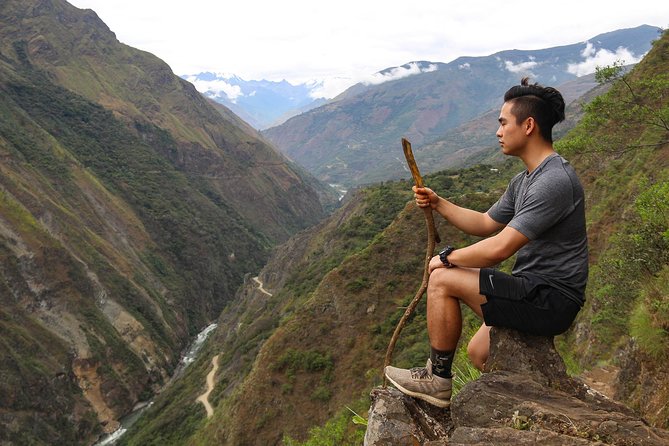
The final morning starts early. You walk uphill from Aguas Calientes through high forest, with the possibility of seeing sunrise along the way.
The guide leads an approximately two-hour visit inside the Machu Picchu sanctuary. This guided time gives you the basic orientation and historical explanation you need before exploring on your own. Afterward, you have free time to enjoy the site independently.
The tour includes admission to Machu Picchu, but not the bus from Aguas Calientes to the entrance. You can walk up, which fits the active spirit of the trip, or pay for the bus if you want to save energy for the ruins.
The information provided does not promise entry to Huayna Picchu or Machu Picchu Mountain. Those require separate tickets and are not included. If you want one of those climbs, check availability before booking the main tour. One booking problem involved a prepaid Huayna Picchu excursion that was no longer available, with a harder alternative offered instead. Get confirmation in writing for any extra mountain ticket.
After your visit, the standard return involves walking about two hours from Aguas Calientes to the hydroelectric station. A bus is scheduled to leave at 3:00 p.m. for Cusco, with arrival around 9:00 p.m.
That final transfer is long. You will have little room for a relaxed dinner, and food on the last day is not included. Bring snacks and keep your water bottle filled. If you want more time around Machu Picchu, you can pay $30 extra for another night in Aguas Calientes and return the next day. This may be useful if you plan to climb Huayna Picchu or Machu Picchu Mountain.
Guides, group size, and organization
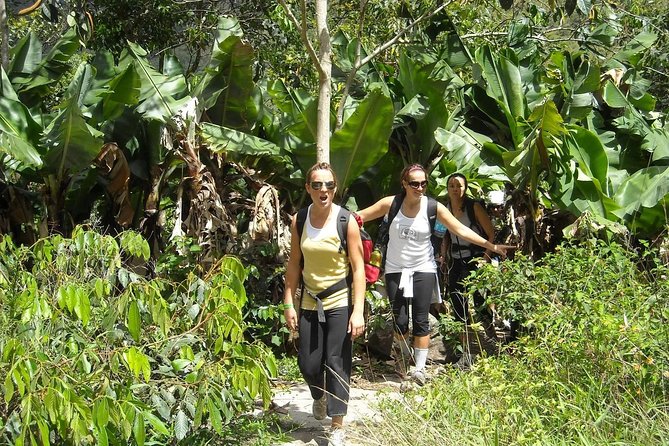
The tour uses a private bilingual professional guide, and the group limit is 15 people. That is a useful size for a route with bikes, meals, transfers, and several activity choices.
Guide quality can shape this trip. Jonathan was praised for good organization, and Carlitos was described as attentive and careful with the group. Other strong experiences included guides who spoke very good English, kept a pace suitable for different abilities, and made participants feel safe.
The group dynamic can also help. One successful departure had eight participants plus a guide, which was large enough for social energy but small enough to remain flexible. The mix of ages worked well too, including people in their sixties and younger adults.
Organization has been less consistent than the scenery. Problems have included a delayed or improvised pre-trip meeting, a pickup one hour late, unclear explanations about extra costs, and room arrangements that differed from what had been promised. One serious complaint involved the company not showing up for a scheduled departure.
I would not ignore those warnings. Attend the briefing, ask direct questions, and confirm pickup time, sleeping arrangements, activity prices, and Machu Picchu tickets. The best departures appear to depend on both the individual guide and the local coordination.
Fitness, clothing, and what to pack
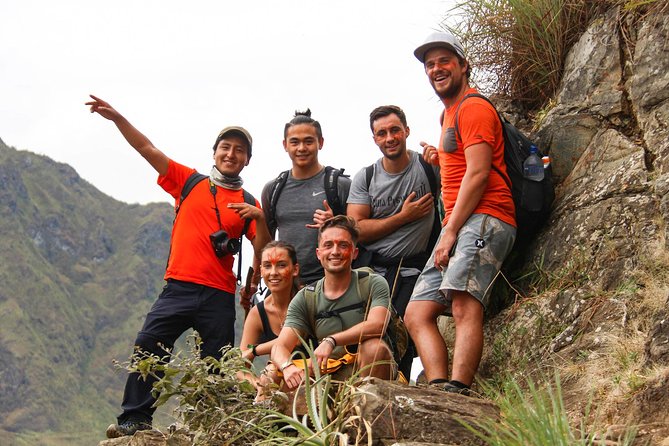
You need moderate physical fitness. The trip includes a three-hour bike ride, a four-hour forest hike, a three-hour walk to the hydroelectric station, another three-hour walk to Aguas Calientes, and an uphill approach to Machu Picchu.
The route is active but does not require the same commitment as the full classic Inca Trail. Still, sitting around during scheduled breaks can be frustrating if you expect nonstop walking. One participant felt there was more waiting than expected, while others found the pace comfortable.
Pack the basics:
- Small backpack
- Comfortable walking shoes
- Swimwear for Cocalmayo
- Flip-flops
- Bug spray
- Sunscreen
- Light jacket
- Headlamp
- Water bottle
- Snacks and personal-care items
Keep your load small. You will carry your things over several walking sections, and a heavy pack will make the route less pleasant. Wi-Fi may be unavailable for much of the trip, so plan to be offline.
The temperature changes quickly from the high pass to the warm jungle. Layers are more useful than one heavy coat. Gloves and a helmet are supplied for the bike ride, but ask what happens if you prefer different personal gear.
Who should choose this route?
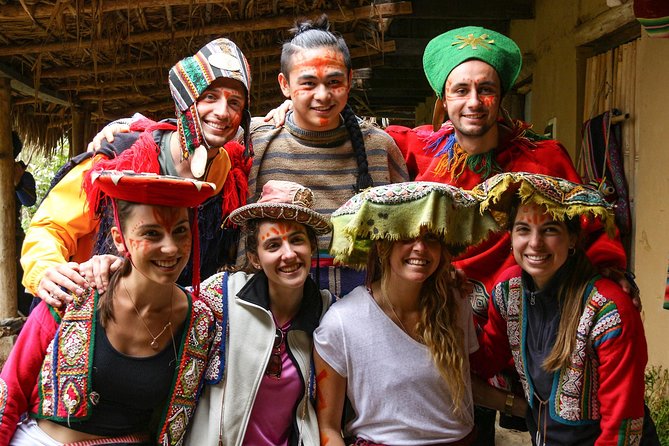
I would recommend it to you if you want Machu Picchu paired with outdoor activity and rural scenery. It suits people who like variety: biking one day, hiking the next, soaking in hot springs, and walking into Aguas Calientes instead of riding in by train.
It also works well for mixed-age groups with different abilities, provided everyone can manage long active days. The guides have kept groups together at a reasonable pace, and the group size is not unwieldy.
I would hesitate if you want polished hotels, perfectly fixed schedules, or a trip with no surprise charges. This is a budget adventure with simple rooms and local logistics. You should also think twice if you dislike insects, heat, early starts, or walking several hours after already spending days on the trail.
Should you book the Inca Jungle Standard tour?
Book it if the route matters as much as the destination. The bike descent from Abra Málaga, forest farms, Inca Carcel, Cocalmayo, waterfalls, and the approach from the hydroelectric station give you a fuller sense of the region than a quick train ride.
Before you pay, confirm the exact total cost. Ask about rafting, ziplining, hot springs, the Machu Picchu bus, room arrangements, Huayna Picchu tickets, and the return schedule. Also compare the direct price with Conde Travel, since one past booking was reportedly much more expensive through an intermediary.
For $455, the tour can be good value when the transport, guide, meals, and activities are coordinated well. It is not the right choice for a carefree luxury stay, but it can be a memorable, active route to one of Peru’s great sights.
FAQ
How long is the Inca Jungle to Machu Picchu tour?
The tour lasts approximately four days, beginning with a 5:00 a.m. departure from Cusco and ending with a return to Cusco around 9:00 p.m. on day four.
What is the group size?
The tour has a maximum of 15 participants.
What activities are included?
Mountain bikes, helmets, and gloves are included. Hiking is part of the route, while rafting and ziplining cost extra.
Is rafting included in the $455 price?
No. Rafting is listed as an additional cost.
Is ziplining included?
No. Ziplining is available for participants who reserve it in advance and pay separately.
Is the bus from Aguas Calientes to Machu Picchu included?
No. The bus from Aguas Calientes to Machu Picchu costs extra. You may walk up instead.
What lodging is provided?
The package includes one night at Conde Ecolodge in Pispitayoc in a shared room, one night in a Santa Teresa hostel with Wi-Fi and hot water, and one night in an Aguas Calientes hostel with private bathrooms and hot water.
Are meals included?
Four breakfasts, three lunches, and three dinners are included. Lunch and dinner on the final day are not included.
Can I stay an extra night in Aguas Calientes?
Yes. You can spend one additional night in Machu Picchu town for an extra $30 and return the following day.
Added recently around Cusco
- Guided tour of the mountain of colors in Cusco★ 5.0 · 11 reviews
- 2-Day Private Short Inca Trail to Machu Picchu★ 5.0 · 15 reviews
- City Tour Cusco – Group★ 5.0 · 4 reviews
- Tour Sacred Valley with Maras and Moray★ 5.0 · 15 reviews
- San Pedro Market Tour with Peruvian Cooking Class★ 5.0 · 31 reviews
- Walking Culinary Experience★ 5.0 · 41 reviews
- City Tour in Cusco★ 4.5 · 10 reviews
- One Day Tour to Humantay Lagoon★ 5.0 · 8 reviews
Machu Picchu Tours, compared.
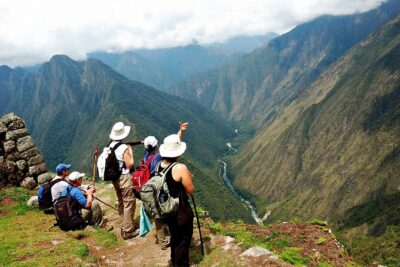
Classic Inca Trail Trek 4D/3N to Machu Picchu (Group Service)
Read our review →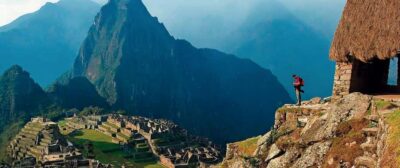
Machu Picchu: 4-Day Inca Trail Trek with Panoramic Train Ride
Read our review →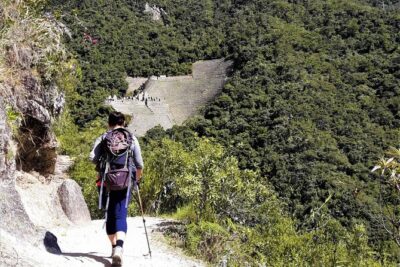
2-Day Inca Trail to Machu Picchu with Panoramic Train
Read our review →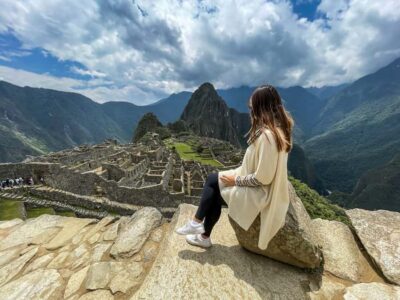
2-Day Tour: Sacred Valley and Machu Picchu by Train
Read our review →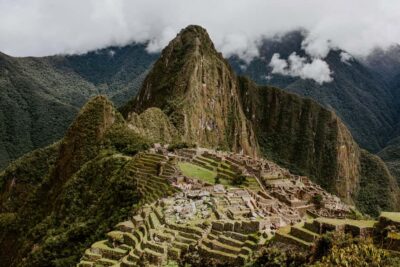
Machu Picchu: Full-Day Tour from Cusco with Optional Lunch
Read our review →Browse the lists this tour appears in