
Reviewed · INCA TRAIL TOURS
4 Days of Tour and Adventure along the Inca Trail
The Inca Trail rewards steady legs. This four-day trek from Cusco to Machu Picchu combines high mountain passes, Inca ruins, guided camping, and a train ride home for $900 per person. I like the clear route, the small group size of no more than 10 people, and the fact that permits, camps, meals, porters, and Machu Picchu entry are bundled together. The main concern is the demanding second day, plus a strict non-refundable policy and one reported last-minute cancellation that caused serious disruption.
I also like the human side of the operation. Guides including Percy and Persy have been praised for being attentive, friendly, and informative, while the wider Trip Alpaca team has earned strong marks for keeping in touch and handling transport. Still, you need strong physical fitness, sensible packing, and a firm backup plan before committing to this hike.
In This Review
- Key points before you reserve
- Why this Inca Trail route is worth four days
- Day 1: From Cusco to Km 82 and Yuncachimpa
- Day 2: Conquering Dead Woman’s Pass at 4,200 meters
- Day 3: Ruins, orchids, and the cloud forest
- Day 4: Entering Machu Picchu through the Sun Gate
- Guides, group size, and the style of service
- What the $900 price includes, and what it does not
- Who should book this trek?
- Final call: a strong trek with real conditions
- FAQ
- Where does the tour start?
- How long is the Inca Trail tour?
- How difficult is the trek?
- What is the highest point on the route?
- Are meals included?
- Is camping equipment provided?
- Are Huayna Picchu and Machu Picchu Mountain included?
- Can I cancel or change the booking?
Key points before you reserve
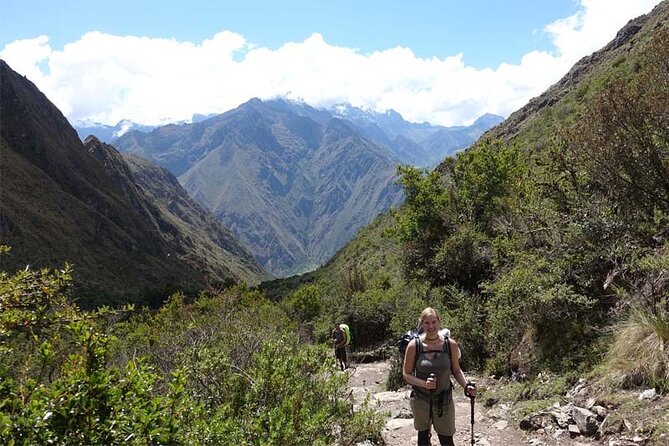
- The 4,200-meter Dead Woman’s Pass is the hardest test: Day 2 covers about 15 kilometers and takes roughly nine hours.
- Machu Picchu arrives on foot: You enter through Inti Punku, the Sun Gate, before touring the citadel with your guide.
- A small group keeps the trek personal: The maximum group size is 10 people.
- Most major costs are covered: Permits, tents, mats, three meals each day from Days 1 to 3, a group porter, and the return train are included.
- Optional mountain climbs need advance planning: Huayna Picchu or Machu Picchu Mountain costs an additional $35.
- The cancellation rules are strict: The booking is non-refundable and cannot be changed for any reason.
Why this Inca Trail route is worth four days
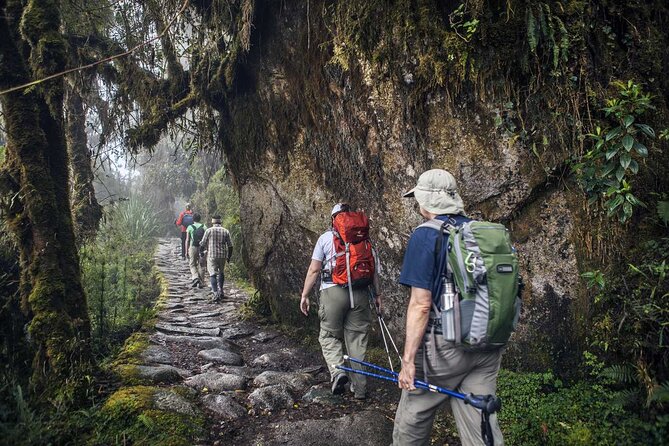
This is the classic way to reach Machu Picchu, and the route earns its reputation through variety. You begin near the Urubamba Valley, climb through dry Andean highlands, pass stone ruins hidden among steep ridges, and finish in subtropical forest before entering Machu Picchu through the Sun Gate.
I appreciate that the schedule does not reduce the trail to a quick photo stop. You have time to walk through several archaeological sites, sleep at three camps, and reach Machu Picchu as the final reward rather than as the only attraction.
The $900 price also covers the pieces that can quietly add up on an independent trek. You receive entry to the Inca Trail and Machu Picchu, camping equipment, meals, a group porter, the downhill bus from Machu Picchu to Aguas Calientes, and the train back toward Cusco.
That is a fair package if you value a handled trip. It is not the right choice if you want a cheap, flexible hike. The fixed permits, strict cancellation terms, and scheduled transport leave little room for last-minute changes.
Other Inca Trail departures:
- Classic Inca Trail Trek 4D/3N to Machu Picchu (Group Service)
★ 5.0 · 8,653 reviews - Machu Picchu: 4-Day Inca Trail Trek with Panoramic Train Ride
★ 5.0 · 4,568 reviews - Short Inca Trail to Machu Picchu 2D/1N
★ 5.0 · 3,007 reviews
Day 1: From Cusco to Km 82 and Yuncachimpa
The day starts early. Pickup from hotels in Cusco’s historic center is scheduled around 5:30 a.m., with the bus heading first to Ollantaytambo for breakfast. Breakfast on this first morning is not included, so budget for it separately.
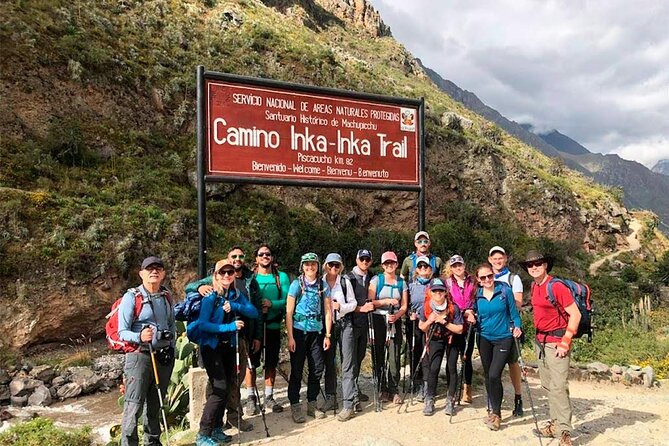
After breakfast, the group continues to Km 82, the official starting point of the Inca Trail. At the checkpoint, you must show your passport. If you are using a student permit, bring the required student identification as well.
This first day covers about 11 kilometers in approximately seven hours. The stated difficulty is moderate, which makes it a useful introduction to the pace, but do not mistake moderate for easy. You are walking at altitude, and the early start means you need to organize your clothing, water, and documents the night before.
The trail passes through Miskay, where lunch is served beside a small river. You also get a view toward the archaeological center of Llactapata, giving the first day an early reward beyond simple mountain scenery.
From there, the route crosses the Cusichaca Valley toward Wayllabamba, at about 3,100 meters, then continues upward to Yuncachimpa at approximately 3,300 meters. This is the first camp.
I like the rhythm of this opening day. You move from road travel to checkpoint formalities, then into quiet valleys and a camp that prepares you for the much harder climb ahead. The drawback is the long transfer before the walk even begins, followed by seven hours on your feet.
Day 2: Conquering Dead Woman’s Pass at 4,200 meters
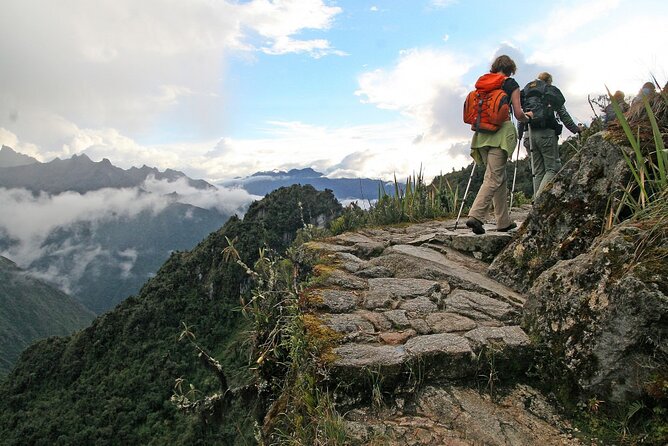
Day 2 is the heart of the trek and the part you must take seriously. After breakfast, you climb through the Llulluchapampa Valley for roughly three hours before tackling Warmihuañusca, better known as Dead Woman’s Pass.
At 4,200 meters, this is the highest point on the route. The trail is physically demanding, and the tour labels the day strong, with the pass described as a challenge to overcome. The full distance is about 15 kilometers, and the walking time is roughly nine hours.
The reward is a wide view of surrounding peaks and snow-covered mountains. At this height, the scenery feels earned. You may find the ascent slow and tiring, so the sensible approach is to keep a steady pace rather than treat the climb as a race.
After the pass comes a descent into the Pacaymayo Valley. That downhill section gives your lungs a break but can be hard on knees and thighs. The route then climbs again through Runkurakay Pass before reaching Chaquicocha, around 3,650 meters, where you camp.
This day is where personal porters and walking poles become useful. A personal porter is optional at $40 per day for up to 12 kilograms, while walking poles cost $15 to rent. Neither is included, but both can make a real difference if you are carrying more than a light daypack or if downhill walking troubles your knees.
If you are choosing this tour because of the price, remember that the included group porter is not the same as a personal porter. Pack carefully and confirm what your own group luggage arrangement will be before departure.
Day 3: Ruins, orchids, and the cloud forest
After the high point of Day 2, the third day feels calmer. The route descends toward the subtropical forest, and the scenery changes from open Andean slopes to thicker plant life.
The walk covers approximately 10 kilometers in about six hours. The listed difficulty is moderate, though tired legs from the previous day may make it feel tougher than the distance suggests.
This is the archaeology-rich day. You visit Runkurakay, Sayacmarca, Phuyupatamarka, and Wiñayhuayna. Phuyupatamarka means City Above the Clouds, and it sits at roughly 3,600 meters. Wiñayhuayna, or Forever Young, is lower at approximately 2,650 meters and serves as the final camp.
You also have a better chance to see orchids and birds as the trail drops into warmer, wetter vegetation. I like this change because the walk is not simply a long approach to Machu Picchu. Each section has its own plants, altitude, and ruins.
The final camp near Wiñayhuayna also sets up the last morning well. You are already close to the Sun Gate, so Day 4 does not require another full day of trail walking. It does, however, begin before dawn.
A few more Cusco trips worth lining up side by side
- Cusco: Rainbow Mountain and Red Valley Day Trip with Meals
★ 4.9 · 4,893 reviews - Salkantay Classic Trek 5 Days from Cusco
★ 5.0 · 4,062 reviews - 4-Day Salkantay Trek with Sky Camp Stay
★ 5.0 · 3,346 reviews - Excursion to Rainbow Mountain Full Day Optional Red Valley
★ 5.0 · 2,996 reviews
Day 4: Entering Machu Picchu through the Sun Gate
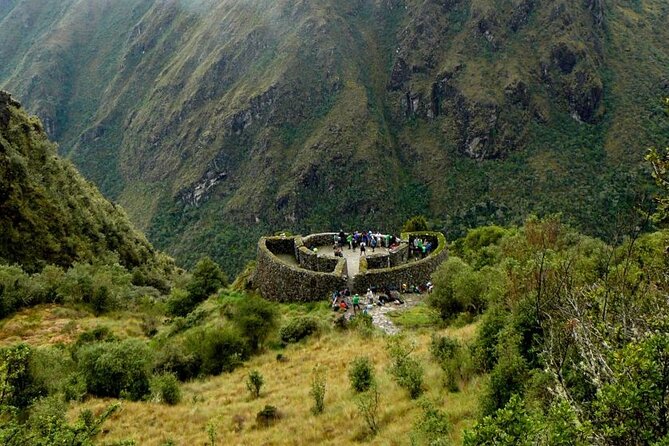
The final morning starts around 4:30 a.m. The group walks to Inti Punku, the Sun Gate, where you may see sunrise over Machu Picchu if the weather cooperates.
That weather note matters. Sunrise is never guaranteed, and cloud can cover the citadel. Even so, arriving at the site by foot gives the final approach a strong sense of place. You are not simply getting off a bus at the entrance. You have walked into the view.
Once inside Machu Picchu, you have time to tour the citadel with your guide. The entrance ticket is included, as is the downhill bus from Machu Picchu to Aguas Calientes after the visit.
Huayna Picchu and Machu Picchu Mountain are optional extras. Each requires advance reservation with the Inca Trail booking, and the additional cost is listed as $35. Do not assume you can decide on the day. If one of these climbs matters to you, arrange it when you reserve the main trek.
In Aguas Calientes, you have time for lunch and can visit the thermal baths. Lunch and dinner on this final day are not included, so keep money available for both. The return train forms the final part of the journey, with the trip back to Cusco taking about four hours.
That makes Day 4 a long day even though the main trail walking is shorter. You have a pre-dawn start, the Machu Picchu visit, the descent to town, and a train journey. Plan to be tired, pleased, and ready for a shower.
Guides, group size, and the style of service
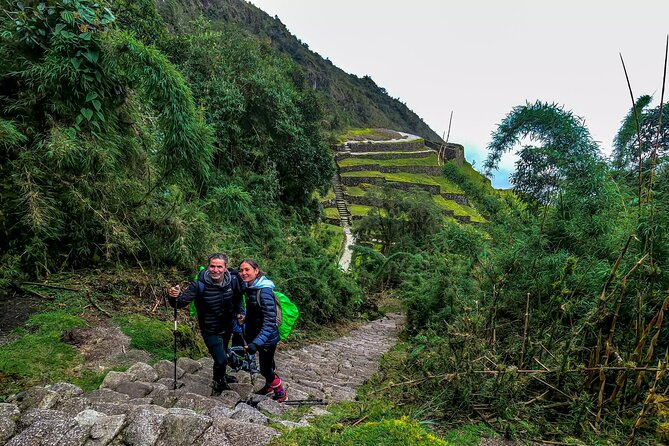
The maximum group size is 10, which is a useful limit on a narrow, busy trail. A smaller group can make it easier to hear the guide, keep a shared pace, and handle questions without turning the hike into a moving crowd.
Percy and Persy receive especially warm praise for their friendly manner, organization, and explanations. One account also singles out driver Fortunato and Katherine for attentive service. The wider Trip Alpaca team has been described as responsive, with regular messages and close attention to transport and schedule details.
Those comments suggest a service style built around frequent contact. That can be comforting if you are visiting Peru for the first time or arranging a complicated international holiday.
Still, service quality cannot remove the physical demands of the trail. A friendly guide does not make 4,200 meters feel low, and good scheduling does not change the early starts. You should choose this trip for the walking as much as for the support.
The overall rating is 4.7 from 15 ratings, with 93 percent of people recommending the experience. That is encouraging, though the sample is small. One serious complaint reports a cancellation email at 8:40 p.m. for a departure at 5 a.m. the following morning. The provider apologized and said the booking had been managed through a third-party platform, but the incident is still worth considering when you schedule flights and hotels around the trek.
What the $900 price includes, and what it does not
For four days, $900 per person is best viewed as a logistics package rather than simply a hiking fee. You are paying for permits, entry to Machu Picchu, a professional guide, round-trip transportation, camping gear, meals during the first three nights, porter support, and the train home.
Included services are:
- Pickup from a hotel in Cusco’s historic center
- Round-trip transportation
- Professional guide
- Inca Trail and Machu Picchu entrance tickets
- Tents and mats
- First aid supplies
- Group porter
- Bus from Machu Picchu to Aguas Calientes
- Return train
- Three breakfasts, three lunches, and three dinners
Extra expenses include your first breakfast, final-day lunch and dinner, a sleeping bag, walking poles, insurance, tips, and personal spending. A sleeping bag can be rented for $25, and walking poles cost $15.
A personal porter costs $40 per day and can carry up to 12 kilograms. That is worth considering if you want to keep your own pack light, but it is not necessary for every fit hiker.
The two mountain options cost extra and need early reservations. Add those costs before deciding if the package fits your budget.
Who should book this trek?
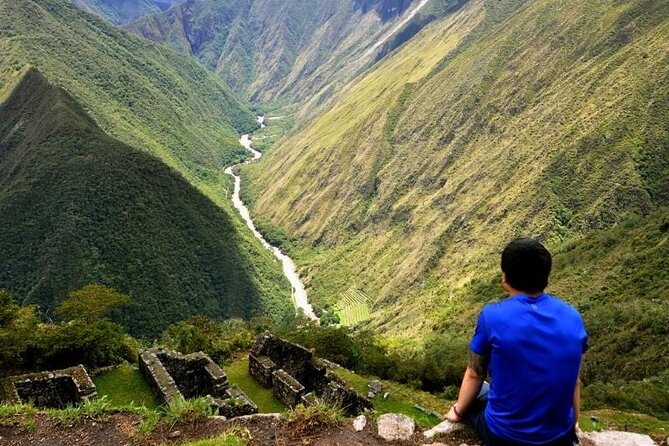
I would recommend this experience to someone who wants the classic Inca Trail in a managed small group and is comfortable with camping. It suits hikers who prefer having permits, meals, transport, and a guide organized in advance.
It is also a good match if you want more than Machu Picchu itself. The ruins of Runkurakay, Sayacmarca, Phuyupatamarka, and Wiñayhuayna give the route substance, while the changing altitude and vegetation keep the four days interesting.
I would hesitate to recommend it to anyone with limited hiking fitness. Day 2 is long, high, and steep, and the early start on Day 4 adds another layer of fatigue. This is not a gentle sightseeing tour with a short walk attached.
You should also think carefully about timing. Confirmation is sent within 48 hours of booking, subject to availability, but the booking cannot be refunded or changed. Given the reported late cancellation, avoid placing an important international flight immediately after the trek if you can help it.
Final call: a strong trek with real conditions
This four-day Inca Trail trip offers excellent coverage for its $900 price. I like the small group cap, the full route through several important ruins, the included permits and meals, and the practical train return. The warm service associated with guides such as Percy and Persy adds confidence.
The deal comes with conditions. You need good fitness, you must accept camping and very early mornings, and you should budget for equipment rentals, tips, insurance, final-day meals, and optional mountain permits.
Book it if you want a classic, physically serious route to Machu Picchu with most logistics handled. Skip it if you need flexible cancellation, dislike long mountain days, or want a relaxed visit built around buses and hotels. For the right hiker, this is a memorable way to make Machu Picchu the finish line, not the whole trip.
FAQ
Where does the tour start?
Pickup is available from hotels in Cusco’s historic center. The listed meeting point is Plaza Regocijo, Cusco 08002, with departures scheduled Monday through Friday between 5:30 a.m. and 7:00 a.m.
How long is the Inca Trail tour?
The experience lasts approximately four days. The walking times are about seven hours on Day 1, nine hours on Day 2, six hours on Day 3, and nine hours on Day 4, including the Machu Picchu visit and return arrangements.
How difficult is the trek?
The tour requires strong physical fitness. Day 1 and Day 3 are rated moderate, while Day 2 is rated strong because of the climb to Dead Woman’s Pass at 4,200 meters.
What is the highest point on the route?
The highest point is Warmihuañusca, or Dead Woman’s Pass, at approximately 4,200 meters above sea level.
Are meals included?
Breakfast, lunch, and dinner are included for the first three days. Breakfast on Day 1, plus lunch and dinner on the final day, are not included.
Is camping equipment provided?
Tents and mats are included. A sleeping bag is not included but can be rented for $25.
Are Huayna Picchu and Machu Picchu Mountain included?
No. Either mountain requires an advance reservation and costs an additional $35.
Can I cancel or change the booking?
No. The experience is non-refundable and cannot be changed for any reason. If poor weather causes the operator to cancel the tour, you will be offered another date or a full refund.
Added recently around Cusco
- Guided tour of the mountain of colors in Cusco★ 5.0 · 11 reviews
- 2-Day Private Short Inca Trail to Machu Picchu★ 5.0 · 15 reviews
- City Tour Cusco – Group★ 5.0 · 4 reviews
- Tour Sacred Valley with Maras and Moray★ 5.0 · 15 reviews
- San Pedro Market Tour with Peruvian Cooking Class★ 5.0 · 31 reviews
- City Tour in Cusco★ 4.5 · 10 reviews
- Walking Culinary Experience★ 5.0 · 41 reviews
- One Day Tour to Humantay Lagoon★ 5.0 · 8 reviews
Inca Trail Tours, compared.
Classic Inca Trail Trek 4D/3N to Machu Picchu (Group Service)
Read our review →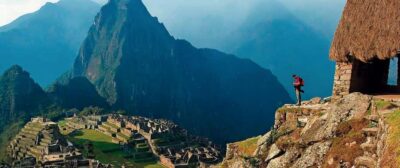
Machu Picchu: 4-Day Inca Trail Trek with Panoramic Train Ride
Read our review →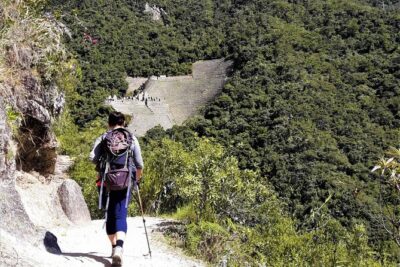
2-Day Inca Trail to Machu Picchu with Panoramic Train
Read our review →Inca Trail 4-Day 3-Night Trek to Machu Picchu with Expert Guides
Read our review →4-Day Inca Trail to Machu Picchu with Accommodation
Read our review →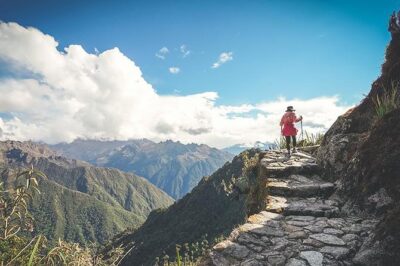
4-Day Trek to Machu Picchu Through the Inca Trail
Read our review →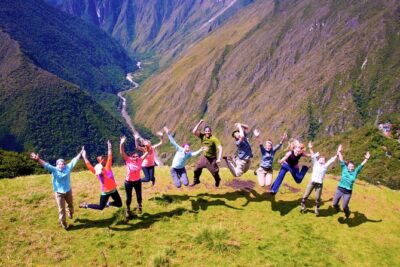
4 Day – Inca Trail to Machu Picchu – Group Service
Read our review →Browse the lists this tour appears in