
Reviewed · MACHU PICCHU TOURS
Inca Trail 4-Day 3-Night Trek to Machu Picchu with Expert Guides
The ancient trail earns every step. This four-day route combines expert-led Inca ruins with mountain scenery, jungle vegetation, and a memorable arrival at Machu Picchu through the Sun Gate. I especially like the small maximum group of 12 and the full support team, including a chef, porters, emergency oxygen, and satellite communication. The strong ratings, 5 out of 5 from 733 reviews, fit the praise for friendly staff, well-prepared food, and careful arrangements.
I also like that the price includes the Inca Trail permit, Machu Picchu entry, transport from Cusco, camping equipment, meals, and porter service for up to 7 kilograms. The main caution is physical difficulty: Day 2 takes about 10 hours and climbs to 4,215 meters, so this is not a casual walk in the hills. You should also confirm the exact pickup time, since the tour details list both 4:30 a.m. hotel pickup and a 12:30 a.m. start time.
In This Review
- Key points before you book
- What the $998 price really covers
- A very early start from Cusco to Km 82
- Day 1: Ollantaytambo, Llactapata, and Ayapata
- Day 2: Dead Woman’s Pass at 4,215 meters
- Day 3: Phuyupatamarka, Intipata, and Wiñaywayna
- Day 4: Entering Machu Picchu through the Sun Gate
- Food, water, and camp comfort
- Guide support and safety planning
- Who should choose this Inca Trail trek?
- Should you book AB Expeditions?
- FAQ
- How long is the Inca Trail tour?
- What is the highest point on the trek?
- What is the maximum group size?
- Is hotel pickup included?
- Are meals included?
- Is drinking water provided?
- Is a sleeping bag included?
- Is Huayna Picchu included?
- Can I cancel for a full refund?
Key points before you book
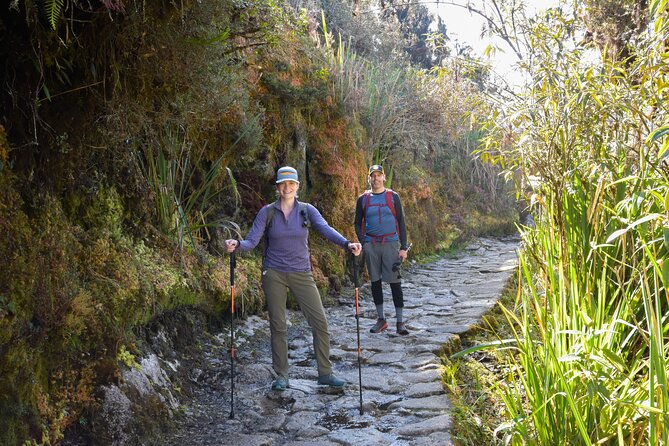
- Day 2 is the test: You climb to Dead Woman’s Pass at 4,215 meters, then cross a second pass before reaching camp.
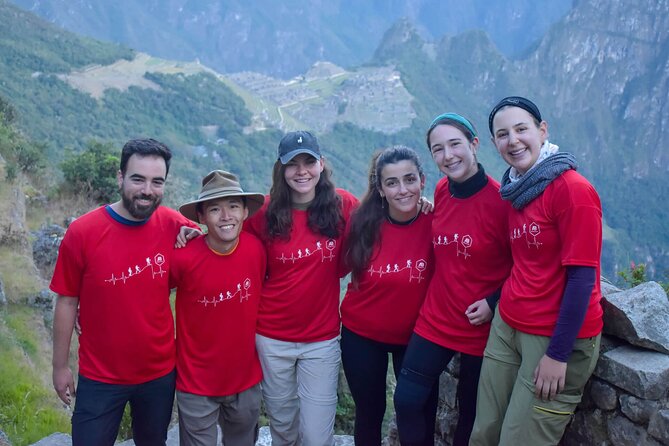
- The group stays small: A maximum of 12 people makes guide contact and camp organization easier.
- Your main luggage is handled: Porters carry up to 7 kilograms in a personal duffel bag, while you carry a daypack.
- The final approach is special: You reach Machu Picchu through the Sun Gate, rather than simply arriving by bus.
- Food and camp support are included: A chef prepares three trail breakfasts, lunches, and dinners, with boiled drinking water from Day 2.
- Several extras cost more: A sleeping bag, walking sticks, Huayna Picchu, Vistadome service, hot springs, and Day 4 lunch are not included.
What the $998 price really covers
At $998 per person, this is not just a guided walk with a campsite at the end. The price brings together a permit-controlled trek, Machu Picchu admission, private transport from Cusco to Km 82, porters, a cook, camping equipment, meals, and the return train to Ollantaytambo.
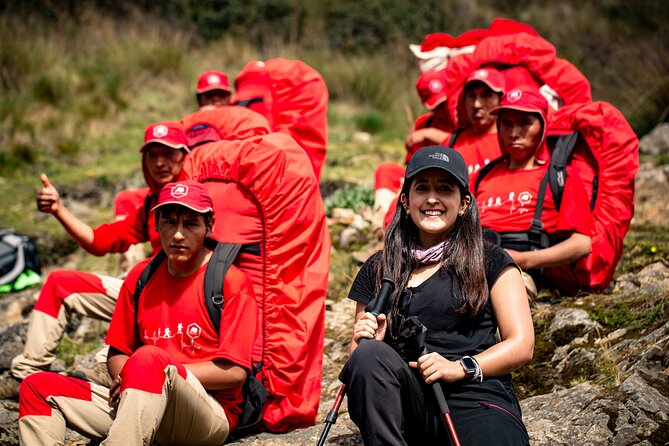
That package matters on the Inca Trail. You are not arranging each piece separately while coping with altitude and long hiking days. Your tent is set up for you, a dining tent with tables and chairs is provided, and the team carries emergency equipment, including a first aid kit, satellite phone, radio communication, and oxygen.
The personal duffel allowance is up to 7 kilograms. That is useful, but it is not a free pass to pack your entire suitcase. You will still need a daypack for items you want during the day, while your larger trail belongings go with the porter team.
The price does not include a sleeping bag, which costs $20, or walking sticks, also $20. Huayna Picchu costs $65, Vistadome service costs $20, and the hot springs in Aguas Calientes cost $5. Day 4 lunch is also on your own. These charges are easy to manage, but you should add them to your budget before comparing this tour with other Inca Trail options.
More Hiking Tours in Cusco
- Classic Inca Trail Trek 4D/3N to Machu Picchu (Group Service)
★ 5.0 · 8,653 reviews - Machu Picchu: 4-Day Inca Trail Trek with Panoramic Train Ride
★ 5.0 · 4,568 reviews - Salkantay Classic Trek 5 Days from Cusco
★ 5.0 · 4,062 reviews
A very early start from Cusco to Km 82
The trip begins before most of Cusco is awake. The itinerary describes private pickup from your Cusco hotel at 4:30 a.m., followed by breakfast in Ollantaytambo and transport to Km 82, also called Piscakucho.
This first morning is practical rather than scenic. You need to reach the checkpoint, meet the guide and support team, and get moving before the day grows hot. Breakfast in Ollantaytambo gives you a chance to eat before the trail begins, though I would still prepare snacks and water for the opening hours.
The stated meeting information gives a 12:30 a.m. start time, while the daily plan says 4:30 a.m. pickup. That difference is important. Ask AB Expeditions to confirm your hotel pickup and meeting time before departure, especially if you are staying outside central Cusco.
The group size can reach 12 people. That is a good middle ground: small enough for the guide to keep track of the group, but large enough to share the experience with other hikers. The trail permit and checkpoint procedures make this a structured trek, not an independent wander.
Day 1: Ollantaytambo, Llactapata, and Ayapata
After the checkpoint at Km 82, you begin with about three hours of hiking to the Llactapata ruins. This opening section gives you an early introduction to the remains along the route, before the biggest climbs arrive.
You then take a one-hour drive to Hatunchaca for lunch. The split between hiking and driving makes the day feel less relentless than the raw six-hour activity time might suggest, though it is still a full first day after a pre-dawn departure from Cusco.
After lunch, you hike for another four hours to Ayapata, the first campsite. The itinerary places arrival at about 5 p.m., when your tent should already be prepared and hot tea waiting. That small service has real value after a long afternoon on foot. You can put down your daypack, warm up, and settle into camp instead of handling tents and cooking.
The included camp setup consists of quality three-season tents for two people, foam mattresses, a dining tent, tables, chairs, and a toilet. You also receive water for basic washing. Conditions remain basic, as they should on a mountain trail, but the organized camp takes away much of the usual work.
Day 2: Dead Woman’s Pass at 4,215 meters
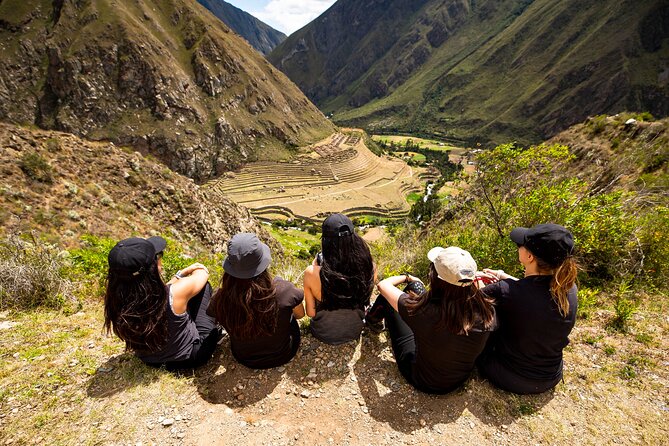
Day 2 is the hardest day, and you should treat it seriously. A wake-up call with hot tea or coca tea comes early, followed by roughly four hours of uphill walking to Dead Woman’s Pass, the trail’s highest point at 4,215 meters, or 13,829 feet.
The name is dramatic, but the real challenge is the altitude and sustained climb. Even a fit person may need to slow down. Stay close to your own pace, drink regularly, and use the guide’s support rather than trying to prove something to the group.
At the pass, the guide performs offerings to local gods. This adds cultural meaning to a demanding physical moment. You get time to take in the mountain views before beginning a two-hour descent to Pacaymayu Valley.
Lunch is prepared by the trail chef in the valley. Having a hot meal waiting after the first major pass is one of the tour’s strongest practical features. It gives you a proper break before the afternoon section.
The route then climbs for about an hour and a half to the second pass, Runqurakay, at 4,000 meters. You also visit the Runqurakay Inca site, then descend toward Sayacmarca ruins. The repeated pattern of climb, ruin, and descent makes this day more than a mountain endurance test. The trail reveals how the Incas built, traveled, and placed sites within difficult terrain.
The second campsite is Chaquicocha at 3,600 meters. The plan describes sunset over the Vilcabamba mountain range and clear-night views of the Milky Way. Those conditions depend on weather, but the camp’s position gives you a strong chance for a memorable evening. After about 10 hours of hiking, dinner will likely be the main event.
Other Inca Trail departures:
- Short Inca Trail to Machu Picchu 2D/1N
★ 5.0 · 3,007 reviews - 2-Day Inca Trail to Machu Picchu with Panoramic Train
★ 5.0 · 1,876 reviews - Cusco: 4-Day Inca Trail to Machu Picchu with Accommodation
★ 4.8 · 432 reviews - 4-Day Trek to Machu Picchu Through the Inca Trail
★ 5.0 · 373 reviews
Day 3: Phuyupatamarka, Intipata, and Wiñaywayna
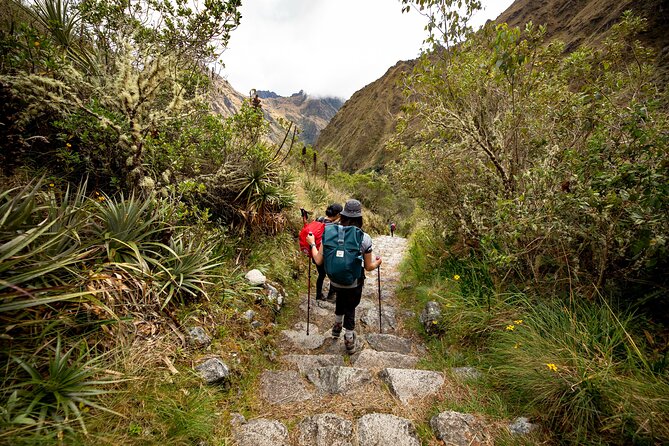
Day 3 is shorter, with about five hours of hiking, and the change of pace comes at the right time. You begin across a gentler stretch described as Peruvian flat terrain, then descend toward the final campsite.
The route passes through several types of vegetation and offers views toward the Salkantay glacier, the second-highest peak in the Cusco region. This variety is one reason the Inca Trail feels so rewarding. You are not simply walking toward one famous ruin. The surroundings change as the route passes through different elevations.
Two major Inca sites appear during the day: Phuyupatamarka and Intipata. Your guide explains both locations, helping you connect the stones and terraces to the larger route. Intipata also gives you a visual preview of the final campsite, which can make the end of the day feel close.
You reach camp around 12:30 p.m. After lunch, the schedule allows time to shower, rest, and take a siesta until about 4 p.m. This pause is a gift after Day 2. Use it. A short rest can matter more than squeezing in extra photographs or conversation.
Later, you make a short hike to Wiñaywayna. The site is one of the key highlights of the trail, and the afternoon visit leaves time for photography. Returning to camp, you say goodbye to the porters and eat dinner before an early night.
The departure from the porters is worth noting. Their work carries much of the physical burden of the trek, from duffels and camp equipment to dining supplies. Tipping is optional, but many people choose to budget for it as a practical thank-you.
Day 4: Entering Machu Picchu through the Sun Gate
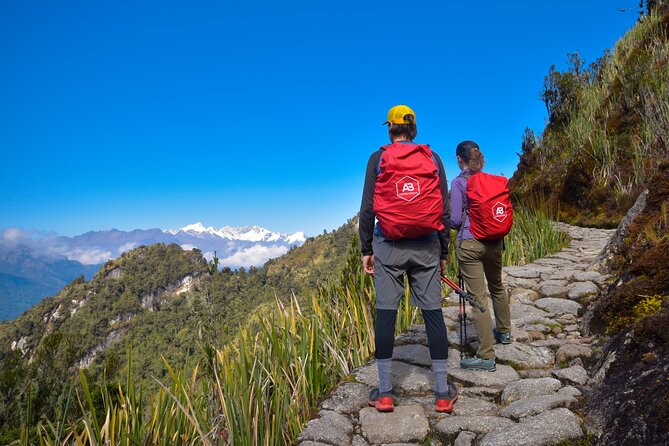
The final day begins early, with the checkpoint listed for 5:30 a.m. From there, you hike for about one hour and 20 minutes to the Sun Gate, known as Inti Punku. The first view of Machu Picchu from this point is the emotional payoff of the route.
The timing aims for sunrise views, but weather can change the scene. Clouds do not erase the achievement, though they may limit the broad panorama you hoped for. After the Sun Gate, you descend for about 45 minutes to the Machu Picchu checkpoint, arriving around 8 a.m.
Your guide then leads a roughly two-hour tour of the citadel. This is a valuable part of the package. After four days of walking past Inca sites, you get help placing Machu Picchu’s temples, terraces, and structures within the wider story of the route.
The included entry is for Circuit 1. The separate Circuit 3 option is listed at $45 per person, so check which circuit suits your plans before booking. If you want to climb Huayna Picchu, the additional ticket costs $65 and requires coordination with the guide.
After the citadel visit, you take a tourist bus down to Aguas Calientes. Lunch on Day 4 is not included, so you need to pay for that yourself. The hot springs are another optional stop, with entry listed at $5.
The afternoon train departs at either 2:55 p.m. or 3:20 p.m. The AB Expeditions team meets you at the station and accompanies you to your hotel in Cusco or the Sacred Valley. Expected arrival is around 7 p.m. If you are hiking Huayna Picchu, arrange lunch and duffel bag pickup with the guide before boarding the train.
Food, water, and camp comfort
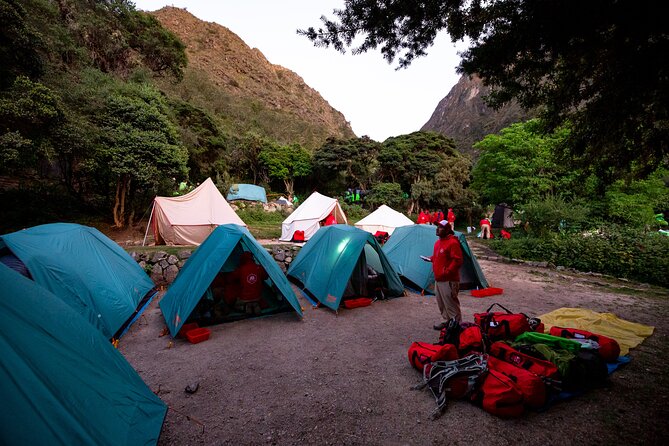
Food receives strong praise in the available feedback, and the setup explains why. A dedicated chef prepares three breakfasts, three lunches, and three dinners on the trail. The meals are not an afterthought added to a hiking package. They are part of the support system that keeps you moving through long days.
Boiled drinking water is provided from Day 2 onward. You should still follow the team’s instructions about carrying and refilling water. Rain ponchos and daypack covers are included, which is useful in a region where conditions can shift.
The tents sleep two people and use three-season designs. Foam mattresses are included, but sleeping bags are not. You can rent one for $20, so do not assume the mattress replaces a sleeping bag.
A dining tent, chairs, hot tea, and basic washing water make camp more comfortable than a bare tent site. The experience remains outdoors and simple. You should expect dust, tired legs, and limited privacy, not hotel comfort with a mountain view.
Guide support and safety planning
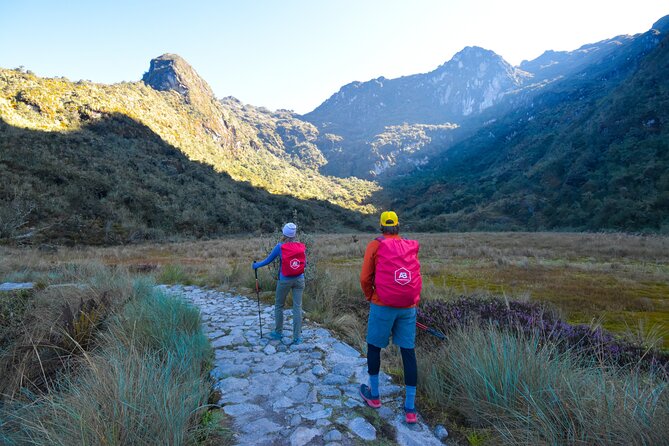
The guide team is central to the experience. The tour includes a professional English-speaking guide, a chef, and porters. The guide explains the ruins, leads the mountain sections, conducts the offering at Dead Woman’s Pass, and manages the Machu Picchu visit.
Safety equipment is unusually clear in the package description. A first aid kit, emergency oxygen, satellite phone, and radio communication are included. That does not make the route easy, but it shows that the operator has planned for a remote and demanding trek.
You need a strong level of physical fitness. The route includes long climbs, high altitude, steep descents, and an early finish on Day 4. If you dislike sustained uphill walking or have not prepared for high-altitude exertion, this may be the wrong four-day plan.
The small group limit of 12 is another practical benefit. You can ask questions without shouting across a crowd, and the guide has a better chance of noticing when someone needs a slower pace or extra help.
Who should choose this Inca Trail trek?
I would recommend this trek to you if reaching Machu Picchu on foot matters as much as seeing the citadel itself. The ruins at Llactapata, Runqurakay, Sayacmarca, Phuyupatamarka, Intipata, and Wiñaywayna make the route feel like a connected journey rather than a long approach to one final attraction.
It suits hikers who value support. You carry only your daypack, while porters handle up to 7 kilograms. The chef, camp team, transport, permits, and emergency equipment are already arranged.
I would be more cautious if you want a relaxed holiday or dislike early mornings. Day 2 lasts about 10 hours, Day 4 starts before sunrise, and the altitude is serious. The tour requires good fitness, and that warning should guide your decision.
The 100 percent recommendation rate and 5 out of 5 score from 733 ratings suggest a very strong record. The most praised elements are the friendly staff, well-prepared food, smooth arrangements, and guide support. Since no guide names are provided, you should not expect to select a particular guide in advance.
Should you book AB Expeditions?
Book this trek if you want a well-supported, permit-based Inca Trail experience with a small group, strong camp services, and a proper guided visit to Machu Picchu. At $998, the value is solid because so many costly and difficult pieces are included.
Before paying, confirm the pickup time, your Machu Picchu circuit, the train departure, duffel arrangements, and every optional charge. Add $20 for a sleeping bag if needed, plus food on Day 4 and any Huayna Picchu, walking stick, Vistadome, or hot spring costs.
Free cancellation is available until 24 hours before the start time. Changes or cancellations inside that window are not accepted, and poor weather may lead to another date or a full refund. If your legs, budget, and schedule are ready for the challenge, this is a strong way to reach Machu Picchu by the old road rather than simply arriving at its gate.
FAQ
How long is the Inca Trail tour?
The tour lasts four days and three nights, with approximately six hours of hiking on Day 1, 10 hours on Day 2, five hours on Day 3, and two hours on Day 4.
What is the highest point on the trek?
The highest point is Dead Woman’s Pass, reached on Day 2 at 4,215 meters, or 13,829 feet.
What is the maximum group size?
The group can include a maximum of 12 people.
Is hotel pickup included?
Yes. Private pickup and drop-off in Cusco are included, along with private transport from Cusco to Km 82, the trailhead.
Are meals included?
Yes. The package includes three breakfasts, three lunches, and three dinners on the trail. Day 4 lunch in Aguas Calientes is not included.
Is drinking water provided?
Boiled drinking water is included from Day 2 onward.
Is a sleeping bag included?
No. A sleeping bag can be rented for $20.
Is Huayna Picchu included?
No. Huayna Picchu requires an additional $65 ticket. Arrangements for lunch and duffel bag pickup should be made with the guide if you add this mountain.
Can I cancel for a full refund?
Yes, if you cancel at least 24 hours before the experience start time. Cancellations or changes made less than 24 hours before the start time are not refunded or accepted.
More Hiking Days from Cusco
- 4-Day Salkantay Trek with Sky Camp Stay
★ 5.0 · 3,346 reviews - Salkantay Trek 5D/4N with Glass Cabins, Domes and Hobbit House
★ 5.0 · 2,488 reviews - Rainbow Mountain Full Day Trek
★ 5.0 · 1,469 reviews - 5-Day Premium Salkantay Trek
★ 5.0 · 788 reviews
Other Ways to Reach Machu Picchu
- From Cusco: Full-Day Group Tour of Machu Picchu
★ 4.7 · 1,767 reviews - Machu Picchu Day Trip from Cusco
★ 4.5 · 1,644 reviews - 2-Day Tour: Sacred Valley and Machu Picchu by Train
★ 5.0 · 1,127 reviews - Machu Picchu: Full-Day Tour from Cusco with Optional Lunch
★ 4.6 · 927 reviews
Added recently around Cusco
- Guided tour of the mountain of colors in Cusco★ 5.0 · 11 reviews
- 2-Day Private Short Inca Trail to Machu Picchu★ 5.0 · 15 reviews
- City Tour Cusco – Group★ 5.0 · 4 reviews
- Tour Sacred Valley with Maras and Moray★ 5.0 · 15 reviews
- San Pedro Market Tour with Peruvian Cooking Class★ 5.0 · 31 reviews
- Walking Culinary Experience★ 5.0 · 41 reviews
- City Tour in Cusco★ 4.5 · 10 reviews
- Rainbow Mountain Small-Group Full-Day Hike from Cusco with Meals★ 4.5 · 15 reviews
Machu Picchu Tours, compared.
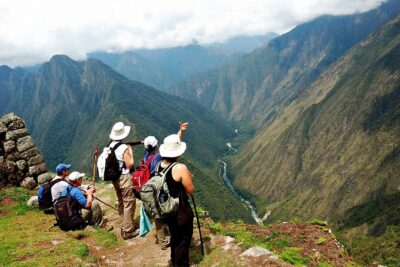
Classic Inca Trail Trek 4D/3N to Machu Picchu (Group Service)
Read our review →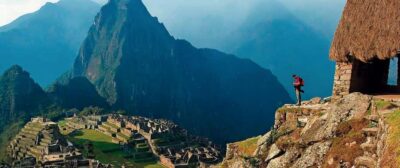
Machu Picchu: 4-Day Inca Trail Trek with Panoramic Train Ride
Read our review →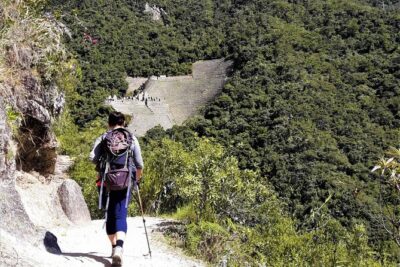
2-Day Inca Trail to Machu Picchu with Panoramic Train
Read our review →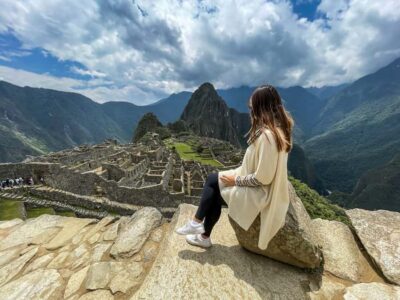
2-Day Tour: Sacred Valley and Machu Picchu by Train
Read our review →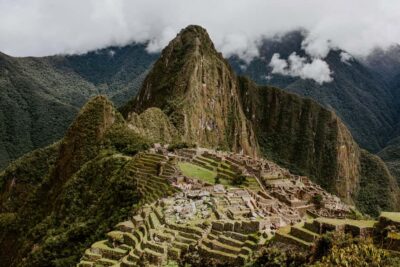
Machu Picchu: Full-Day Tour from Cusco with Optional Lunch
Read our review →Browse the lists this tour appears in