
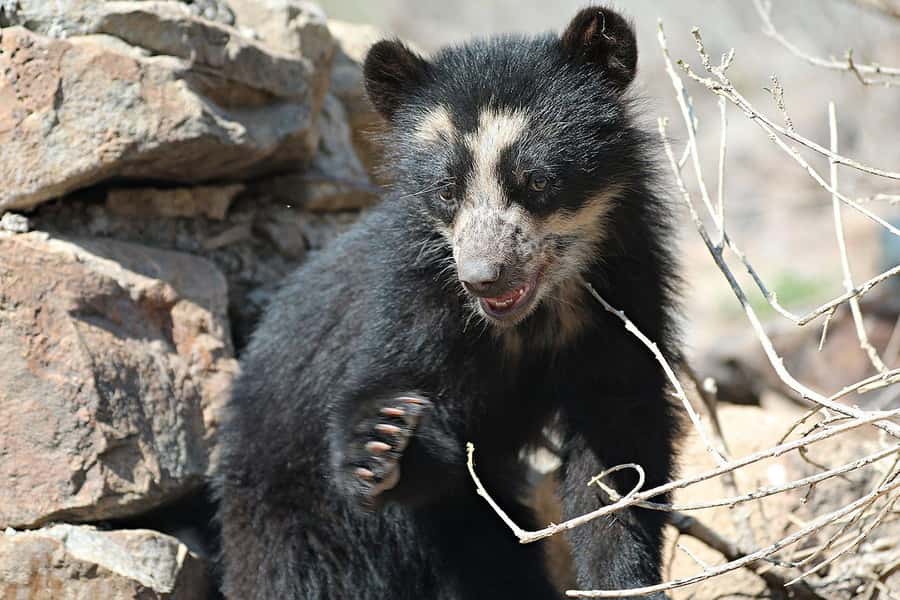
Reviewed · NORTHERN PERU TOURS
Chiclayo: Chaparri Ecological Reserve Tour
Leave Chiclayo far behind. This full-day trip reaches the dry forests of Chaparri, where winding trails, rare birds, a spectacled bear rescue center, and mountain traditions create a memorable change of pace. I especially like the chance to see conservation work up close and the careful bird spotting along the routes. The main drawback is the rough road into the reserve and the slim odds of seeing wild bears, pumas, or jaguars.
This is also a good outing for anyone who wants more than ruins and museums in northern Peru. You get hotel or airport pickup, transport, and a Spanish-speaking official guide for $79 per person, but you pay the S/. 30 entrance fee separately. Bring patience, water, and a strong back for the bumpy approach.
In This Review
- Chaparri at a glance
- From Chiclayo to Chongoyape
- The Enchanted Garden and Cerro Chaparri
- Three routes with three different purposes
- Birds are the day’s most reliable stars
- The spectacled bear rescue center
- Snakes, amphibians, and the reptary
- Interpretation Center: making sense of the reserve
- Tinajones Reservoir on the return
- What $79 includes, and what it does not
- Language, timing, and booking details
- Who will enjoy Chaparri most
- My verdict: book it for conservation, not guaranteed sightings
- FAQ
- Where is the Chaparri Ecological Reserve tour located?
- How long does the tour last?
- What language is the guide service in?
- Is hotel pickup included?
- What is included in the $79 price?
- What extra costs should I plan for?
- What should I bring?
Chaparri at a glance
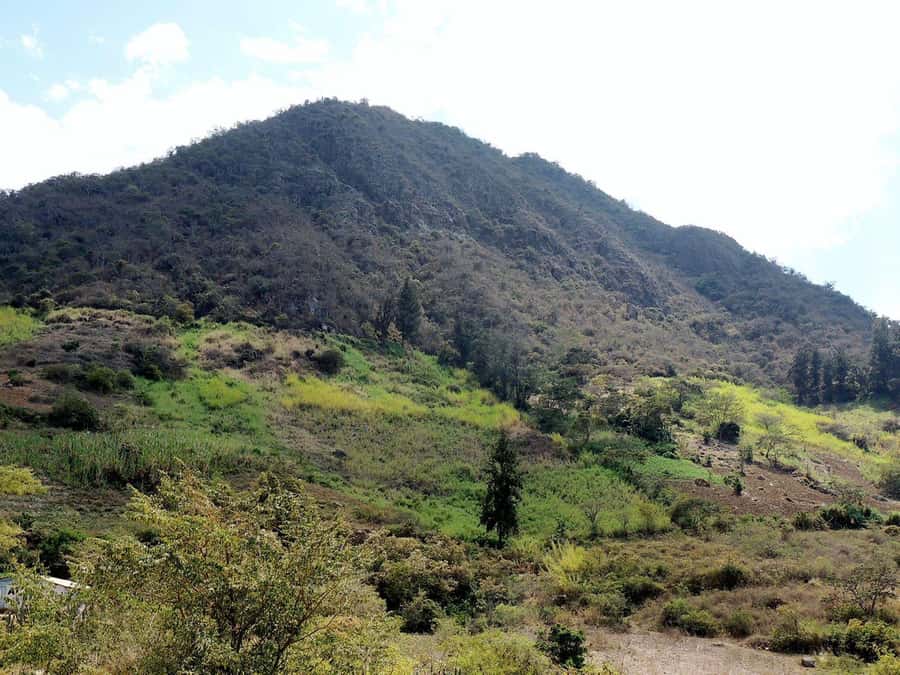
- A dry forest sanctuary near Chongoyape: Chaparri lies about 80 kilometers southeast of Chiclayo, in Lambayeque Region.
- Three named routes: The day includes the Spectacled Bear route, Huachuma or San Pedro route, and White-winged Guan route.
- Real conservation work: A rescue center cares for spectacled bears taken from illegal captivity, including Cuto, a former circus bear.
- Excellent bird country: Look for red-headed parrots, Peruvian owls, emerald parakeets, woodpeckers, hummingbirds, and other local species.
- A cultural stop with meaning: The Huachuma route explains shamanic practices and respect for the Apus, the mountain spirits.
- A final water view: The return includes Tinajones Reservoir, where eagles and herons may be seen.
From Chiclayo to Chongoyape
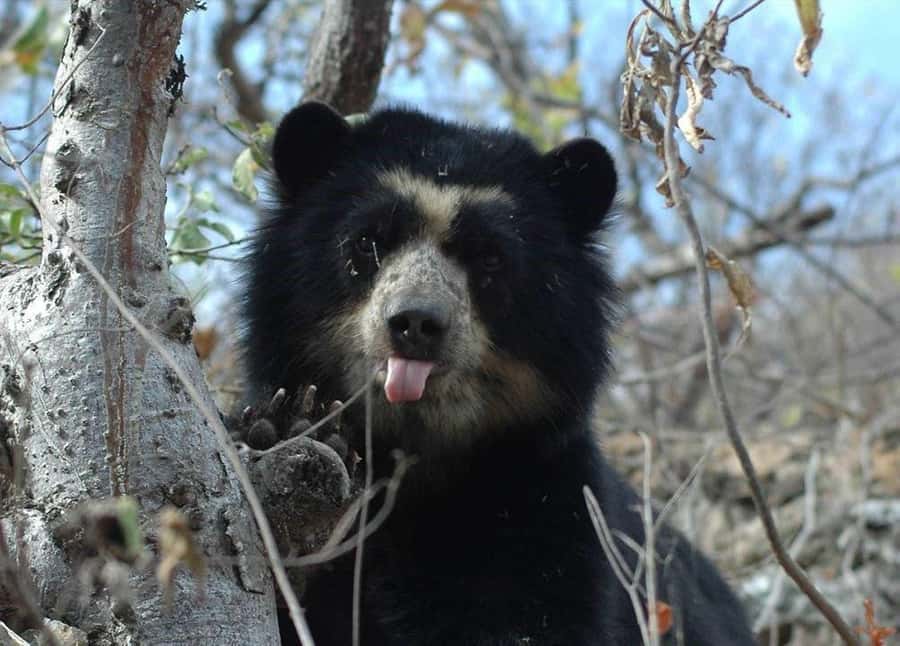
The day begins with pickup at your hotel or at the airport in Chiclayo. From there, you travel southeast toward Chongoyape, roughly 80 kilometers away, before turning toward the private conservation area.
That transfer is part of the experience. The city gradually gives way to open country and dry forest scenery. You pass through striking places along the road, with a local guide providing the setting for what follows. The trip is not a quick park visit close to town, so plan on a full day with a long road component.
One practical warning deserves attention: the final roads toward the reserve can be very rough. A French visitor specifically praised the scenery and guide but warned about the badly rutted approach. I would take that seriously. Comfortable clothing helps, but the bigger need is patience. If you suffer from back pain or dislike jolting vehicle rides, this is worth considering before booking.
The tour includes tourist transport, so you do not need to arrange a separate vehicle. Pickup also removes one of the day’s awkward details, especially if you are staying in Chiclayo and do not know the road to Chongoyape.
A few more Northern Peru trips worth lining up side by side
- Full Day Trujillo Piramides Sol y Luna , Chan chan y Huanchaco
★ 5.0 · 93 reviews - Full Day Tour Huacas, Chan Chan & Huanchaco – Trujillo
★ 4.5 · 64 reviews - Customize Cruise Ship Full Day tour – English Guide
★ 4.5 · 42 reviews
The Enchanted Garden and Cerro Chaparri
The first major stop is the Enchanted Garden in the Chaparri Private Conservation Area. The reserve covers 34,142 hectares and centers on Cerro Chaparri, a sacred mountain for local residents.
That detail gives the visit more weight than a simple wildlife drive. Chaparri is protected for its dry forest, but it also carries cultural meaning. Your guide can connect the mountain, local beliefs, and conservation work, helping you understand why this place matters to people as well as animals.
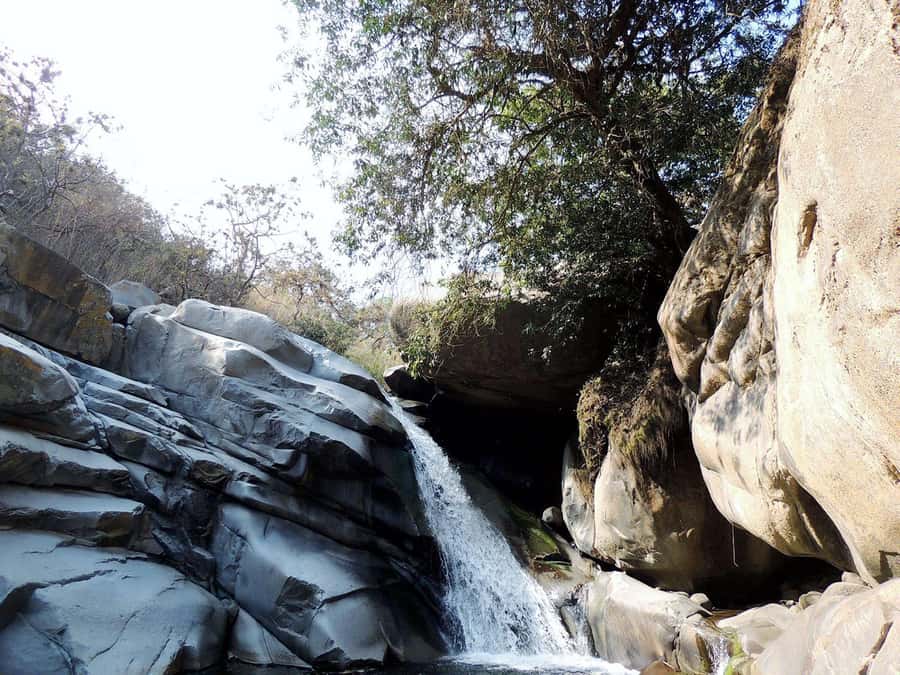
The setting is made for walking. You follow winding routes through the dry forest, with the possibility of waterfalls and changing views along the way. The trails are not presented as a race or a strenuous athletic challenge, but you should still wear sturdy, comfortable shoes. A flashlight is also included on the suggested packing list, which may be useful in shaded areas or during parts of the visit where visibility is limited.
You will want sun protection. Sunglasses, a hat, sunscreen, snacks, and drinks are all sensible choices. Food and beverages are not included, so do not assume lunch or regular refreshments will be provided during the day.
Three routes with three different purposes
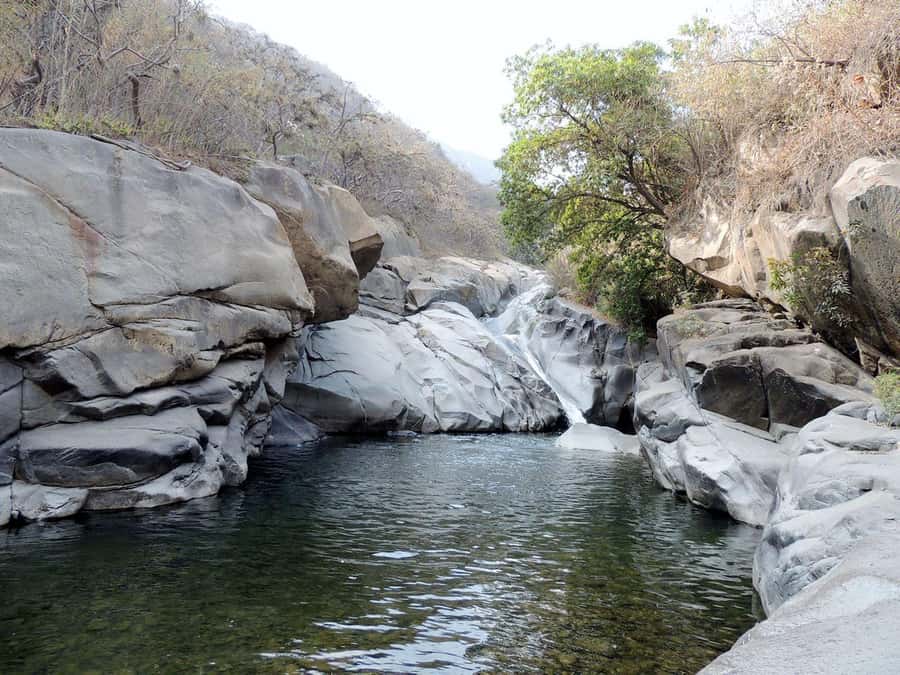
The Chaparri program combines the Spectacled Bear route, the Huachuma or San Pedro route, and the White-winged Guan route. Each adds something different, and the variety keeps the day from becoming one long walk through similar vegetation.
The Spectacled Bear route focuses on one of the reserve’s best-known endangered animals. Chaparri supports conservation and reintroduction work for the Andean bear, also called the spectacled bear. You may learn about its habitat and the pressures it faces, but a wild sighting is not something you should count on.
The same caution applies to pumas, jaguars, and other elusive mammals. The reserve is home to important wildlife, yet these animals avoid people and are difficult to see in their natural setting. A realistic goal is to enjoy the habitat and signs of protection rather than expect a guaranteed big-animal encounter.
The White-winged Guan route highlights another endangered species. Chaparri runs conservation and reintroduction projects for this bird, making the route especially useful for anyone interested in practical wildlife protection. The guide’s ability to locate small birds can make a major difference here. One visitor praised a guide who could spot many tiny, beautiful birds that would be easy to miss without trained eyes.
The Huachuma route adds a cultural layer. You learn about shamanic sessions, the meaning of Huachuma or San Pedro, and respect for the Apus, or mountain spirits. This part should be approached with care. It is not just a colorful story added for tourists. The route introduces living beliefs tied to the mountain and the surrounding community.
Birds are the day’s most reliable stars
Chaparri’s bird life may be the strongest reason to choose this trip. The reserve includes species that are difficult to find elsewhere, and the itinerary lists a long range of birds connected with the dry forest.
You might see the red-headed parrot, Peruvian owl, emerald parakeet, bush nightjar, Tumbes swift, short-tailed starlet, scarlet-backed woodpecker, Peruvian woodpecker, Pacific ficus, eyebrow wren, Tumbes woodpecker, and other local species. Some names refer to birds that are small, quick, or well camouflaged, so a guide who knows where to look is a real advantage.
The experience rewards quiet attention. Listen for calls, scan branches, and give yourself time to look before moving on. You may not identify every bird, but the process makes the forest feel alive even when larger mammals remain out of sight.
Chaparri also supports hummingbirds, royal vultures, coastal foxes, guanacos, peccaries, deer, reptiles, and other animals. Eagles and herons may appear later at Tinajones Reservoir. The range is impressive, but the animals are wild. Your guide can improve your chances, not control the result.
Also leaving from Northern Peru, and nothing like the above:
- Full Archaeological Chan Chan Tour
★ 5.0 · 30 reviews - Piramids of Tucume Tour, Sican Museum and Lambayeque city tour
★ 5.0 · 30 reviews - Private tour full day chan chan & huacas sun and moon in SUV
★ 5.0 · 24 reviews - Chachapoyas | Kuelap Fortress Full-Day Tour
★ 4.8 · 12 reviews
The spectacled bear rescue center
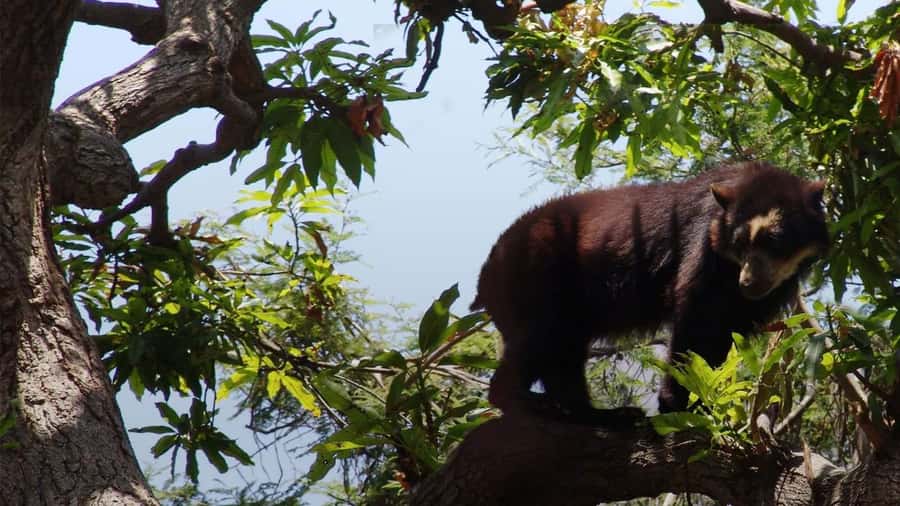
The rescue center is one of the most meaningful stops. Here, bears rescued from illegal captivity are rehabilitated and taught to cope with life in a more natural setting. The long-term aim is release into the wild when that is possible.
You also meet Cuto, a permanent resident rescued from a circus. Cuto cannot be presented as a wild sighting, and that distinction matters. Seeing a bear in the center is more likely than seeing one in the forest, but the value comes from understanding why the center exists and what rehabilitation involves.
This stop gives the wildlife story a human edge. Illegal captivity can strip wild animals of their normal behavior. The center’s work is about restoring those abilities and protecting animals that cannot immediately return to the forest.
You should not expect a large zoo-style collection. The point is conservation, not entertainment. Listen to the park rangers and treat the animals as rescued wildlife, not photo props.
Snakes, amphibians, and the reptary
After the Huachuma route, the tour visits a reptary. You learn about snakes found in the area, along with amphibians and their way of life.
This is a useful change of focus after the bird and bear sections. Dry forests support more than the animals that attract the most attention. Reptiles and amphibians help show how varied the ecosystem is, even if they are less glamorous than a condor or puma.
The stop should suit families and visitors who want a clearer introduction to local wildlife. It also gives you a chance to see animals that are hard to locate on a moving trail. The information is intended to explain shape, behavior, and habitat rather than simply display creatures.
Interpretation Center: making sense of the reserve
The Interpretation Center brings the day’s ideas together. It explains Chaparri’s biodiversity, how the area is protected, and why the dry forest matters.
That final explanation is important because dry forest can look spare compared with Peru’s better-known jungle regions. Do not mistake less greenery for less life. The reserve supports birds, mammals, reptiles, amphibians, and rare species adapted to this setting.
I like this stop because it helps you understand the work behind the scenery. The reserve is not only a place to pass through with a camera. It is a protected area tied to habitat care, species recovery, local belief, and long-term decisions about land.
Tinajones Reservoir on the return
After Chaparri, the route takes a detour to Tinajones Reservoir. The reservoir supplies water to Lambayeque, so it has practical importance as well as scenic appeal.
You can enjoy the open views and look for birds such as eagles and herons. It is a gentler final stop after the forest routes and rough access road. The change from mountain dry forest to a major water source also gives the day a satisfying visual contrast.
Do not expect the reservoir to replace Chaparri’s wildlife experience. It works better as a closing stop, a chance to stretch your attention toward the horizon and watch for birds before returning to Chiclayo.
What $79 includes, and what it does not
At $79 per person, the tour offers a fair package for a full day outside Chiclayo. Hotel or airport pickup, tourist transport, and an official tourism guide are included. That matters because reaching Chongoyape and the private conservation area on your own would require more planning and a suitable vehicle.
You must budget separately for the park entrance fee, listed as S/. 30. Food and drinks are also excluded, and the entrance price is described as subject to change. Bring snacks and enough water for the day rather than hoping to buy supplies at every stop.
The price is easiest to justify if you value transport convenience, a guide, and several connected experiences in one day. You are not paying only for a forest walk. The day combines wildlife routes, cultural interpretation, a rescue center, a reptary, an information center, and Tinajones Reservoir.
The value is less clear if your only goal is to see a puma, jaguar, or wild bear. Those sightings are uncertain, and even the positive French review made clear that the larger animals are difficult to find outside the rescue center. Book this for the reserve and its conservation story, not for a guaranteed animal checklist.
Language, timing, and booking details
The live guide service is in Spanish. That is fine if you speak Spanish or can follow basic explanations, but it is an important limitation if you need a tour in English or another language.
The advertised duration is one day, with the exact starting time dependent on availability. Since the tour includes pickup, a long transfer, forest routes, multiple stops, and the return to Chiclayo, keep the whole day open. Do not schedule a tight evening commitment.
The operator sends excursion organization details by WhatsApp and email the day before departure. Check those messages carefully for pickup information.
You can cancel up to 24 hours before departure for a full refund, and the reserve-now, pay-later option lets you hold a place without paying immediately. An express security check is also listed, though the most important practical convenience remains pickup from your Chiclayo hotel.
Who will enjoy Chaparri most
I would recommend this trip to you if you enjoy nature, birdwatching, conservation, and local cultural traditions. It also suits visitors who want to break up a northern Peru itinerary with a day of open air and forest trails.
Families may appreciate the mix of wildlife displays, birds, and the bear center, though the bumpy roads and long day could test younger children. Comfortable shoes and sun protection matter for everyone.
Birdwatchers should be especially interested. The species list is strong, and the guide’s skill at finding small birds can make the difference between a quiet walk and a rewarding one.
This is not the best match if you dislike rough roads, need an English-speaking guide, or want a relaxed sightseeing day with little time in a vehicle. It is also a poor choice if you expect wild predators to appear on cue. Nature does not follow the brochure.
My verdict: book it for conservation, not guaranteed sightings
Chaparri offers a worthwhile day from Chiclayo because it joins scenery, wildlife, culture, and conservation in one outing. The spectacled bear rescue center, the White-winged Guan work, and the bird-rich forest give the trip real purpose.
I would book it if you can accept the rough approach road, bring your own food and water, and enjoy Spanish guiding. I would also set your expectations correctly: Cuto at the rescue center may be your most dependable bear encounter, while pumas, jaguars, tapirs, and wild bears remain lucky possibilities.
For a full day at $79, plus the S/. 30 entrance fee, Chaparri is a sensible choice for nature-minded visitors staying in Chiclayo. Go for the dry forest, the careful guiding, and the chance to see conservation in practice. The rare animals are a bonus, not a promise.
FAQ
Where is the Chaparri Ecological Reserve tour located?
The tour travels from Chiclayo to Chongoyape, about 80 kilometers southeast of the city, and then continues to the Chaparri Private Conservation Area in Lambayeque Region.
How long does the tour last?
The experience lasts one day. The exact starting time depends on availability.
What language is the guide service in?
The live tour guide service is in Spanish.
Is hotel pickup included?
Yes. Pickup from your hotel in Chiclayo is included. Pickup from the airport is also listed.
What is included in the $79 price?
The price includes tourist transport, pickup from your hotel or airport, and an official tourism guide.
What extra costs should I plan for?
Food and drinks are not included. The park entrance fee is listed as S/. 30, although that amount may change.
What should I bring?
Bring comfortable shoes, sunglasses, a sun hat, snacks, drinks, sunscreen, and a flashlight.
Added recently around Northern Peru
- Huaca Rajada Tomb of the Lord Of Sipan & Site Museum★ 5.0 · 5 reviews
- Nature tour, Pómac Forest with picnic breakfast included.★ 5.0 · 5 reviews
- Full day Tombs of Sipán, Ventarrón and Pto. Eten★ 4.5 · 10 reviews
- Shore Excursion from Salaverry port★ 4.5 · 8 reviews
- Pyramids of the Sun and the Moon, Huanchaco and Chan Chan★ 4.8 · 11 reviews
- Pyramids of the Sun and the Moon, Huanchaco and Chan Chan★ 4.1 · 9 reviews
- From Trujillo: Complete full day tour with museums★ 5.0 · 5 reviews
- From Trujillo: Temple of the Moon and Sun and Chan Chan★ 3.3 · 5 reviews
Northern Peru Tours, compared.

Full Day Trujillo Piramides Sol y Luna , Chan chan y Huanchaco
Read our review →
Full Day Tour Huacas, Chan Chan & Huanchaco – Trujillo
Read our review →
Customize Cruise Ship Full Day tour – English Guide
Read our review →
Piramids of Tucume Tour, Sican Museum and Lambayeque city tour
Read our review →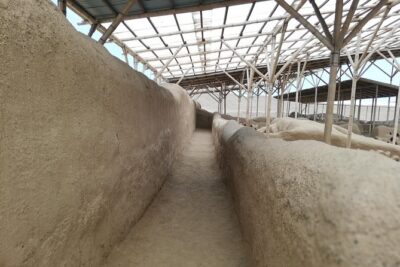
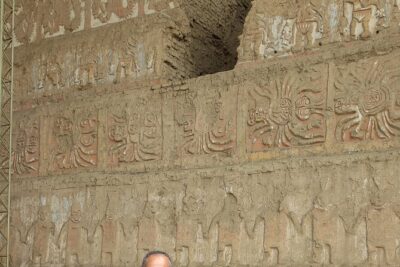
Private tour full day chan chan & huacas sun and moon in SUV
Read our review →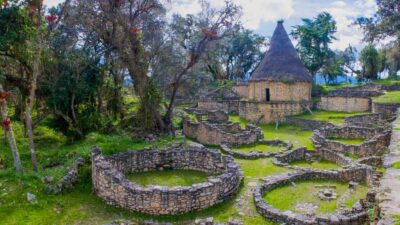
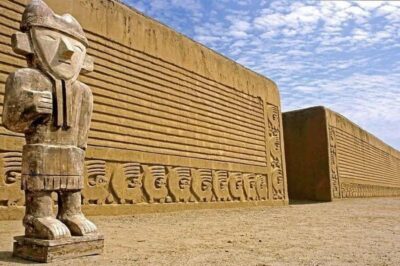
Pyramids of the Sun and the Moon, Huanchaco and Chan Chan
Read our review →Browse the lists this tour appears in