
Reviewed · INCA RUINS & ARCHAEOLOGICAL SITES
Pyramids of the Sun and the Moon, Huanchaco and Chan Chan
Ancient adobe cities reward curious eyes. This full-day outing links the Pyramids of the Sun and Moon with Huaca del Dragon, Huanchaco, and Chan Chan, giving you a useful introduction to the Moche and Chimú cultures in one long day. I especially like the strong mix of archaeological sites and coastal life, plus the chance to see Chan Chan, the largest adobe city in the Americas.
I also like that hotel pickup, transport, and a live Spanish or English guide are included. Guides such as David and Juan have earned praise for clear explanations, patient pacing, and even helping with photographs. The main drawback is time: some of the stops can feel rushed, particularly Chan Chan and Huanchaco, and lunch takes a useful part of the day.
In This Review
- Key points at a glance
- Why this Trujillo day tour works so well
- Starting with the Moche at the Pyramids of the Sun and Moon
- Reading Chimú symbols at Huaca del Dragon
- A short coastal pause in Huanchaco
- Chan Chan and the vast adobe city
- The guide can shape the whole day
- Timing, transport, and the real cost
- Who should book this archaeological circuit
- Should you book the Pyramids and Chan Chan tour?
- FAQ
- Where does the tour begin?
- How long does the tour last?
- Which archaeological sites are included?
- Is Huanchaco part of the tour?
- Is lunch included?
- Are entrance fees included?
- What languages are available for the guide?
- What should I bring?
- Can I cancel for a full refund?
Key points at a glance
- Three major cultures and settings in one day: Visit Moche shrines, Chimú adobe architecture, and the fishing village of Huanchaco.
- Chan Chan is the main event: Walk through Nik An, ceremonial squares, granaries, and ancient cemeteries inside the Americas’ largest adobe city.
- Huaca del Dragon adds visual detail: Adobe stelae and murals offer a closer look at Chimú beliefs and traditions.
- Guiding is a major strength: David and Juan are praised for clear explanations, good communication, and a helpful attitude.
- Plan for an extra budget: Entrance fees and meals are not included in the $55 price.
- Expect a long archaeological day: The tour lasts about eight hours and returns to Trujillo around 18:00.
Why this Trujillo day tour works so well
I like this outing because it does not treat Trujillo as just a stop on the way to somewhere else. It uses the city as a base for exploring the ancient cultures that shaped the nearby valley and coast. In one day, you move from large Moche ceremonial structures to Chimú adobe carvings, then to a living fishing town and a huge former capital.
That variety matters. If you visited only Chan Chan, you would see one extraordinary chapter of northern Peru. Here, you can compare the Moche and Chimú worlds and notice how building materials, religious imagery, and city planning changed over time.
The price is $55 per person, which is reasonable for an eight-hour guided excursion with hotel pickup and transport. The value depends on the entrance fees, which are not included, and on how much you value a guide. For me, this is the sort of day when a good guide earns the fee by explaining what plain adobe walls once meant.
The group travels by minibus or coach. Exact group size is not provided, so you should not book this expecting a private outing. Still, the transport removes the need to arrange separate rides between several sites spread around the Trujillo area.
More Ruins & Archaeology Tours in Northern Peru
- Full Day Trujillo Piramides Sol y Luna , Chan chan y Huanchaco
★ 5.0 · 93 reviews - Full Day Tour Huacas, Chan Chan & Huanchaco – Trujillo
★ 4.5 · 64 reviews - Full Archaeological Chan Chan Tour
★ 5.0 · 30 reviews
Starting with the Moche at the Pyramids of the Sun and Moon
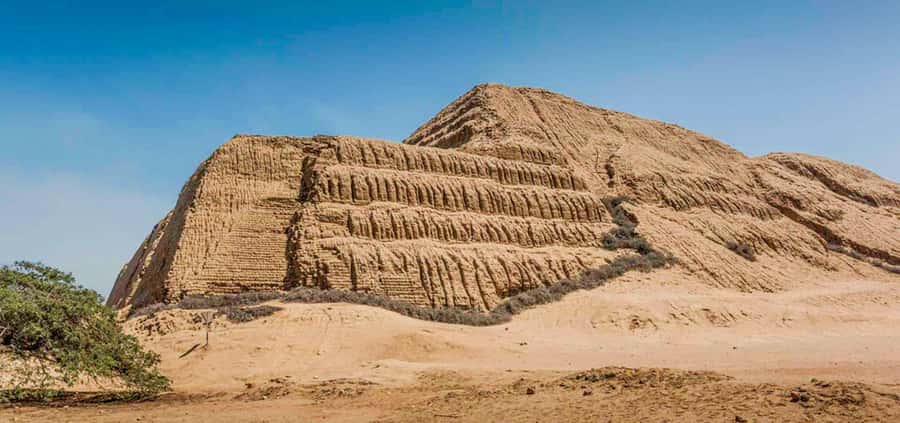
The first stop is the Pyramids of the Sun and Moon, where you explore ancient Moche shrines and learn about society in the Trujillo valley during that period. This is a strong opening because the site gives you a physical sense of the Moche world before the day shifts to the later Chimú culture.
The name suggests two matching pyramids, but the visit is about more than big earthen structures. Your guide helps connect the remains to religious life and social organization. That context is important. Without it, you might simply see layered adobe and wonder how such large monuments were used.
I would listen closely during this first explanation because it gives you a framework for the rest of the day. As you reach later Chimú sites, you can better understand that these cultures were not one single ancient Peruvian civilization. They had different periods, beliefs, and ways of organizing power.
Bring a camera, but do not let it replace the guide’s explanation. The most useful details here are not always the grand views. They are the small clues in the construction and decoration that show how ceremony and authority were tied together.
Reading Chimú symbols at Huaca del Dragon
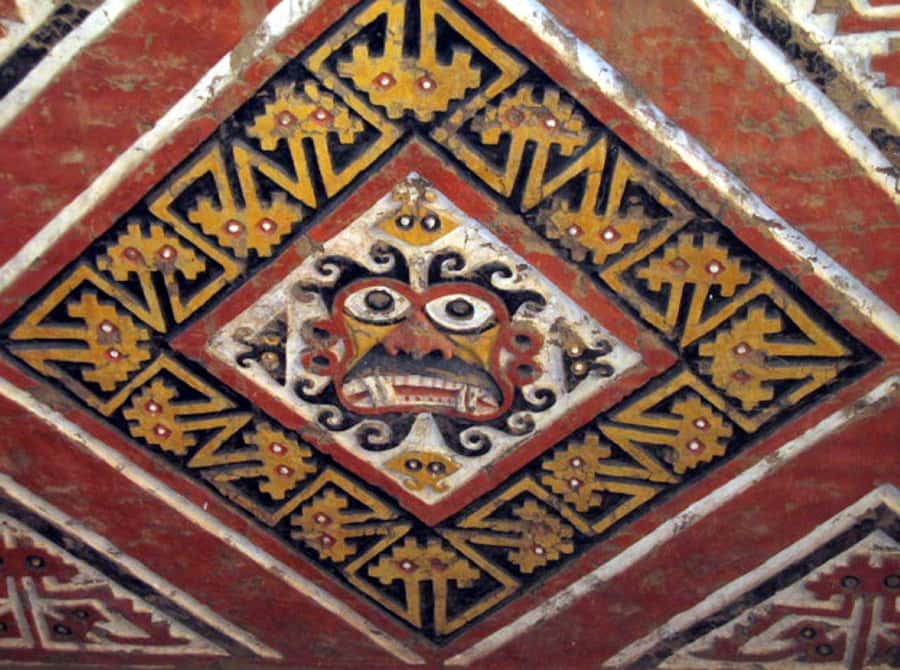
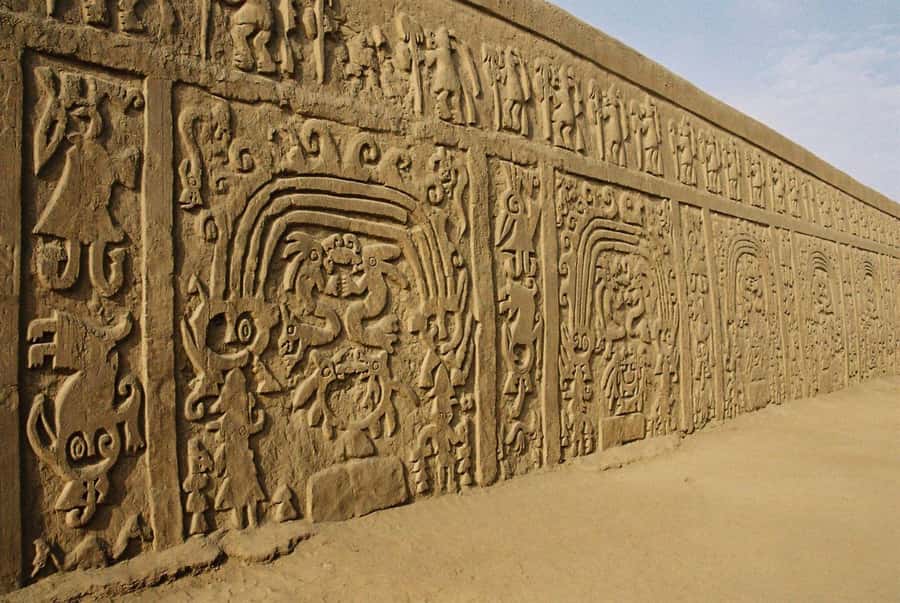
Next comes Huaca del Arco Iris, also called Huaca del Dragon. This adobe shrine is presented through its stelae and murals, which offer a close look at Chimú beliefs and traditions.
I find this stop valuable because it changes the scale of the day. The Pyramids of the Sun and Moon introduce you to large Moche ceremonial architecture. Huaca del Dragon brings you closer to carved forms and repeated designs. You are looking at the sort of visual language that can be easy to miss if you rush past without guidance.
The name Huaca del Arco Iris points to one common name for the site, while Huaca del Dragon is another. If your guide uses both names, do not assume you have been taken to two separate places. It is the same stop described by two names.
The walls are made of adobe, so the experience is about seeing surviving forms and decoration rather than polished stone monuments. That also means you should approach with care and attention. Weather and time have affected these structures, and the remains need to be read as archaeological evidence, not as a perfectly preserved city.
A short coastal pause in Huanchaco
Huanchaco gives the day a welcome change of pace. This fishing village is known for its caballitos de totora, the traditional reed boats that have become an emblem of the coast.
You have free time here for lunch and a little wandering. I like the stop because it connects ancient coastal traditions with a present-day community. After several archaeological sites, a fishing village helps you remember that northern Peru is not only about ruins behind fences. It is also a place where the sea still shapes daily life.
The practical issue is time. One recent schedule allowed only about half an hour in Huanchaco, and that is not much once you include getting off the vehicle, choosing lunch, eating, and seeing the boats. The supplied schedule says lunch is free time, but it does not include a meal, so bring cash and expect to pay for your own food.
Some tour schedules may leave you wishing for a longer pause. You might prefer a leisurely meal and walk here, but the tour also needs to fit Chan Chan into the afternoon. I would treat Huanchaco as a brief taste of the coast, not as a full beach visit.
More ruins and archaeology near Northern Peru:
- Private tour full day chan chan & huacas sun and moon in SUV
★ 5.0 · 24 reviews - Chachapoyas | Kuelap Fortress Full-Day Tour
★ 4.8 · 12 reviews - Pyramids of the Sun and the Moon, Huanchaco and Chan Chan
★ 4.1 · 9 reviews - Huaca Rajada Tomb of the Lord Of Sipan & Site Museum
★ 5.0 · 5 reviews
Chan Chan and the vast adobe city
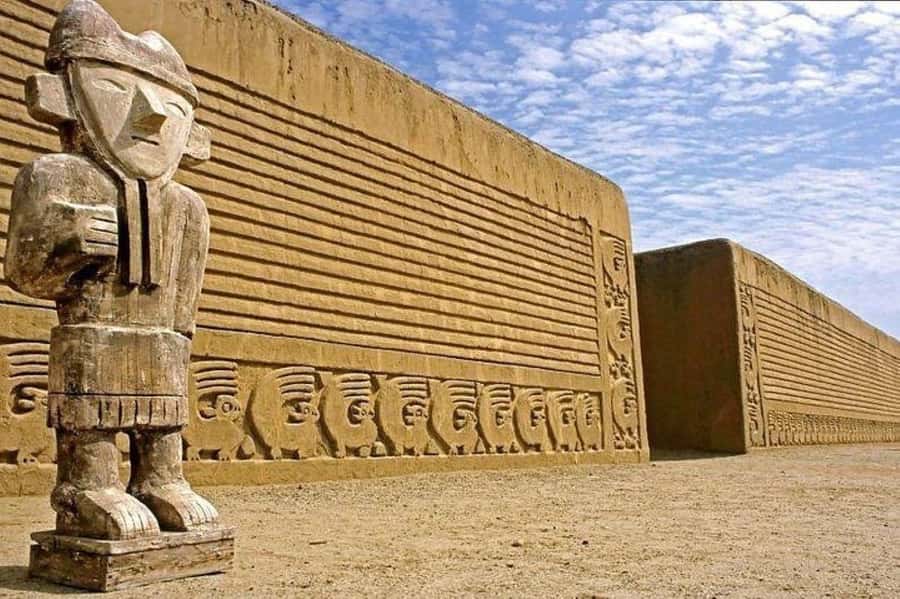
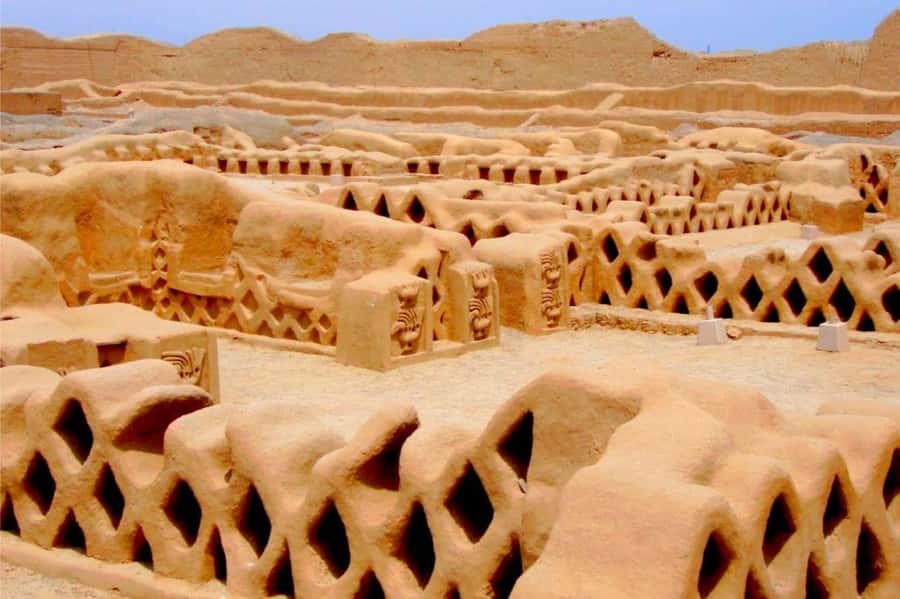
Chan Chan is the day’s biggest archaeological stop. Built by the Chimú, it is described as the largest adobe city in the Americas and is recognized as a World Heritage Site. That scale gives the visit real weight, even before you begin studying the details.
The tour focuses on the walls of Nik An, ceremonial squares, granaries, and ancient cemeteries. Each area helps show that Chan Chan was not simply a large settlement. It had spaces for ceremony, storage, burial, and administration.
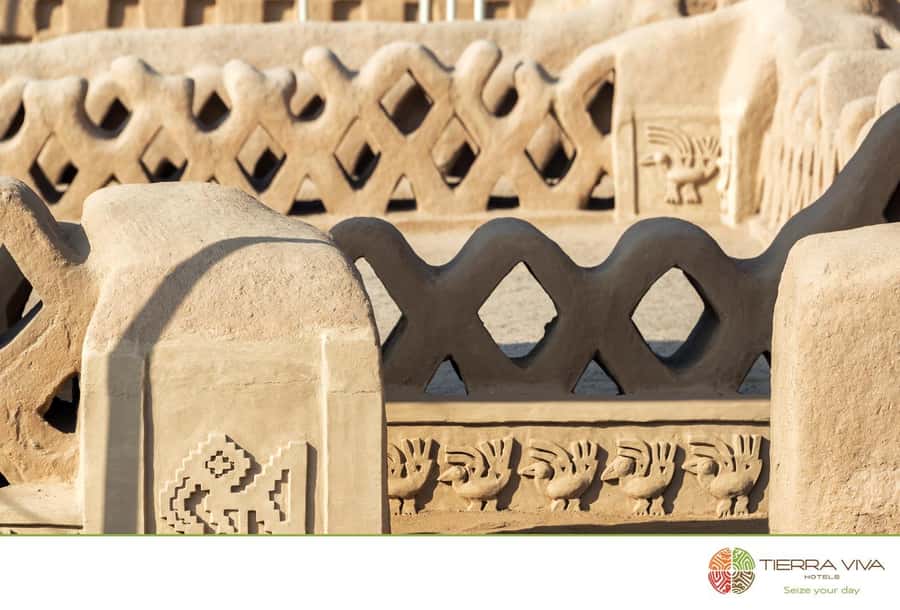
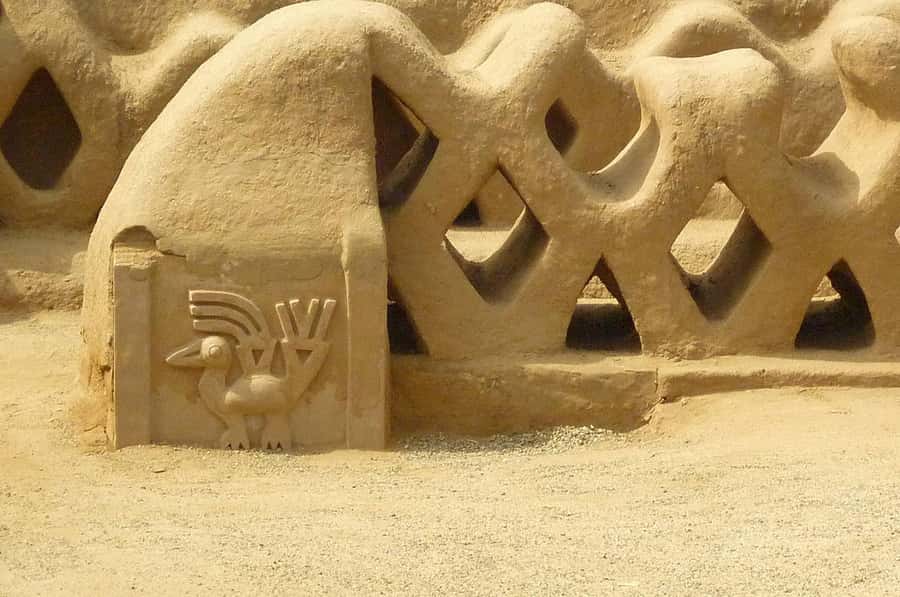
Nik An is especially important to the visit because its walls carry the kind of decorative detail that makes Chimú architecture easier to understand. The carved adobe designs are a reminder that the city was planned to communicate status and belief, not just provide shelter.
I would allow yourself time to look at repeated motifs and the shape of the spaces. A guide can point out what you are seeing, but you still need a moment to absorb the size of the courtyards and the long stretches of wall. Chan Chan is not a single compact monument. It is a broad citadel, and a rushed walk can turn a major site into a checklist.
That is the tour’s clearest weakness. The schedule ends at Chan Chan and returns to Trujillo, with an estimated arrival at 18:00. If the day starts late, you may feel that Chan Chan received less time than it deserved. One useful suggestion from the feedback was to begin at 09:00 instead of 11:00 and visit Chan Chan before lunch. You cannot assume that change is available, but it is worth asking about the starting time when you book.
The guide can shape the whole day
The strongest part of this experience is the guiding. David received particular praise for making the day work well, while Juan was noted for taking time to explain the sites and helping as a photographer. Other feedback highlights a guide who was interesting, clear, and entertaining, as well as a driver who handled the day well.
That matters more here than it would on a simple sightseeing drive. Moche and Chimú sites can look like piles of earth or long walls if nobody explains the people, beliefs, and purposes behind them. A good guide turns the structures into a connected story.
The tour offers a live guide in Spanish or English. The basic description also refers to a Spanish-speaking guide, so confirm your preferred language at booking if that point is important to you. Guide quality can vary from one departure to another, but the available feedback gives this part of the outing a strong record.
You may also appreciate the practical help. A guide who takes photographs can save you from choosing between being in the picture and taking it. That is a small service, but it can make a full day more pleasant.
Timing, transport, and the real cost
The outing lasts about eight hours and begins at the main square of Trujillo at the agreed time. Hotel pickup is included, followed by travel in a minibus or coach. The day ends with a return to Trujillo’s main square, estimated at 18:00.
Because the tour covers several sites, transport is one of its main advantages. Organizing separate taxis or local buses would take more effort, and you would need to coordinate a route between the Moche shrines, Huaca del Dragon, Huanchaco, and Chan Chan.
The $55 price covers transport, hotel pickup, and the guide. It does not cover travel insurance, meals, extra expenses, or entrance fees to the places visited. This is the detail most likely to affect your final budget. Bring cash for food, admission, and small personal expenses.
The outing is not designed for everyone. The stated restrictions include pregnant women, people with back or heart problems, and wheelchair users. Bring your passport or identity card, camera, jacket, cash, personal medication, and a pen. A jacket is sensible because the day includes outdoor archaeological sites and a coastal stop, while the pen may be useful for notes.
Free cancellation is available up to 24 hours before departure for a full refund, and you can reserve now and pay later. These terms make the booking less rigid, but they do not change the need to confirm the start time and entrance costs before committing.
Who should book this archaeological circuit
I would choose this tour if you want a broad first look at northern Peru’s ancient cultures without arranging every transfer yourself. It suits you especially well if you enjoy guided interpretation, have one full day in Trujillo, and want more than a single ruin.
It is also a good fit if you like variety. The route includes major adobe monuments, carved walls, a fishing village, and a coastal pause. You will not spend the entire day looking at similar ruins.
I would think twice if you want a slow, unhurried visit. Huanchaco may be brief, and Chan Chan may not receive as much time as you would like, especially with a later start. If Chan Chan is your top priority, ask about the departure time and planned duration at each stop.
People with mobility concerns should also read the restrictions carefully. The experience is not suitable for wheelchair users, and it is not recommended for people with back or heart problems. The tour also lists pregnant women among those for whom it is not suitable.
Should you book the Pyramids and Chan Chan tour?
Book it if you want an efficient, well-explained day covering the Moche, Chimú, and coastal sides of the Trujillo area. The combination of transport, hotel pickup, bilingual guiding, and four distinct stops gives the $55 price solid value before admission fees and lunch are added.
My main advice is to protect your time at Chan Chan. Confirm when the tour starts, ask how long you will spend at Nik An, and carry enough cash for entrance fees and Huanchaco lunch. If you accept that this is a packed introduction rather than a leisurely archaeological study, it is an appealing way to see the region.
FAQ
Where does the tour begin?
The tour meets at the main square of Trujillo at the agreed time. Hotel pickup is included.
How long does the tour last?
The experience lasts about eight hours. The estimated return to Trujillo’s main square is 18:00.
Which archaeological sites are included?
The route includes the Pyramids of the Sun and Moon, Huaca del Arco Iris or Huaca del Dragon, and Chan Chan.
Is Huanchaco part of the tour?
Yes. You visit Huanchaco, a fishing village known for its caballitos de totora, and have free time there for lunch.
Is lunch included?
No. Meals not mentioned are excluded, so you pay for your own lunch in Huanchaco.
Are entrance fees included?
No. Entrance fees to all places visited are not included in the tour price.
What languages are available for the guide?
A live guide is available in Spanish and English. The general description also refers to a Spanish-speaking guide, so confirm your preferred language when booking.
What should I bring?
Bring your passport or identity card, camera, jacket, cash, personal medication, and a pen.
Can I cancel for a full refund?
Yes. You can cancel up to 24 hours in advance for a full refund. The activity also allows you to reserve now and pay later.
Added recently around Northern Peru
- Huaca Rajada Tomb of the Lord Of Sipan & Site Museum★ 5.0 · 5 reviews
- Nature tour, Pómac Forest with picnic breakfast included.★ 5.0 · 5 reviews
- Full day Tombs of Sipán, Ventarrón and Pto. Eten★ 4.5 · 10 reviews
- Shore Excursion from Salaverry port★ 4.5 · 8 reviews
- Pyramids of the Sun and the Moon, Huanchaco and Chan Chan★ 4.1 · 9 reviews
- From Trujillo: Complete full day tour with museums★ 5.0 · 5 reviews
- From Trujillo: Temple of the Moon and Sun and Chan Chan★ 3.3 · 5 reviews
- Chachapoyas | Kuelap Fortress Full-Day Tour★ 4.8 · 12 reviews
Inca Ruins & Archaeological Sites, compared.
Half-Day City Tour with Sacsayhuaman and Q’enco
Read our review →
City Tour Cusco Qoricancha Sacsayhuaman y Tambomachay
Read our review →
Pachacamac Ruins & Barranco Half-Day Guided Tour
Read our review →
Pre Inca Temple of Pachacamac Half-Day Tour from Lima
Read our review →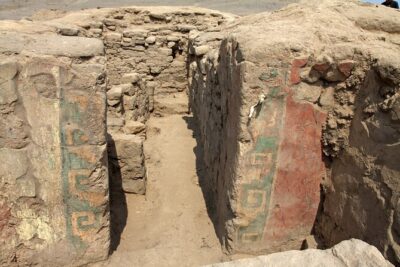
Tour to the Archaeological Sanctuary of Pachacamac (small group)
Read our review →
From Pyramids & Bohemian Streets: Lima Miraflores & Barranco Tour
Read our review →
City Tour | Half-Day Tour to 4 Archaeological Sites
Read our review →Browse the lists this tour appears in