
Reviewed · MUSEUMS
From Trujillo: Complete full day tour with museums
Ancient Peru meets working coastal life. I like the way this full-day outing links Moche crafts and foodways with major archaeological sites, then finishes at Huanchaco, where reed fishing boats still serve a practical purpose. I also like the value: for $45, you receive transport, entrance tickets, and a bilingual guide, though lunch is not included.
The main consideration is language. The listed guide language is Spanish, but Alejandro has been praised for fluent English, and Mariza has provided detailed translation for English speakers. I would confirm your language needs before booking, since the quality of interpretation can shape your day as much as the ruins themselves.
In This Review
- Five things that make this Trujillo tour worth considering
- A full day that connects three sides of Trujillo
- Moche countryside: crafts before monuments
- Huacas del Sol y de la Luna and the Moche world
- Lunch breaks up the archaeological schedule
- Chan Chan: nine citadels in one enormous complex
- Huanchaco and the living tradition of the caballitos
- What the $45 price really covers
- Guide language and communication matter here
- Timing, pickup, and practical comfort
- Is this tour focused on museums?
- Who should book this Trujillo day trip?
- Should you book this tour?
- FAQ
- How long does the tour last?
- What is included in the $45 price?
- Which places does the tour visit?
- Is the tour offered in English?
- What should I bring?
- Who should not take this tour?
Five things that make this Trujillo tour worth considering
- Moche countryside first: You begin with local craftwork, gastronomy, and everyday life before reaching the major monuments.
- Huacas del Sol y de la Luna: These temples introduce you to the Moche world at the place once viewed as its political and ceremonial center.
- Chan Chan’s nine citadels: The tour gives you a look at the immense adobe capital of the later Chimú civilization.
- Huanchaco’s reed boats: The traditional caballitos connect present-day fishing with customs inherited from Moche ancestors.
- Strong guide support: Alejandro is praised for fluent English, while Mariza has worked as a dedicated translator alongside the Spanish-speaking driver.
- Good included value: Transport, guide service, and entrance tickets are covered for $45, but you should budget separately for lunch.
A full day that connects three sides of Trujillo
This is not simply a ruins checklist. The route moves from the Moche countryside to ceremonial temples, then to Chan Chan and the Pacific coast. That order gives you a useful progression: first the people and their skills, then the major centers that shaped northern Peru, and finally a living fishing tradition.
The day runs from about 9:30 a.m. until 6 p.m. That is a long stretch, but the stops are varied. You are not spending eight straight hours walking through one archaeological site. The day includes village life, craft traditions, lunch, monumental adobe architecture, and the coast.
I would choose this tour if you have one full day in Trujillo and want the main cultural sights handled in one outing. If you prefer a slow morning, long museum visits, or lots of free time, the schedule may feel tightly packed.
More museums worth an hour in Northern Peru:
- Piramids of Tucume Tour, Sican Museum and Lambayeque city tour
★ 5.0 · 30 reviews - Huaca Rajada Tomb of the Lord Of Sipan & Site Museum
★ 5.0 · 5 reviews - Skip the Line: Larco Museum Admission Ticket
★ 5.0 · 659 reviews
Moche countryside: crafts before monuments
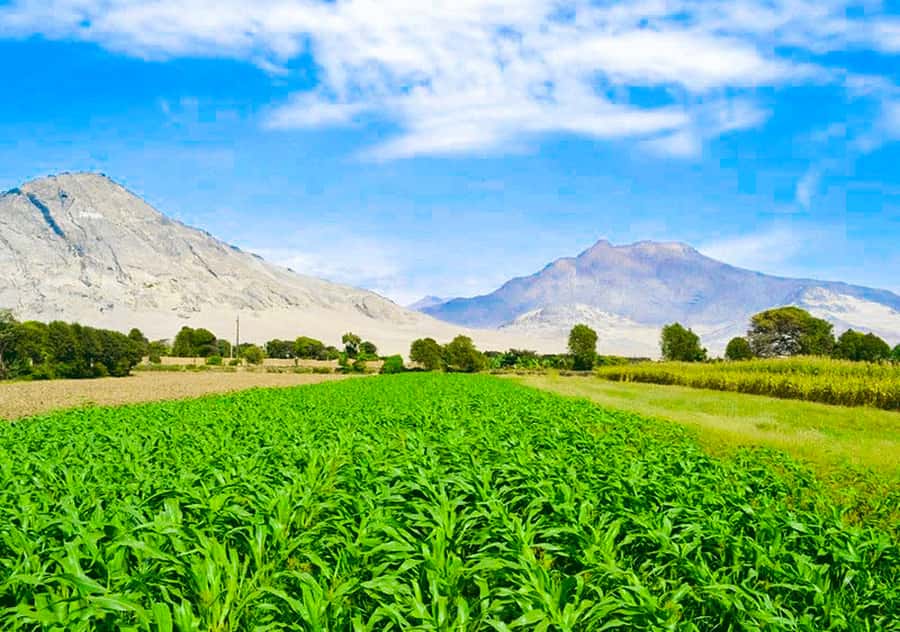
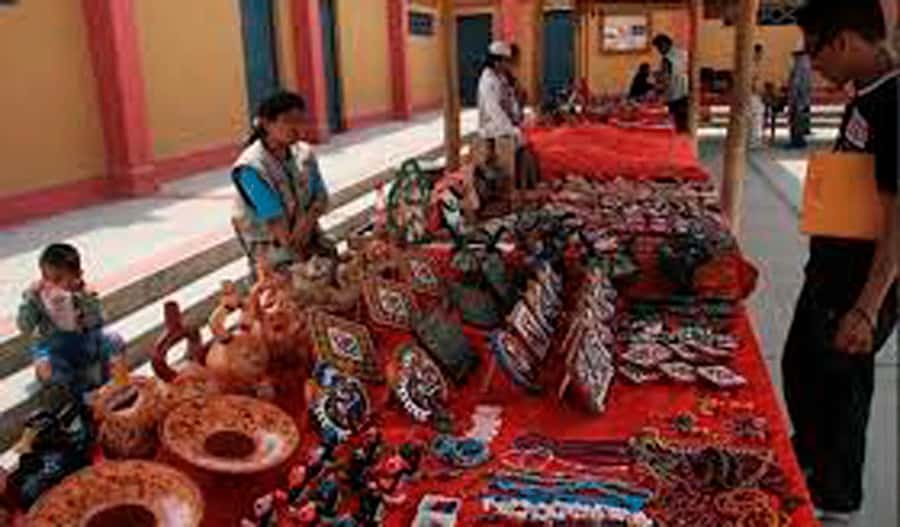
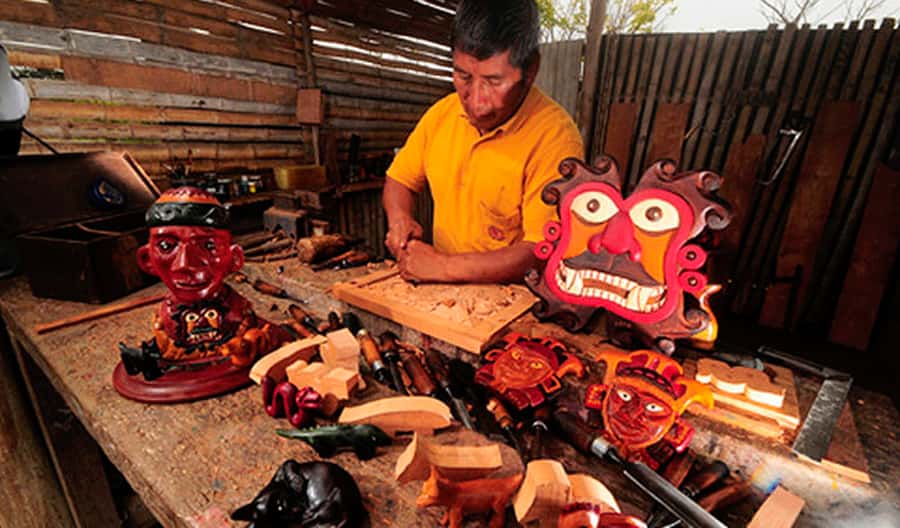
The first stop takes you into the Moche countryside, where the focus is on the daily life of the Mocheros. You may see the area’s craft traditions explained through ceramics, leatherwork, wood and stone carving, and basketry.
This opening matters because archaeology can feel distant when you only see walls and platforms. Crafts help connect the ancient culture to skills that still have a place in local life. I like that the tour begins with production and community rather than rushing straight to a famous ruin.
The description also includes gastronomy. That means your introduction to the Moche countryside is not limited to objects in a display case. Food and handmade goods show how local identity is expressed in ordinary routines.
The exact demonstrations are not specified, so I would keep expectations sensible. This is presented as an appreciation of local manufacture and cuisine, not a guaranteed hands-on workshop. If you care most about buying crafts, ask the provider what will be shown on your date and if purchases are part of the stop.
Huacas del Sol y de la Luna and the Moche world
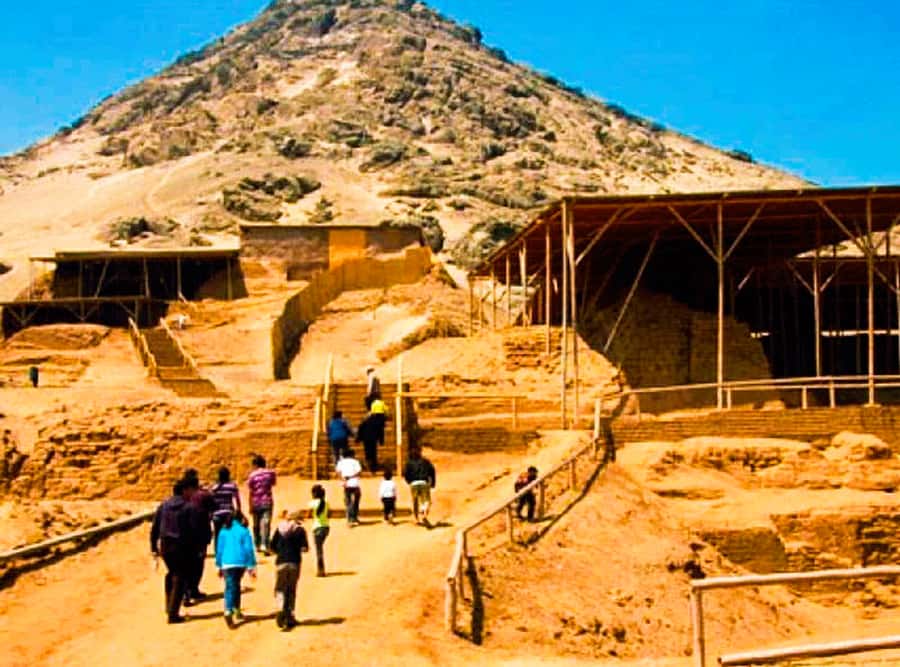
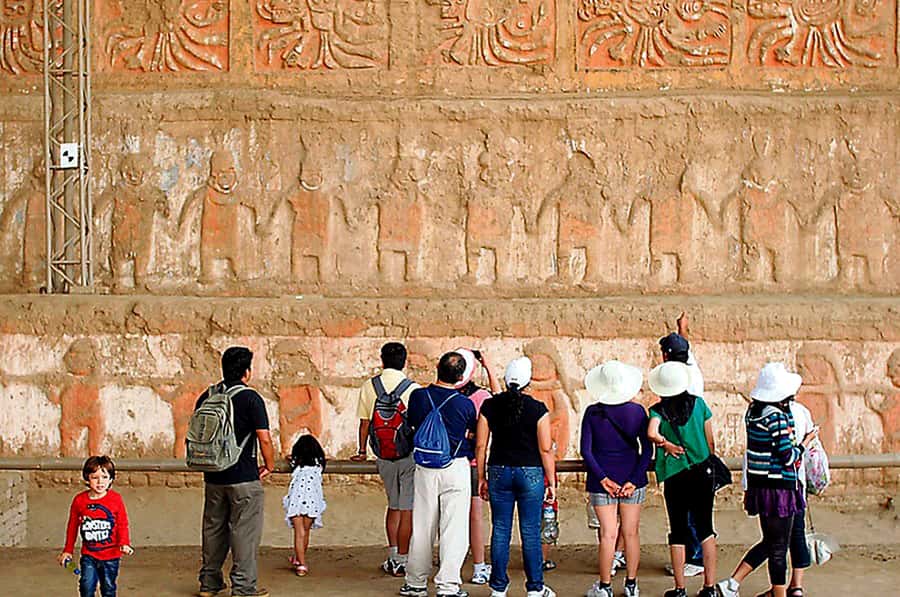
After the countryside, you continue to the Huacas del Sol y de la Luna, described as a Mochica sanctuary made up of several monuments. The site represents the capital of the Mochica culture from the first century B.C. to the ninth century.
You should allow your guide’s explanation to do real work here. The importance of the Huacas is not just their size. They help you understand how ceremonial, political, and community life could gather around a major center. The site also gives the day a clear historical anchor after the more informal countryside visit.
A guide can make a major difference at archaeological sites like this. Without context, you may see platforms, walls, and decorated surfaces but miss why the complex mattered. One of the strongest details from the feedback is the praise for Alejandro’s storytelling and fluent English. That is especially useful at the Huacas, where a good explanation can turn an impressive structure into a readable place.
The tour includes entrance tickets, so you do not need to arrange admission separately. Still, bring your passport or identity card, as this is required information for the activity. Wear practical clothing and shoes suitable for a full day of sightseeing, although the tour details do not specify a formal dress code.
Lunch breaks up the archaeological schedule
A lunch stop follows the Huacas del Sol y de la Luna. The meal is not included in the $45 price, so plan for that extra cost.
That arrangement keeps the base price low and gives you some choice, but it also means you should not treat the listed price as the entire spending budget for the day. You will want money for lunch and any craft purchases you decide to make.
Because the day continues to Chan Chan and Huanchaco, lunch is also your main pause between the two larger sections of the tour. I would use it to rest, refill water, and prepare for the afternoon. The schedule is active, and a rushed meal could make the final stops feel longer than they need to.
No restaurant or menu is specified, so I would not book this expecting a particular meal. The useful point is simply that food is part of the day’s rhythm, while payment remains your responsibility.
A few more Northern Peru trips worth lining up side by side
- Full Day Trujillo Piramides Sol y Luna , Chan chan y Huanchaco
★ 5.0 · 93 reviews - Full Day Tour Huacas, Chan Chan & Huanchaco – Trujillo
★ 4.5 · 64 reviews - Customize Cruise Ship Full Day tour – English Guide
★ 4.5 · 42 reviews - Full Archaeological Chan Chan Tour
★ 5.0 · 30 reviews
Chan Chan: nine citadels in one enormous complex
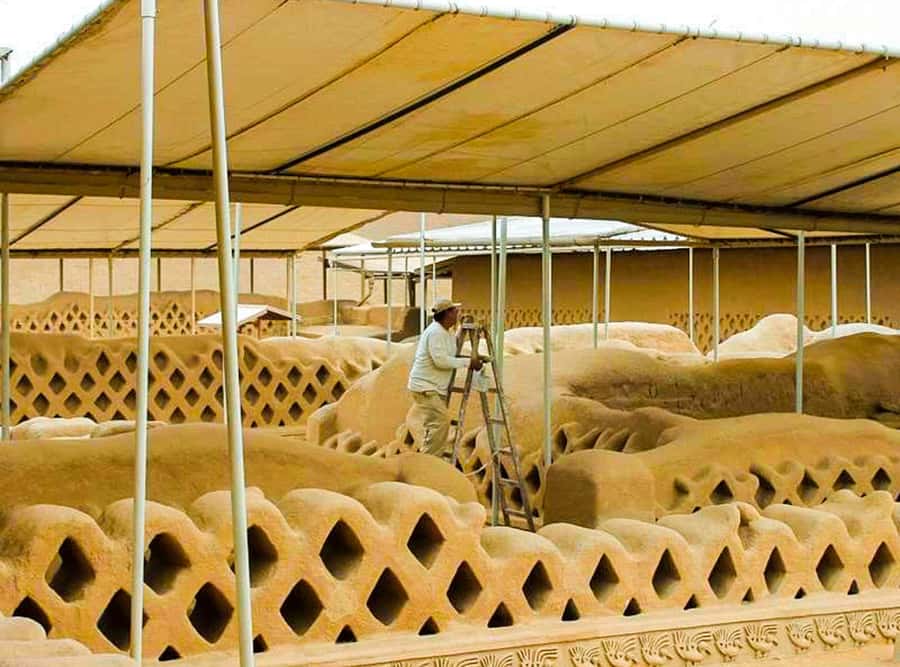
After lunch, the route continues to Chan Chan, an immense adobe center formed by nine citadels or palaces. Each has similar broad traits: monumental scale, limited access, complex architectural forms, and careful design.
Chan Chan is a very different experience from the Moche sanctuaries. The Huacas connect you with Mochica power and ceremony. Chan Chan introduces the later urban world of the Chimú, where enclosed compounds and controlled entry help you think about administration, status, and power.
The site’s scale is the first thing to understand. You are not visiting one compact building. The complex is made up of multiple citadels, and the tour description presents the nine-palace structure as a key part of its importance. Your guide’s job here is to help you read the plan, not merely point out adobe walls.
I would pay attention to the restricted access mentioned in the description. Entry design can tell you a great deal about how a place worked. It suggests that these were not open plazas where everyone moved freely. The architecture reflects organization and hierarchy, and that gives the ruins a stronger human meaning.
The drawback is time. Chan Chan can reward careful study, but a combined full-day route cannot give you unlimited hours at every section. If Chan Chan is your single top priority, a more specialized visit may suit you better. If you want to understand how it fits into a larger day of northern Peruvian culture, this schedule makes good sense.
Huanchaco and the living tradition of the caballitos
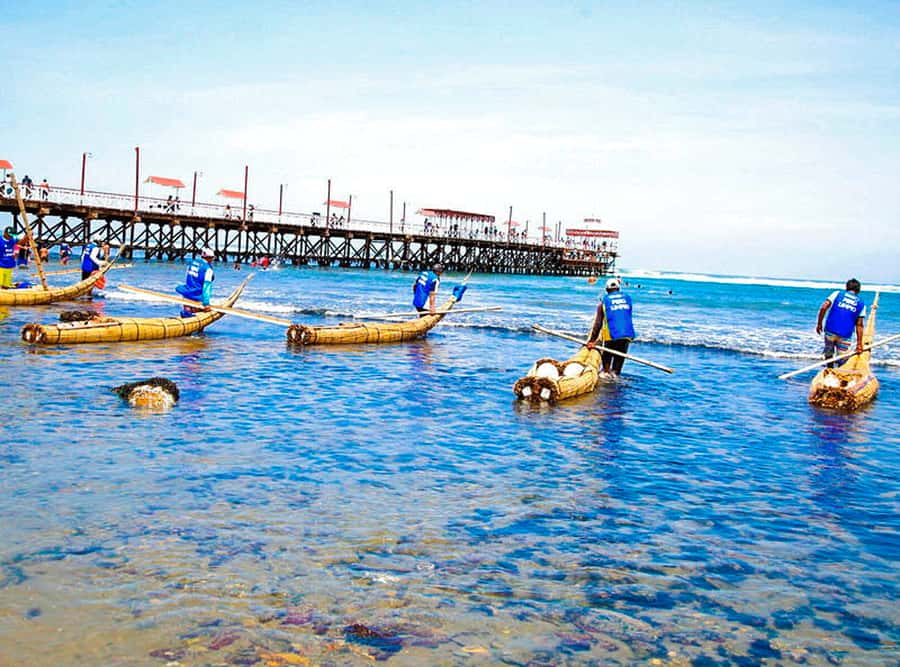
The final major stop is Huanchaco, a traditional fishing cove on the coast. Here, the tour turns from ancient monuments to a working tradition. Local fishermen still use small reed boats called caballitos, and the description connects them to customs inherited from Moche ancestors.
This is one of the most appealing parts of the route because it keeps the past from being sealed behind archaeological walls. You see a coastal practice that remains part of local life. The boats are not presented only as decorative symbols. They are described as working tools for current fishermen.
I would pay close attention to the guide’s explanation of how the boats relate to fishing. The supplied information does not promise a ride or a fishing demonstration, so do not book this expecting either. The confirmed experience is a visit to the traditional cove and an opportunity to see the boats and learn about their place in local culture.
Huanchaco also gives you a change of setting after the inland sites. The coast brings a different mood to the end of the day, and it helps show that Trujillo’s cultural identity is not only archaeological. It is also tied to food, craft, fishing, and local work.
What the $45 price really covers
At $45 per person, this is a strong value if you want the major stops combined with transport and admission. The included package covers tourist transport, a bilingual guide, and tickets. You are paying for a full day of movement between places that would otherwise require separate planning.
The value is strongest for visitors without a car or those who do not want to arrange several local rides. Transport removes the trouble of connecting the countryside, the Huacas, Chan Chan, and Huanchaco on your own. Included tickets also make the cost easier to understand before the day begins.
Lunch is the main extra expense. You should also allow for optional purchases if the craft portion appeals to you. Since the tour focuses on handmade goods and local traditions, you may find it tempting to spend more than the base price.
The small review sample gives the tour a perfect five out of five rating, with praise focused on communication, planning, and interpretation. I would give particular weight to those points. A route this full succeeds when pickup instructions are clear and the guide keeps the transitions organized.
Guide language and communication matter here
The listed live guide language is Spanish. That is important to know before you reserve. A Spanish-speaking guide may be a good fit if you can follow explanations comfortably, but English interpretation should be confirmed rather than assumed.
There is encouraging evidence for English support. Alejandro is praised for fluent English and engaging storytelling. Mariza has also worked as a translator, offering detailed information and time for questions while accompanying a Spanish-speaking driver.
That translator arrangement can be valuable. You are not limited to short summaries at each site. The direct feedback describes an opportunity to ask questions and receive more detail, which is exactly what helps at the Huacas and Chan Chan.
Still, guide assignments can vary. I would message Chullos Travel Peru before the tour and ask who will guide your departure and in which language. This is a small step, but it can prevent confusion on a day built around cultural explanation.
Timing, pickup, and practical comfort
Pickup is included. You should wait in your hotel lobby 10 minutes before the scheduled pickup time. Starting times are checked during the availability process, while the listed route begins at 9:30 a.m. and ends around 6 p.m.
The day is not suitable for everyone. The activity is marked as unsuitable for people who are pregnant, over 70, or recovering from recent surgery. Those limits suggest that you should take the long schedule and amount of sightseeing seriously.
You should bring a passport or identity card. Alcohol, drugs, and pets are not allowed. These rules are simple, but knowing them in advance helps avoid an awkward start.
I would also bring water, sun protection, and a light layer for the coastal portion, although these items are not formally listed as required. The safest advice is to dress for a full day outside and keep your belongings easy to carry.
Is this tour focused on museums?
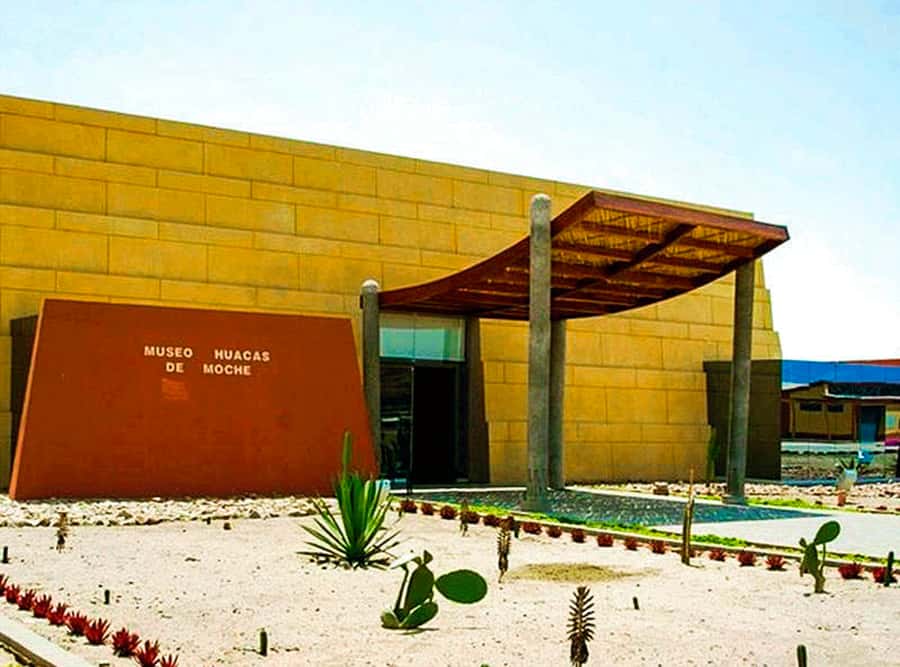
The experience is presented as a full-day tour with museums, but the detailed route names the Moche countryside, Huacas del Sol y de la Luna, Chan Chan, and Huanchaco. It does not identify a separate museum by name.
That distinction matters if you are booking specifically for indoor collections. The confirmed substance of the day is the archaeological and cultural route, with local crafts, gastronomy, monuments, adobe citadels, and fishing traditions. I would ask Chullos Travel Peru which museum visits, if any, are included on your chosen date.
The included tickets may cover the scheduled attractions, but the exact ticket breakdown is not provided. A quick message before booking can clarify this without changing the strong overall value of the route.
Who should book this Trujillo day trip?
I would recommend it to you if:
- You have only one full day for Trujillo’s main cultural sites.
- You want transport and entrance tickets handled together.
- You enjoy mixing archaeology with present-day crafts, food, and fishing.
- You are comfortable with a long schedule from morning until early evening.
- You can follow Spanish, or you confirm English help with the provider.
- You want a guide who can explain the sites rather than leaving you to read them alone.
I would hesitate if you want a quiet, flexible day or a specialist visit devoted only to Chan Chan. I would also hesitate if you need a guaranteed English-speaking guide, unless that detail is confirmed before payment.
Free cancellation is available up to 24 hours before departure for a full refund, and you can reserve now while paying later. Those options make the booking less rigid, but they do not remove the need to check language, museum stops, and the expected lunch arrangement.
Should you book this tour?
Book it if you want a practical one-day introduction to Trujillo’s Moche and Chimú heritage, with a final stop that shows coastal tradition still in use. The combination of countryside crafts, Huacas del Sol y de la Luna, Chan Chan, and Huanchaco gives you more range than a ruins-only outing.
The best reason to choose it is the balance between price and coverage. For $45, transport, tickets, and guiding are included, and the feedback points to excellent communication and strong interpretation from guides such as Alejandro and Mariza.
Before reserving, confirm the guide language and ask exactly which museum stops are planned. If those details fit your needs, this is a sensible, well-priced way to see the essential cultural sights in and around Trujillo in one organized day.
FAQ
How long does the tour last?
The tour lasts one full day, running from approximately 9:30 a.m. until 6 p.m. Starting times should be checked when you review availability.
What is included in the $45 price?
The price includes tourist transport, a bilingual guide, and entrance tickets. Lunch is not listed as included.
Which places does the tour visit?
The route includes the Moche countryside, the Huacas del Sol y de la Luna, Chan Chan, and Huanchaco.
Is the tour offered in English?
The listed live guide language is Spanish. Alejandro has been praised for fluent English, and Mariza has provided translation, so you should confirm English support with Chullos Travel Peru before booking.
What should I bring?
Bring your passport or identity card. You should also wait in your hotel lobby 10 minutes before the scheduled pickup time.
Who should not take this tour?
The activity is not considered suitable for pregnant women, people over 70, or people with recent surgeries. Alcohol, drugs, and pets are not allowed.
Added recently around Northern Peru
- Huaca Rajada Tomb of the Lord Of Sipan & Site Museum★ 5.0 · 5 reviews
- Nature tour, Pómac Forest with picnic breakfast included.★ 5.0 · 5 reviews
- Full day Tombs of Sipán, Ventarrón and Pto. Eten★ 4.5 · 10 reviews
- Shore Excursion from Salaverry port★ 4.5 · 8 reviews
- Pyramids of the Sun and the Moon, Huanchaco and Chan Chan★ 4.8 · 11 reviews
- Pyramids of the Sun and the Moon, Huanchaco and Chan Chan★ 4.1 · 9 reviews
- From Trujillo: Temple of the Moon and Sun and Chan Chan★ 3.3 · 5 reviews
- Chachapoyas | Kuelap Fortress Full-Day Tour★ 4.8 · 12 reviews
Museums, compared.
City Tour in Cusco & visit Museum South American Camelid Private.
Read our review →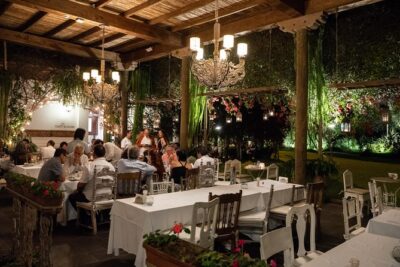
Experience Lima: Gastronomic Evening at Larco Museum
Read our review →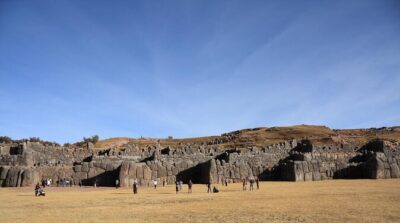
City Tour in Cusco & visit Museum South American Camelid
Read our review →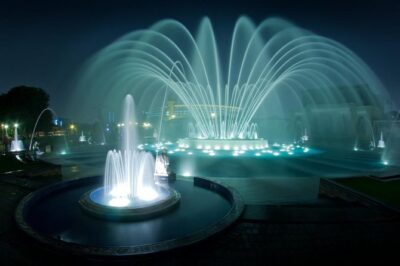
Larco Museum, Pisco Old Tavern and Magic Water Circuit Evening Tour
Read our review →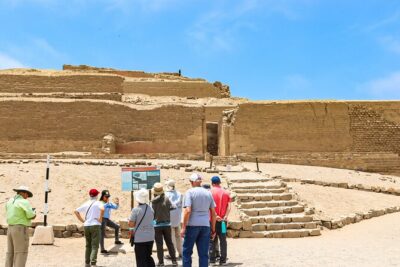
Pachacamac’s Inka Pyramids Tour including Museum Small-Group
Read our review →
Pachacamac Inka Pyramids & The Larco Museum Tour
Read our review →
Huaca Ruins and Larco Museum at Night with Dinner
Read our review →Browse the lists this tour appears in