
Reviewed · CITY TOURS
City Tour in Cusco
Cusco’s great ruins fit into one practical afternoon. This five-hour outing links Qorikancha, Sacsayhuaman, Qenqo, Puka Pukara, and Tambomachay, giving you a quick look at the city’s most important nearby sights without arranging separate rides. I especially like the private transportation and the low $20 price, which make the route simple for first-time visitors. I also like that the bus returns you near Cusco’s Plaza de Armas.
The main tradeoff is time. Five hours sounds generous, but the tour allows about an hour at each stop, and the afternoon departure at 12:30 pm may feel tight. One past booking noted that an earlier start would allow more time at the sites. Entrance fees are also extra, so the final cost is higher than the advertised price.
In This Review
- Key points to know before booking
- Why this five-hour route works in Cusco
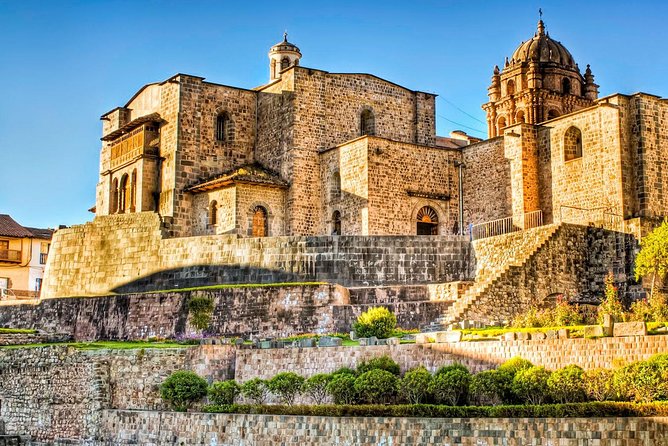
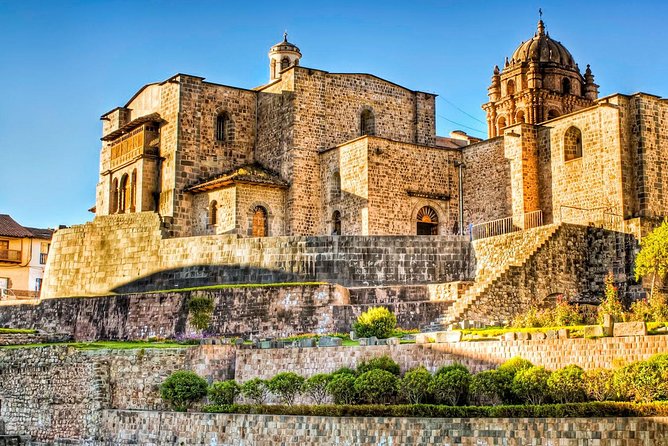
- Qorikancha: Cusco’s important first stop
- Sacsayhuaman: the largest-scale stop
- Qenqo: a shorter, more enclosed archaeological visit
- Puka Pukara: a fortress-like stop on the route
- Tambomachay: water, stone, and the final stop
- The real value of the $20 price
- Timing, group size, and the afternoon tradeoff
- What kind of visitor will enjoy this outing?
- Cancellation and booking basics
- Should you book the Cusco City Tour?
- FAQ
- How long does the City Tour in Cusco last?
- What time does the tour start?
- Which sites are included in the route?
- Is transportation included?
- Are entrance fees included?
- Is Qorikancha admission required?
- Where does the tour start and end?
- How many people can join the tour?
Key points to know before booking
- Five major sites in one afternoon: The route covers Qorikancha, Sacsayhuaman, Qenqo, Puka Pukara, and Tambomachay.
- Transportation is the main value: Private transport connects the ruins, saving you from arranging separate taxis or relying on public transport.
- The $20 price is only the tour cost: You must add PEN 15 for Qorikancha and PEN 70 for the four ruins covered by the BTG ticket.
- The schedule begins at 12:30 pm: Expect an afternoon outing that finishes back near the Plaza de Armas.
- Qorikancha entry is optional: You can visit the temple, but its admission fee is not included.
- The group can reach 22 people: This is not designed as a tiny private walking tour, even though transportation is private.
Why this five-hour route works in Cusco
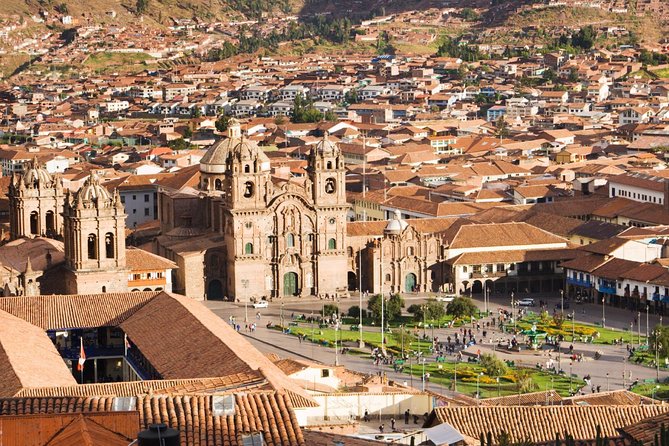
Cusco is easy to explore on foot around the historic center, but the major Inca sites outside the center are spread across hills and roads. This tour solves the basic transport problem. For $20, you get a vehicle connecting five important places, rather than spending time finding a separate taxi for each one.
I see this as an orientation tour more than a slow archaeological study. You get a broad sense of how Cusco’s ceremonial, military, and water-related sites fit together. The route also gives you a useful first look at the area before deciding which places deserve a return visit.
The advertised duration is about five hours, with the outing starting at 12:30 pm. The listed plan gives roughly one hour at each stop. That sounds comfortable on paper, but travel between sites, boarding the vehicle, and gathering a group can reduce your actual time on the ground.
The best way to approach the schedule is to keep moving. If you want long photographs, careful reading, and an unhurried look at every stone, you may find the afternoon rushed. If you want to cover the main sights efficiently, the pace is useful.
More City Tours in Cusco
- Cusco: Half-Day City Tour with Sacsayhuaman and Q’enco
★ 4.6 · 1,129 reviews - City Tour Cusco Qoricancha Sacsayhuaman y Tambomachay
★ 4.7 · 617 reviews - Cusco City Tour Four Ruins in Half-Day
★ 5.0 · 530 reviews
Qorikancha: Cusco’s important first stop
Qorikancha is only a few minutes from Cusco’s main square, making it a sensible beginning. The name refers to the famous Inca temple complex associated with the sun. Its location helps you connect the city center with the larger archaeological route outside town.
The tour allows about an hour here. That is enough for a focused visit, but not an open-ended one. Admission is optional and costs PEN 15 per person. Because the fee is separate, you can decide if the interior fits your budget and schedule.
I like having this choice. Some people want to begin with the central temple and its stonework. Others may prefer to save the extra fee and use the afternoon for the four outer ruins. Just remember that skipping Qorikancha does not necessarily create a full extra hour, since the group will continue according to its schedule.
The practical question is what kind of first day you want in Cusco. Qorikancha gives you a cultural and architectural starting point near the center. The outer sites then show a different side of the Inca world, with larger open-air remains and broad views.
Sacsayhuaman: the largest-scale stop
After Qorikancha, the bus continues to Sacsayhuaman. This is likely the visual centerpiece of the route. The site is known for enormous fitted stones and its position above Cusco, so it offers both impressive masonry and a wider view of the city.
You receive about an hour here, and I would use it carefully. Sacsayhuaman is the place where the time limit may feel most noticeable. The scale of the stones invites you to stop, look closely, and take photographs, while the group schedule asks you to keep an eye on the departure time.
The transport makes a real difference at this point. Reaching Sacsayhuaman independently is possible, but the tour removes the need to negotiate a ride after visiting Qorikancha. That convenience is central to the $20 value.
Do not expect the tour price to cover the site fee. Sacsayhuaman is included in the BTG admission arrangement for the four ruins, which costs PEN 70 per person. The same ticket covers Qenqo, Puka Pukara, and Tambomachay. Qorikancha has its own separate PEN 15 charge.
Qenqo: a shorter, more enclosed archaeological visit
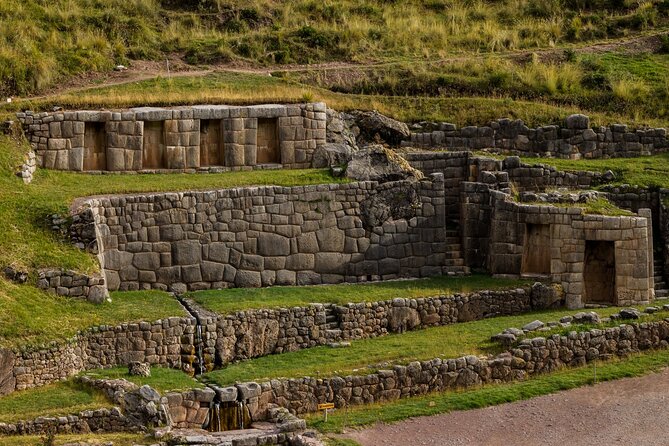
From Sacsayhuaman, the route continues to Qenqo. This archaeological complex has a different feel from the broad stone walls at Sacsayhuaman. Its importance comes from carved rock and ceremonial features, giving you another angle on how the Inca used these places.
The planned visit lasts about an hour. That provides time to look around, though you should not assume every minute will be spent inside the complex. The vehicle must move through the route, and the tour has four more major stops after its first visit to Qorikancha.
Qenqo works well in the middle of the afternoon because it changes the rhythm. Instead of seeing another large defensive site, you encounter a place shaped around rock and ritual use. The contrast helps the route feel less repetitive.
Keep your expectations measured. This is a compact stop within a packed day, not a private archaeological session. If you enjoy taking time to inspect details, you may want to note Qenqo as a place to revisit later, provided your wider Cusco plans allow it.
A few more Cusco trips worth lining up side by side
- Classic Inca Trail Trek 4D/3N to Machu Picchu (Group Service)
★ 5.0 · 8,653 reviews - Cusco: Rainbow Mountain and Red Valley Day Trip with Meals
★ 4.9 · 4,893 reviews - Machu Picchu: 4-Day Inca Trail Trek with Panoramic Train Ride
★ 5.0 · 4,568 reviews - Salkantay Classic Trek 5 Days from Cusco
★ 5.0 · 4,062 reviews
Puka Pukara: a fortress-like stop on the route
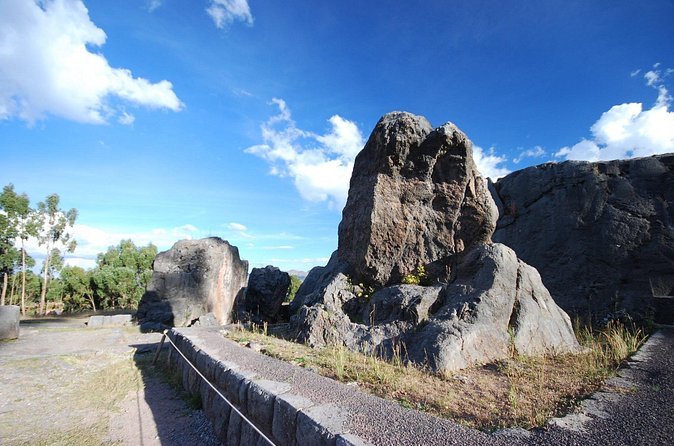
After Qenqo, the bus continues to Puka Pukara. Its name is often translated as Red Fortress, and the site is associated with the road system and movement around Cusco. Compared with Qorikancha and Sacsayhuaman, it may feel more like a strategic stopping point along the route.
The tour allows about an hour here. That makes the stop useful for seeing the site without adding another separate transport plan. You can also appreciate how the ruins relate to the roads and surrounding terrain, although the available information does not promise a particular guide presentation or detailed interpretation.
Puka Pukara is a good example of why this outing works as a group route. You would need to make a separate effort to reach it, while the bus brings you there as part of the same loop. The admission cost is already part of the PEN 70 BTG ticket for the four ruins.
The drawback is the same one found throughout the afternoon: the schedule is fixed. If you are especially interested in Puka Pukara, one hour may not be enough for a leisurely visit. The tour is built around variety, not extended time at one site.
Tambomachay: water, stone, and the final stop
Tambomachay is the final archaeological stop. It is associated with carefully built water features, making it a pleasant change after the larger stone complexes and the more enclosed feel of Qenqo.
The planned visit lasts about an hour. Since it comes late in the outing, your energy and attention may be different from when you first leave Cusco. Still, placing Tambomachay at the end gives the route a clear finish before the bus returns toward the city.
This stop also helps explain why the four-ruin ticket is useful. Paying PEN 70 separately for each site would not make sense, but the BTG arrangement covers Sacsayhuaman, Qenqo, Puka Pukara, and Tambomachay. You should budget for that ticket before booking so the low headline price does not surprise you.
After Tambomachay, the vehicle returns to Cusco and drops you near the Plaza de Armas. That is a helpful finish. You are not left at an isolated site, and you can continue with dinner, an evening walk, or the rest of your plans in the historic center.
The real value of the $20 price
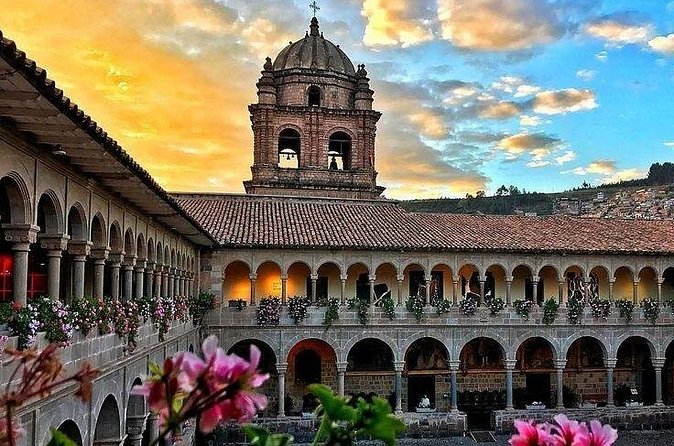
The $20 per-person price is attractive because transport is often the awkward part of this route. The sites are close enough to visit in one outing but far enough apart that independent transport takes planning. With the bus provided, you can focus on the sequence rather than arranging each ride.
Still, the advertised price is not the complete budget. Add:
- PEN 15 per person for Qorikancha, if you choose to enter
- PEN 70 per person for the BTG ticket covering the four ruins
- Travel insurance, which is not included
That means you should compare the total cost, not just the $20 tour charge. The price remains reasonable for a five-hour route with transportation, but the value depends on visiting most or all of the included ruins.
If you plan to see only one or two sites, arranging transport on your own may be more flexible. One past booking specifically noted that Uber could be an alternative for independent visits. The advantage of the organized outing is not necessarily a large saving. It is the convenience of joining the whole route in one vehicle.
Timing, group size, and the afternoon tradeoff
The tour begins at 12:30 pm and can include up to 22 people. That is a moderate group rather than a private sightseeing experience. The vehicle helps keep the route together, but a larger group can make boarding and meeting times more important.
You should arrive ready to leave at the stated start time. The supplied meeting point is F2MC+8F Cusco, and pickup is offered. Since the information also identifies the meeting point as the start and end location, confirm the exact pickup arrangement when booking rather than assuming door-to-door service.
The afternoon start may suit you if you want a relaxed morning in Cusco. You can eat breakfast, visit another central sight, or simply adjust to the altitude before leaving for the ruins. The cost is that the final stops occur later in the day, and the schedule may feel compressed.
I would not book this outing if your main goal is to linger at each site. A past booking found that beginning an hour earlier would have created more time. That is useful advice, especially for photographers, history fans, and anyone who dislikes watching the clock.
What kind of visitor will enjoy this outing?
I would recommend this route to a first-time Cusco visitor who wants a practical introduction to the main nearby ruins. It also suits you if transportation is your main concern, you have only one afternoon available, or you prefer a set plan to negotiating several rides.
The experience is also a sensible choice for people who want to compare the sites in one day. Sacsayhuaman gives you massive stonework, Qenqo offers a more ceremonial rock complex, Puka Pukara shows a strategic roadside site, and Tambomachay brings water features into the picture. Qorikancha adds a central temple stop near the Plaza de Armas.
I would be more cautious about booking it if you want a small group, a slow pace, or a detailed specialist explanation at every site. English is offered, but the supplied details do not identify a guide by name or describe the depth of guiding. Most people can participate, but the information does not provide a detailed accessibility description, so you should ask the operator if you have specific mobility needs.
The tour has an overall rating of 4.6 from five ratings, which suggests a generally positive response but is still a small sample. I would treat that number as encouraging rather than decisive. The clearest practical point is the balance between convenient transport and limited time.
Cancellation and booking basics
Confirmation is provided at the time of booking, and free cancellation is available up to 24 hours before the local start time for a full refund. Cancellations or changes made less than 24 hours before departure are not accepted for a refund.
Since the outing is booked an average of 23 days ahead, you may want to reserve early if your dates are fixed. The group limit is 22 people, so the tour is not unlimited in size. Pickup is offered, but the listed meeting and return point is in Cusco near the F2MC+8F location.
Should you book the Cusco City Tour?
Book it if you want the efficient version of Cusco’s major nearby ruins. The $20 transport cost is fair, the route covers five important places, and returning near the Plaza de Armas is convenient. I especially like it for a first full day of sightseeing, when seeing the big picture matters more than studying one site for hours.
Skip it if you already know which ruins matter most to you and prefer to set your own pace. Independent transport may give you more freedom, but it will require extra planning. Also skip it if the additional PEN 85 in possible admission fees, PEN 15 for Qorikancha plus PEN 70 for the BTG ticket, pushes the outing beyond your budget.
My practical verdict: this is a useful, affordable introduction with one clear weakness, a busy afternoon schedule. Go in expecting efficient sightseeing rather than a leisurely archaeological day, and the tour should deliver good value.
FAQ
How long does the City Tour in Cusco last?
The tour lasts approximately five hours.
What time does the tour start?
The listed start time is 12:30 pm.
Which sites are included in the route?
The route visits Qorikancha, Sacsayhuaman, Qenqo, Puka Pukara, and Tambomachay.
Is transportation included?
Yes. Private transportation is included.
Are entrance fees included?
No. Qorikancha admission costs PEN 15 per person. Entry to Sacsayhuaman, Qenqo, Puka Pukara, and Tambomachay requires a BTG ticket costing PEN 70 per person.
Is Qorikancha admission required?
Qorikancha entry is optional, and its admission ticket is not included.
Where does the tour start and end?
The listed meeting point is F2MC+8F Cusco, Cusco, Peru. The activity ends back at the meeting point, and the return bus leaves you near Cusco’s Plaza de Armas.
How many people can join the tour?
The activity has a maximum group size of 22 people.
Added recently around Cusco
- Guided tour of the mountain of colors in Cusco★ 5.0 · 11 reviews
- 2-Day Private Short Inca Trail to Machu Picchu★ 5.0 · 15 reviews
- City Tour Cusco – Group★ 5.0 · 4 reviews
- Tour Sacred Valley with Maras and Moray★ 5.0 · 15 reviews
- San Pedro Market Tour with Peruvian Cooking Class★ 5.0 · 31 reviews
- Walking Culinary Experience★ 5.0 · 41 reviews
- City Tour in Cusco★ 4.5 · 10 reviews
- One Day Tour to Humantay Lagoon★ 5.0 · 8 reviews
City Tours, compared.
Lima Half-Day City Walking Tour (Small Groups)
Read our review →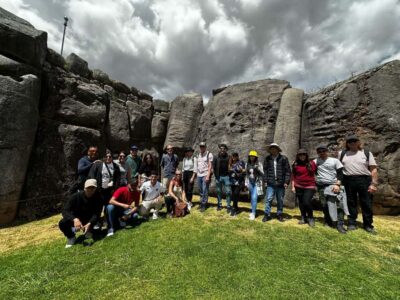
Half-Day City Tour with Sacsayhuaman and Q’enco
Read our review →
City Tour Panoramic Bus Departure From Larcomar
Read our review →
City Tour Cusco Qoricancha Sacsayhuaman y Tambomachay
Read our review →
Lima’s Vibrant Heritage: Exploring the City’s Landmarks Half-day
Read our review →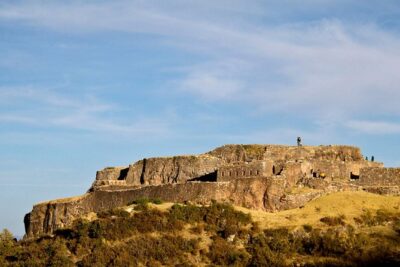
Sightseeing Tour of the City on an Open-Top Bus
Read our review →
Lima City, Central Market & Catacombs Tour (Pick-up & Drop Off)
Read our review →Browse the lists this tour appears in