
Reviewed · CITY TOURS
City Tours in Cusco -with income
Cusco’s story is written in stone. This 4.5-hour city tour gives you a useful first look at the city, moving from the Cathedral and Qorikancha to the Inca sites beyond the center. I like the small maximum of 18 people, which should make it easier to hear the guide, and I like the hotel pickup, a simple help when you are still finding your way around Cusco.
I also appreciate the range of stops. You get art and Spanish-era architecture in the Cathedral, Inca history at Qorikancha, and huge stone construction at Saqsaywaman, Q’enqo, and Tambomachay. The main consideration is time: five sites in about four and a half hours can feel brisk, and admission tickets are not included.
In This Review
- Key points to know before booking
- A smart first look at Cusco in 4.5 hours
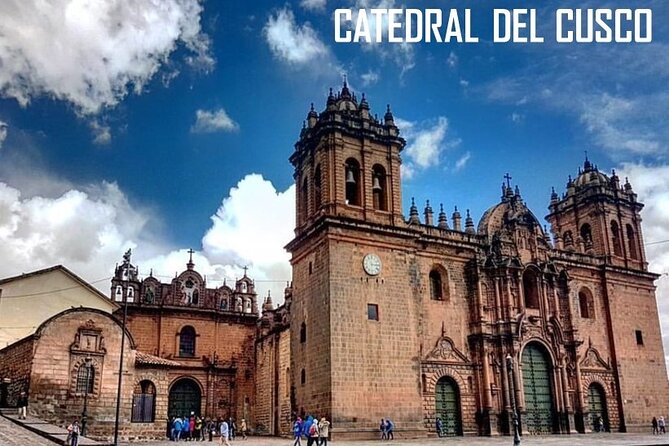
- Starting with Cusco Cathedral and the main square
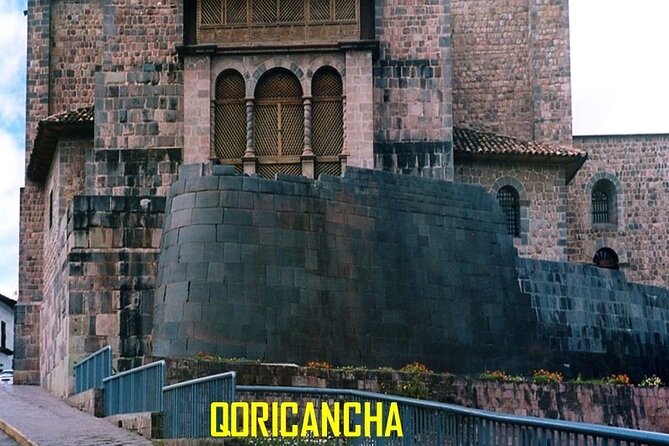
- Qorikancha: where Inca and Spanish Cusco meet
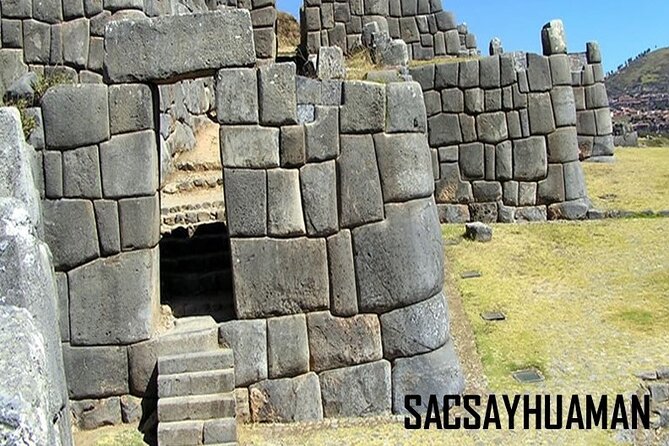
- Saqsaywaman gets the longest visit
- Q’enqo brings the route closer to ceremonial history
- Tambomachay closes the Inca site sequence
- What the $75 price really includes
- The practical side of the day
- Who will enjoy this Cusco tour most
- Should you book City Tours in Cusco with Tayra Tours Adventures?
- FAQ
- How long does the Cusco city tour last?
- How much does the experience cost?
- Is hotel pickup included?
- How many people can join the tour?
- Are entrance tickets included in the price?
- Which places are visited?
- How much time is scheduled at each stop?
- Can I cancel for a full refund?
- What happens if the tour does not meet its minimum number of participants?
Key points to know before booking
- Edith has earned praise for clear explanations and good organization, making her a guide name to look for if she is assigned to your departure.
- Saqsaywaman receives a full hour, giving you the most time at the largest outdoor site on the route.
- The Cathedral and Qorikancha are paid attractions, so add entrance fees to the $75 tour price.
- Hotel pickup removes a common first-day worry, especially if you are unfamiliar with Cusco’s streets.
- The group is capped at 18 people, more personal than a large coach tour but not a private outing.
- Free cancellation applies up to 24 hours before departure, subject to the stated minimum group requirement.
A smart first look at Cusco in 4.5 hours
I see this tour as an orientation day with real substance. It does not try to cover every corner of Cusco. Instead, it links the city’s central religious buildings with three important Inca sites outside the immediate center.
That combination matters. If you only walk around the main square, you can admire Cusco’s buildings without understanding how the city changed under Spanish rule. If you only visit the outer ruins, you miss the paintings, churches, and layered architecture that make the center so distinctive.
The route also gives your guide plenty to explain. At the Cathedral, the focus is on paintings, canvases, architecture, and history. At Qorikancha, you move toward Inca history and the building’s importance. The final three stops shift the emphasis to stonework, water, ceremonial spaces, and the achievements of the Inca period.
The tour has a rating of 4.6 from 12 reviews, with 92 percent of customers recommending it. That is a positive signal, though the sample is small. The most specific praise concerns the quality of the explanations and the organization, especially from a guide named Edith.
More City Tours in Cusco
- Cusco: Half-Day City Tour with Sacsayhuaman and Q’enco
★ 4.6 · 1,129 reviews - City Tour Cusco Qoricancha Sacsayhuaman y Tambomachay
★ 4.7 · 617 reviews - Cusco City Tour Four Ruins in Half-Day
★ 5.0 · 530 reviews
Starting with Cusco Cathedral and the main square
The first stop is Cusco Cathedral, with about 30 minutes inside. That is enough for a focused introduction, but it is not a long museum visit. You should expect the guide to direct your attention to the church’s architecture, canvases, paintings, and historical setting.
The Cathedral is a useful place to begin because it puts Spanish colonial influence right in front of you. The artwork and structure provide a clear contrast with the Inca sites later in the day. A good explanation here can help you notice how Cusco’s identity was shaped by two major cultural periods rather than by one period alone.
One especially positive assessment praised the Cathedral as spectacular, huge, and very well maintained, along with the square and its festivals. That tells you where this part of the tour has the strongest emotional appeal: not just the interior, but the relationship between the church, the plaza, and the public life around it.
Still, 30 minutes can feel short if you want to study every canvas. One customer specifically preferred spending less time in churches and more time in the plaza, taking in local festivals and culture. I would treat that as useful advice rather than a complaint. If the square feels especially lively during your visit, you may wish the schedule allowed a little more unstructured time.
Admission to the Cathedral is not included in the tour price. Confirm the current entrance cost before you go, since the $75 fee does not cover it.
Qorikancha: where Inca and Spanish Cusco meet
The tour allows about 40 minutes at Qorikancha. That is longer than the Cathedral visit, giving you a better chance to follow an explanation about the Incas, the building’s architecture, and the paintings and canvases connected with its later use.
This stop helps explain Cusco’s layered character. You are not looking at an isolated ruin. You are seeing a place where Inca foundations and Spanish religious architecture exist within the same historical setting. The value of a guide is clear here, since the visual details can be easy to miss if you simply walk through without context.
I would listen closely for the transitions between Inca and Spanish elements. The tour description places equal weight on architecture, artwork, and Inca history, so the stop should appeal to you if you want more than a quick photograph.
The limitation is similar to the Cathedral: 40 minutes is enough for a guided overview, not a slow, independent inspection. If you are drawn to paintings or architectural details, you may want to return on your own later. Qorikancha also requires a separate admission ticket.
Saqsaywaman gets the longest visit
Saqsaywaman receives one hour, the longest scheduled stop. That is a sensible choice. Of the five locations, this is the place where scale and stone construction need time to register.
The stated focus is architecture and Inca history. You can expect the guide to explain the site rather than simply bring you there for a viewpoint. The extra time should help you understand the construction and layout, though the exact pace will depend on the guide and the group.
I like that the schedule does not rush Saqsaywaman into a short photo stop. A site of this size benefits from a full hour, especially for anyone interested in how the Incas worked with enormous stones. You will likely get more from it if you listen first, then take a few minutes to look around for yourself.
That said, one hour is still a guided visit, not an afternoon of free exploration. If you want to linger at every section, the group schedule may feel restrictive. Entrance is not included, so budget for that separately.
Saqsaywaman is also a good test of the tour’s organization. With up to 18 people, the guide must keep everyone together while allowing enough time for explanation and photographs. Edith was praised as well informed and organized, qualities that matter most at large outdoor sites where a loose group can easily lose track of the schedule.
A few more Cusco trips worth lining up side by side
- Classic Inca Trail Trek 4D/3N to Machu Picchu (Group Service)
★ 5.0 · 8,653 reviews - Cusco: Rainbow Mountain and Red Valley Day Trip with Meals
★ 4.9 · 4,893 reviews - Machu Picchu: 4-Day Inca Trail Trek with Panoramic Train Ride
★ 5.0 · 4,568 reviews - Salkantay Classic Trek 5 Days from Cusco
★ 5.0 · 4,062 reviews
Q’enqo brings the route closer to ceremonial history
The visit to Q’enqo lasts about 30 minutes. The focus remains on architecture and Inca history, but the shorter stop means you should expect a concise explanation and a quick look around.
This part of the route adds variety after Saqsaywaman. Rather than spending the whole day at one major complex, you see another Inca site with its own design and historical role. I value that change of scale. It gives you a broader picture of the area instead of leaving you with one impressive site and little comparison.
Thirty minutes can work well if you prefer a clear overview. It may feel too brief if you want to examine every feature or ask many questions. Keep your expectations realistic: this is a survey tour, designed to connect several important places in one outing.
Q’enqo also requires a separate entrance ticket. The tour price covers the guided experience and hotel pickup, but not the admissions listed for the stops.
Tambomachay closes the Inca site sequence
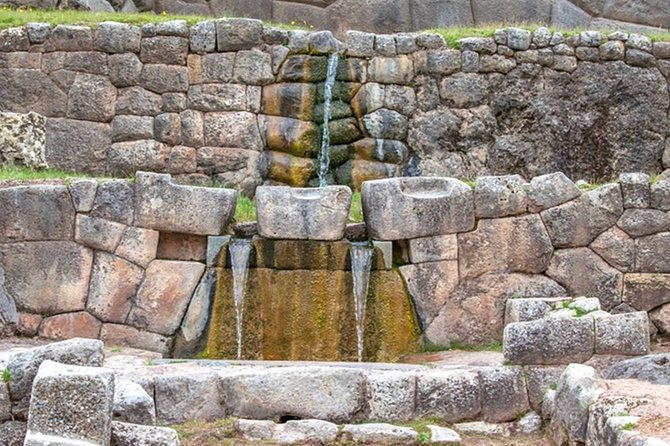
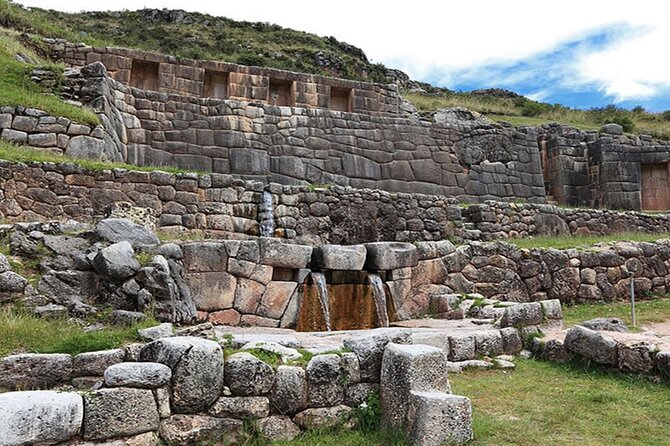
Tambomachay receives another 30-minute visit. The tour description highlights architecture and Inca history, so the guide’s explanation will be central to making this stop worthwhile.
After Saqsaywaman and Q’enqo, Tambomachay completes the outdoor portion of the route with another example of Inca construction. The benefit is variety. You are not simply repeating the same type of ruin, and the guide can place each site within the larger story of the area.
The drawback is time. Half an hour leaves little room for a slow visit, especially if the group needs to walk together or pause for photographs. I would stay near the guide and ask your questions while the explanation is fresh. If you wander too far from the group, you may miss part of the commentary.
As with the other sites, admission is not included. The schedule gives you a taste of Tambomachay rather than a full independent visit.
What the $75 price really includes
At $75 per person, this is not the cheapest way to see Cusco. But price alone does not tell you much. The value depends on how much you want handled for you and how useful a guide’s explanations will be.
You are paying for a guided route lasting about four hours and 30 minutes, hotel pickup from your Cusco accommodation, and visits to five major cultural sites. That saves you the work of arranging transport between the central city and the outer Inca locations.
The cost is easier to justify if this is your first time in Cusco, your schedule is tight, or you want the historical links explained as you go. It is less compelling if you already know the sites, prefer to move at your own pace, or want long stretches in the main square.
Remember to add entrance fees. The Cathedral, Qorikancha, Saqsaywaman, Q’enqo, and Tambomachay are all listed with admission not included. That extra cost affects the final budget, and you should confirm the current ticket prices before booking.
The group size also affects the value. A maximum of 18 people is a reasonable middle ground. You get more structure than an independent visit, but you do not get the quiet pace or custom route of a private guide. The quality of the day will depend heavily on how well the guide handles the schedule and questions.
The practical side of the day
Hotel pickup is one of the tour’s strongest conveniences. You do not need to find the starting point in an unfamiliar city, and you can begin with the group already organized. The available information says pickup is from Cusco accommodations, but it does not give a precise pickup window, so check the confirmation carefully.
Confirmation is provided at booking. The experience is considered suitable for most people, and the group maximum is 18. No special participation restriction is stated in the supplied details.
Plan for a full half-day rather than a quick city walk. The stops include indoor religious buildings and outdoor archaeological sites, so the pace and surroundings will change several times. Since the schedule is fixed, arrive ready to keep moving between explanations and visits.
The cancellation policy is forgiving if your plans change early. You can receive a full refund by canceling at least 24 hours before the local start time. Changes or cancellations inside that 24-hour window are not accepted for a refund. The experience also needs a minimum number of participants, and if the operator cancels for that reason, you are offered another date or experience, or a full refund.
Who will enjoy this Cusco tour most
I would recommend it to a first-time visitor who wants the major sights placed in a clear historical order. It is also a good fit if you have only one free half-day and do not want to arrange transportation between the center and the outer sites.
Families may appreciate the straightforward route and hotel pickup. One family assessment gave special praise to the Cathedral, the square, and the explanations. The group cap of 18 should also be more manageable than a large bus group.
You should consider another format if your main goal is lingering. The schedule gives only 30 minutes at the Cathedral, Q’enqo, and Tambomachay, and 40 minutes at Qorikancha. The one-hour visit at Saqsaywaman is more generous, but the entire route remains tightly planned.
Art lovers may want extra time at the Cathedral and Qorikancha. The tour introduces paintings and canvases, but it cannot promise the leisurely viewing pace of a dedicated art visit. Likewise, anyone who wants to spend time in the plaza during festivals may find the organized schedule a little limiting.
Should you book City Tours in Cusco with Tayra Tours Adventures?
I would book this tour if you want a well-organized introduction to Cusco and prefer explanations over independent wandering. The route covers the Cathedral, Qorikancha, Saqsaywaman, Q’enqo, and Tambomachay, while hotel pickup removes much of the day’s practical fuss.
The strongest reasons to choose it are the sensible range of sites, the full hour at Saqsaywaman, the maximum group size of 18, and the positive feedback about Edith’s organization and explanations. The main cautions are the $75 price, separate entrance fees, and limited free time at each stop.
If you want a first-day overview, this is a solid choice. If you already know Cusco or prefer to linger in churches, plazas, and ruins, use this tour as a framework only if you are comfortable trading depth for coverage.
FAQ
How long does the Cusco city tour last?
The tour lasts approximately 4 hours and 30 minutes.
How much does the experience cost?
The listed price is $75 per person.
Is hotel pickup included?
Yes. The tour includes pickup from your Cusco accommodation.
How many people can join the tour?
The activity has a maximum of 18 participants.
Are entrance tickets included in the price?
No. Admission tickets for the Cathedral, Qorikancha, Saqsaywaman, Q’enqo, and Tambomachay are not included.
Which places are visited?
The route includes Cusco Cathedral, Qorikancha, Saqsaywaman, Q’enqo, and Tambomachay.
How much time is scheduled at each stop?
The schedule allows 30 minutes at the Cathedral, 40 minutes at Qorikancha, one hour at Saqsaywaman, 30 minutes at Q’enqo, and 30 minutes at Tambomachay.
Can I cancel for a full refund?
Yes, if you cancel at least 24 hours before the experience start time. Cancellations made less than 24 hours before departure are not refunded.
What happens if the tour does not meet its minimum number of participants?
If the operator cancels because the minimum number is not reached, you will be offered a different date or experience, or a full refund.
Added recently around Cusco
- Guided tour of the mountain of colors in Cusco★ 5.0 · 11 reviews
- 2-Day Private Short Inca Trail to Machu Picchu★ 5.0 · 15 reviews
- City Tour Cusco – Group★ 5.0 · 4 reviews
- Tour Sacred Valley with Maras and Moray★ 5.0 · 15 reviews
- San Pedro Market Tour with Peruvian Cooking Class★ 5.0 · 31 reviews
- Walking Culinary Experience★ 5.0 · 41 reviews
- City Tour in Cusco★ 4.5 · 10 reviews
- One Day Tour to Humantay Lagoon★ 5.0 · 8 reviews
City Tours, compared.
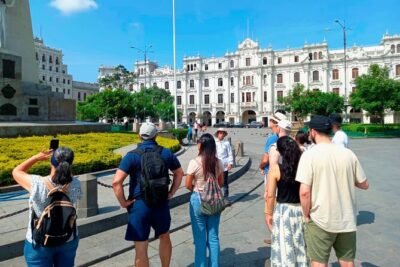
Lima Half-Day City Walking Tour (Small Groups)
Read our review →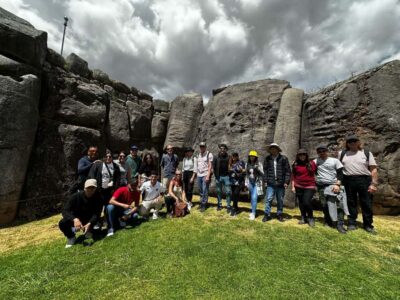
Half-Day City Tour with Sacsayhuaman and Q’enco
Read our review →
City Tour Panoramic Bus Departure From Larcomar
Read our review →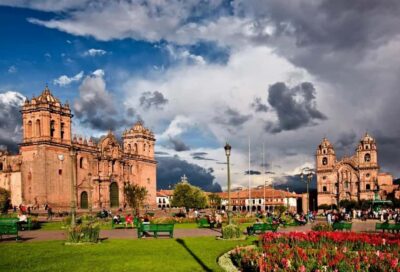
City Tour Cusco Qoricancha Sacsayhuaman y Tambomachay
Read our review →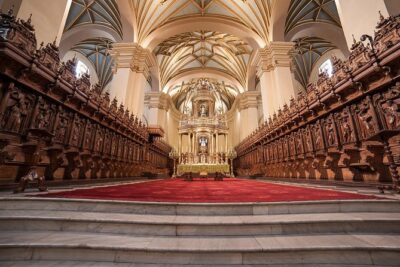
Lima’s Vibrant Heritage: Exploring the City’s Landmarks Half-day
Read our review →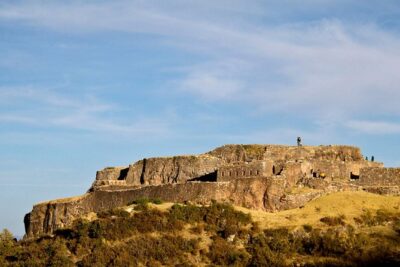
Sightseeing Tour of the City on an Open-Top Bus
Read our review →
Lima City, Central Market & Catacombs Tour (Pick-up & Drop Off)
Read our review →Browse the lists this tour appears in