
Reviewed · INCA TRAIL TOURS
Classic Inca Trail Tour 4 days
Machu Picchu is the reward. This four-day Classic Inca Trail tour gives you the full walking route, from the Sacred Valley to the Sun Gate, with camping, meals, porters, and return transport included. I like the support from the cooks and porters, and I like that the route reaches Machu Picchu through Intipuncu rather than simply arriving by train.
The tour also gets strong praise for its guides and food. Luis Echaiz, Henry, Fredi, and Luis Hernandez have each been singled out for patience, cultural explanations, and steady help on difficult stretches. The main concern is communication from the agency, especially before departure and during transport problems.
The price is $1,060 per person, which is a serious sum. Still, it covers permits and site access, camping equipment, three breakfasts, three lunches, three dinners, porters, a cook, a guide, buses, and the train back toward Cusco. You should treat this as a demanding mountain trek with a support crew, not as a simple sightseeing day.
In This Review
- Key points to know before booking
- What the $1,060 price really covers
- The briefing and 4:00 am departure from Cusco
- Day 1: Ollantaytambo and the first 13 kilometers
- Day 2: Warmiwañusca and the hardest climb
- Day 3: Sayacmarca, Phuyupatamarca, and a long descent
- Day 4: Intipuncu and the first view of Machu Picchu
- The guides, cooks, and porters make the difference
- Group size, fitness, and what to pack
- Communication is the main weakness to watch
- Who should book this Inca Trail trek?
- Should you book it?
- FAQ
- How long is the Classic Inca Trail tour?
- What time does the tour start?
- Where does the hike begin?
- What is the highest point on the route?
- Are meals included?
- Are porters and camping equipment included?
- Does the tour include the return to Cusco?
Key points to know before booking
- The highest point is Warmiwañusca at 4,215 meters, reached on the second day after a long climb.
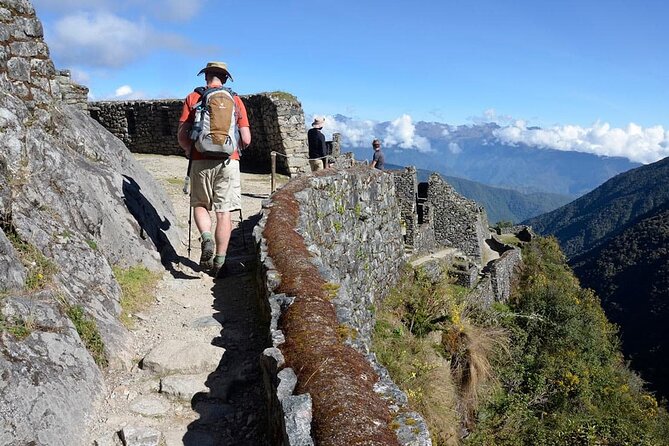
- You enter Machu Picchu through Intipuncu, the Sun Gate, after an early morning descent.
- Porters carry the camping equipment, so you do not haul the group gear yourself.
- Meals are a major strength, with cooks such as Juan de Dios and Fabián praised for varied food and a farewell cake.
- Camps can change, with locations assigned according to availability.
- The group limit is 16 people, and a moderate level of physical fitness is required.
What the $1,060 price really covers
At first glance, $1,060 looks expensive for four days of hiking. The value becomes clearer once you count what would be difficult to arrange alone.
You receive hotel pickup in Cusco, transport to the trailhead, camping gear, a cook, porters, a guide in English and Spanish, first aid support, meals, entry arrangements, the Machu Picchu visit, the bus down to Aguas Calientes, and the train and road transport back toward Cusco.
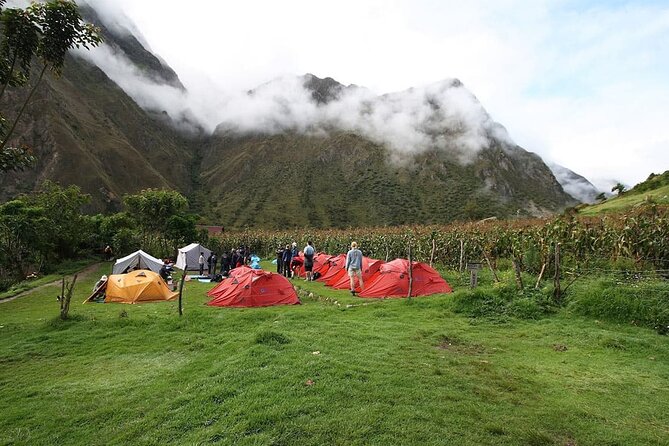
The porters are important. They carry the tents, cooking supplies, food, and other group equipment. You still need to carry your personal belongings, but you are not dragging a full camping load over mountain passes. That changes the trip from a self-supported expedition into a supported trek.
The food also adds real value. Breakfast, lunch, and dinner are provided on the first three days. Past groups have praised cooks including Juan de Dios and Fabián for producing varied meals in camp, with one group even receiving a farewell cake. Do not expect restaurant service in the mountains, but the cooking effort can make a hard day feel much easier.
The price does not include a sleeping bag or trekking poles. You also need to arrange breakfast on Day 1, plus lunch and dinner on Day 4. Tips are not included either. These are manageable extra costs, but you should plan for them before you leave Cusco.
Other Inca Trail departures:
- Classic Inca Trail Trek 4D/3N to Machu Picchu (Group Service)
★ 5.0 · 8,653 reviews - Machu Picchu: 4-Day Inca Trail Trek with Panoramic Train Ride
★ 5.0 · 4,568 reviews - Short Inca Trail to Machu Picchu 2D/1N
★ 5.0 · 3,007 reviews
The briefing and 4:00 am departure from Cusco
A group briefing takes place the day before the hike. This is the moment to ask about the route, packing, camp assignments, meals, and transport. I would use it well, especially because the camp location can depend on availability.
The official meeting point is listed at Cta. del Almte. 214 in Cusco, with a 4:00 am start. Hotel pickup is offered, so confirm the exact pickup arrangement before going to bed. An early departure is not glamorous, but it is part of making the long transfer and hiking schedule work.
The road takes you toward the Sacred Valley and the area near Ollantaytambo. You begin the hike outside Cusco, not from the city itself. Since breakfast on this day is not included, arrange food in advance or ask during the briefing what pickup timing allows.
Communication deserves attention here. Several past departures were affected by unclear or late updates from the agency. The guide and porters received high praise, but the office did not always provide information as promptly as it should have. Keep the agency’s contact details handy and confirm the pickup time, meeting point, luggage plan, and return transport before departure.
Day 1: Ollantaytambo and the first 13 kilometers
The first hiking day begins near Ollantaytambo in the Sacred Valley. You start with an ascent of about 13 kilometers, so this is not a gentle warm-up. The climb can feel demanding from the start, particularly if you have not yet adjusted to Cusco’s altitude.
The reward is the view toward Llactapata, an archaeological site seen from the upper route. This first day introduces the basic rhythm of the trek: climb, pause, eat, continue, and settle into camp before dinner.
Lunch is prepared in camp by the cooking team. That matters because you are not stopping at a roadside café. The food arrives as part of the expedition routine, and the porters have already done the hard work of moving the kitchen and camp supplies.
The first night may be at Ayapata, Wayllabamba, Llaqtapata, or Llulluchapampa. You should not assume a particular camp until the operator confirms it. The difference matters because the location affects how much climbing remains and how close you are to the next day’s high point.
This day includes about 13 kilometers of uphill walking, but the supplied schedule does not give a precise total time. Your guide will set the pace. A moderate fitness level is required, and you will want comfortable footwear, warm layers, rain protection, and a small personal pack.
Day 2: Warmiwañusca and the hardest climb
Day 2 is the test. After breakfast, you walk about 11 kilometers through high mountain country and climb to Warmiwañusca, also called Dead Woman’s Pass, at 4,215 meters above sea level.
This is the highest point on the entire Inca Trail. The number matters less than the effort required to reach it. You will spend much of the day climbing, and the altitude can make each step feel slow. Take the pace seriously. The goal is not to impress the fastest person in the group. The goal is to reach camp safely with enough energy left for the descent.
After the pass, the route continues down toward lunch and the second camp. Depending on the assigned camp, you may walk several more kilometers after eating. Possible camps include Chaquiccocha, Pacaymayo, Llulluchapampa, and Phuyupatamarca.
The itinerary allows camp assignments to vary, which makes exact distance and effort hard to predict. Ask the guide about the day’s camp at breakfast. That simple question will tell you if the afternoon is likely to include a longer push.
This is also where a good guide matters most. Luis Echaiz and Luis Hernandez have been praised for patience and encouragement, including helping people continue after they considered quitting. That is not a minor detail. On a high pass, a calm guide who watches the group can matter as much as a scenic viewpoint.
A few more Cusco trips worth lining up side by side
- Cusco: Rainbow Mountain and Red Valley Day Trip with Meals
★ 4.9 · 4,893 reviews - Salkantay Classic Trek 5 Days from Cusco
★ 5.0 · 4,062 reviews - 4-Day Salkantay Trek with Sky Camp Stay
★ 5.0 · 3,346 reviews - Excursion to Rainbow Mountain Full Day Optional Red Valley
★ 5.0 · 2,996 reviews
Day 3: Sayacmarca, Phuyupatamarca, and a long descent
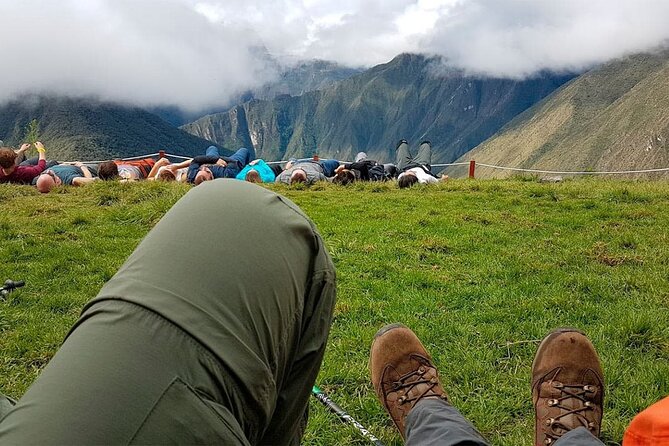
Day 3 covers about 16 kilometers and is described as mostly downhill. Compared with Day 2, it may feel easier because you are no longer climbing to the trail’s highest point. Do not mistake downhill for effortless. A long descent can test your knees, ankles, and concentration.
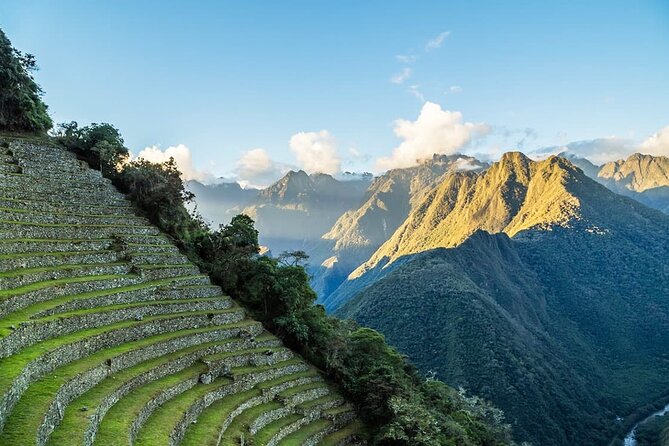
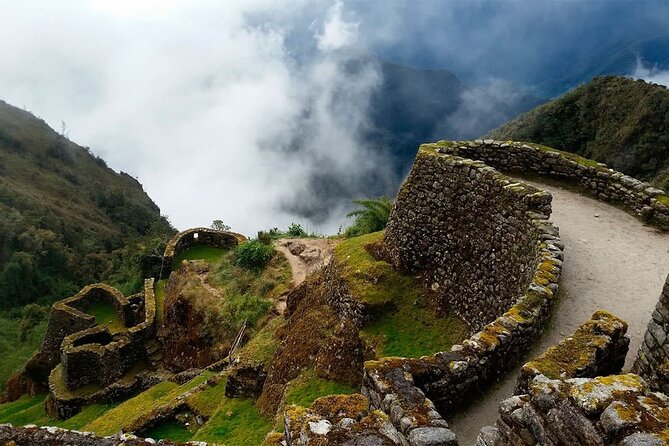
The route passes through thicker vegetation and dramatic mountain scenery. You visit Sayacmarca, an Inca archaeological site set along the trail. Phuyupatamarca may also be included, depending on available time.
The schedule allows camps at Phuyupatamarca, Wiñayhuayna, or Ruins Bridge. These options create another variable in the day’s walking distance. If you are assigned a farther camp, the descent and final approach can extend well beyond the main archaeological stops.
Lunch is provided during the day, followed by more walking before dinner at camp. By this point, the team’s routine should be familiar: porters move the equipment, cooks prepare meals, and the guide explains the places along the route.
I like this day because the trail’s cultural side becomes more prominent. You are not simply crossing mountains. You are walking between Inca sites, stone paths, terraces, and mountain settlements built into a larger route system. The combination of archaeology and scenery is one reason the Classic Inca Trail remains so appealing.
Day 4: Intipuncu and the first view of Machu Picchu
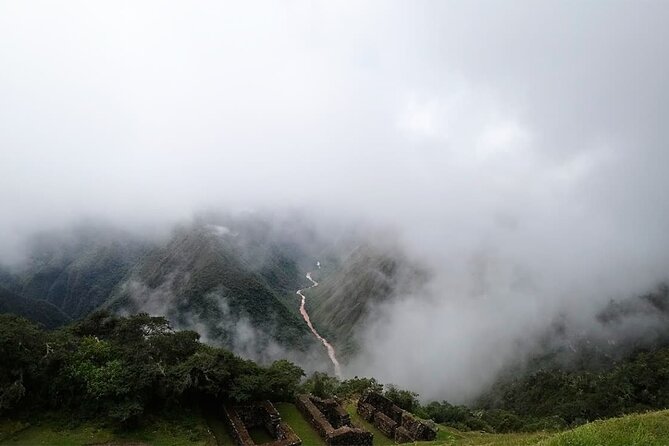
The final morning begins early. You receive a box lunch and descend toward Intipuncu, the Sun Gate. Arriving here gives you the classic approach to Machu Picchu, with the citadel opening below rather than appearing as a sudden train station attraction.
The schedule hopes for a sunrise view, but the actual sight depends on the morning conditions and timing. Treat sunrise as a possibility, not a promise. The early start is still worthwhile because it allows you to enter Machu Picchu from the trail before continuing through the archaeological site with your guide.
From Intipuncu, you descend to the Machu Picchu complex. The guided visit lasts about three hours. Your guide explains the citadel and takes you through its main areas, giving context to the stonework, terraces, and ceremonial spaces.
The itinerary refers to the entry as the Machu Picchu Classic option. Check the exact ticket and circuit details before departure, since access rules and visiting routes can affect which parts of the site you see.
After the guided visit, you leave the archaeological site and take a bus to Aguas Calientes, also called Machu Picchu village. Lunch is not included, so you pay for your own meal. You then have free time before boarding the train to Ollantaytambo and continuing by road to Cusco.
This final transfer can be tiring. You have already walked for four days, and the train and road journey adds several more hours to the day. It is also the point where clear communication matters most. A past transport disruption caused confusion, and the guide was the person who checked that the group reached its destination. Confirm where the transport team will meet you in Ollantaytambo.
The guides, cooks, and porters make the difference
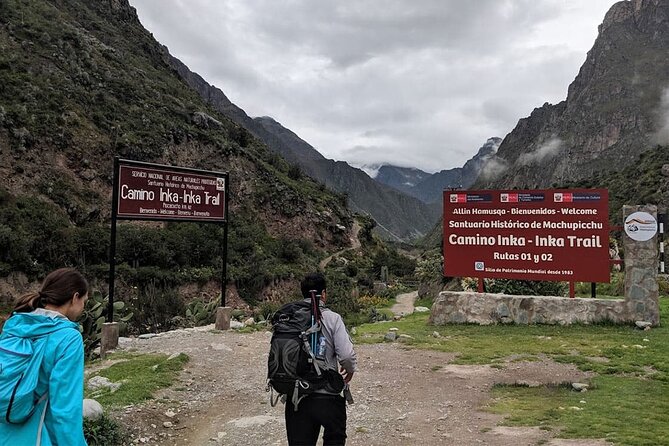
The strongest part of this experience is the field team. Guides including Luis Echaiz, Henry, Fredi, and Luis Hernandez have received praise for their warmth, patience, and explanations of Inca culture, Peruvian traditions, and the natural setting.
Names are not guarantees, since your assigned guide may be different. Still, the pattern is useful: the human support on the trail has been a major strength. A guide who can explain Sayacmarca or Machu Picchu clearly gives the walk much more meaning than a route marker alone.
The porters also receive especially warm praise. They carry the equipment, prepare the camps, and help create the meal service at the end of each hiking day. You should remember that this is demanding physical work, so tipping is customary even though tips are not included.
The cooks are another reason the tour feels like more than basic camping. Juan de Dios and Fabián have been praised for imaginative dishes and quality meals. The menu is not specified in detail, so do not book based on a particular dish, but you can reasonably expect the food program to be an important part of the camp experience.
Group size, fitness, and what to pack
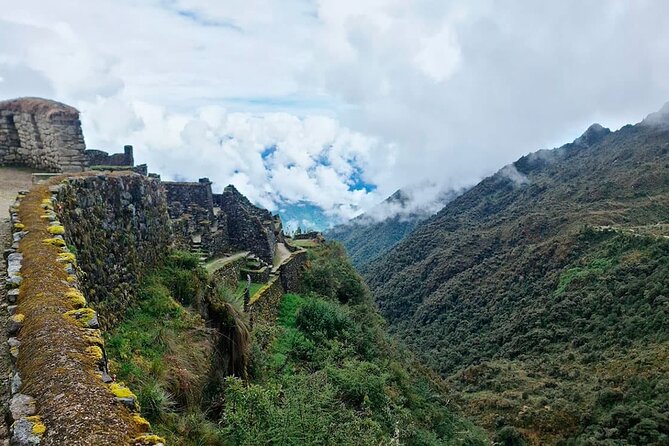
The group can include up to 16 people. That is small enough for a guide to monitor the group, but large enough that walking speeds may vary. You should be comfortable with a moderate level of physical activity before booking.
The route includes about 13 kilometers on Day 1, 11 kilometers on Day 2, 16 kilometers on Day 3, and an early descent and site visit on Day 4. The highest point reaches 4,215 meters. These figures make clear that the tour is physically serious, even though porters carry the group equipment.
You need to bring a sleeping bag and trekking poles, since neither is included. You also need personal clothing and supplies for changing mountain conditions. Keep your own bag light, because you carry your personal luggage throughout the trek.
The tour includes hiking equipment and camping equipment, but the exact items are not detailed. Ask at the briefing what is supplied and what you must bring yourself. That is better than discovering at camp that your idea of hiking equipment differs from the operator’s.
Communication is the main weakness to watch
The agency’s office service has been less consistent than its trail team. The main complaint concerns late information, basic pre-trip material, and weak follow-up when transport arrangements changed.
You can reduce the risk by confirming everything in writing before the 4:00 am departure:
- Your pickup time and location
- The briefing time and meeting place
- Your assigned camp schedule
- What personal luggage you may bring
- The train and road transfer plan
- Where staff will meet you in Ollantaytambo
The tour offers confirmation at booking and a mobile ticket, but those features do not replace practical communication. Keep your phone charged, save the agency contact, and ask direct questions during the briefing.
The strict cancellation policy also matters. The experience is non-refundable and cannot be changed for any reason. Do not book until your dates, fitness, and travel plans are firm.
Who should book this Inca Trail trek?
I would recommend it to you if you want the full four-day route and prefer a supported hike over arranging every part yourself. It suits people who value archaeology, mountain scenery, camp meals, and the gradual approach to Machu Picchu through the Sun Gate.
It is also a good fit for families or small private groups with a determined spirit. One family nearly abandoned the route twice but continued with help from guide Luis Hernandez. That says something about the effort involved, and also about the value of patient support.
I would hesitate if you want a relaxed holiday, dislike early starts, or need exact camp and transport details far ahead of time. The route is hard, the final day is long, and communication from the office needs close attention.
Should you book it?
Book this tour if the Classic Inca Trail itself is your priority, not just Machu Picchu. The porters, cooks, and guides add genuine value, and the route offers archaeological sites, high mountain passes, forested stretches, and the powerful arrival through Intipuncu.
Before paying $1,060, make sure you are ready for the distances, altitude, early mornings, and non-refundable terms. Then use the pre-trip briefing to confirm every practical detail. If you can accept some logistical uncertainty and want a well-supported route with strong field staff, this is a worthwhile way to reach Machu Picchu.
FAQ
How long is the Classic Inca Trail tour?
The tour lasts approximately four days and includes three nights of camping before the Machu Picchu visit and return to Cusco.
What time does the tour start?
The listed start time is 4:00 am from Cusco. Hotel pickup is offered, and the exact pickup details should be confirmed before departure.
Where does the hike begin?
The hike begins near the village of Ollantaytambo in Peru’s Sacred Valley, after transport from Cusco.
What is the highest point on the route?
The highest point is Warmiwañusca, at 4,215 meters above sea level.
Are meals included?
Breakfast, lunch, and dinner are included for the first three days. Breakfast on Day 1, lunch on Day 4, and dinner on Day 4 are not included.
Are porters and camping equipment included?
Yes. The tour includes porter support for group equipment and camping equipment. You still carry your personal belongings. A sleeping bag and trekking poles are not included.
Does the tour include the return to Cusco?
Yes. The tour includes the bus from Machu Picchu to Aguas Calientes, the train to Ollantaytambo, and tourist transport to Cusco. The tour ends at Plaza Regocijo in Cusco.
Added recently around Cusco
- Guided tour of the mountain of colors in Cusco★ 5.0 · 11 reviews
- 2-Day Private Short Inca Trail to Machu Picchu★ 5.0 · 15 reviews
- City Tour Cusco – Group★ 5.0 · 4 reviews
- Tour Sacred Valley with Maras and Moray★ 5.0 · 15 reviews
- San Pedro Market Tour with Peruvian Cooking Class★ 5.0 · 31 reviews
- Walking Culinary Experience★ 5.0 · 41 reviews
- City Tour in Cusco★ 4.5 · 10 reviews
- One Day Tour to Humantay Lagoon★ 5.0 · 8 reviews
Inca Trail Tours, compared.
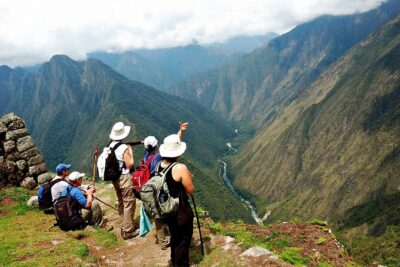
Classic Inca Trail Trek 4D/3N to Machu Picchu (Group Service)
Read our review →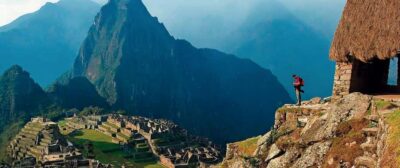
Machu Picchu: 4-Day Inca Trail Trek with Panoramic Train Ride
Read our review →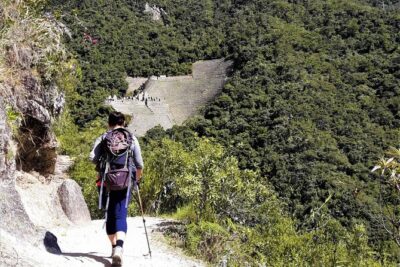
2-Day Inca Trail to Machu Picchu with Panoramic Train
Read our review →Inca Trail 4-Day 3-Night Trek to Machu Picchu with Expert Guides
Read our review →4-Day Inca Trail to Machu Picchu with Accommodation
Read our review →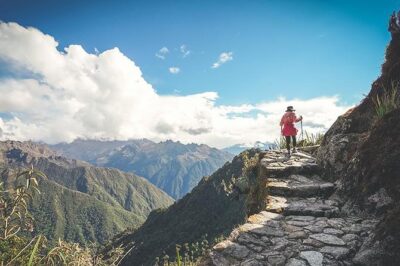
4-Day Trek to Machu Picchu Through the Inca Trail
Read our review →
4 Day – Inca Trail to Machu Picchu – Group Service
Read our review →Browse the lists this tour appears in