
Reviewed · INCA TRAIL TOURS
Classic Inka Trail: 4-Day, 3-Nights
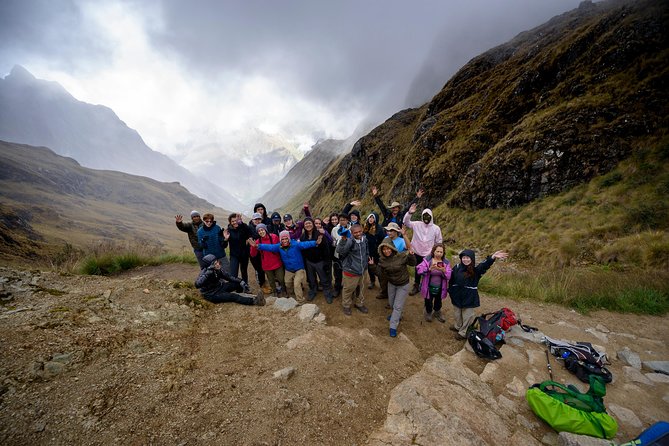
Machu Picchu is worth the climb. This four-day Classic Inca Trail trip gives you the full approach on foot, from the Andes near Km 82 to the Sun Gate above Machu Picchu. I especially like the included Inca Trail permit and Machu Picchu entry, plus the small-group limit of 15 people. I also like that you camp near Wiñay Huayna and reach Inti Punku before touring the citadel.
The main caution is communication. One unhappy customer had trouble getting clear answers before departure and was dropped about 20 minutes from the hotel at the end, despite expecting door-to-door service. You should also confirm your food preferences, meeting details, and return transfer before you leave Cusco.
In This Review
- Key points to know before you book
- Why the four-day Inca Trail remains special
- Day 1: From Cusco to Wayllabamba at 3,000 meters
- Day 2: The hard climb to Dead Woman’s Pass
- Day 3: Runkurakay, Sayacmarca, and Wiñay Huayna
- Day 4: The Sun Gate and Machu Picchu
- Camping comfort and the support crew
- Guides, group size, and communication
- What to pack for four nights in the Andes
- Who should book this trek?
- Should you book the Classic Inka Trail?
- FAQ
- How long is the Classic Inka Trail experience?
- What time does the tour start?
- Where does the hike begin?
- Is Machu Picchu admission included?
- Is the return train included?
- Are meals included?
- Can vegetarian meals be requested?
- Is camping equipment included?
- How much luggage can I send with the trekking crew?
- Can I book Huayna Picchu or Machu Picchu Mountain?
Key points to know before you book
- Dead Woman’s Pass reaches 4,250 meters, making Day 2 the hardest part of the hike.
- Wiñay Huyna campsite puts you close to one of the trail’s finest ruins, with a guided visit on Day 3.
- An early start brings you to the Sun Gate for a first view of Machu Picchu, weather permitting.
- The $740 price covers permits, camping, meals, porter support, trains, and transfers, not just the walking.
- The group can have up to 15 people, with a second guide required for groups larger than eight.
- The trip is non-refundable, so check your dates, passport, fitness, and packing list carefully.
Why the four-day Inca Trail remains special
You can see Machu Picchu by train and bus in a day, but the Classic Inca Trail gives the destination a proper approach. You walk through changing climates, pass several Inca sites, sleep in camps, and arrive at the Sun Gate rather than simply appearing at the main entrance.
That difference matters. The trail turns Machu Picchu into the final scene of a four-day story. You begin among high Andean views, work over a demanding mountain pass, pass stone ruins in the cloud forest, and then see the citadel from above.
This is not a casual walk. The operator describes the physical requirement as moderate, but Day 2 is a serious test at altitude. You need reliable footwear, rain protection, warm clothing, and enough stamina for long uphill and downhill sections.
The trip costs $740 per person. That is a fair package price for a permitted Inca Trail journey because it includes the guide, cooks, camping equipment, meals, Machu Picchu admission, the return train, and transport back toward Cusco. It also includes a small duffle allowance and storage for your main luggage.
The value depends on what you want. If you only need to reach Machu Picchu, this is expensive compared with a train visit. If you want the actual Inca Trail, a support crew, and a planned four-day route, the price covers many costs you would otherwise have to arrange separately.
Book early. This experience is booked about 95 days ahead on average, and the permit system limits the number of people allowed on the trail. The advertised guarantee of a trail place and Machu Picchu ticket is one of the strongest reasons to reserve ahead.
Other Inca Trail departures:
- Classic Inca Trail Trek 4D/3N to Machu Picchu (Group Service)
★ 5.0 · 8,653 reviews - Machu Picchu: 4-Day Inca Trail Trek with Panoramic Train Ride
★ 5.0 · 4,568 reviews - Short Inca Trail to Machu Picchu 2D/1N
★ 5.0 · 3,007 reviews
Day 1: From Cusco to Wayllabamba at 3,000 meters
Your pickup is scheduled for about 6:00 in the morning from Cusco. A private bus takes you toward the trailhead, with a roughly 20-minute stop in Ollantaytambo. This is a useful break before the walking begins, and the road offers broad views of the Peruvian Andes.
The published details refer to the start near Chilca at Km 82, while the included transport information names Challacancha. Confirm the exact meeting point and route with the operator before departure. Keep your original passport ready, since it is required for the permit and trail entry.
The first walking section takes about three hours before lunch. Along the route, you reach a lookout with a view toward Llactapata, an Inca building at the base of the mountains. It is an early reminder that this is not simply a mountain hike. Stonework and old route points appear as part of the walk.
After lunch, you continue toward Wayllabamba, at about 3,000 meters. The day is listed at four hours of walking, so it is the gentlest start of the trip. Still, altitude can make an easy distance feel less easy, especially if you have only recently arrived in Cusco.
Dinner is served at camp. You sleep in personal tents, with two people assigned to each four-person tent for extra room and storage. The company provides hot water morning and evening for washing, along with boiled water for refilling bottles each morning and night. You can also request boiled water at lunch if you give the kitchen enough notice.
Day 2: The hard climb to Dead Woman’s Pass
Day 2 is the day to respect. You begin early with hot tea and breakfast, then climb toward Warmiwañusca, better known as Dead Woman’s Pass. The pass reaches 4,250 meters, and the climb takes about five hours before you reach the top.
The reward is a wide view across several types of Andean climate. You may feel both relief and pride at the pass, followed by the knowledge that the route is not finished. The trail then drops toward Pacaymayo, where lunch and the night’s camp are located at about 3,600 meters.
This day is listed as five hours, but the altitude is the real issue. You should not judge the effort by distance alone. Walk at a steady pace, drink the provided water, and keep warm during rest stops. A moderate fitness level is required, but you should be comfortable with sustained uphill walking and a long descent.
Your small rucksack should carry the items you need during the day: rain gear, water, sun protection, snacks, and a warm layer. The operator provides one duffle bag with a maximum allowance of 6 kilograms per person, which helps reduce the weight on your back. Your main luggage can remain at the company office or at your Cusco hotel free of charge.
Day 3: Runkurakay, Sayacmarca, and Wiñay Huayna
Day 3 is described as the most scenic and longest day, with a route through several climate zones and into the cloud forest. The path climbs toward a second pass at about 3,950 meters, then moves through a series of major archaeological sites.
At Runkurakay, your guide provides a tour of the complex. The trail then reaches the second pass before continuing to Sayacmarca, an Inca citadel set along the route. These stops give the day a steady rhythm: climb, explore, walk, and repeat.
Later, you reach Phuyupatamarca, known as the Cloud-level town, where lunch is served. After a short rest, the trail descends toward Wiñay Huayna, often considered one of the finest ruins on the route.
The campsite is next to Wiñay Huayna. After leaving your belongings at camp, you visit the site with your guide. This timing is excellent because you do not simply pass the terraces and structures on the way to Machu Picchu. You have time to see the complex as a destination in its own right.
Dinner comes afterward, followed by a small farewell gathering for the porters and cooks. That detail adds warmth to the trip. The porters and kitchen crew carry and prepare much of what makes a camping route manageable, and the final evening gives you a chance to thank them before the group separates.
The food receives strong praise, with reports of generous meals and good cooking from a temporary camp kitchen. There is one important warning: a request for mostly vegetarian meals was not followed, with beef and ham appearing in several dishes. If you have dietary needs, tell the operator at booking and confirm them again with the guide before the hike begins.
A few more Cusco trips worth lining up side by side
- Cusco: Rainbow Mountain and Red Valley Day Trip with Meals
★ 4.9 · 4,893 reviews - Salkantay Classic Trek 5 Days from Cusco
★ 5.0 · 4,062 reviews - 4-Day Salkantay Trek with Sky Camp Stay
★ 5.0 · 3,346 reviews - Excursion to Rainbow Mountain Full Day Optional Red Valley
★ 5.0 · 2,996 reviews
Day 4: The Sun Gate and Machu Picchu
The final morning begins very early. After breakfast, you walk for about an hour and a half through cloud forest to Inti Punku, the Sun Gate. This is the classic arrival point, with a panoramic view down toward Machu Picchu.
The early start is one of the tour’s best features. Reaching the Sun Gate before the main crowds can make the first view feel calmer and more dramatic. Weather can affect what you see, so keep expectations flexible, but the route itself gives you a memorable entrance to the site.
From the Sun Gate, you continue to the citadel at about 2,400 meters. The guided visit lasts around two hours and covers the main monuments and important areas. Afterward, you have free time to walk on your own before taking the bus down to Aguas Calientes.
Lunch on this final day is not included. Plan money for it in Aguas Calientes or carry suitable food, since the supplied trip information specifically excludes lunch after the Machu Picchu tour.
The return journey uses the Expedition train from Aguas Calientes to Cusco or Ollantaytambo, depending on the ticket issued to you. A transfer from Ollantaytambo station to your Cusco hotel is included. Check the final destination and transfer arrangement before boarding.
One customer expected a door-to-door return but was left about 20 minutes from the hotel. That is a practical issue worth clearing up in writing. Ask exactly where the final vehicle will drop you and how the train connection works.
Camping comfort and the support crew
Camping on the Inca Trail is basic, but this package includes more than just a tent and sleeping mat. Two people share a four-person-capacity tent, giving you space for backpacks and personal items. A private tent costs an additional $30 if you prefer not to share.
The cooks carry equipment and prepare breakfast, lunch, and dinner during the trek. Four breakfasts, three lunches, and three dinners are included. A daily morning snack is also provided, though you can bring your own biscuits, energy bars, chocolate, fruit, or muesli if you have a favorite trail snack.
You do not need to carry all your clothes. The 6-kilogram duffle allowance is useful for sleeping gear and extra layers, while your small rucksack holds the essentials for the day. A sleeping bag is not included. You can rent one for $20, or choose the deluxe package with a pillow and liners for $30.
Other rentals include hiking poles for $20. The company lists Black Diamond poles, which may be useful on steep descents, especially on Days 2 and 3. You should also pack sandals for camp, a small towel, toiletries, and a headlamp with spare batteries.
Hot water is provided for washing, and boiled drinking water is available at set times. Bring a refillable bottle and bottled water for the first morning. Biodegradable hand soap and textile snack bags are supplied, reducing the need for disposable plastic bags.
Guides, group size, and communication
The tour includes an English-speaking official guide. Groups over eight people receive two guides, and the maximum group size is 15. That is large enough to offer a social hiking experience but small enough for the guide to keep the group together.
The strongest praise centers on the crew. One guide named Sebastian was singled out for thoughtful attention, clear explanations of Inca culture, and considerate treatment of the group. The porters and chef were also praised for their friendly service and the quality of the meals.
The weak point is not the trail crew but the central office. One customer had to ask several times for basic information and only learned about needed purchases during a meeting the night before departure. The lesson is simple: do not leave preparation questions until the final evening.
Ask in advance about the exact pickup point, required equipment, train destination, hotel drop-off, dietary arrangements, and optional rentals. The company says Spanish and English staff are available 24 hours a day, but you should still save the contact details and get important answers before you travel.
What to pack for four nights in the Andes
Pack for sun, rain, cold, and insects. The trail crosses several climate zones, so one warm jacket will not replace a rain shell or quick-drying layers.
Your essentials include:
- Original passport and original ISIC card if you are using the student discount
- Small rucksack and refillable water bottle
- Waterproof trekking shoes, rain jacket, and waterproof trousers
- Warm jacket, fleece, and thermal clothing for cold nights
- Sun cream, hat, and insect repellent with at least 20 percent DEET recommended
- Headlamp, spare batteries, camera batteries, and a small towel
- Sandals for camp and a swimsuit for the thermal baths in Aguas Calientes
- Travel insurance and some Peruvian soles for personal spending
Students with a valid ISIC card receive a $30 discount. Optional extras include the Vistadome train for $55 one way, Huayna Picchu or Machu Picchu Mountain entry for $70 subject to availability, and the sleeping bag and pole rentals listed above.
The Vistadome upgrade is aimed at people who want larger windows and roof panels on the train. The standard Expedition service is already included, so consider the upgrade for the train experience rather than because you need it to complete the trip.
Who should book this trek?
I would recommend this trip to you if walking into Machu Picchu matters as much as seeing the citadel. It suits people who enjoy archaeological sites, mountain views, basic camping, and a structured route with meals and equipment support already arranged.
It is also a good fit if you want a small group rather than a huge organized outing. The guide, cook, porters, water arrangements, and luggage storage remove much of the planning burden.
I would hesitate if you dislike early starts, steep climbs, shared camping, or uncertain weather. Dead Woman’s Pass is not a token challenge, and the four-day schedule leaves little room for a slow day or a change of plan.
The non-refundable policy deserves attention. Once you book, cancellations or amendments do not produce a refund. Confirm your dates, insurance, passport, dietary needs, and physical readiness before paying.
Should you book the Classic Inka Trail?
Book it if you want the complete Inca Trail experience and value having permits, meals, camping, a guide, and the return train bundled together. The strongest parts are the route itself, the early Sun Gate arrival, the visit to Wiñay Huyna, and a crew that can make camp life feel surprisingly comfortable.
Before committing, get clear written answers about the start point, equipment, food, and final hotel transfer. If the operator handles those details well, $740 is a sensible price for a demanding but rewarding four-day route to Machu Picchu. If you mainly want a quick visit to the citadel, choose a shorter train-based option instead.
FAQ
How long is the Classic Inka Trail experience?
The trip lasts approximately four days and three nights, beginning with an early pickup in Cusco and ending after the return journey from Aguas Calientes.
What time does the tour start?
The scheduled start time is 6:00 in the morning.
Where does the hike begin?
The walking route is described as starting near Km 82 by Chilca. The included transport information refers to Challacancha, so you should confirm the exact starting point before departure.
Is Machu Picchu admission included?
Yes. The Inca Trail permit and entrance fee to Machu Picchu are included.
Is the return train included?
Yes. An Expedition train ticket from Aguas Calientes to Cusco is included. The ticket may instead direct you to Ollantaytambo, followed by the included transfer toward Cusco.
Are meals included?
Yes. The package includes four breakfasts, three lunches, and three dinners. Lunch after the guided visit to Machu Picchu on the final day is not included.
Can vegetarian meals be requested?
Yes. Vegetarian and special menus are available without an extra charge. Tell the operator when booking and confirm the request with the guide.
Is camping equipment included?
Personal tents, cooking equipment, and a chef are included. A sleeping bag is not included, but it can be rented for $20, or as a deluxe package with a pillow and liners for $30.
How much luggage can I send with the trekking crew?
You receive one duffle bag with a maximum allowance of 6 kilograms per person. Your main luggage can be stored at the company office or your hotel in Cusco free of charge.
Can I book Huayna Picchu or Machu Picchu Mountain?
Yes, an optional entry can be added for $70, subject to availability.
Added recently around Cusco
- 2-Day Private Short Inca Trail to Machu Picchu★ 5.0 · 15 reviews
- Guided tour of the mountain of colors in Cusco★ 5.0 · 11 reviews
- City Tour Cusco – Group★ 5.0 · 4 reviews
- Tour Sacred Valley with Maras and Moray★ 5.0 · 15 reviews
- San Pedro Market Tour with Peruvian Cooking Class★ 5.0 · 31 reviews
- Walking Culinary Experience★ 5.0 · 41 reviews
- City Tour in Cusco★ 4.5 · 10 reviews
- One Day Tour to Humantay Lagoon★ 5.0 · 8 reviews
Inca Trail Tours, compared.
Classic Inca Trail Trek 4D/3N to Machu Picchu (Group Service)
Read our review →
Machu Picchu: 4-Day Inca Trail Trek with Panoramic Train Ride
Read our review →
2-Day Inca Trail to Machu Picchu with Panoramic Train
Read our review →Inca Trail 4-Day 3-Night Trek to Machu Picchu with Expert Guides
Read our review →4-Day Inca Trail to Machu Picchu with Accommodation
Read our review →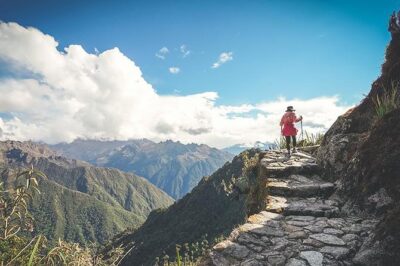
4-Day Trek to Machu Picchu Through the Inca Trail
Read our review →
4 Day – Inca Trail to Machu Picchu – Group Service
Read our review →Browse the lists this tour appears in