
Reviewed · CITY TOURS
Cusco city tour
Stone, sunlight, and Inca engineering await. This small-group Cusco tour packs the cathedral, Qorikancha, Sacsayhuamán, Q’enqo, and Tambomachay into roughly five to six hours. I like the maximum group size of 15, which should make questions easier, and I like the included pickup from your accommodation, a real help in a city where getting oriented takes time. The $15.99 price is appealing, though entrance tickets are extra.
The route gives you a useful first look at Cusco’s Spanish and Inca past in one day. The main caution is pace: five stops, transport, and guided explanations leave little room to linger, and one account found the information poorly organized. An alpaca-shop visit may also extend the day beyond the planned finish.
In This Review
- Key points at a glance
- Why this Cusco tour makes sense for a first day
- Cathedral art and the Spanish layer of Cusco
- Qorikancha, where Inca belief meets colonial change
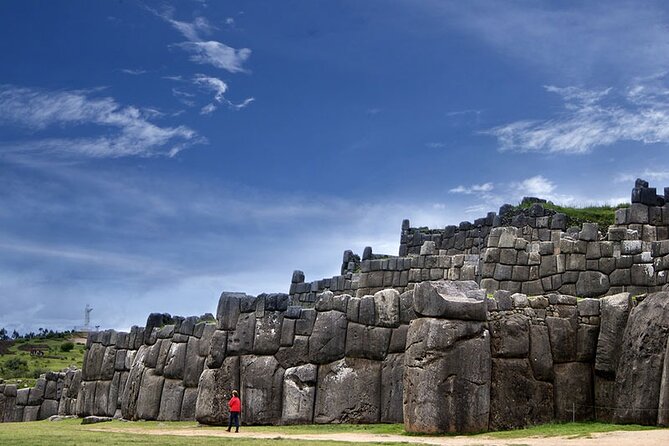
- Sacsayhuamán and the massive stone walls
- Q’enqo and the ceremonial side of Inca Cusco
- Tambomachay and the working ceremonial fountains
- What the guides add, and where the tour can fall short
- Is $15.99 a good value?
- Timing, pickup, and the alpaca-shop issue
- Who will enjoy this tour most?
- Should you book the Cusco city tour?
- FAQ
- How long does the Cusco city tour last?
- What places does the tour visit?
- Are entrance tickets included?
- Is hotel pickup included?
- How large is the tour group?
- Is transportation provided during the tour?
- Is the tour available in English?
- Can I cancel for a full refund?
Key points at a glance
- Five major stops in one half-day: You visit Cusco Cathedral, Qorikancha, Sacsayhuamán, Q’enqo, and Tambomachay.
- Small group, up to 15 people: This is more manageable than a large coach tour and gives you a better chance to hear the guide.
- Pickup and drop-off included: You can relax while the air-conditioned vehicle handles the movement between sites.
- Strong overall rating: The experience is rated 4.9 out of 5, with 96 percent of customers recommending it.
- Tickets cost extra: The $15.99 tour price does not include admission to the cathedral, Qorikancha, or archaeological sites.
- Guide quality matters: Many praise the guides’ care and storytelling, but one unhappy account found the explanations lacking context.
Why this Cusco tour makes sense for a first day
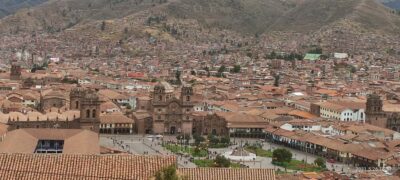
Cusco can feel like three cities at once. Inca stonework forms the base, Spanish churches and colonial buildings sit above it, and modern streets tie everything together. This excursion gives you a guided introduction to those layers without asking you to plan transport between scattered sites.
The route is especially useful if you have limited time in Cusco. In a single outing, you see the Basilica Cathedral in the center, Qorikancha nearby, and three important sites outside the central streets. You will not study every corner, but you will get a practical map of the city’s main sights.
I also like the mix of indoor and outdoor stops. The cathedral and Qorikancha provide art, religious symbolism, and architecture. Sacsayhuamán, Q’enqo, and Tambomachay then shift the focus to stone construction, ceremony, water, and the Inca relationship with the natural world.
The tour is listed at about five to six hours. That sounds generous until you account for pickup, driving, boarding, and the five stops. Think of it as a broad introduction, not a slow archaeological study.
More City Tours in Cusco
- Cusco: Half-Day City Tour with Sacsayhuaman and Q’enco
★ 4.6 · 1,129 reviews - City Tour Cusco Qoricancha Sacsayhuaman y Tambomachay
★ 4.7 · 617 reviews - Cusco City Tour Four Ruins in Half-Day
★ 5.0 · 530 reviews
Cathedral art and the Spanish layer of Cusco
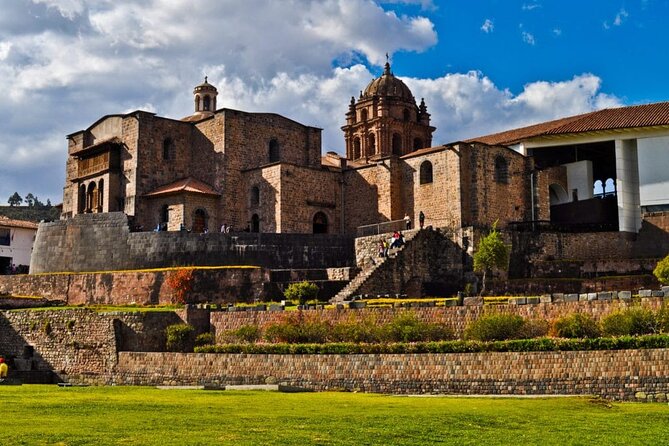
Your first stop is the Basilica Cathedral of Cusco, where the planned visit lasts about 30 minutes. The church contains the largest art gallery associated with the Cusco School of Art, so the focus is not only on the building itself but also on the paintings and religious art inside.
This stop helps explain the Spanish colonial layer of the city. It also raises a subject that deserves honest treatment: the cathedral represents the religious and political changes imposed after the Spanish conquest. One account found this part of the route uncomfortable because it felt tied to the appropriation of Inca culture by the Spanish crown and Catholic Church.
That does not make the cathedral unworthy of a visit. It means you should view it with context. The church is important because it shows how colonial power presented itself in Cusco, while the later stops give more space to Inca ideas and construction.
The cathedral admission fee is not included. The tour data does not state the price of that ticket, so check the current cost before you go. Thirty minutes is enough for an overview, but not for careful study of every painting.
Qorikancha, where Inca belief meets colonial change
The group then walks to Qorikancha, also called the Temple of the Sun. The visit is scheduled for about 40 minutes, although the description gives the stop close to an hour in its explanation. Either way, this is one of the most important parts of the day.
The guide is expected to explain Andean symbolism, the connection between the Inca world and the stars, and the role of astronomy in the Inca calendar. Those subjects make Qorikancha more than a pile of expertly cut stones. They help you see how religion, time, farming, and the sky were connected.
Qorikancha is also a good place to compare Inca and Spanish construction. The original temple was adapted after the conquest, and the site carries both histories. I would pay close attention here if your guide explains how the building’s meaning changed over time.
This is one stop where guide quality makes a large difference. A clear explanation can connect the walls to Inca beliefs and colonial history. A rushed explanation can leave you looking at stones without understanding why the site mattered.
Admission is not included, so budget separately for entry. The visit requires walking from the cathedral, and the full route includes several outdoor archaeological areas later in the day. Comfortable shoes are sensible.
Sacsayhuamán and the massive stone walls
Next comes Sacsayhuamán Archaeological Park, with about 40 minutes set aside for the visit. This is likely to be the most visually dramatic stop. The enormous stone walls show the precision of Inca masonry, and the tour connects them with the god of Lightning.
The site also introduces Inca hydraulic engineering. That is valuable because visitors often focus only on the size of the stones. Water management was just as important to the empire’s success, and a good guide can help you notice channels, stonework, and the practical thinking behind the ceremonial setting.
Forty minutes will let you see the main walls and hear an explanation, but it is not a long exploration. If you want time for photographs, listening, and close inspection, the schedule may feel tight. One highly positive account also described the entire tour as fast-paced, even while calling it beautiful and worthwhile.
The high elevation around Cusco can make a quick walk feel harder than expected, though the supplied tour details do not provide altitude or walking-distance information. The safest practical approach is to keep your pace steady and tell the guide if you need a moment.
The air-conditioned vehicle matters here. Instead of arranging separate transport to the outer sites, you can ride between them and save energy for the ruins themselves.
A few more Cusco trips worth lining up side by side
- Classic Inca Trail Trek 4D/3N to Machu Picchu (Group Service)
★ 5.0 · 8,653 reviews - Cusco: Rainbow Mountain and Red Valley Day Trip with Meals
★ 4.9 · 4,893 reviews - Machu Picchu: 4-Day Inca Trail Trek with Panoramic Train Ride
★ 5.0 · 4,568 reviews - Salkantay Classic Trek 5 Days from Cusco
★ 5.0 · 4,062 reviews
Q’enqo and the ceremonial side of Inca Cusco
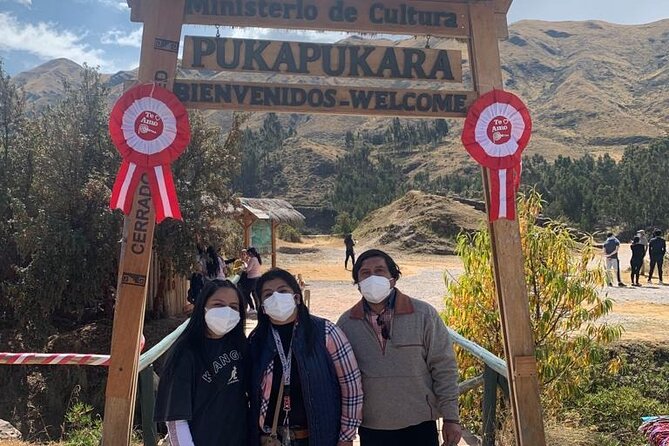
Q’enqo is scheduled for around 30 minutes. The site is described as the city’s most important ceremonial huaca, or sacred place, giving this stop a different purpose from the huge walls at Sacsayhuamán.
I would listen closely to the guide’s explanation here. Q’enqo is less immediately grand than Sacsayhuamán, so its importance may not be obvious at first glance. The value comes from understanding how the Incas marked sacred spaces and built ceremonies into the stone.
This is also where the tour’s strengths and weaknesses meet. A guide who puts each site into a larger plan can show how Q’enqo fits with the surrounding ceremonial area. A guide who only points out isolated details may leave you wondering why the stop matters.
The schedule gives you enough time for a focused visit, but not a long, quiet examination. If you enjoy archaeological sites and want every carved surface explained, you may prefer a private or slower tour. If you want a broad introduction, 30 minutes is a reasonable compromise.
Tambomachay and the working ceremonial fountains
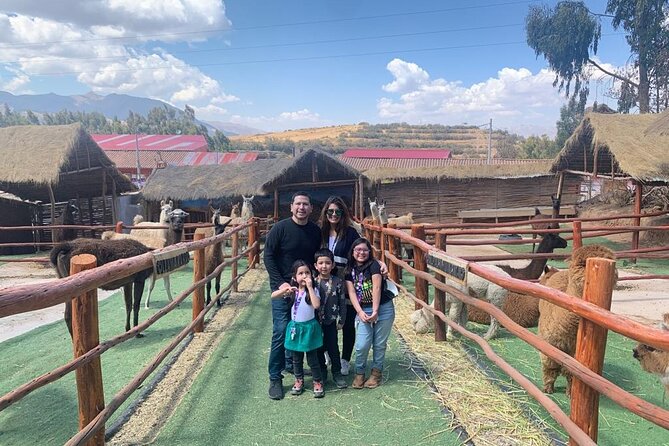
The final archaeological stop is Tambomachay, with about 30 minutes planned. Here you see ceremonial fountains that are described as functioning since the Inca period.
Water gives Tambomachay its character. After the heavy stone walls at Sacsayhuamán and the ceremonial setting at Q’enqo, the fountains offer a quieter way to understand Inca engineering. The site shows that water was not only a practical resource but also part of sacred life.
This stop rewards a guide who explains what you are seeing rather than simply leading you from one fountain to the next. Ask about the water channels, the ceremonial purpose, and how the site relates to the wider Cusco area if the explanation feels too brief.
Because Tambomachay is the last listed stop, the day may feel full by this point. The route is efficient, but the schedule does not promise a lot of free time. You should choose this tour for coverage and orientation, not solitude.
What the guides add, and where the tour can fall short
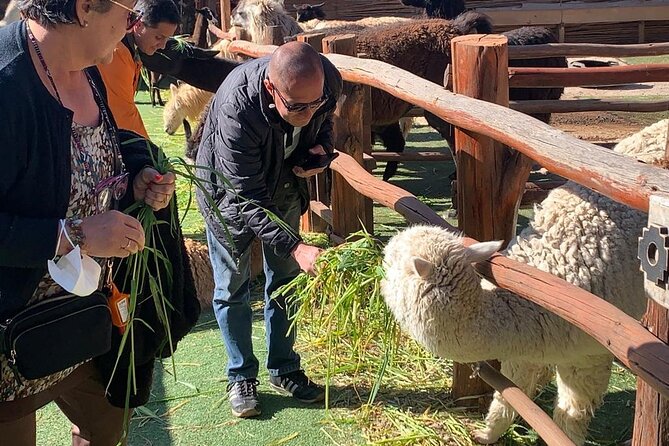
The strongest praise centers on the guides. One account describes a guide as informative and professional, with explanations in both Spanish and English. Another praises a guide named Santiago, who played a local wind instrument on the return journey and made the outing memorable.
That small musical moment is exactly the sort of personal touch that can make a scheduled tour feel less mechanical. The positive comments also point to guides who cared for the group, told stories at each site, and remained pleasant and engaging.
Still, the experience appears to depend heavily on the individual guide. One account describes a serious pickup mistake that forced a change from morning to afternoon. Compensation was provided, but the same person also found the explanations weak and poorly organized, eventually using a phone to look up background information independently.
That criticism is useful. You should not assume that five famous sites automatically create a good tour. The guide needs to explain the larger story first, then add details. If the information feels scattered, ask direct questions about the Inca calendar, ceremonial use, colonial change, and the relationship between the sites.
The tour provider is Machupicchu Agency. Confirmation is sent within 48 hours of booking, subject to availability. Since the tour is booked about 34 days ahead on average, reserving early is sensible if your dates are fixed, though the supplied information does not promise that every date will sell out.
Is $15.99 a good value?
At $15.99 per person, this is an inexpensive way to cover several major Cusco sights with transport and a professional guide. The price is especially attractive if you would otherwise need to arrange rides to Sacsayhuamán, Q’enqo, and Tambomachay separately.
The important catch is that admission tickets are not included. You should add those costs before comparing this tour with other options. The supplied details do not list the entrance fees, and the total price may depend on which tickets are required at the time of your visit.
Even with extra admission costs, the tour can offer good value for an introduction. You get a vehicle, pickup from your accommodation, a bilingual guide option, and a compact route. The group limit of 15 is another advantage over a large bus, though it is not the same as a private tour.
The price becomes less attractive if you already know Cusco well or want long visits at each site. You are paying for access, transport, and an organized explanation, not unlimited time or a highly tailored schedule.
Timing, pickup, and the alpaca-shop issue
Pickup from your accommodation is included, and the tour uses an air-conditioned vehicle. That removes much of the day’s transport planning, especially for the archaeological sites outside the center.
The description says the tour is near public transportation and that most people can participate. It does not provide detailed accessibility information, walking distances, or a precise pickup window. Confirm the pickup details after booking, and allow some flexibility in the morning.
One account says the agency failed to collect the group at the agreed time. The schedule was moved to the afternoon and compensation was given, but this is still a practical warning. Keep your phone available and verify the pickup arrangement rather than assuming the morning will run without any communication.
An alpaca-shop stop may be added at the end. One person enjoyed the tour but felt this visit should have been shorter because it pushed the day beyond the expected finish. If you have dinner reservations, a train connection, or another timed activity, leave a buffer.
Who will enjoy this tour most?
I would choose this experience if you are visiting Cusco for the first time and want the main sights explained in one organized outing. It suits people who value convenience, want hotel pickup, and prefer a small group to a large coach.
It also works well if you have only a short stay. You will see the city’s cathedral and Qorikancha, then reach three major Inca sites without having to arrange separate taxis or research the route.
The tour is a good fit for you if you enjoy a fast-moving day and are happy to ask questions. The strongest guide accounts describe careful attention, clear bilingual explanations, and engaging stories. The weaker account shows why active participation helps.
You may want another option if your main goal is detailed archaeology, long photography stops, or a fully personal pace. A private guide would likely give you more control, but this tour’s appeal is its low price and efficient coverage.
The mixture of Catholic and Inca sites also deserves thought. If you want to understand Cusco as a layered historical city, the contrast is useful. If you would rather focus only on Indigenous history, the cathedral may feel like time taken from the archaeological sites.
Should you book the Cusco city tour?
Book it if you want a low-cost first look at Cusco, especially during a short stay. The 4.9 rating, 96 percent recommendation rate, small group limit, included vehicle, and well-liked guides all support its value.
Go in with realistic expectations. Tickets cost extra, the pace can be brisk, the final alpaca-shop visit may add time, and guide quality can shape the day. Confirm pickup, keep some schedule space after the tour, and ask for the wider story when an explanation becomes too detailed.
For a first orientation, I think this is a sensible buy. For a slow, deeply focused study of Inca sites, I would choose a longer or private experience instead.
FAQ
How long does the Cusco city tour last?
The tour lasts approximately five to six hours.
What places does the tour visit?
The route includes Cusco Cathedral, Qorikancha, Sacsayhuamán, Q’enqo, and Tambomachay.
Are entrance tickets included?
No. Admission tickets to the places visited are not included in the tour price.
Is hotel pickup included?
Yes. Complimentary pickup from your accommodation is included, along with drop-off at accommodations according to the tour information.
How large is the tour group?
The maximum group size is 15 people.
Is transportation provided during the tour?
Yes. The tour includes an air-conditioned vehicle for transportation between locations.
Is the tour available in English?
Professional guides are provided at all locations, and one account specifically confirms that the guide spoke both Spanish and English.
Can I cancel for a full refund?
Yes. You can cancel at least 24 hours before the experience start time for a full refund. Cancellations or changes made less than 24 hours in advance are not refunded or accepted.
Added recently around Cusco
- Guided tour of the mountain of colors in Cusco★ 5.0 · 11 reviews
- 2-Day Private Short Inca Trail to Machu Picchu★ 5.0 · 15 reviews
- City Tour Cusco – Group★ 5.0 · 4 reviews
- Tour Sacred Valley with Maras and Moray★ 5.0 · 15 reviews
- San Pedro Market Tour with Peruvian Cooking Class★ 5.0 · 31 reviews
- Walking Culinary Experience★ 5.0 · 41 reviews
- City Tour in Cusco★ 4.5 · 10 reviews
- One Day Tour to Humantay Lagoon★ 5.0 · 8 reviews
City Tours, compared.
Lima Half-Day City Walking Tour (Small Groups)
Read our review →
Half-Day City Tour with Sacsayhuaman and Q’enco
Read our review →
City Tour Panoramic Bus Departure From Larcomar
Read our review →
City Tour Cusco Qoricancha Sacsayhuaman y Tambomachay
Read our review →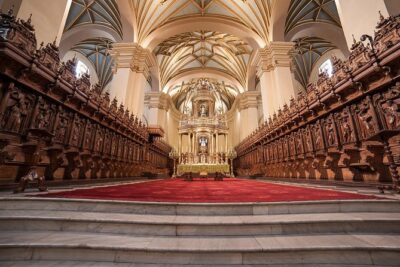
Lima’s Vibrant Heritage: Exploring the City’s Landmarks Half-day
Read our review →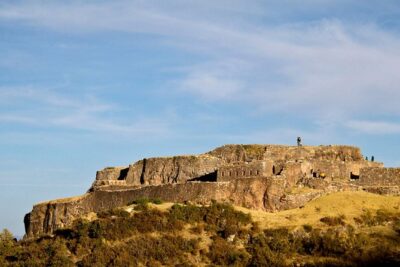
Sightseeing Tour of the City on an Open-Top Bus
Read our review →
Lima City, Central Market & Catacombs Tour (Pick-up & Drop Off)
Read our review →Browse the lists this tour appears in