
Reviewed · CITY TOURS
Cusco City Tour Half-Day Group Tour
Cusco rewards a well-planned first look. This $18 half-day tour combines the city’s grand Catholic monuments with Inca temples, fortress stones, water shrines, and the narrow streets of San Blas. I like the hotel pickup and drop-off, and I like the chance to see several major sights without arranging taxis or learning the local bus system.
The tour also gives you a useful introduction to the way Inca beliefs and Catholic traditions meet in Cusco. The main catch is that the $18 price does not cover entrance fees, and the pace can feel brisk. You should also take altitude seriously. One person in good hiking shape still developed altitude sickness during the tour.
The group is capped at 18 people, and the experience earns a 4.9 rating from 15 ratings, with 100 percent recommending it. Guide Romolo received special praise for his teaching, though an English booking may include Spanish-speaking guests and some explanations may not receive equal translation time.
In This Review
- Key points before you book
- What the half-day format really gives you
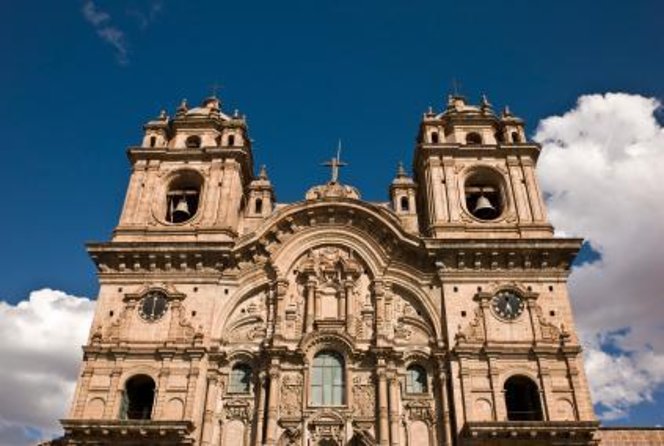
- Starting in central Cusco at the Cathedral
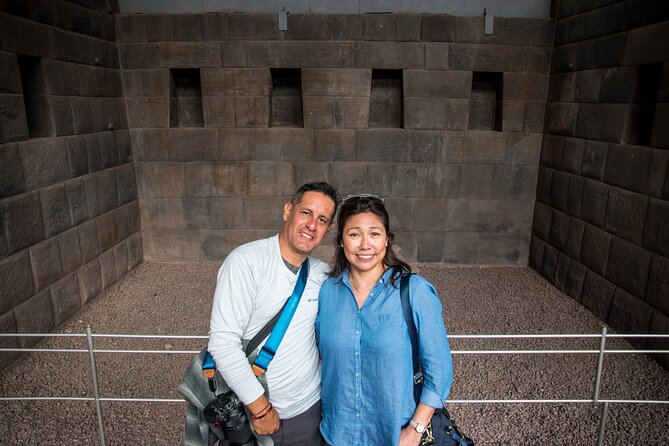
- Qorikancha, where gold once covered the walls
- Sacsayhuaman and its enormous fitted stones
- Qenqo, Puka Pukara, and Tambomachay in one sweep
- San Blas and the walking side of Cusco
- Guide quality and the mixed-language issue
- What the $18 price includes, and what it does not
- What to pack for a high-altitude half-day
- Who should book this Cusco tour?
- Should you book the Cusco City Tour?
- FAQ
- How long does the Cusco City Tour last?
- What sites are included?
- Is hotel transportation included?
- Are entrance fees included in the $18 price?
- Is the tour offered in English?
- What is the cancellation policy?
Key points before you book
- Four major archaeological sites follow the city sights: Sacsayhuaman, Qenqo, Puka Pukara, and Tambomachay are covered after the central Cusco stops.
- The $18 fare is only the starting cost: You must add the Cusco Tourist Ticket, Cathedral admission, and Qorikancha admission.
- A private vehicle handles hotel transfers: Pickup and drop-off are provided near or at your hotel.
- The guide quality can shape the day: Romolo, a professor of Peruvian history, was praised for clear and detailed teaching.
- The language mix needs attention: An English tour may combine English- and Spanish-speaking groups.
- Wear practical clothes: Expect walking, sun, altitude, and possible rain from October through March.
What the half-day format really gives you
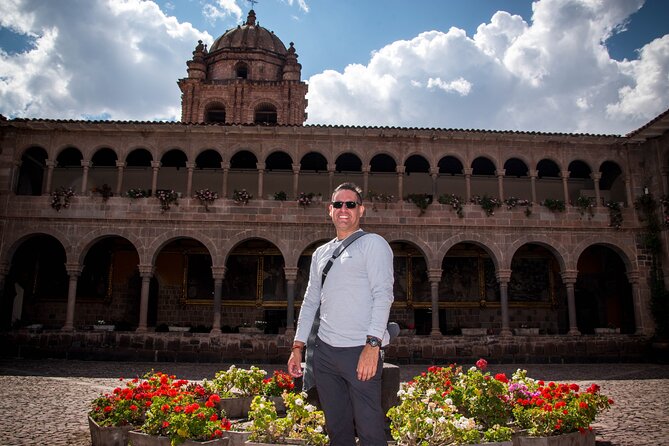
This is not a slow, highly focused museum visit. It is a broad introduction to Cusco, designed to show you the city center and nearby Inca sites in about five to six hours. I see that as the main value. You can get your bearings quickly, learn the basic story of Cusco, and decide which places deserve a longer return visit.
The tour uses a bus and walking portions. That matters in Cusco, where the central streets are best explored on foot but the outer archaeological sites sit too far apart for an efficient walking route. A vehicle lets you reach the high sites without spending your limited time on local transport.
The pace is likely to feel full. You visit the Cathedral, Qorikancha, Sacsayhuaman, Qenqo, Puka Pukara, and Tambomachay, with only about 30 to 40 minutes assigned to each main stop. I would not book this expecting long independent wandering at every site. Think of it as a guided first pass with useful background and strong orientation.
More City Tours in Cusco
- Cusco: Half-Day City Tour with Sacsayhuaman and Q’enco
★ 4.6 · 1,129 reviews - City Tour Cusco Qoricancha Sacsayhuaman y Tambomachay
★ 4.7 · 617 reviews - Cusco City Tour Four Ruins in Half-Day
★ 5.0 · 530 reviews
Starting in central Cusco at the Cathedral
The Cathedral of Cusco gives you a powerful introduction to the city’s colonial identity. Its architecture brings together Renaissance, baroque, and neoclassical features, so you are not looking at one clean style. The interior also contains paintings from the Cusco School, including works associated with Diego Quispe Tito.
You have about 30 minutes here. That is enough for a guided look at the major artistic and religious features, but not enough for an unhurried examination of every chapel and canvas. If church art interests you, you may want to return independently after the tour.
Cathedral admission costs S/25 and is not included. Keep this extra charge in mind when comparing the low tour price with other Cusco excursions. The guide can help you understand how Catholic worship absorbed local ideas, but the short visit means the explanation will likely focus on the most important examples.
One of the tour’s better themes is this connection between Inca religion and Catholicism. Cusco is not simply a colonial city placed on top of an Inca one. The two traditions remain visible together in art, buildings, symbols, and local practice. That context makes the Cathedral more meaningful than a quick photo stop.
Qorikancha, where gold once covered the walls
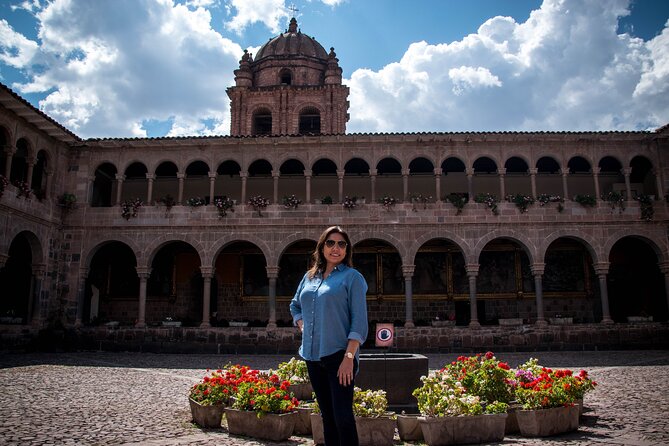
Qorikancha was one of the most important religious centers of the Inca world. The name is commonly translated as Golden Enclosure, and the site is central to understanding the power and ceremony of Cusco before the Spanish conquest.
You get about 40 minutes here, and admission costs S/15. Like the Cathedral, this ticket is separate from the tour price. The remaining walls and carefully fitted stonework help you see the precision of Inca construction, while the later colonial church shows how one sacred place was repurposed.
The tour uses Qorikancha as a bridge between the city portion and the archaeological sites outside central Cusco. From here, you leave by bus for the larger remains around the city. That transition is practical, but the timing can feel tight if you want to study the architecture closely.
I especially like this stop for first-time visitors because it gives you a clear idea of what to look for later. At Qorikancha, you begin to notice the quality of the stone joints, the control of space, and the importance of religion in Inca public life. Your guide may also teach you how to pronounce difficult Quechua names, which is a small but useful touch when you continue through the nearby sites.
Sacsayhuaman and its enormous fitted stones
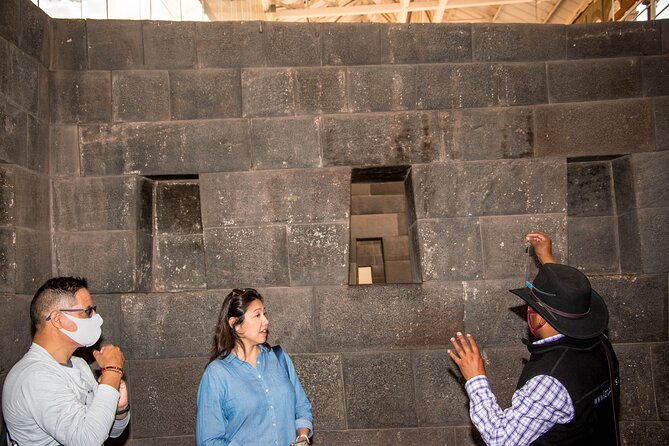
Sacsayhuaman is the largest and most dramatic stop on the route. Its massive stones, some weighing more than 100 tons, are the reason many people remember this site long after leaving Cusco. The scale is hard to grasp from photographs. In person, the blocks make the usual phrase about Inca stonework feel concrete.
The visit lasts about 40 minutes. That gives your guide time to explain the site’s history, cultural meaning, and importance, while you walk among the huge walls and take in the views around Cusco. You should wear sturdy sneakers because the visit includes uneven ground and walking.
Sacsayhuaman is also where the altitude may become more noticeable. You are already in a high city, and the outer sites can involve exposed paths and uphill movement. Even if you exercise regularly, give yourself permission to slow down. One rating described altitude sickness appearing despite good fitness and regular hiking experience.
I would not schedule a strenuous mountain outing immediately after this tour. Drink water, use sunscreen, and bring a hat. The advice to pack light and warm clothing is sensible because conditions can change quickly, and the sun can feel strong even when the air is cool.
A few more Cusco trips worth lining up side by side
- Classic Inca Trail Trek 4D/3N to Machu Picchu (Group Service)
★ 5.0 · 8,653 reviews - Cusco: Rainbow Mountain and Red Valley Day Trip with Meals
★ 4.9 · 4,893 reviews - Machu Picchu: 4-Day Inca Trail Trek with Panoramic Train Ride
★ 5.0 · 4,568 reviews - Salkantay Classic Trek 5 Days from Cusco
★ 5.0 · 4,062 reviews
Qenqo, Puka Pukara, and Tambomachay in one sweep
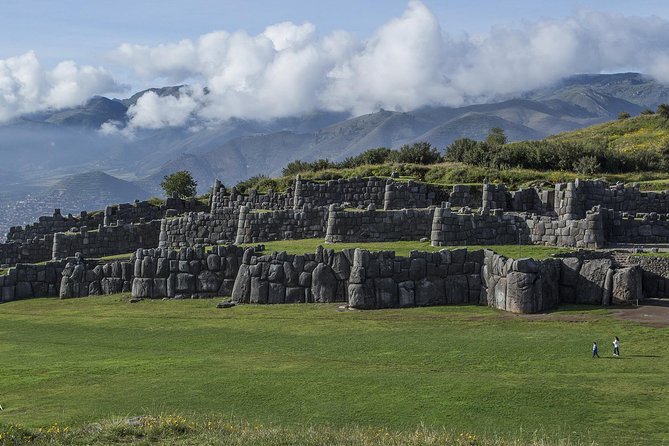
After Sacsayhuaman, the route continues to three more archaeological sites. They are close together, which makes the bus route efficient, but it also means each stop receives a fairly short visit.
Qenqo is described as having a magical altar, and its carved rock spaces give the site a different feel from the broad walls at Sacsayhuaman. Your guide explains the ceremonial purpose and meaning of the place. This is a stop where interpretation matters because the remains are less immediately obvious than the enormous stones at Sacsayhuaman.
Puka Pukara means Red Fort, and its position near the road helps you understand how the Inca organized movement through the area. The ruins are more compact than Sacsayhuaman, so a short guided visit can still give you a useful sense of its role.
Tambomachay is known as the Temple of Water. Its channels and fountains show the importance of water in Inca religion and engineering. After the imposing masonry of Sacsayhuaman, this site offers a quieter look at ritual design and the careful movement of water through stone.
The supplied schedule labels the final stop Tambomachay but includes Qenqo and Puka Pukara in the same section. In practical terms, you should expect all four outer archaeological sites to be part of the route. The exact amount of time at each one can vary, so do not count on equal time for every ruin.
San Blas and the walking side of Cusco
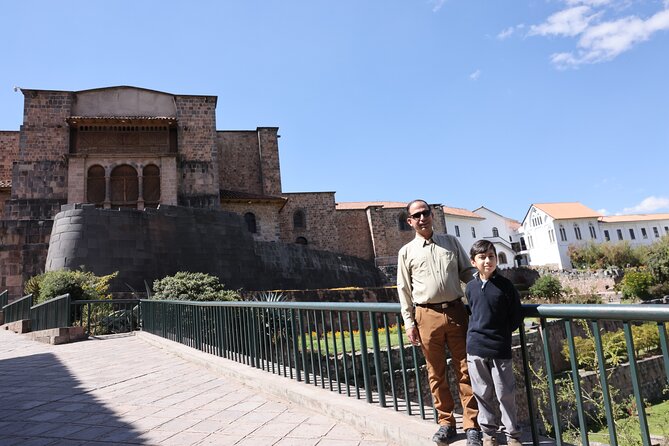
The tour highlights the famous streets of San Blas, one of Cusco’s most appealing areas for a walk. The neighborhood is known for narrow streets, colonial details, and a strong local identity. Here, the experience shifts from large monuments to the texture of daily city life.
San Blas is a good place to practice the Quechua words introduced by your guide. It also helps connect the grand stories of temples and fortresses with the living city around them. You may find the walking portion more personal than the bus visits because you can notice doorways, stone walls, small shops, and the shape of the streets at your own pace, even within the group.
The schedule does not give a separate duration for San Blas. That means you should treat it as part of the general city walking program rather than a long neighborhood tour. If San Blas is a priority, leave time on another day to return and explore independently.
Guide quality and the mixed-language issue
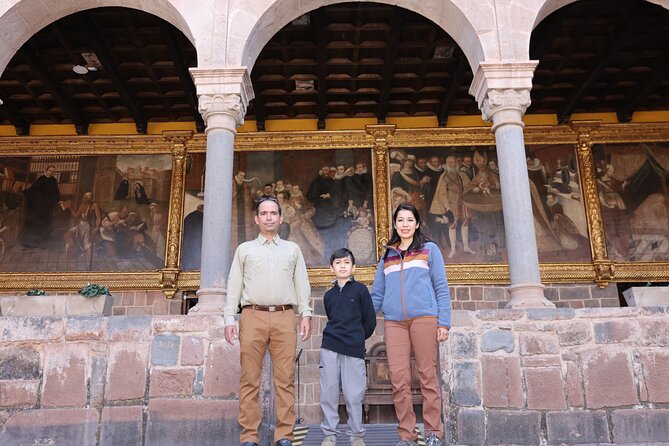
A local English- or Spanish-speaking guide is included. This is important in Cusco, where a good explanation can turn a pile of stones into a meaningful cultural site. Romolo was singled out for his teaching ability and his background as a professor of Peruvian history. That kind of academic experience can add real value, especially at Qorikancha, Sacsayhuaman, and Qenqo, where the remains need context.
The language setup deserves a clear warning. The group may include both English- and Spanish-speaking participants, even when you book an English tour. One experience included a guide who explained some material in Spanish without fully translating it into English. If you do not speak Spanish, you may miss details during longer explanations.
I would ask at the start whether every explanation will be repeated in English. If the guide needs to divide time between languages, stay close and politely request clarification. This is not a reason to reject the tour outright, but it is a real consideration for anyone choosing it mainly for detailed English instruction.
The pickup also may not be perfectly smooth. A pickup driver was described as late and offered little explanation before leading the couple to a taxi and then to another meeting point. If your hotel is difficult to find, keep your phone available and confirm the meeting point in advance. The included transfer is useful, but you should allow some flexibility at the beginning.
What the $18 price includes, and what it does not
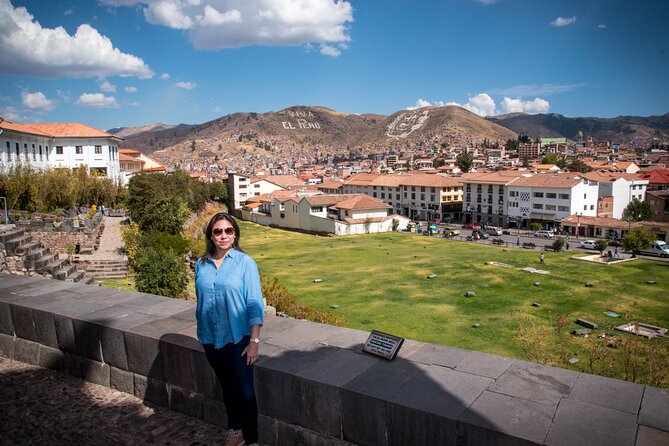
At $18 per person, this is an inexpensive way to cover several important Cusco sights. You receive the guide, tour bus, and hotel pickup and drop-off near or at your hotel. For a five to six hour outing, that can be good value, particularly if you want transport between the central city and the outer ruins.
The extra admissions change the true cost. You need to budget for:
- Cusco Tourist Ticket: S/70
- Expanded Tourist Ticket covering Sacred Valley and Maras Moray tours: S/130
- Cusco Cathedral: S/25
- Qorikancha: S/15
- Tips, which are not included
For this city tour, the S/70 ticket is the relevant basic admission listed for the archaeological sites. The S/130 option is mentioned for people also taking Sacred Valley and Maras Moray tours, so do not automatically buy the larger ticket unless those plans apply to you.
You can buy the Tourist Ticket at the archaeological centers, according to the provided instructions. Bring emergency money in soles. That advice is worth following because you will need local currency for admissions, possible snacks, and optional souvenirs.
The exchange-money stop described in one account is another reason to be careful. A money exchange gave a poor rate of 3.30 instead of 3.73 and left the customer feeling overcharged. I would compare rates before changing cash and avoid assuming that a place recommended during a tour offers the best deal.
What to pack for a high-altitude half-day
Keep your bag small. A water bottle, snacks, passport or current identity document, sunscreen, sunglasses, and a hat are all specifically useful for this route. Comfortable sneakers matter because you combine city walking with archaeological paths.
Bring light and warm clothing rather than relying on one heavy layer. A waterproof jacket or rain poncho is recommended from October through March, when rain can affect the visit. A camera and extra batteries are also sensible if you want to photograph the stonework and city views.
Most people can participate, but that does not mean the tour is physically effortless. The schedule combines walking, stairs or uneven surfaces, sun exposure, and high altitude. If you feel short of breath or unwell, slow down and tell your guide rather than trying to keep up.
The group maximum is 18 people. That is small enough to be more manageable than a large coach group, though it is still a group experience. You will not have complete control over how long you spend at each site.
Who should book this Cusco tour?
I would choose this tour if you want a practical first day of sightseeing, prefer having transport arranged, and want a guide to explain the basic connections between Inca and colonial Cusco. It suits people who have limited time and want to see the main city and nearby ruins in one outing.
It is also a good fit if you are unsure how to pronounce Quechua place names or want help making sense of sites such as Qenqo and Tambomachay. The guide’s interpretation is the reason to book rather than simply hiring a taxi between ruins.
I would hesitate if you want a slow photographic visit, require uninterrupted English commentary, or are still adjusting to Cusco’s altitude. In those cases, a gentler schedule with fewer stops may serve you better. Consider taking the tour after you have had time to rest rather than treating it as an immediate arrival-day activity.
Cancellation is free when you cancel at least 24 hours before the start time. Changes or cancellations made less than 24 hours in advance are not refunded or accepted.
Should you book the Cusco City Tour?
Book it if you want broad coverage and strong value. For $18, the combination of central monuments, San Blas, and four nearby archaeological sites is hard to beat, even after adding entrance fees. The tour gives you the essential outline of Cusco and leaves you better prepared to explore on your own.
Go in with realistic expectations. Pickup communication may need patience, the pace is quick, and an English group may include Spanish explanations that are not fully repeated. If you pack water, warm layers, sun protection, local currency, and a little extra time, Kantu Peru Tours offers a useful and affordable introduction to Cusco.
FAQ
How long does the Cusco City Tour last?
The tour lasts approximately five to six hours.
What sites are included?
The route includes Cusco Cathedral, Qorikancha, Sacsayhuaman, Qenqo, Puka Pukara, Tambomachay, and a walk through the streets of San Blas.
Is hotel transportation included?
Yes. Hotel pickup and drop-off near or at your hotel are included, using private vehicle transfers and the tour bus.
Are entrance fees included in the $18 price?
No. The Cusco Tourist Ticket, Cathedral admission, and Qorikancha admission are separate. The listed prices are S/70 for the Tourist Ticket, S/25 for the Cathedral, and S/15 for Qorikancha.
Is the tour offered in English?
A local English- or Spanish-speaking guide is included. The group may combine English- and Spanish-speaking participants, so English explanations may not always be completely separate.
What is the cancellation policy?
You can receive a full refund if you cancel at least 24 hours before the experience starts. Cancellations or changes made less than 24 hours before the start time are not accepted for a refund.
Added recently around Cusco
- 2-Day Private Short Inca Trail to Machu Picchu★ 5.0 · 15 reviews
- Guided tour of the mountain of colors in Cusco★ 5.0 · 11 reviews
- City Tour Cusco – Group★ 5.0 · 4 reviews
- Tour Sacred Valley with Maras and Moray★ 5.0 · 15 reviews
- San Pedro Market Tour with Peruvian Cooking Class★ 5.0 · 31 reviews
- Walking Culinary Experience★ 5.0 · 41 reviews
- City Tour in Cusco★ 4.5 · 10 reviews
- One Day Tour to Humantay Lagoon★ 5.0 · 8 reviews
City Tours, compared.
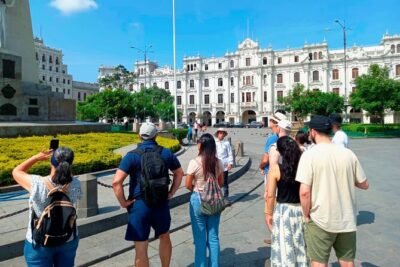
Lima Half-Day City Walking Tour (Small Groups)
Read our review →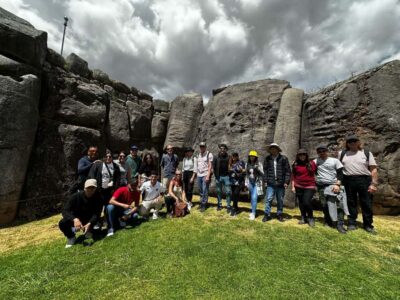
Half-Day City Tour with Sacsayhuaman and Q’enco
Read our review →
City Tour Panoramic Bus Departure From Larcomar
Read our review →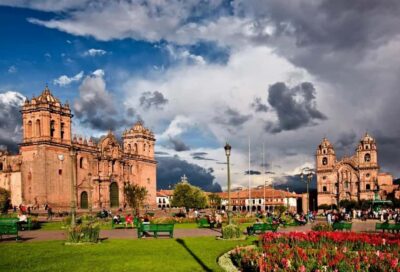
City Tour Cusco Qoricancha Sacsayhuaman y Tambomachay
Read our review →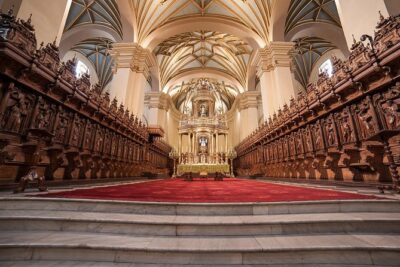
Lima’s Vibrant Heritage: Exploring the City’s Landmarks Half-day
Read our review →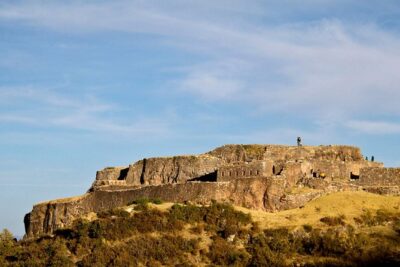
Sightseeing Tour of the City on an Open-Top Bus
Read our review →
Lima City, Central Market & Catacombs Tour (Pick-up & Drop Off)
Read our review →Browse the lists this tour appears in