
Reviewed · CITY TOURS
Cusco City Tour in Half Day
Cusco’s greatest sights fit into one busy outing. This half-day tour links the city’s Spanish cathedral with six major Inca and pre-Inca sites, giving you a useful first look at Cusco without arranging separate transport. I especially like the very low $13 price and the chance to see places such as Sacsayhuaman and Tambomachay in one route. I also like that the group is capped at 16 people.
The main caution is that admission tickets cost extra, and the schedule leaves little room for delays. English service can also depend on the group mix. Several English-speaking participants received personal explanations from guide Jacob, while one mixed-language group felt that English commentary had to be shortened as the guide worked against the clock.
In This Review
- Key points to know before booking
- Why this route works for a first look at Cusco
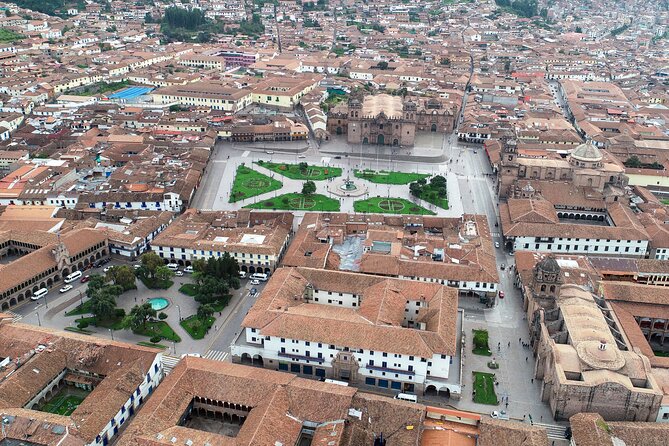
- Plaza de Armas and Cusco Cathedral
- Qorikancha, the Inca Temple of the Sun
- Sacsayhuaman and its huge fitted stones
- Qenqo’s carved rock and underground passages
- Puka Pukara, the Red Fortress
- Tambomachay and its still-flowing water
- Guide Jacob and the language question
- The vehicle, pickup, and group size
- Is $13 a good value?
- Who should book this half-day tour?
- Should you book it?
- FAQ
- How long does the Cusco City Tour last?
- How much does the tour cost?
- Which sites does the tour visit?
- Are admission tickets included?
- Is bottled water included?
- What transportation is provided?
- How many people can join the tour?
- Is the tour suitable for people with low fitness levels?
- Can I cancel for a full refund?
- Is the tour available near public transportation?
Key points to know before booking
- Six important sites in about five and a half hours: You visit Cusco Cathedral, Qorikancha, Sacsayhuaman, Qenqo, Puka Pukara, and Tambomachay in one compact circuit.
- A remarkably low starting price: At $13 per person, the tour can be good value if you want transport and guiding without paying for a private excursion.
- Admissions are not included: Plan to pay separately at every listed stop, unless the operator offers a courtesy adjustment for a delay or problem.
- Guide quality is a major strength: Jacob received repeated praise for his Inca knowledge, language flexibility, and help with tickets.
- Expect a physically active outing: The tour requires a strong fitness level and includes archaeological sites outside the city.
- Small enough to feel manageable: The maximum group size is 16, with an air-conditioned vehicle included.
Why this route works for a first look at Cusco
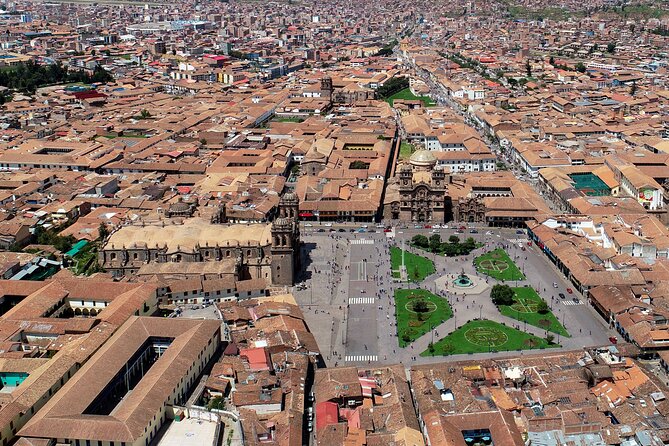
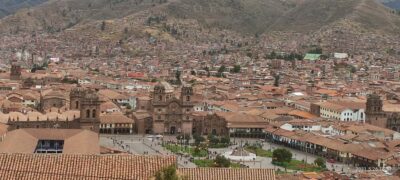
Cusco can feel like a history book written in layers. The Plaza de Armas and cathedral show the Spanish colonial order built over the Inca capital, while Qorikancha and the hilltop ruins reveal the engineering and beliefs of the earlier empire.
I like this tour because it gives you that contrast in a single morning or afternoon. You do not spend the entire outing inside the city, yet you also do not skip the central sights. The route moves from the cathedral and Qorikancha to the large archaeological sites beyond the center.
The timing is tight but logical. The listed visits total about five hours and 30 minutes: one hour at the cathedral, one hour at Qorikancha, one hour at Sacsayhuaman, one hour at Qenqo, 30 minutes at Puka Pukara, and one hour at Tambomachay.
That is enough time for an introduction, photographs, and some looking around. It is not enough for a slow archaeological study. If you prefer to read every sign and sit with each site, you may find the pace brisk.
More City Tours in Cusco
- Cusco: Half-Day City Tour with Sacsayhuaman and Q’enco
★ 4.6 · 1,129 reviews - City Tour Cusco Qoricancha Sacsayhuaman y Tambomachay
★ 4.7 · 617 reviews - Cusco City Tour Four Ruins in Half-Day
★ 5.0 · 530 reviews
Plaza de Armas and Cusco Cathedral
The tour begins with the imposing Plaza de Armas and Cusco Cathedral. This is not simply a church visit. The cathedral contains paintings linked to the Cusco School of Artists, and the guide explains how Spanish conquerors used Christianity to reshape local religious life.
That context matters. Without it, you might see a grand colonial building and miss the tension behind its art and decoration. The visit connects the cathedral to the broader story of how Spanish beliefs were imposed on Indigenous people.
You have about an hour here, and the admission ticket is not included. Guide Jacob made a strong impression by helping one participant buy tickets and later accompanying that person into the cathedral when the rest of the group chose not to go inside.
That detail tells you something useful about the service. The guide appears willing to make small adjustments for an individual, particularly when language or ticket arrangements create a problem. Still, do not assume that every group will receive a private cathedral visit. The experience depends on timing and the interests of the people on your bus.
Qorikancha, the Inca Temple of the Sun
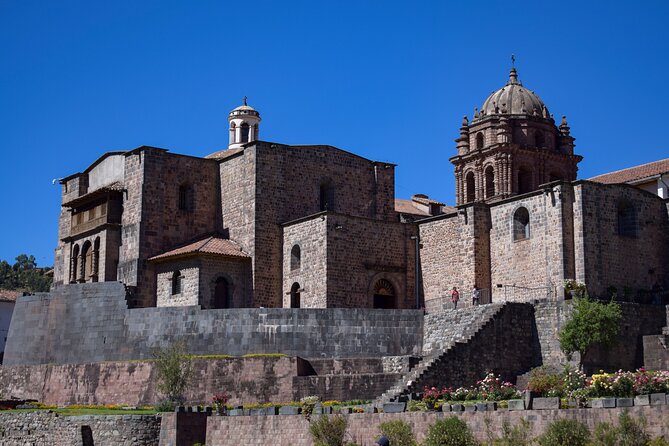
Qorikancha is one of the most important stops in Cusco. During Inca rule, this Temple of the Sun was considered the leading religious site in Tahuantinsuyo, the Inca Empire.
The visit helps explain why Cusco is more than a colonial city with old ruins nearby. Qorikancha brings you into the center of Inca spiritual and political life. The Spanish religious story introduced at the cathedral is set against the Inca story here.
You receive about an hour at the site, but again, your admission is separate. The tour company may help you purchase access, which can make the process easier, but you should budget for the extra cost before booking.
Timing is important at Qorikancha. One participant reported waiting 25 minutes at the entrance because the site was closed at the planned arrival time. Another tour had a 15-minute guide delay caused by Cusco traffic, and the company paid the Qorikancha admission as a courtesy.
Those gestures are encouraging, but they also reveal the weak point of the outing: the schedule can be affected by traffic and opening delays. Keep your expectations practical. Cusco traffic can be slow, and a late start may shorten explanations later in the day.
Sacsayhuaman and its huge fitted stones
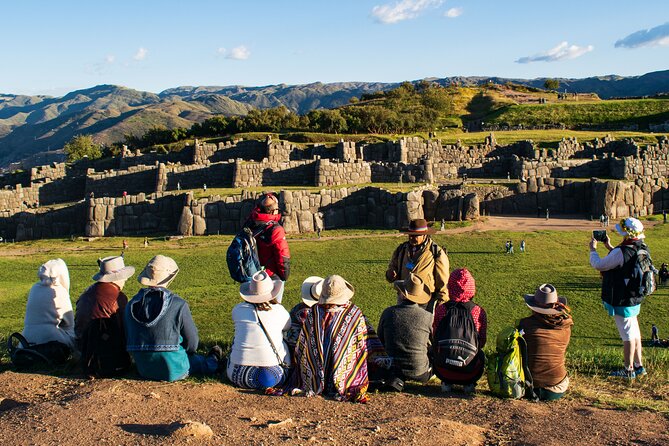
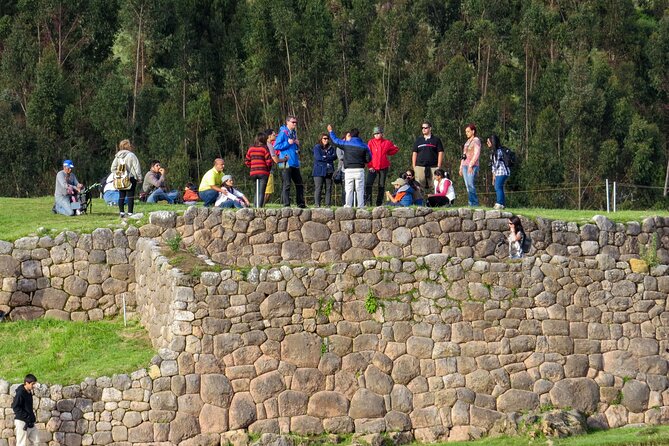
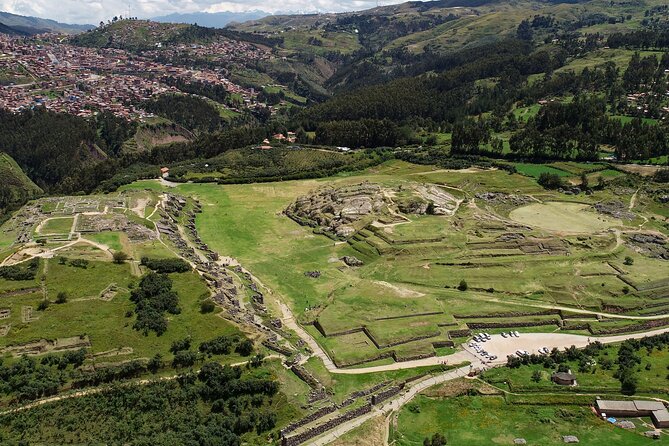
After Qorikancha, the vehicle climbs out of the city toward Sacsayhuaman. This is the visual heavyweight of the tour. The fortress area is known for enormous stone blocks, some compared with the size of a truck, fitted together without mortar.
The engineering is the point. You can look closely at the joints and see how tightly the stones meet. The construction method remains a source of wonder, and a good guide can help you focus on the practical questions: how stones were moved, how walls were shaped, and how the site fit into the Inca capital.
The scheduled hour gives you time to take in the scale rather than simply stop for a quick photograph. The site can also be physically demanding, which is why the strong fitness requirement deserves attention. You should be ready for walking around archaeological grounds and moving through a route that includes sites outside the city.
Admission is not included. If you are trying to keep the total cost close to $13, remember that the advertised price covers the vehicle and fuel surcharge, not the entrance fees.
A few more Cusco trips worth lining up side by side
- Classic Inca Trail Trek 4D/3N to Machu Picchu (Group Service)
★ 5.0 · 8,653 reviews - Cusco: Rainbow Mountain and Red Valley Day Trip with Meals
★ 4.9 · 4,893 reviews - Machu Picchu: 4-Day Inca Trail Trek with Panoramic Train Ride
★ 5.0 · 4,568 reviews - Salkantay Classic Trek 5 Days from Cusco
★ 5.0 · 4,062 reviews
Qenqo’s carved rock and underground passages
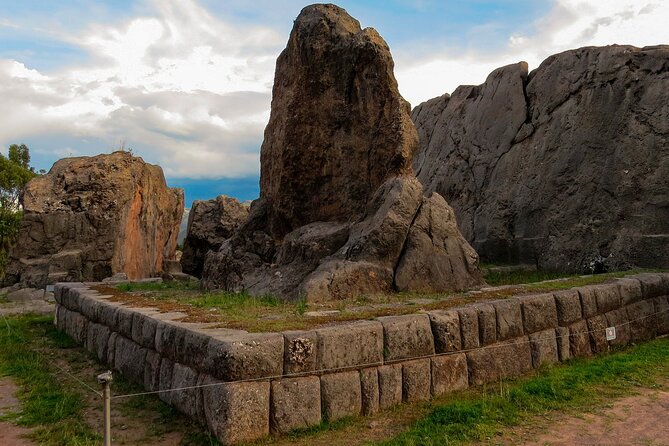
Qenqo offers a different experience from Sacsayhuaman. Instead of focusing mainly on massive walls, you walk among carved rocks and underground passageways. The limestone formations include subterranean areas and figures connected with mythical themes.
This stop rewards curiosity. It is less about one grand view and more about noticing the shapes, channels, and enclosed spaces. The guide’s explanation is especially useful here because the site can be difficult to understand from the stonework alone.
The planned visit lasts one hour, which is generous compared with the 30 minutes assigned to Puka Pukara. Even so, the route remains active. You should wear practical footwear and be comfortable walking through uneven archaeological areas. The tour description specifically asks for a strong physical fitness level, so this is not the best choice if you need a slow, low-effort day.
The admission fee is separate, just as it is at the other stops. Ask the guide about the ticket process if you are unsure which access is needed.
Puka Pukara, the Red Fortress
Puka Pukara takes only 30 minutes, making it the quickest stop. Its name comes from Quechua words meaning Red Fortress, a reference to the red granite used in its construction.
The complex includes terraces, walls, aqueducts, squares, and stairways. These features show how the site was laid out for practical use rather than built as a single isolated monument. In half an hour, you will mainly get an overview and time for photographs.
I see the short visit as a reasonable tradeoff. The tour covers six places, so not every site can receive the same attention. Puka Pukara adds another piece to the route without taking an entire hour from the more substantial stops.
If you want a long, quiet look at every terrace and wall, this will feel brief. If you want to understand how the sites fit together around Cusco, the stop earns its place.
Tambomachay and its still-flowing water
The final listed stop is Tambomachay, an Inca monument associated with the worship of water. The site is known for its channels and fountains, where water continues to flow centuries after the Inca period.
That continuing flow gives the visit a simple, memorable focus. The site is not presented only as a ruin. It also reflects the Inca skill in directing and displaying water, along with the religious meaning attached to it.
The visit is scheduled for one hour. Chroniclers wrote that the Inca emperor used Tambomachay as a place of relaxation, which adds a human detail to the site. After the larger stones at Sacsayhuaman and the tight passages at Qenqo, Tambomachay offers a calmer final chapter.
As with the other archaeological sites, admission is not included. The final stop is outside central Cusco, so the air-conditioned vehicle is useful, especially after several hours of walking.
Guide Jacob and the language question
The strongest part of this experience is the guide service. Jacob was praised for explaining Inca culture, architecture, and the purpose of the ruins. One participant noted that he was of Inca heritage, which added personal depth to his explanations.
His handling of mixed-language groups is also worth noting. In several cases, Jacob gave the main tour in Spanish while providing English explanations to the only English-speaking participant. That arrangement worked well for some people, almost like having a private guide while the rest of the group explored.
It did not work perfectly for everyone. One English-speaking participant felt that the English explanations were shorter because Jacob was also managing the Spanish commentary and the schedule. That is the key point: you may receive excellent individual attention, but the English delivery is not guaranteed to have the same length as the Spanish portion in a mixed group.
The operator limits the group to 16 people, which helps. It is not a private tour, but it is small enough for questions and personal assistance. If English instruction is essential for every minute of the tour, ask about language arrangements before booking.
The vehicle, pickup, and group size
The price includes an air-conditioned vehicle and fuel surcharge. One group of seven described a clean, comfortable minibus with charging ports and an audio system used for commentary along the route.
Those details matter on a five-and-a-half-hour outing. You are not only visiting the ruins. You are also moving between central Cusco and sites outside the city, so a comfortable vehicle makes the transitions easier.
Pickup arrangements can be flexible, but extra charges may apply. One group staying in Ollantaytambo arranged pickup there for a reasonable additional fee and drop-off at a Cusco hotel afterward. That is useful if you are combining this tour with a stay in the Sacred Valley, but you should confirm the added cost before relying on that arrangement.
The tour is near public transportation, though the included vehicle is the practical way to connect all six locations in the allotted time. Pickup delays are possible, especially in Cusco traffic. A 15-minute delay was reported on one outing, while another group dealt with a 25-minute wait at Qorikancha.
Is $13 a good value?
At $13 per person, this is one of the cheaper ways to see Cusco’s main city and nearby archaeological sights with a guide. The price is particularly good for someone who wants transport, commentary, and a structured route rather than negotiating separate taxis.
The low price needs a little unpacking. Entrance tickets are not included, and bottled water is also not provided. Bring your own water and set aside money for admission fees at the cathedral and archaeological sites.
The tour has received a 4.8 rating, with 94 percent of participants recommending it. The praise centers on the guides, the clean vehicle, the efficient route, and the amount of history covered in a short time.
The complaints are practical rather than cultural. Late pickup, a closed entrance, and uneven language timing can affect the day. Those are manageable issues, but they matter if you have a train, flight, or another booked activity soon afterward.
Who should book this half-day tour?
I would choose this tour if you have limited time in Cusco and want a broad introduction. It suits first-time visitors, families who prefer organized transport, and anyone who wants to see both colonial Cusco and the major Inca sites beyond the center.
It also suits people who value guide access more than a slow, private schedule. Jacob’s help with tickets and his willingness to explain sights in English can make the outing much easier, especially for a solo English speaker in a Spanish-speaking group.
You may want another option if you dislike fixed schedules, need guaranteed full English commentary, or have difficulty walking around archaeological sites. The strong fitness requirement is clear, and six stops in 5.5 hours leaves little room to linger.
Free cancellation is available if you cancel at least 24 hours before the local start time. Cancellations or changes made within 24 hours are not refunded or accepted.
Should you book it?
Book this Cusco City Tour if you want maximum coverage for a very small starting price and can accept separate entrance fees and a brisk pace. The route includes the essential sights, and the guide service, especially Jacob’s personal attention, can make the history much easier to follow.
I would be cautious only if your schedule is tight or you need guaranteed equal-length English commentary. For most first visits, though, this is a sensible way to get your bearings, see the major stones and waterworks, and decide which Cusco sites deserve a longer return visit.
FAQ
How long does the Cusco City Tour last?
The tour lasts approximately 5 hours and 30 minutes.
How much does the tour cost?
The listed price is $13 per person.
Which sites does the tour visit?
The route includes Cusco Cathedral, Qorikancha, Sacsayhuaman, Qenqo Archaeological Complex, Puka Pukara, and Tambomachay.
Are admission tickets included?
No. Admission tickets are not included for the listed stops.
Is bottled water included?
No. Bottled water is not included.
What transportation is provided?
The tour includes an air-conditioned vehicle and the fuel surcharge.
How many people can join the tour?
The tour has a maximum group size of 16 people.
Is the tour suitable for people with low fitness levels?
The tour information says participants should have a strong physical fitness level.
Can I cancel for a full refund?
Yes, if you cancel at least 24 hours before the experience start time. Cancellations within 24 hours are not refunded.
Is the tour available near public transportation?
Yes. The tour information states that it is near public transportation.
Added recently around Cusco
- Guided tour of the mountain of colors in Cusco★ 5.0 · 11 reviews
- 2-Day Private Short Inca Trail to Machu Picchu★ 5.0 · 15 reviews
- City Tour Cusco – Group★ 5.0 · 4 reviews
- Tour Sacred Valley with Maras and Moray★ 5.0 · 15 reviews
- San Pedro Market Tour with Peruvian Cooking Class★ 5.0 · 31 reviews
- Walking Culinary Experience★ 5.0 · 41 reviews
- City Tour in Cusco★ 4.5 · 10 reviews
- One Day Tour to Humantay Lagoon★ 5.0 · 8 reviews
City Tours, compared.
Lima Half-Day City Walking Tour (Small Groups)
Read our review →
Half-Day City Tour with Sacsayhuaman and Q’enco
Read our review →
City Tour Panoramic Bus Departure From Larcomar
Read our review →
City Tour Cusco Qoricancha Sacsayhuaman y Tambomachay
Read our review →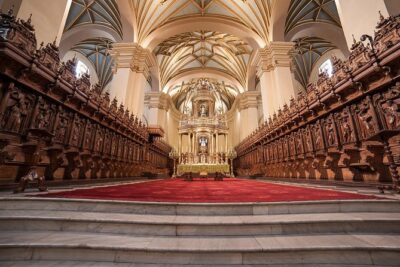
Lima’s Vibrant Heritage: Exploring the City’s Landmarks Half-day
Read our review →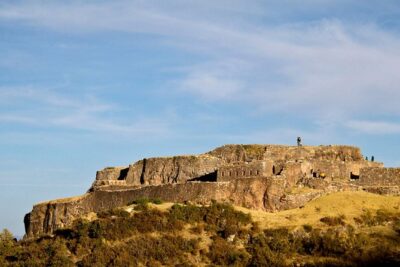
Sightseeing Tour of the City on an Open-Top Bus
Read our review →
Lima City, Central Market & Catacombs Tour (Pick-up & Drop Off)
Read our review →Browse the lists this tour appears in