
Reviewed · SACRED VALLEY TOURS
Cusco: Sacred Valley of the Incas Tour
The Sacred Valley earns its name quickly. This $22 Cusco tour links Pisac, Urubamba, Ollantaytambo, and Chinchero in one long day, giving you a broad look at Inca ruins, mountain views, local crafts, and Andean traditions. I like the strong mix of archaeology and living culture, and I especially like that transport and a guide are included at a low price. The main caution is the demanding schedule, plus the extra 70-sol entrance ticket and lunch cost.
The guide can make a big difference. Luis received warm praise for being patient and well informed, while one family had a poor start when pickup ran 45 minutes late and they were separated on a full bus. If you value seeing many major sites in one day, this is useful. If you want quiet time at each ruin, it may feel rushed.
In This Review
- Key points at a glance
- Why this $22 Sacred Valley tour can be good value
- Leaving Cusco at 11,152 feet
- Pisac: market first, ruins second
- Urubamba: a practical midday pause
- Ollantaytambo and its huge stone terraces
- Chinchero at 12,342 feet
- Views that put the valley in context
- The guide and transport can shape the day
- Who should book this full-day route?
- What to bring and how to prepare
- Should you book the Sacred Valley tour?
- FAQ
- How long does the Sacred Valley tour last?
- How much does the tour cost?
- Where does pickup take place?
- Is lunch included?
- Where can I buy the entrance ticket?
- What languages are available?
- What should I bring?
- Is the tour suitable for people with mobility problems?
Key points at a glance
- Four major stops in one day: Pisac, Urubamba, Ollantaytambo, and Chinchero create a full introduction to the Sacred Valley.
- The entrance ticket costs extra: Bring 70 soles, payable at the first site, usually Pisac.
- Pisac combines market and ruins: You see local textiles and silver work, then climb through terraces and ceremonial areas.
- Ollantaytambo is the visual high point: Huge stone terraces rise above the town and show the scale of Inca engineering.
- Chinchero reaches 12,342 feet: The weaving demonstration comes late, when you may already be tired from the altitude and long day.
- Pickup needs attention: Be ready in your hotel lobby 10 minutes early, and allow flexibility in case the vehicle connection runs late.
Why this $22 Sacred Valley tour can be good value
At $22 per person, this is an inexpensive way to cover several places that would otherwise require separate transport, planning, and guiding. The price includes round-trip transportation from Cusco and a professional guide in English or Spanish. That matters in the Sacred Valley, where the sites are spread across a large area and public transport will not give you the same simple route.
The price is not the full cost. You must pay 70 soles for the tourist ticket, and lunch in Urubamba is also separate. Even after adding those expenses, the tour can offer solid value if your priority is seeing the main sights rather than traveling at a slow pace.
I would view this as an orientation day. You get a useful first look at the valley, its Inca remains, its farming terraces, and its craft traditions. You do not get a leisurely archaeological visit, and the ten-hour day includes substantial driving and several guided stops.
The low price also means you should keep your expectations sensible. Transportation may involve a car taking you to meet a larger bus, and a full vehicle can affect where your group sits. One family was left waiting with luggage for 45 minutes after a scheduled 7:30 pickup, then found the bus full and members separated. That is a serious logistical weakness, especially for families or anyone carrying heavy bags.
More Sacred Valley days out:
- From Cusco: Sacred Valley & Maras Salt Mines Tour with Lunch
★ 4.8 · 2,227 reviews - From Cusco: Moray, Maras Salt Mines & Chinchero Weavers Tour
★ 4.8 · 1,925 reviews - 2-Day Tour: Sacred Valley and Machu Picchu by Train
★ 5.0 · 1,127 reviews
Leaving Cusco at 11,152 feet
Pickup is available in the historic center, including the Iglesia del Triunfo area, and hotel pickup is included. You should wait in the hotel lobby ten minutes before the scheduled time. The return is also to the central Cusco area or your hotel, depending on the arrangement.
Cusco sits at 11,152 feet, or 3,399 meters. The first part of the day therefore begins high, before you descend into the Sacred Valley. This change in altitude can help some people feel better, but the day later climbs again at Chinchero, so you should not assume the entire route stays low.
Bring water, sunscreen, a hat, and rain gear. The Andean weather can change quickly, and the supplied information specifically recommends protection from sun and rain. Comfortable walking shoes are sensible because the ruins include terraces and uneven ground.
The tour is not recommended for people with mobility impairments or pre-existing medical conditions. That does not mean every site requires strenuous hiking, but the combination of altitude, steps, uneven surfaces, and a long schedule calls for reasonable fitness.
Pisac: market first, ruins second
Pisac is one of the most useful stops because it gives you two different experiences. In town, you visit the artisan market, where local makers display handwoven textiles and silver jewelry. This is the place to look closely at Andean patterns, colors, and the practical craft traditions that remain part of local life.
The market visit lasts about 30 minutes with a guided tour. That is enough for a quick look, but not enough for a relaxed shopping session. If you hope to compare many textiles or negotiate over several pieces, the time may feel short. Treat it as an introduction rather than the main purpose of the excursion.
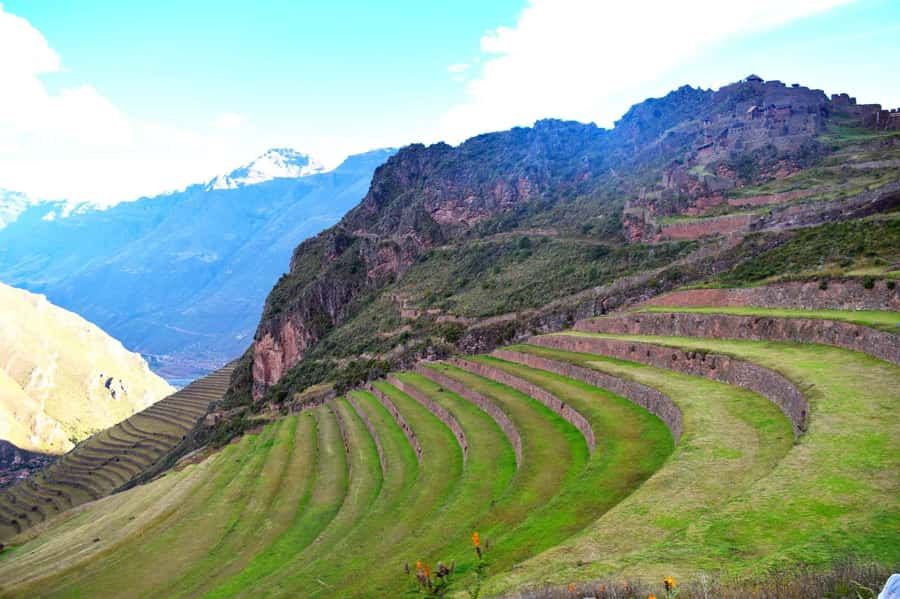
The archaeological park comes next, with about an hour of guided touring. At roughly 10,980 feet, or 3,347 meters, Pisac is still high. The ruins overlook the valley, and the ancient terraces show how the Incas shaped steep mountain slopes for farming.
The terraces are not just attractive stonework. They reveal planning, water control, and an understanding of different growing conditions at different heights. Ceremonial temples add another layer, placing agriculture beside religious and political life. A good guide can help connect the stones to the broader purpose of the site.
I would pay close attention here, because this is one of the places where the guide’s skill matters most. The tour gives you a set amount of time, so listen during the explanation instead of wandering too far from the group. If you need frequent rest breaks, tell the guide early.
The 70-sol tourist ticket can be bought at the entrance to the first site you visit, which is expected to be Pisac. Bring local currency and keep the ticket safe for the rest of the day. It is not included in the tour price, and forgetting it would create an avoidable problem.
Urubamba: a practical midday pause
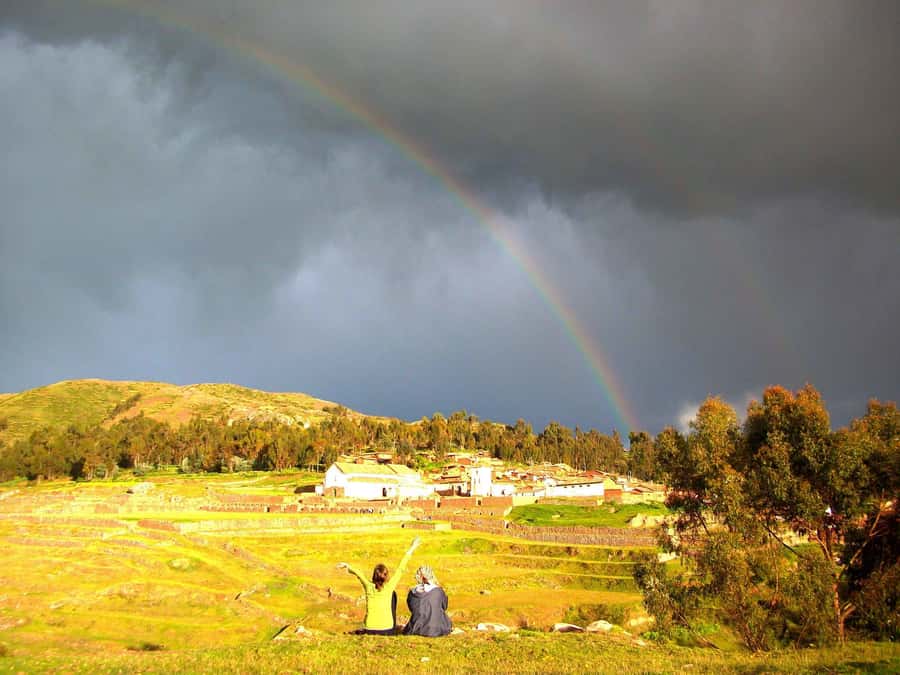
After Pisac, the route follows the fertile Sacred Valley to Urubamba, at about 9,420 feet, or 2,870 meters. This is the lowest point listed on the route and serves as the lunch stop.
Lunch lasts about an hour and is not included. The break gives you time to eat and recover before the afternoon visit to Ollantaytambo. Since the tour has already included altitude, walking, and a market visit, this pause is useful rather than decorative.
You should budget for the meal when comparing tour prices. The $22 fare looks very low, but your total spending includes lunch, the 70-sol ticket, and any purchases at the market or weaving workshop. Still, the meal break is built into the day, so you are not expected to manage food logistics while the bus moves between sites.
Do not expect Urubamba to function as a major sightseeing stop on this itinerary. The scheduled purpose is lunch, not a guided visit. Think of it as a reset before the most impressive ruin of the day.
Also leaving from Sacred Valley, and nothing like the above:
- Cusco: Sacred Valley, Pisac, Ollantaytambo, Salt Mines Moray
★ 4.6 · 1,058 reviews - Cusco:Chinchero,Moray & Salt Mines drop-off in Ollantaytambo
★ 4.8 · 793 reviews - Sacred Valley and Maras Moray Tour with Full Day Buffet Lunch
★ 5.0 · 670 reviews - The Ultimate Full Day Sacred Valley Tour
★ 5.0 · 644 reviews
Ollantaytambo and its huge stone terraces
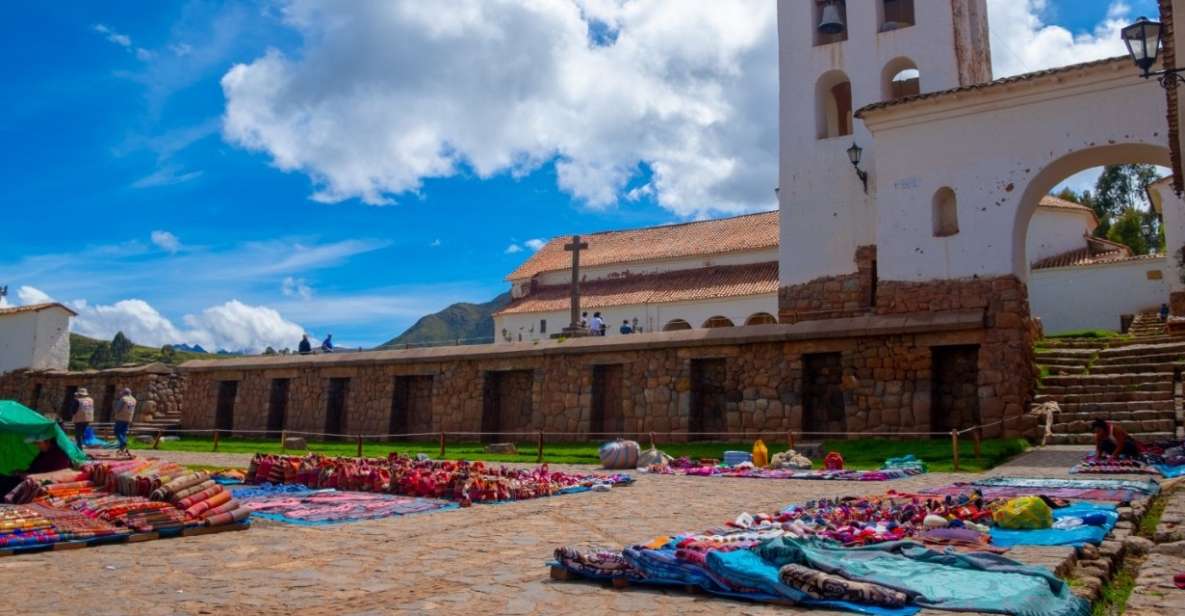
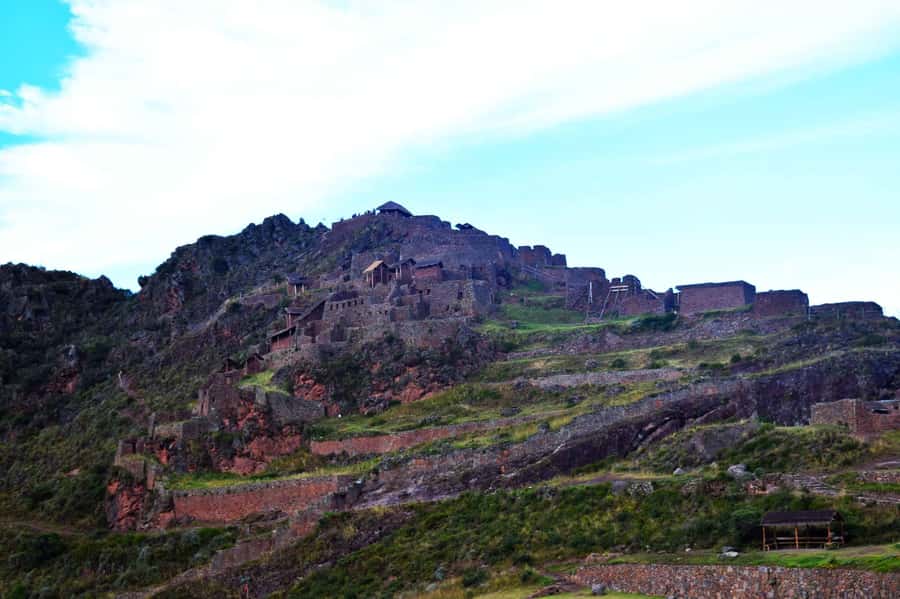
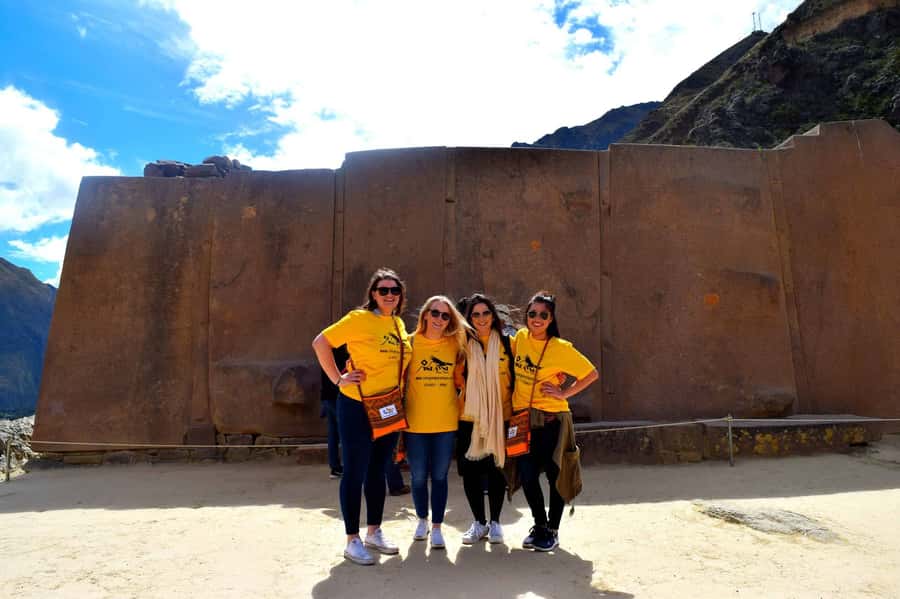
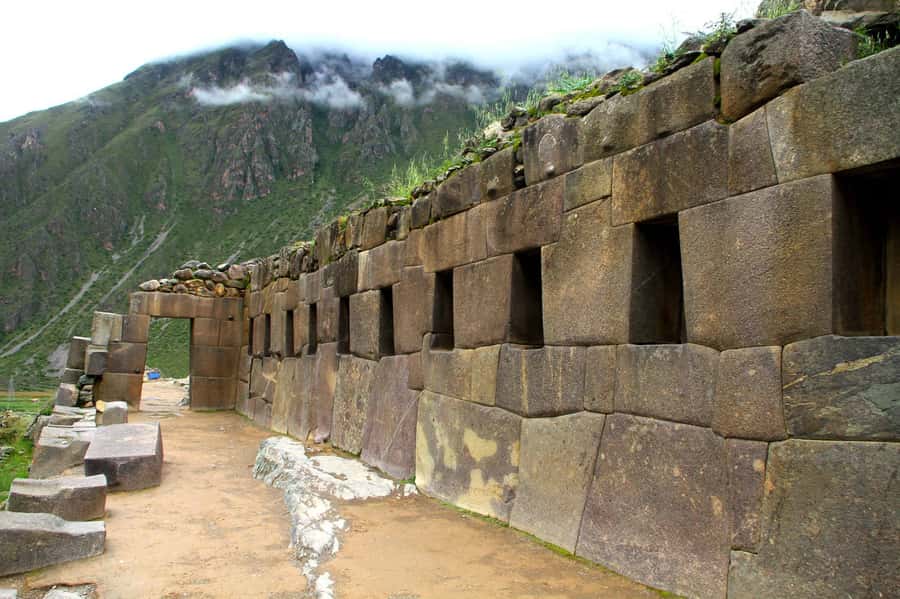
Ollantaytambo is the main archaeological prize. At about 9,160 feet, or 2,792 meters, it is lower than both Cusco and Pisac, which can make the walking feel easier for some people. The fortress rises above the town, with massive terraces climbing the mountainside.
The site had strategic and spiritual importance. Its position gave the Incas control over movement through the valley, while its ceremonial areas show that the location was more than a military outpost. The scale of the stonework is what makes the visit memorable: large blocks, steep terraces, and a mountain setting that makes the engineering easier to appreciate.
The guided visit lasts about an hour. That is enough to see the principal areas and hear the main explanation, but you will not have unlimited time for every staircase or viewpoint. If you are particularly interested in Inca construction, this is the stop where you may wish the schedule were looser.
One family left the tour before reaching the end of the Ollantaytambo visit after a member became ill. That detail is a useful warning, not a reason to avoid the site. Altitude, heat, walking, and a ten-hour outing can catch up with you. Eat properly, drink water, and tell the guide if you feel unwell rather than trying to push through.
Chinchero at 12,342 feet
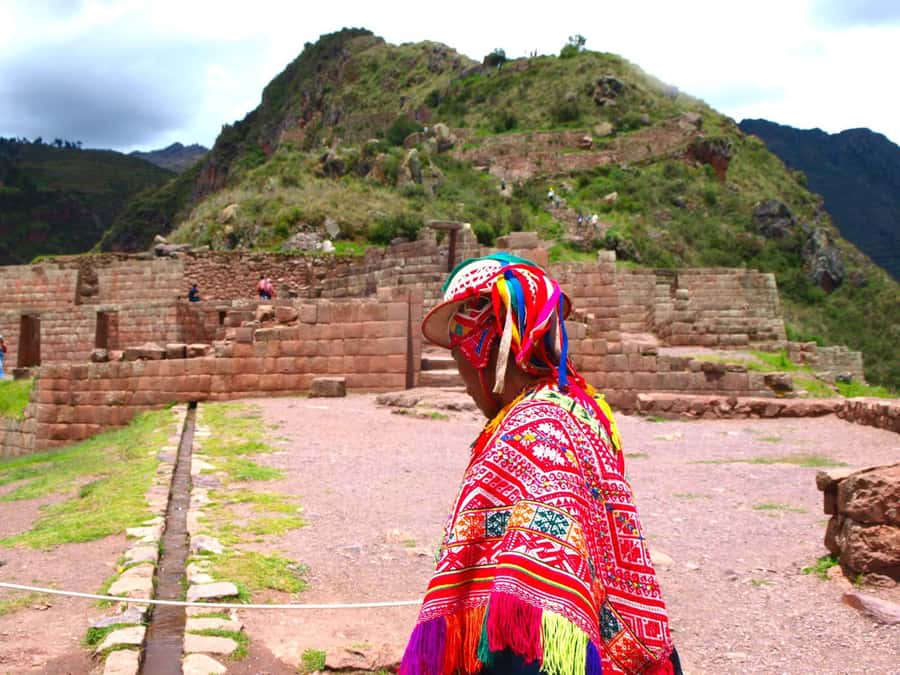
Chinchero comes on the return to Cusco and reaches 12,342 feet, or 3,762 meters. That makes it the highest point listed on the route, even higher than Cusco. The elevation is important because this stop arrives late in the day, after several hours of touring.
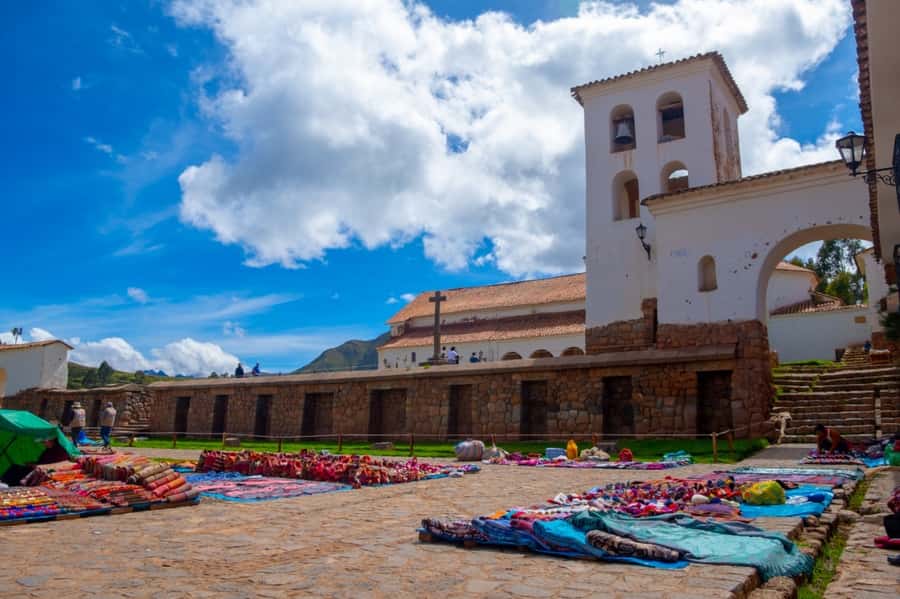
Chinchero brings together Inca remains, a colonial church, and traditional textile workshops. The guided visit lasts about an hour. At the workshop, artisans demonstrate old weaving techniques and explain how Andean textiles are made.
This is a valuable part of the tour because it connects the archaeological sites with present-day culture. You are not only looking at walls from the past. You are also seeing a craft tradition practiced in the region now.
The stop can also feel like a sales visit, depending on how the workshop is organized. The supplied details confirm a demonstration, but not how much time is devoted to shopping. Go in with a clear plan. Enjoy the process, ask questions, and buy only if you genuinely want something.
Chinchero’s elevation deserves more respect than its one-hour slot suggests. Wear your hat, use sunscreen, drink water, and move steadily. If you are already tired, stay close to the guide and do not treat the final stop as an easy add-on.
Views that put the valley in context
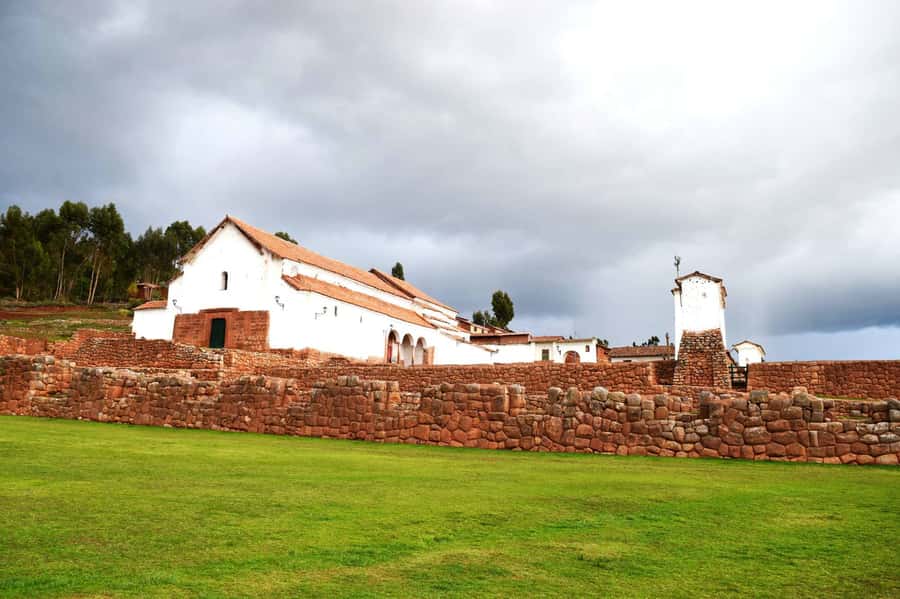
A scenic lookout early in the route gives you wide views over the Sacred Valley before the main ruins. This is a smart part of the day because it helps you understand the setting before entering individual sites.
From a high viewpoint, the valley’s farming areas, mountains, and settlement pattern become easier to read. Later, Pisac’s terraces and Ollantaytambo’s fortress make more sense because you have already seen how the valley is arranged.
The exact lookout is not specified, so I would not book this tour solely for one named viewpoint. Its value is as a short visual pause between Cusco and the ruins. Have your camera ready, but listen for the departure time. On a tightly planned day, a scenic stop will not wait for slow returners.
The guide and transport can shape the day
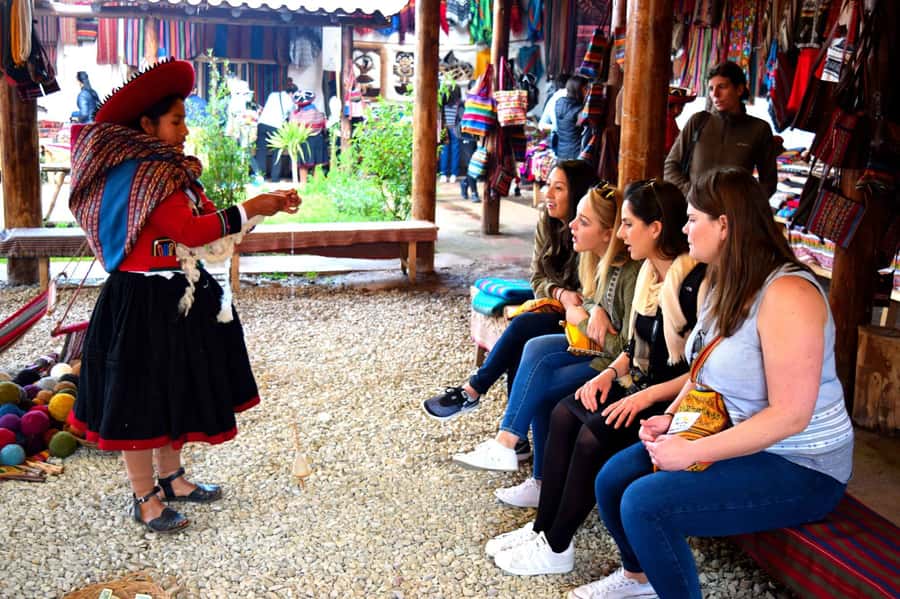
The tour runs with live guiding in English or Spanish. Luis earned strong praise for his patience and command of the subject, which is precisely what you want at places such as Pisac and Ollantaytambo. A patient guide can make altitude stops, uneven walking, and repeated questions much easier.
The transport arrangement deserves closer attention. Pickup is included, but one reported experience involved a 45-minute wait on the street with luggage, followed by a car transfer to a full bus. The family was split up because they boarded late. That is not a small inconvenience, particularly if you are traveling with children or need to sit with someone who may become ill.
You should confirm the pickup point and keep your phone available on the morning of the tour. Arrive early, but also build patience into your plans. Do not schedule a flight, train, or important evening reservation too close to the expected return.
The advertised duration is ten hours, with arrival back in Cusco in the early evening. The schedule includes about one hour at Pisac’s archaeological park, 30 minutes in Pisac town, one hour for lunch, one hour at Ollantaytambo, and one hour in Chinchero. The remaining time is used for pickup, driving, and the scenic stop.
Who should book this full-day route?
I would recommend it to you if this is your first visit to the Cusco region and you want a broad introduction in one day. It is also a sensible choice for a limited budget, since private transport and a guide would normally require much more planning and money.
It suits active sightseers who accept a brisk pace. You will see several important places, but you will not have the freedom to linger wherever you wish. Families should think carefully about the long day, the possibility of vehicle delays, and the altitude. The vehicle separation problem makes it especially important to discuss seating and pickup with the operator if staying together matters.
I would choose a different arrangement if your main goal is detailed photography, slow archaeological study, or a relaxed market visit. A private tour or a shorter route could give you more control, though it would likely cost more.
The tour is also a poor match for anyone with a medical condition affected by altitude or for anyone with limited mobility. The operator specifically says it is not suitable for those groups.
What to bring and how to prepare
Carry your passport or identity card, water, sunscreen, a sun hat, and rain gear. You will need the 70-sol tourist ticket, which can be purchased at the entrance to the first place, usually Pisac.
Wear clothing that can handle both strong sun and cooler high-altitude weather. The route moves from Cusco down into the valley, then up to Chinchero, so conditions can change during the same outing.
Pets, intoxication, alcohol, drugs, weapons, and sharp objects are not allowed. The practical point is simple: arrive ready for a full cultural and archaeological day, not a casual bus ride.
Free cancellation is available up to 24 hours before departure, and you can reserve now and pay later. Those terms are useful if your Cusco schedule is still changing, but they do not remove the need to check the starting time and pickup details before the day.
Should you book the Sacred Valley tour?
Book this tour if you want maximum coverage for a low base price. Pisac gives you market culture and terraces, Ollantaytambo supplies the most powerful ruins, and Chinchero adds living textile traditions. With an English or Spanish guide and transport included, the route packs a lot into one day.
Skip it if you need a calm pace, guaranteed family seating, or long stretches at each archaeological site. The 45-minute pickup delay and full bus experience are important warnings, not minor footnotes.
My practical verdict: this is a useful budget introduction to the Sacred Valley, but it works best when you arrive prepared for altitude, extra costs, a long day, and possible transport hiccups. Keep your schedule flexible, carry water and rain gear, and confirm the pickup plan. Do that, and the tour can give you a strong first look at one of Peru’s most important regions.
FAQ
How long does the Sacred Valley tour last?
The tour lasts 10 hours and returns to Cusco in the early evening.
How much does the tour cost?
The listed price is $22 per person. Lunch and the 70-sol tourist ticket are not included.
Where does pickup take place?
Pickup is available from hotels in Cusco, including the Centro Histórico area near Iglesia del Triunfo. You should wait in the hotel lobby 10 minutes before the scheduled pickup.
Is lunch included?
No. The tour stops in Urubamba for a one-hour lunch break, but the meal is paid for separately.
Where can I buy the entrance ticket?
You can buy the 70-sol tourist ticket at the entrance to the first location visited, which is expected to be Pisac.
What languages are available?
The live guide operates in English or Spanish.
What should I bring?
Bring your passport or identity card, a sun hat, sunscreen, water, and rain gear. You should also bring money for the entrance ticket and lunch.
Is the tour suitable for people with mobility problems?
No. The activity is not suitable for people with mobility impairments or pre-existing medical conditions.
Added recently around Sacred Valley
- Tour Sacred Valley with Maras and Moray★ 5.0 · 15 reviews
- Full day excursion in the Sacred Valley, Pisac, Ollantaytambo from Cusco City★ 4.5 · 12 reviews
- Full day tour of Sacsayhuaman,Q’enQo, Puka Pukara, and Sacred Valley Tour★ 5.0 · 10 reviews
- Full Day Sacred Valley of the Incas Private Tour★ 5.0 · 10 reviews
- Full Day in the Sacred Valley – The Pantry of Cusco★ 5.0 · 14 reviews
- Full Day Urubamba River Rafting Adventure★ 3.5 · 6 reviews
- Full-Day Tour in the Sacred Valley with Lunch★ 4.5 · 15 reviews
- Full Day Tour Sacred Valley of the Incas (Private)★ 5.0 · 7 reviews
Sacred Valley Tours, compared.
Sacred Valley & Maras Salt Mines Tour with Lunch
Read our review →
Moray, Maras Salt Mines & Chinchero Weavers Tour
Read our review →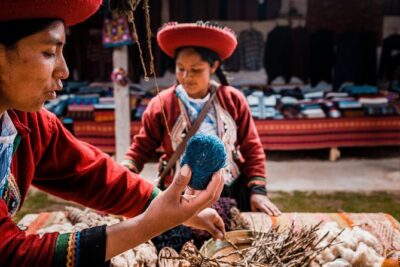
2-Day Tour: Sacred Valley and Machu Picchu by Train
Read our review →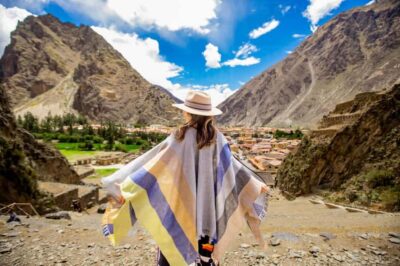
Sacred Valley, Pisac, Ollantaytambo, Salt Mines Moray
Read our review →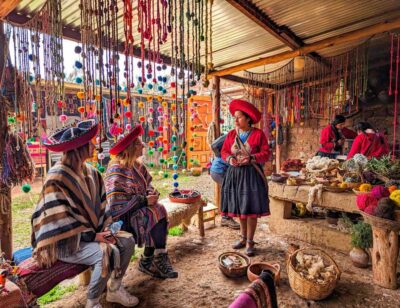
Chinchero,Moray & Salt Mines drop-off in Ollantaytambo
Read our review →
Sacred Valley and Maras Moray Tour with Full Day Buffet Lunch
Read our review →

Browse the lists this tour appears in