
Reviewed · LUNCH EXPERIENCES
Cusco to Puno Tourist Bus with Cultural Stops and Lunch
This is more than a bus ride. The Cusco to Puno tourist bus turns a long transfer into a full day of Andean sights, with the gold-covered church at Andahuaylillas and the massive Inca walls at Raqchi as its best stops. I especially like the comfortable coach and the buffet lunch, both of which make the seven-to-eight-hour journey easier.
I also like the route’s variety. You move from a colonial church to an Inca archaeological site, then through high mountain country and into the Pukara culture museum. The main drawback is simple: this is still a long day on the road, and intermittent air conditioning has made the bus uncomfortable for some people.
In This Review
- Key points to know before booking
- Why this Cusco to Puno route can be worth your day
- Andahuaylillas: the small church with a grand interior
- Raqchi and the huge walls of Wiracocha
- Sicuani lunch: a useful break in the middle
- La Raya Pass at 4,335 meters
- Pukara Museum and the final run to Puno
- The coach, guide, and onboard service
- What to pack for this eight-hour transfer
- Who should book this Cusco to Puno bus?
- Final verdict: a worthwhile transfer for curious visitors
- FAQ
- How long does the Cusco to Puno tourist bus take?
- Where does the bus depart from?
- Where does the tour end?
- Is lunch included?
- Are entrance tickets included?
- Is the tour available in English?
- How many people can join the tour?
- Can I take photos inside the church and museum?
Key points to know before booking
- Andahuaylillas is the cultural highlight: The San Pedro Apostol church is famous for its gold decoration and painted Baroque interior.
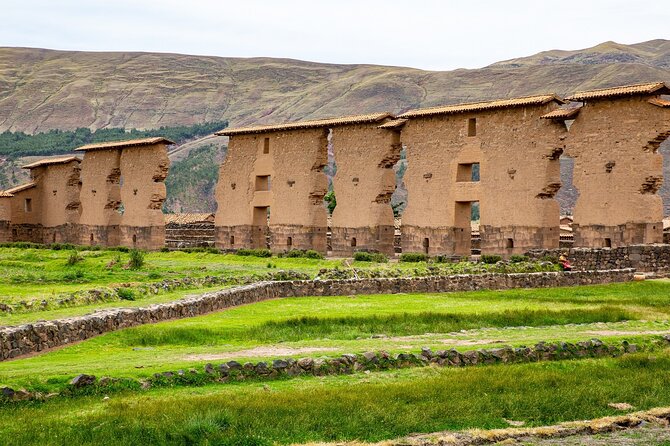
- Raqchi gives you an Inca site with scale: Huge temple walls, aqueducts, tombs, and circular colcas make this more than a quick photo stop.
- La Raya reaches 4,335 meters: Bring warm layers, sunscreen, water, and a little patience for the altitude.
- Lunch is included: A buffet at La Pascana in Sicuani includes regional dishes, vegetables, desserts, and hot drinks.
- The bus has useful comforts: Cold and hot drinks, USB charging, onboard service, and good seats are all valuable on this long transfer.
- The day ends around 5 p.m.: You arrive at the Puno bus station, but transport to and from the stations is not included.
Why this Cusco to Puno route can be worth your day
The direct bus between Cusco and Puno would get you there faster in spirit, but it would also leave you staring out the window for most of the trip. This service breaks up the road with five stops and gives you a guided introduction to several parts of southern Peru.
At $72 per person, the price is not just for transportation. You are paying for the tourist bus, bilingual guiding in English and Spanish, onboard hot and cold drinks, a buffet meal, and visits to several cultural sites. That makes it a reasonable choice if you want to see more than the inside of a regular coach.
The day begins with boarding at the Cusco bus station at 6:30 a.m. for a 7 a.m. departure. The group can reach 30 people, so this is not a private sightseeing day. The benefit is a lower price and a social, organized trip. The tradeoff is that everyone follows the same timetable.
You should also understand the route correctly. This is a one-way transfer from Cusco to Puno, not a round-trip excursion. The bus reaches the Puno station at about 5 p.m., and you arrange your own transport from the station. The reverse journey from Puno to Cusco follows the same road in the opposite order.
A few more Cusco trips worth lining up side by side
- Classic Inca Trail Trek 4D/3N to Machu Picchu (Group Service)
★ 5.0 · 8,653 reviews - Cusco: Rainbow Mountain and Red Valley Day Trip with Meals
★ 4.9 · 4,893 reviews - Machu Picchu: 4-Day Inca Trail Trek with Panoramic Train Ride
★ 5.0 · 4,568 reviews
Andahuaylillas: the small church with a grand interior
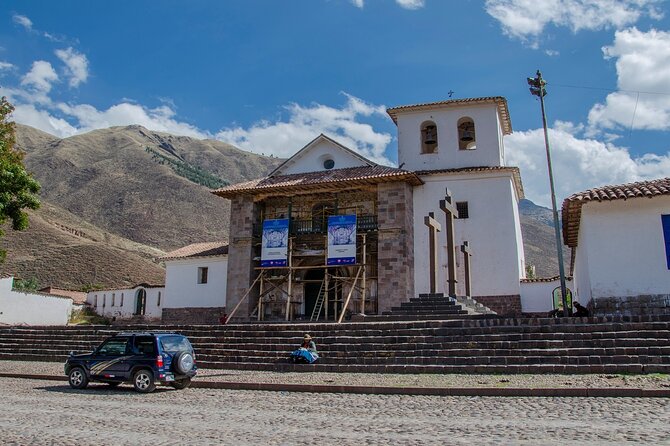
After about an hour on the road, the bus reaches Andahuaylillas at 3,093 meters above sea level. The town is quiet and compact, but its church, San Pedro Apostol de Andahuaylillas, is one of the most memorable stops of the day.
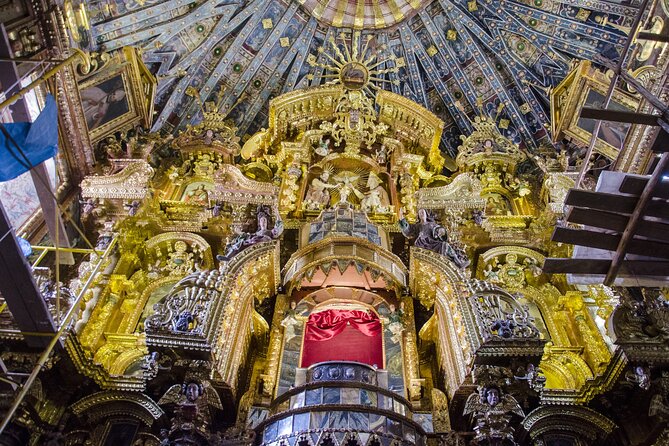
The church dates from the seventeenth century and is often called the Sistine Chapel of the Americas. That nickname can sound excessive, but once you see the interior, you understand why it exists. Gold leaf, painted ceilings, wall art, and Baroque decoration cover the space in a way that feels far more elaborate than the building’s exterior suggests.
Several works are linked to the Cusco school of painting, including paintings attributed to Luis de Reaño. The decoration was meant to teach Christian ideas through images, especially in a time when many local people could not read. Your guide can help explain how European religious art was adapted to the Peruvian setting.
You have about 25 minutes here. That is enough for a focused visit, but not enough for a slow study of every painting. Photography and video are not allowed inside the chapel, so put your camera away and look carefully. This is one place where a short stop works best if you arrive ready to pay attention.
For me, this is likely to be the strongest stop for travelers who enjoy art, churches, and unusual cultural details. If colonial interiors do not interest you, it may feel brief. Still, the church gives the morning a strong start and offers something very different from the Inca ruins later in the day.
Raqchi and the huge walls of Wiracocha
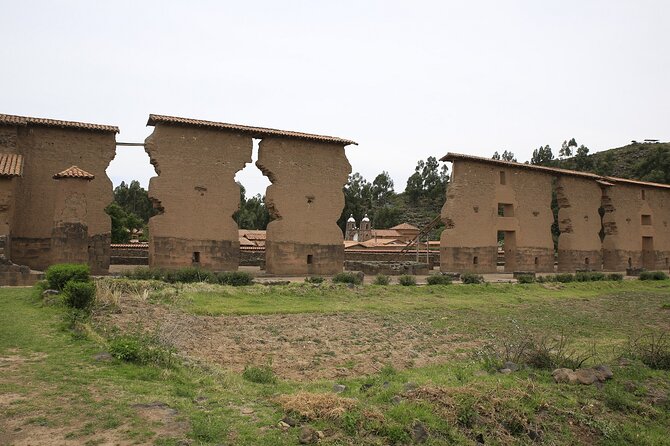
The next major stop comes after about an hour and a half of driving. Raqchi sits at roughly 3,450 meters and spreads beside the Vilcanota River. The site is linked with the Inca temple of Wiracocha, built in the fifteenth century.
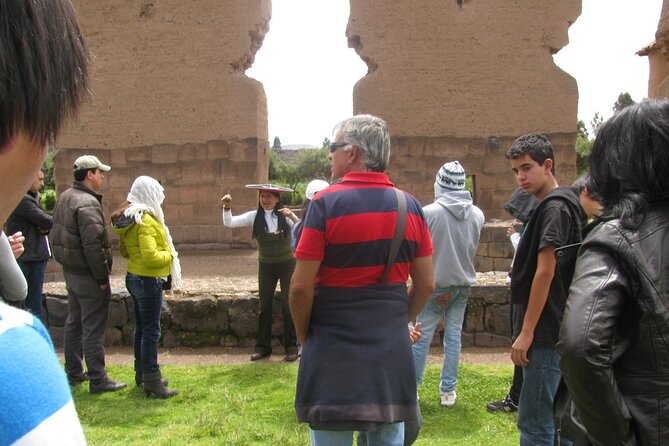
Raqchi is impressive because of its size. Large surviving walls once formed part of a major religious and administrative complex. You can also see aqueducts, tombs, and the round storehouses known as colcas.
The colcas were used to keep food supplies such as quinoa, potatoes, and corn. That detail helps you see the Inca state as a practical system, not only as a collection of temples and royal roads. Food storage allowed officials to support armies, workers, and communities across difficult mountain terrain.
The site also connects with the Inca Trail, which gives it a wider place in the history of Andean travel. You have around 40 minutes to visit, so listen closely to the guide and keep an eye on the time. Raqchi is open and exposed, with little reason to linger without a hat or sunscreen.
One important caution: access to archaeological sites can sometimes be affected by local strikes or road disruptions. If an unexpected closure occurs, the schedule may change. The guide can still explain the route, but no replacement stop is guaranteed by the information provided.
Sicuani lunch: a useful break in the middle
From Raqchi, the coach continues to Sicuani, where you stop at La Pascana for a buffet lunch. The meal lasts about 40 minutes and includes local and regional dishes, vegetables, desserts, and hot drinks such as coca tea.
This is not a rushed snack grabbed beside the road. It is a proper pause that divides the long journey into two manageable halves. The food received some of the strongest praise, and that matters on a day when you leave early and remain on the bus until late afternoon.
Cold drinks are not included with the buffet, so carry extra cash for them. Hot drinks are provided, including mate de coca. Coca tea is commonly offered in the Andes, especially at high altitude, but it is not a medical guarantee against altitude sickness. Take it slowly, drink water, and pay attention to how you feel.
The lunch stop is also where the trip shifts from historic sights to mountain scenery. After eating, you travel for about 40 minutes toward La Raya, the highest point of the route.
Also leaving from Cusco, and nothing like the above:
- Salkantay Classic Trek 5 Days from Cusco
★ 5.0 · 4,062 reviews - 4-Day Salkantay Trek with Sky Camp Stay
★ 5.0 · 3,346 reviews - Short Inca Trail to Machu Picchu 2D/1N
★ 5.0 · 3,007 reviews - Excursion to Rainbow Mountain Full Day Optional Red Valley
★ 5.0 · 2,996 reviews
La Raya Pass at 4,335 meters
La Raya Pass marks the border between the Cusco and Puno regions and reaches 4,335 meters above sea level. The stop lasts only about 10 minutes, but the height makes it feel important.
From the pass, you can see the snow-capped Chimboya and wide Andean views. This is the place to take photographs, stretch your legs, and add a layer before returning to the coach. The air can feel thin, particularly if you have only recently arrived in the Cusco region.
Bring a hat, sunglasses, sunscreen, and comfortable clothing. The high-altitude sun can be strong even when the air feels cold. Ten minutes is enough for a quick look, but it is not a full hike or walking excursion.
La Raya is also a reminder that the transfer is not simply connecting two cities. You are crossing a dramatic highland route, and the road itself is part of the experience. That said, if you want a serious mountain walk or a long photography session, this stop will feel too short.
Pukara Museum and the final run to Puno
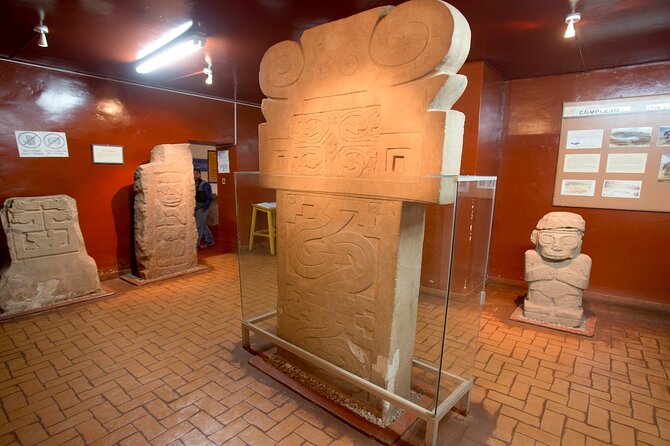
The last planned visit is the Museo Litico Pukara, reached after more than an hour from La Raya. The museum holds monoliths, stone sculptures, and ceramics from the Pukara culture, which developed in the highlands of Peru and Bolivia.
Pukara is useful context before Puno because it introduces a culture that predates the Inca period. The stone work and ceramics show that the high Andes supported complex societies long before the Inca empire expanded across the region.
You have about 30 minutes in the museum. Like the chapel at Andahuaylillas, photography and video are not allowed inside. That rule can disappoint anyone hoping to document the collection, but it also encourages you to focus on the objects rather than viewing everything through a phone screen.
After the museum, the bus continues for about two hours to Puno. The road passes through Juliaca, an important city on the high plateau, before arriving at the Puno bus station around 5 p.m.
This final stretch can feel long. By then, you have already spent hours on the road and visited several sites. The positive side is that the sightseeing is finished, so you can settle into the seat, charge your phone, and watch the scenery pass.
The coach, guide, and onboard service
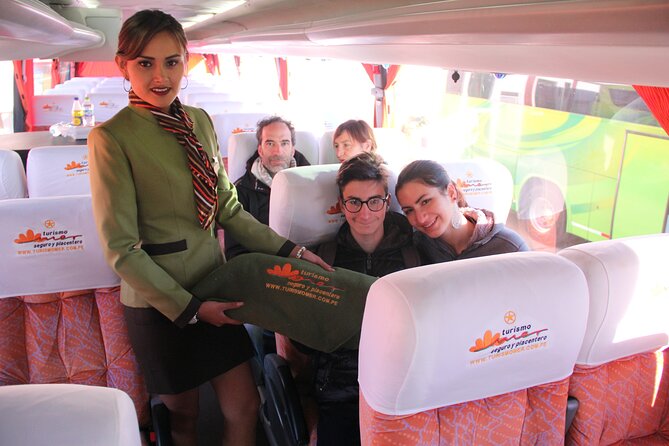
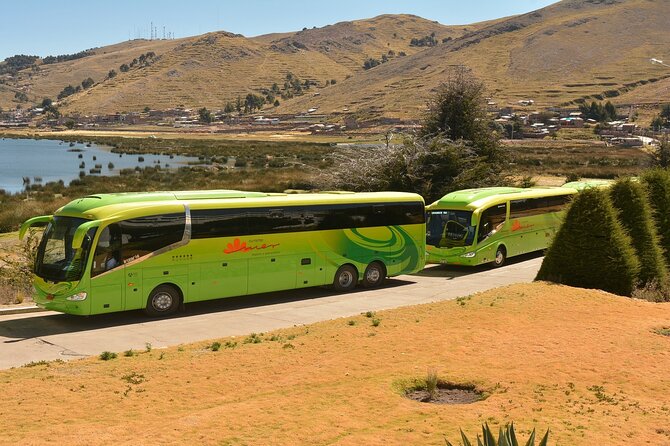
The bus is designed for sightseeing rather than bare-bones transport. It has comfortable seats, ventilation through the seat vents, onboard staff, and hot and cold drinks. USB charging is especially useful because you may use your phone for photos, maps, and hotel arrangements after arrival.
Wi-Fi may take time to connect, and you should not depend on it for important communication. The bus service received good marks for its seating and general comfort, but air conditioning was inconsistent on some trips. The rear of the bus can become hot when the system is not working properly.
If seat choice is possible, I would try to avoid the very back. Front seats on the upper deck can offer excellent views, although the best seating arrangement depends on the vehicle and boarding process. Keep a light jacket nearby because conditions can change between warm valleys and cold high passes.
The guide is a major part of the experience. A good guide keeps a group of up to 30 people on schedule while still answering questions. Marita received particular praise for giving people enough time at the stops, and the wider guiding team is described as attentive and helpful. The tour is offered in English and Spanish, so confirm your language option when booking.
What to pack for this eight-hour transfer
Your day begins early and includes both outdoor stops and indoor visits. Keep these items in a small day bag:
- Hat, sunglasses, and sunscreen for the high-altitude sun
- A warm layer for La Raya Pass
- Water and money for cold drinks or personal purchases
- Camera or phone for outdoor photography
- Portable backup power, even though USB charging is available
- Comfortable shoes for walking around the archaeological sites
The bus provides hot and cold drinks, but you should still bring water. Altitude affects people differently, and a long day with several stops is easier when you stay hydrated.
Do not plan on taking interior photos at Andahuaylillas or Pukara Museum. Those restrictions are clearly stated, so use your time to look at the details instead.
Who should book this Cusco to Puno bus?
I would choose this tour if I wanted to travel between the cities during daylight and make the road part of my Peru trip. It suits you especially well if you like archaeology, colonial art, regional food, and organized sightseeing.
It is also a good fit if you would rather avoid an overnight bus. The daytime schedule gives you views of the Andes and a meal, while the guide adds context to places you might otherwise pass without understanding.
I would think twice if your only goal is to reach Puno as quickly as possible. The stops add value, but they also make the day feel long. The 25-minute church visit, 40-minute Raqchi visit, lunch, high pass stop, and museum visit all require you to follow a group timetable.
You should also be realistic about comfort. The coach is generally described as comfortable, but air conditioning has not always worked well. If you are sensitive to heat, bring a small fan or choose a seat away from the rear if the operator allows it.
The tour has an average rating of 4.3 from six reviews, which suggests a good but not flawless service. The strongest praise goes to the guide, the lunch, the scenic route, and the comfort of the coach. The clearest complaints concern the long duration, unnecessary waiting at some stops, and unreliable cooling.
Final verdict: a worthwhile transfer for curious visitors
I would book the Cusco to Puno tourist bus if I had one full day available and wanted more than a basic transfer. Andahuaylillas and Raqchi give the route real cultural value, while La Raya provides the memorable high-altitude viewpoint and Pukara adds useful pre-Inca context.
At $72, the package makes sense because transport, guiding, lunch, drinks, and site visits are combined. Check carefully that your chosen fare includes entrance tickets. If you select the option without tickets, you can buy admission directly at each stop.
Skip it if you need a fast, quiet ride or dislike group schedules. Book it if you want to turn a necessary journey into a day of art, archaeology, food, and Andean scenery. Free cancellation is available when you cancel at least 24 hours before the 7 a.m. start time.
FAQ
How long does the Cusco to Puno tourist bus take?
The experience lasts approximately eight hours. Boarding begins at 6:30 a.m., departure is scheduled for 7 a.m., and arrival at the Puno bus station is expected around 5 p.m.
Where does the bus depart from?
The bus departs from the bus station in Cusco. Transfers to and from the bus station are not included.
Where does the tour end?
The tour ends at the bus station in Puno. You must arrange your own transport from the station to your accommodation.
Is lunch included?
Yes. A buffet lunch at La Pascana in Sicuani is included. It offers regional and local dishes, vegetables, desserts, and hot drinks. Cold drinks are not included.
Are entrance tickets included?
Entrance tickets depend on the option you choose. If you book the option without tickets, you can purchase them directly at each stop.
Is the tour available in English?
Yes. Guided tours are offered in English and Spanish.
How many people can join the tour?
The maximum group size is 30 people.
Can I take photos inside the church and museum?
No. Photography and video are not allowed inside the Chapel of Andahuaylillas or the Museo Litico Pukara.
Added recently around Cusco
- Guided tour of the mountain of colors in Cusco★ 5.0 · 11 reviews
- 2-Day Private Short Inca Trail to Machu Picchu★ 5.0 · 15 reviews
- City Tour Cusco – Group★ 5.0 · 4 reviews
- Tour Sacred Valley with Maras and Moray★ 5.0 · 15 reviews
- San Pedro Market Tour with Peruvian Cooking Class★ 5.0 · 31 reviews
- Walking Culinary Experience★ 5.0 · 41 reviews
- City Tour in Cusco★ 4.5 · 10 reviews
- One Day Tour to Humantay Lagoon★ 5.0 · 8 reviews
Lunch Experiences, compared.
Humantay Lake Tour with Breakfast and Buffet Lunch
Read our review →
Sacred Valley & Maras Salt Mines Tour with Lunch
Read our review →
Machu Picchu: Full-Day Tour from Cusco with Optional Lunch
Read our review →
Humantay Lake Full Day Trek from Cusco with Lunch
Read our review →
Sacred Valley and Maras Moray Tour with Full Day Buffet Lunch
Read our review →
Sacred Valley: Chinchero, Moray, Ollantaytambo & Pisac+Lunch
Read our review →
Tour Sacred Valley & Maras – Moray with buffet lunch
Read our review →
Pisac Indian Market and Ollantaytambo Fortress with Lunch
Read our review →Browse the lists this tour appears in